§ 1. About this document
This document describes where on the site and in the Odoardo™ products we use artificial intelligence tools, and where we do not.
It is issued by TITUTO Sp. z o.o., tax number (NIP) 8133672085, the operator of the Odoardo™ brand.
The document supplements the information required by Article 50 of Regulation (EU) 2024/1689 (the Artificial Intelligence Act).
§ 2. Photographs and films
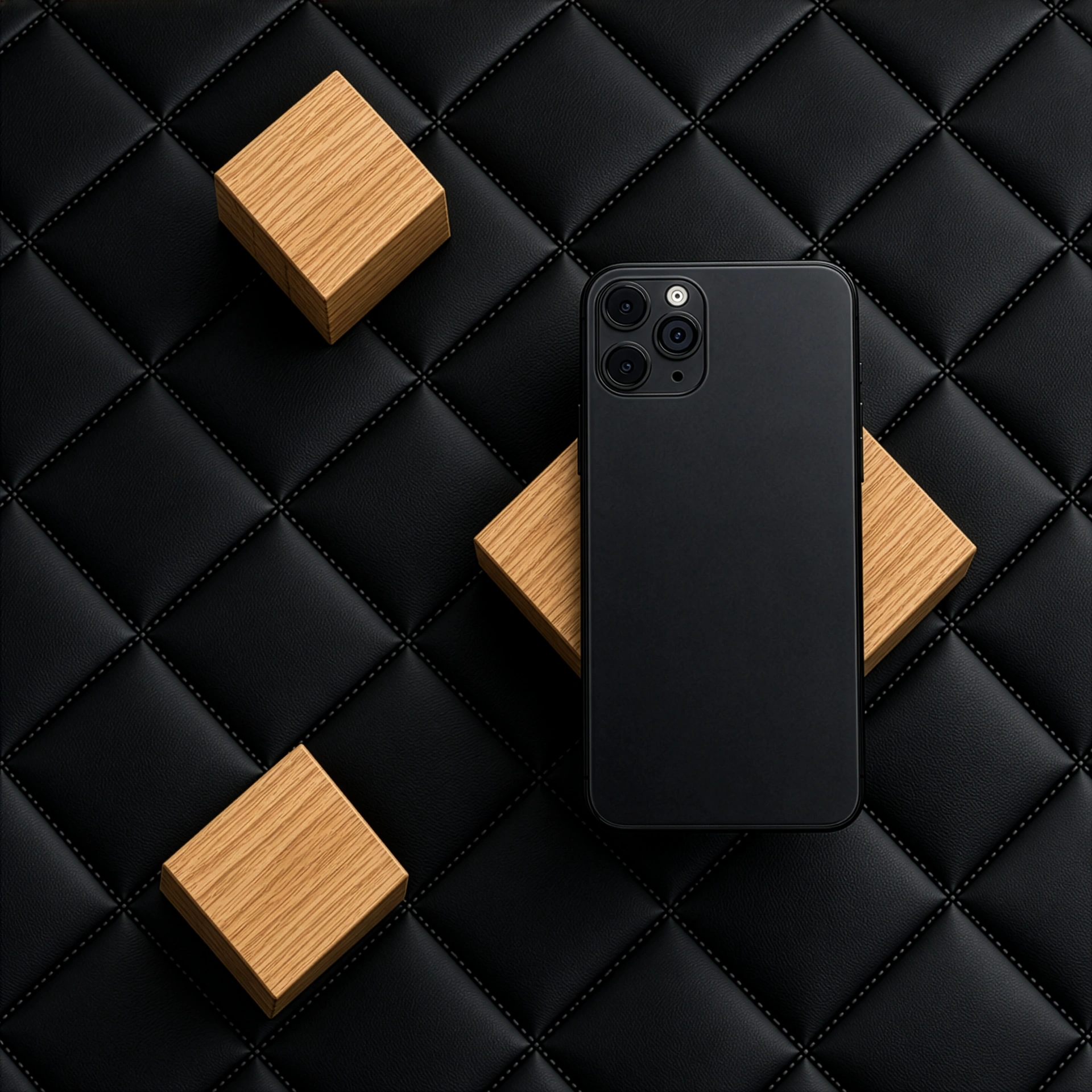
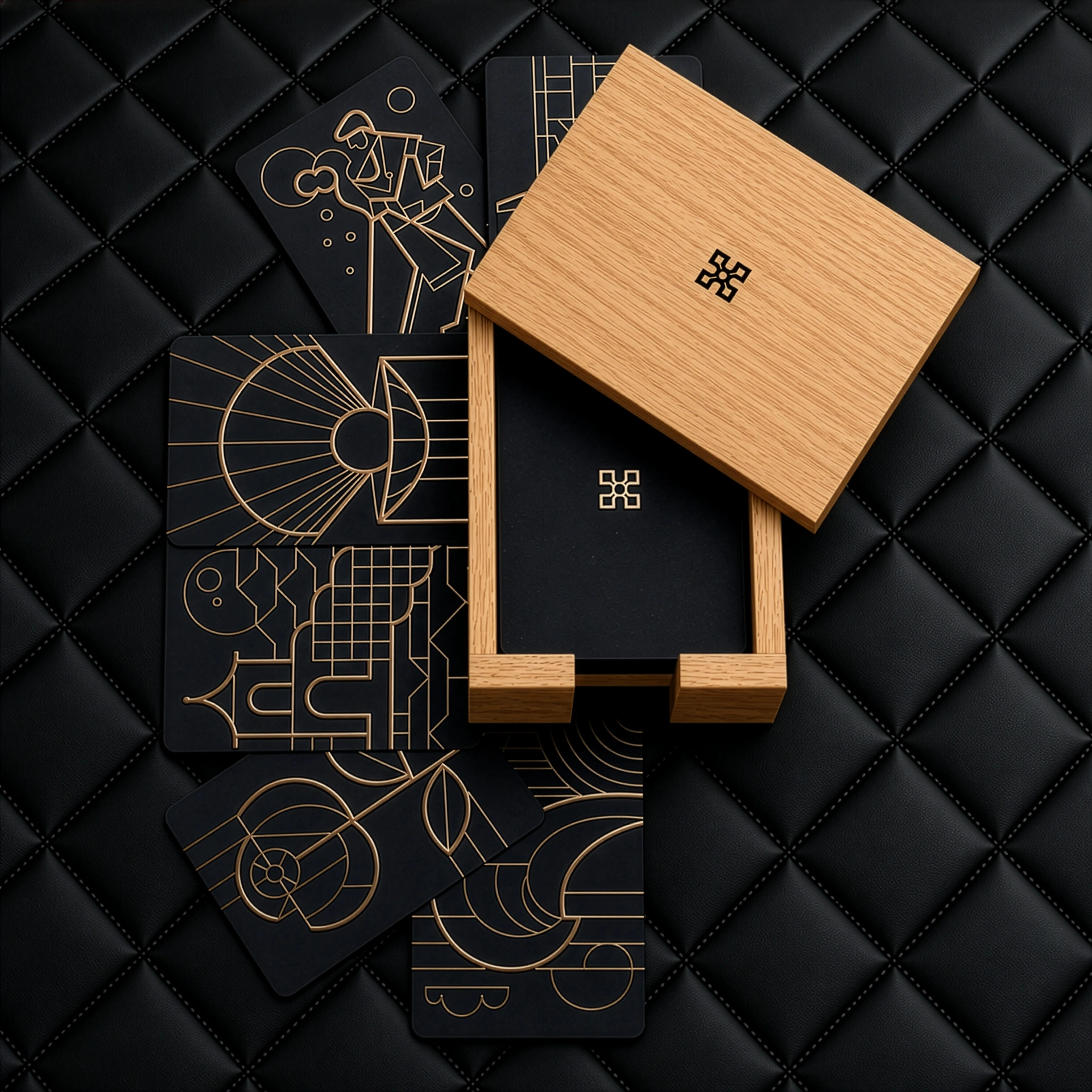
The objects in product photographs and films exist, unless stated otherwise. We edit photographs and films with tools based on artificial intelligence. Among other things, we correct colour and light, remove blemishes, improve the crop, and change or complete the background — for example so that an object lies on fabric rather than on a plain table top.
Editing can change the colour, texture, shape, size, proportions and position of elements. A photograph or film depicts an object rather than measuring it. The material, dimensions and contents of the set are stated with the product. Natural materials, such as wood, make pieces differ in grain and shade, and how colour reads also depends on the settings of your screen. This does not limit your rights if an object turns out not to conform to the contract.
Apart from photographs and films of objects, we use visualisations of scenes, interiors and shots showing, among other things, how something is used, prepared with tools based on artificial intelligence. They depict neither an existing place nor a completed installation.
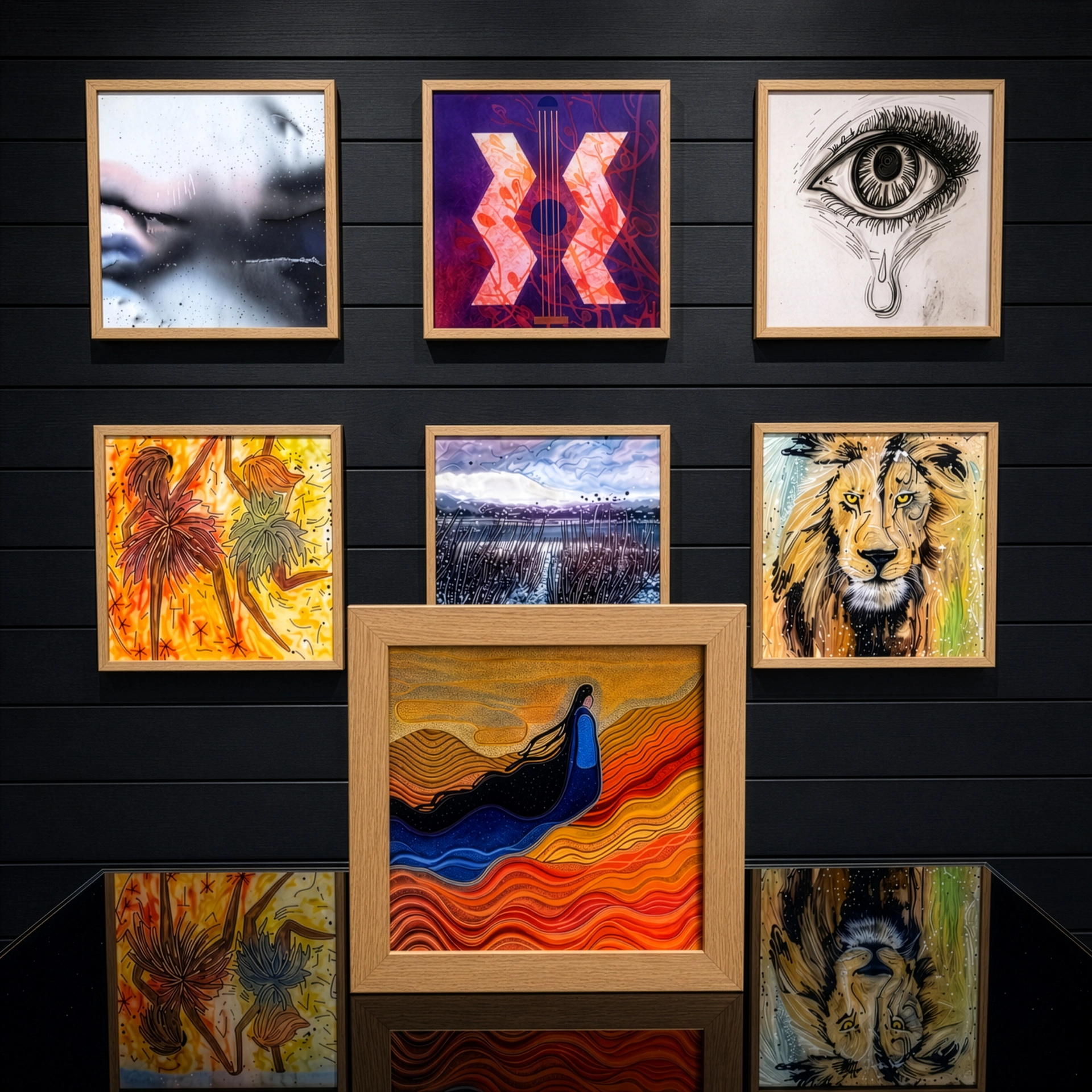
Every work in the catalogue has an author — a person. Digital tools, including those based on artificial intelligence, are allowed in a creator's workshop, provided the work remains their own creative work.
Video postcards are assembled automatically by a program following the fixed rules of the scenario, without artificial intelligence. What the montage does not do is set out in the “What the montage does not do” clause of the Odoardo Lens™ Terms.
§ 3. Texts and translations
Some texts on the site, among them the descriptions of Odoardo Space™ addresses, were generated by language models, and others we prepared with their help — as a starting draft, a stylistic pass or a summary. A person has read the published texts, and we bear editorial responsibility for them.
Versions in other languages are prepared with the help of machine translation. The texts of Odoardo Art™ artists — the biography, the letter to the patron and the stories about the work — are translated into the other languages with the help of an OpenAI model, and our team reviews the translation before it is saved.
The first paragraphs of our letters to businesses and institutions, drafts of messages to editorial offices and drafts of posts on our social media profiles are prepared by OpenAI language models. A message to an editorial office and a post are approved by a person before they are sent or published, and we are responsible for the content of each of these messages.
§ 4. The Odoardo™ and Odoardo Soul™ AI assistants
In the conversation window with the assistant the answers come from an artificial intelligence system, not from a person, on the terms of the “Who answers in a conversation” clause of the General Terms.
The answers are generated by a language model from OpenAI, guided by instructions and knowledge that we supply ourselves.
In the conversation window you can switch on reading answers aloud. They are read by a synthetic voice of an OpenAI model or by the voice built into your browser — not the voice of an existing person. You can also dictate your question, and speech is recognised by your browser or by OpenAI. You start both functions yourself, with a button. What happens to the recordings and the text is described in the “The Odoardo™ assistant” clause of the Privacy policy.
The assistant's answers are for information only and are not binding. The details are set out in the “Artificial intelligence” section of the General Terms.
The AI assistant of a customer's object answers on the basis of the content that customer supplied to us, on the terms of the Odoardo Soul™ Terms. To find the passages that match a question, we index the customer's documents with the help of OpenAI. A guest's request to the staff of the place is passed on by the assistant by e-mail to the service address the customer designated, quoting the guest's words. From the guests' questions of the day an OpenAI model derives one sentence about what kept coming up, without describing any individual, and the assistant may quote it to other guests. Who is the controller of the guests' data is described in the “Guests of our customers” section of the Privacy policy.
We store conversations and send their content to OpenAI solely to generate an answer, to suggest the follow-up questions shown below an answer, to provide the functions described in the “Voice” clause, to prepare the sentence of the day and — where a guest agrees that the object may remember their phone — to prepare a short summary by which the object recognises them on a later visit. They are not used to train language models. Retention periods are described in the Privacy policy.
How to talk to a person instead of the assistant is set out in the “Reaching a person” clause of the General Terms.
§ 5. What we do not do
We do not generate the likeness or the voice of existing people. We impersonate nobody.
We do not generate opinions, references or reviews.
We do not present visualisations as photographs of completed installations, and we do not attribute our products to places where they have never been and are not.