Our homes are far more than a collection of carefully chosen furniture and luxurious finishing materials. In the terms of environmental psychology, the space in which we live is a physical extension of our identity. The objects among which we live bind themselves to periods of life – years later we remember what hung on the wall in a particular year, and usually also why. In time, however, our inner sensibility changes, while traditional, static interiors remain frozen in time. That dissonance between our continual development and unchanging surroundings gives rise to a natural need for aesthetic evolution.
When an interior does not keep pace with our emotions, even the most beautiful objects become no more than an invisible background. Responsible for this is habituation: the reaction to a stimulus that does not change grows weaker with every repetition. Trying to remedy it, many people fall into the trap of acquiring mass decorations devoid of deeper meaning. To avoid that error and understand why genuine craft protects our space from visual stagnation, it is worth looking at the analysis of the phenomenon in the articles Fast art or real art and The psychology of changing space.
Evolution in the rhythm of quarters
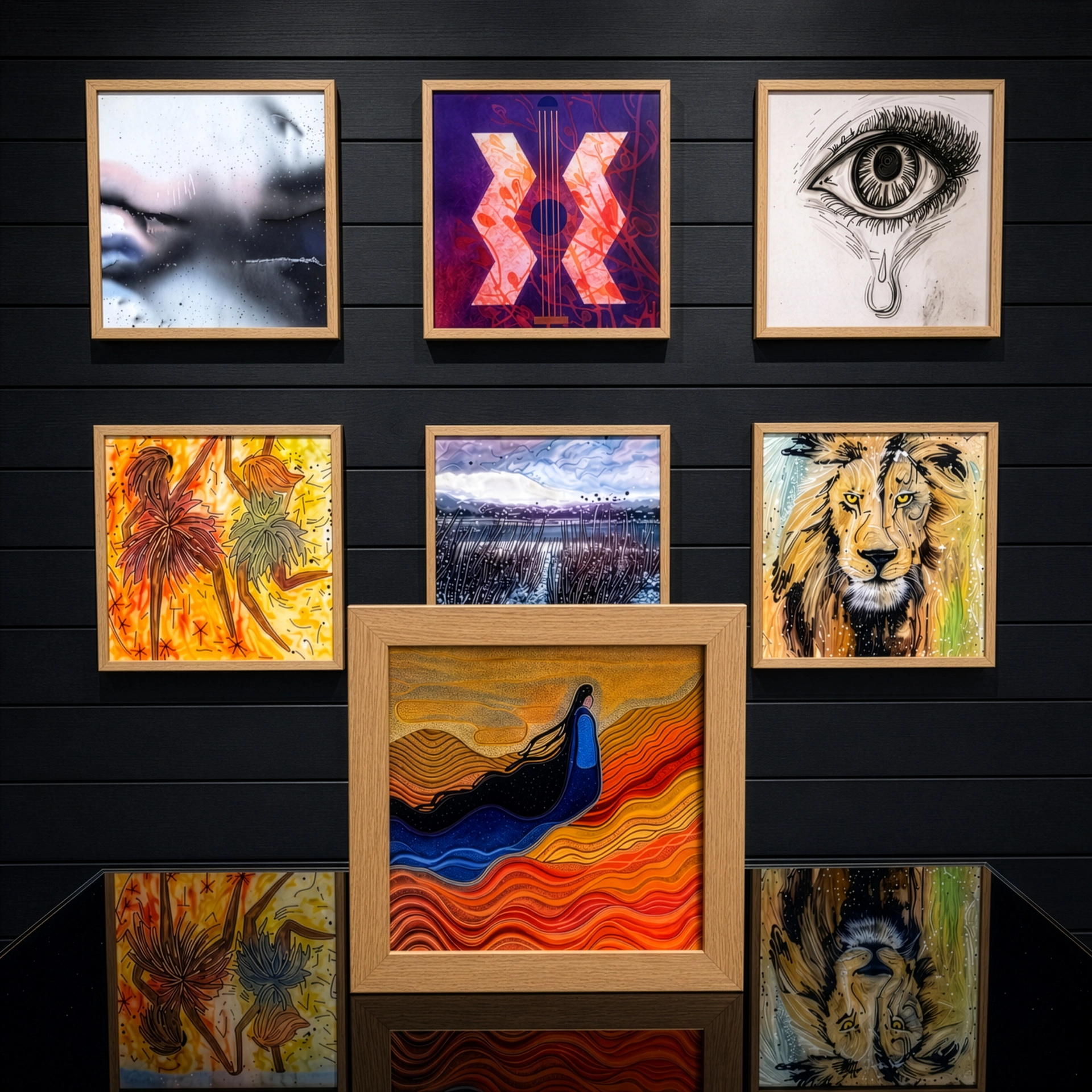
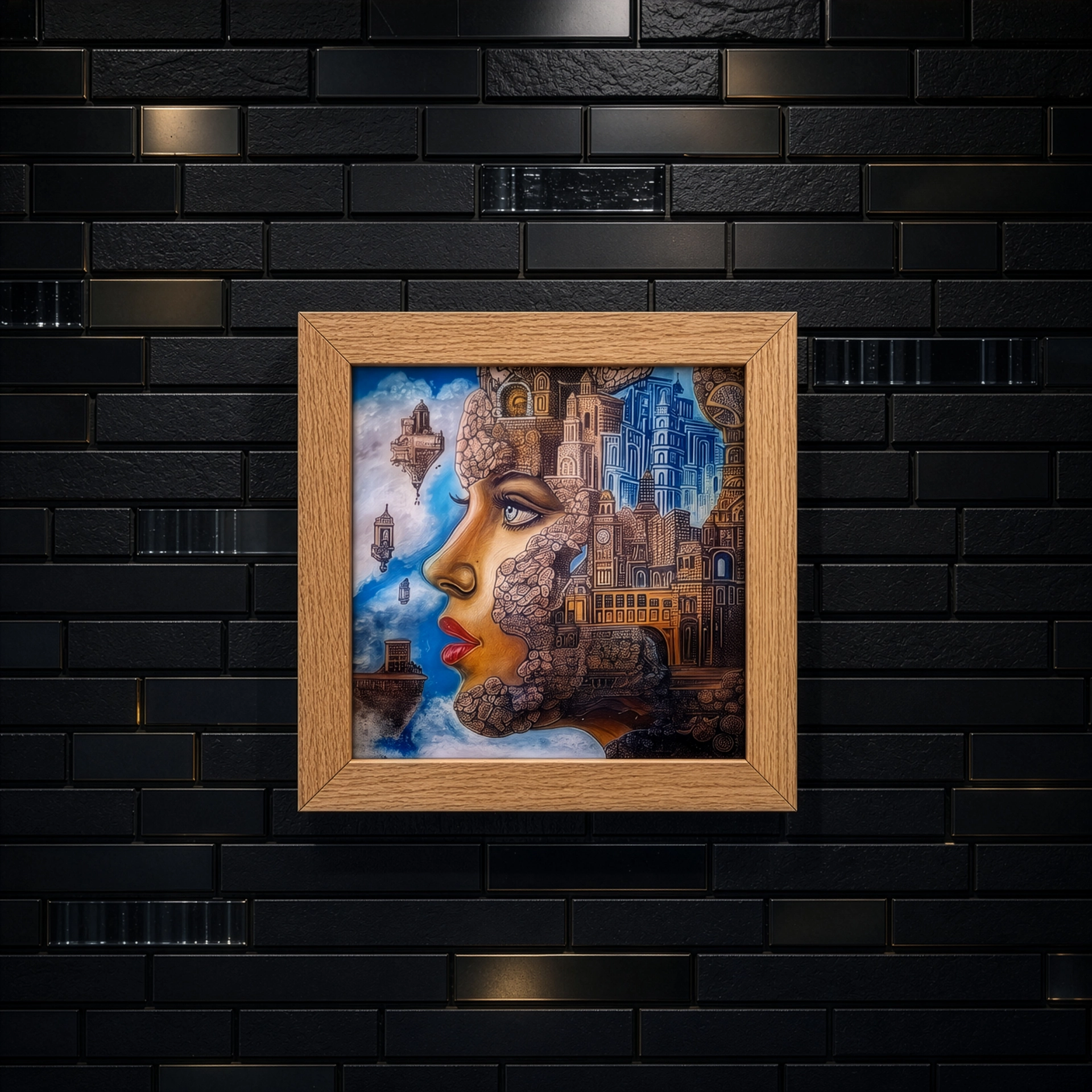
The answer to the need for harmonious change that demands no exhausting renovation is the concept of a living gallery closed in an oak frame. In the subscription model offered by the brand Odoardo Art™, every three months you have the chance to choose a new Chapter from a carefully selected catalog of artists from around the world. That cyclical mechanism lets you smoothly adjust the mood of a living room or office to the current season, new business challenges or simply your present state of mind.
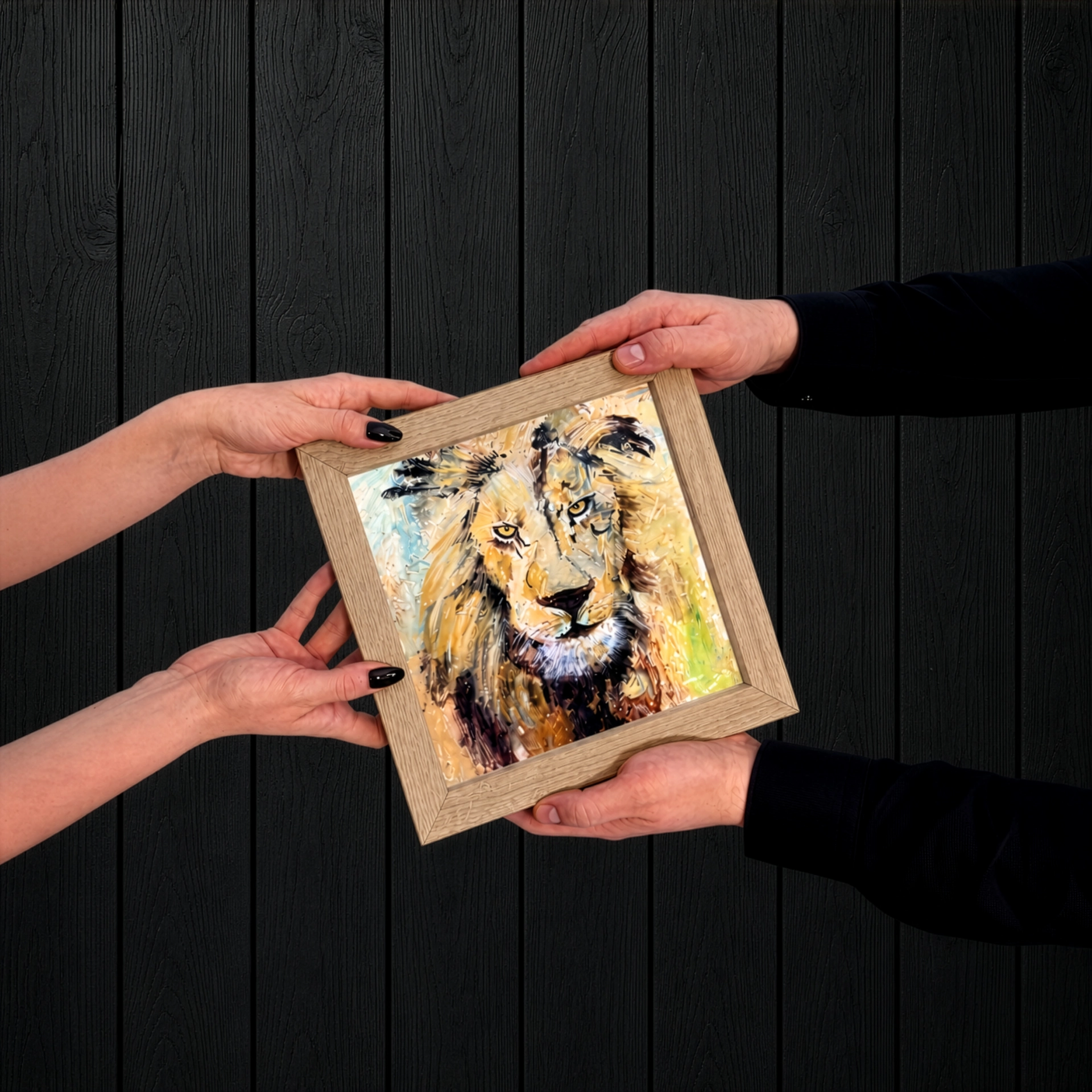
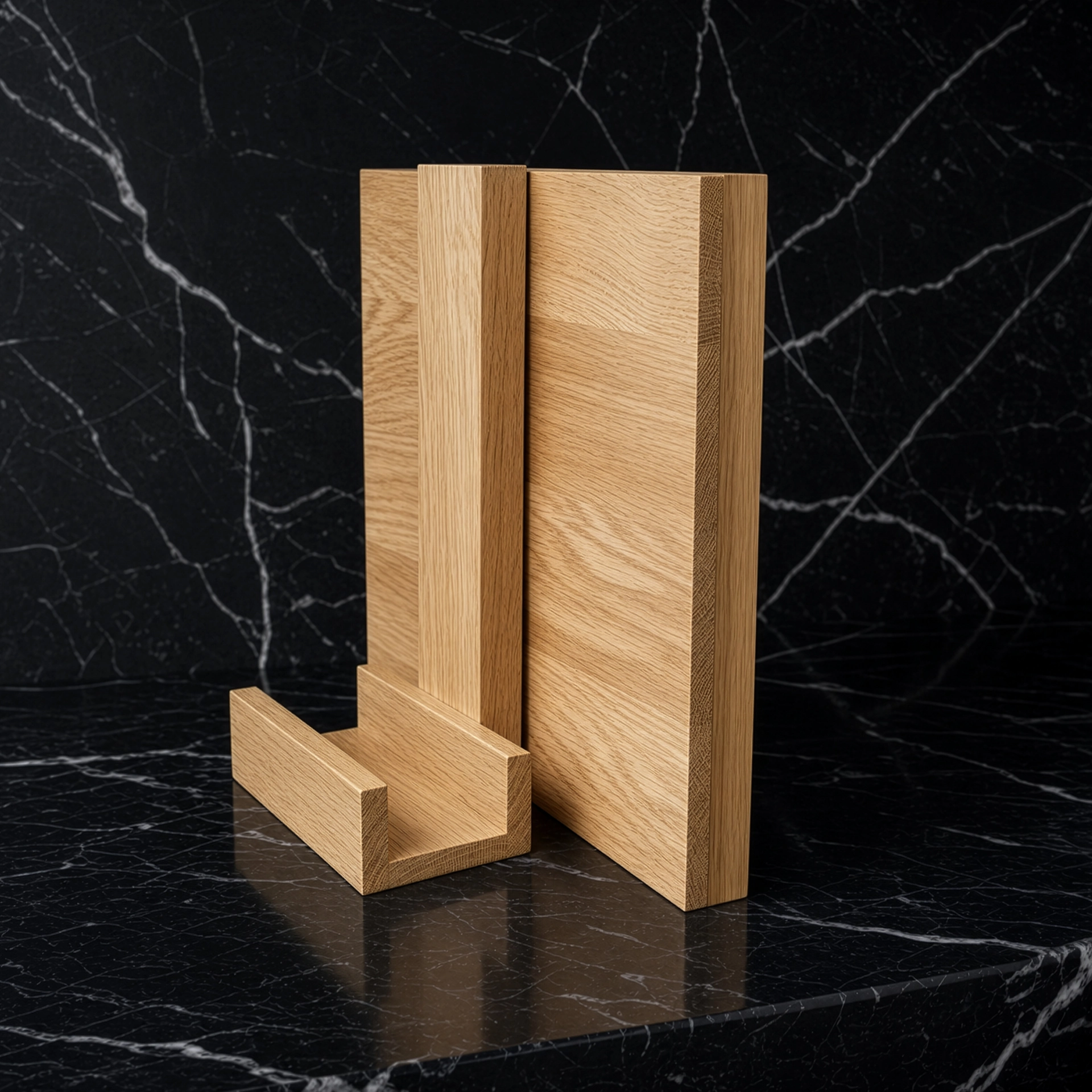
The mechanics of that evolution are extraordinarily discreet and need no tools. Changing a work consists in the simple, satisfying sliding of an oak mini-frame into the main frame, which does not disturb the visual order achieved on the wall. The wall stays the same, and the interior reads differently – which we describe at greater length in the material Interior metamorphosis without renovation.
Building a private archive of memories
The key to conscious collecting in the spirit of quiet luxury is that a work does not stop being worth looking at merely because its quarter has ended. When a given quarter ends and the main frame takes a new work, the previous one absolutely does not disappear. Mounted in an elegant oak mini-frame, it gains a new life, creating a growing private art gallery in your home. With the mounting tape included or the magnetic stand, those works can be freely displayed on a chest of drawers, a shelf, or fill space on the wall.
In this way every past Chapter becomes a physical trace of a particular stage in your life. Fine art prints, made on archival cotton paper and signed by hand in pencil by their makers, turn into a luxurious diary of emotion. The systematic building of that personal collection's value is attested by hard proofs of provenance: the copy number, the pencil signature and the maker's signed letter, gathered quarter after quarter. With the fourth-quarter Chapter you receive an annual certificate of the collection's authenticity, recording that year's works along with their numbers and makers' names. We explain the meaning of this process in detail in the publication Authorization and signature.
Physical anchors in a digital world
On why an object works differently here from a file, the creator of the Odoardo™ ecosystem, dr hab. inż. Marcin Jamro, says:
“We all have last year's photographs, only few people look at them. A work that hung on the wall for three months comes back differently: you know what was happening then, because you looked at it every day. That cannot be recreated with a folder in the cloud.”
A home that develops in the rhythm of your emotions becomes an authentic haven. When your interior breathes art and archives past moods with respect, it creates ideal conditions for deepening bonds with those closest to you. In such a harmonized space, the central point of gatherings at the coffee table can become the crafted casket of Odoardo Alibi™. The questions and illustrations closed within it encourage an intentional exchange of thought – the role of such a weekly ritual is described by the text Rituals for couples.
Why an interior should change slowly and not all at once is explained by the Odoardo™ manifesto.

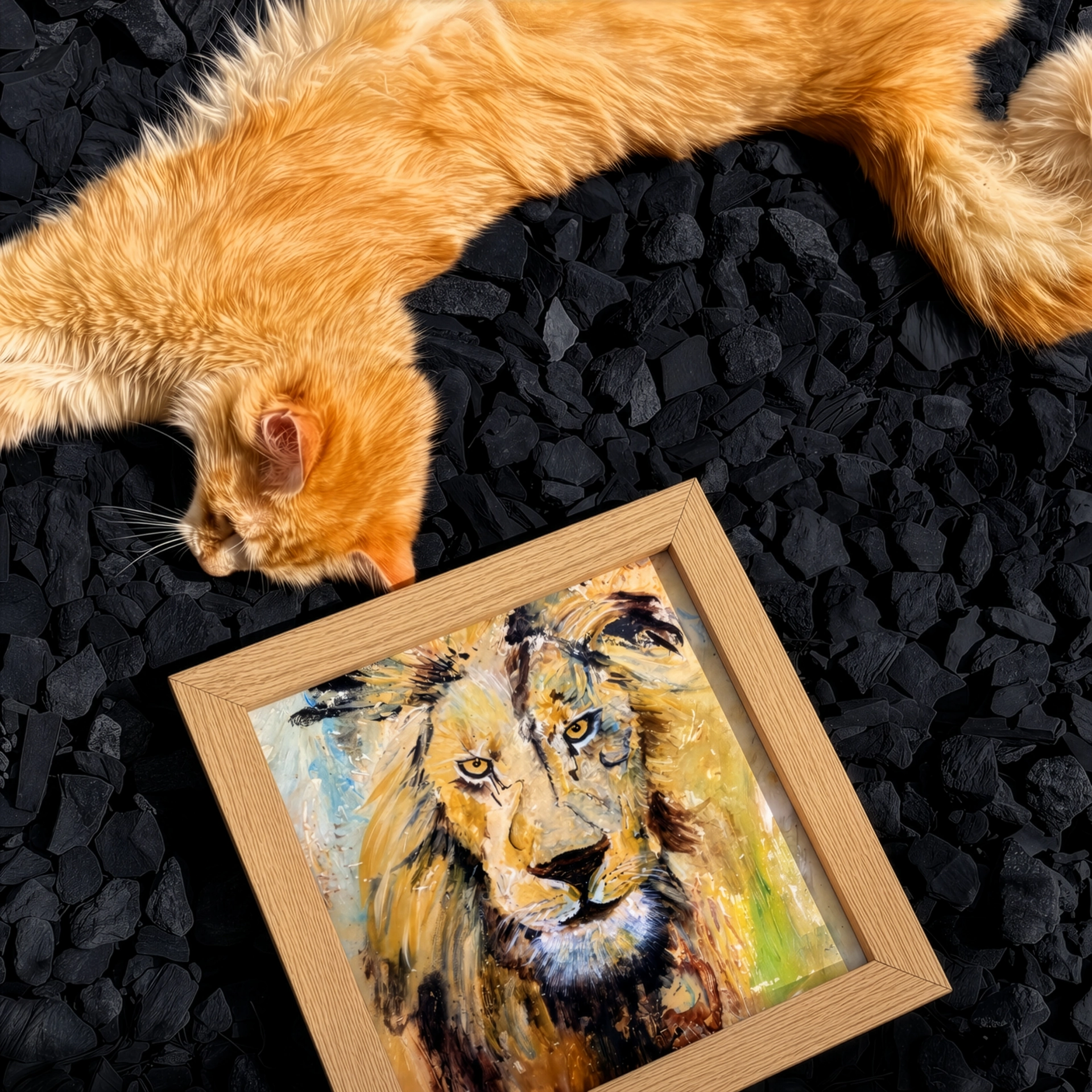
 Odoardo Soul™
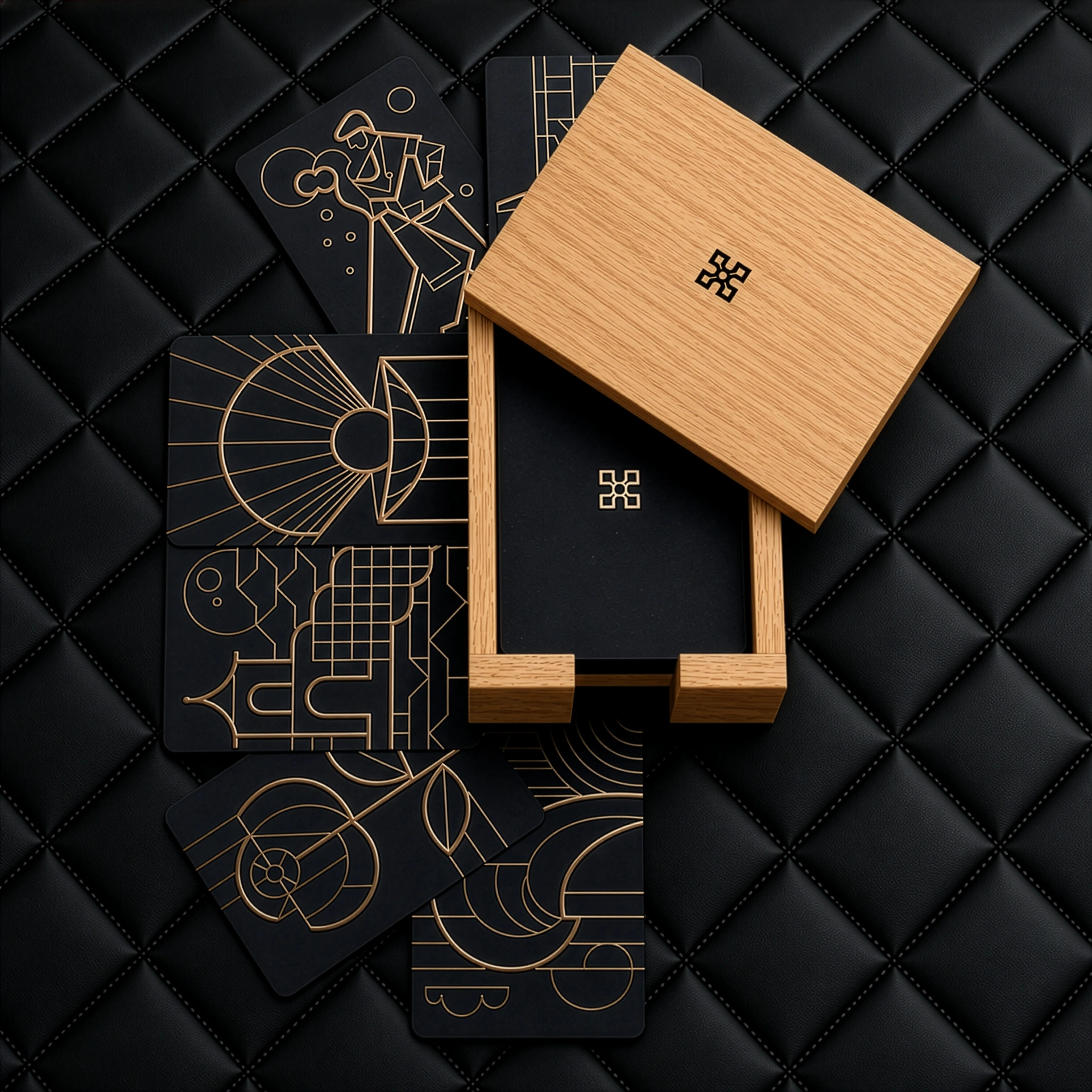 Odoardo Alibi™
 Odoardo Lens™
 Odoardo Space™