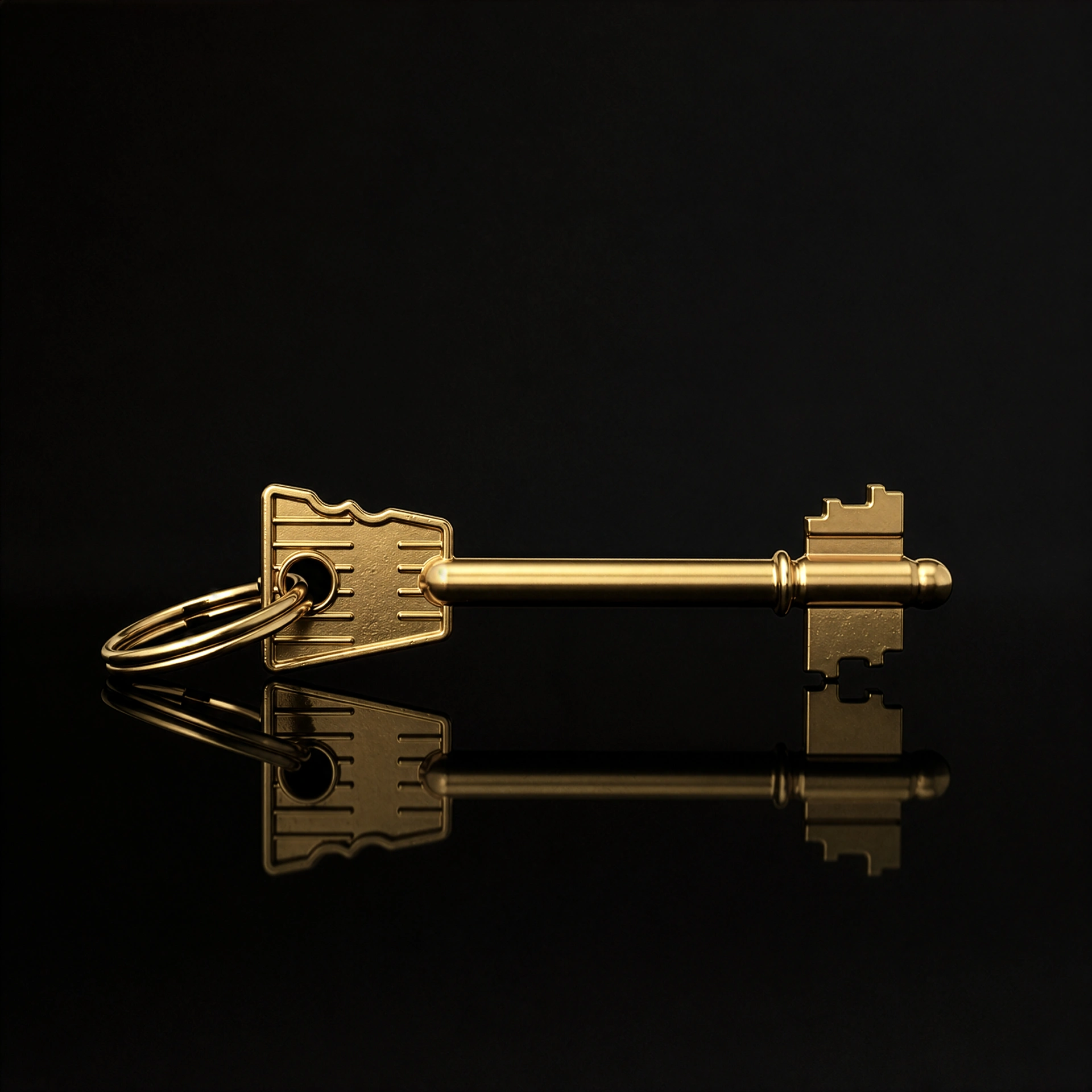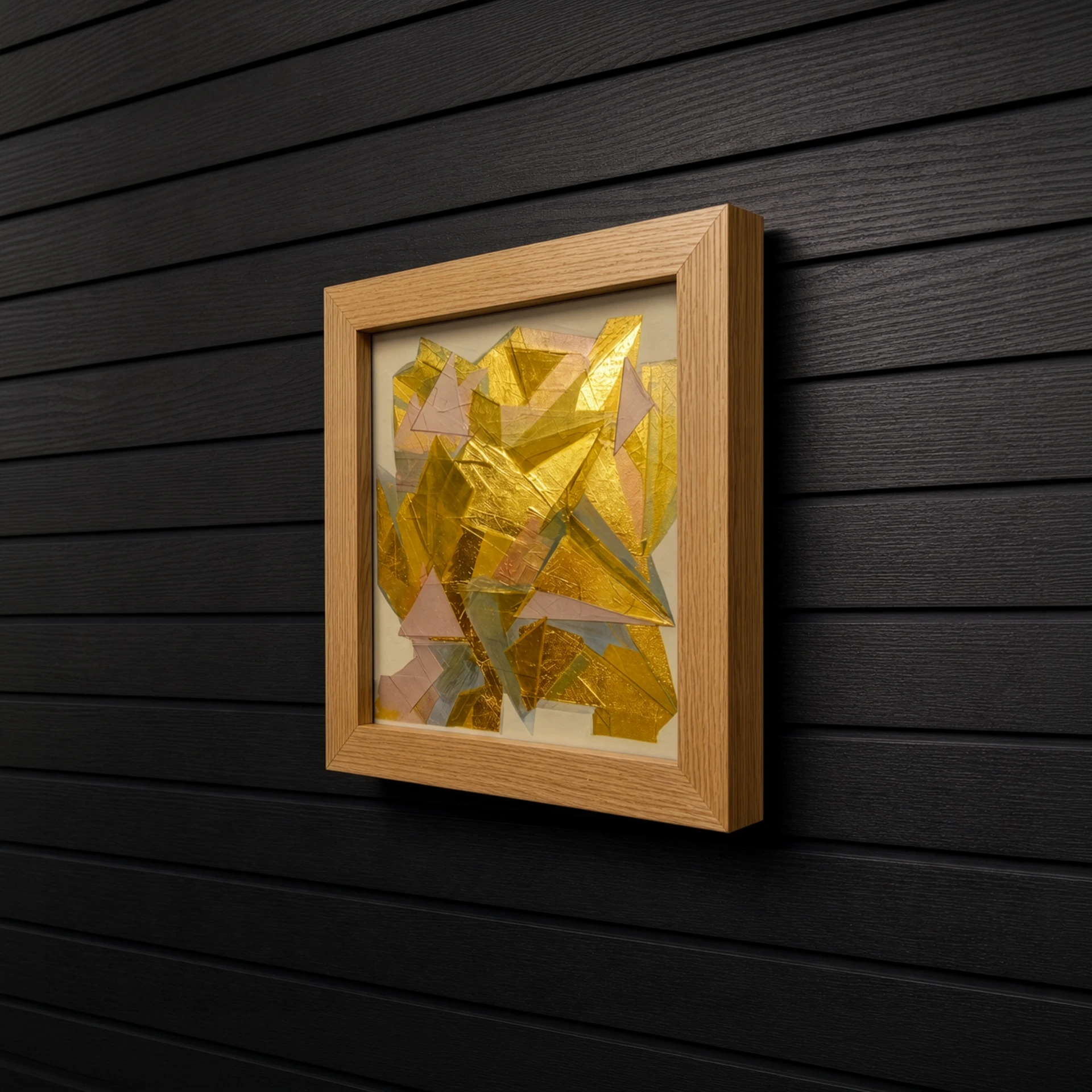
We invest months in designing the perfect interior. We select every detail, from the furniture to the works of art. The initial delight, however, passes in time. Even the most expensive objects merge into one indifferent background. This is not a matter of poor taste or a mistaken purchase – that is simply how attention works toward everything that does not change. Knowing this, one can design an interior that escapes it.
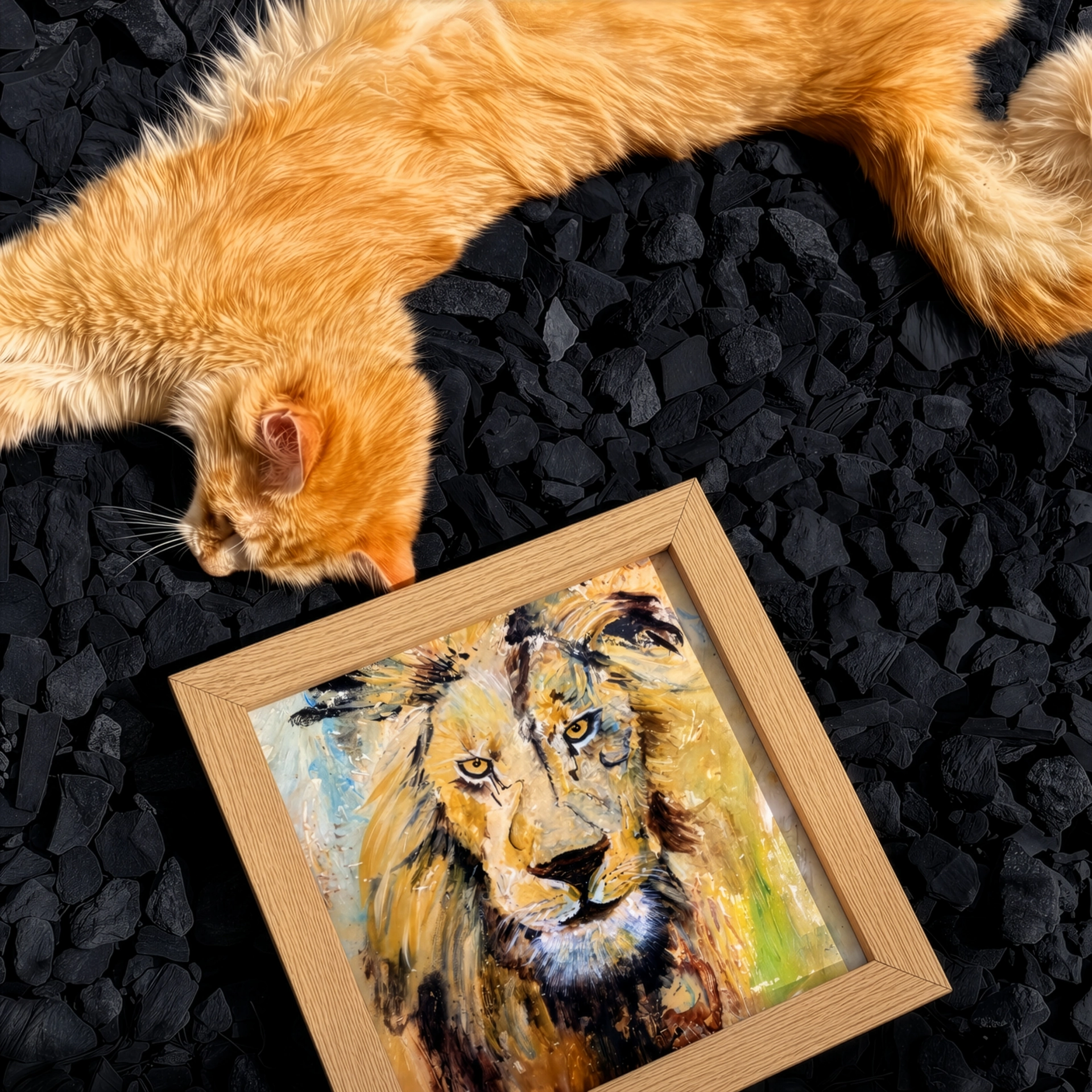
Psychology calls this phenomenon habituation: the reaction to a stimulus that does not change grows weaker with every repetition. After a few weeks of passing the same picture daily, we simply stop noticing it. It becomes visually transparent, though it hangs exactly where we hung it.
Fast art and the illusion of lasting value
Trying to fight that decorative stagnation, we often fall into the trap of fast consumption. We reach for fast art – cheap, mass-produced posters from chain stores meant to trick our mind for a moment with a new stimulus. Unfortunately, flat prints are devoid of depth, texture and authentic context. Such decoration builds no atmosphere at all and merely fills emptiness mechanically.
While habituation to outstanding, crafted works sets in relatively slowly because of the nuances we discover over time, simple graphics grow dull in an instant. They become worthless space-fillers, which deepens an aesthete's frustration. We describe an understanding of that dynamic at greater length in the text Fast art or real art.
Quarterly rotation, the cure for routine
Since our nervous system demands evolution, the answer cannot consist in a burdensome renovation. The solution consistent with the philosophy of quiet luxury is the precise management of change. From that assumption grows an innovative art subscription, through which we deliver a concrete effect: every quarter your interior looks and “breathes” like new.
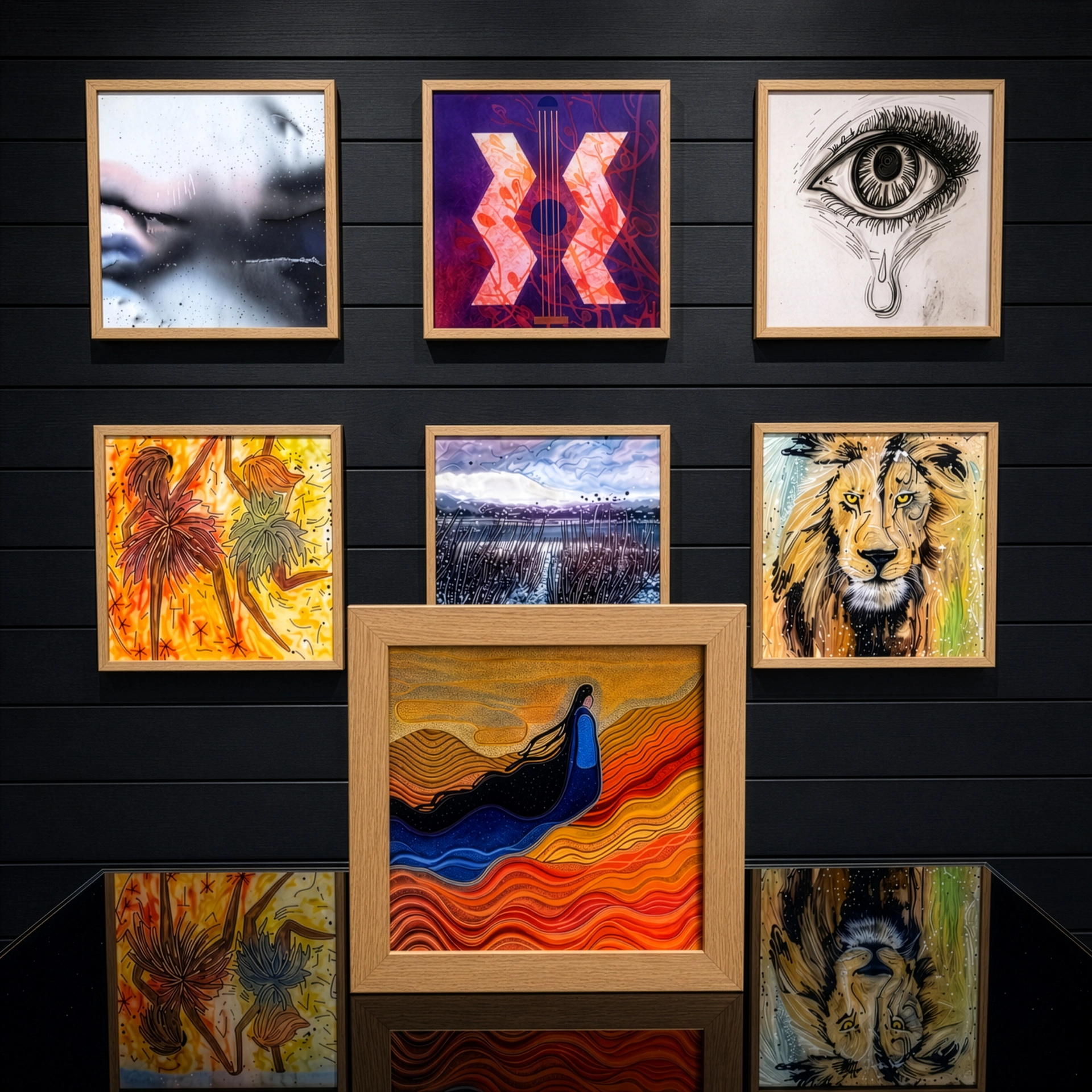
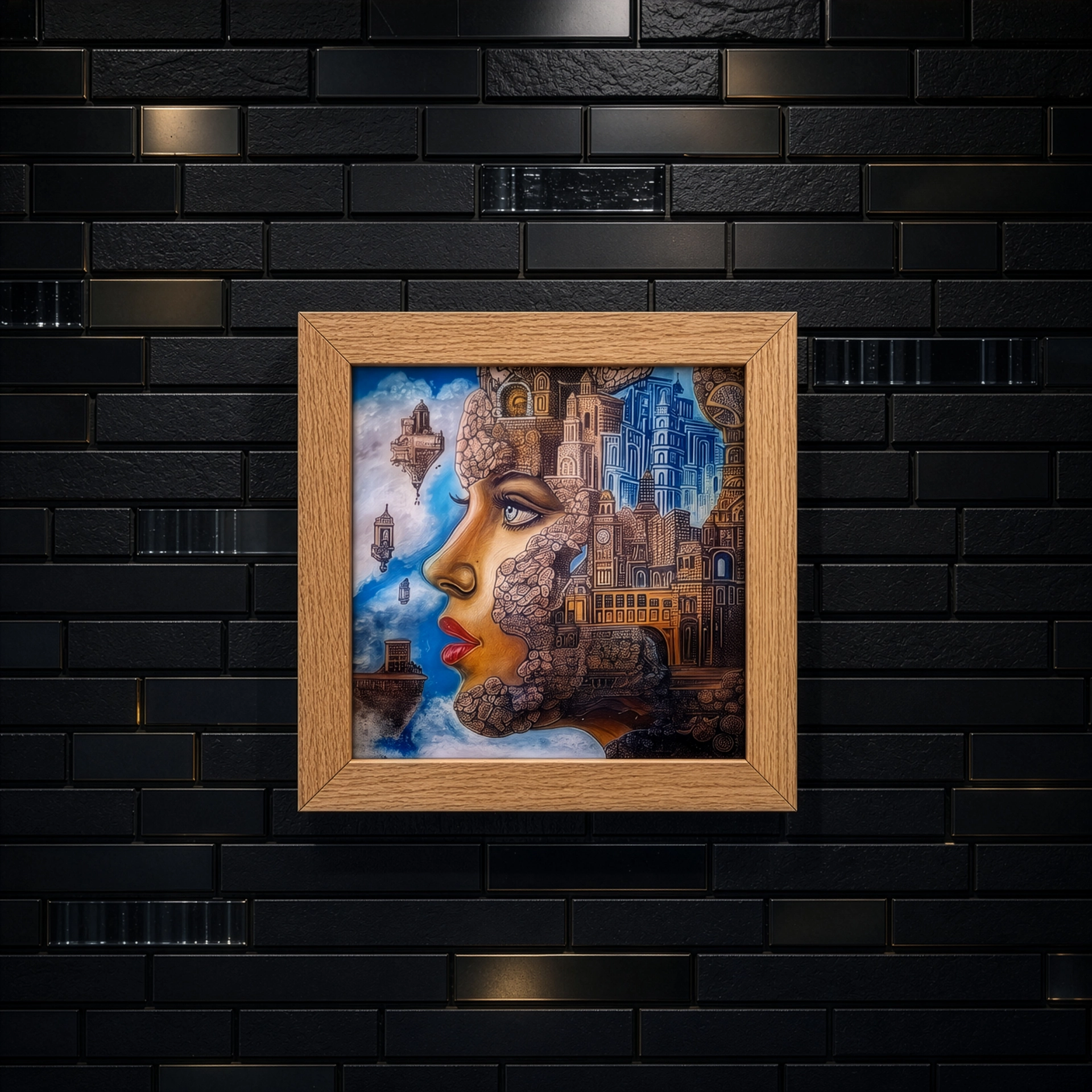
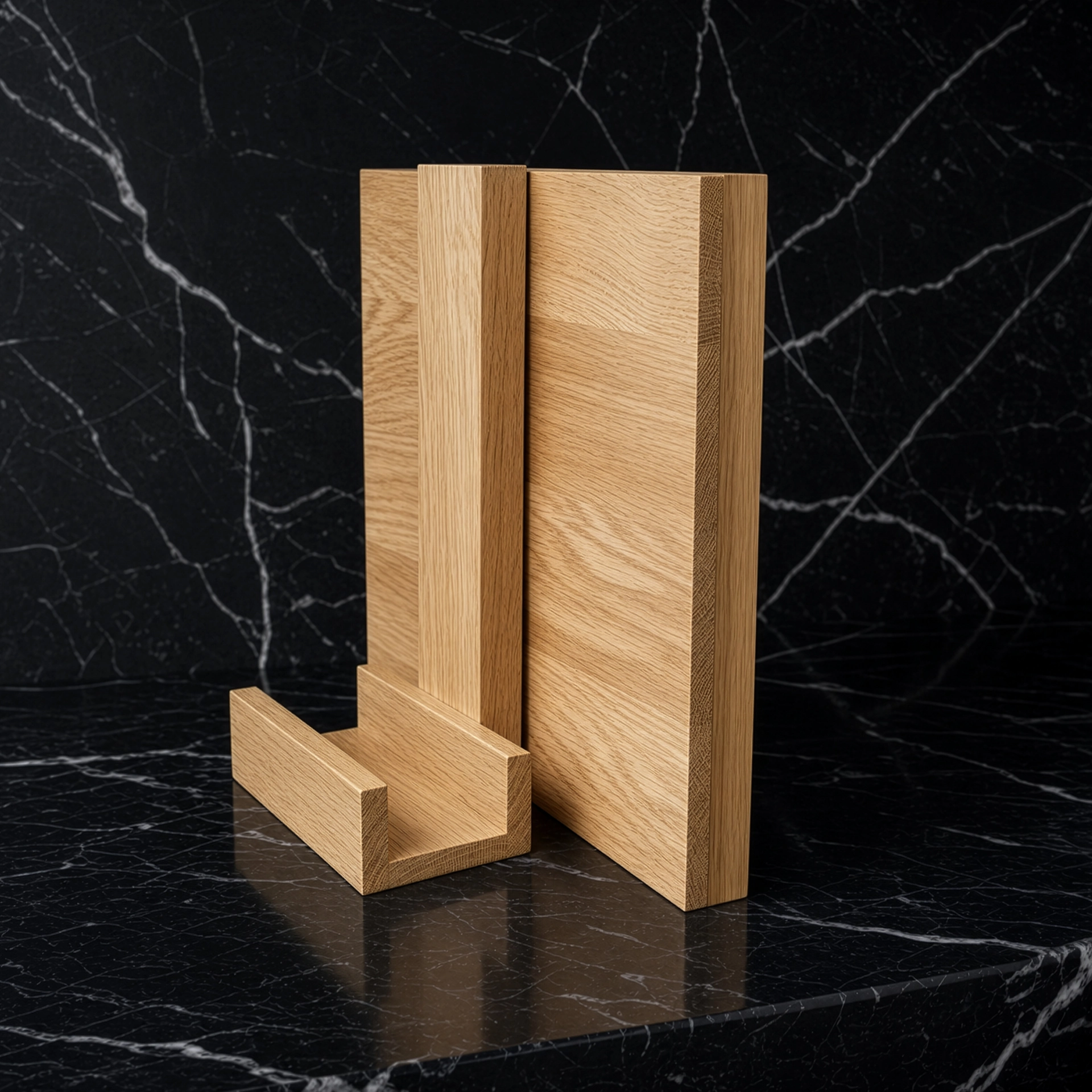
The mechanism rests on a living gallery closed within one oak frame. Instead of rebuilding the living room, you slide a new mini-frame into the frame. The whole operation takes a dozen or so seconds, needs no tools and ends with a wooden “click” – and the wall draws attention to itself again. We write about this stress-free evolution in the article Interior metamorphosis without renovation.
The link between how we feel and the architecture around us is commented on by the creator of the Odoardo™ ecosystem:
“The key to keeping things fresh is controlled dynamics. An art subscription is nothing other than an elegant algorithm for refreshing mood without introducing visual chaos.”
A deepened experience and the curatorial pause
Every element delivered under the subscription is an authorized collector's copy made on archival cotton paper, which in itself slows the process of habituation. The unique numbering and the artist's handwritten pencil signature make communing with uncompromising craft an everyday experience.
The depth of this ritual also lies in the personal letter from its author enclosed with the work. Learning the maker's story gives the display a new emotional dimension. If, however, in a given quarter you feel no need for change, the system offers complete freedom. You can use the free curatorial pause and keep your standing as a patron. We analyze that flexible aspect in the publication Decision fatigue in decor.
A private archive of authentic emotion
When a new Chapter takes the central place in the main frame, the previous works absolutely do not disappear. They gain the standing of your growing private art gallery. Mounted in elegant oak mini-frames, they can be freely hung on other walls or displayed on a chest of drawers thanks to hand-made stands. Such a move means the rotation of art not only breaks household routine but also creates a personal, safe archive of past moods.
The same principle applies to technology: Odoardo Soul™ stays silent until you ask it, which the text Context awareness (context-aware AI) describes. The philosophy behind both is gathered in the Odoardo™ manifesto.
An interior that changes over time becomes a better setting for conversation. It only needs to be completed with a tool that starts that conversation – the oak casket of Odoardo Alibi™ with questions and illustrations, which takes the burden of finding a subject off partners.

 Odoardo Soul™
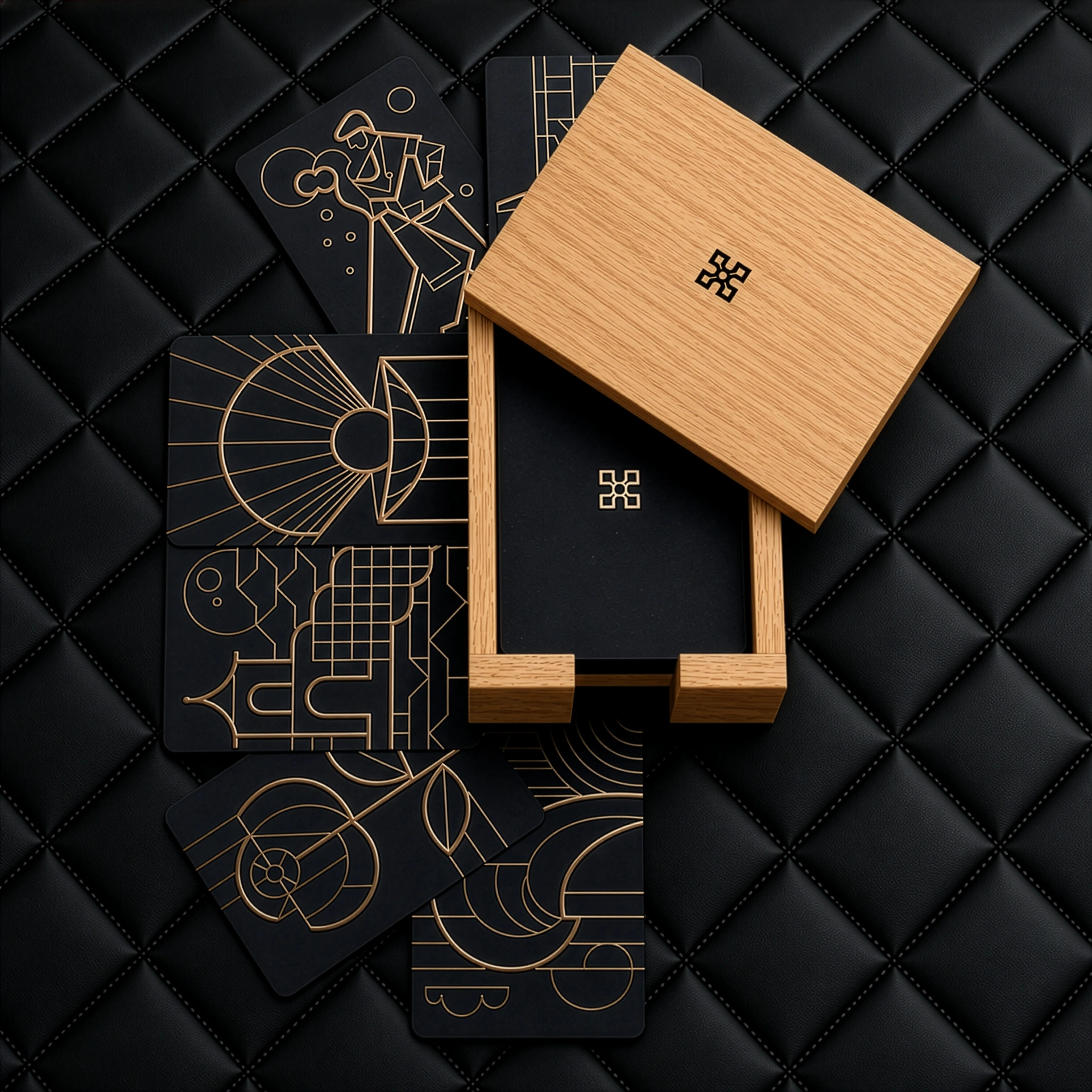 Odoardo Alibi™
 Odoardo Lens™
 Odoardo Space™