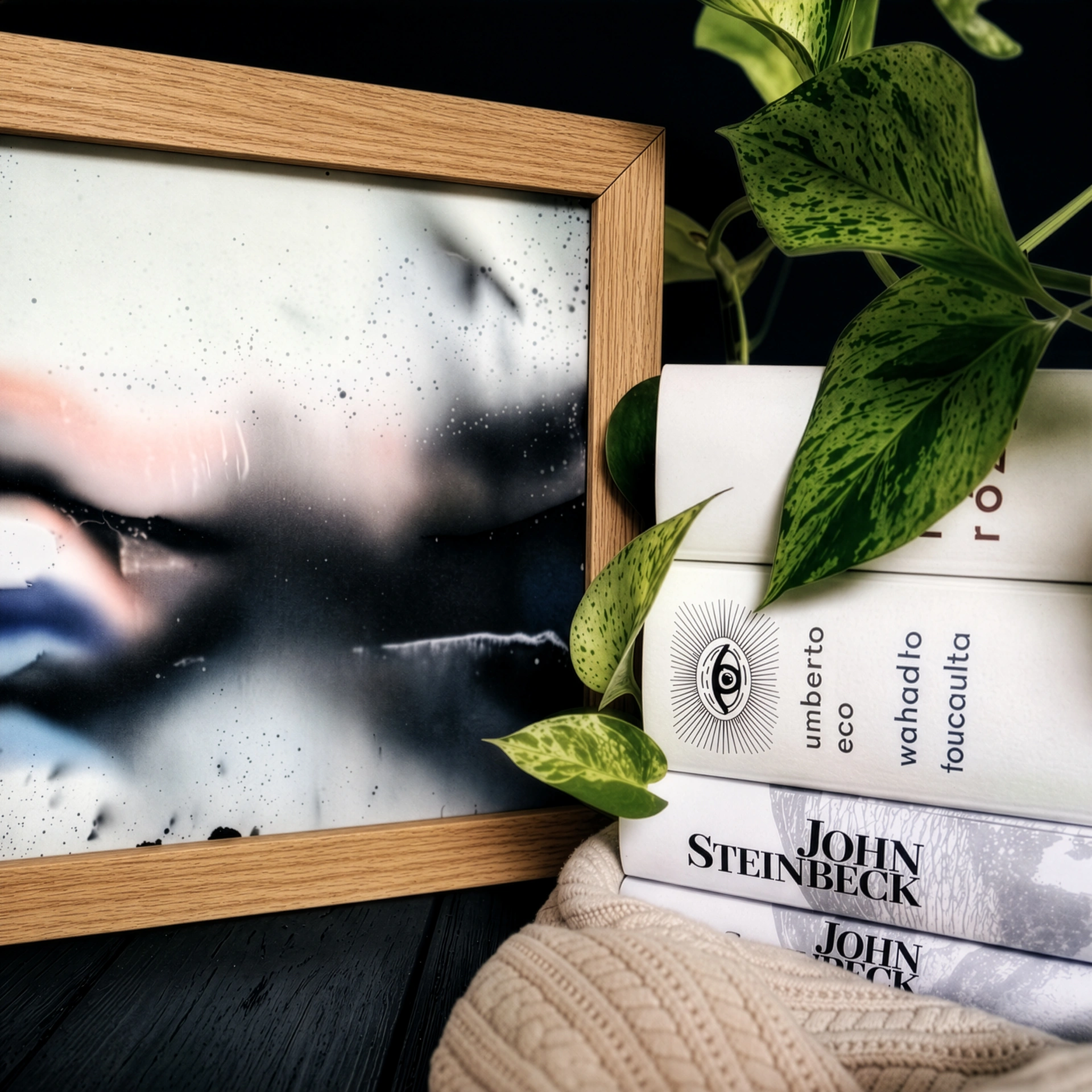
Most of us, thinking about framing a picture, see a sheet of glass or acrylic. We treat that barrier as an obvious standard, meant to protect a poster or a photograph from damage. In the world of premium craft and conscious collecting, however, the presence of a reflective layer becomes an obstacle. It takes depth from a work and distances the viewer from the maker's intention. That is precisely why frames without glass are becoming a mark of a mature approach to arrangement in the spirit of quiet luxury.
Glass, even coated with an anti-reflective layer, remains a layer between the eye and the paper – it reflects the surroundings and smooths out what is most interesting in a fine art print, namely the texture. Once it is removed, the work stops looking like a reproduction under a bell jar and starts being part of the interior.
Eliminating visual noise and reflections
The basic flaw of traditional frames is the way they respond to lighting. In bright, spacious living rooms or offices, glass acts as a mirror. Instead of the nuances of a composition, the observer sees the reflection of windows, lamps and their own figure. The work then loses its distinctness regardless of what it cost.
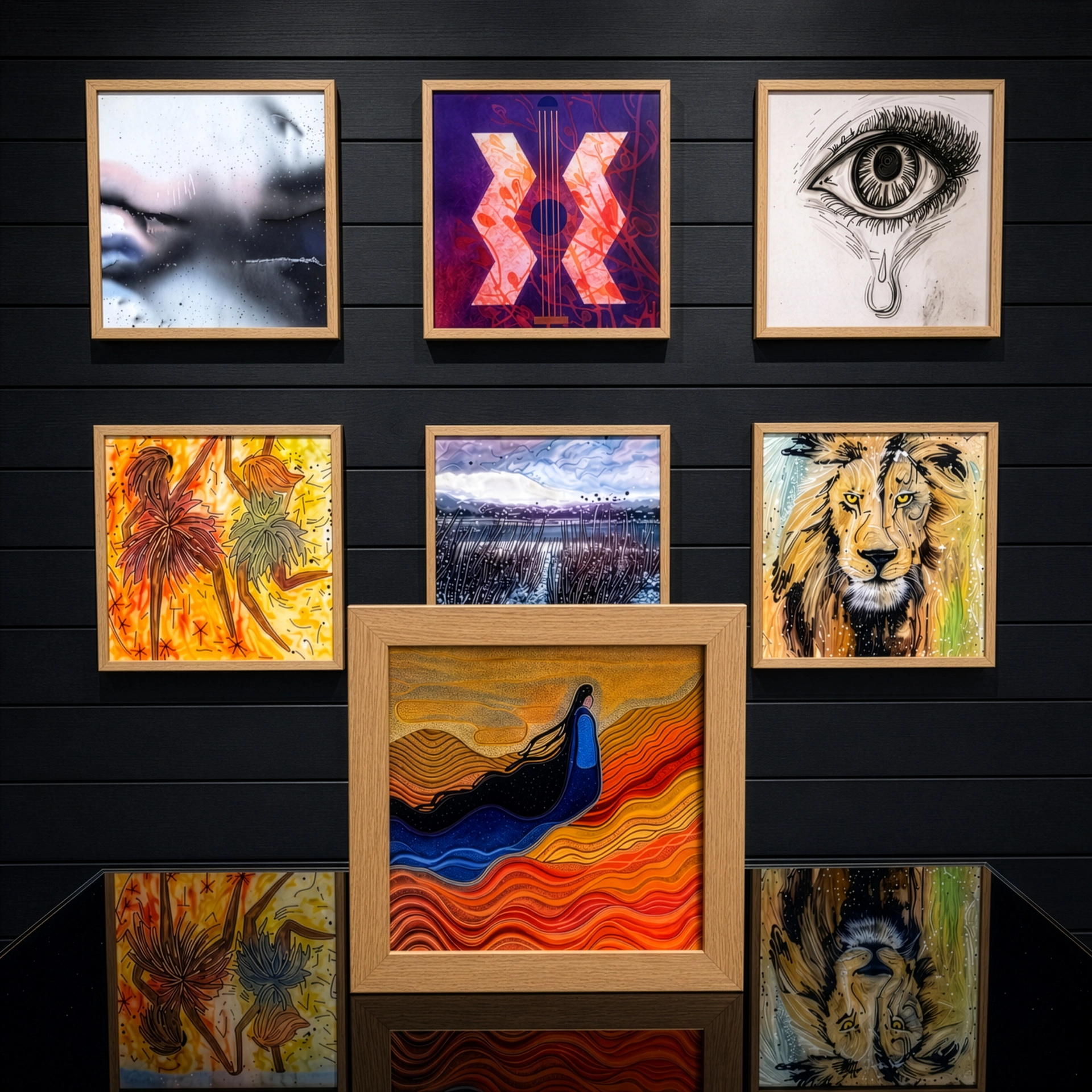
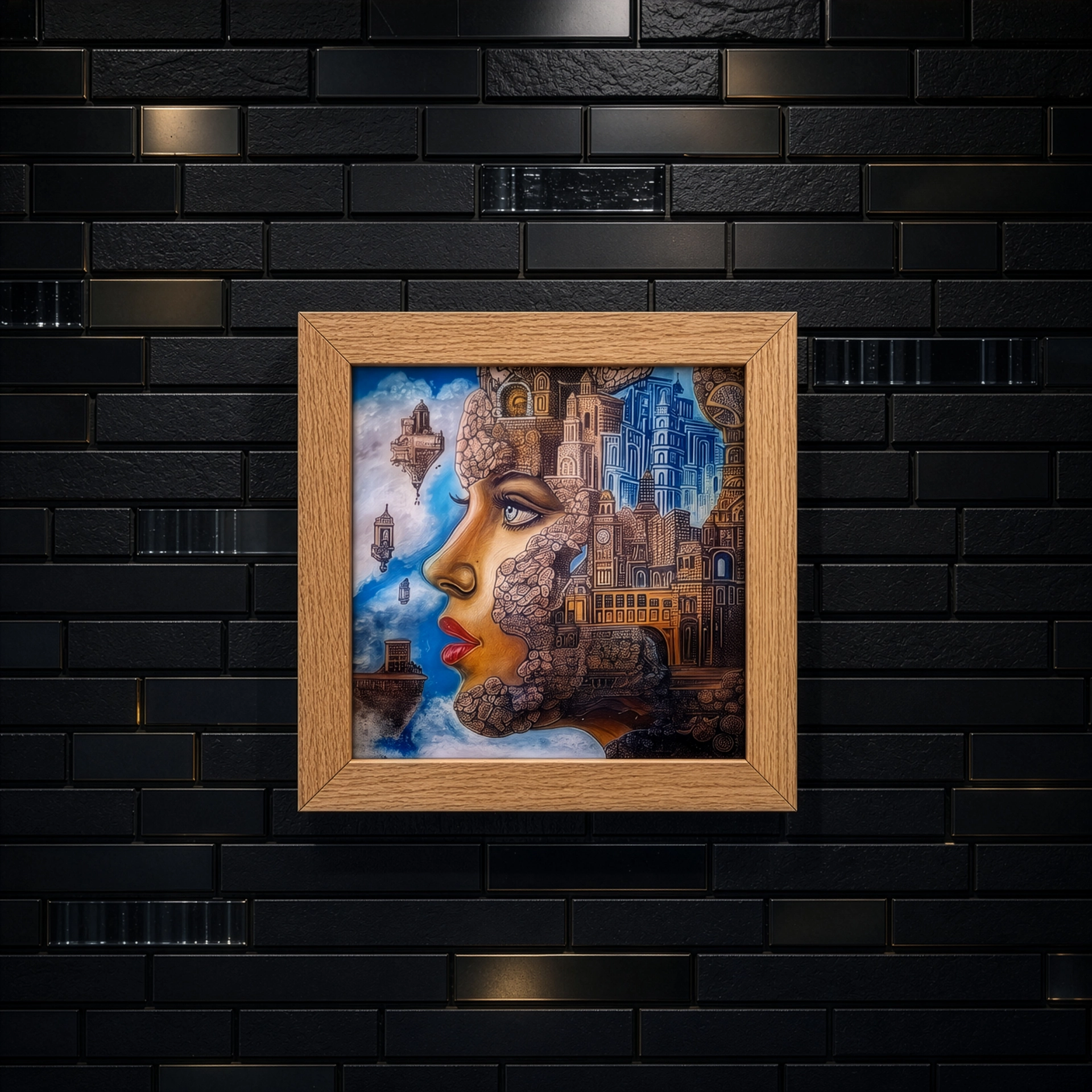
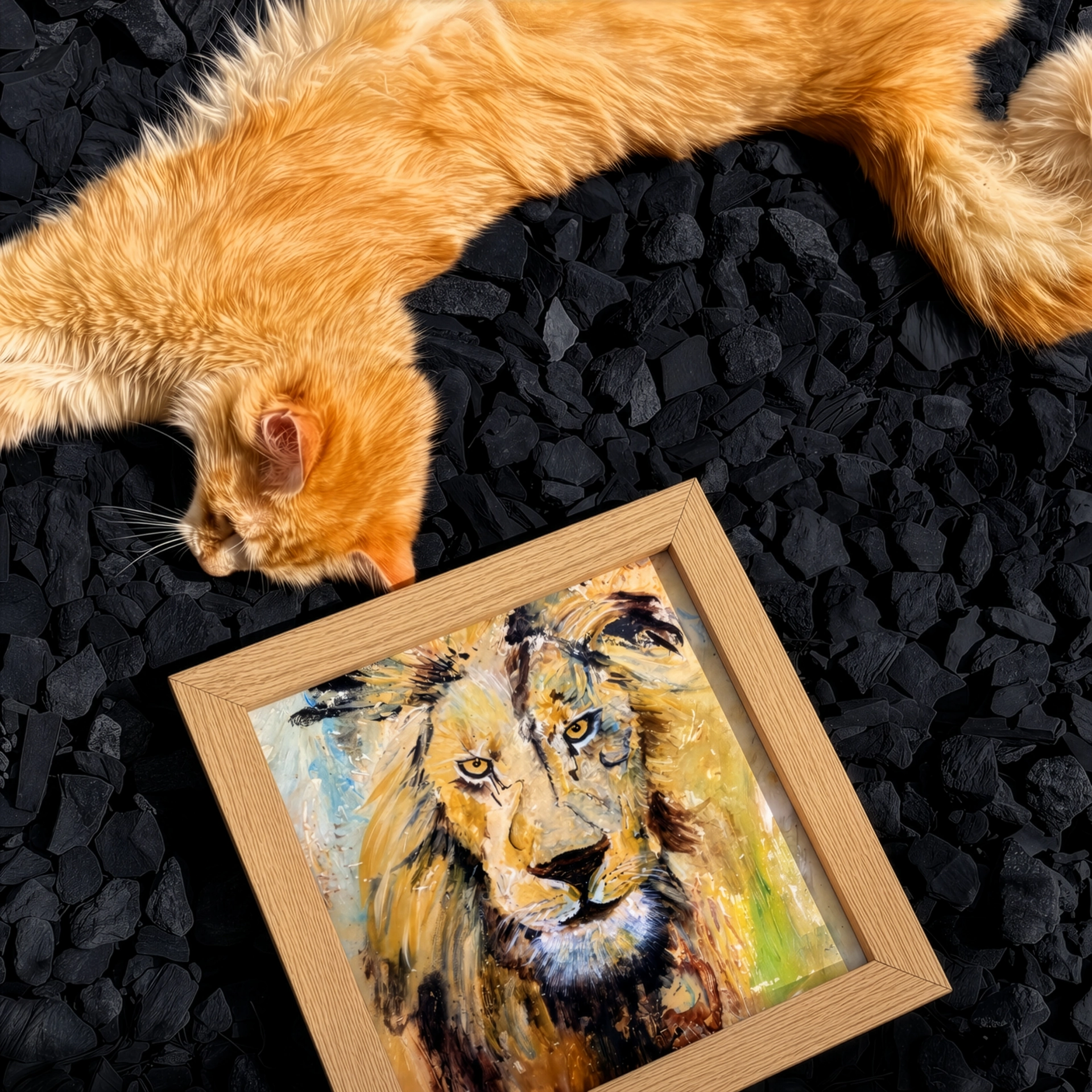
Rejecting that barrier is a deliberate design decision. The oak frames of Odoardo Art™ were made so as to have no glass at all. That allows soft, natural scattering of light directly on the pigment. The work lives by the rhythm of the day – it looks different in the cool light of morning and different again warmed by evening glow. We also write about how important giving up reflective surfaces is in the text Arranging an empty living-room wall.
Haptic contact with the cotton canvas
The absence of glass reveals what is extraordinarily valuable in noble art – its texture. Within the quarterly subscription we deliver authorized Chapters, which are professional fine art prints. They are made on thick archival cotton paper. When nothing separates the eye from that medium, the structure of the fibers and the microscopic shadows that give a work its three-dimensional character become clearly visible.
It is on that cotton ground that the artist's handwritten signature and the unique collector's numbering rest. Being able to commune with such nuanced matter builds a sense of being with authentic craft that cannot be copied in chain-store products. We analyze that difference in quality in detail in the article Fast art or real art.
The engineering of the oak frame, and conservation
An understandable worry that appears once the glass is removed is the question of a work's durability. In the case of posters printed on ordinary paper containing lignin, glass does indeed slow the process of their degradation and fading. Authorized art, however, is governed by different laws. Our cotton prints are secured with varnish, which limits the effect of UV radiation on the pigment. A work should not, though, be hung where direct sun falls on it all day.
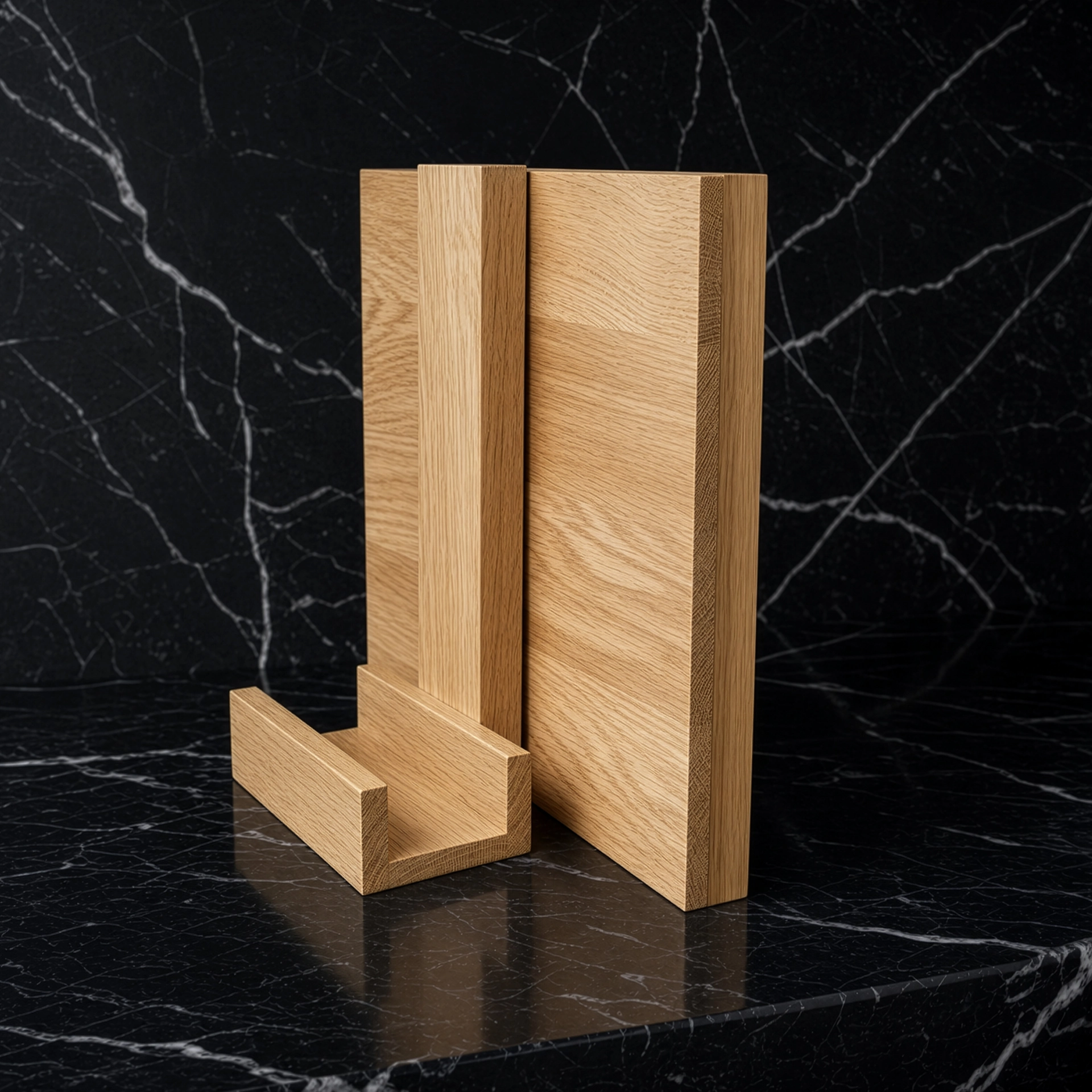
The mechanics of changing a work also gain from the absence of sharp glass edges. The quarterly change of arrangement consists in sliding an oak mini-frame into the main frame. The process runs smoothly, without having to bend back metal clips, and is crowned by a pleasant wooden “click”.
The authenticity of matter and living space
Giving up the glass barrier in art is part of a broader, coherent approach to designing space. It rests on removing needless filters between a person and nature. When we commune with oiled solid oak and pure cotton, we let our senses rest and grow quiet.
The philosophy of removing unnecessary glass from prestigious spaces can be applied just as well to electronics. An excellent example of that approach is Odoardo Soul™. Glossy touchscreens were given up here, with the microchip hidden in a form of solid oak. The device stays asleep, and its awareness wakes only at the discreet approach of a smartphone – the text Quiet luxury in contemporary technology describes it. Choosing frames without glass and invisible technology, you make a coherent home that breathes freely and allows a return to authenticity.
Why we remove glass instead of adding another layer is explained by the Odoardo™ manifesto.

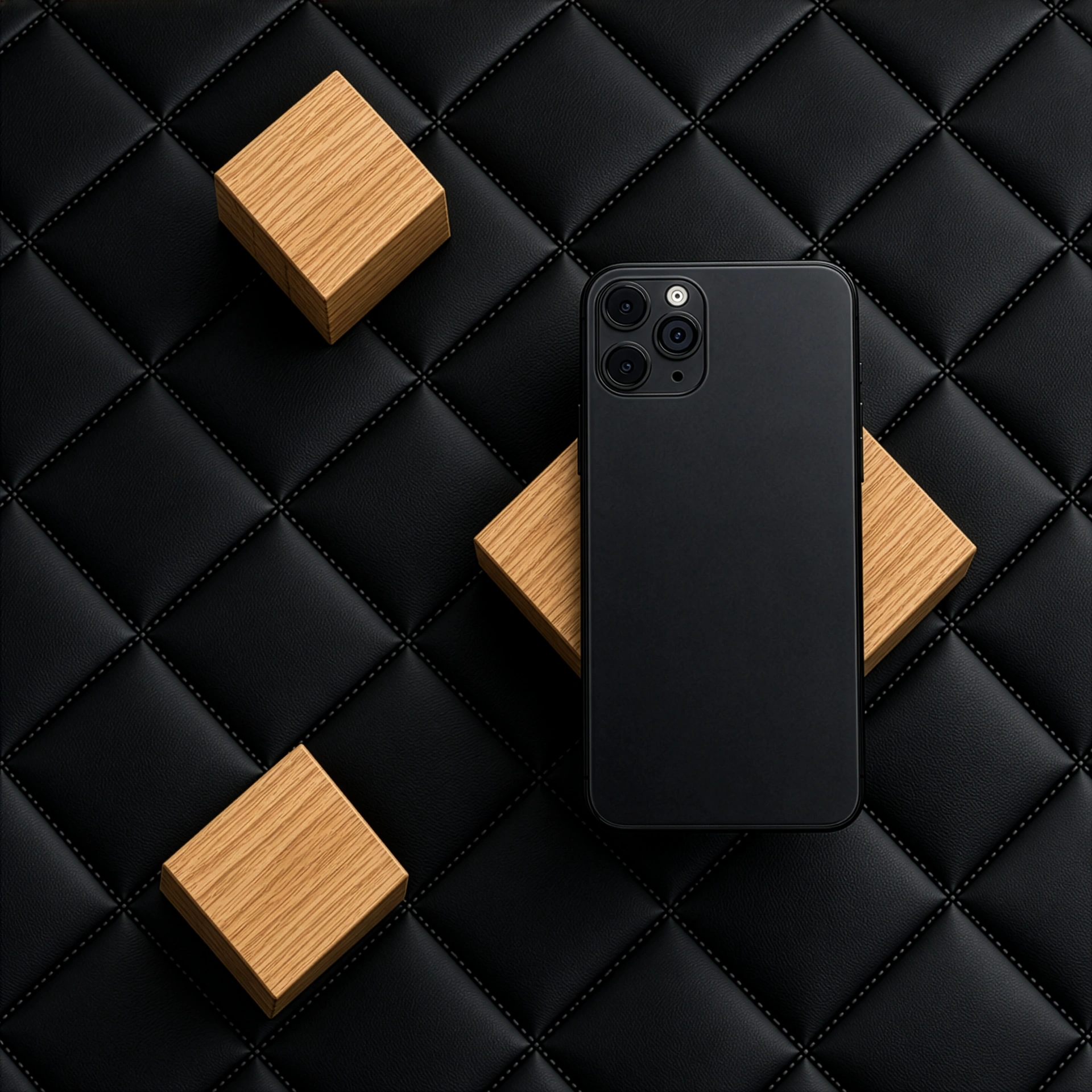 Odoardo Soul™
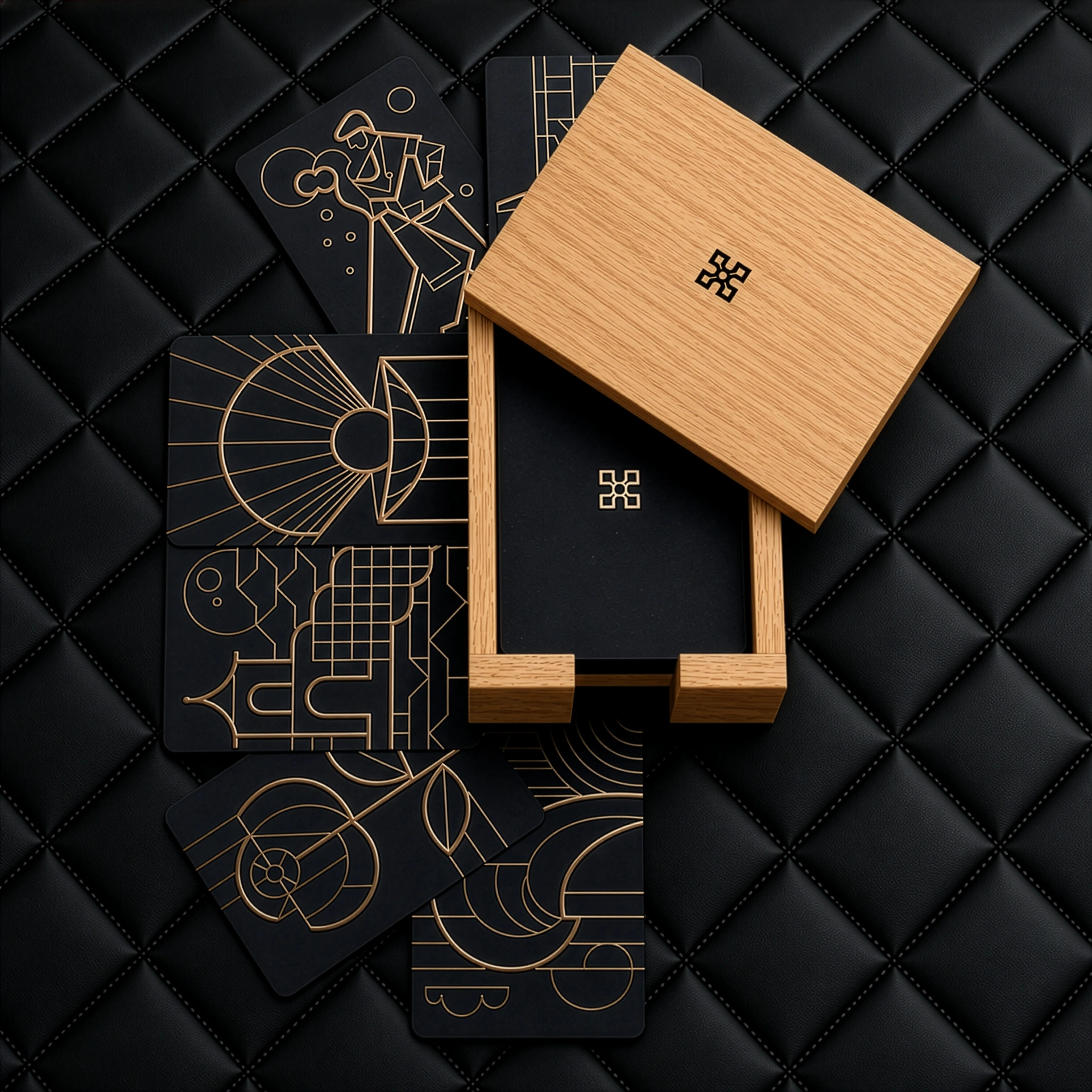 Odoardo Alibi™
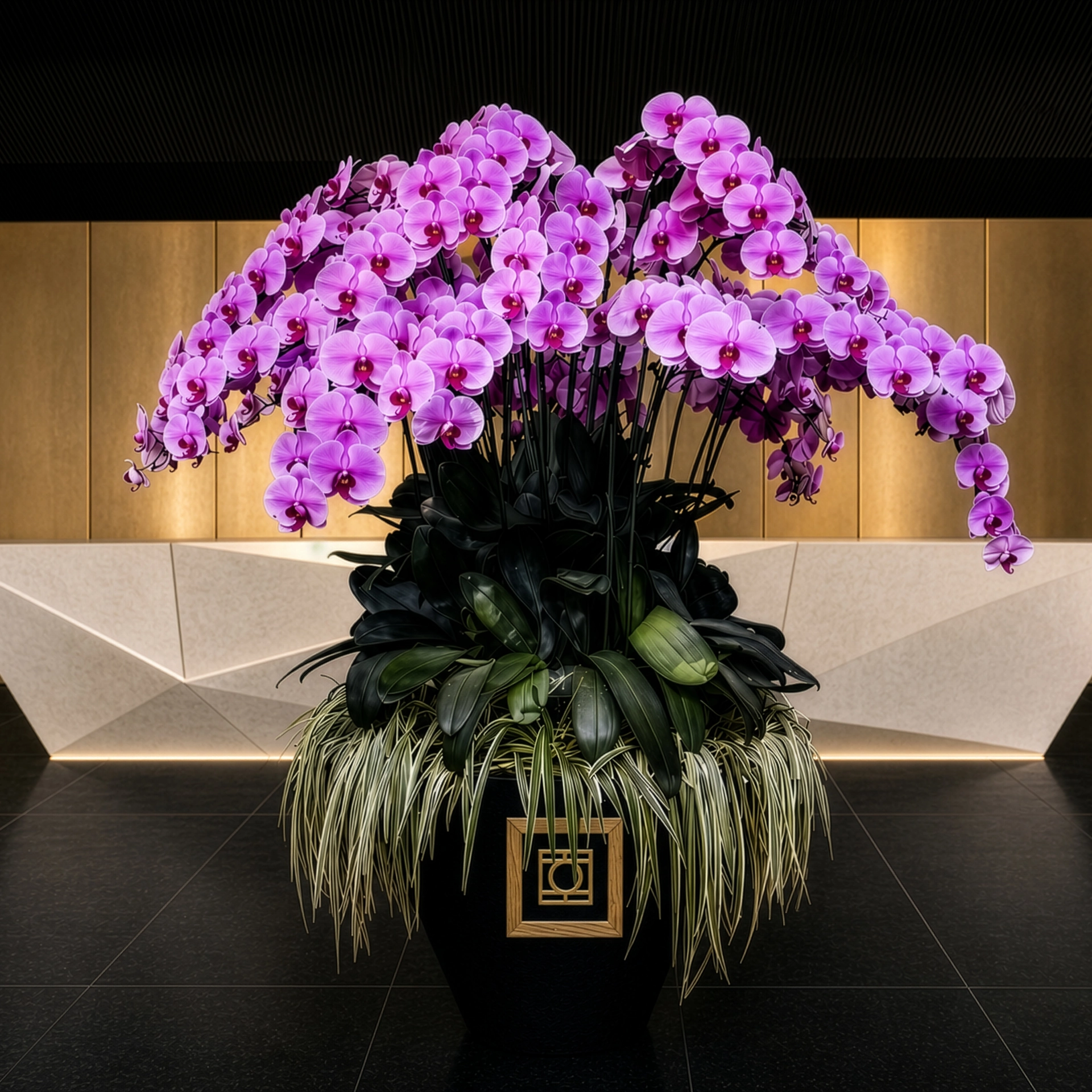 Odoardo Lens™
 Odoardo Space™