There is a fundamental difference between a mechanical luxury watch and even the most expensive smartwatch. The second, for all the technology packed into it, becomes obsolete electronic waste with a spent battery after a dozen or so months. A mechanical watch, without processors or charging cables, is an inheritance passed from one generation to the next. That same merciless principle is beginning to govern the design of exclusive interiors, yachts and premium services.
Today's very affluent consumer is over-stimulated. The golden age of fitting tablets to every wall of an apartment has come to an end. Screens, tangles of cable and the need to keep charging devices have become synonymous with mass haste and technological servitude. In response to this, the luxury goods market is undergoing a radical transformation. The idea of quiet luxury – until now reserved for fashion and architecture – is entering the world of technology, proving that the highest form of engineering is its complete invisibility.
The twilight of the dictatorship of screens
Every screen in a premium space is an intruder that fights for attention, emitting blue light and recalling the digital chaos of daily life. Architects and high-end interior designers increasingly face a dilemma: how do you give an investor advanced control of the building's systems or access to concierge services without destroying the ascetic calm of oak paneling or marble finishes?
We described the solution to this problem in detail in Contextual physical interfaces: what animated matter is and how it is changing the luxury goods market. In many scenarios it is worth rejecting screens in favor of haptic, natural materials. Animated matter allows interaction through noble textures, giving a space back its original, undisturbed aesthetic.
The absence of power as ultimate freedom
Power cables and the requirement to charge a battery are the “umbilical cord” that pins a luxury object to a socket. Real prestige lies in independence. That is why the most advanced interaction systems in the premium segment rest on passive technologies – ones that have no power source of their own, require no servicing and never run flat.
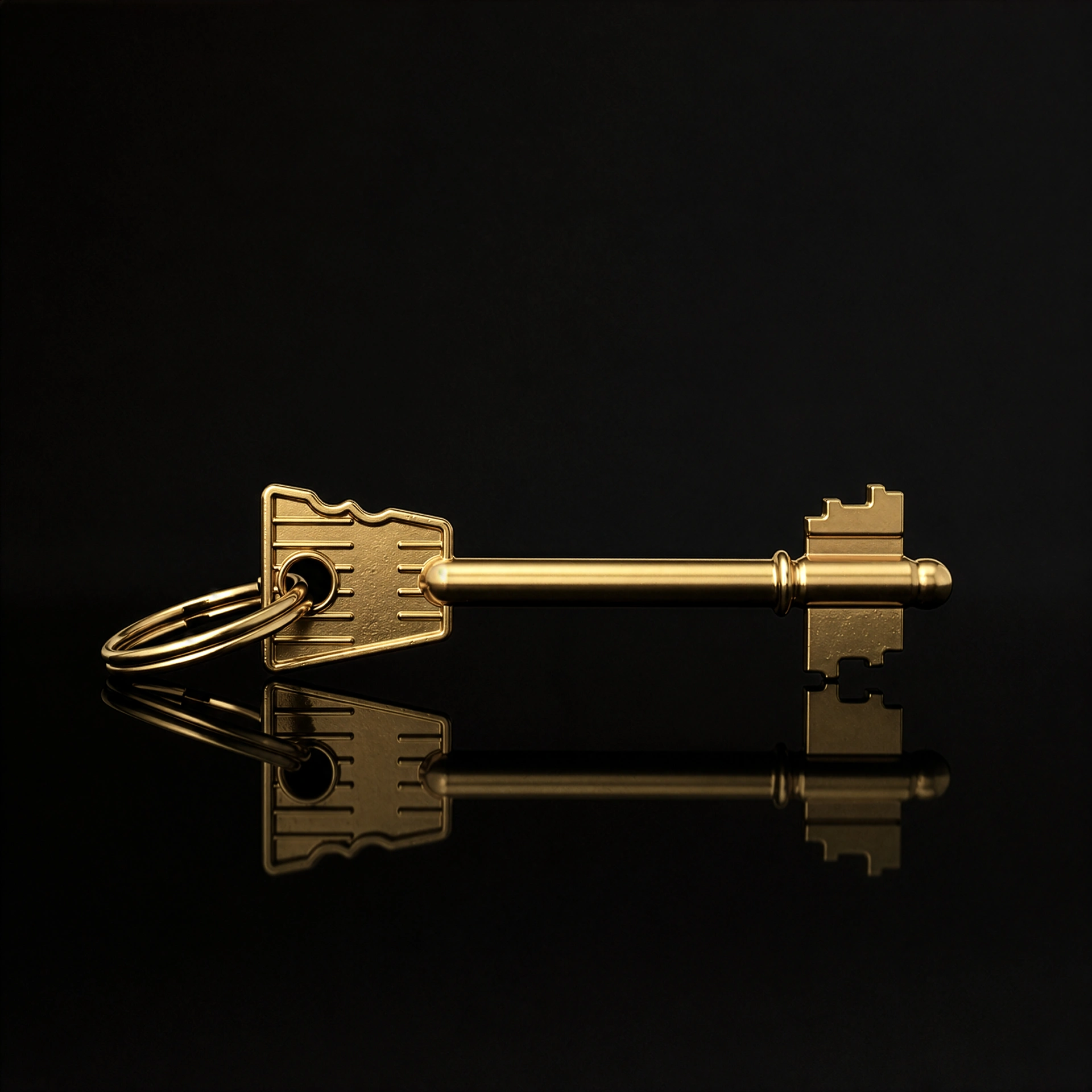
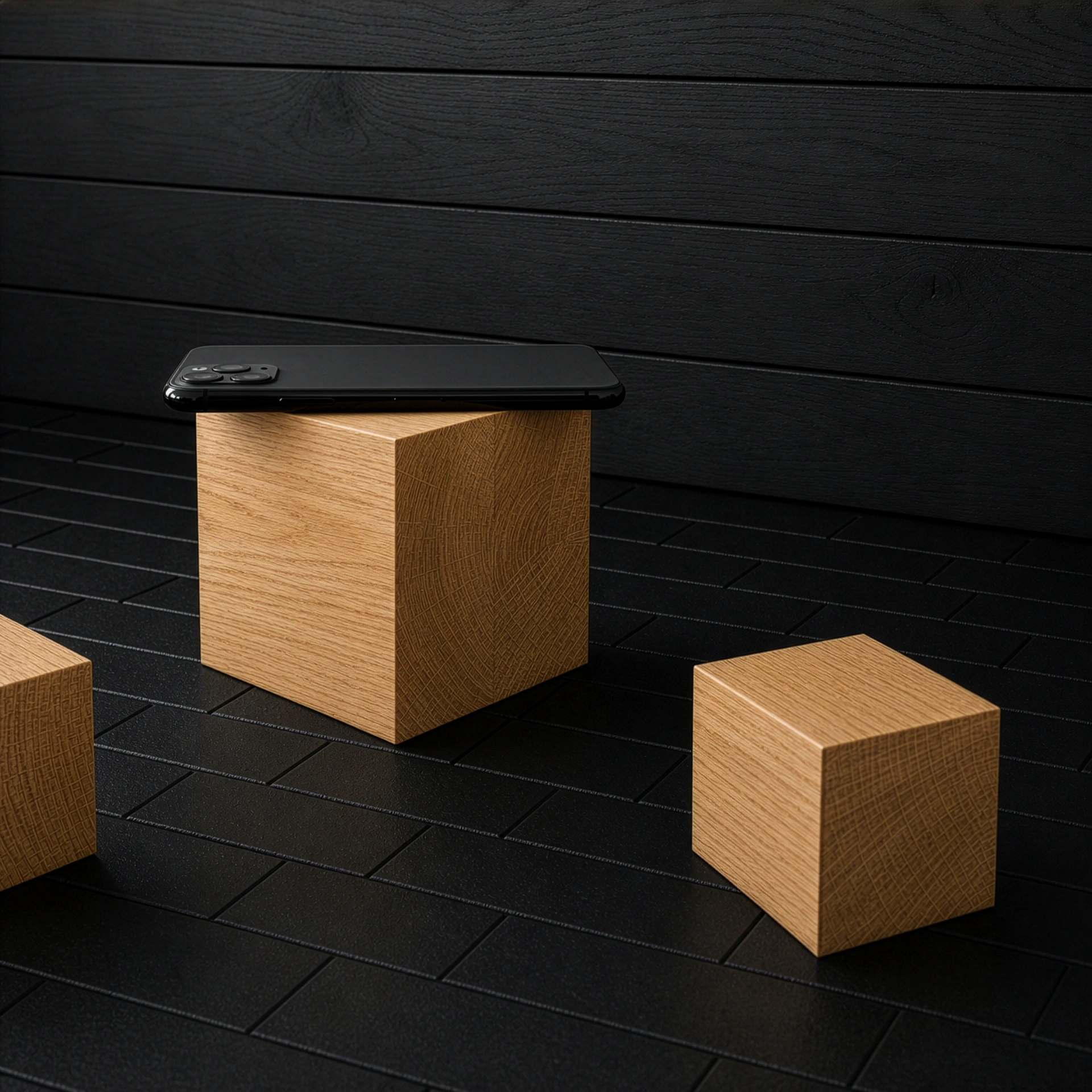
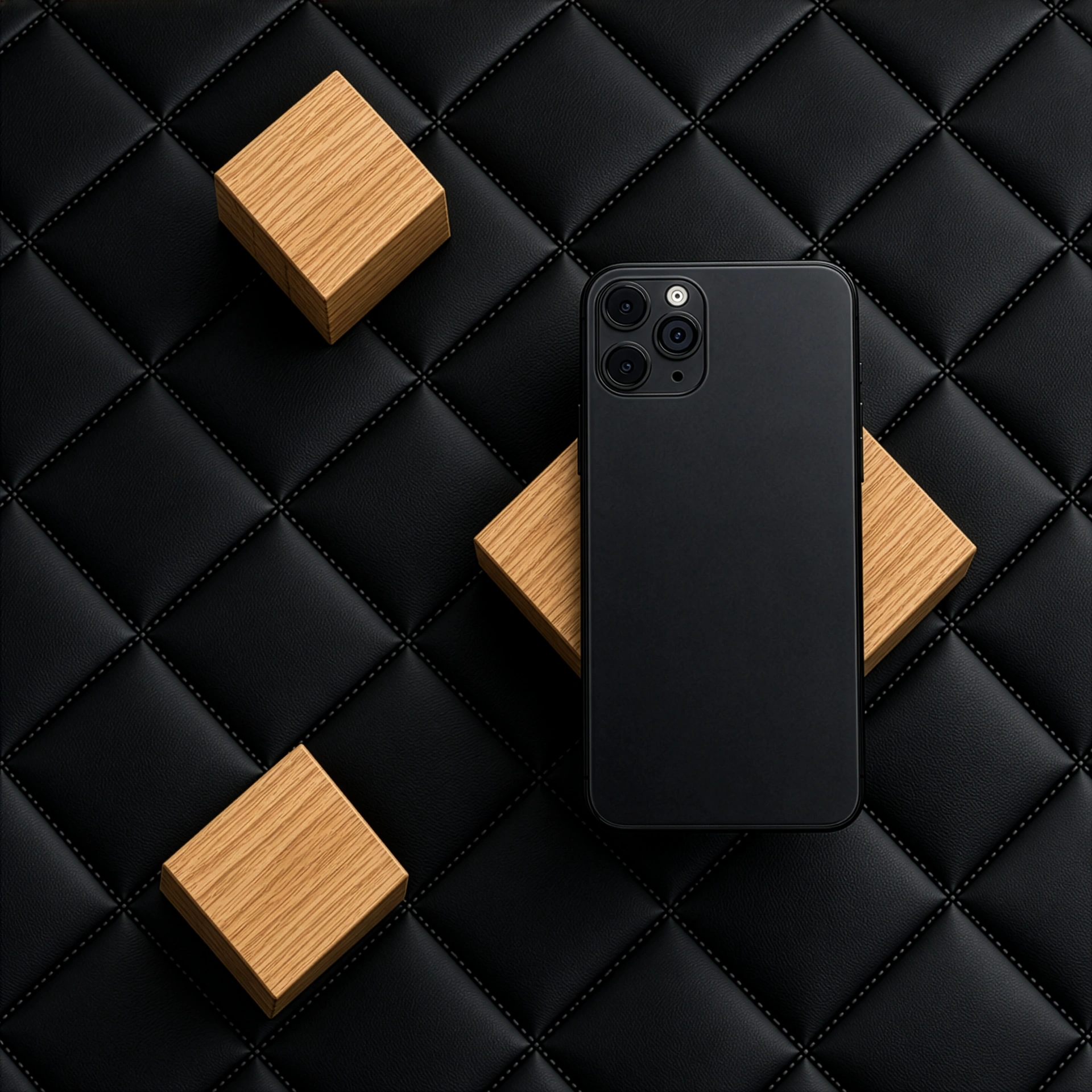
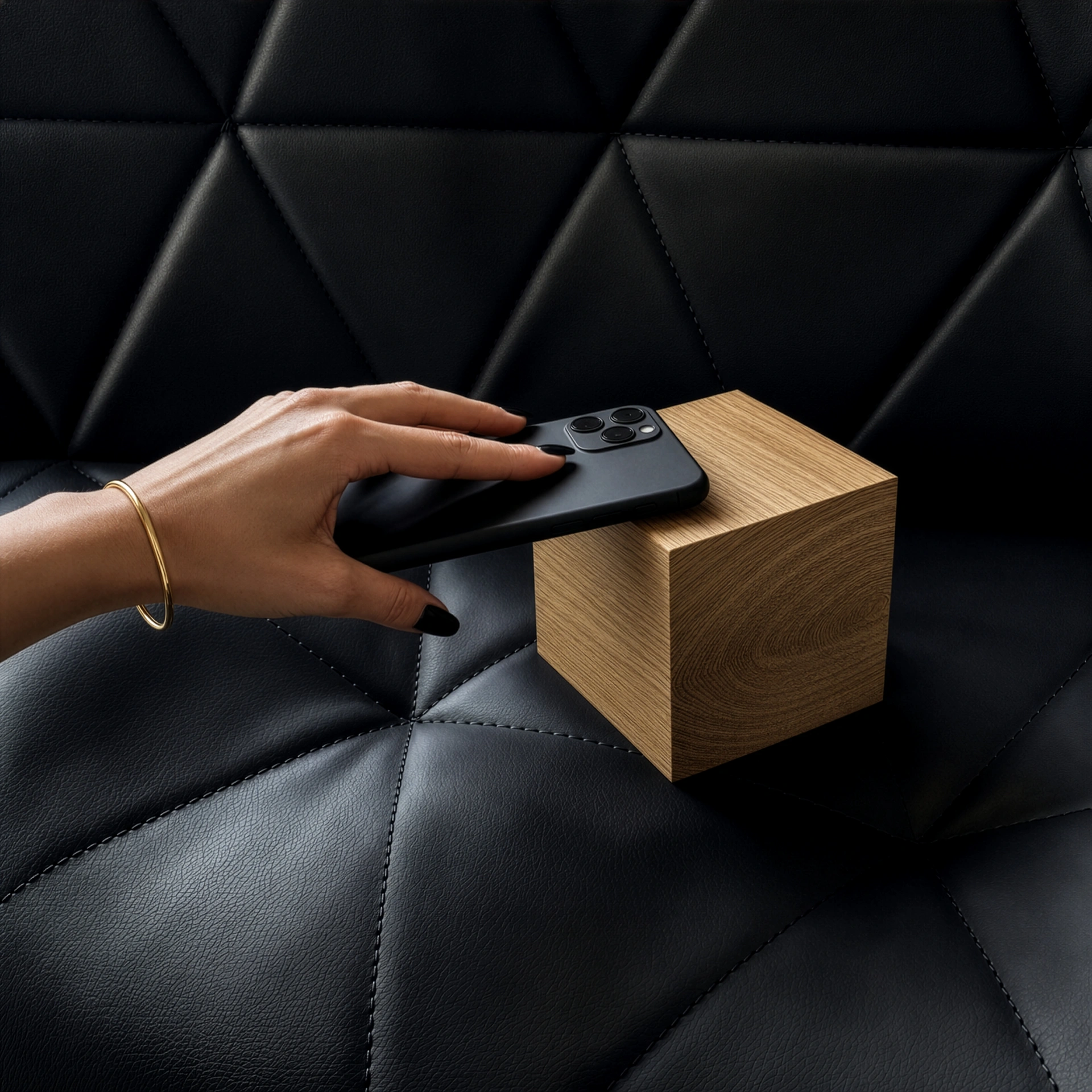
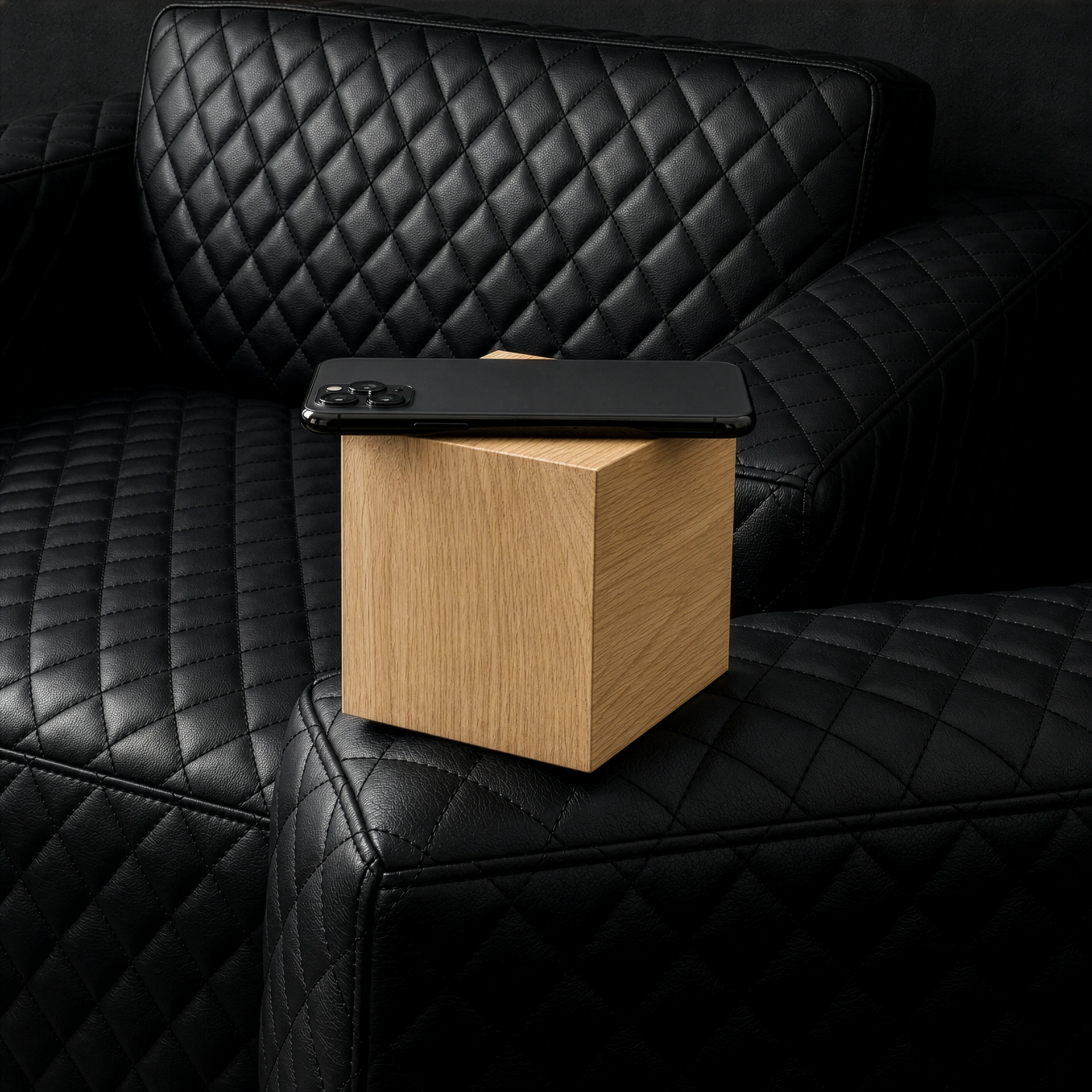
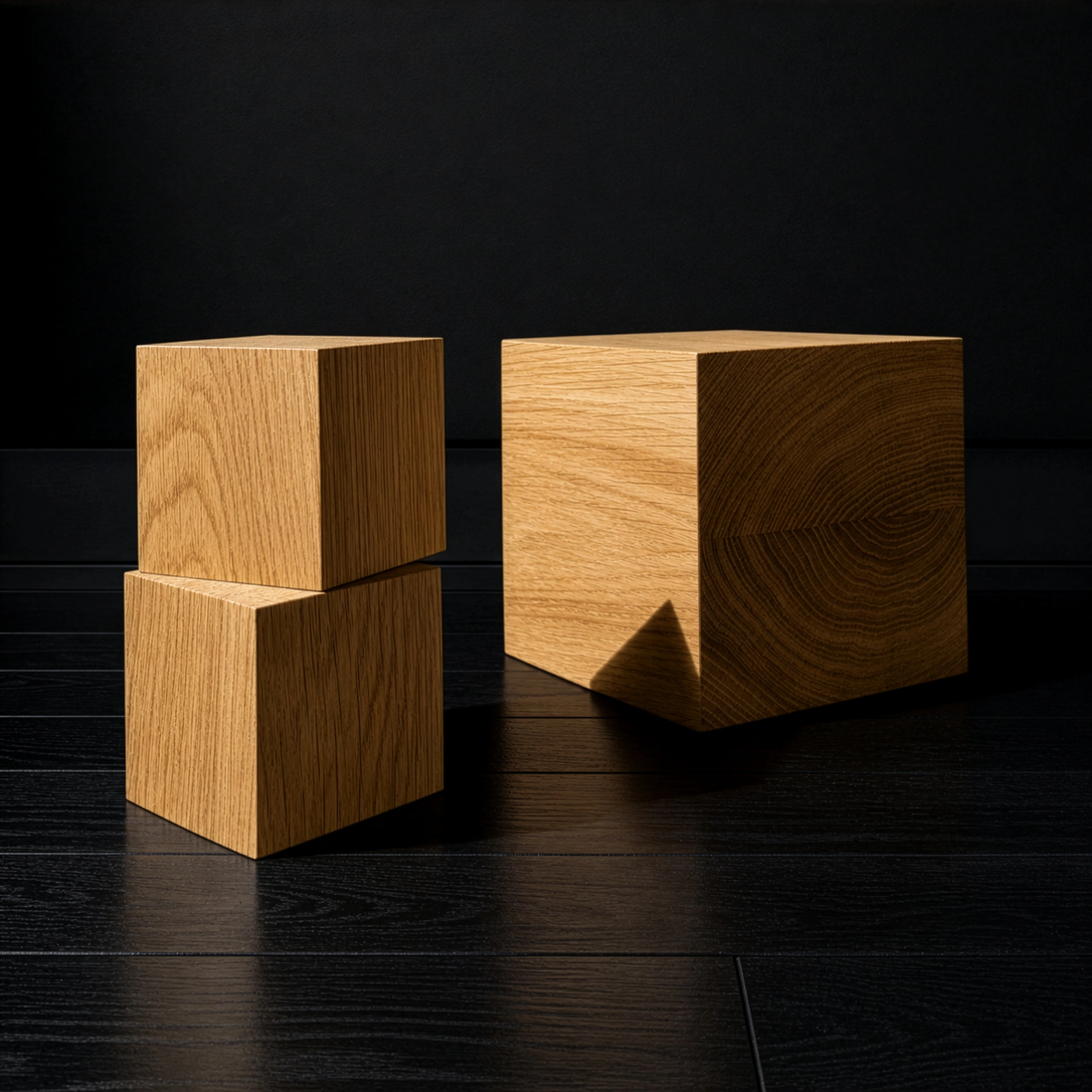
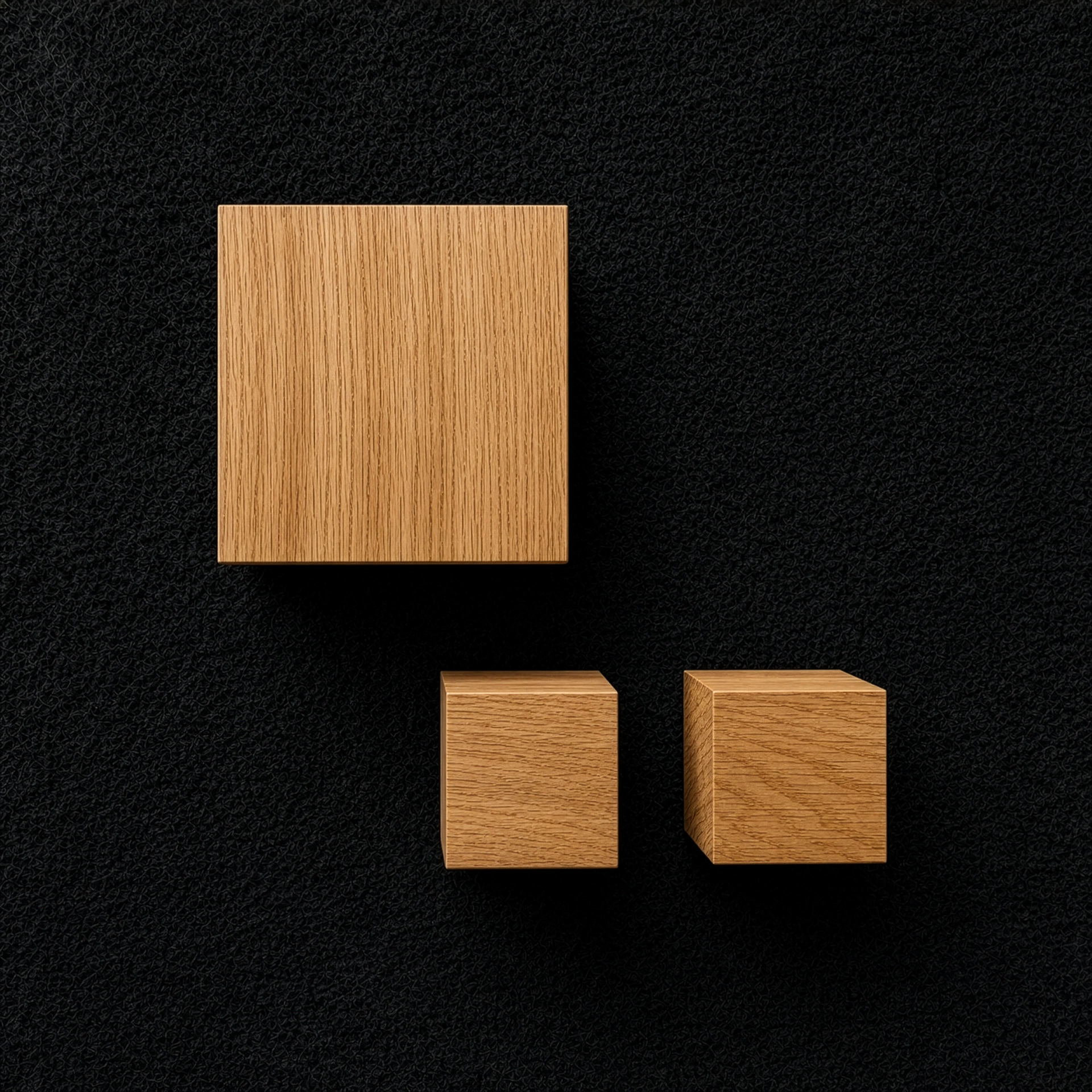
The quintessence of this approach is Odoardo Soul™. This crafted artifact has no screen, no battery and no charging port. It rests in absolute sleep like a sculpture. It draws the energy to work from the physical proximity of the user's own phone. It is the ultimate proof that real luxury is capable of keeping quiet and waiting patiently, serving only at the investor's express wish.
The complementary architecture of calm
Putting the philosophy of quiet luxury into practice requires a holistic approach. Rejecting noisy physical technology should go hand in hand with shaping the whole ecosystem around a brand or a property:
- Calm in the virtual world: Renouncing loud marketing calls for solid foundations in the form of prestigious digital real estate. As we explain in The cheap address trap, an address from the Odoardo Space™ portfolio, covered by an exclusivity agreement, lets you build authority online without buying the domain.
- Art instead of notifications: The empty walls left by removed screens should not stay dead. Replacing them with curated art that changes every quarter through Odoardo Art™ brings organic life into an interior. Why static decoration stops working we explain in The psychology of changing space.
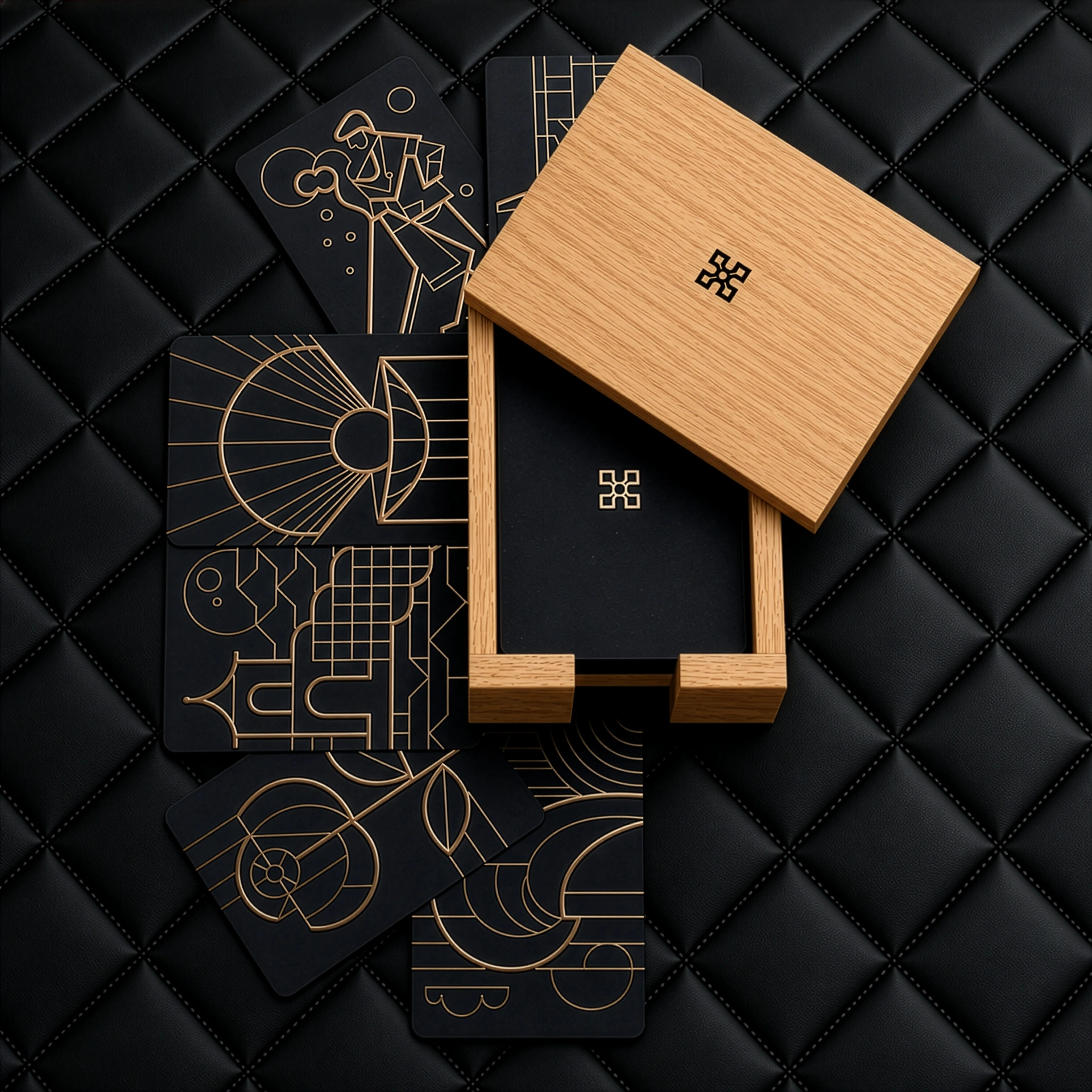
- Genuine bonds: Removing digital distractions opens space for deep, human relationships. Tools such as Odoardo Alibi™, working through haptic, gilded paper, restore the ritual of conversation, which we cover more fully in The lounge in a luxury hotel and spa.
- Cinematic aesthetics and distance: Even when guests want to record a space, they need no invasive applications for it. The cinematic standard, supported by Odoardo Lens™, leads through curated shots, and the material stays under the guest's control. The context is described in Technology without barriers.
“The highest form of technological advancement is its complete disappearance. Real luxury does not vibrate, does not need charging and does not emit blue light. It keeps quiet, hidden in noble matter, giving back what is most valuable today – undisturbed space and time.”
Ruling out screens, cables and batteries is not a step backwards but a technological promotion. It is a conscious renunciation of what is fleeting and prone to failure in favor of what endures. In the coming decade, the position of luxury brands will be decided not by how many technological novelties they manage to cram into their products, but by how much class and discretion they show in hiding them from us.
We apply the same principle to knowledge, not only to devices. It is described in the Odoardo™ manifesto.
 Odoardo Alibi™
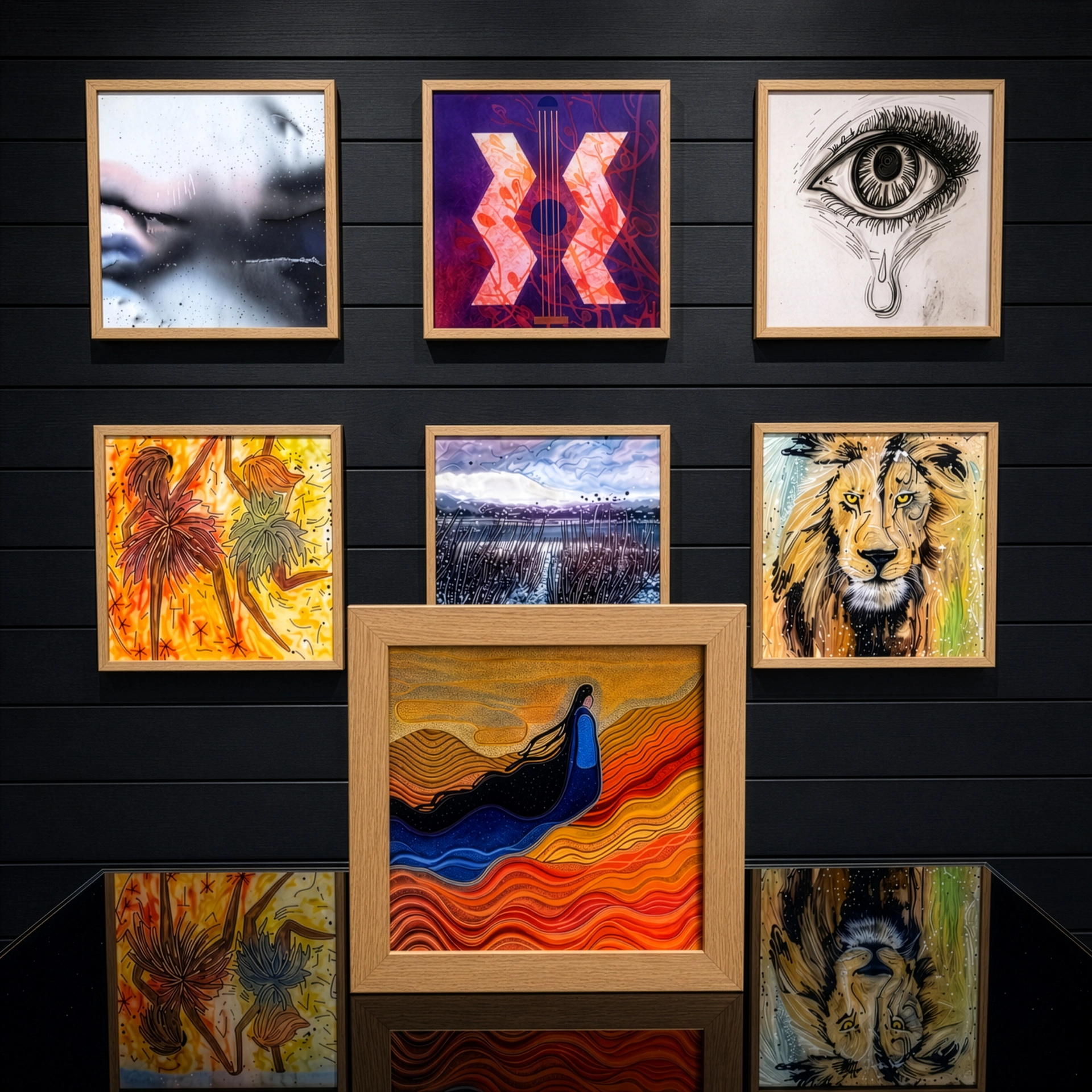 Odoardo Art™
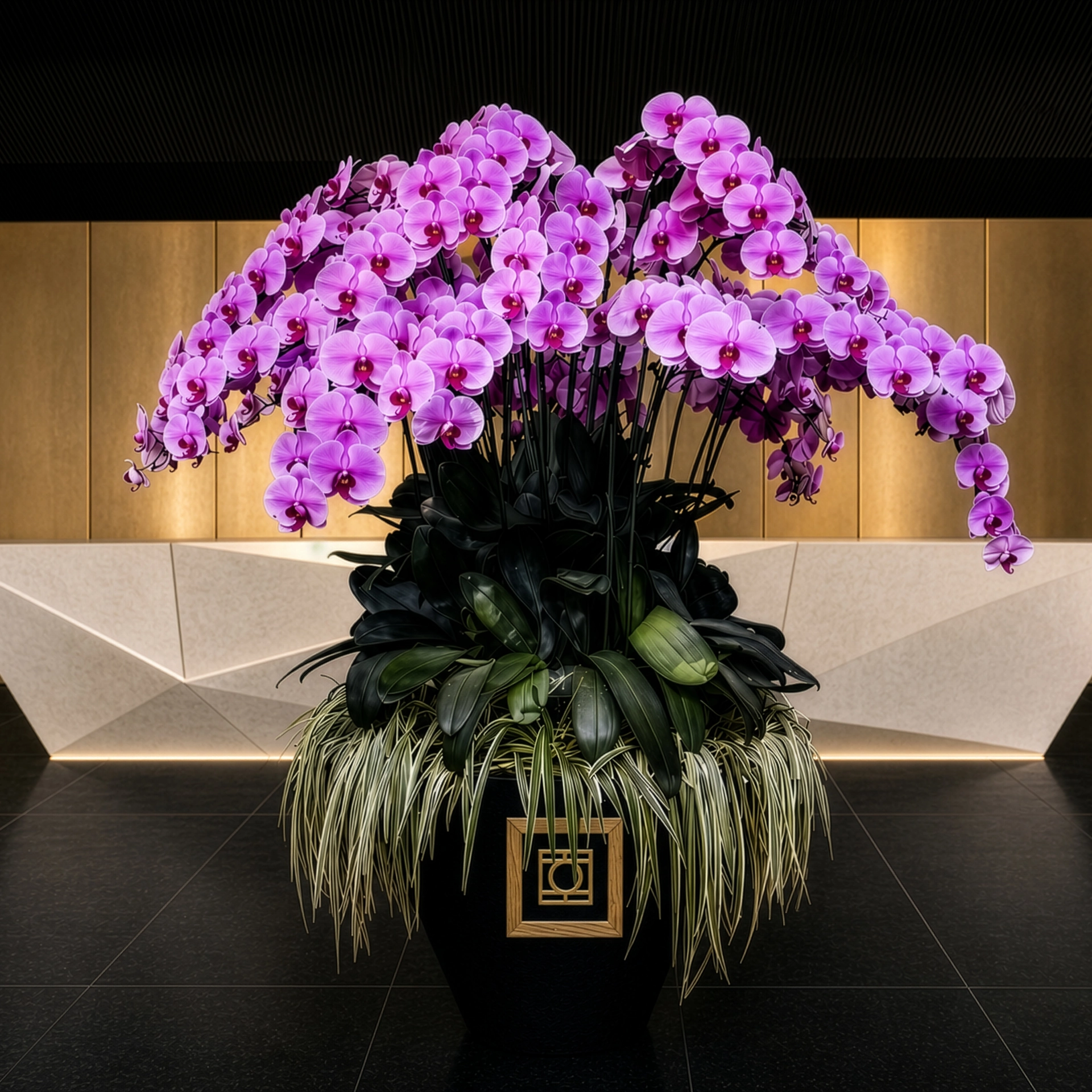 Odoardo Lens™
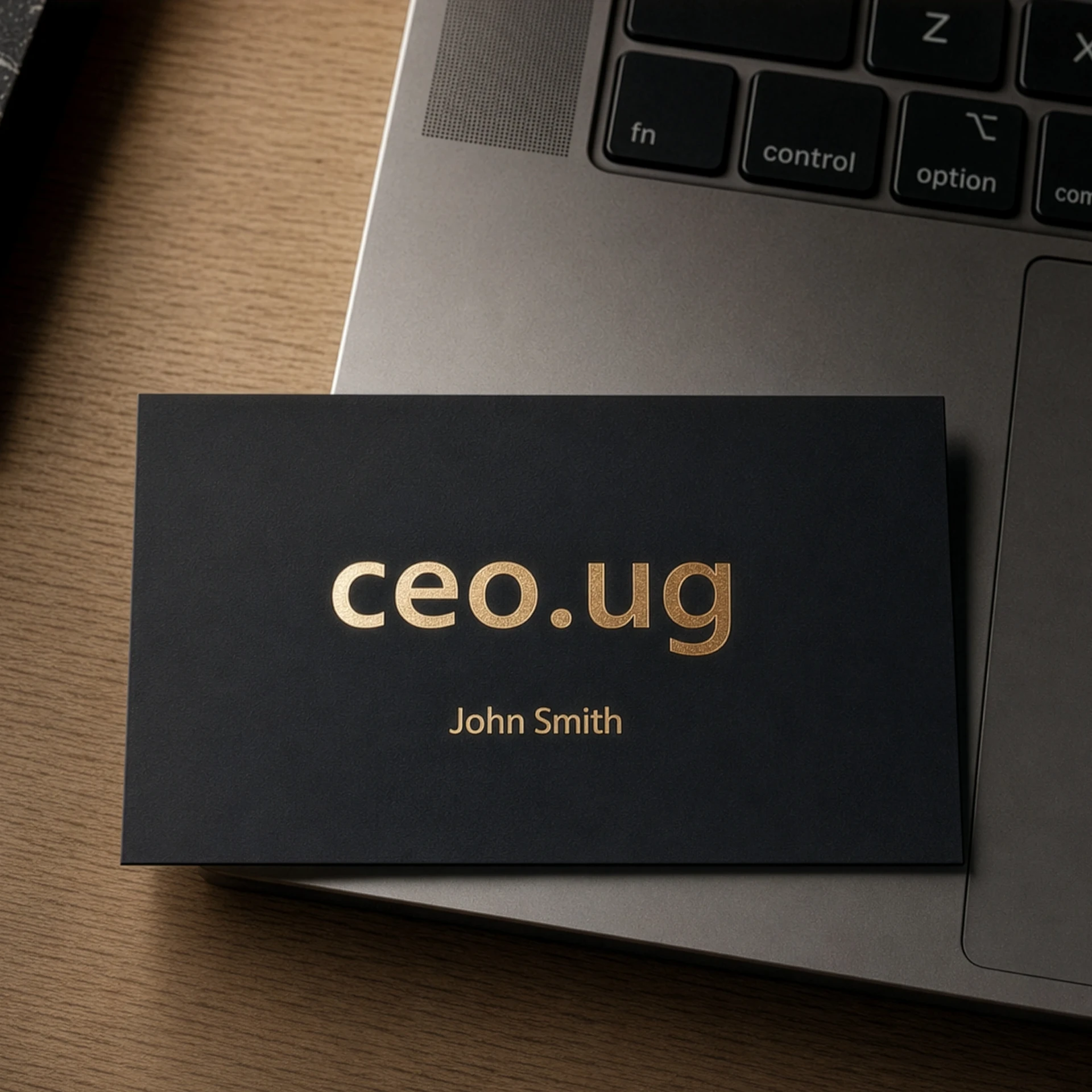 Odoardo Space™