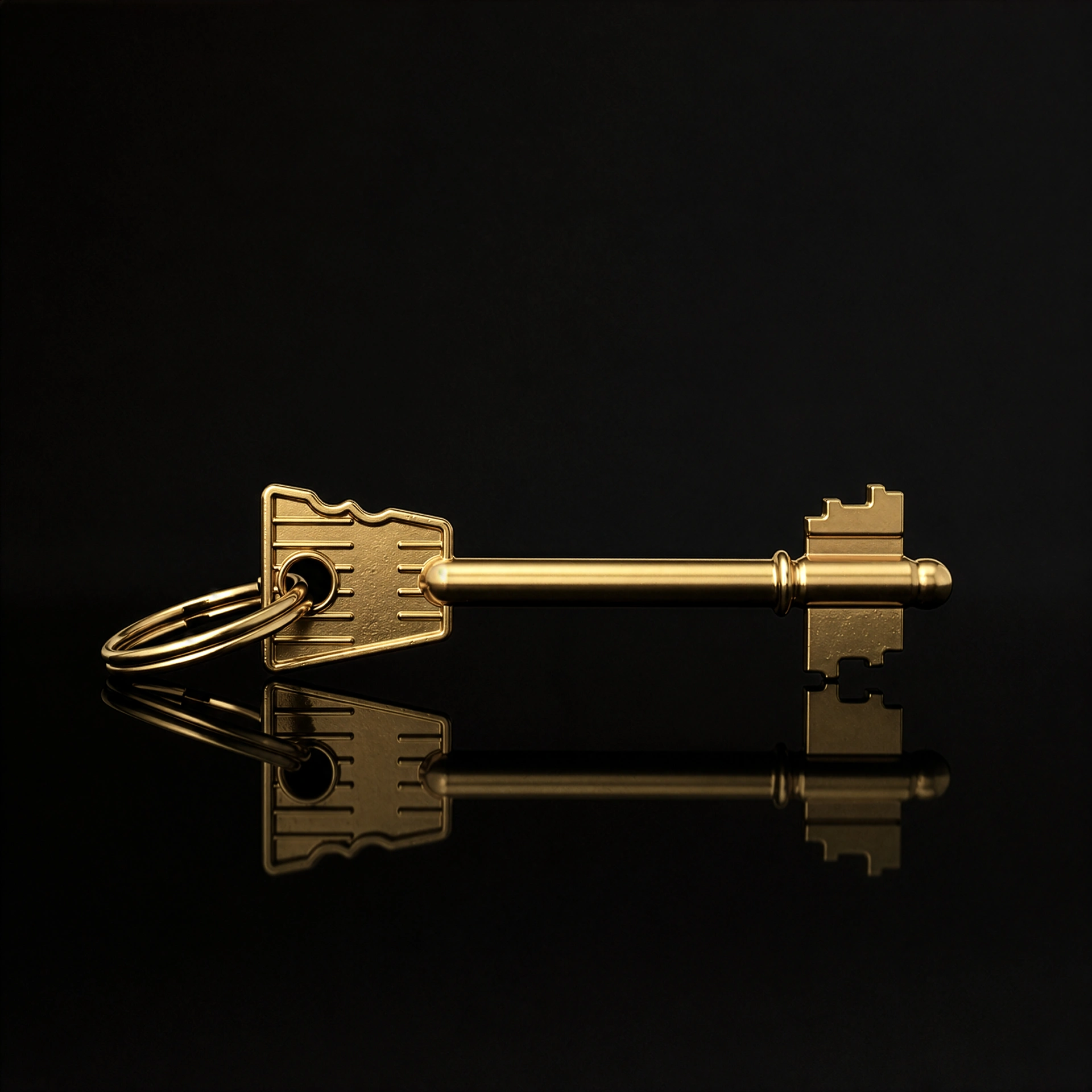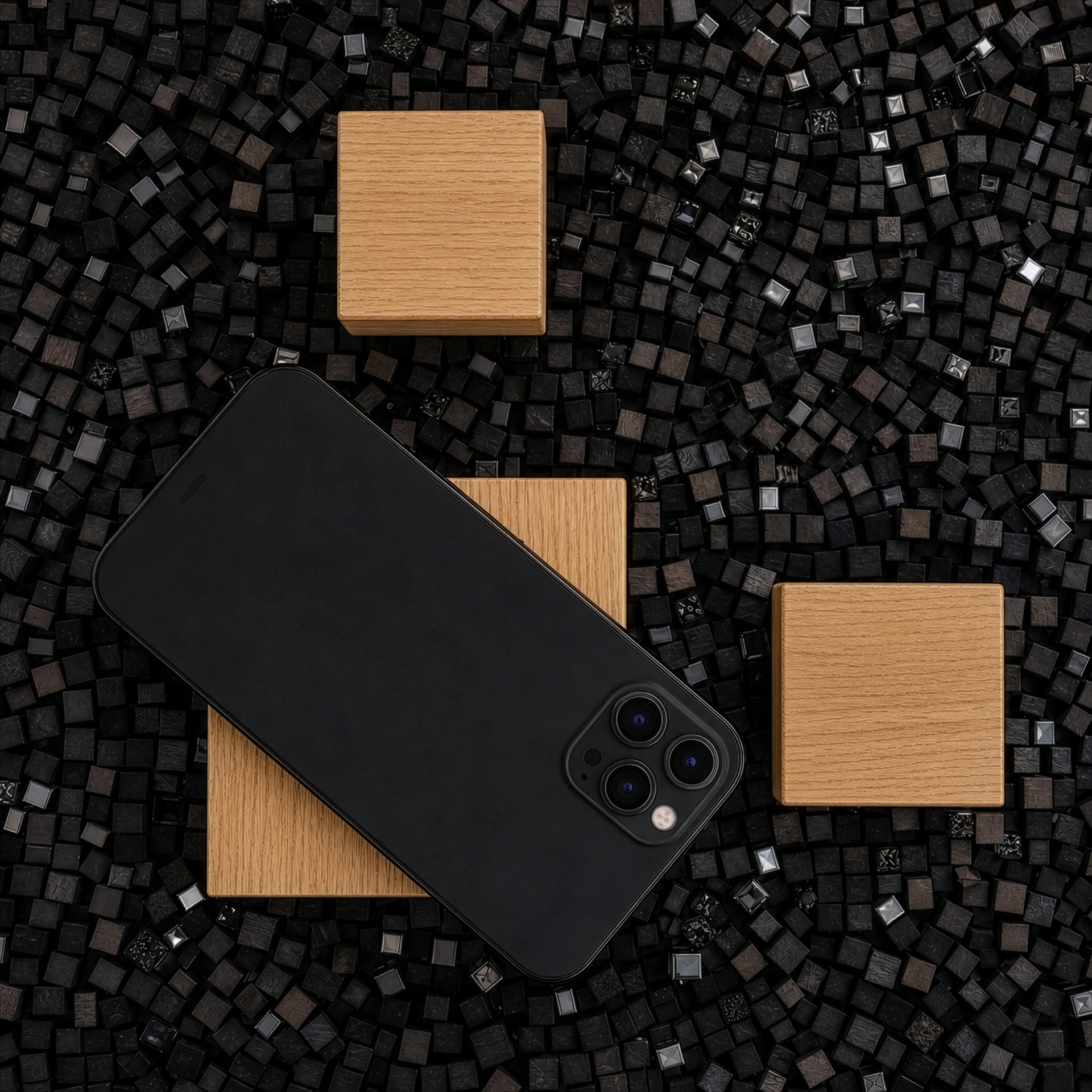
Analyses of consumer behavior in the high-end segment agree that the wealthiest clients regard time and privacy as their most valuable assets. So let us imagine a situation in which an investor collects the keys to a luxury penthouse, or a guest crosses the threshold of a five-star resort. What they naturally expect is fluency, discretion and respite. Instead, by way of welcome, they are asked to scan a QR code, download yet another single-use mobile application and complete a multi-stage login form. In a world where attention is a scarce commodity, every minute spent typing a password undermines the impression the property has built by every other means.
The phenomenon of “app fatigue” in sectors such as hospitality, aesthetic medicine or the yacht market is becoming a growing challenge. Forcing digital engagement on a client is in essence shifting the operational burden onto them. So how can modern brands deliver personalized, advanced services without drawing their audience into yet another wearing interface? The answer turns out to be a return to the physical world.
Digital noise as the opposite of luxury
Introducing omnipresent screens, on-board tablets and dedicated applications was in theory meant to raise the standard of service. In practice, however, forcing a guest to navigate unfamiliar software in order to order room service or book a table in the restaurant often has the opposite effect. For a premium client, every unintuitive system is an obstacle that lowers satisfaction and can affect brand loyalty for the worse.
Loyalty apps and booking tools do not always stay with a guest longer than the stay itself. If they demand installation, another account or regular attention, they can become an added burden rather than a natural extension of the relationship with a hotel. Investing in elaborate digital solutions is therefore no guarantee of a lasting bond with the client. Real quiet luxury rests on the invisibility of processes – technology should work in the background, support the experience smoothly and relieve the guest's mind entirely.
Animated matter as intelligence without a screen
The solution that eases this dissonance successfully is the contextual physical interface. Its premise is that talking about a building, with a concierge or with the body of knowledge about a luxury object requires no new application at all. Odoardo Soul™ embodies this philosophy.
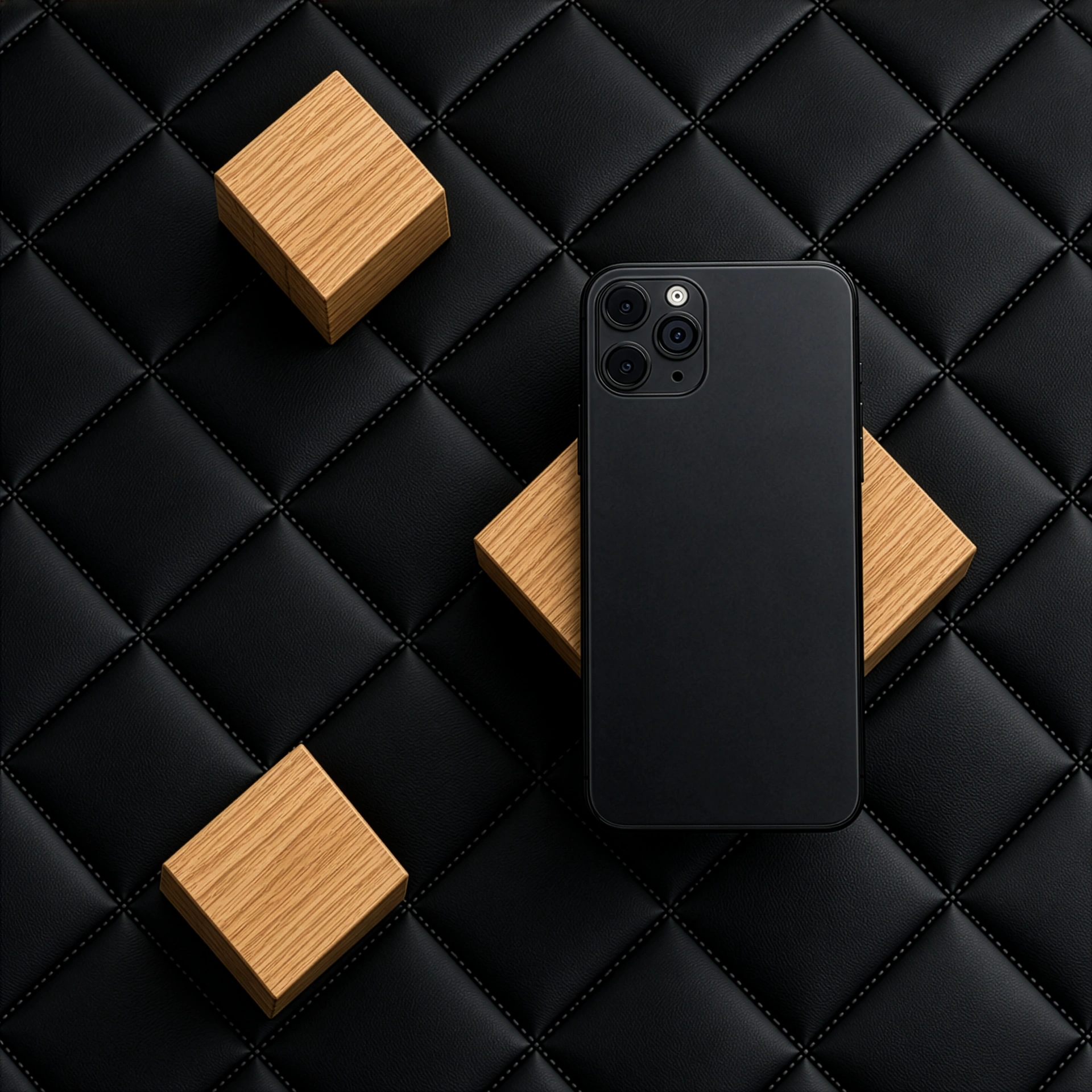
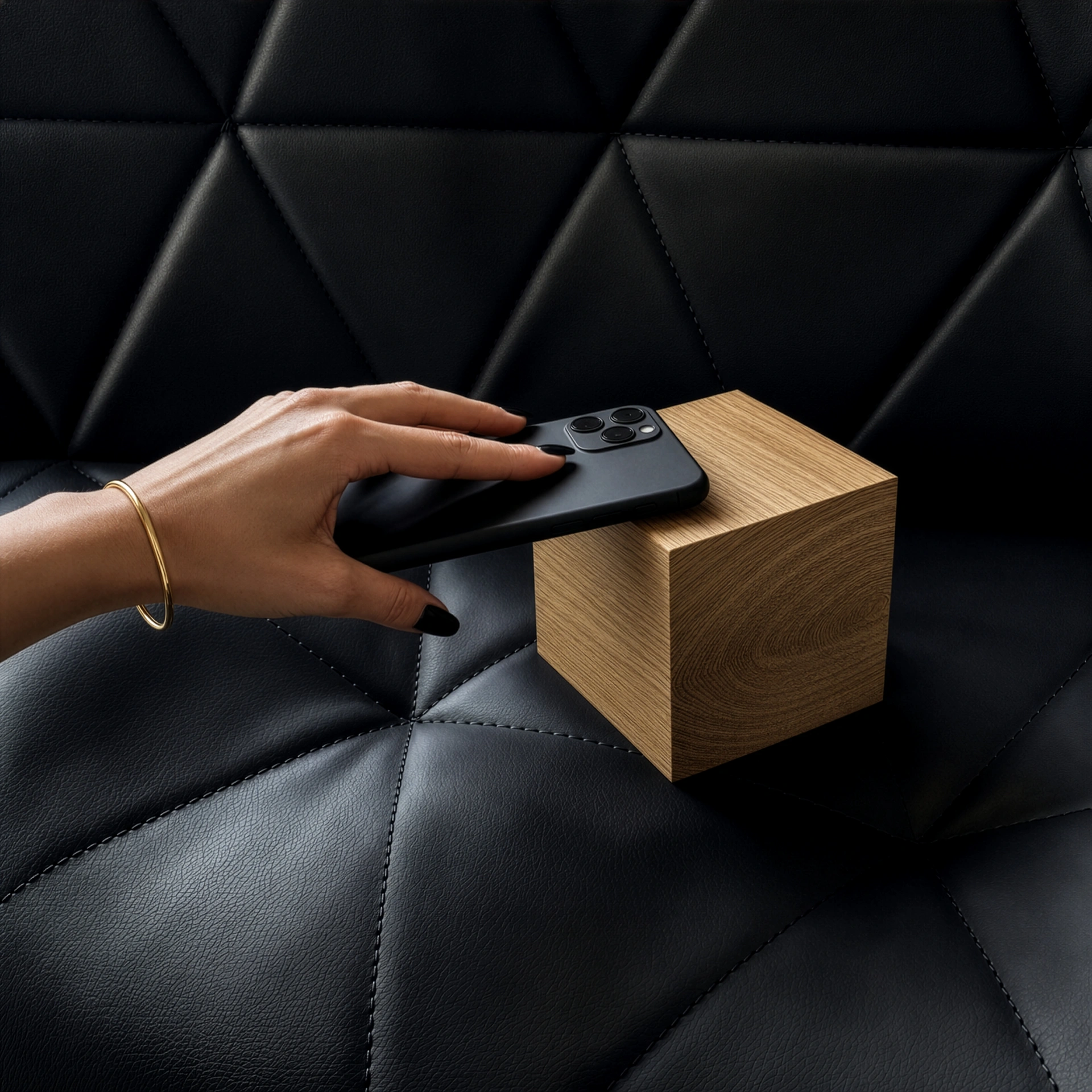
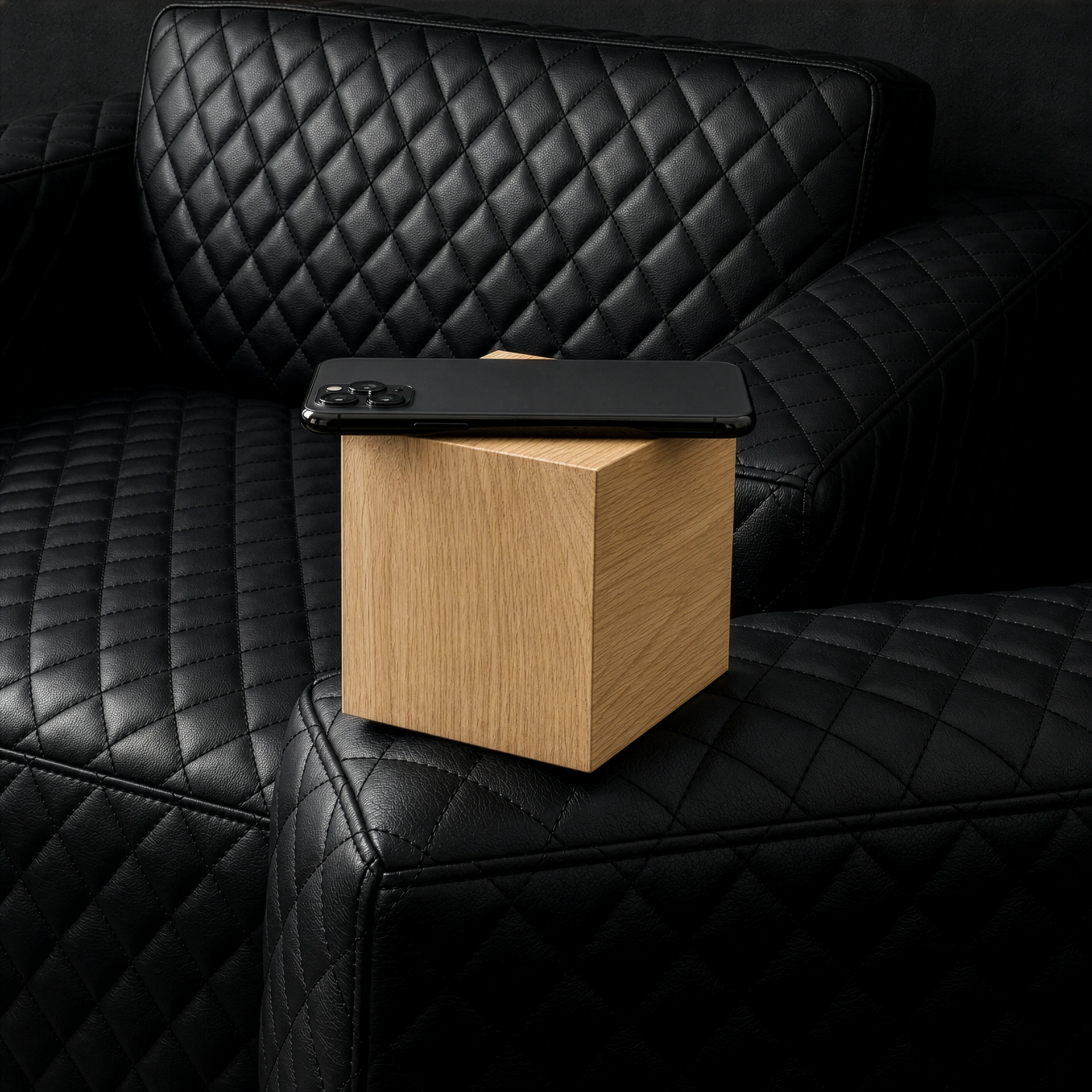
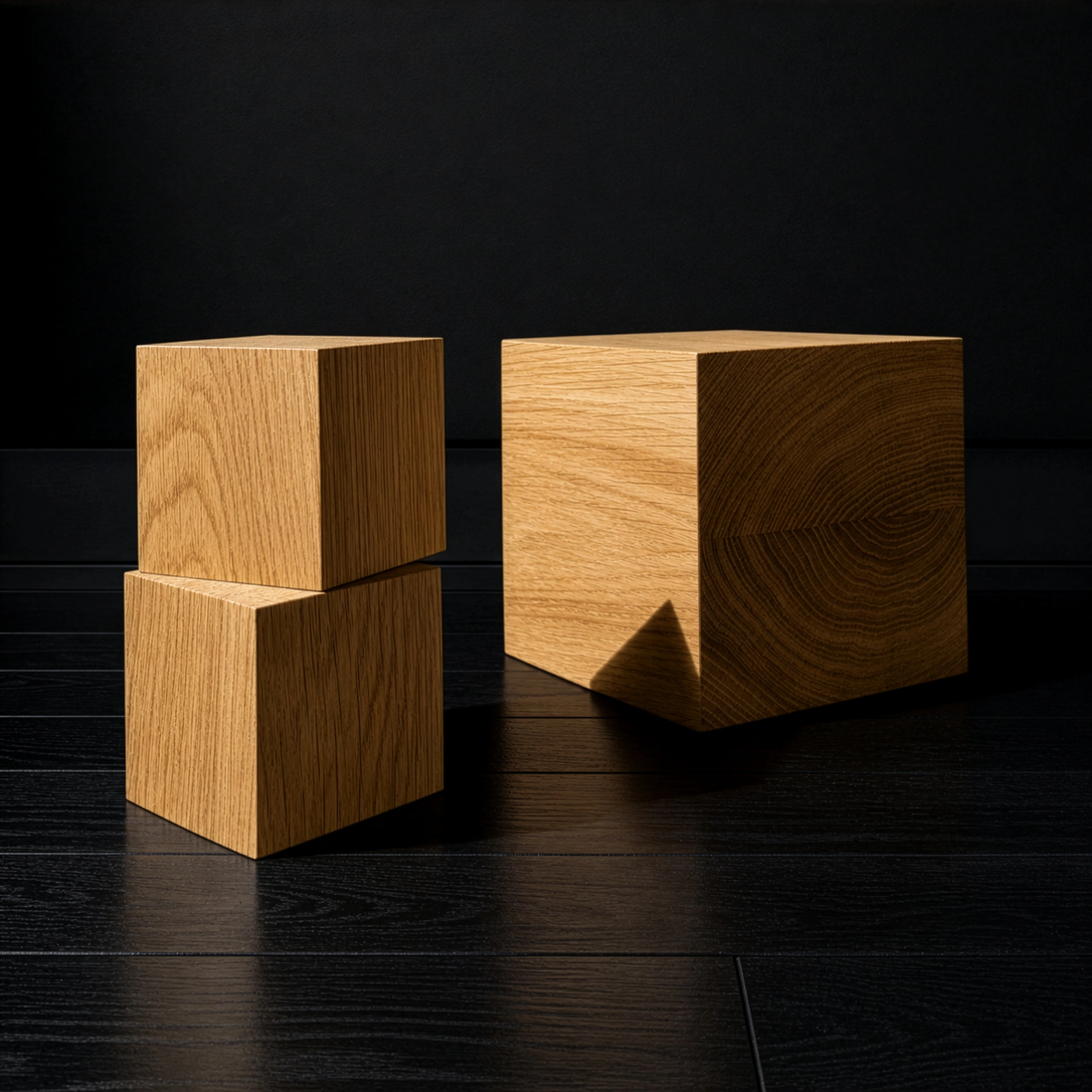
It is a discreet solution that most often takes the form of an elegant cube in solid oak, with an edge of 5 or 10 centimeters. From the outside it is nothing but noble, cool matter – with no displays, no power connectors and no notification LEDs. Its strength lies in a hidden microchip. To wake it, the client installs nothing and creates no account. A single, brief touch of their own phone is enough, and the content opens in the browser. That one gesture opens a channel of communication. The phone the user already holds becomes the only window it needs, waking the identity of the space.
Context awareness and the protection of privacy
Once the physical interface is activated, the client enters a smooth dialogue with context-aware artificial intelligence. The cube knows where it is, what season it is and what facilities a given cabin on a yacht offers. The user can therefore give a simple instruction to call staff discreetly, or learn the history of a luxury handbag. We prepare the digital product passport as a dedicated implementation. Control of lighting or climate is added as a bespoke integration. The process bypasses registration forms entirely – it requires no sensitive data, which noticeably lowers the sense of risk for an affluent audience mindful of cybersecurity.
An ecosystem of discreet innovation
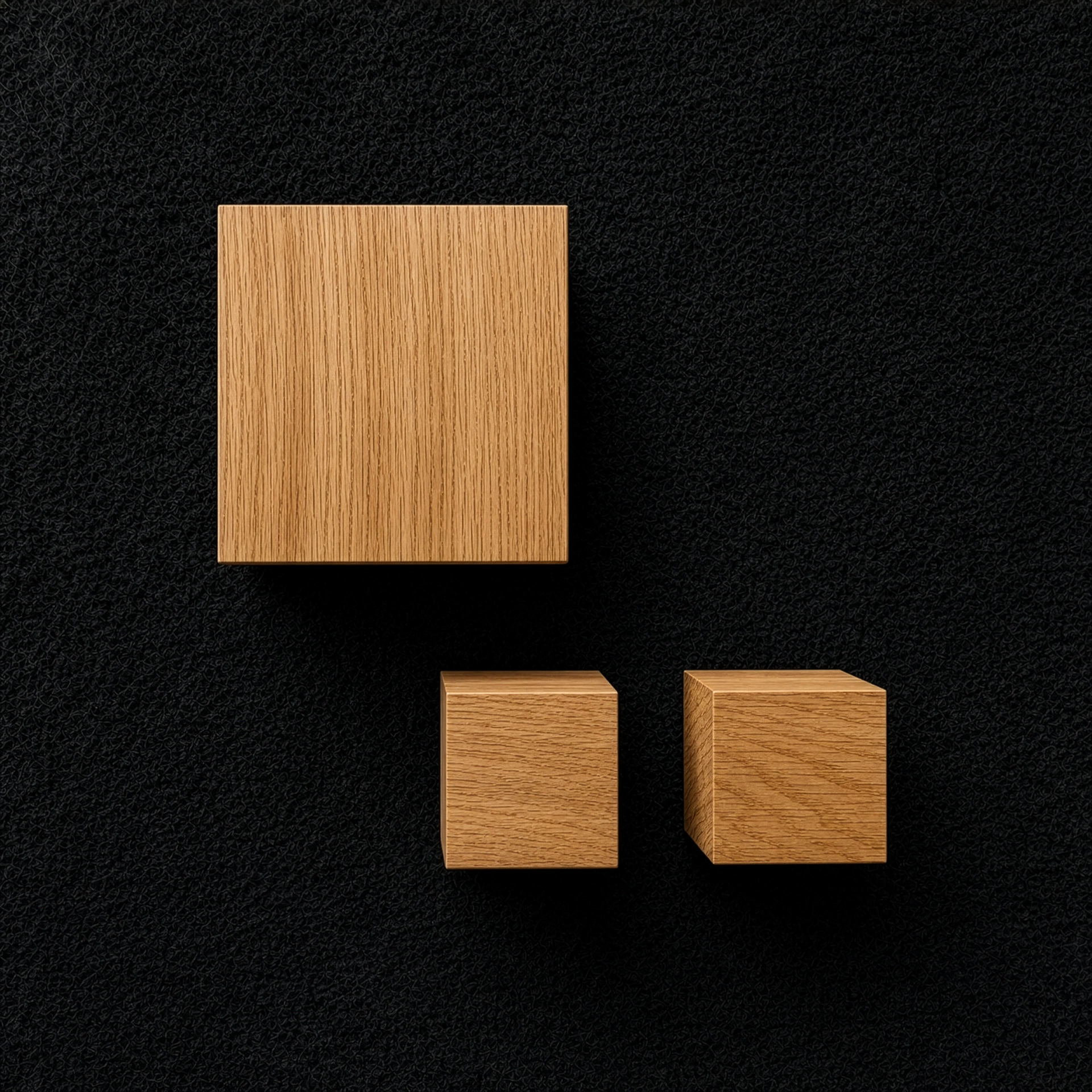
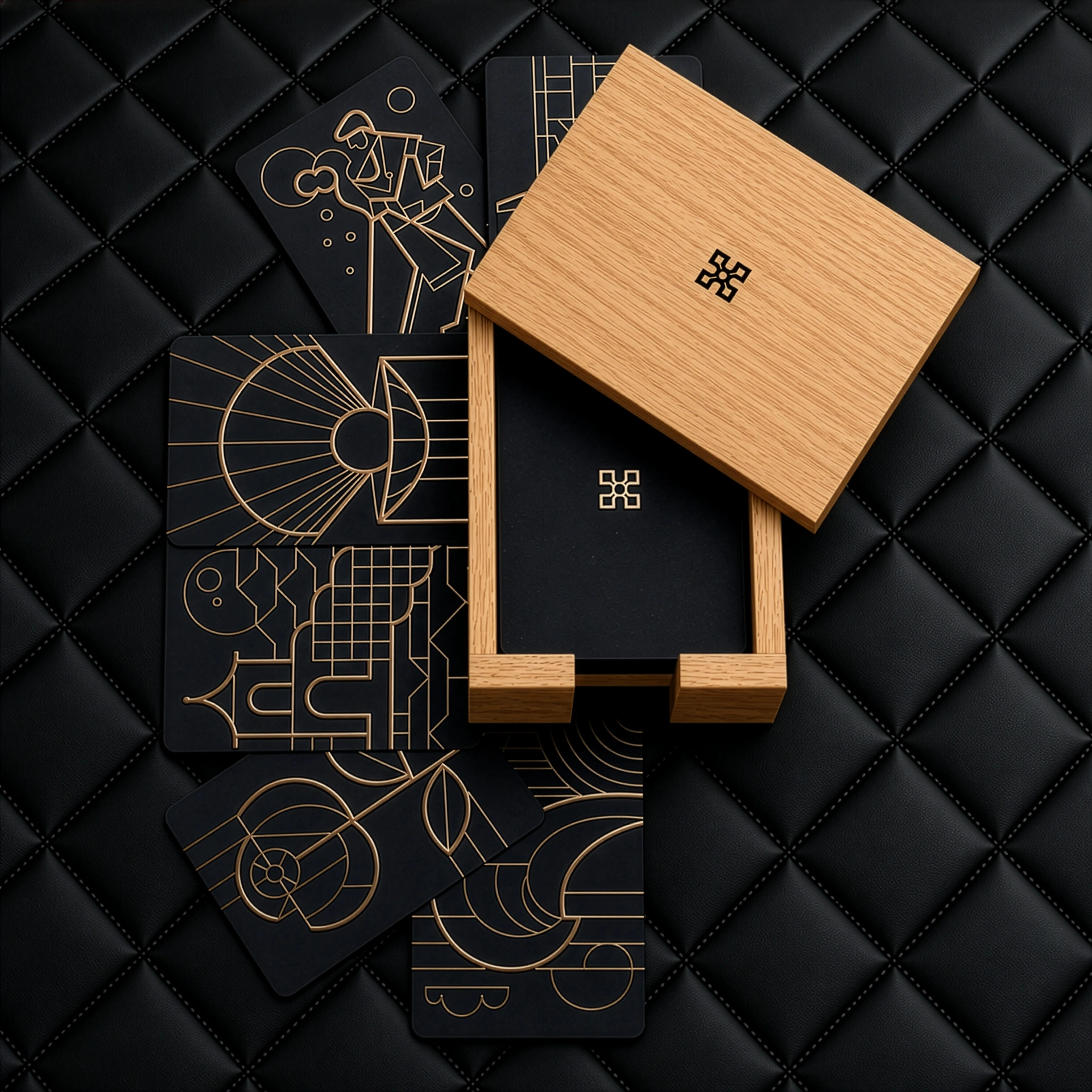
Building a frictionless experience is a multi-dimensional process. Reducing the number of applications is only the first step. A prestigious space favors calming the senses, and the aesthetic of an interior is raised by living art delivered in oak frames by Odoardo Art™, which allows a quarterly visual renewal without troublesome building work – this is described in Interior metamorphosis without renovation. And when guests wish to deepen their relationships with those close to them in a wellness area, the physical cards of Odoardo Alibi™ become an elegant pretext for honest conversation, bringing people together again away from digital notifications.
If, however, a luxury property wants to appear online organically, it can encourage guests to record their own memories. It does so, though, in full control. The Odoardo Lens™ tool introduces a cinematic standard, smoothly directing and correcting the color grading of video material, which turns chaotic User-Generated Content (UGC) into refined Curated Guest Content (CGC). We take this mechanism apart in Curated Guest Content (CGC) vs UGC. Such a format encourages direct booking, protecting a high Average Daily Rate (ADR). To look after a brand's digital communication and market presence, meanwhile, it is worth reaching for an address from the Odoardo Space™ portfolio, used by one brand alone and without buying the domain.
Engineering premium-class experience demands judgment and restraint. The creator of the Odoardo™ ecosystem sums it up well:
“Every application we make a guest install is an invoice issued against their time. That invoice can, however, come back to us – in the form of a cool relationship and a rollout few people use. An object that works from the first touch asks for nothing, and that is exactly why it gets attention.”
Moving away from imposing mobile applications on clients in favor of integrated, contextual physical interfaces is not merely a technological optimization. It is above all an expression of deep respect for the recipient's time. Objects and spaces that keep quiet until they are called can build lasting loyalty and gratitude among clients for whom the greatest luxury remains an unencumbered, calm mind.
The thought that the most valuable thing is sometimes what you do not have to know is developed in the Odoardo™ manifesto.
 Odoardo Alibi™
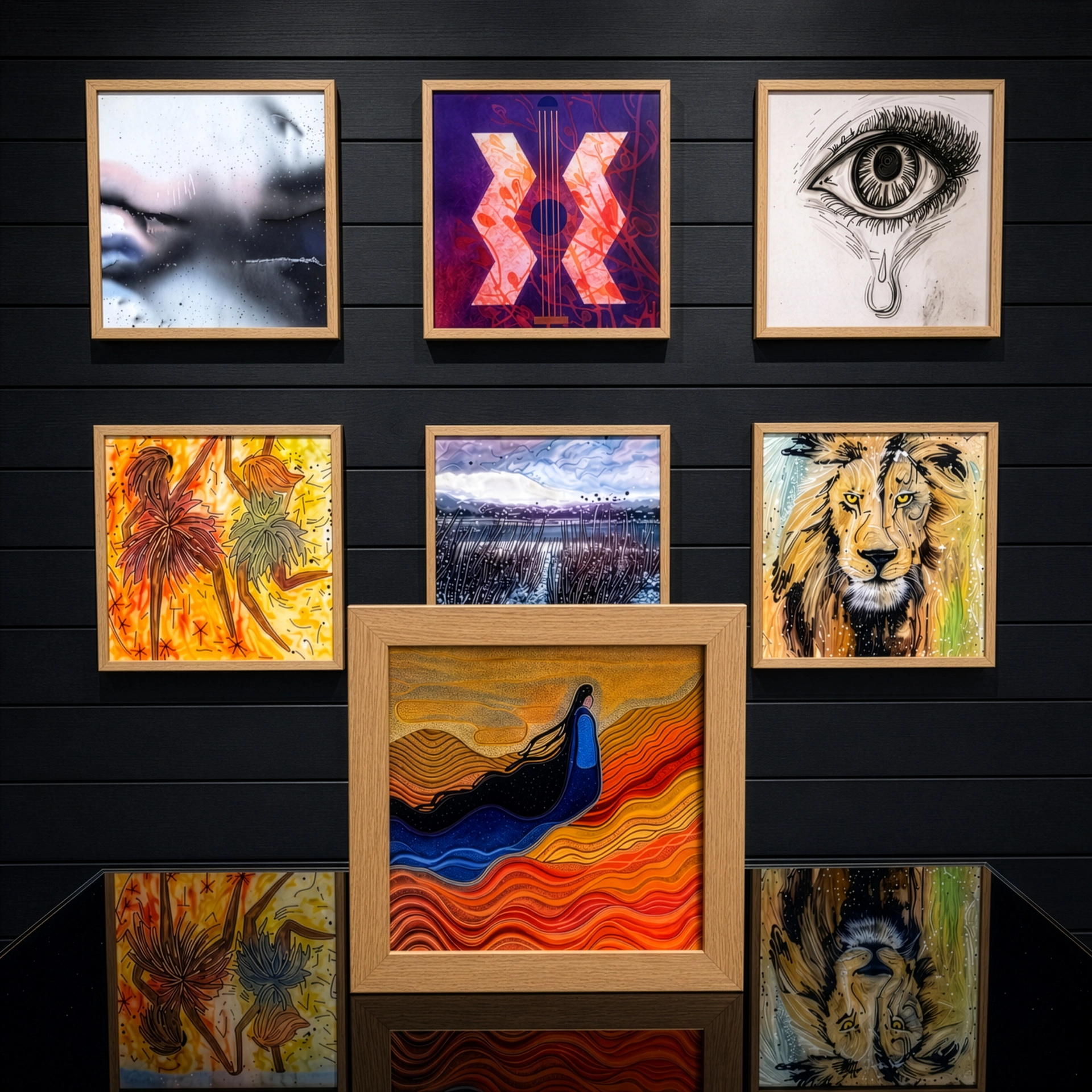 Odoardo Art™
 Odoardo Lens™
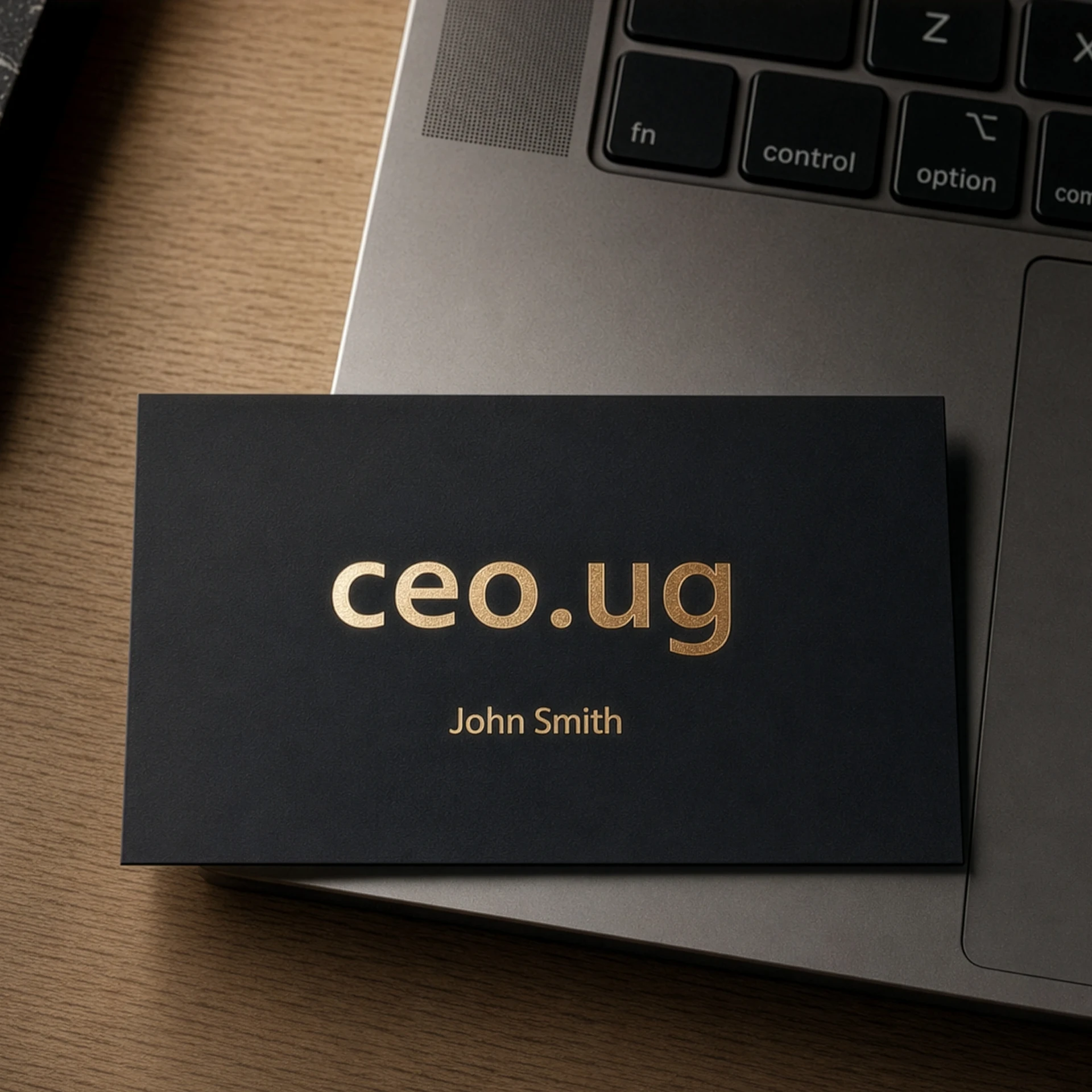 Odoardo Space™