Imagine dinner at a renowned restaurant that prides itself on remarkable, original cooking and access to the rarest limited vintages. Because deliveries are boutique in character, the contents of the cellar change there almost daily. When a guest asks for a recommendation, the waiter hands them a beautifully bound, heavy list. After a moment's search, the client chooses the Burgundy of their dreams, only to hear the awkward reply: “Unfortunately, the last bottle was served yesterday evening; we did not manage to update the menu.” Such a seemingly harmless situation instantly destroys a carefully built illusion of perfection.
The unavailability of an item a guest has chosen from the list can disturb the carefully designed experience of a high-end restaurant. The problem is especially visible in establishments that base their menus on seasonal ingredients and short runs of exclusive products, whose availability can change from day to day. Digital solutions allow an offer to be updated faster, but they bring risks of their own. Research indicates that a menu available only through a QR code can lower guest loyalty if using it is perceived as inconvenient. The challenge therefore becomes combining up-to-date information with the elegance, intuitiveness and quality of service expected in a premium restaurant.
Tablet dissonance and the aesthetics of dinner
The first reflex of many restaurateurs in the fight against out-of-date lists is to introduce tablets or base the menu on QR codes. Unfortunately, in a fine dining space such steps are an aesthetic compromise that ultra-premium establishments simply cannot afford. The glowing plastic screen of a tablet casts unnatural light on guests' faces and brutally disturbs an intimate, romantic atmosphere. Forcing a client to scan a black-and-white technical pictogram on the table, meanwhile, reduces a refined culinary experience to the level of a self-service bar.
A guest paying for a unique experience wants quiet and an escape from digital noise. Expecting them to spend time scrolling a screen contradicts the definition of quiet luxury. Real luxury consists in delivering perfect, reliable information in a way that does not engage the eye and does not draw attention away from one's companions.
Animated matter as a private sommelier
The solution that eases this conflict successfully is to animate restaurant matter itself by introducing the contextual physical interfaces of Odoardo Soul™. The concept assumes that both paper and visible screens are eliminated entirely from the dining space.
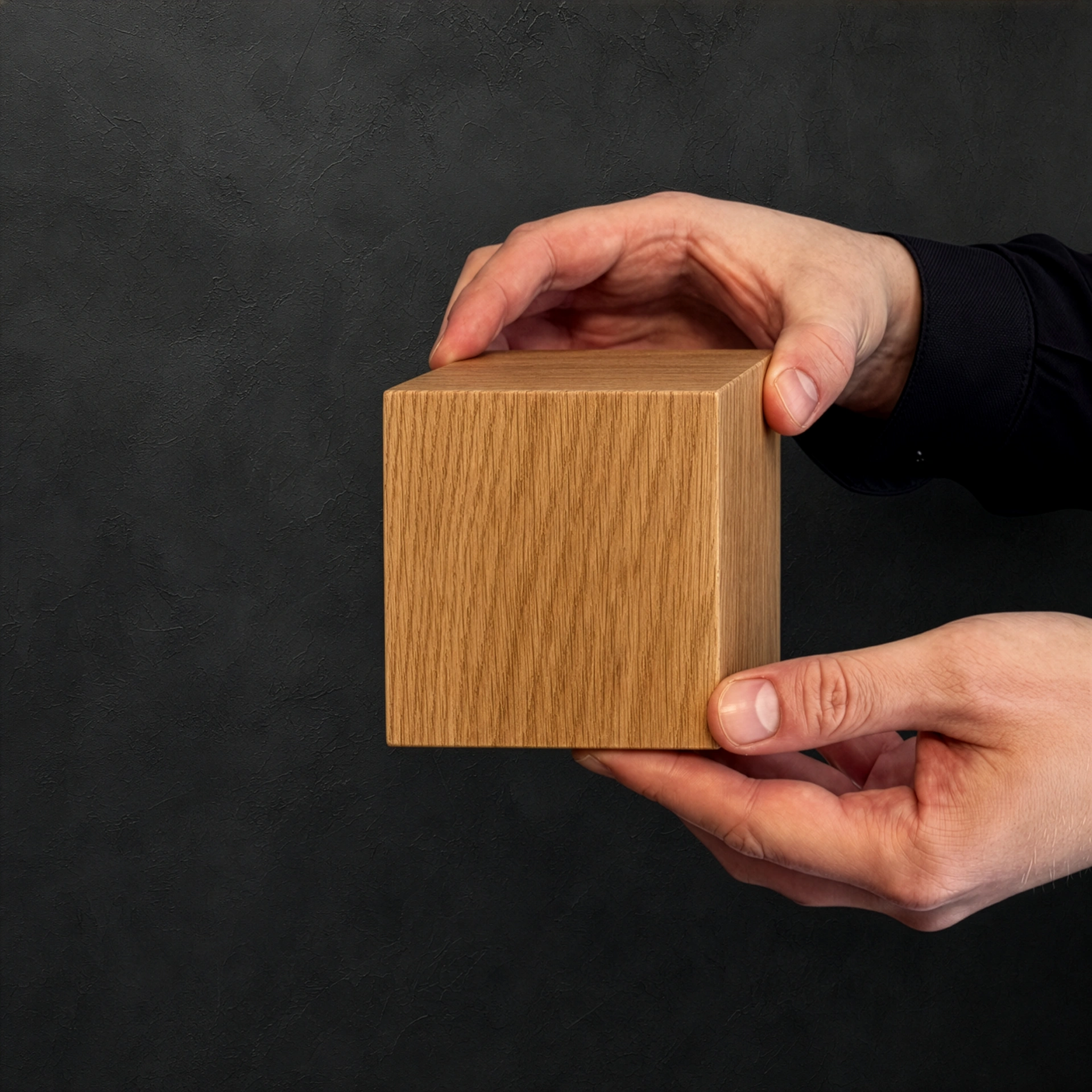
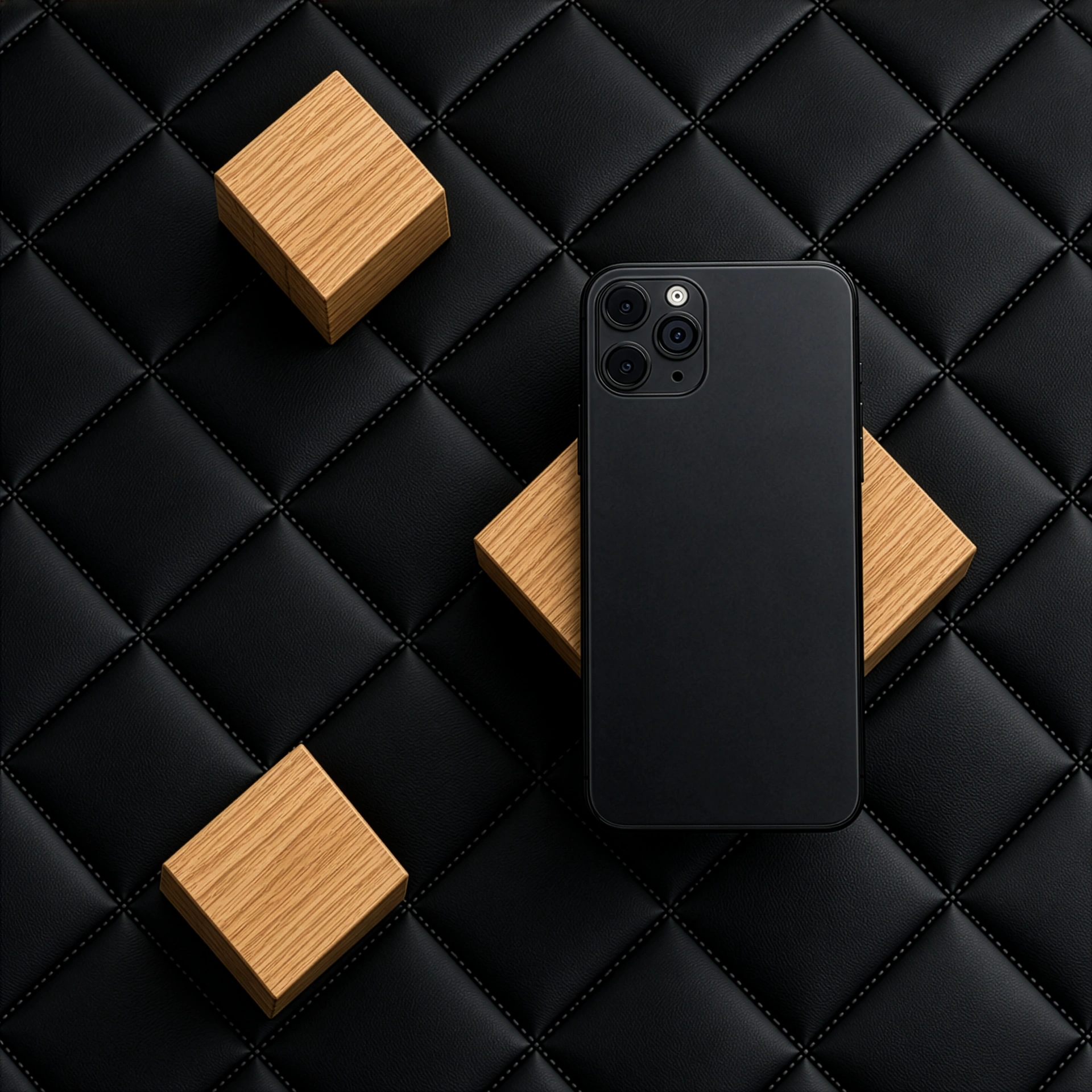
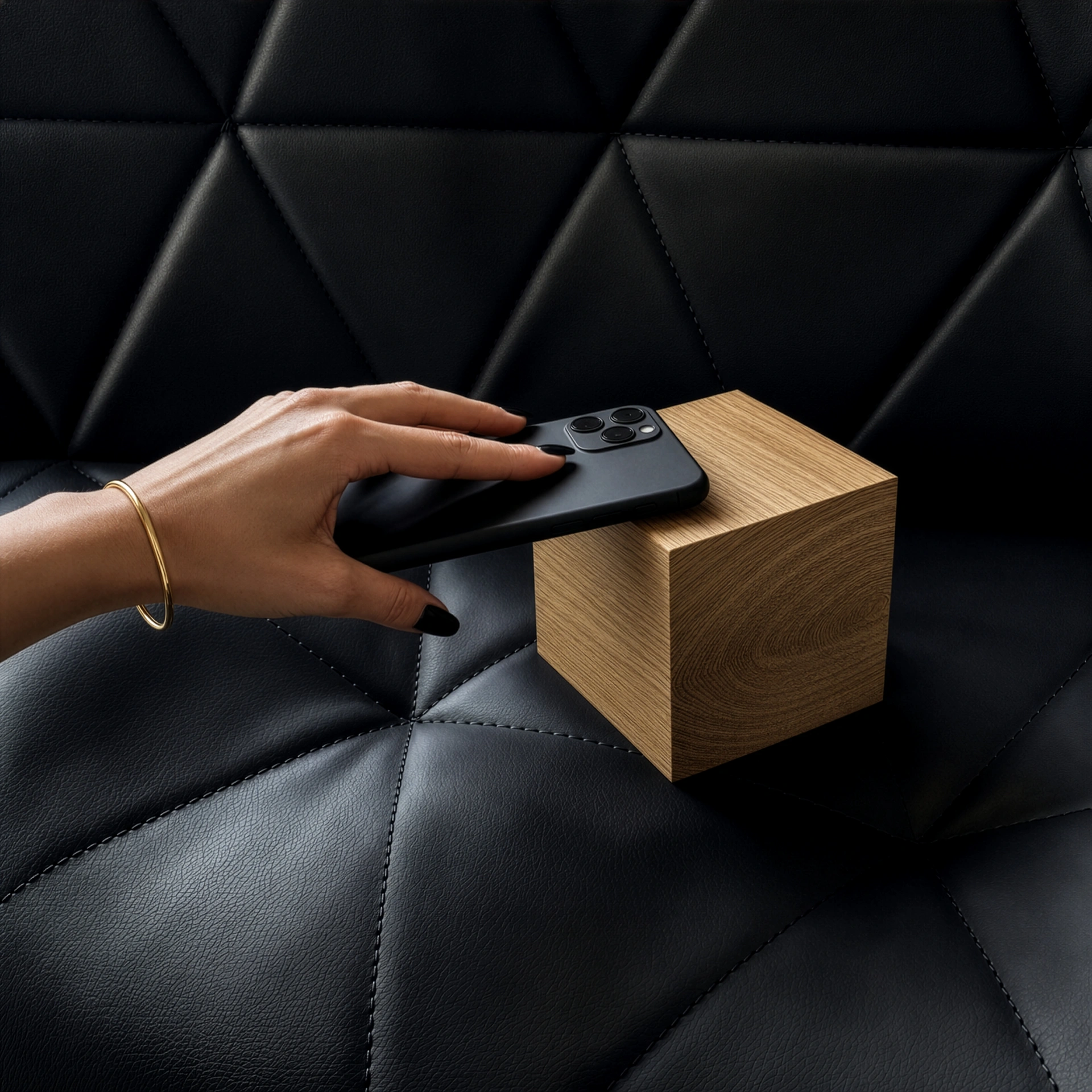
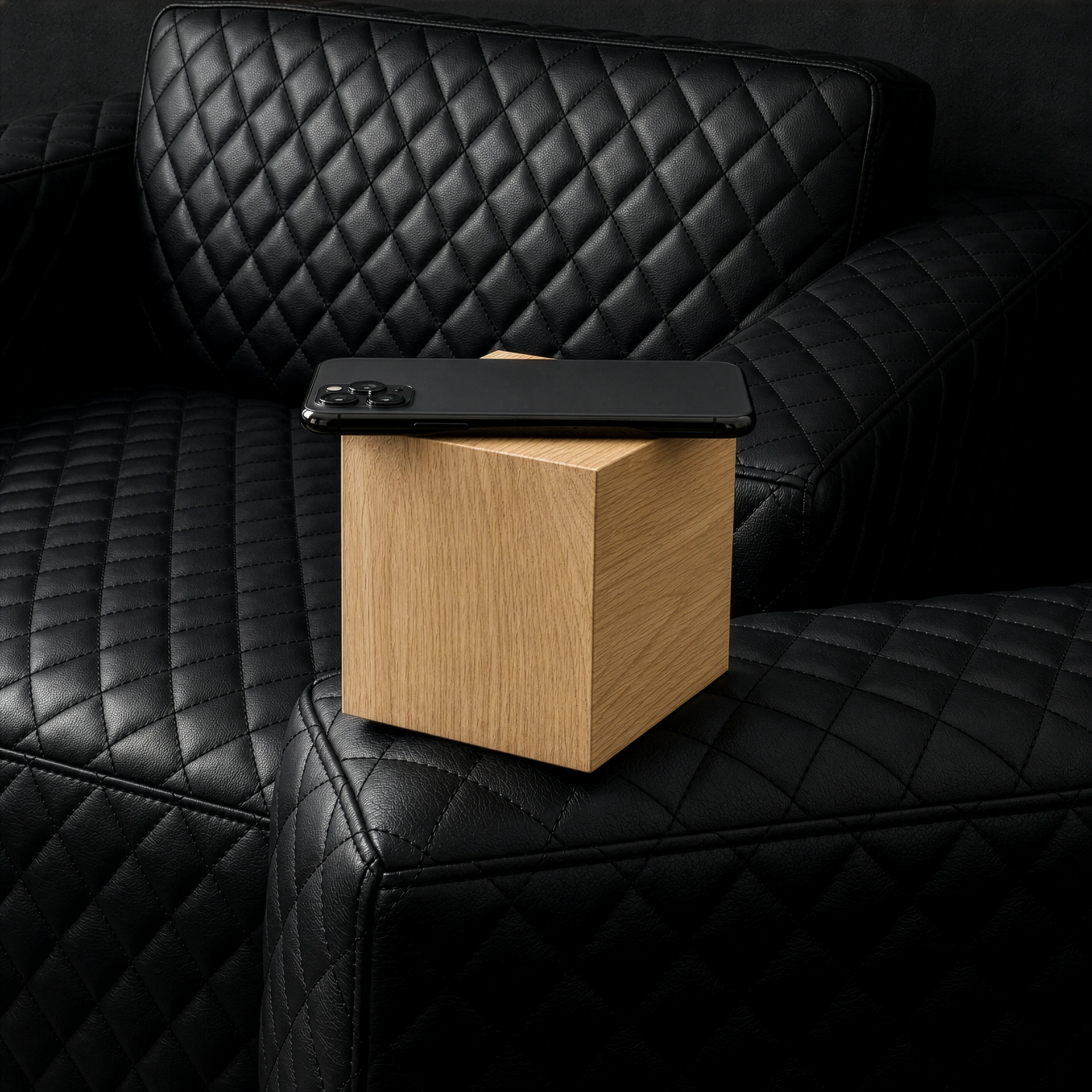
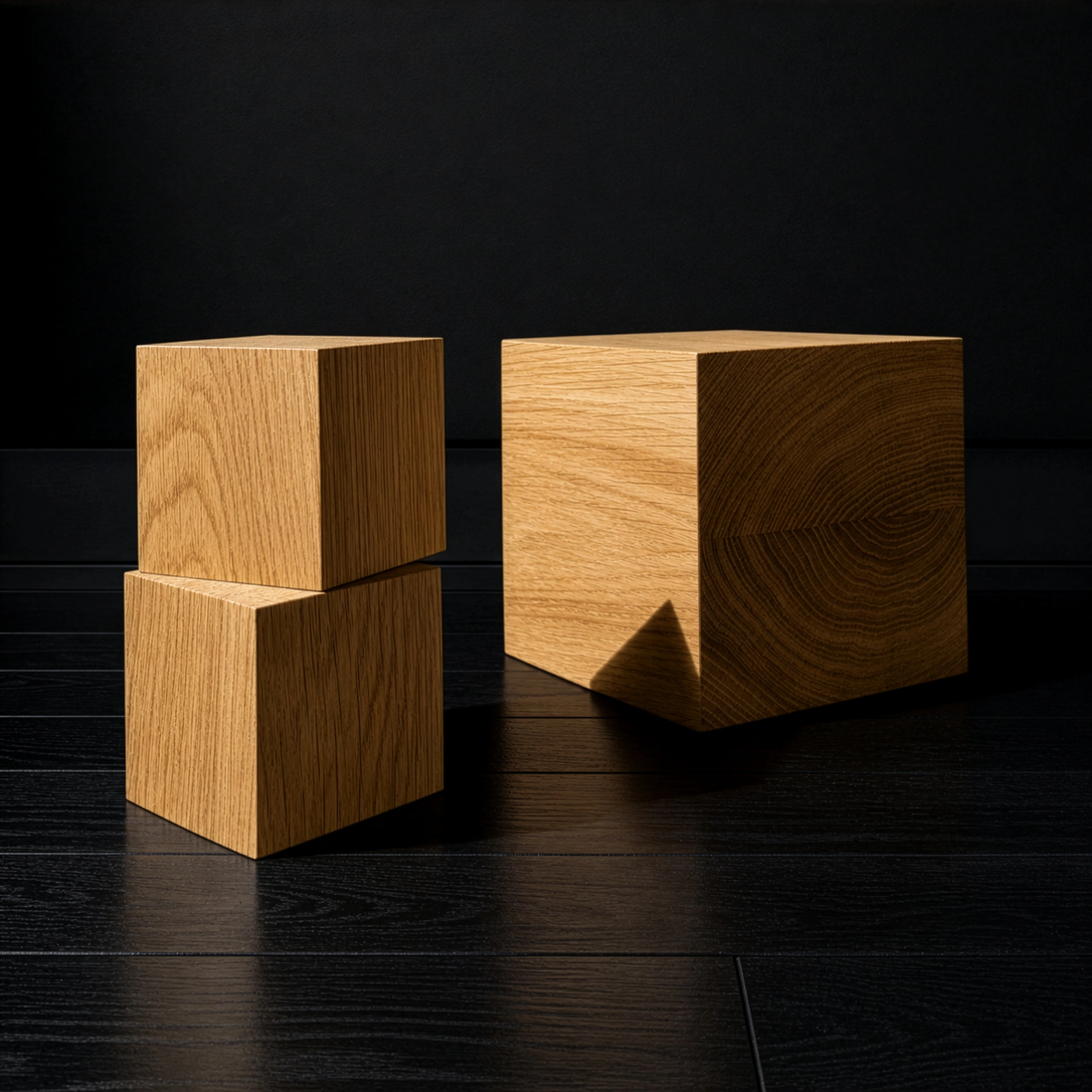
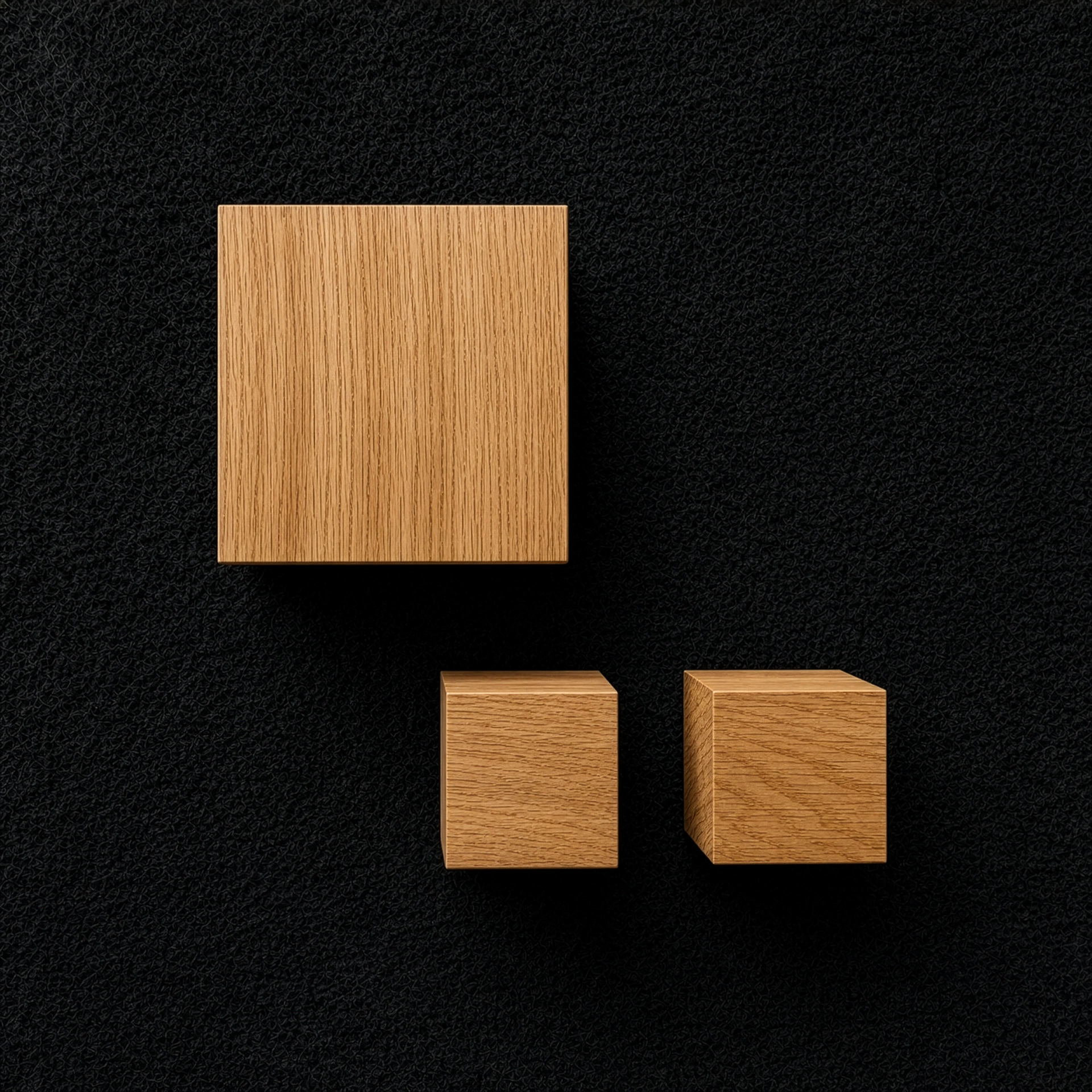
In practice, a minimalist cube of oil-finished solid oak with a 5 or 10 centimeter edge can rest on the table, or an invisible microchip can be built directly into the top. When a client wants to look at the current selection of wines, they simply bring their phone close to the edge of the table. That single, elegant touch wakes the microchip sleeping in the wood. In the guest's phone browser – with no application to download and no account to create – the system presents the current selection of the cellar as the restaurant has supplied it. The animated table becomes a private sommelier able to advise gracefully on the ideal pairing of wine with a dish.
An ecosystem that favors knowledge and relationships
Replacing out-of-date paper lists with invisible technology changes above all how much a guest knows at the moment of choosing. A rare vintage stops being a name and a price in a table: it acquires a description of the estate, the conditions of the season and the dish on the menu it was chosen for. The decision belongs to the guest, but they make it consciously rather than at random.
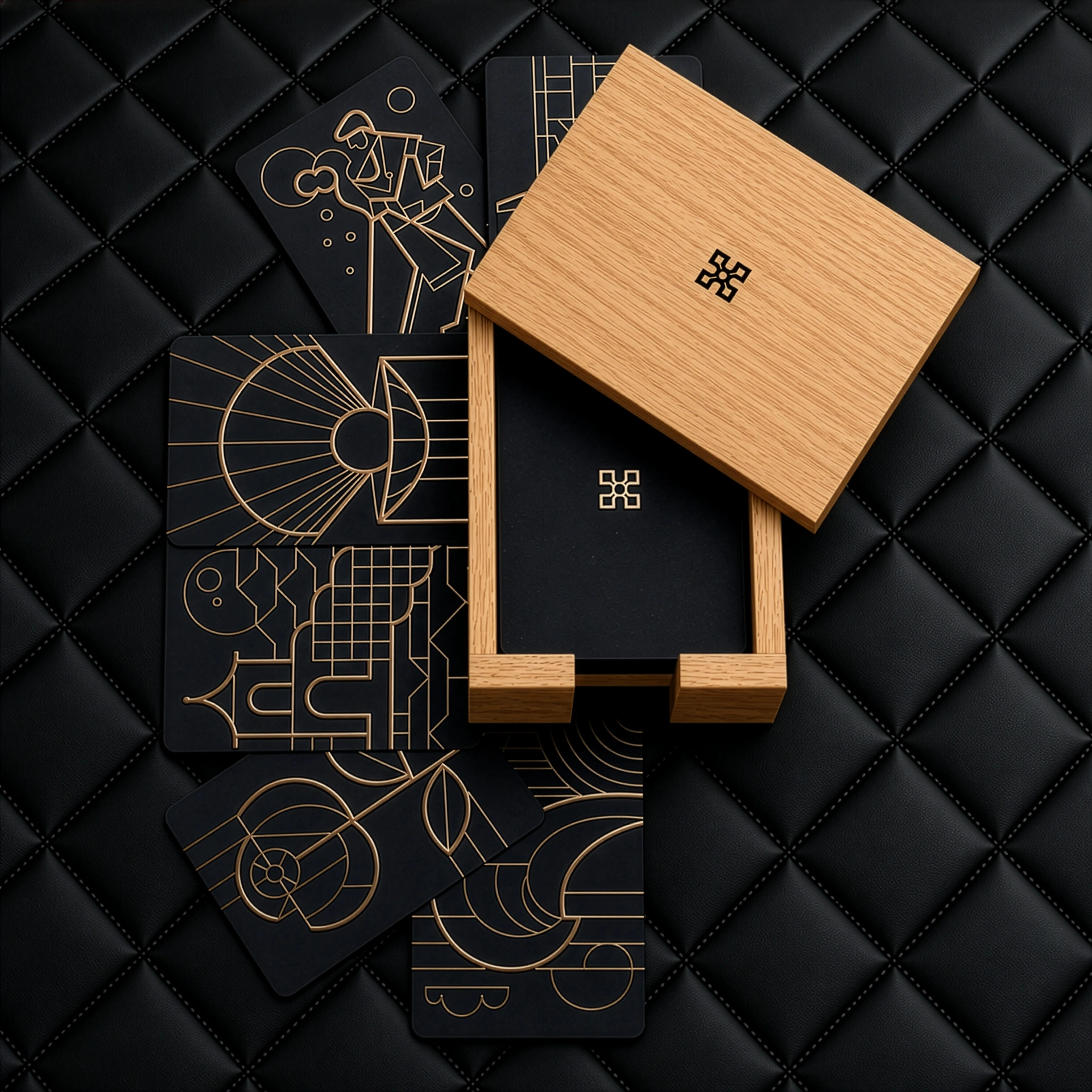
When logistical and informational matters are entrusted to animated matter, a restaurant can concentrate fully on the architecture of mood. The sensory experience is enriched by rotating, carefully selected art from Odoardo Art™, periodically matched to the seasonal menu – the role of such decoration is described in Art in fine dining restaurants. On the table itself, right beside the glasses, the cards of Odoardo Alibi™ can help create atmosphere, taking the burden of initiative off the guest.
Remarkable restaurants live, however, not only from guests in the room but also from organic interest online. When delighted clients film perfectly composed dishes, the form of that message is worth attending to. The cinematic standard, supported by invisible direction from Odoardo Lens™, gives such recordings the quality of cinematic Curated Guest Content (CGC), published with the guest's consent – the context is described in Fine dining format fatigue. For direct bookings, a restaurant can use an address from the Odoardo Space™ portfolio, reserved for it alone and easy to remember.
Understanding the weight of detail in fine dining is a challenge for technology visionaries. The creator of the Odoardo™ ecosystem puts it thus:
“A paper wine list the thickness of an encyclopedia often builds unnecessary distance, while forcing a guest to read from a hotel tablet is an aesthetic dissonance that can destroy the mood of an intimate dinner. Real culinary innovation demands a setting free of digital noise. When an oak table itself, with complete class, tells a guest about the collection hidden in the cellar at a single touch of a phone, technology becomes the invisible art of hospitality – the guest chooses consciously, and the list never lies.”
Moving away from paper lists in favor of contextual physical interfaces is not only an answer to variable supply. It is also a list that keeps up with the cellar: we make a change to the collection at the restaurant's request, with no reprint. A table that keeps quiet and on request gives the collection's list as supplied by the restaurant settles both at once.
The principle that information waits for the question is described in the Odoardo™ manifesto.
 Odoardo Alibi™
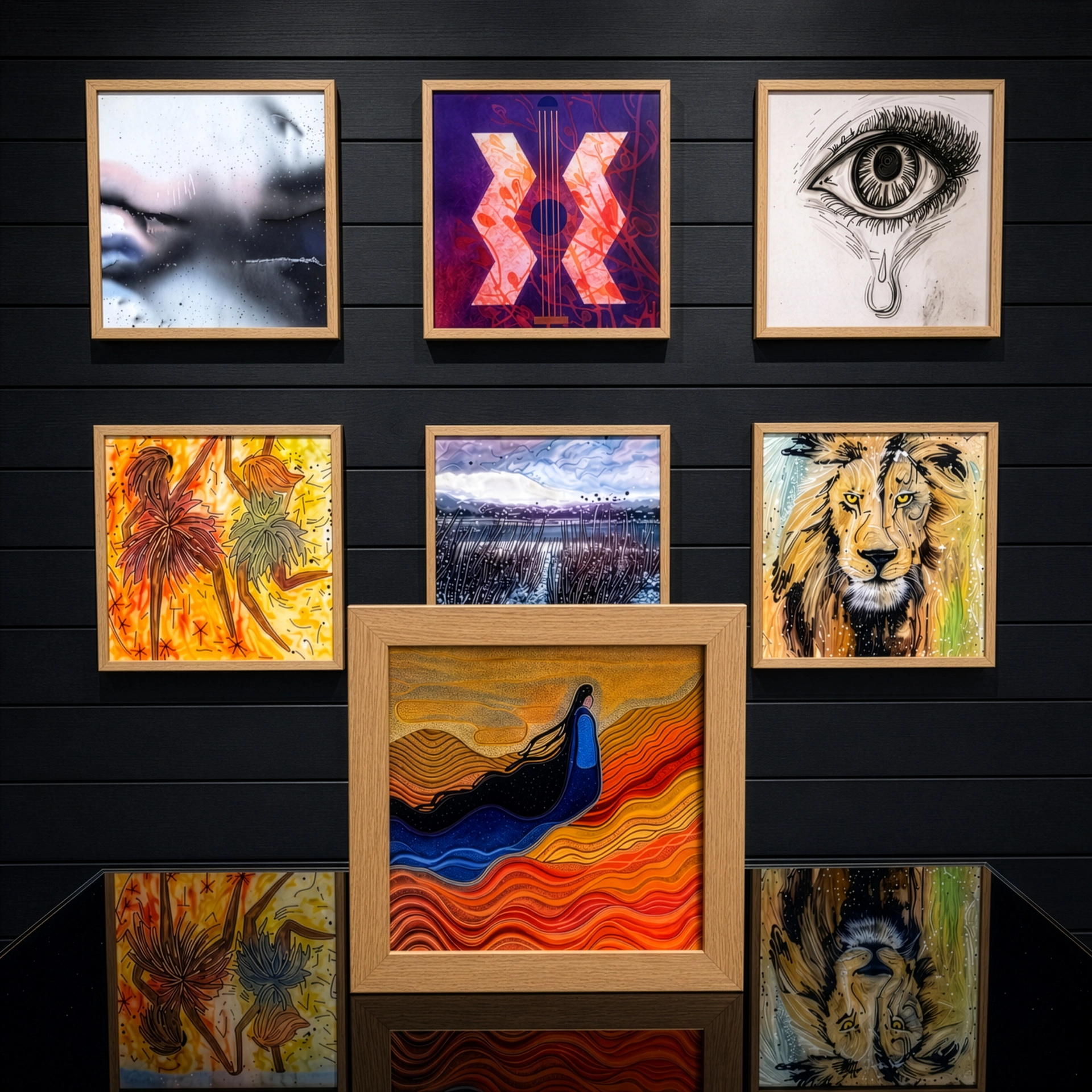 Odoardo Art™
 Odoardo Lens™
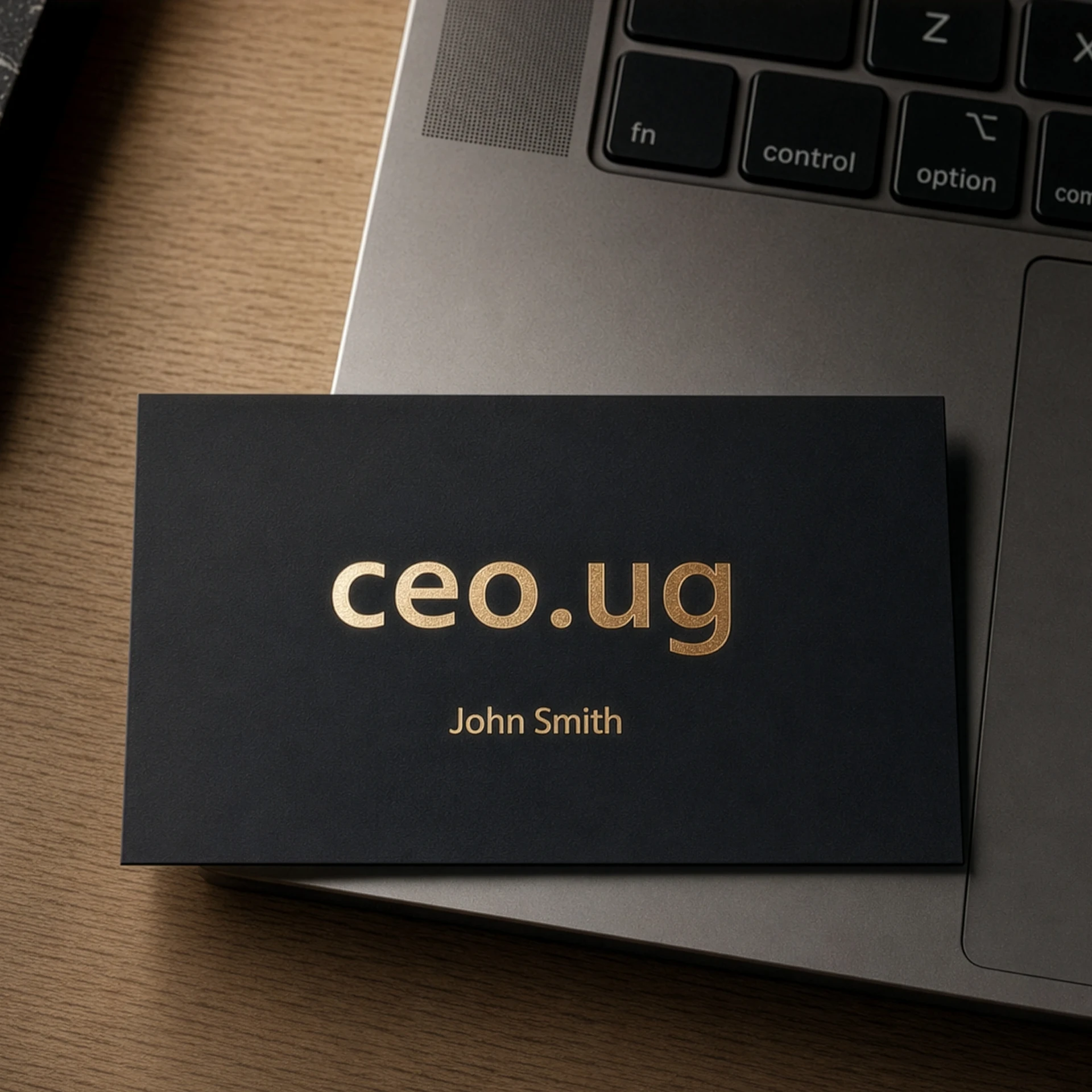 Odoardo Space™