
Imagine a cool, misty morning. In a private, spotless garage, a limited-edition supercar with a naturally aspirated V12 waits for its owner. Every element of this machine – from hand-stitched Alcantara to precisely milled suspension components – is a tribute to craft perfection. Yet the ritual of entering the cabin is often reduced to pressing a plastic button on a generic remote or, worse, having to open an unintuitive mobile application to check the vehicle's status.
The collision of masterly engineering with ever more elaborate digital technology is becoming one of the significant tensions in designing today's luxury cars. For a buyer in this segment, what counts above all is the pleasure of driving, not the number of functions available from a screen. The most prestigious manufacturers are therefore looking for ways to limit digital noise: they simplify interfaces, bring back physical switches and hide screens when they are not needed. An owner wants to celebrate the moment the engine starts and the direct bond with the machine, not to navigate through further levels of a digital menu.
Carbon matter that keeps quiet (until it is called)
To restore the prestige due to the ritual of driving, automotive brands are looking for solutions that hide advanced technology from view. An excellent answer to this challenge is to introduce contextual physical interfaces such as Odoardo Soul™ directly into the accessories that accompany a driver.
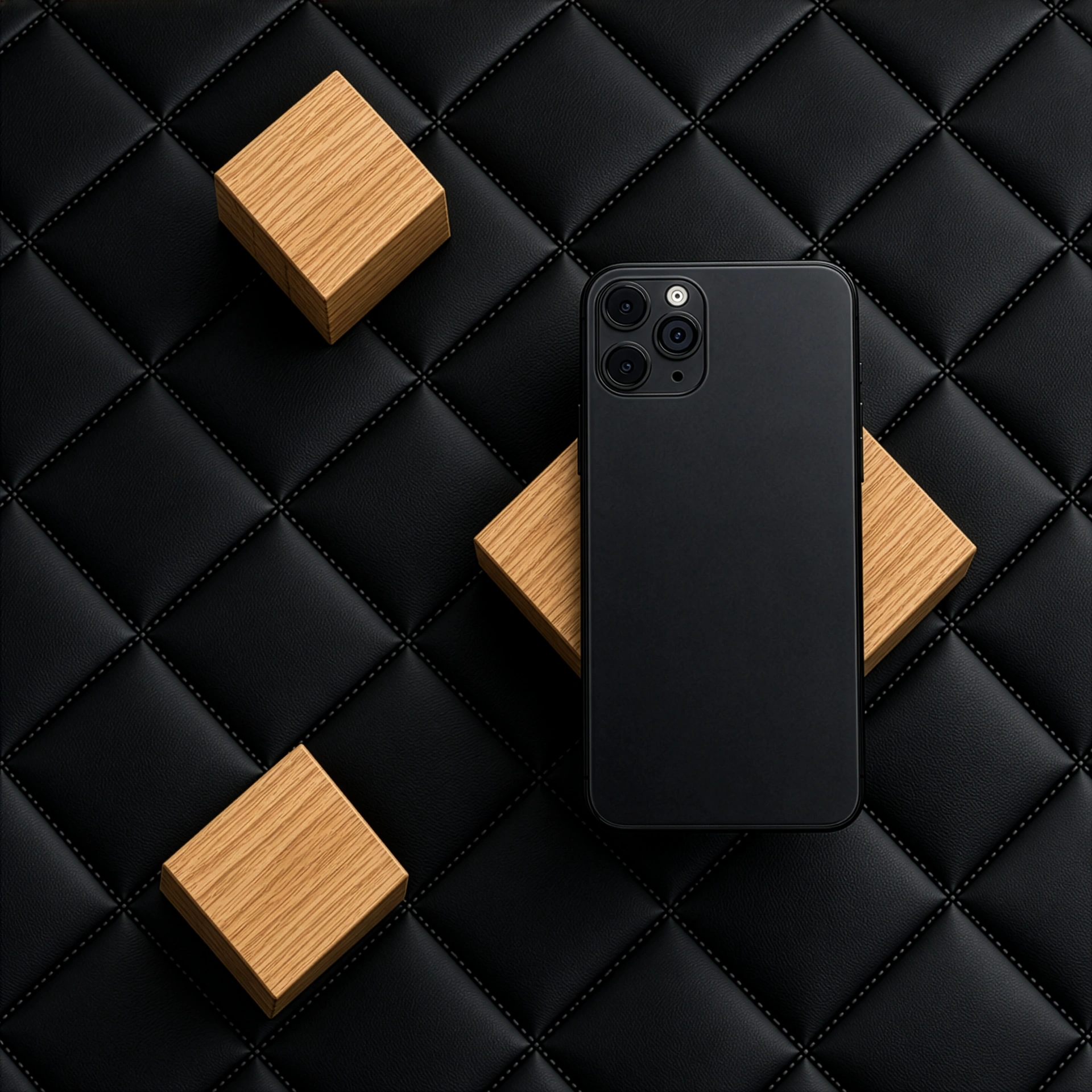
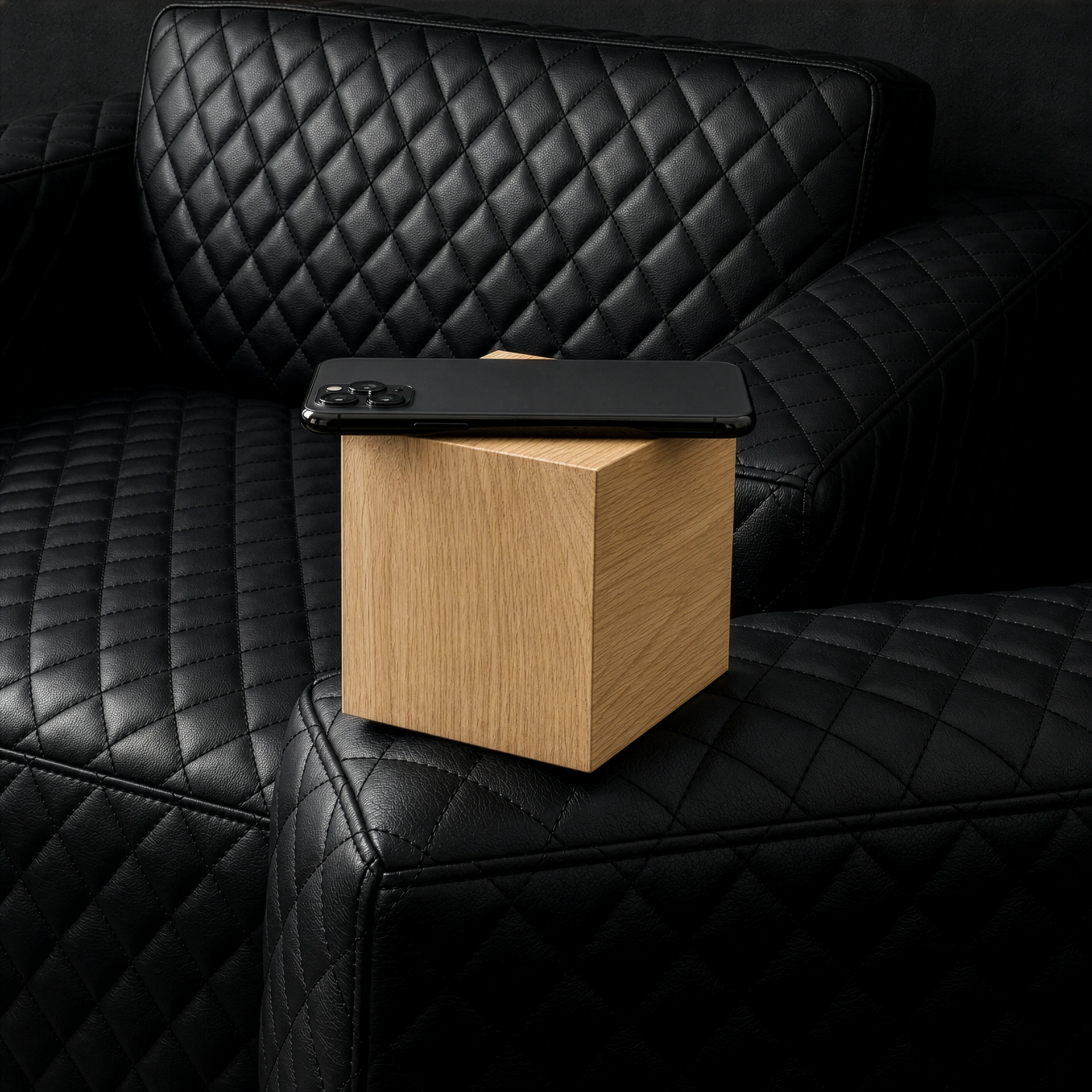
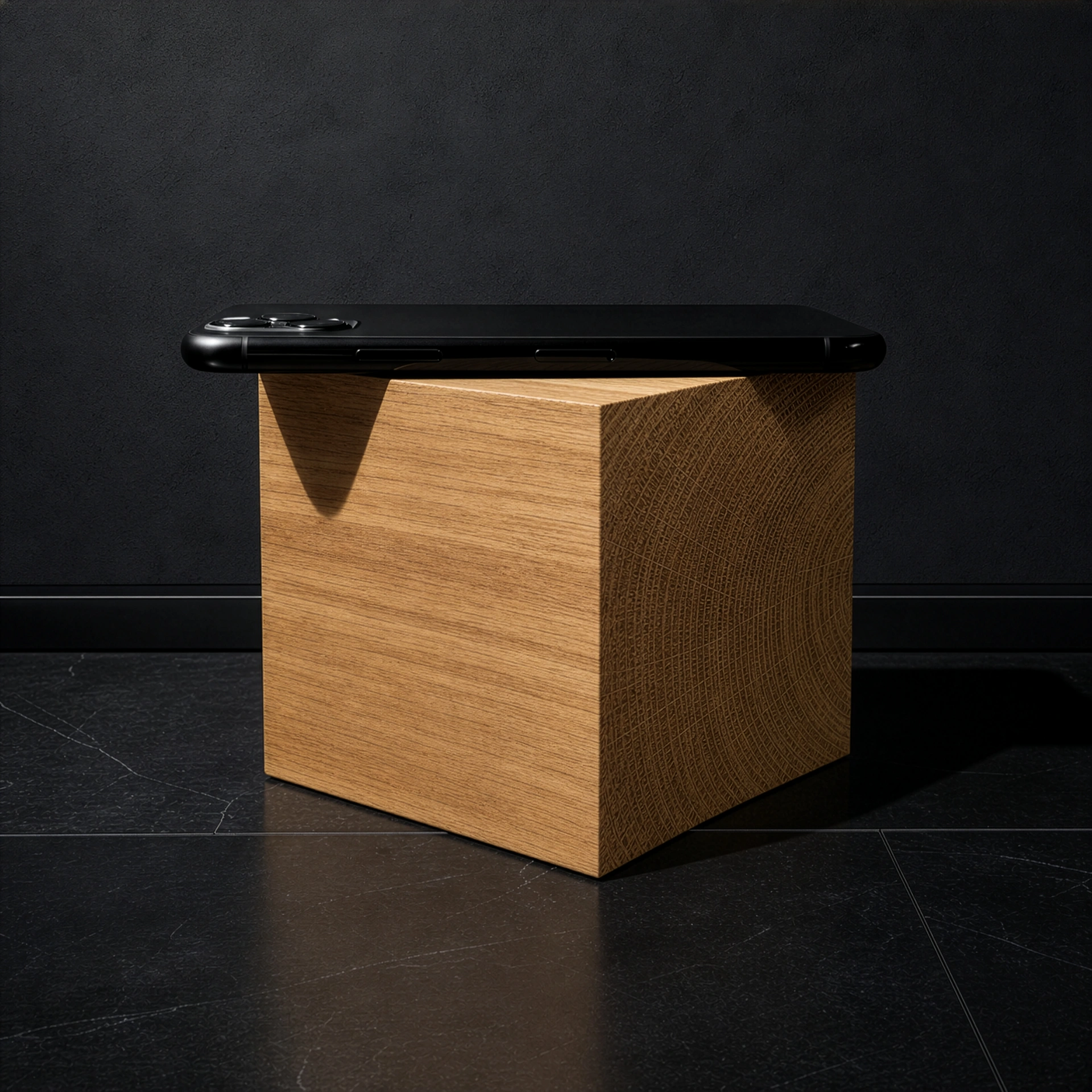
Instead of a standard remote, the driver receives a minimalist, crafted fob or case shaped from pure carbon fiber and titanium. It is one of the bespoke commissions that go beyond the catalog oak cube. The object has no screens, LEDs or charging connectors at all. Externally it is nothing but an extension of the car's predatory yet restrained design. The real magic lies in a microscopic microchip fused into its structure.
When the owner wants to feel a bond with his machine before entering the cabin, he simply brings his phone close to the carbon case. That one soundless touch instantly wakes the artificial intelligence. The phone, with no software to download and no account to create, becomes a private window onto the vehicle's soul. The system speaks in a natural, vivid way about the history of that particular engine block, names the engineer who assembled that V12 by hand, and greets the driver discreetly, matching its tone to the time of day.
A digital passport and protection of an investment's value
Animating a key case also brings measurable, hard business benefits. Unique supercars are treated as investment assets. As a dedicated implementation, the system built into a carbon detail can serve as a Digital Product Passport (DPP). In this way, at the meeting point of the physical and digital worlds, the fob holds knowledge of the machine's “health” – when the owner asks, it gives the date for a fresh ceramic coat on the paintwork, the oil service, or the history of inspections, which we update at the request of the owner or the service. On the secondary market, a buyer learns the service history directly at the car, without relying on a folder of documents, and we prepare the confirmation of authenticity as a dedicated implementation. Lower uncertainty on the buyer's side translates into a steadier valuation of the example.
A holistic ecosystem for a private garage
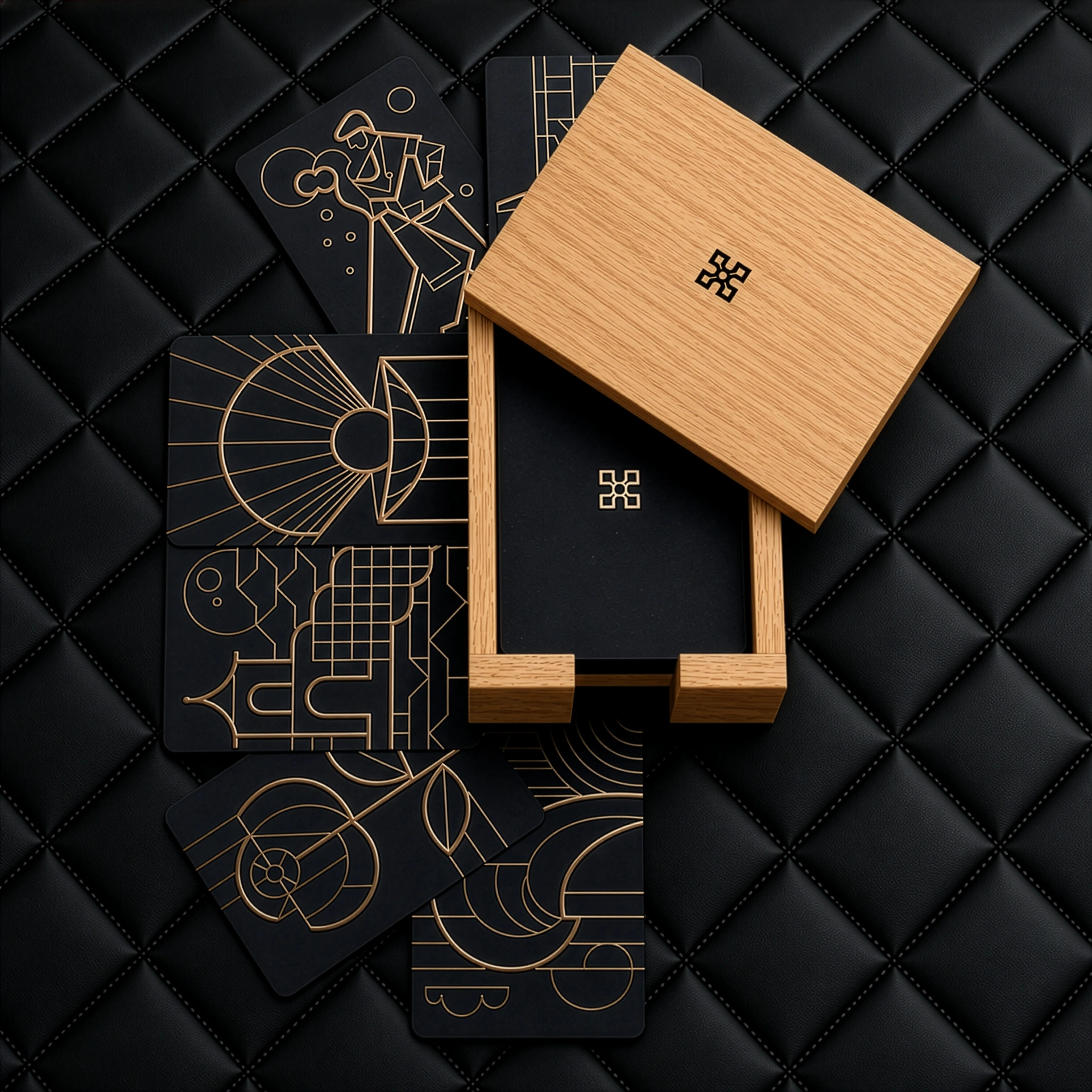
Perfection in details, such as an intelligent fob, is only a prelude to creating a space in the spirit of quiet luxury. A collector's private, climate-controlled garage is often a sanctuary resembling an art gallery. Enriching its raw walls with signed, rotating works from Odoardo Art™, framed in noble oak, can raise the aesthetic standing of the whole display space – how to start such a collection is described in How to start collecting contemporary art?. When, after a good drive, the driver invites friends into the lounge area, the cards of Odoardo Alibi™ lying on the table become a pretext for deeper conversation – their role at a car handover we describe in A gift at the car dealership.
Exclusive cars naturally attract camera lenses too. When an owner or his guests want to capture the line of the bodywork or the roar of the exhaust on video, the cinematic standard comes to the rescue. Odoardo Lens™ technology leads through curated shots and attends to a color grading that conveys the depth of the paintwork – more fully in Automotive in the spotlight. The resulting material is published solely with the consent of whoever recorded it. For dealers and brokers of luxury brands, meanwhile, the first impression on the right buyers is built by an address from the Odoardo Space™ portfolio, shared with nobody.
Understanding the balance between digitization and respect for craft is a challenge for the finest engineers. The creator of the Odoardo™ ecosystem defines it precisely:
“In ultra-premium motoring, engineering is an art, and the sound of a naturally aspirated V12 is a symphony not worth drowning out with the sound of application notifications. Trying to digitize that experience with further screens may be a mistake. Real innovation hides powerful artificial intelligence inside the carbon fiber of a key. When the fob keeps quiet, it is only perfect craft. Touch it with a phone and it becomes a curator that speaks respectfully about every piston and bolt, protecting the mechanical soul of a vehicle from digital banality.”
Replacing an application with animated carbon matter restores a simplicity this segment once had: no screen stands any longer between owner and machine. When a fob can tell the heritage of an example and greet the driver at a single touch, the ritual of getting in belongs to the car again, and not to the software.
Why technology should give way to craft is described in the Odoardo™ manifesto.


 Odoardo Alibi™
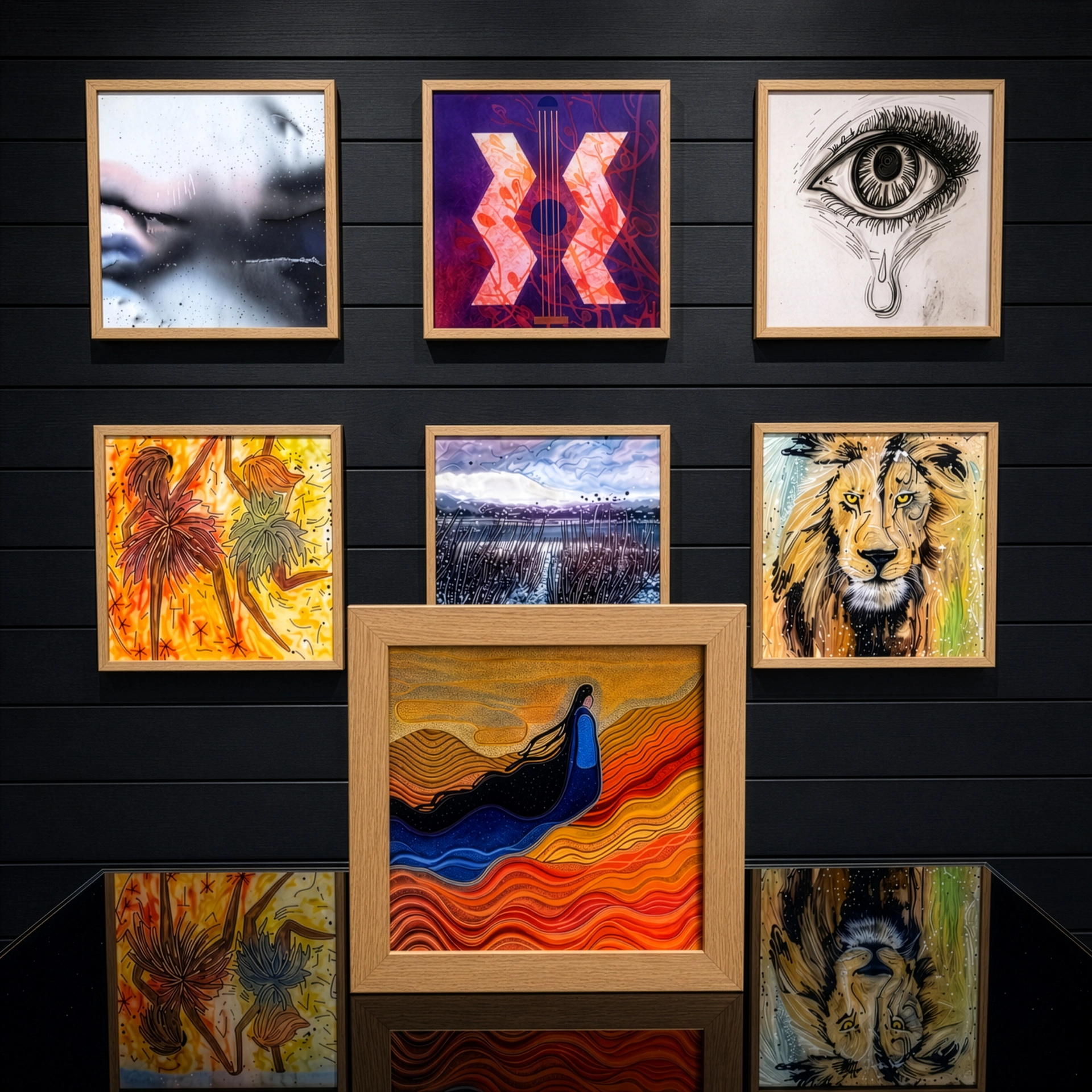 Odoardo Art™
 Odoardo Lens™
 Odoardo Space™