Imagine the unboxing of a limited-edition Swiss watch or a hand-stitched handbag in a Paris boutique. In the high-end world the ritual of unwrapping is almost sacred, and every detail – from the texture of the paper to the sound of the box closing – has been designed with obsessive precision. Into this world, however, comes a new obligation: the EU ecodesign regulation (ESPR) introduces the Digital Product Passport (DPP), a requirement to make data available on the origin of materials and the life cycle of an object. It does not cover every sector at once – the European Commission is introducing it gradually, through implementing acts for successive product groups, so the specific date for a given category has to be checked separately.
For the mass market this may simply mean placing another technical QR code on the label. In the haute couture and ultra-premium segment, however, that same code would violate a design worked on for months. A visible marking that interferes with a piece lowers its perceived value – and it is the first thing a client notices after unwrapping.
Bureaucracy colliding with the philosophy of quiet luxury
Artistic directors face a dilemma: how do you meet strict legal requirements without destroying the aura of uniqueness and mystery that surrounds their work? Forcing an affluent client to scan a QR code that takes them to a raw, bureaucratic table of data is the opposite of building a relationship. Such an interaction is cold and official – and the client reached for this object precisely because it resembles nothing official.
To preserve the flawlessness of a design, the technology must become entirely invisible. The certificate of authenticity and the knowledge about a piece should be naturally fused into it, betraying no sign of their presence until they are woken.
Solidified matter as guardian of provenance
An excellent answer to these challenges is the concept of contextual physical interfaces embodied in the Odoardo Soul™ system. As a dedicated implementation, it allows DPP requirements to be combined with a luxury experience in an absolutely non-invasive way.
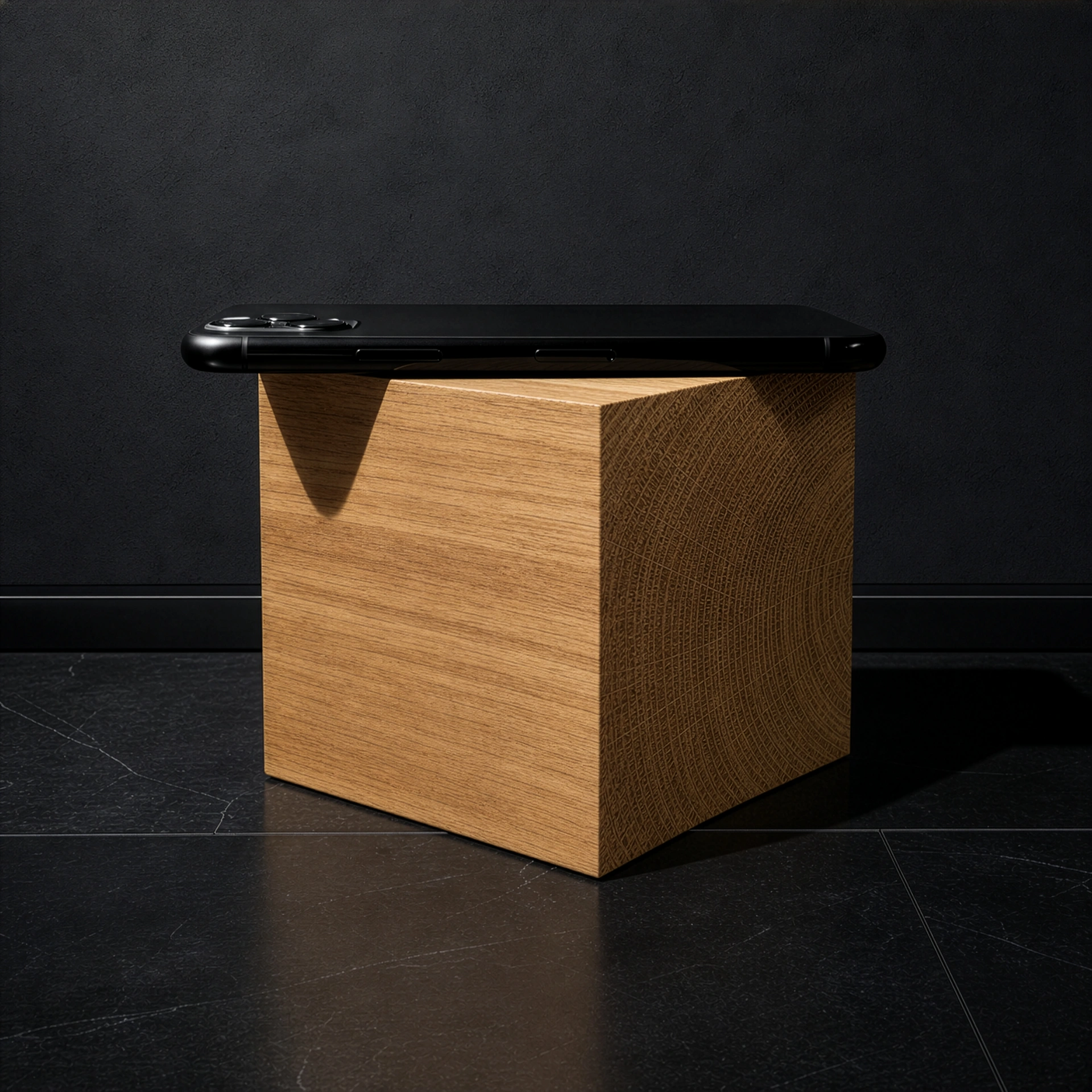
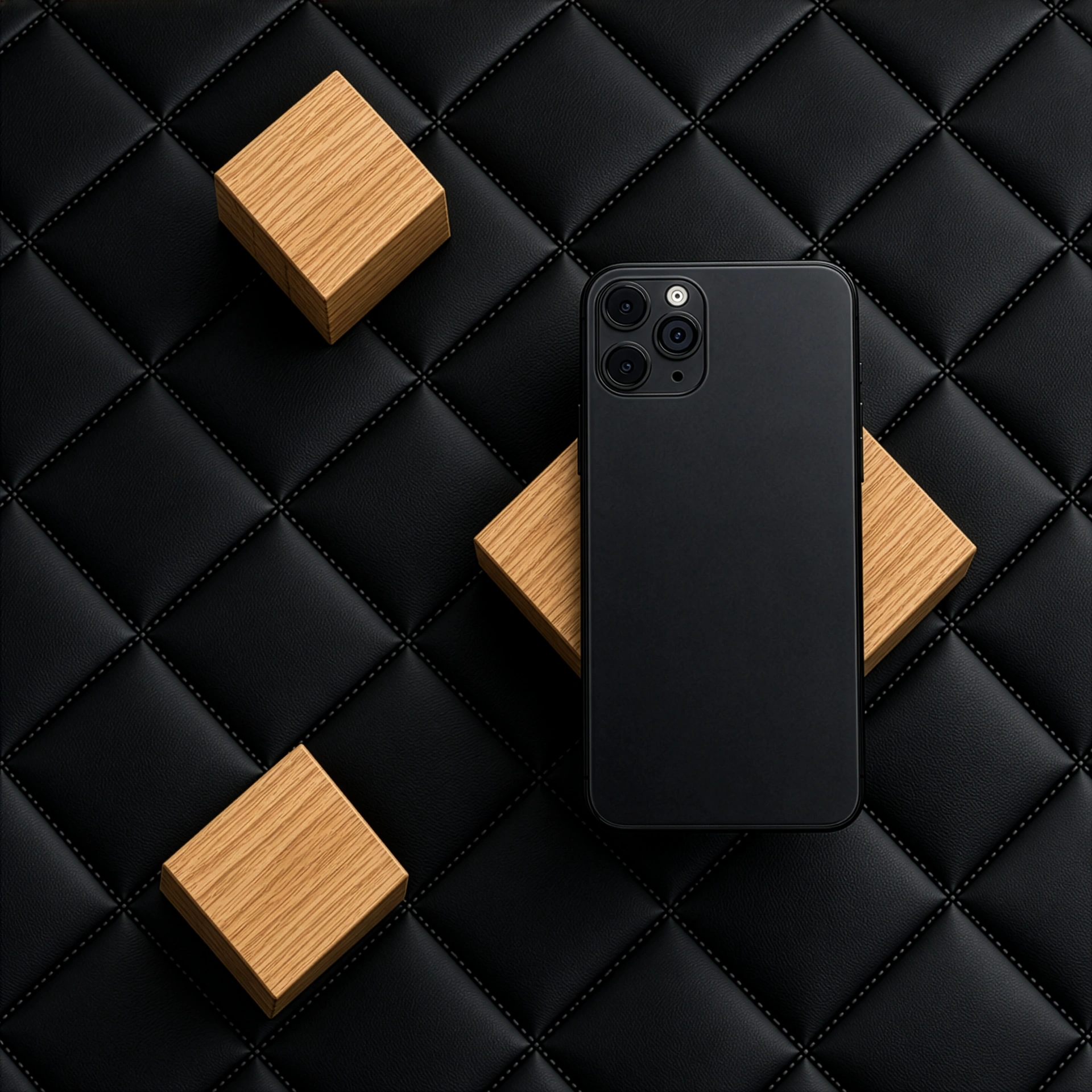
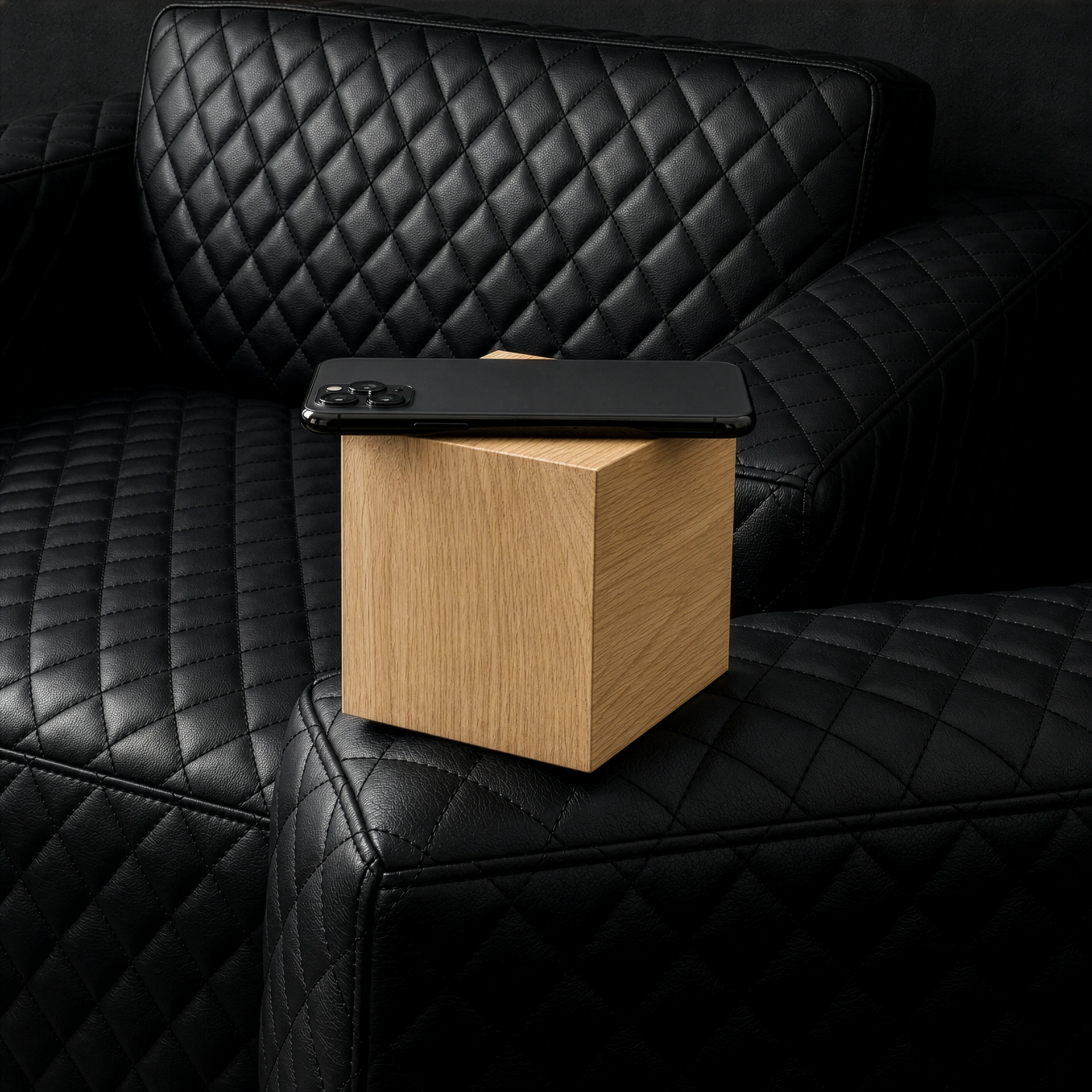
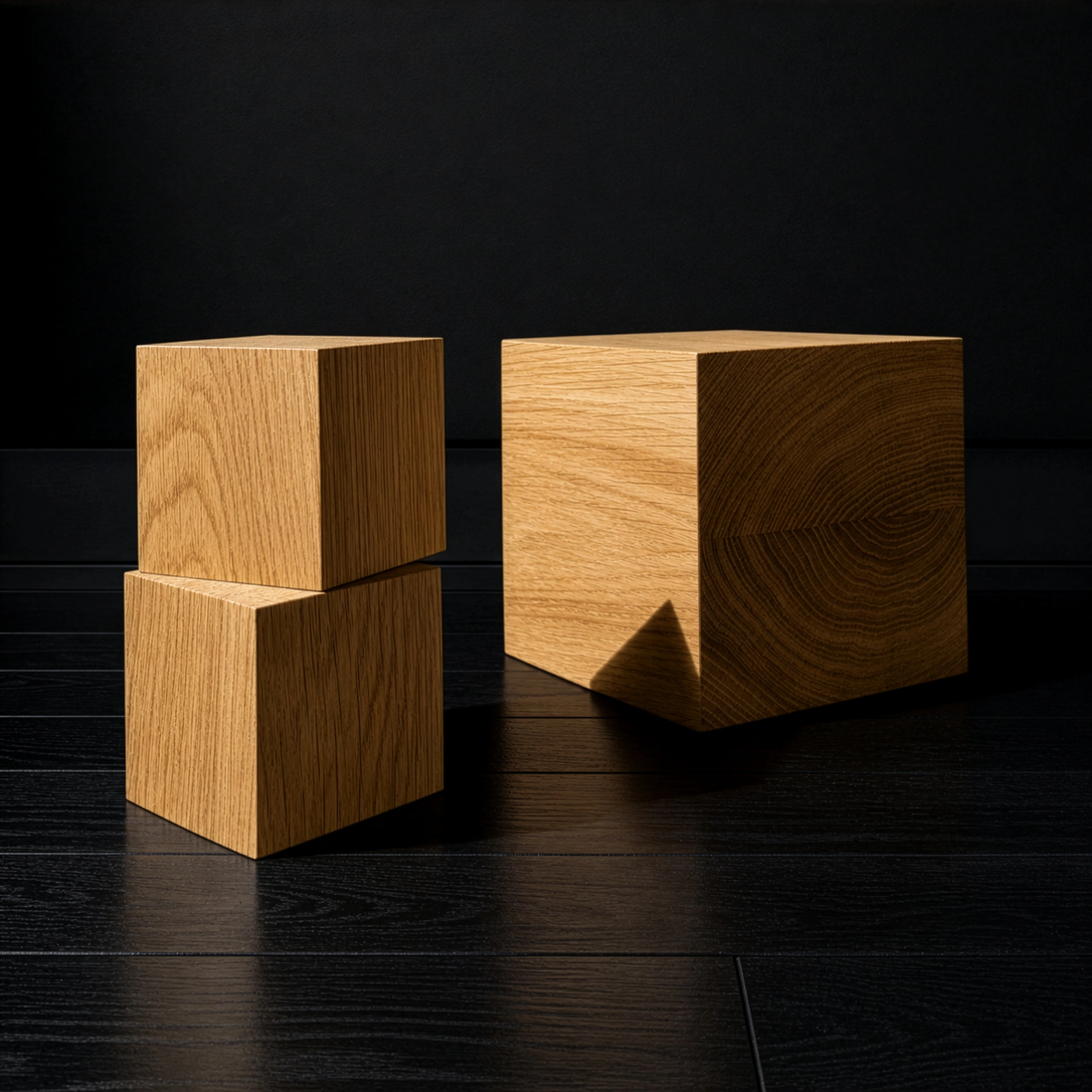
A microscopic microchip, invisible to the eye, can be sewn deep into the leather strap of a handbag, worked into the carbon case of a watch, or supplied with the product in the form of a crafted cube of solid oak with a 5 or 10 centimeter edge. There are no screens here and no notification LEDs. There is only cool, noble matter. When a client – or an appraiser on the secondary market – wants to learn an object's provenance, they simply bring their phone close to it. That single, fluid touch wakes the sleeping artificial intelligence. No application need be installed and no account created. The phone becomes the bridge through which the object itself speaks about the Florentine craftsman, the process of selecting materials and its own lineage. How a similar mechanism protects the design of leather goods we write about in Object memory in haute couture.
From legal obligation to a real function
The same carrier that meets the requirement can do something useful along the way. A handbag or a bespoke suit will tell its owner how to care for the material – information nobody looks for in a manual, but which decides how a piece looks after five years. On the secondary market, that same mechanism lets a buyer learn an object's history before paying.
Introducing animated matter is, however, only a fragment of a larger, perfectly designed ecosystem. For a digital passport to inspire full confidence, it must lead to a brand's sovereign territory online. An address from the Odoardo Space™ portfolio, covered by an exclusivity agreement, keeps a company's digital identity unshaken – why this works is explained in Digital real estate for B2B.
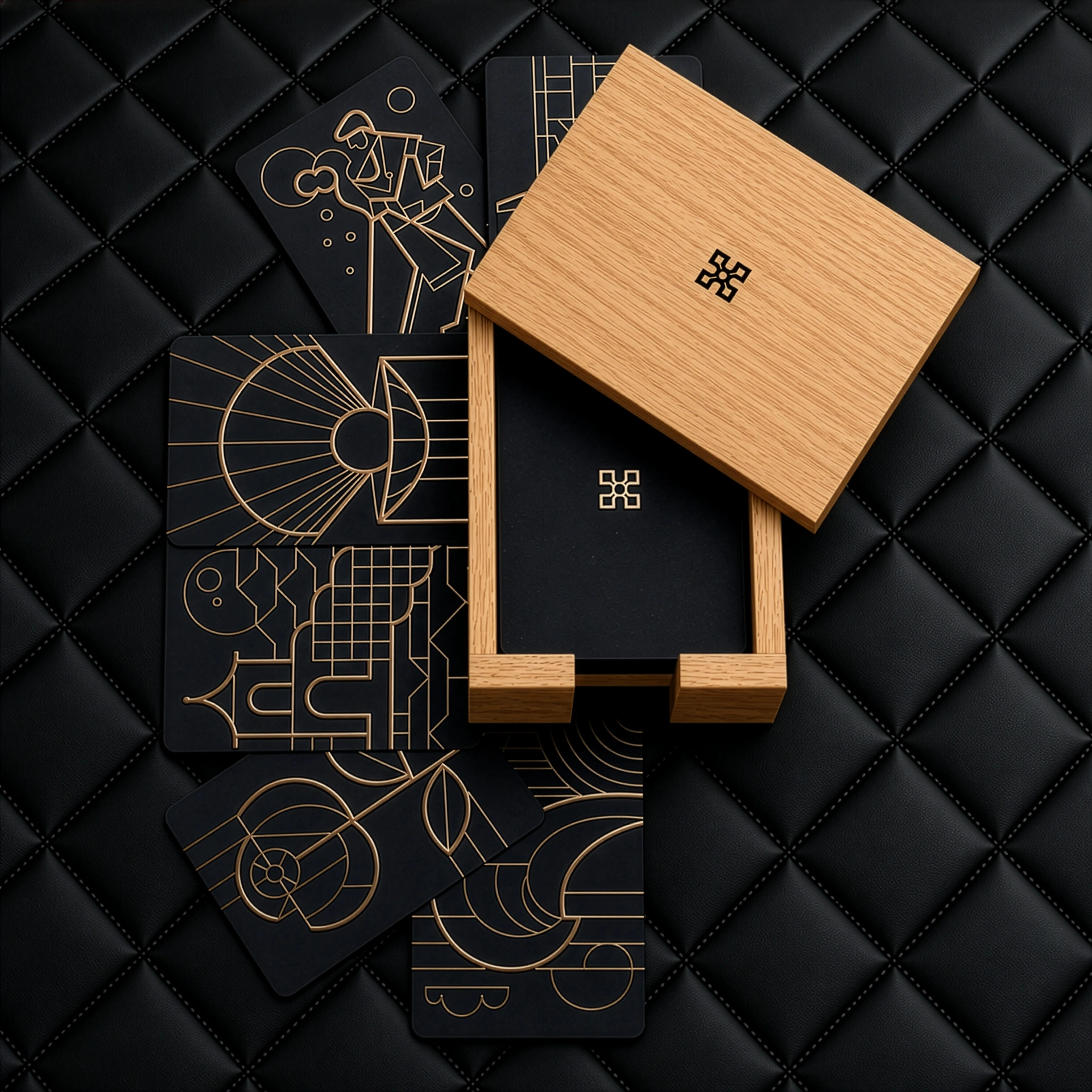
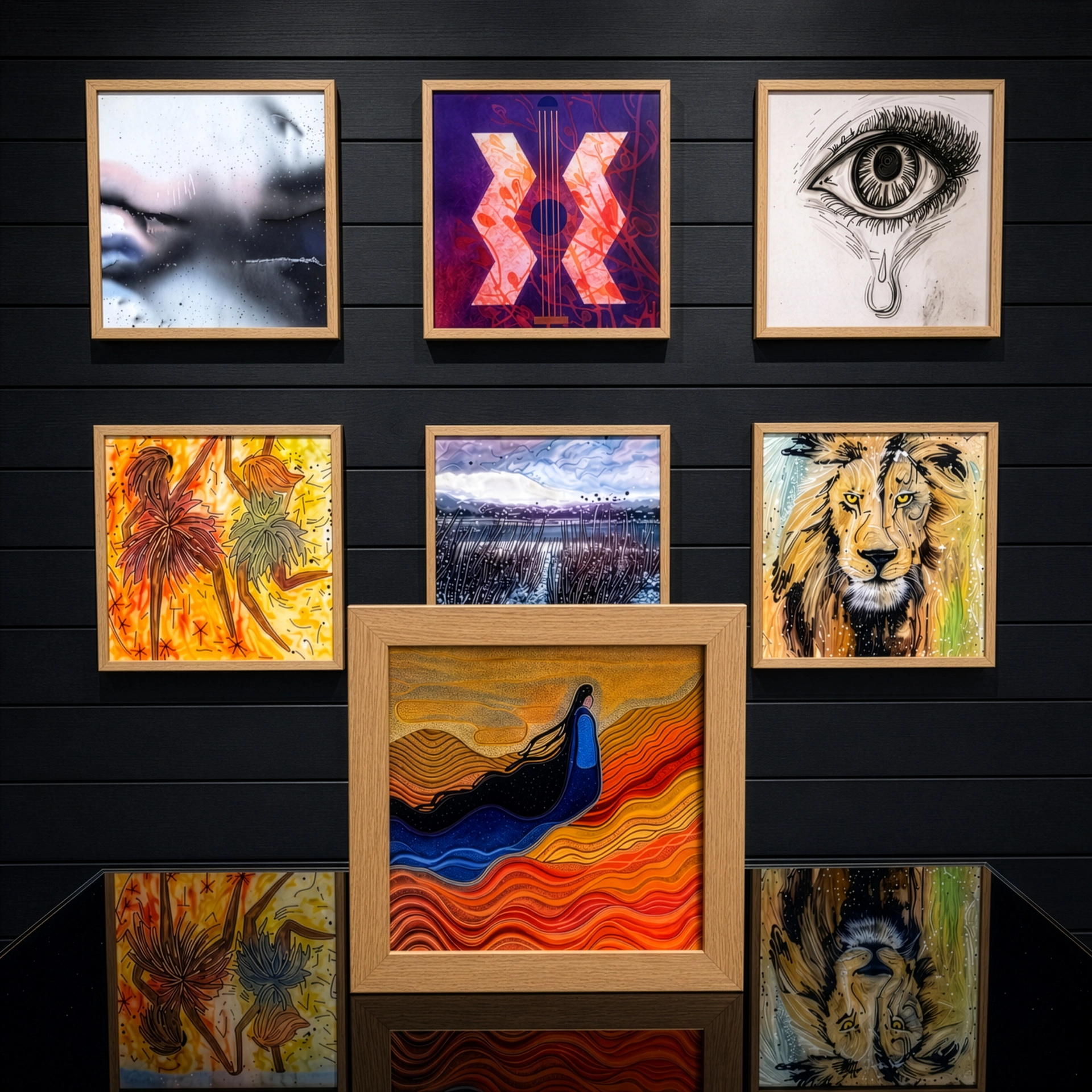
In the boutique itself, meanwhile, where a client collects their unique product, it is worth caring for restrained stimulation of the senses. Oak frames concealing rotating collections from Odoardo Art™ can subtly raise the prestige of a space, and the value of a signature and numbering is explained in the article Authorization and signature. In quiet VIP areas set aside for key investors, the unobtrusive cards of Odoardo Alibi™ make building human relationships easier while a purchase is finalized. What is more, the moment of unboxing is often recorded by clients – its role is analyzed in The unboxing experience. By offering clients a cinematic standard supported by invisible direction from Odoardo Lens™, a brand can ensure that the published material takes on the quality of cinematic Curated Guest Content (CGC).
The Digital Product Passport forces no aesthetic compromise. A hidden carrier can play the same role as a code on a label. Compliance with a given category's requirements and the confirmation of authenticity we prepare as a dedicated implementation – and no technology will eliminate counterfeits by itself, because that is settled by a brand's procedures and by law enforcement.
Why a story told in a whisper works more powerfully than a message laid out plainly is explained in the Odoardo™ manifesto.

 Odoardo Alibi™
 Odoardo Art™
 Odoardo Lens™
 Odoardo Space™