For the master leatherworkers who work for haute couture houses, the structure and line of a luxury handbag or a leather traveling trunk are inviolably sacred. Every seam, every precisely chosen stitch, even the natural smell of the tannery, defines the identity of a product for which collectors pay market fortunes. Introducing any visible electronic elements into such a purist world of fashion is doomed to failure from the outset.
Today's market challenges – from the risk associated with counterfeits to EU transparency requirements – are prompting designers to look for digital safeguards. Research among active consumers of fashion and luxury goods shows that a decided majority would willingly use a certificate of authenticity available under the Digital Product Passport. A digital form allows confirmation of provenance and the rest of a product's documentation to be gathered in one easily accessible place. How, then, do you meet these expectations without violating a unique design or the structure of a noble material?
Plastic in conflict with noble craft
The most common mistake in attempts to digitize leather goods is the use of external tags with codes or plastic cards with chips added to the box. Such solutions are a foreign body in the high-end world. They violate the personal bond with an object and lower the perceived value of the craft.
Forcing an owner to use an external, artificial component in order to verify a handbag contradicts the philosophy of quiet luxury. Real luxury demands that the object itself possess its own memory and lineage – hidden deep inside its physical form, entirely invisible to the eye, but ready for immediate interaction.
Intelligence stitched into the structure of leather
The answer to these strict design requirements is the contextual physical interfaces of Odoardo Soul™. This technology allows digital identity to be woven straight into the process of creating leather goods, without changing the look of the finished thing.
Thanks to the miniaturization and flexibility of the components, an advanced microchip can be placed under the lining, sewn between layers of leather, or discreetly fused into the internal reinforcement of a handbag's construction. The device has no screen, needs no battery power and no exposed connectors of any kind – it becomes an integral, passive part of the object.
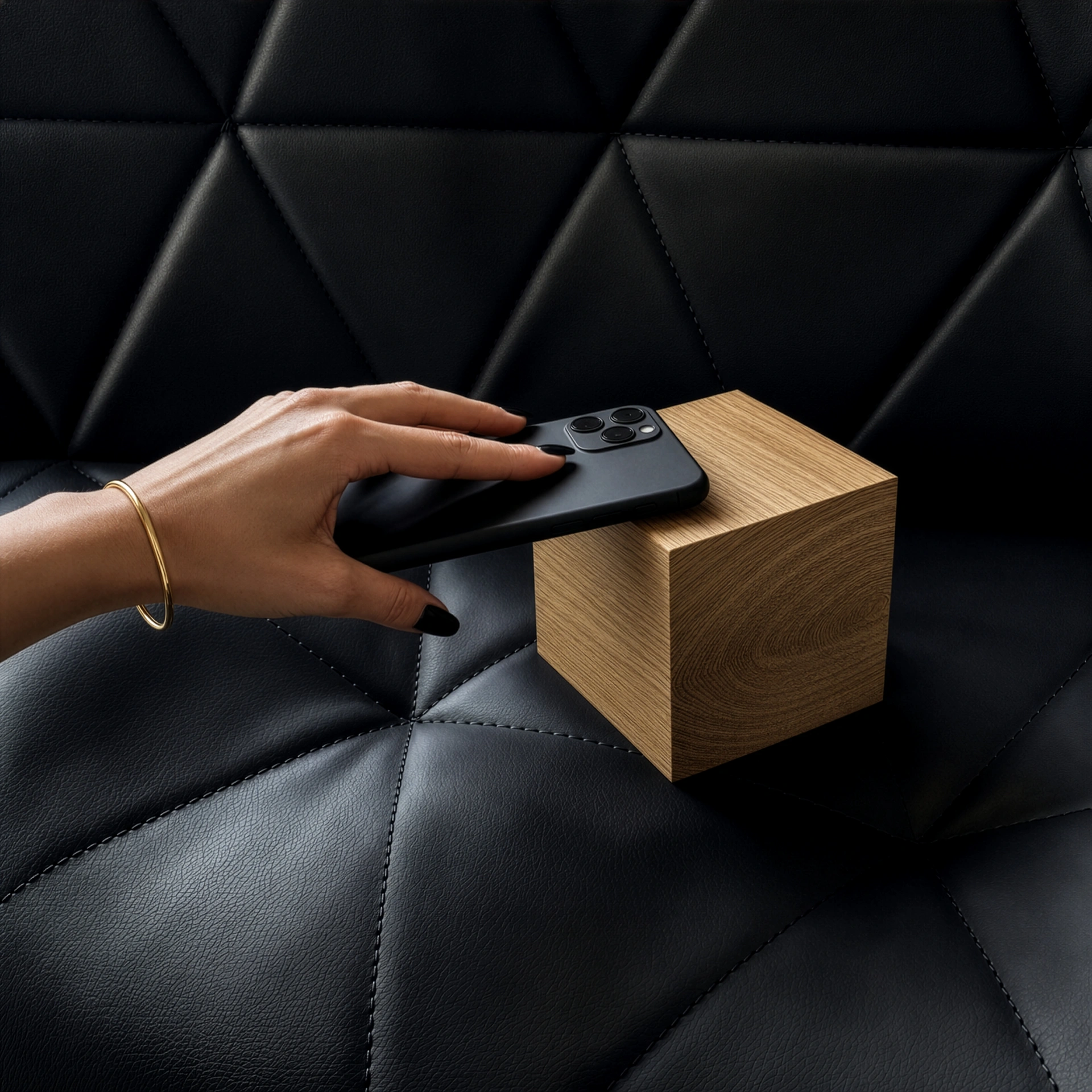
When an owner or an expert at an auction house wants to wake an object's memory, they simply bring their phone gently close to it. That natural gesture, resembling a tender brush of the material, instantly wakes the hidden artificial intelligence. With no application to download and no account to create, a dedicated, personalized interface opens in the phone's browser. The handbag begins to speak in its own voice: it gives its unique serial number, presents the history of the Florentine workshop in which it was made, and instructs its owner precisely on how to care for that particular kind of leather.
A coherent ecosystem around a unique work
Giving memory to haute couture products gives a brand contact with the owner long after the sale: during care, on resale, at valuation. Each of these events used to take place outside the brand, and now begins at the brand's own address.
Care for an object's digital identity should be reflected across the whole business environment. Sovereignty over information online is decisive, which is why the redirect from a handbag's interface should lead to an address from the Odoardo Space™ portfolio, assigned exclusively to that brand – why a cheap address undermines a brand's authority is explained in The cheap address trap. In the boutique area where leather collections are presented, meanwhile, the exclusive character of the place is worth completing through the presence of rotating, authorized art delivered in oak frames by Odoardo Art™.
When a client delighted by the unboxing decides to capture that moment on video, a brand can subtly look after the quality of that message. The cinematic standard, supported by the virtual director Odoardo Lens™, allows amateur, chaotic shots to be turned into refined Curated Guest Content (CGC) with a cinematic color profile (color grading), published by the brand with the client's consent. The ritual of unwrapping itself we analyze in The unboxing experience. Such a personalized purchasing experience is completed, especially during intimate meetings with a designer in the VIP area, by the analog tools of Odoardo Alibi™, which make discreet human relationship-building easier away from digital noise.
The invisible marriage of technology with traditional craft is defined by the creator of the Odoardo™ ecosystem:
“In the world of haute couture , technology should not change a single millimeter of a design's line. Leather must smell of leather, and a seam must keep its traditional form. The real art lies in hiding a digital soul inside the matter, making it entirely dormant. Only the touch of a phone breaks that silence, proving that a luxury object remembers its maker and its origin without using garish screens.”
Animating matter in leather goods requires no compromise with the design. The line, the stitch and the smell of the material stay the same, and the object gains a lineage that cannot be detached from it or lost along with the box. That changes the conversation about provenance: the story is in the handbag, not in the papers beside it.
Why an object should keep quiet until you ask it something is described in the Odoardo™ manifesto.

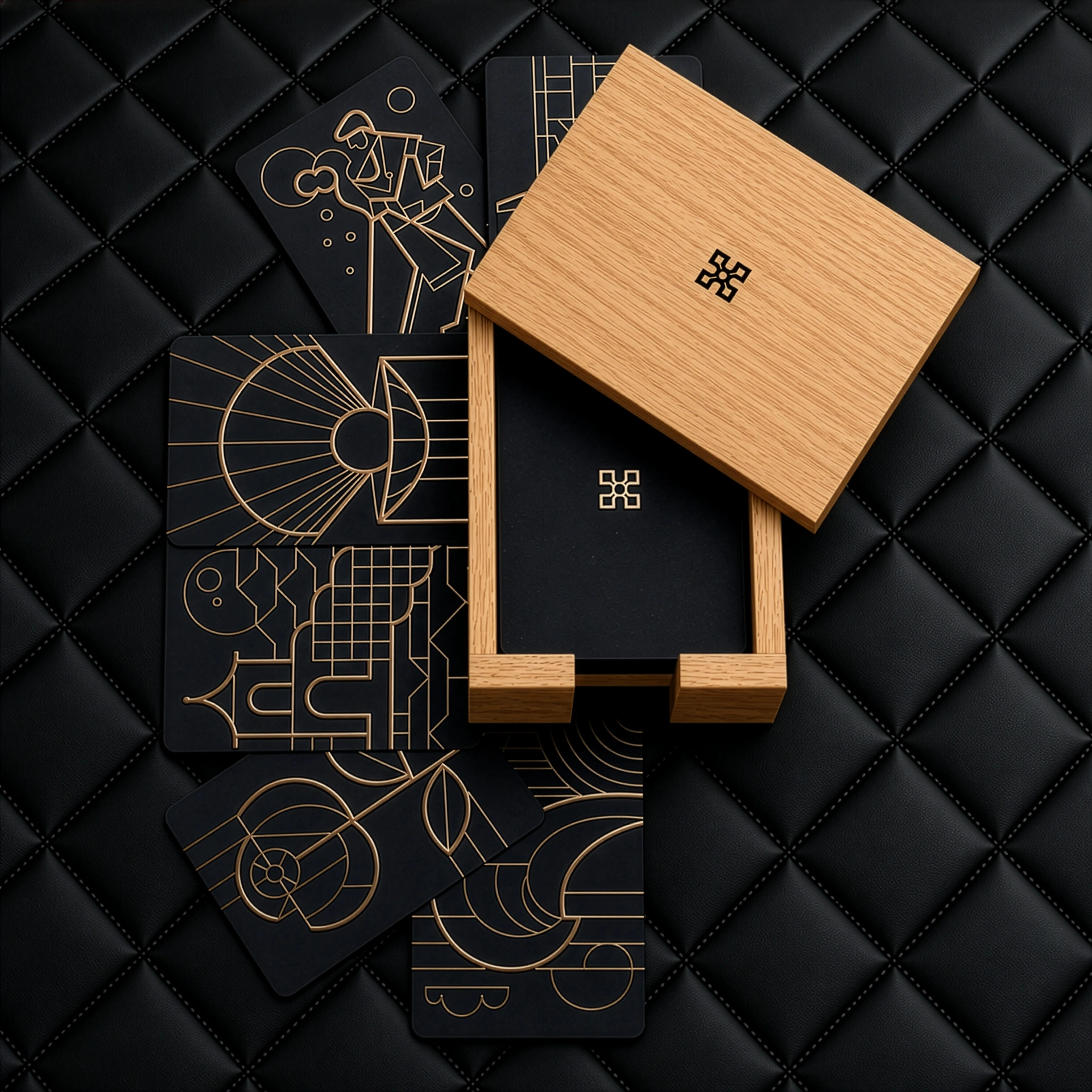 Odoardo Alibi™
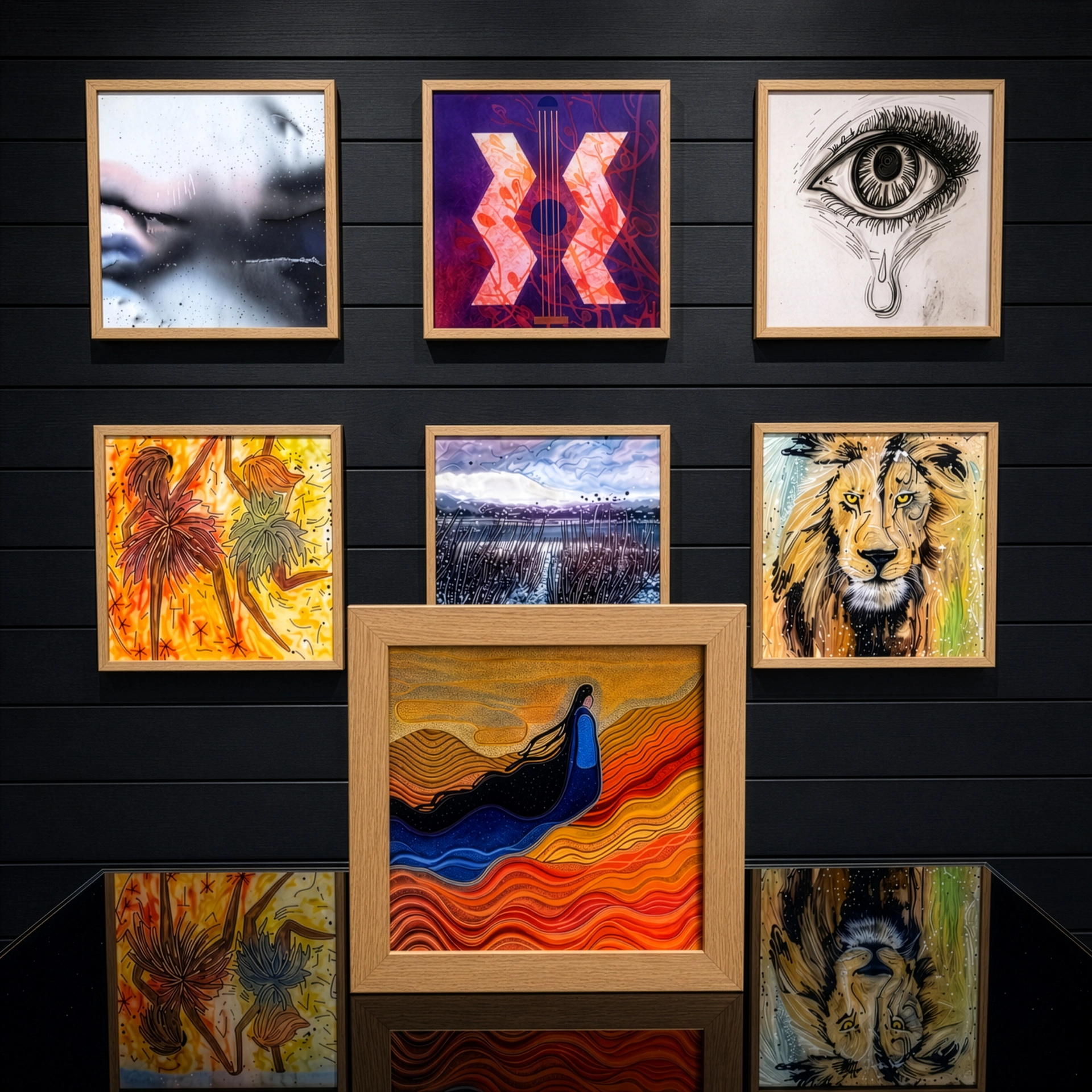 Odoardo Art™
 Odoardo Lens™
 Odoardo Space™