Imagine dinner at an exclusive restaurant with Michelin stars. The atmosphere is perfect, and a remarkable tasting dish arrives at the table. When the moment comes to choose a wine, however, the guest is handed a hefty hundred-page list, and the head sommelier is at that moment occupied with another table. Fearing a mistake, or simply for want of time, the client gives up exploring rare vintages in favor of a safe, well-known and often cheaper option. From a business perspective this is a classic example of a lost opportunity for upselling, which strikes directly at the profitability of the establishment.
An extensive wine list and specialist terminology can intimidate guests who have no expert knowledge of oenology. A study carried out in a fine dining restaurant showed that accessible descriptions and recommendations for pairing wine with food made decisions easier and encouraged sales to rise. The challenge for restaurateurs therefore becomes offering expert knowledge in a way that does not intrude on guests' privacy, does not force them to wait for service and does not require installing additional mobile applications.
An invisible expert bound into matter
The solution to this challenge is to animate restaurant matter itself through the contextual physical interfaces of Odoardo Soul™. This technology turns an ordinary oak table into a discreet, private sommelier working with knowledge of the wine list the restaurant has supplied. Crucially for preserving the aesthetic of quiet luxury, the system can be implemented in three quite different ways, none of which requires the presence of disfiguring screens:
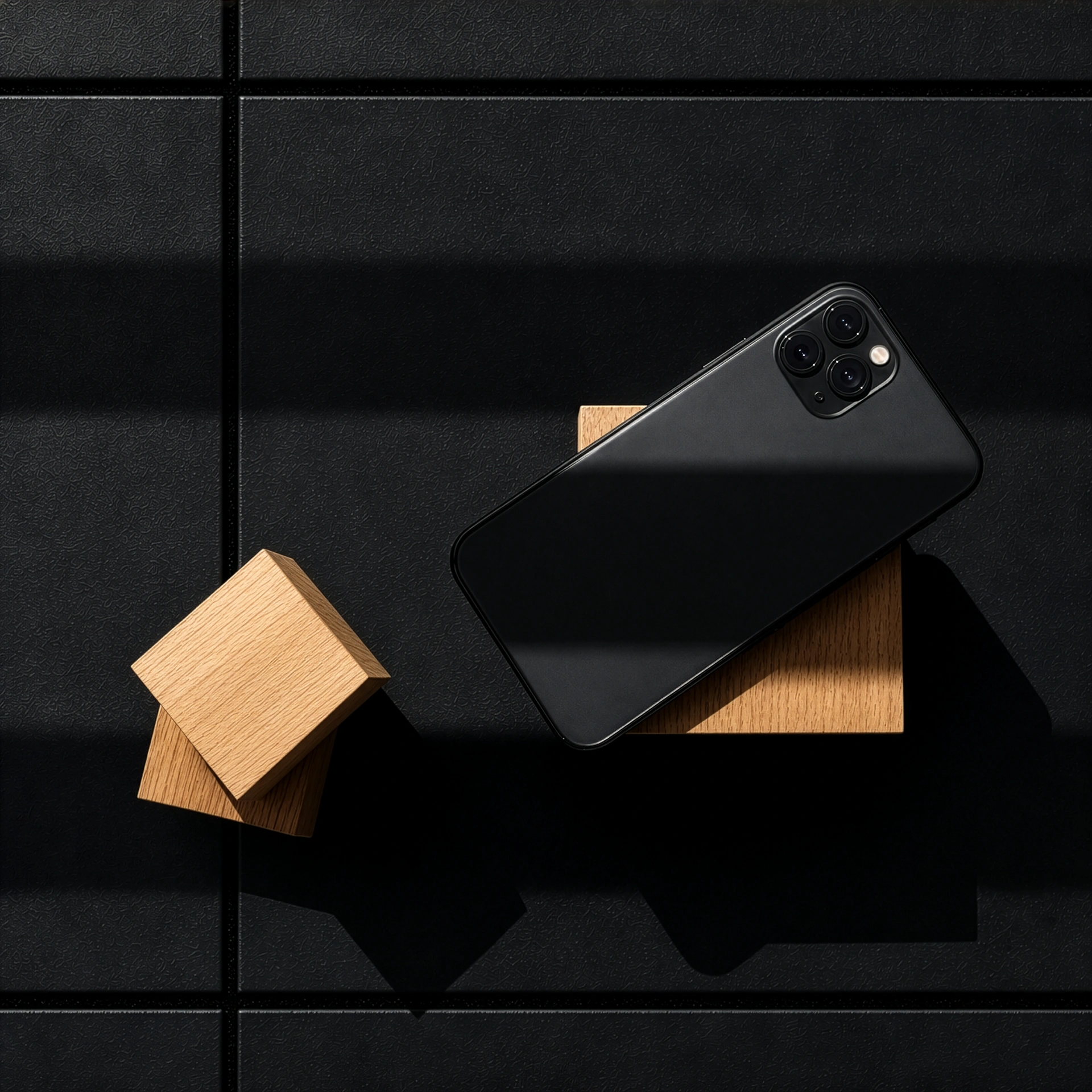
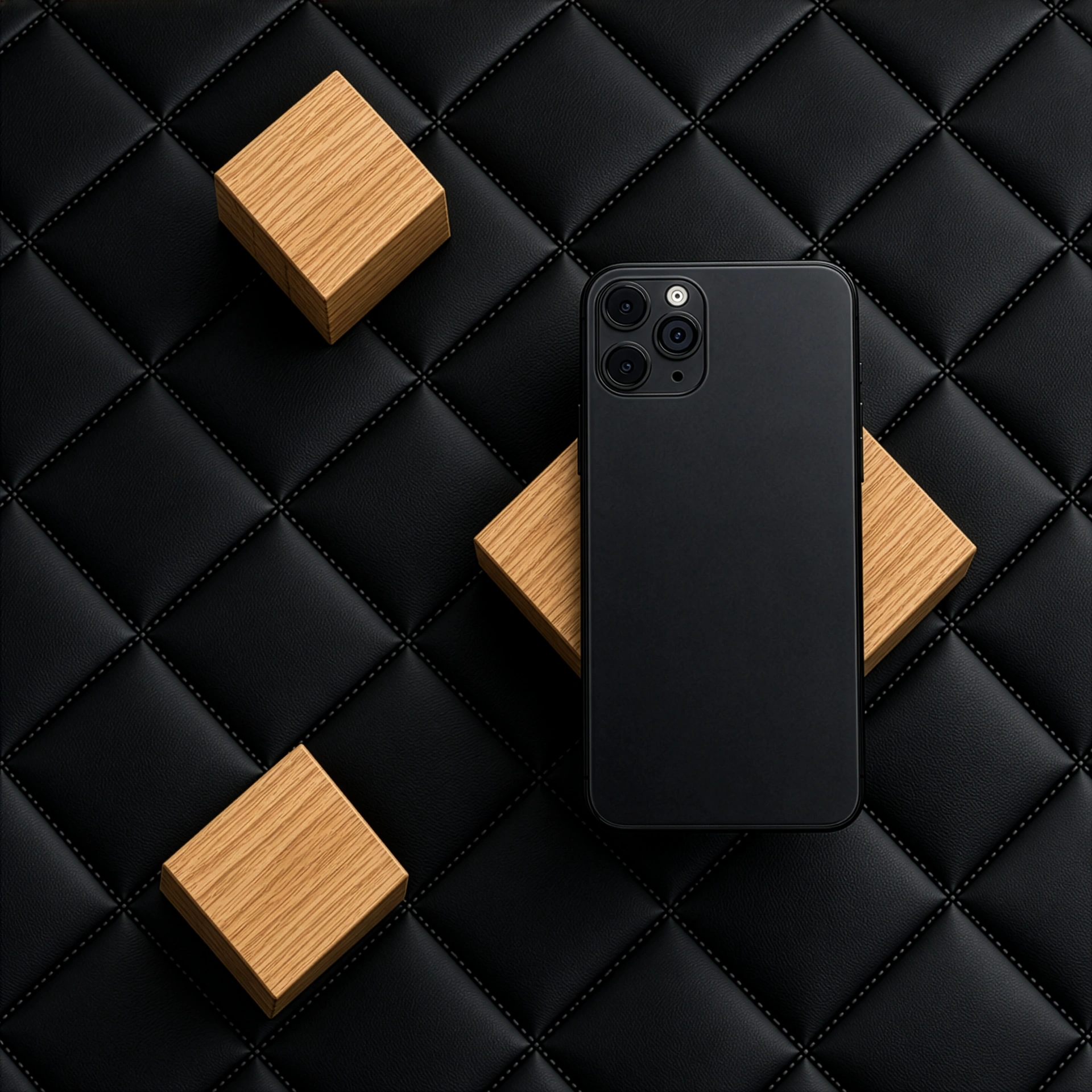
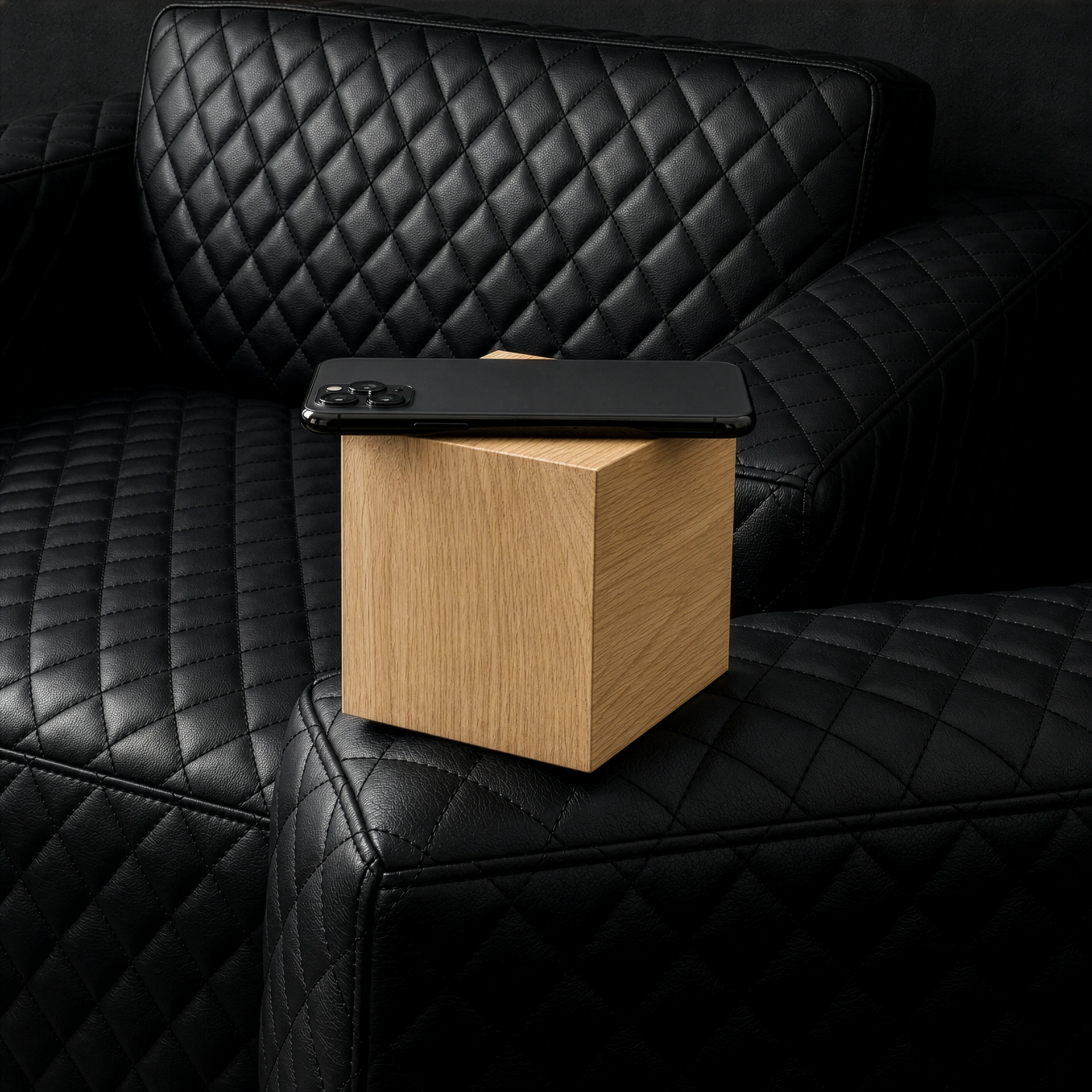
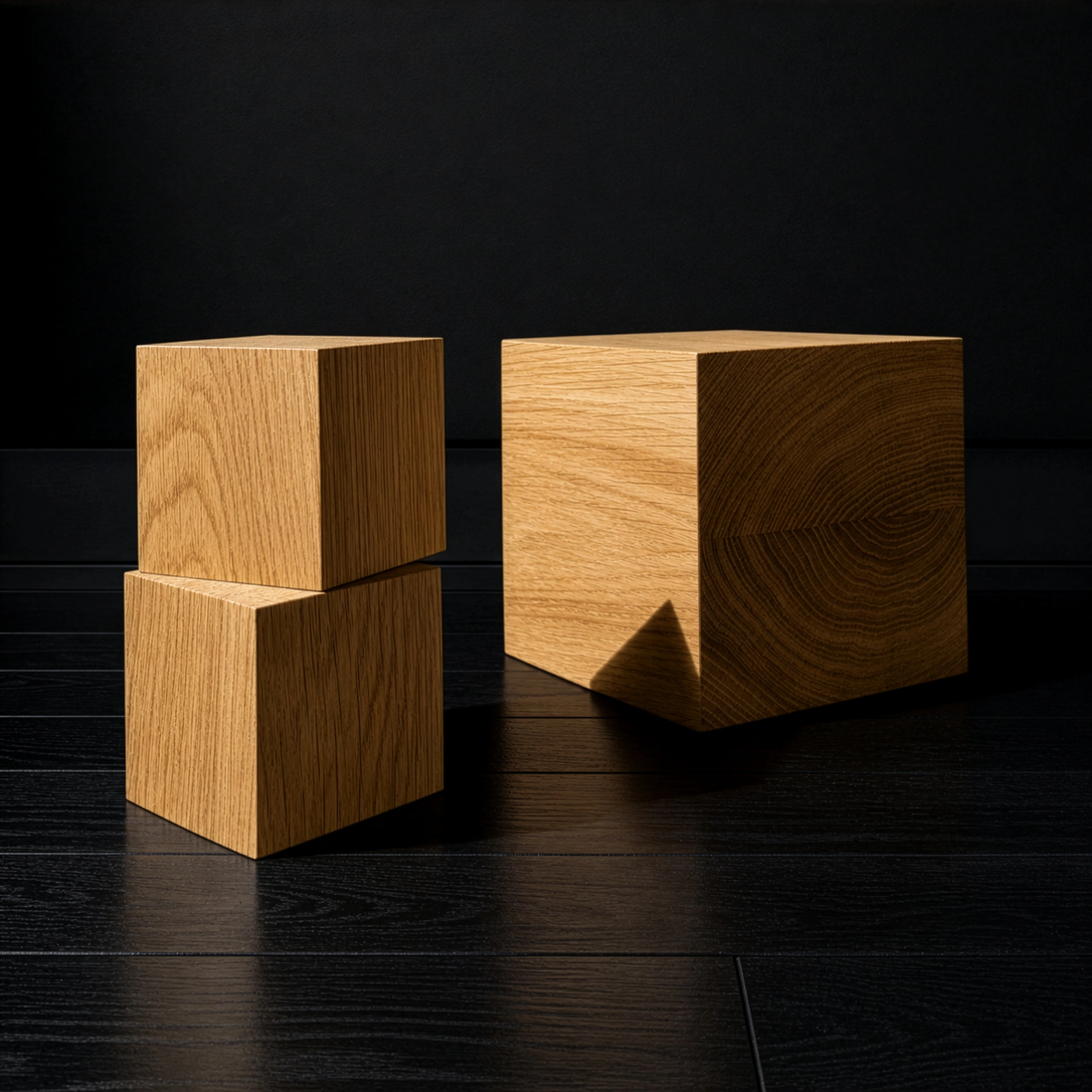
- The crafted cube: A minimalist artifact of solid oak with a 5 or 10 centimeter edge rests on the table, serving as an elegant detail.
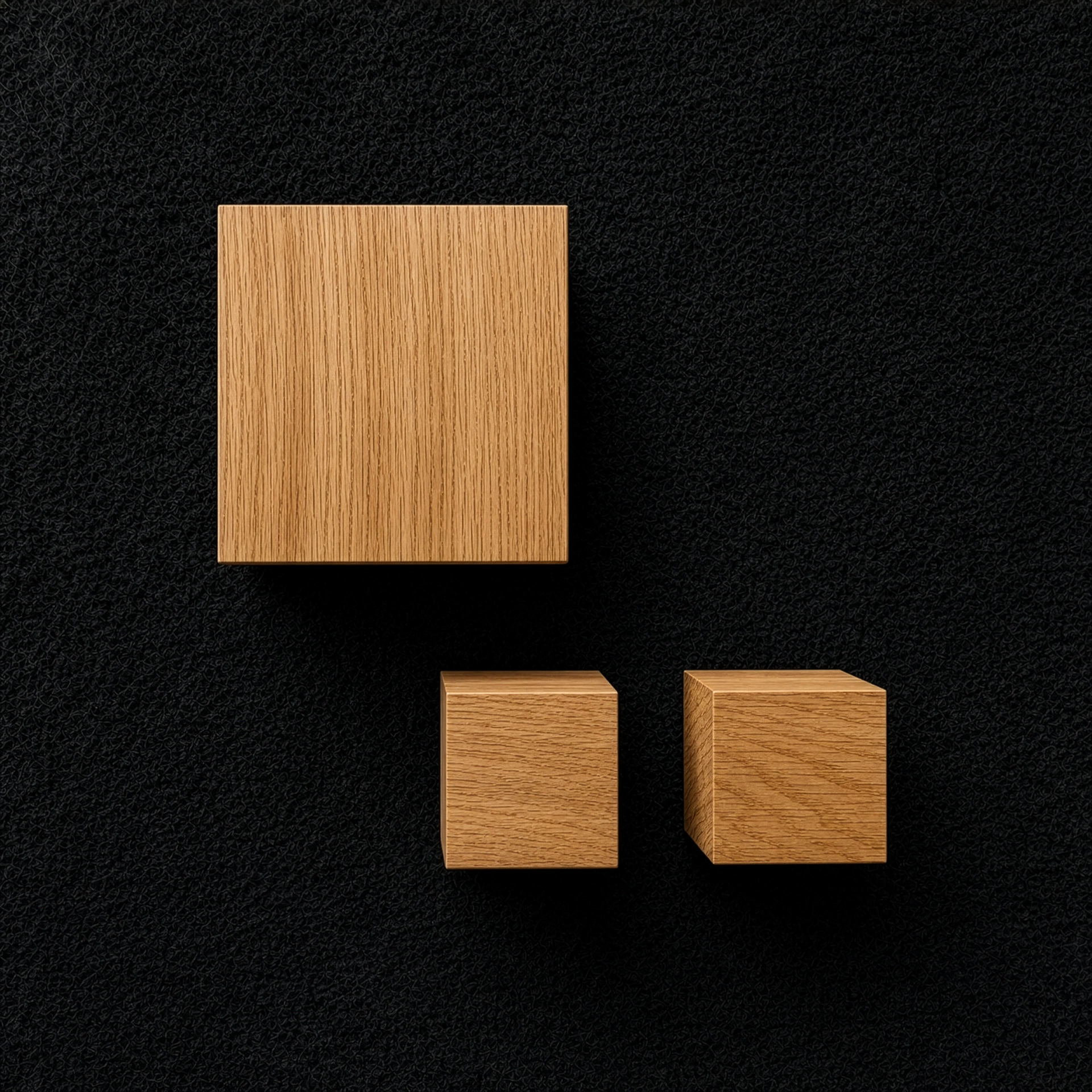
- A cube integrated into the tabletop: The body of the device is set into the surface of the table, forming a single plane with it – perceptible under the fingers but not conspicuous.
- Complete invisibility: The microchip and the relevant communication modules are built directly into the wood beneath the tabletop. The guest sees only clean, noble oak – the technology literally disappears, and the piece of furniture itself becomes the interface.
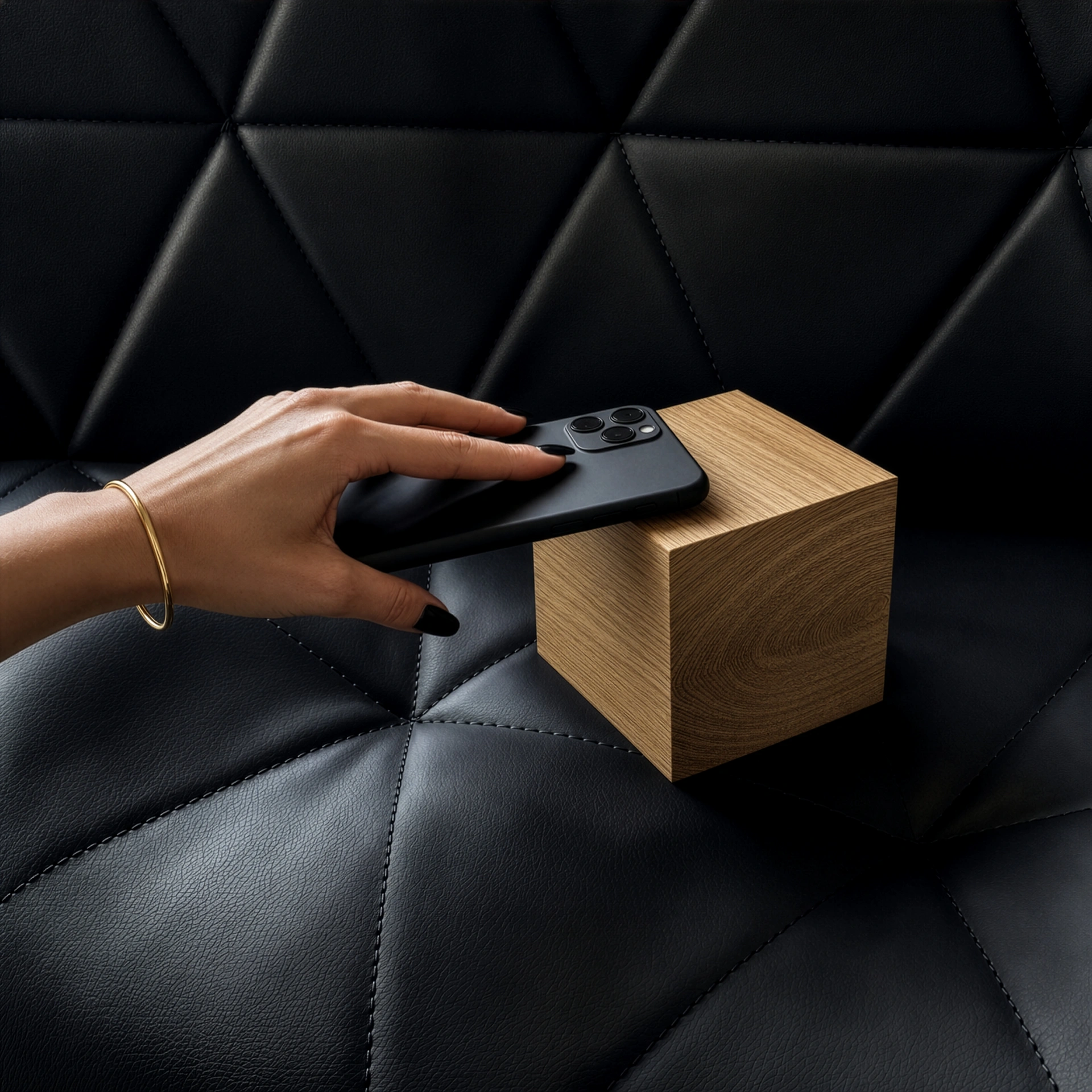
Whichever form is chosen, the mechanics remain equally fluid. The client need only bring their own phone close to the cube (or to a designated, discreet point on the tabletop). That subtle impulse instantly wakes the artificial intelligence. The system knows the menu and wine list the restaurant has supplied, asks the guest about their preferences and, in natural language and through the client's own phone, speaks about the vintages hidden in the cellar, smoothly advising the ideal food pairing for the Wagyu steak just ordered.
Discreet upselling and rising profitability
Restaurants located within five-star hotels often fight to optimize the TRevPAR (Total Revenue Per Available Room) measure. An animated table noticeably supports these efforts. A guest who knows the history of a vintage decides consciously rather than at random – and that is usually enough to reach for an option they would not otherwise have chosen. It is not about persuasion, but about the fact that without that information people choose what they already know.
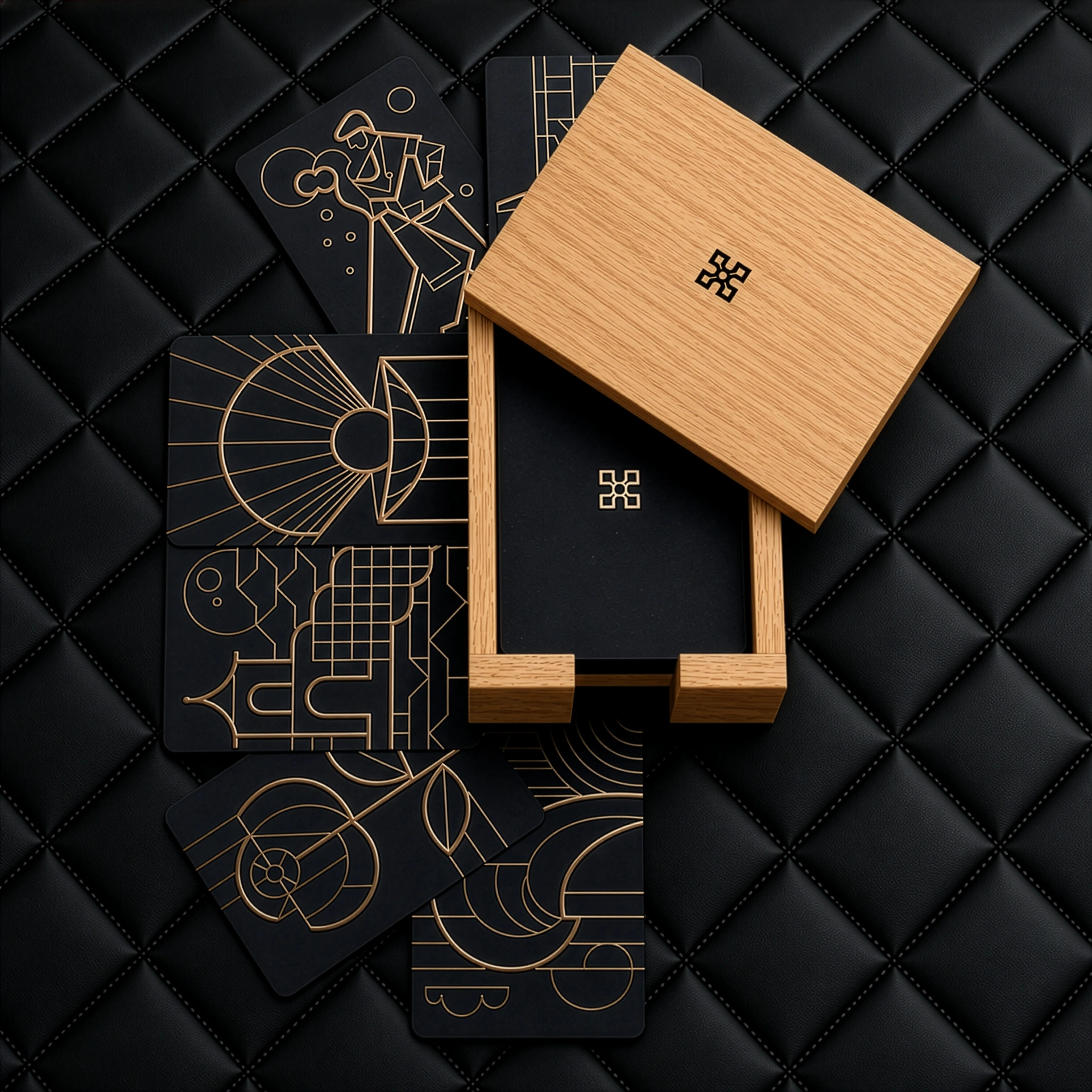
Introducing the innovation of Odoardo Soul™ into a restaurant space composes perfectly with the other elements of the luxury ecosystem. The impression of an evening in fine dining is completed by rotating art from Odoardo Art™, hanging in oak frames on the walls of the establishment – the role of such decoration is described in Art in fine dining restaurants. If the dinner takes place in a wider circle or is a business meeting, luxury cards from Odoardo Alibi™ left on the table can become an excellent pretext for moving to a deeper level of conversation over dessert, which we write about in Corporate gifting with class.
For digital and physical innovation to work fully for a restaurant's brand, its organic image online must be uncompromising. A channel of its own, alongside external aggregators, is served by an address from the Odoardo Space™ portfolio, which nobody else will use – the argument is developed in The direct-to-consumer (D2C) model for services. The remarkable impression made by waking a table with a phone, meanwhile, often prompts guests to record video. Thanks to the cinematic standard and the virtual direction technology of Odoardo Lens™, that amateur delight can be turned into Curated Guest Content (CGC), which becomes a natural calling card for the establishment – but it is the guest who decides whether it sees the light of day at all.
“A restaurant may have one sommelier and a dozen or more tables. That is hard to solve by hiring another person, but it can be solved so that a guest who happens to want to ask something has someone to ask at once. The rest of the time the tabletop remains a tabletop.”
Animating a space in fine dining answers the needs of a client who is looking for freedom of choice, privacy and a fascinating story. The invisible sommelier hidden in solid wood solves a prosaic problem: a guest with a question about wine does not have to wait for someone to come to the table.
Restaurants and hotels that work consistently on such an experience are gathered in the Odoardo™ research. The principle that knowledge should wait to be asked is described in the Odoardo™ manifesto.
 Odoardo Alibi™
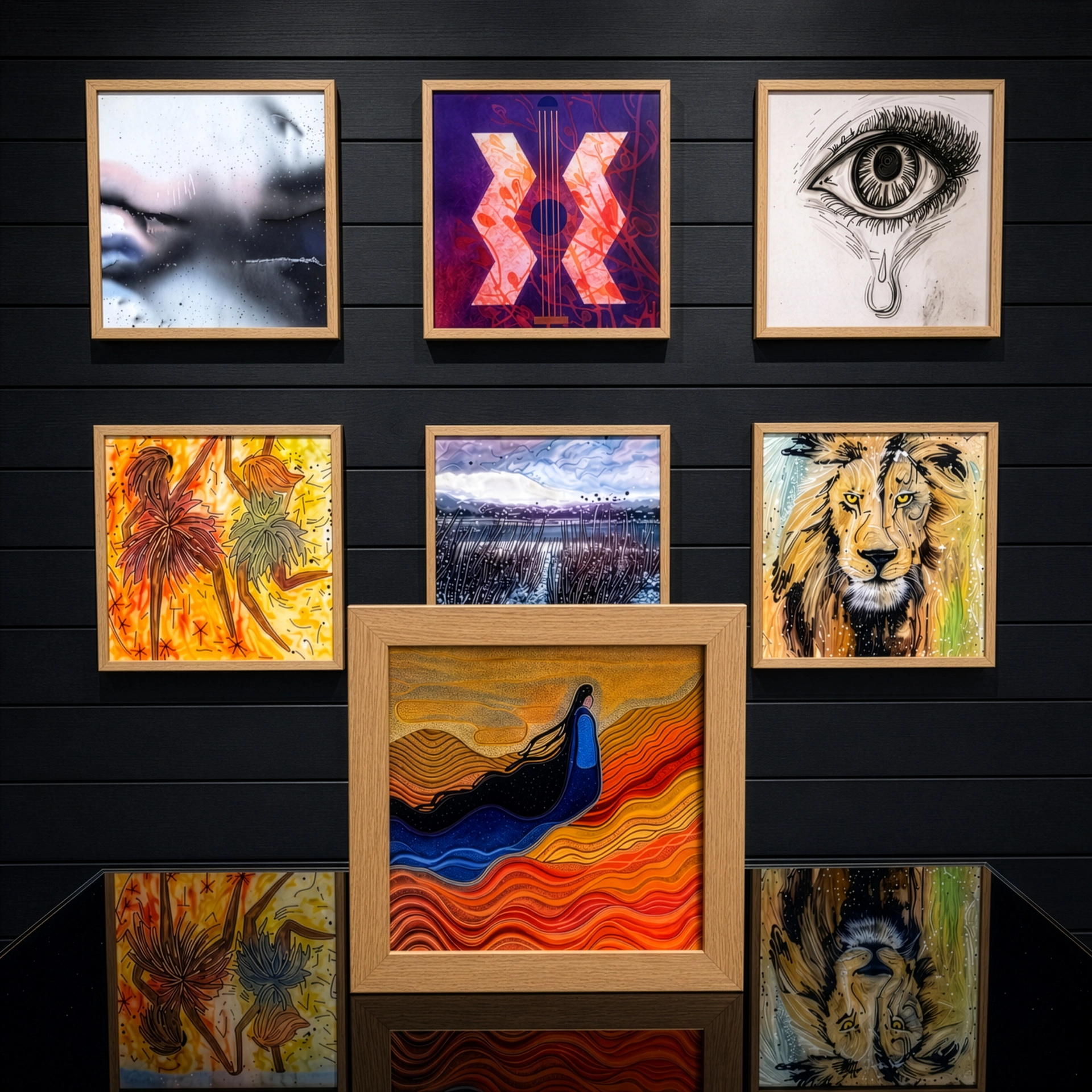 Odoardo Art™
 Odoardo Lens™
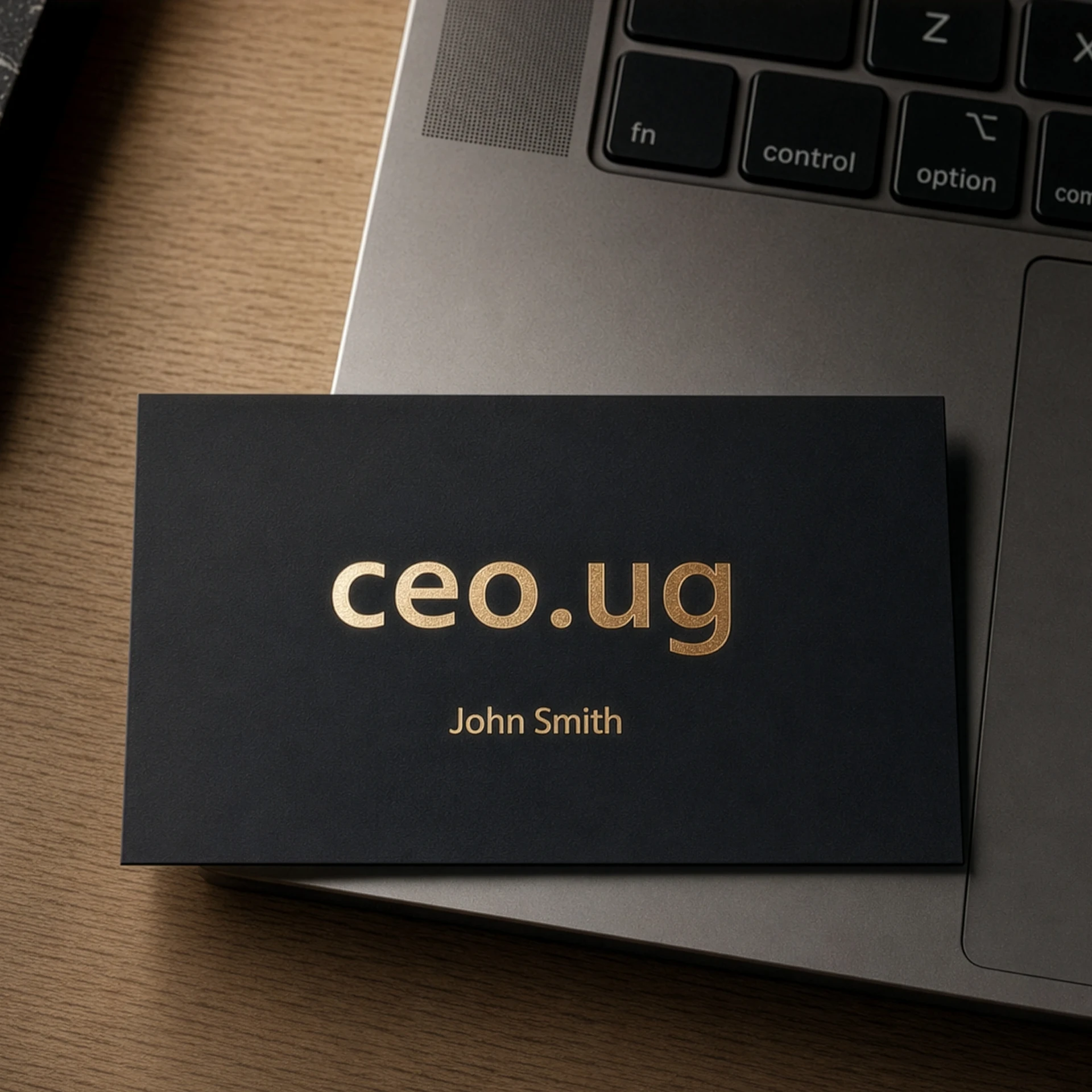 Odoardo Space™