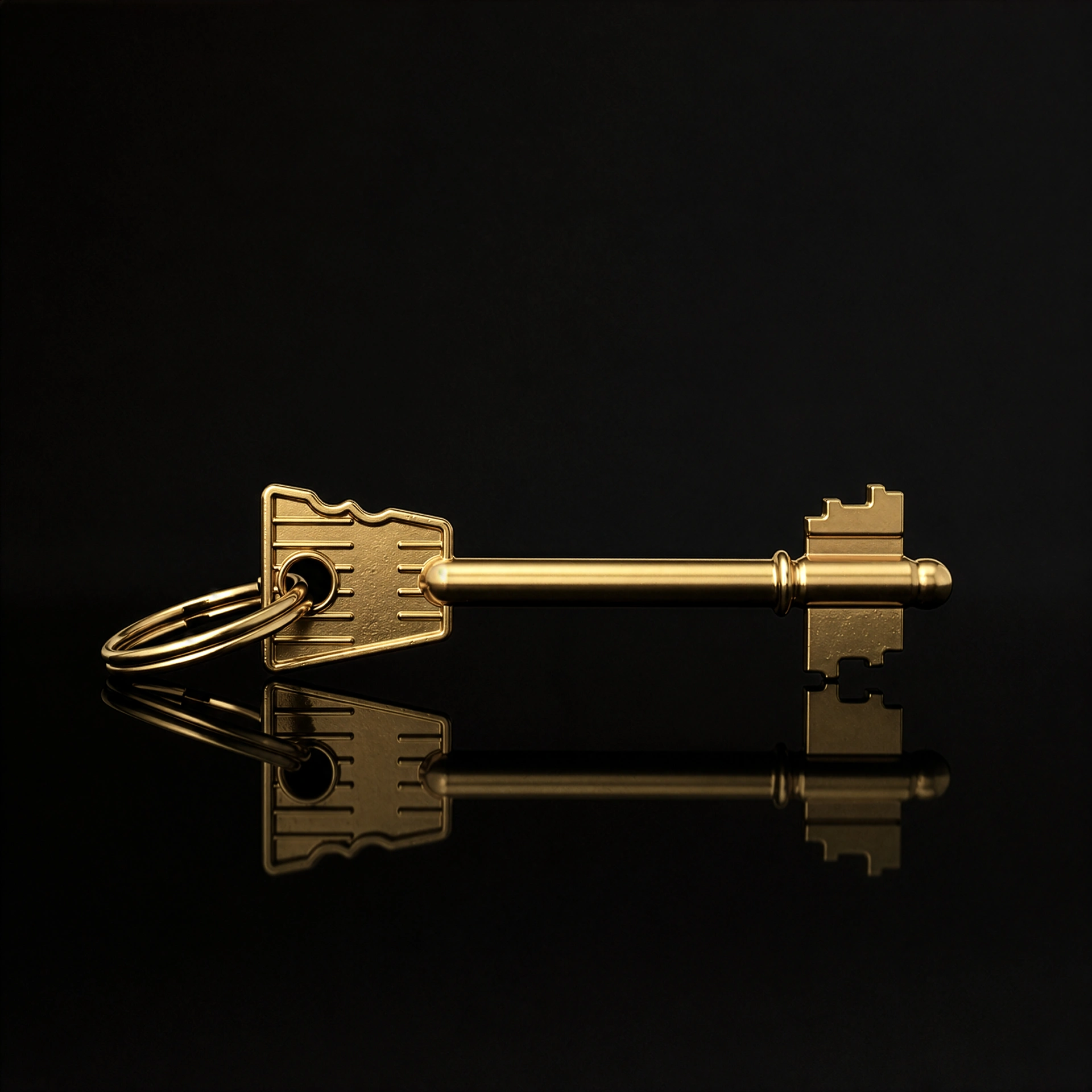
The contemporary home extraordinarily often becomes merely an extension of the office. We sit on the sofa beside a close person, yet our attention constantly slips toward a vibrating screen. This state – described by psychologists as continuous partial attention – dismantles closeness not with one blow but with a thousand small absences. Understanding the mechanisms of the fragmentation of attention is a step indispensable to ceasing merely to be side by side.
The illusion of multitasking and the theft of presence
The phenomenon of continuous partial attention differs radically from classic multitasking. It is driven by a compulsive need to be in constant contact and by a paralyzing fear of missing important information. The mind functions at a shallow level of engagement with everything while being focused on absolutely nothing. Notifications arrive all day long, so attention is interrupted every few minutes. Such a state leads to exhaustion and lowers the capacity for deep active listening in a relationship.
How do notifications build invisible walls?
In romantic relationships this state takes a quiet but consistent toll. Avoiding eye contact and answering in monosyllables reads unambiguously: what you are saying is less interesting than what is glowing on the screen. Nobody says it out loud, but a partner picks up that deficit of attention very quickly. Regularly ignoring micro-signals means that invisible walls slowly grow. The relationship is flattened into simple logistics. To regain closeness, measured rituals for couples must be put into effect, during which the smartphone stays in another room.
Designing surroundings in the spirit of quiet luxury
In the struggle with digital over-stimulation, physical space plays a key role. The quiet luxury current is a dignified answer to the aggressive stimulation of electronics. The synergy between technology and human biology is perfectly summed up by dr hab. inż. Marcin Jamro:
“We live in an age in which our attention is an extremely valuable currency for algorithms. The luxury has become switching off notifications and giving a close person a fully undivided, analog presence.”
A home should become a physical anchoring of the senses. A soothing interior metamorphosis without renovation through collectible art from Odoardo Art™ orders the senses in the living room. The same role is played by Odoardo Soul™, which replaces screens with the touch of wood – this is described by the text An end to the flood of mobile apps. In a space so ordered it is easier to persevere in a digital detox before sleep.
The final answer: a tangible pretext for conversation
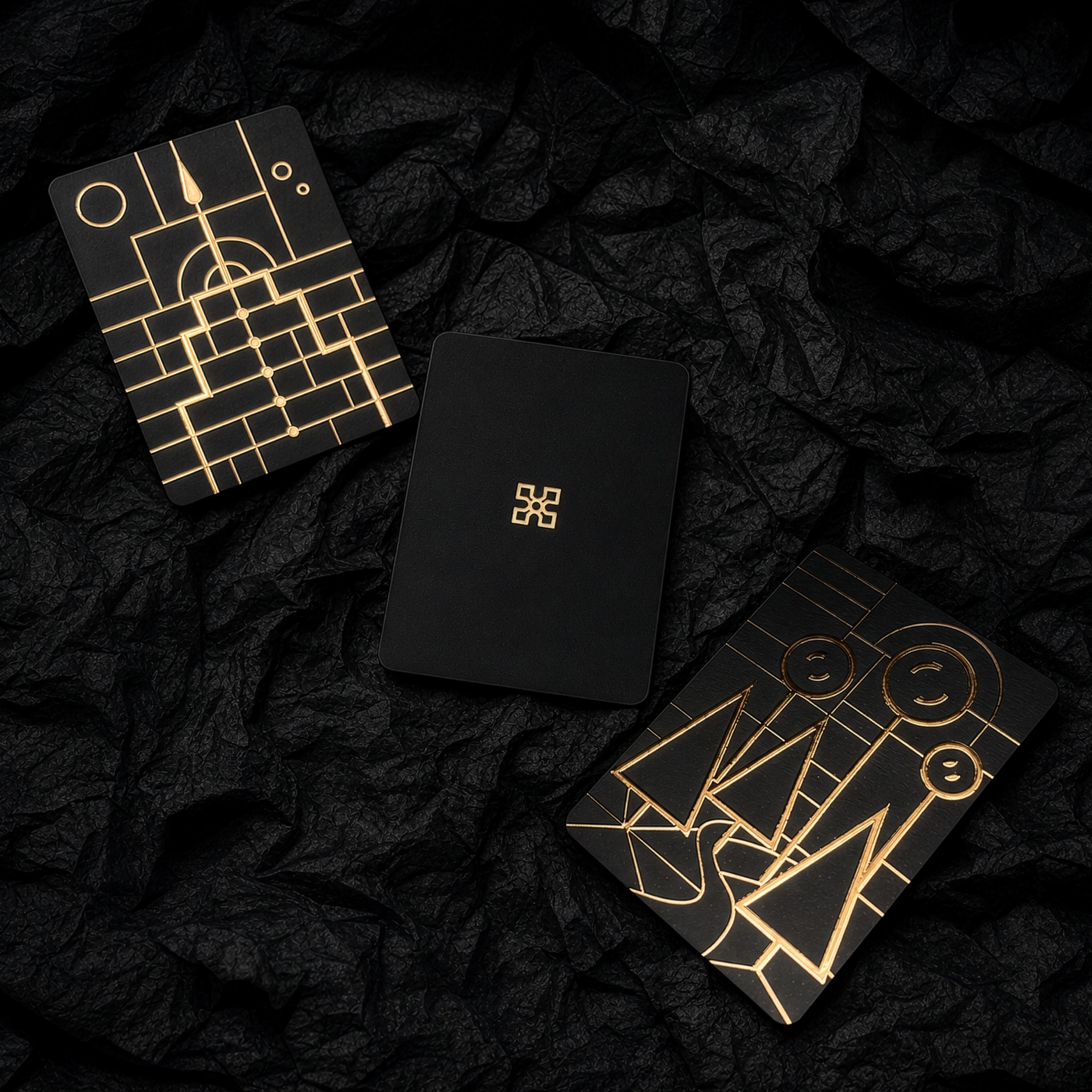
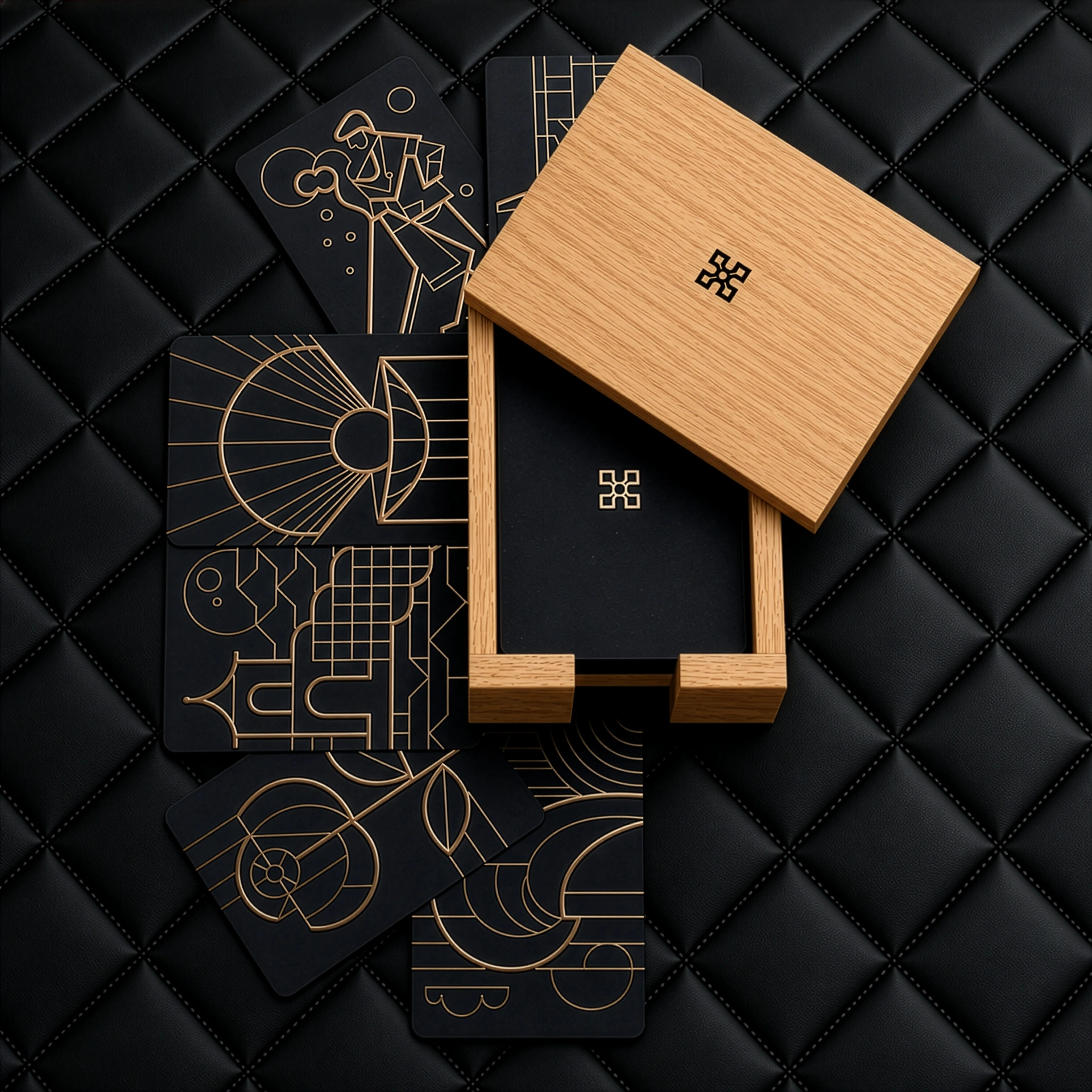
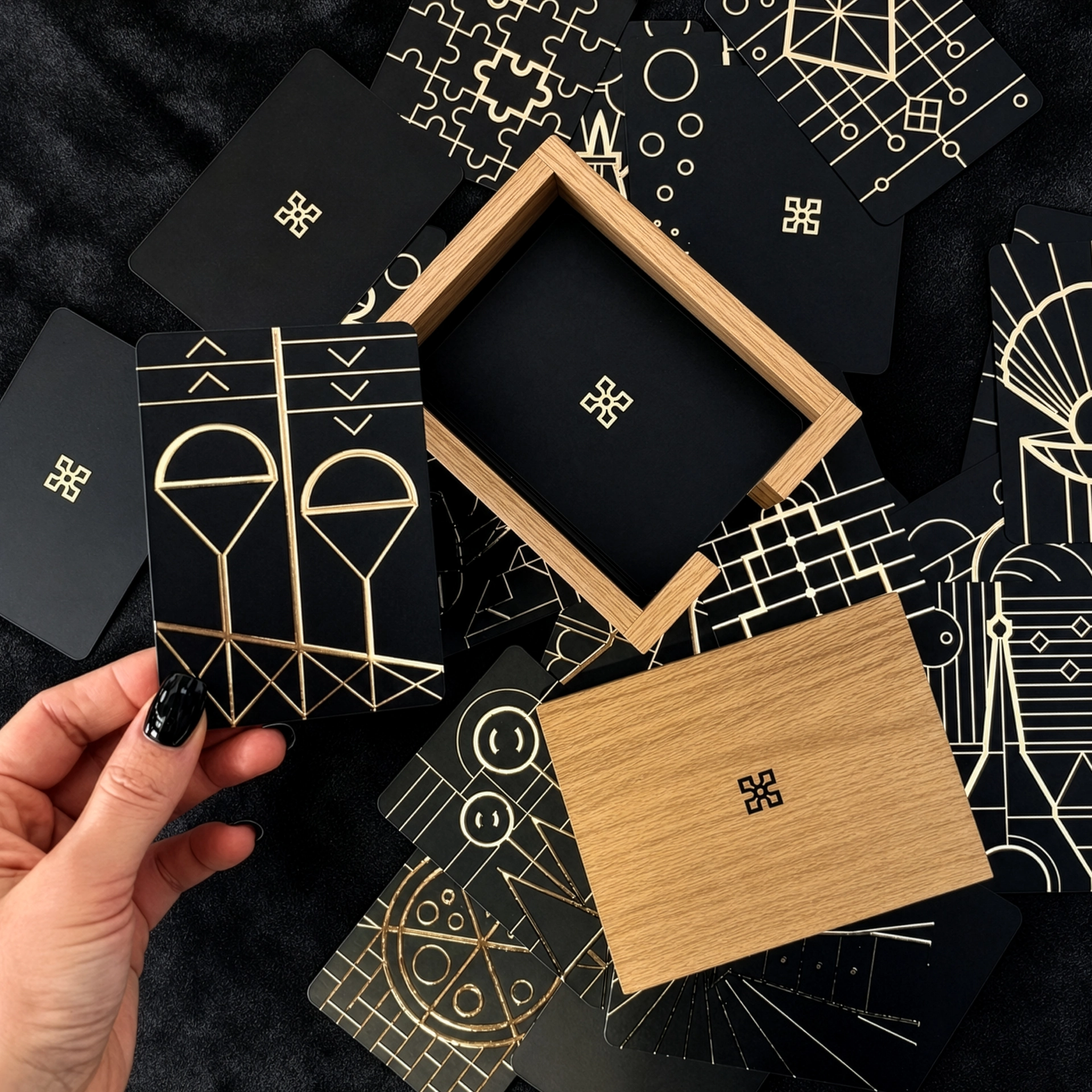
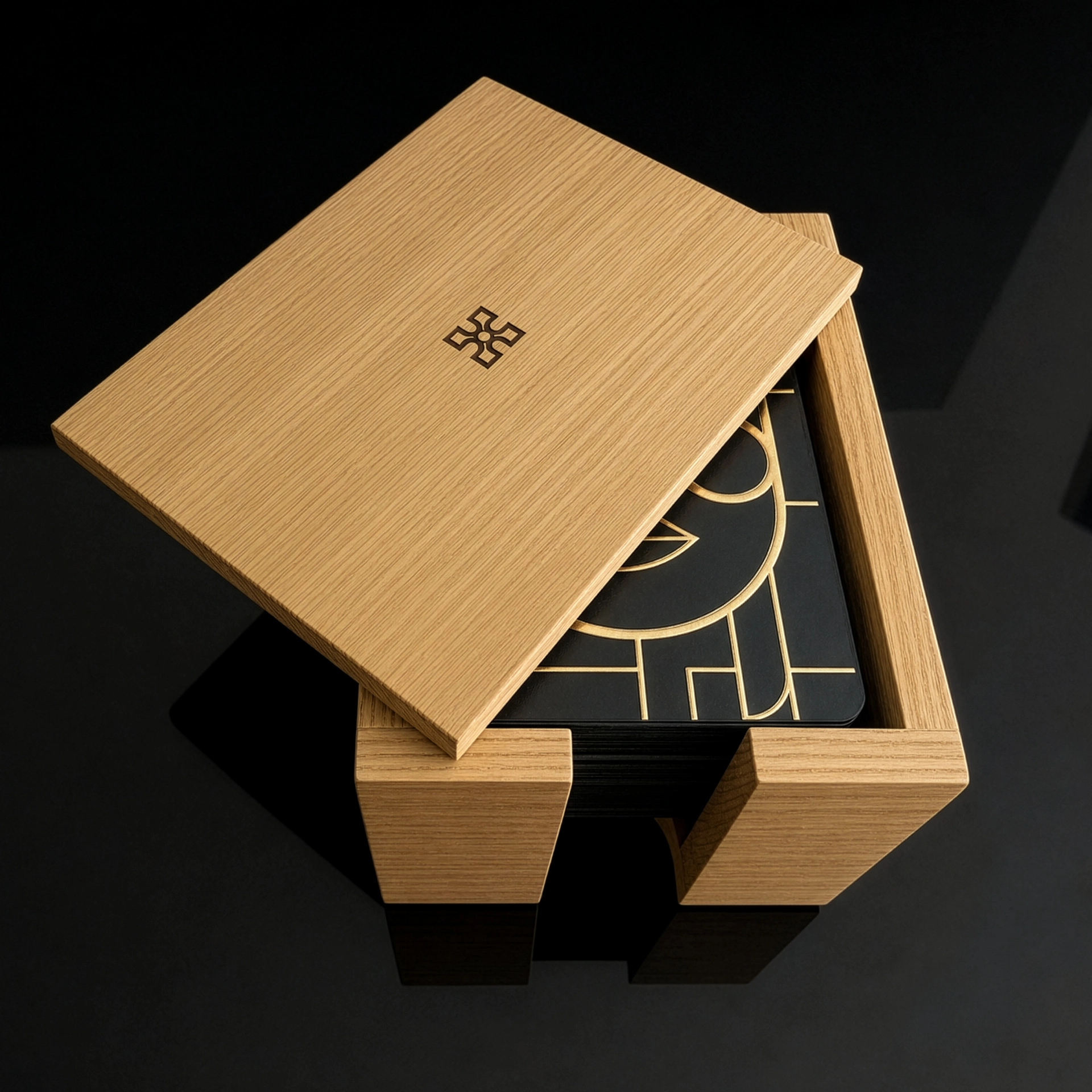
For many couples, passing from months of silence to a deep conversation is very difficult. A discreet solution is to use Odoardo Alibi™. A box of solid oak with cards is a pretext nobody will take offense at. Instead of glancing at a display, you explore 50 questions for your partner. The absence of phones forces eye contact, and the accompanying graphics bring home the meaning of silence and image in communication. This analog ritual lowers the sense of risk and allows the barrier of partial attention to be overcome.
Why we treat attention as a resource that must be protected we explain in the manifesto.
 Odoardo Soul™
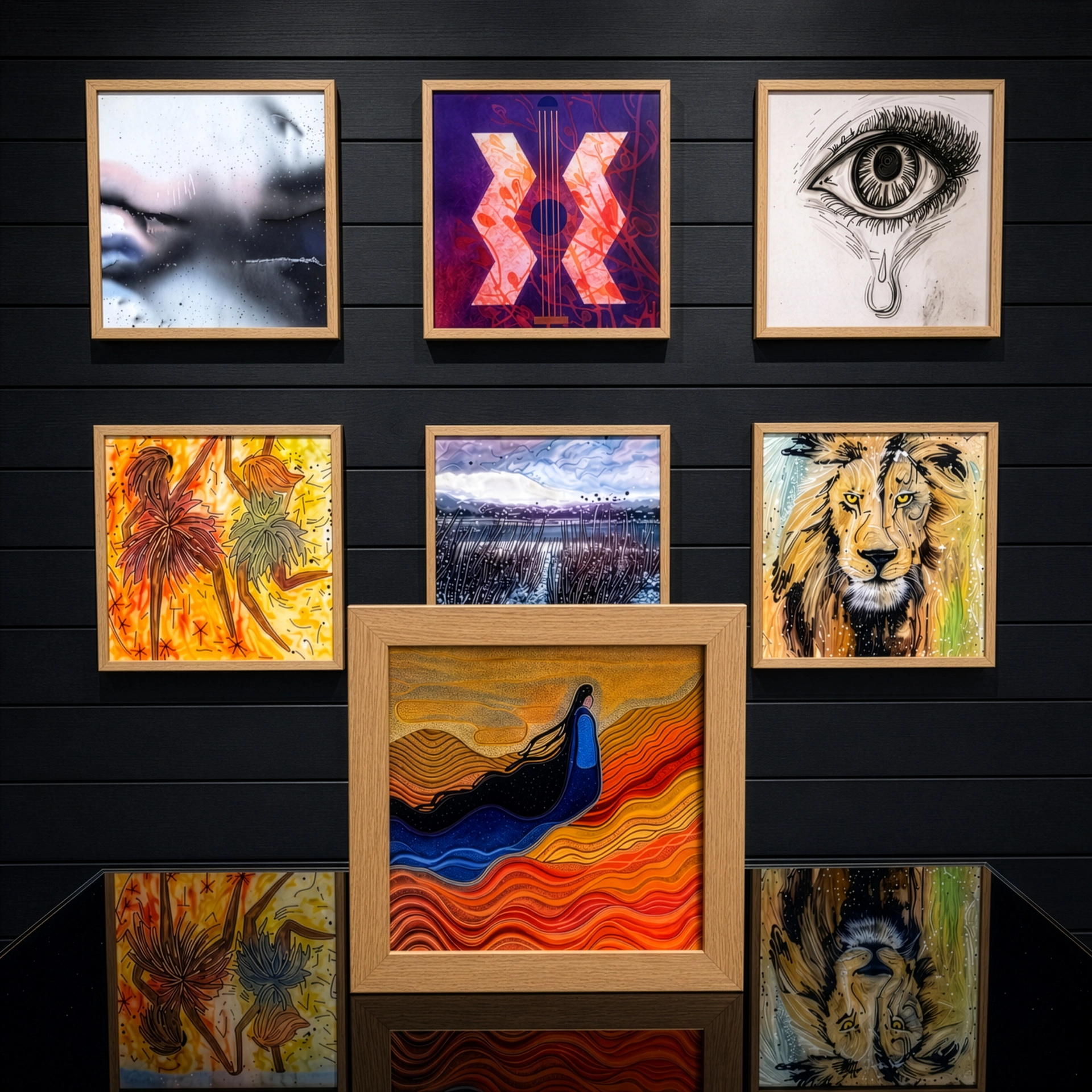 Odoardo Art™
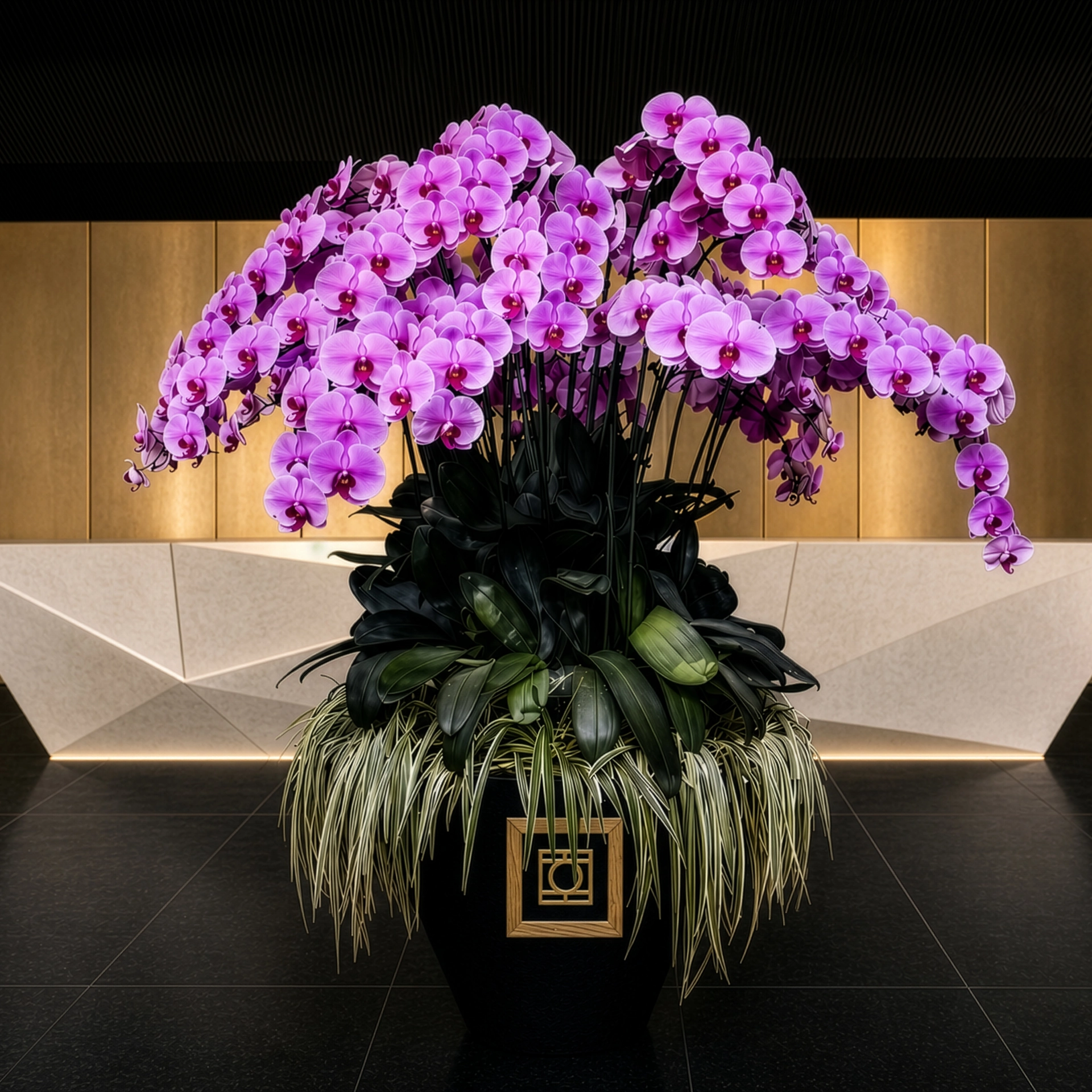 Odoardo Lens™
 Odoardo Space™