The phenomenon of phubbing – ignoring one's partner in favor of a smartphone screen – has become an everyday matter in many homes. Couples absorbed by work and duties talk to each other face to face for ever shorter stretches. When our cognitive reserve happens to be entirely spent by the end of the day, communication in a relationship very often comes down to dry logistics alone. The routine question about how the day went rarely leads to a valuable exchange of thoughts; in time it becomes merely an automatic habit masking a growing distance. Building authentic closeness at this stage requires something more – an intentional ritual in which two people consciously put their phones aside, look each other in the eye and begin to talk in earnest.
Contemporary social media algorithms ceaselessly promote ideal, blemish-free images of relationships. Against that background one's own relationship – with its tiredness, its disputes and its unfinished subjects – begins to look like an exception, so it becomes all the harder to name its problems outright. Avoiding deep subjects – such as our fears, unfulfilled ambitions or hurts – in time creates invisible walls in marriage and in partnership. The solution to this situation is rarely immediate, shock therapy for couples. Far more effective is a gradual, considered digital detox before sleep, which opens, in a harmonious way, the space for us to hear another person for real again.
Emotional resonance and the architecture of dialogue
Opening up to demanding matters need not mean an escalation of tension or lead to a quarrel. Real understanding rests on an attitude we call active listening in a relationship. It is an extraordinarily rare moment of full attention in which we stop planning our own answer while the other person is still speaking. Concentrating on one's partner without passing judgment, offering good advice or interrupting allows them to feel completely safe. Such a space forms the foundation of long-term intimacy, and not infrequently it can also soften the phenomenon psychologically termed a relationship crisis after years together.
Experience shows that a properly constructed set of carefully selected questions allows a conversation to deepen naturally. The questions have been designed to lead through four key spheres of our life: identity, relationships, roots and horizon, which forms an excellent point of departure for understanding how to put love languages in practice. Instead of treating them as a list of tasks to tick off, it is worth seeing them as a coherent narrative about ourselves. We begin with a reflection on what we fear most and what at the same time attracts us most, in order to pass fluently to considering what gives us a sense of real freedom. Together we explore whether it comes easier to us to speak of our feelings or to listen to the emotions of others, and which memory with a close person most often brings out our smile. We also touch on the values we owe to our family home, define what the proverbial golden hour in life is for us and establish what legacy we wish to leave behind.
The psychological support of matter
Most of us feel a justified apprehension about initiating the most sensitive threads. The reason is simple: a question asked outright, after many months of silence, sounds like an accusation or like a test. An elegant way out of this communicative impasse is to shift responsibility from the one asking onto an external, physical object. It was with precisely this thought that the brand Odoardo Alibi™ came into being. This prestigious tool takes the burden of awkwardness off the people talking, supplying a physical alibi for deep conversations – hence the brand's name. One can simply remark with a smile that it is not we who are asking these personal questions; it is the drawn card that is asking.
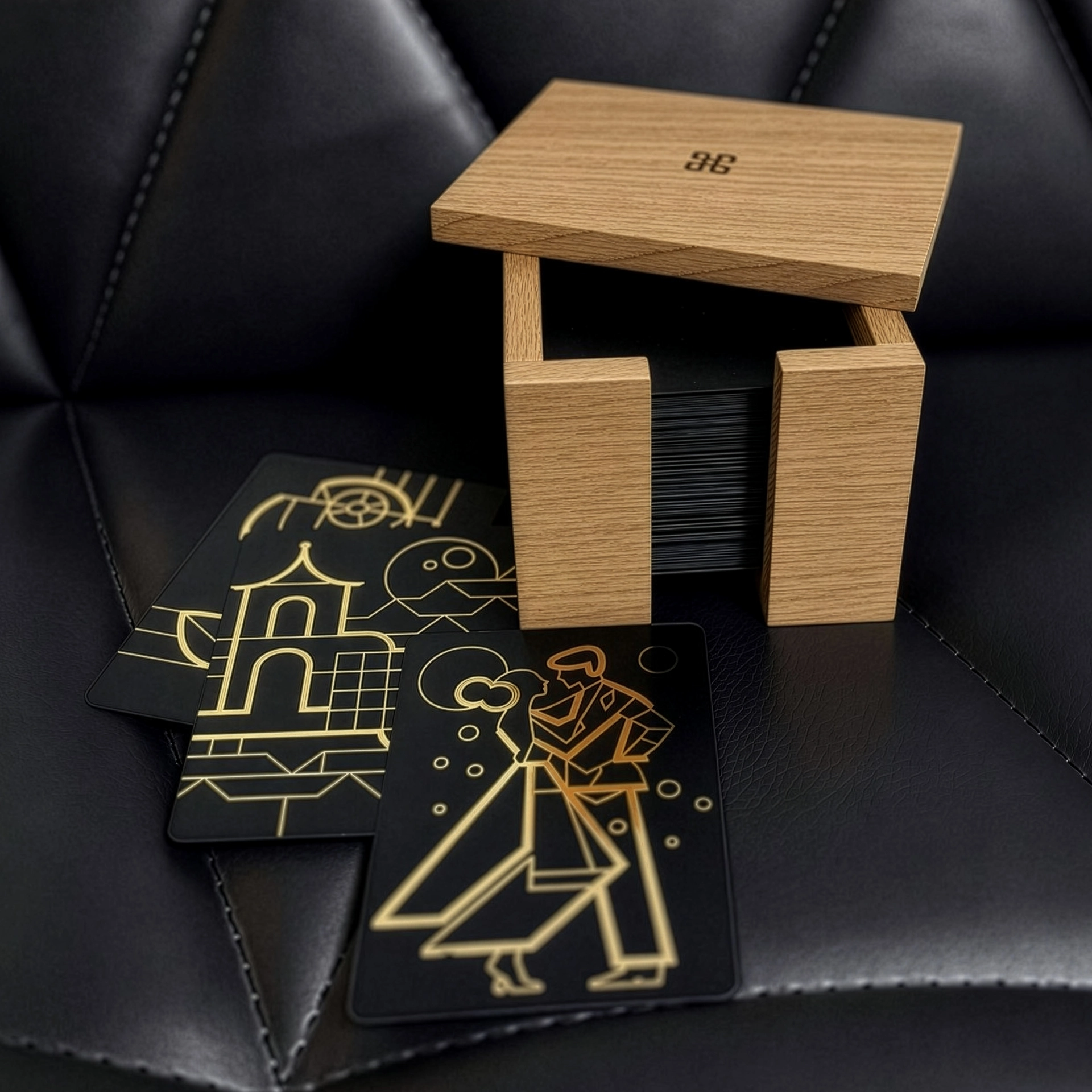
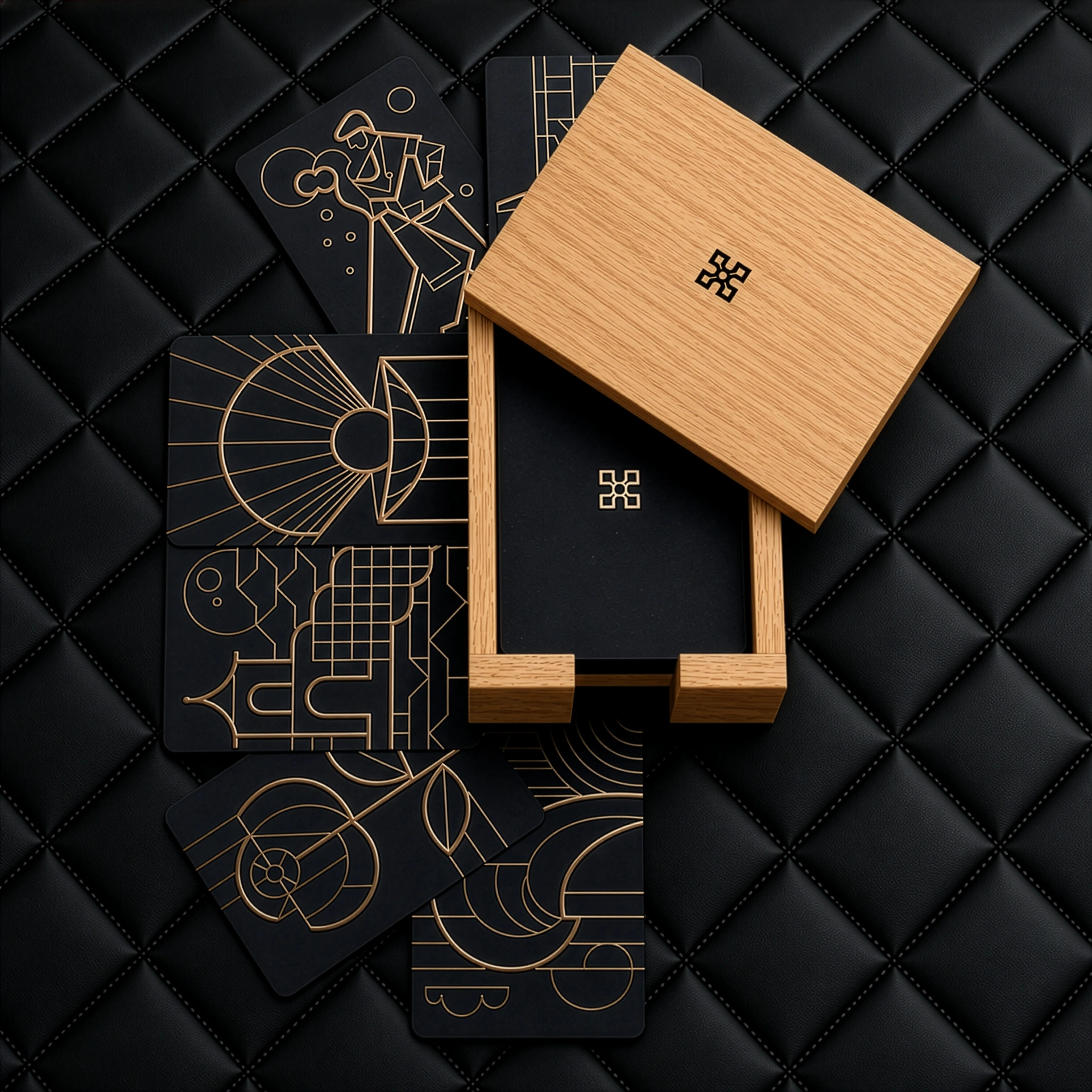
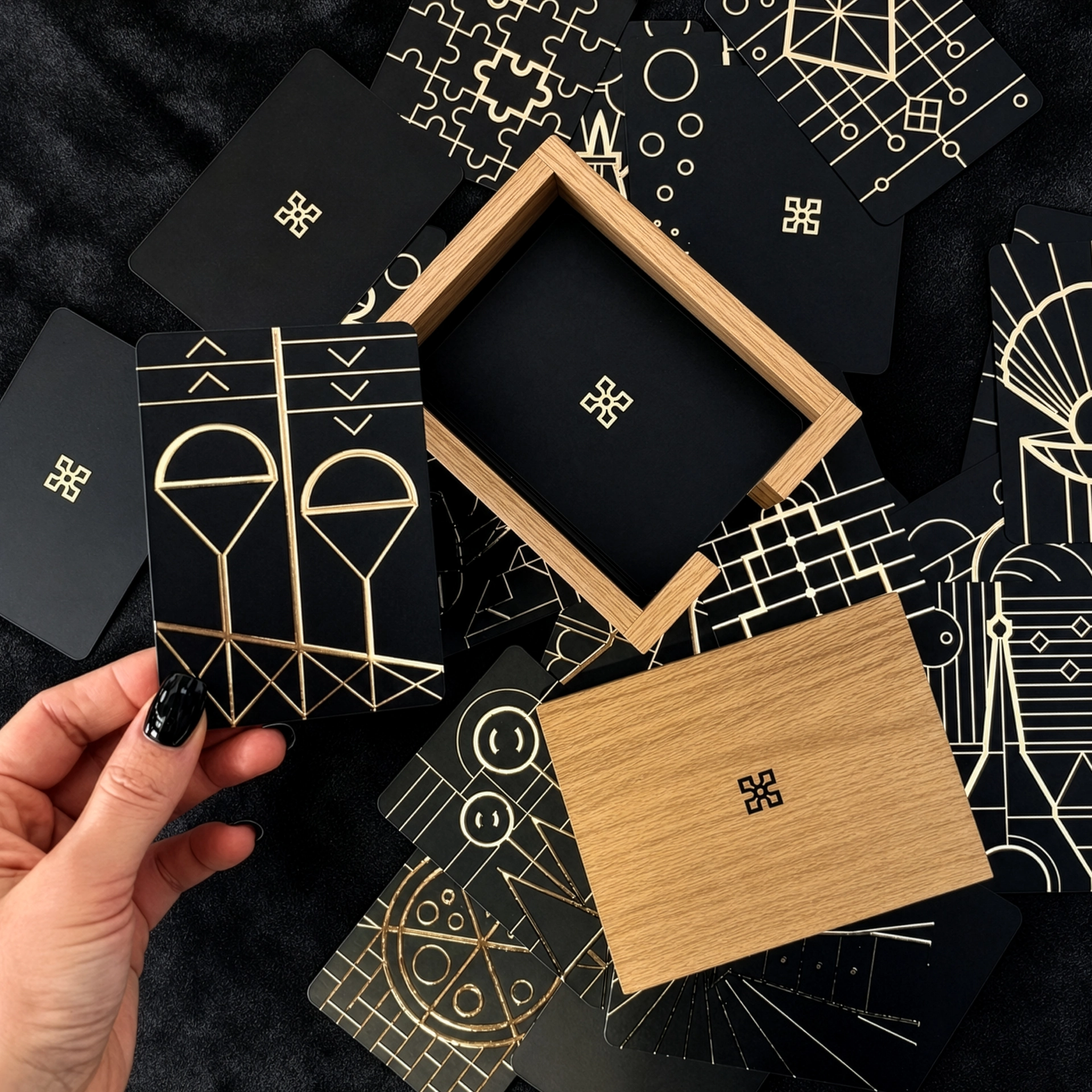
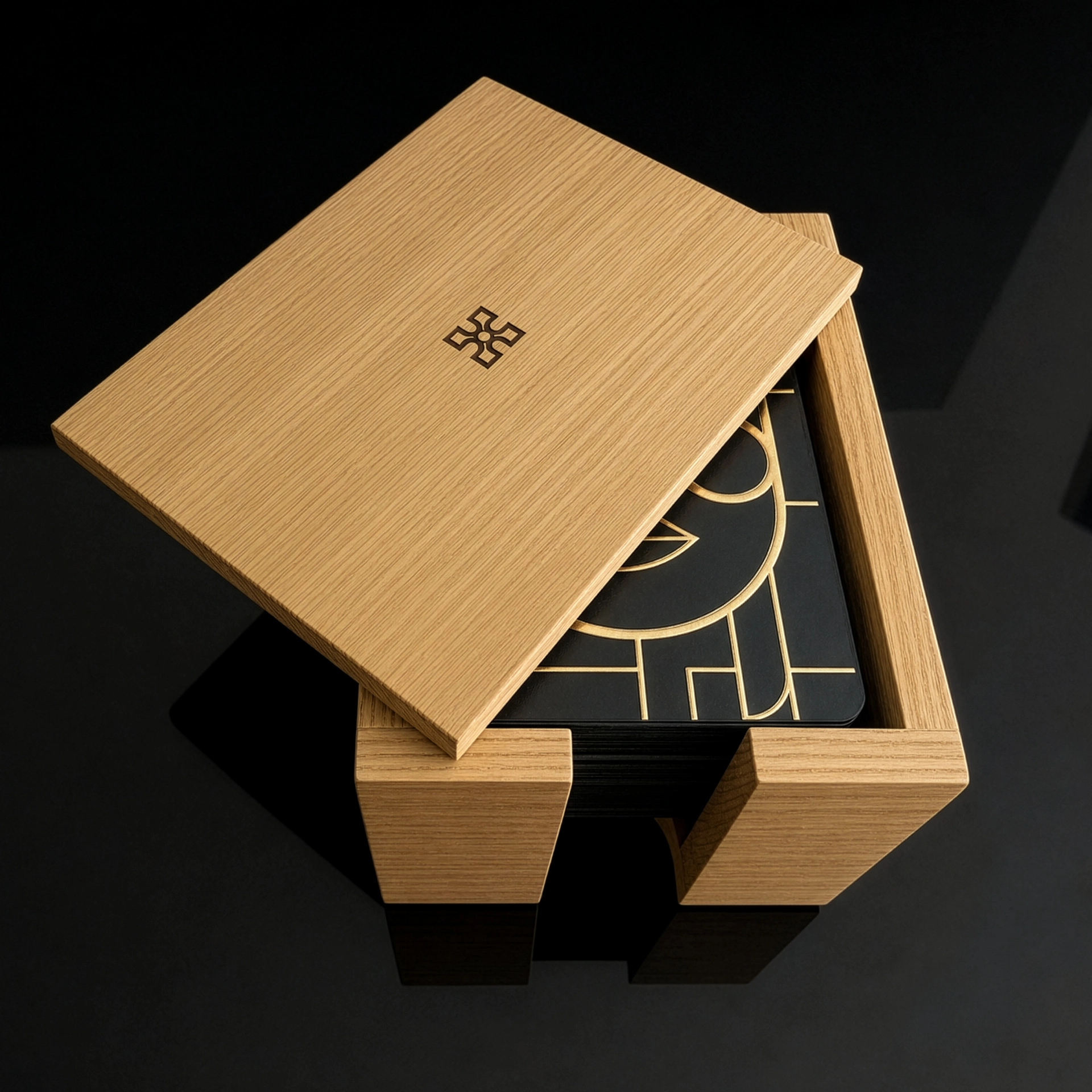
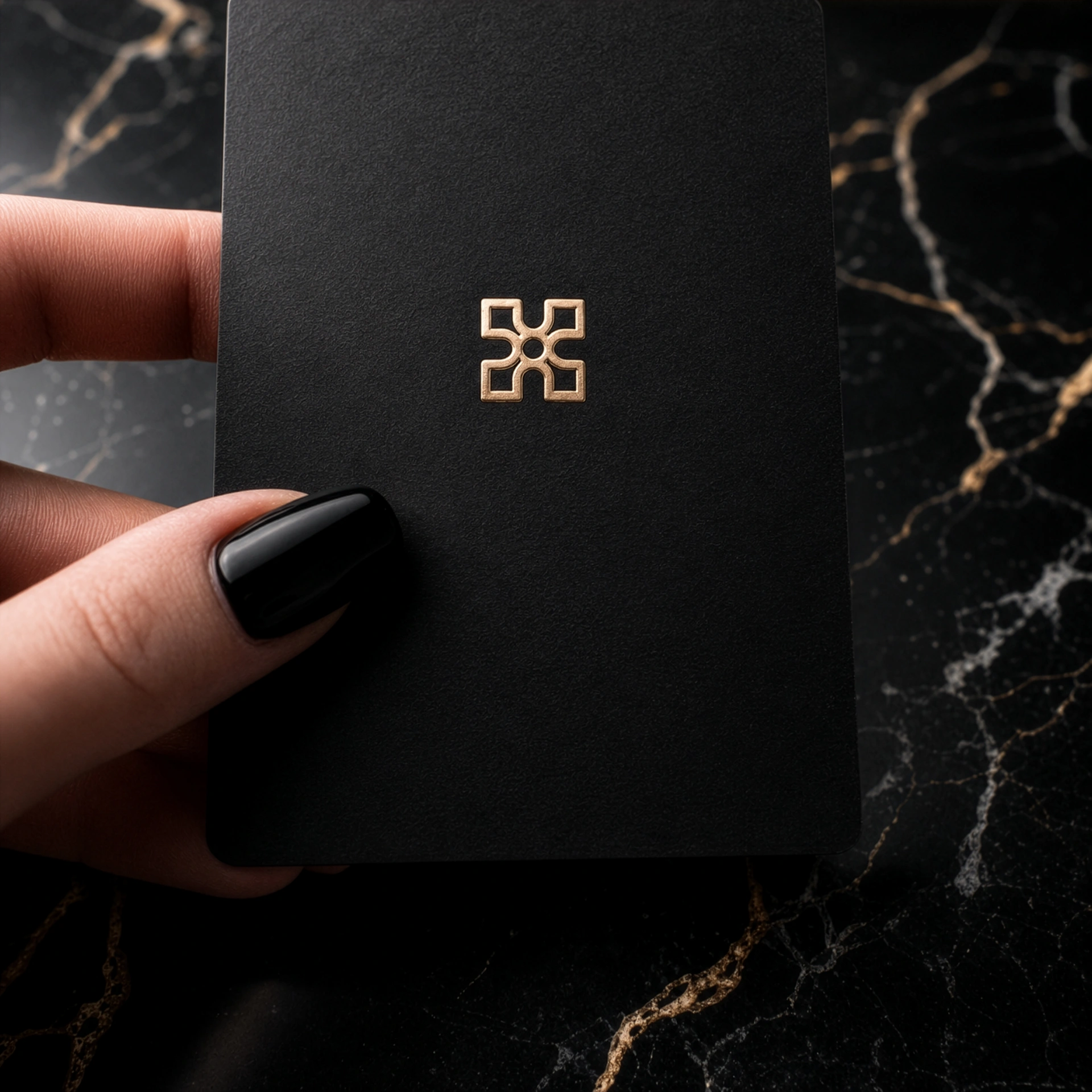
Each of the questions is bound to the choice of a black card with haptic, three-dimensional gilding in the Geometric Noir style, which decidedly heightens the meaning of silence and image in communication. The weight of the card and the resistance of the gilding under the fingers slow the movement down, and that is enough for the answer not to fall reflexively. The regularity of such an evening helps one step out of patterns such as the “it will work out” trap, which over the years can draw apart two people once close to each other.
A space driven by conscious choice
The matter we handle daily, and the physical architecture of our homes, influence our well-being and our readiness to open up before a partner. In a world dominated by notifications, it is precisely analog, perfectly made objects that restore to us the lost ability to be here and now. This dependence is defined by the creator of the Odoardo™ ecosystem:
“We design advanced algorithms in order to take digital noise off people. But closeness does not arise in software. It needs the physical world.”
Sincere and searching discussions also require a suitable, undisturbed visual setting. Solutions such as the rotating, living art gallery from Odoardo Art™ allow a harmonious interior metamorphosis without renovation, bringing into the living room a soothing artistic order that evolves discreetly along with our needs and mood. The same principle – technology is to disappear and matter to remain – is realized by Odoardo Soul™, of which we write in the text Quiet luxury and contemporary technology.
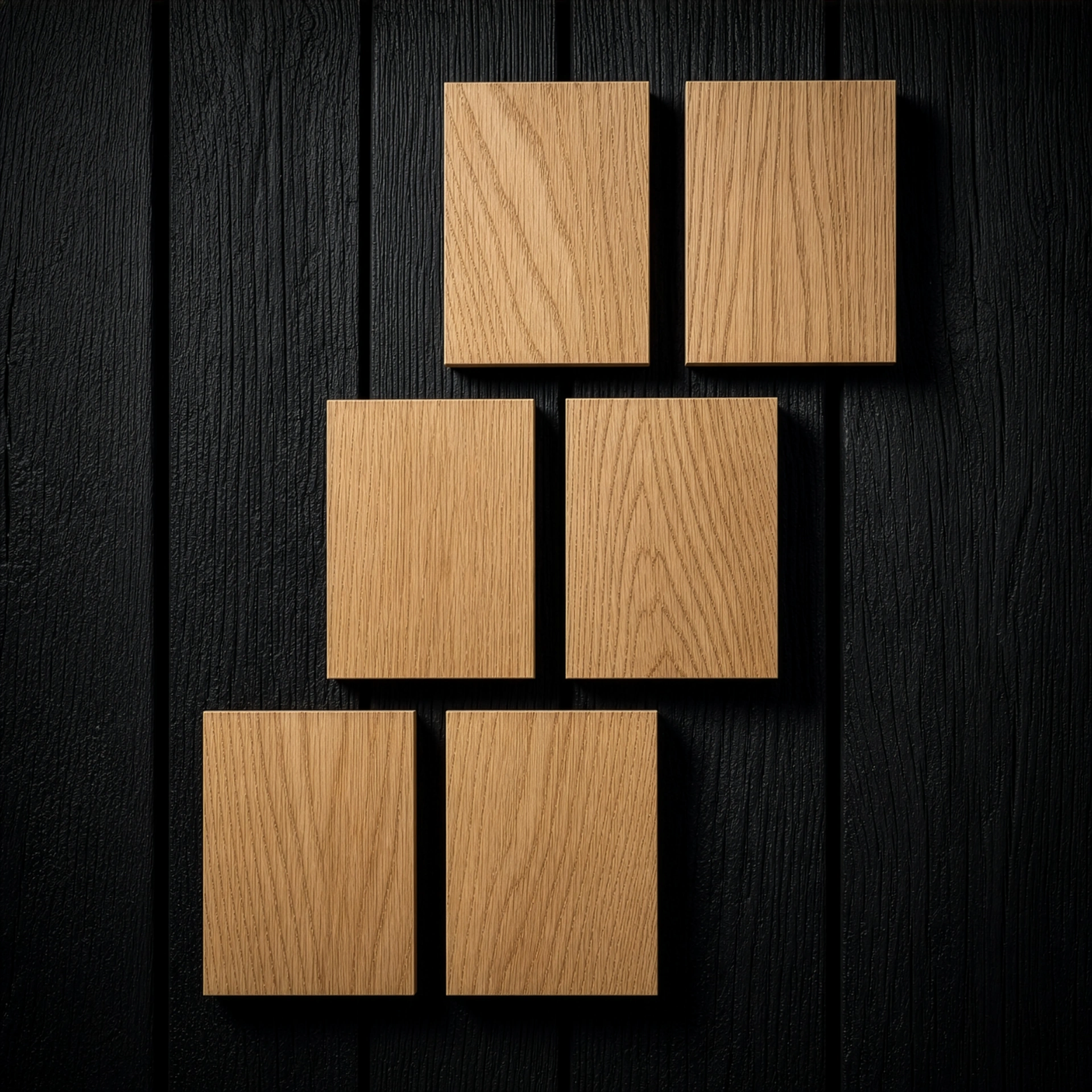
In such a refined surrounding, free of chaos, the oak box becomes the central point of a new, shared custom. By choosing Odoardo Alibi™, you invest in something far more valuable than yet another luxury wedding gift or a stock anniversary gift for a wife or husband. You reach for a unique setting for conversations for which, in another week, there would simply be no occasion – covered with natural oil and closed with neodymium magnets.
Why we choose an object instead of yet another application we explain in the manifesto.
 Odoardo Soul™
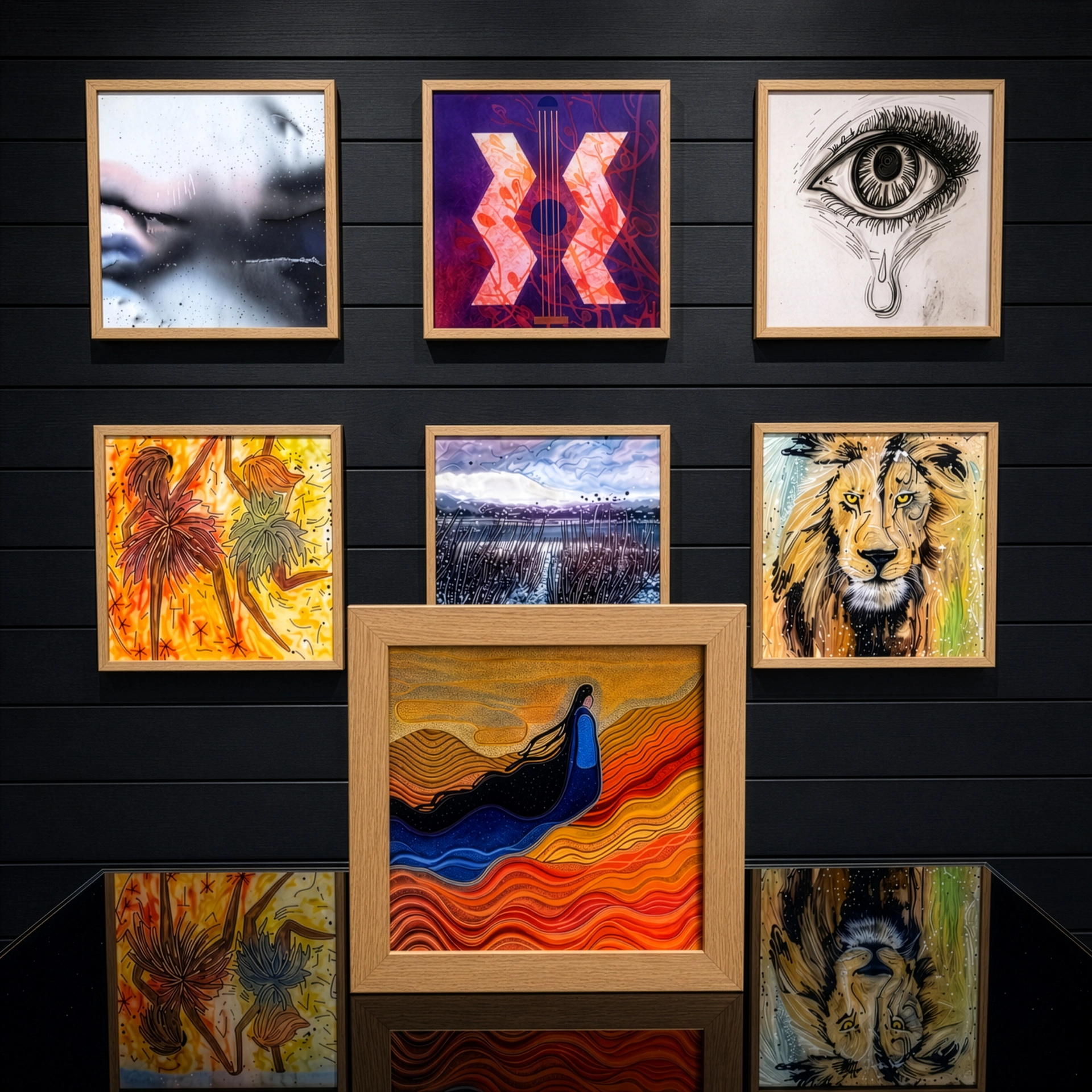 Odoardo Art™
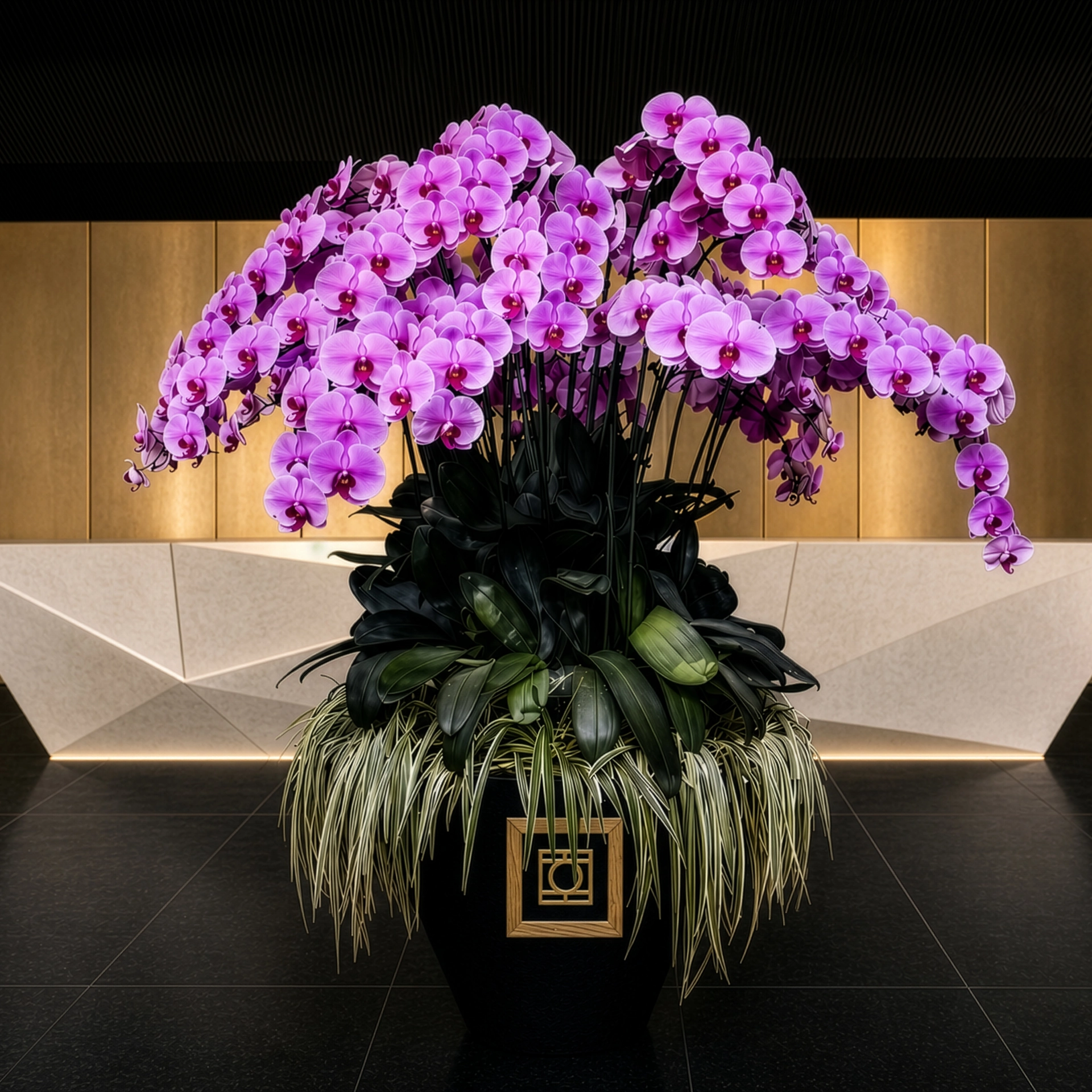 Odoardo Lens™
 Odoardo Space™