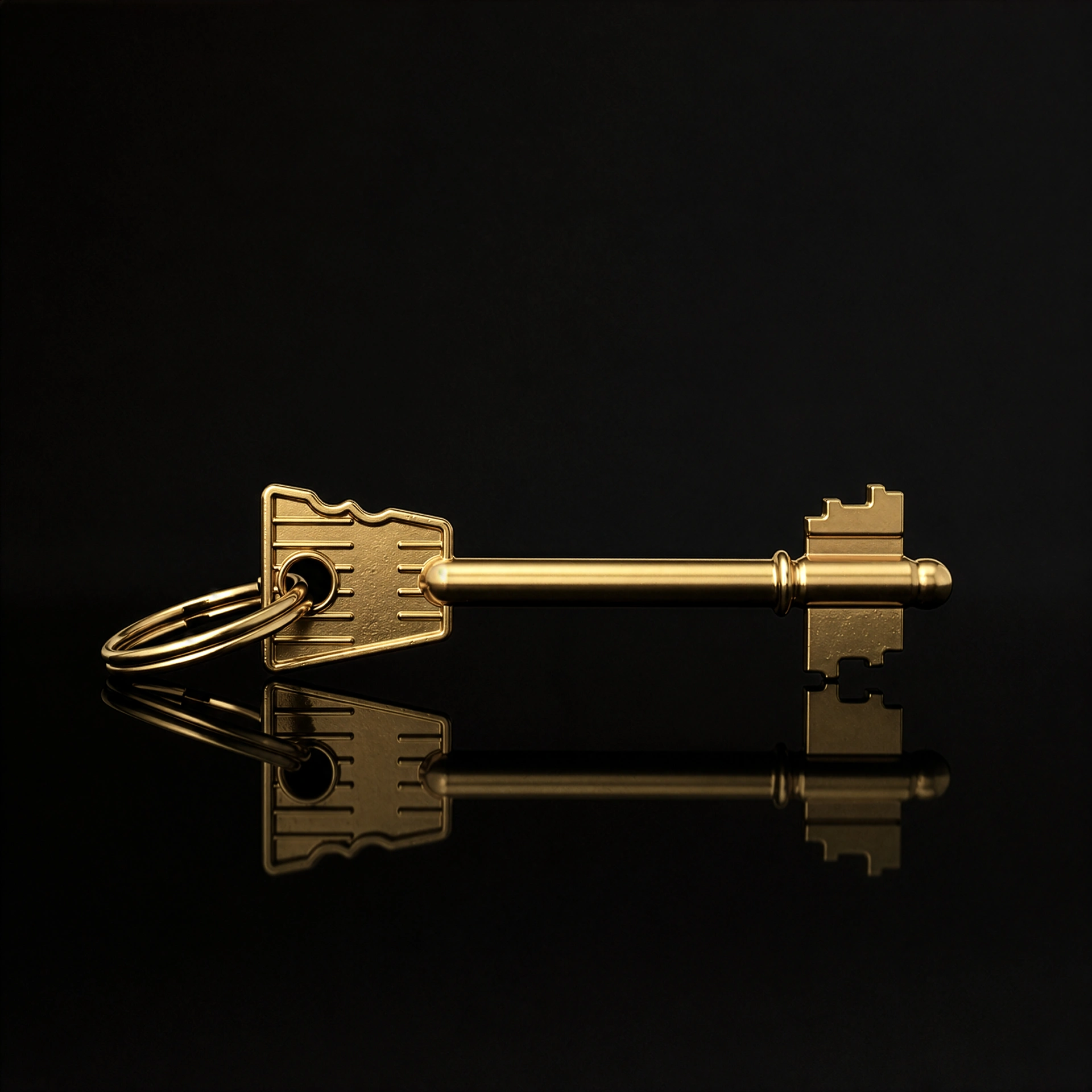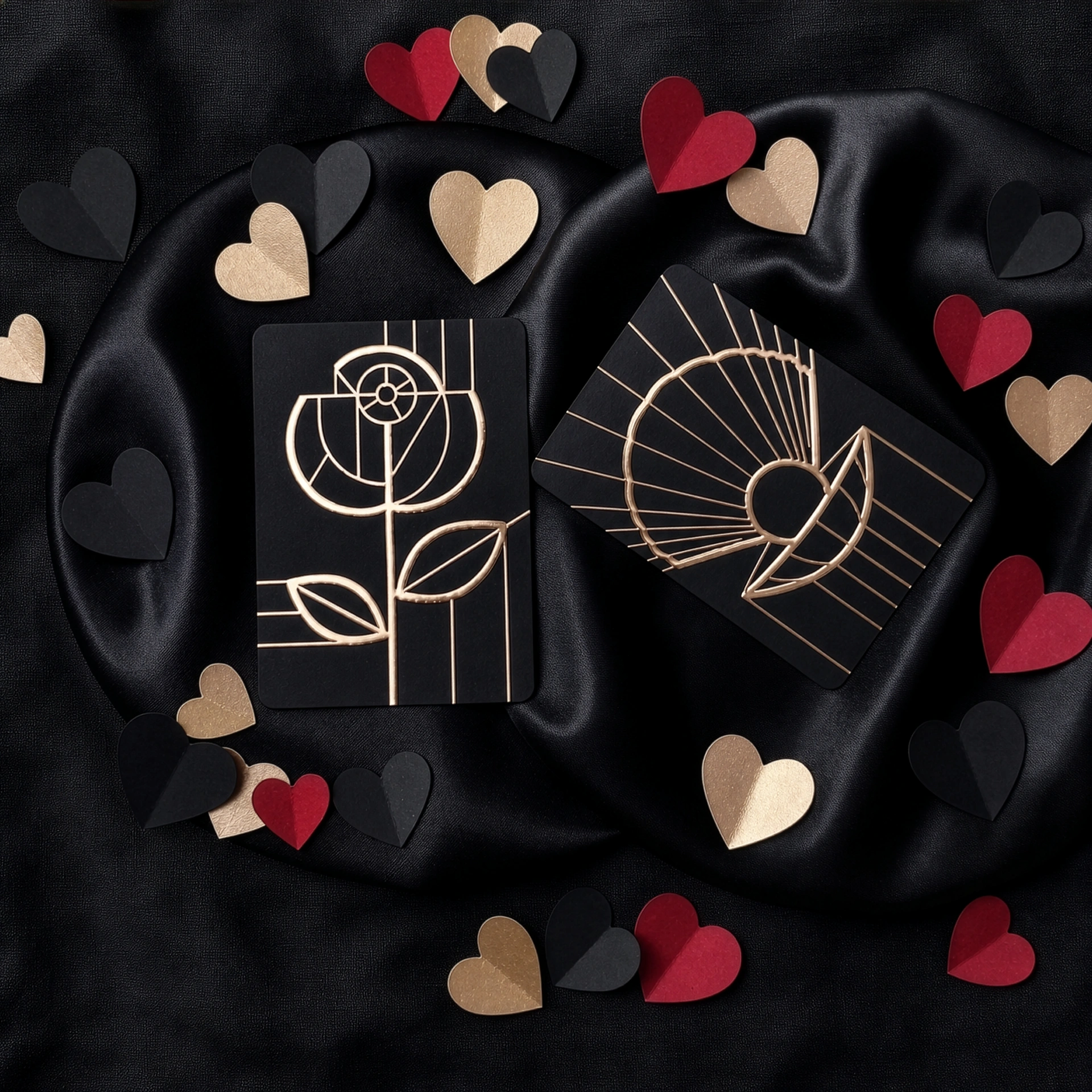
Even in the most harmonious relationships of many years, a paradoxical situation very often arises: both partners try enormously hard, and yet one side feels unappreciated. When daily professional duties absorb us, we forget that in the private sphere we operate in entirely different emotional dialects. Trying to build closeness without decoding the other person's authentic needs resembles trying to open a lock with the wrong key. If we do not learn to recognize the right languages of feeling, even our best intentions may not save us from a serious relationship crisis.
What research says about love languages
The conception of five love languages – quality time, words of affirmation, acts of service, small gifts and physical touch – has been tested in research. It follows from this that couples in which partners match the way they show affection to the other side's preferences declare higher satisfaction with the relationship. A lack of such accord, consisting in the chronic non-satisfaction of basic needs, leads in turn to growing frustration.
The language most often named remains quality time. For many people the most important proof of love is not costly gifts but undivided attention. In an age of the technology-driven phenomenon of continuous partial attention, giving a partner unconditional time has become a luxury good.
The error of projection and the need for substantial dialogue
The greatest danger in recognizing a partner's needs is the error of projection: we show love as we ourselves would like to receive it, usually without realizing it. By sweeping this dissonance under the carpet, a couple walks straight into the dangerous “it will work out” trap. Reversing this trend requires initiating a discussion, yet a simple question about expectations thrown out in passing often sounds like an accusatory attempt to put out a fire. Real success rests on skillfully building a safe environment in which both sides will put mutual active listening in a relationship into effect.
The architecture of dialogue and a psychological alibi
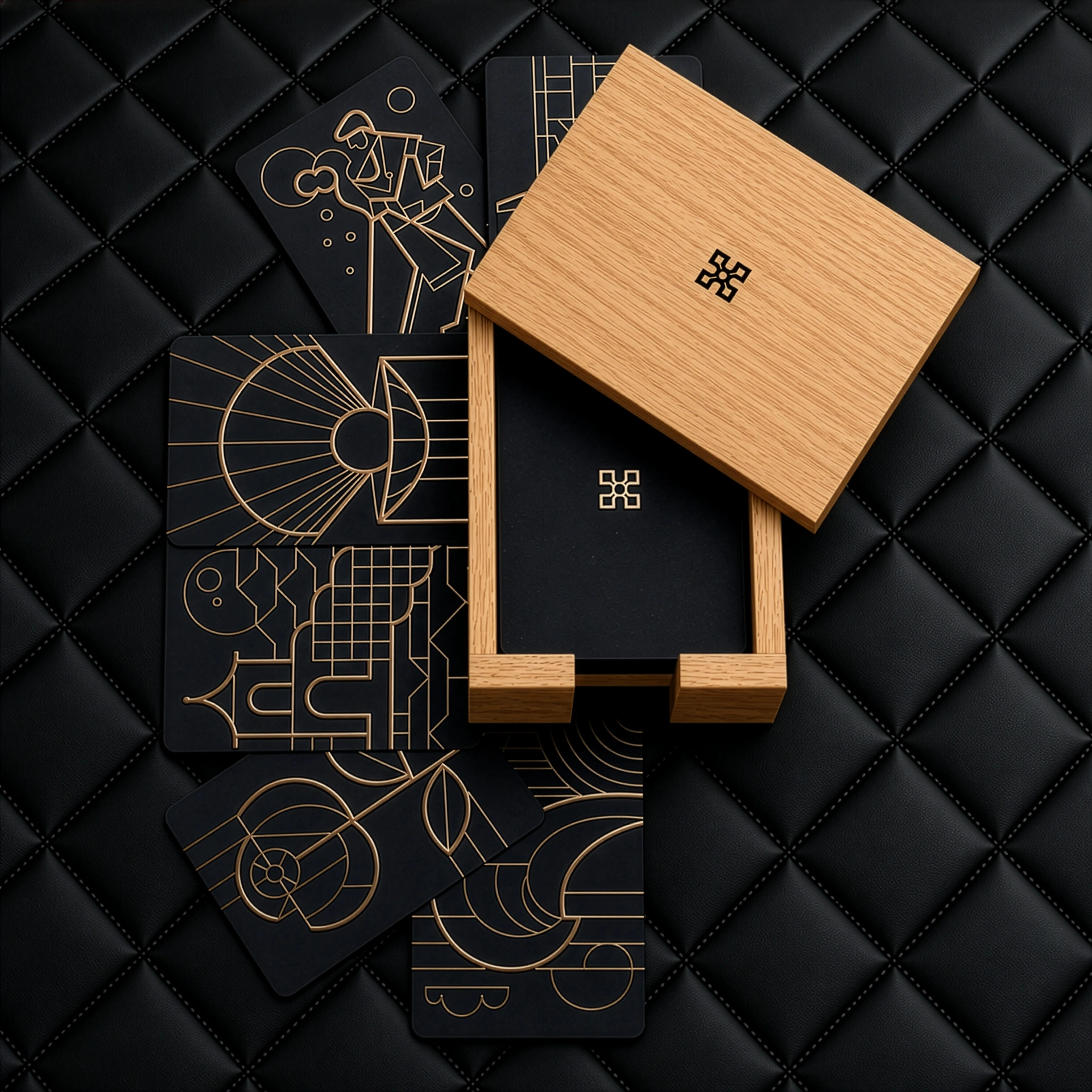
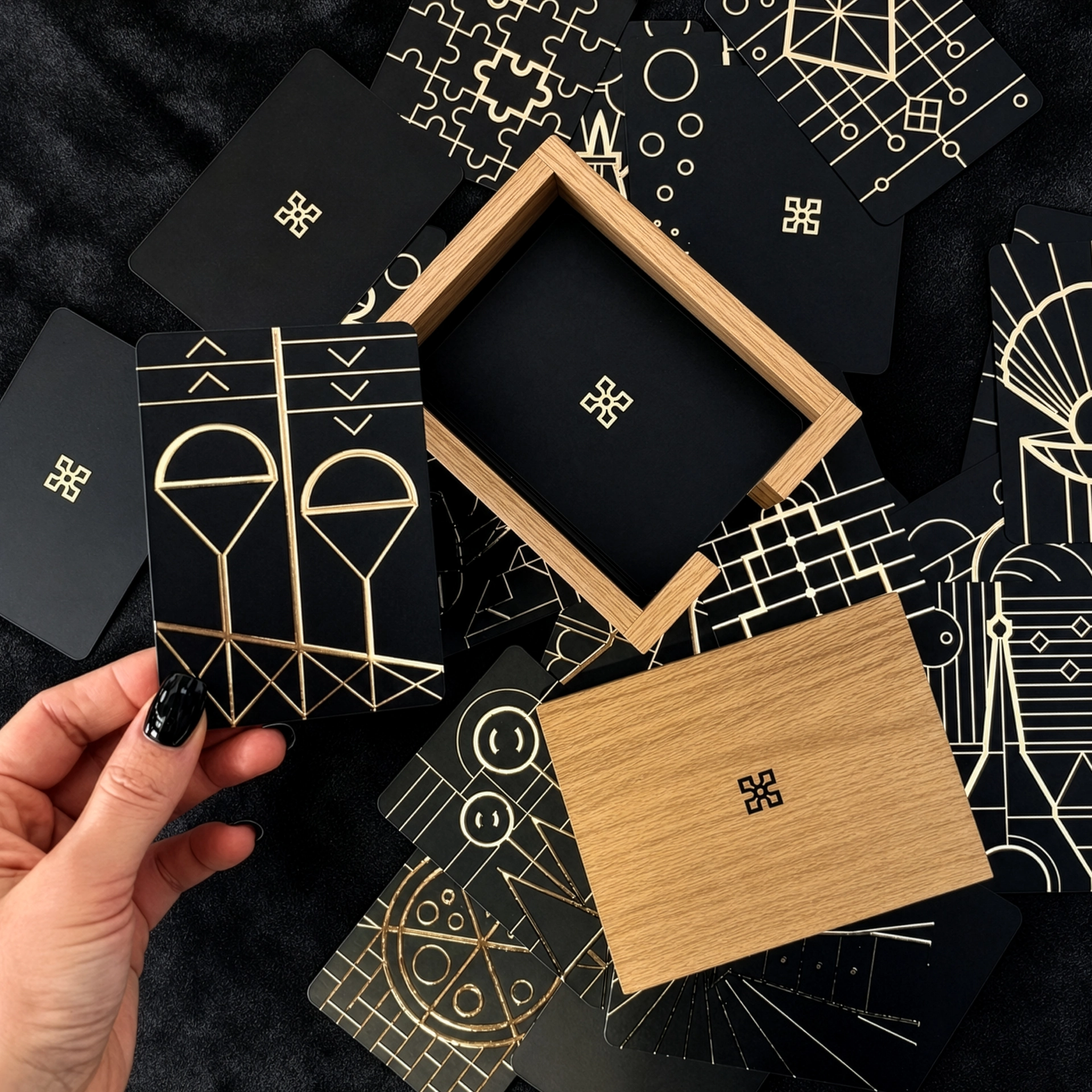
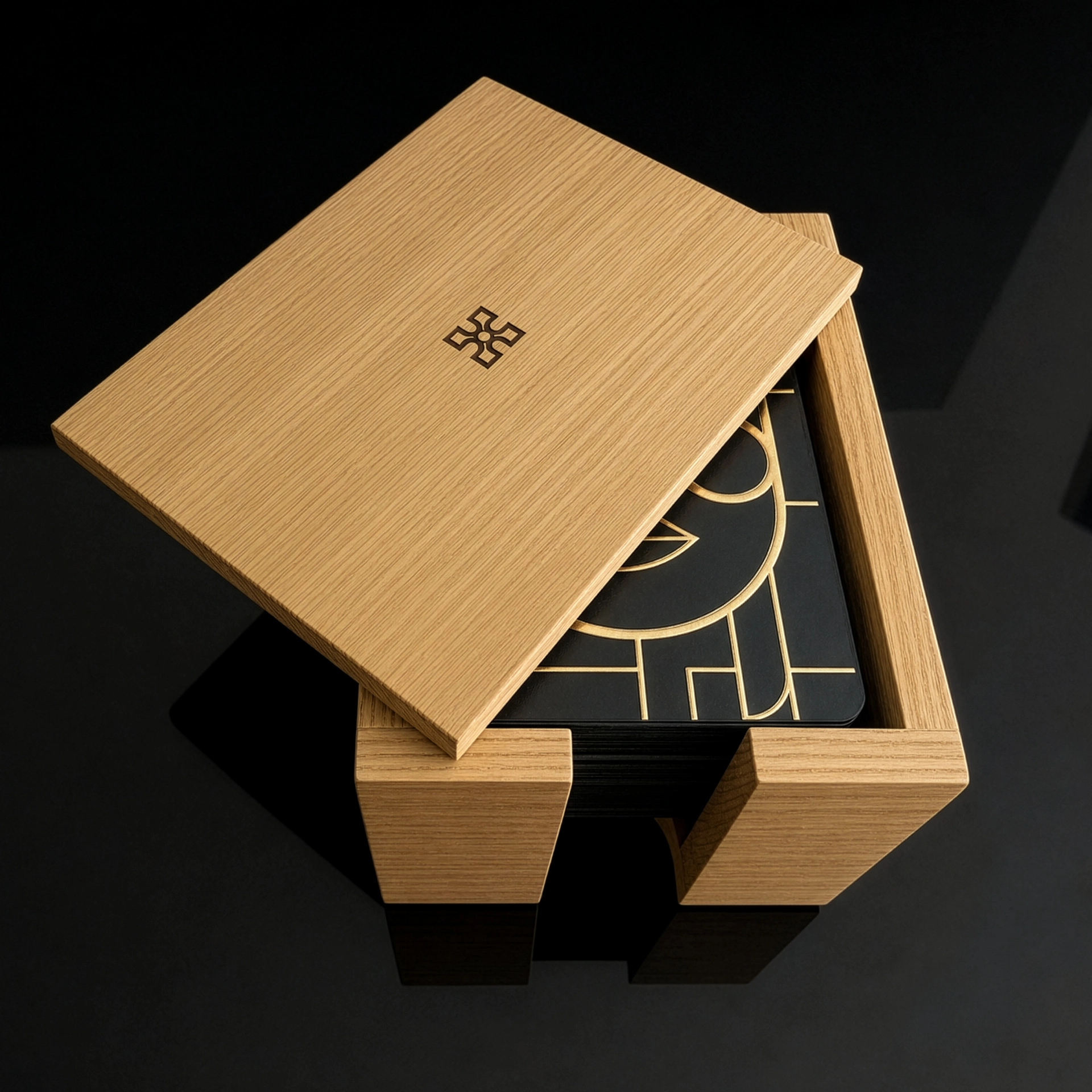
With the breaking of this communicative barrier in mind, we designed the brand Odoardo Alibi™. This striking, crafted tool gently takes from partners the burden of awkwardness while asking the hardest questions. A box made of solid oak gives you dignified cover for the hardest questions. The foundation is simple: it is no longer you who ask but the card, which lowers the tension. The box conceals within it 50 deep questions for your partner, constructed so as to bypass everyday banalities.
The process of decoding one's own emotional needs is inseparably bound to the quality of the environment in which we spend time together. Deep bonds cannot bear garishness and visual chaos, which the creator of the Odoardo™ ecosystem sums up:
“In a digital world dominated by algorithms that fight ceaselessly for our attention and try to optimize our every move, the luxury is deliberately putting the phone down.”
Following this line of thought, the domestic space too should favor quiet. A quarterly interior metamorphosis without renovation, based on selected works from the brand Odoardo Art™, allows one to create surroundings that quieten over-stimulated thoughts. In a space so designed, regular rituals for couples become a safe harbor, raising the chance of a lasting understanding.
Why we treat attention as the dearest currency in a relationship we describe in the manifesto.
 Odoardo Soul™
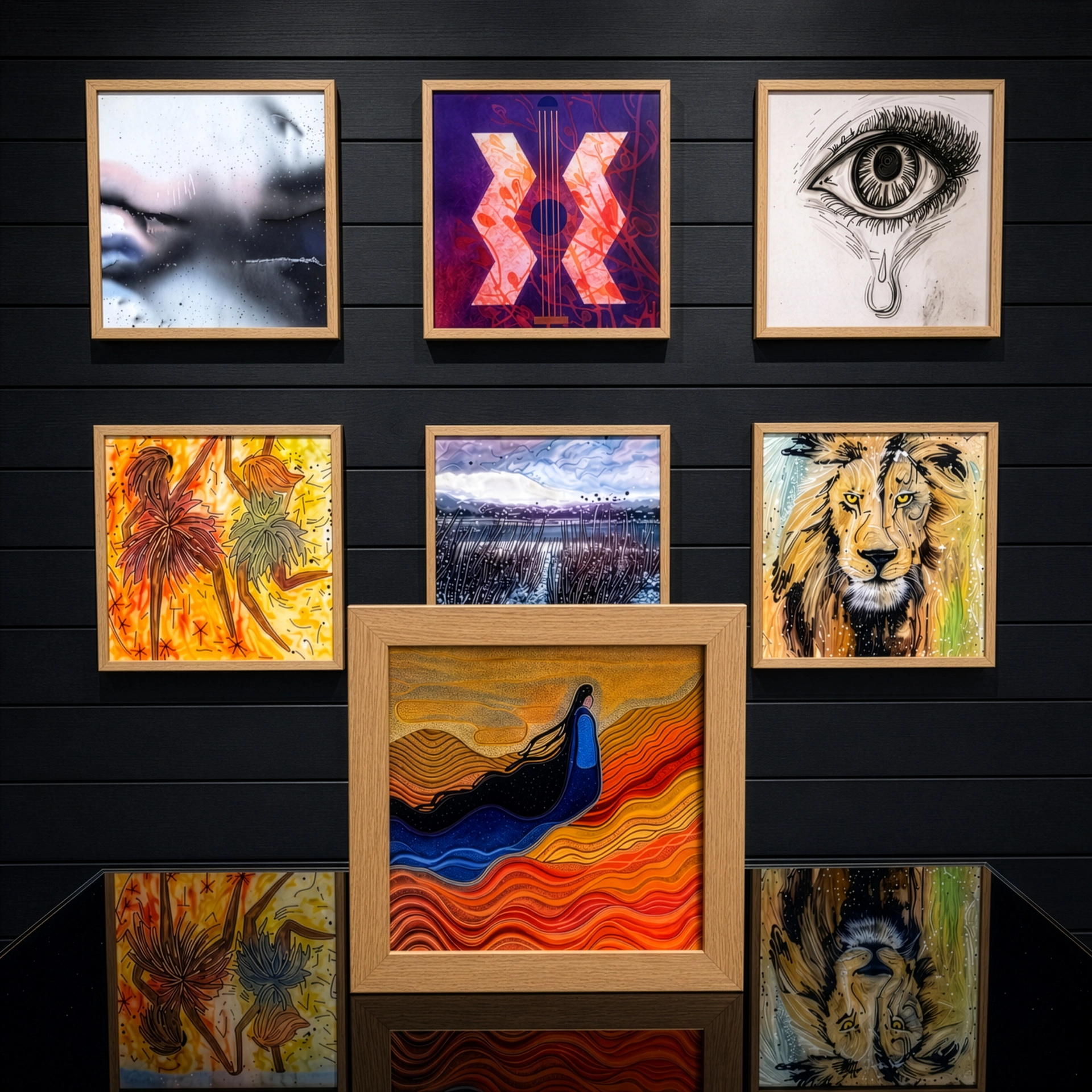 Odoardo Art™
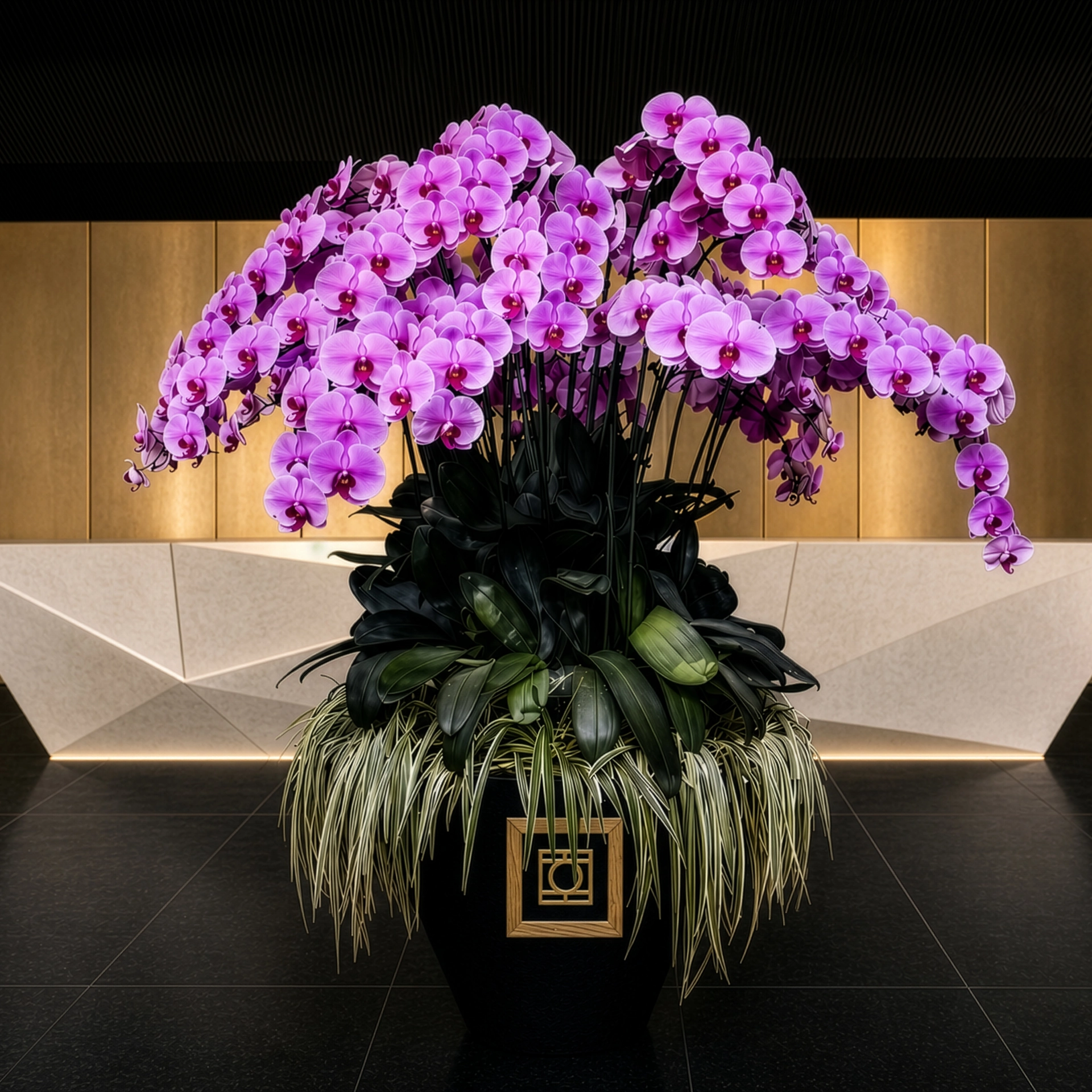 Odoardo Lens™
 Odoardo Space™