When we return home after an intense day, our nervous system demands recovery. Unfortunately, in many cases domestic spaces become merely an extension of the outside chaos. Shelves overloaded with trinkets, the blinking diodes of devices and a lack of order keep the mind on standby. In response to overstimulation, the current of the aesthetics of silence is gaining strength in interior architecture. It is minimalism, symmetry and the rejection of needless stimuli – not in the name of asceticism, but so that at home there is somewhere for the eye to rest.
What visual noise does to us
The link between the aesthetics of one's surroundings and how one feels is well documented. A space saturated with an excess of objects forces the eye into ceaseless processing of stimuli. Research on the everyday life of families links disorder at home with a raised level of cortisol. Visual chaos exhausts cognitive resources and makes concentration harder.
Ignoring the influence of space means falling into the “it will work out” trap. If disorder reigns in the living room, the household becomes irritable and escapes into the phenomenon of continuous partial attention. Clearing a space is the first step toward pulling down invisible walls in marriage.
An evolutionary sense of safety
Why do minimalism and symmetry work? Because a regular arrangement does not need checking. In a room of clean lines the eye stops searching for what is where and simply rests. To bring the aesthetics of silence into your home effectively, it is worth resting on three pillars of quiet luxury:
- Limiting the palette of colors and textures.
- The dominance of symmetry.
- Grounding through contact with a natural material.
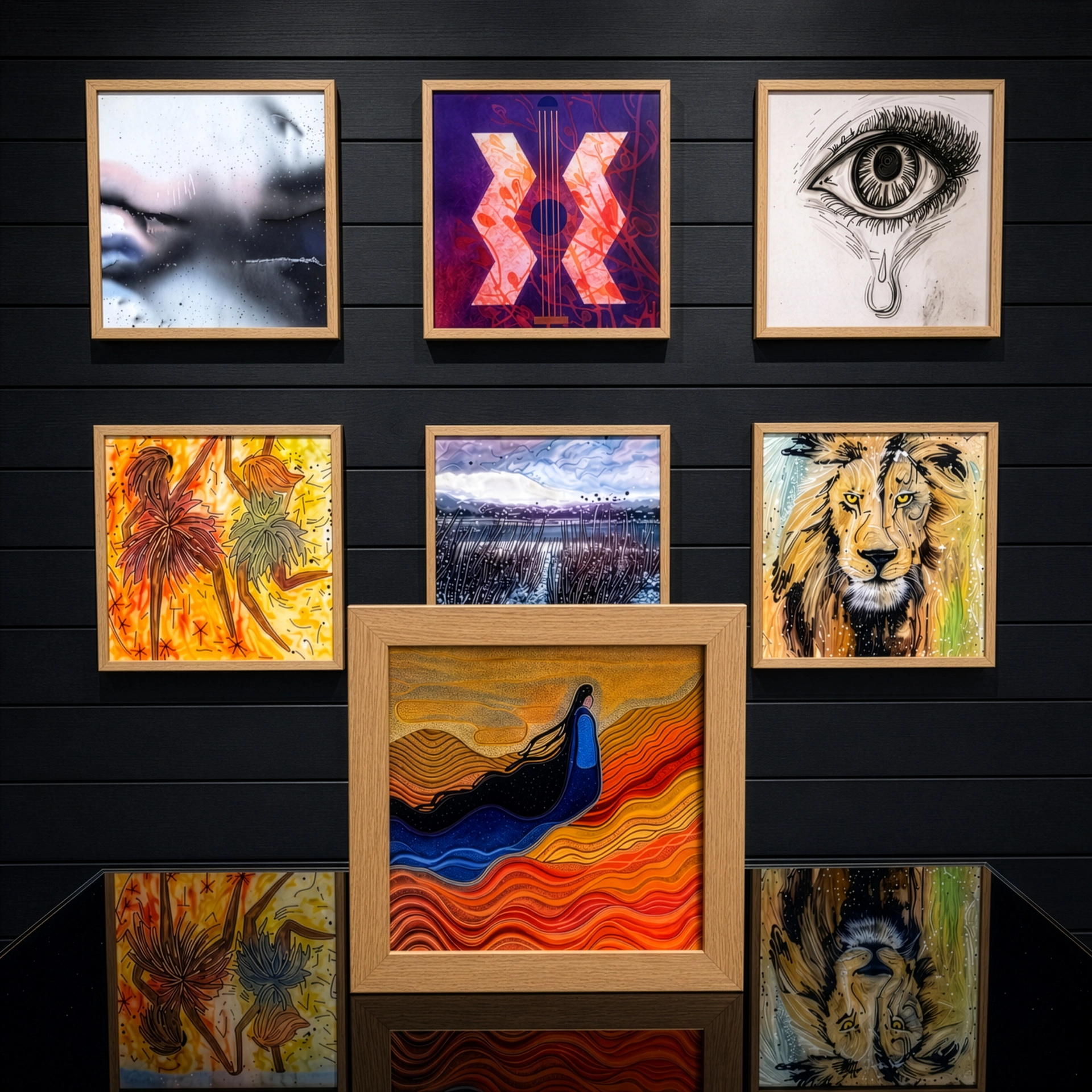
Into such a rigorous order fit collectible prints supplied by the Odoardo Art™ brand, as well as the screenless solutions of Odoardo Soul™, described in the piece Designing lounge areas without visual noise. On symmetry itself in placing works, we write in the piece Symmetry and wabi-sabi.
The oak box as a guardian of attentiveness
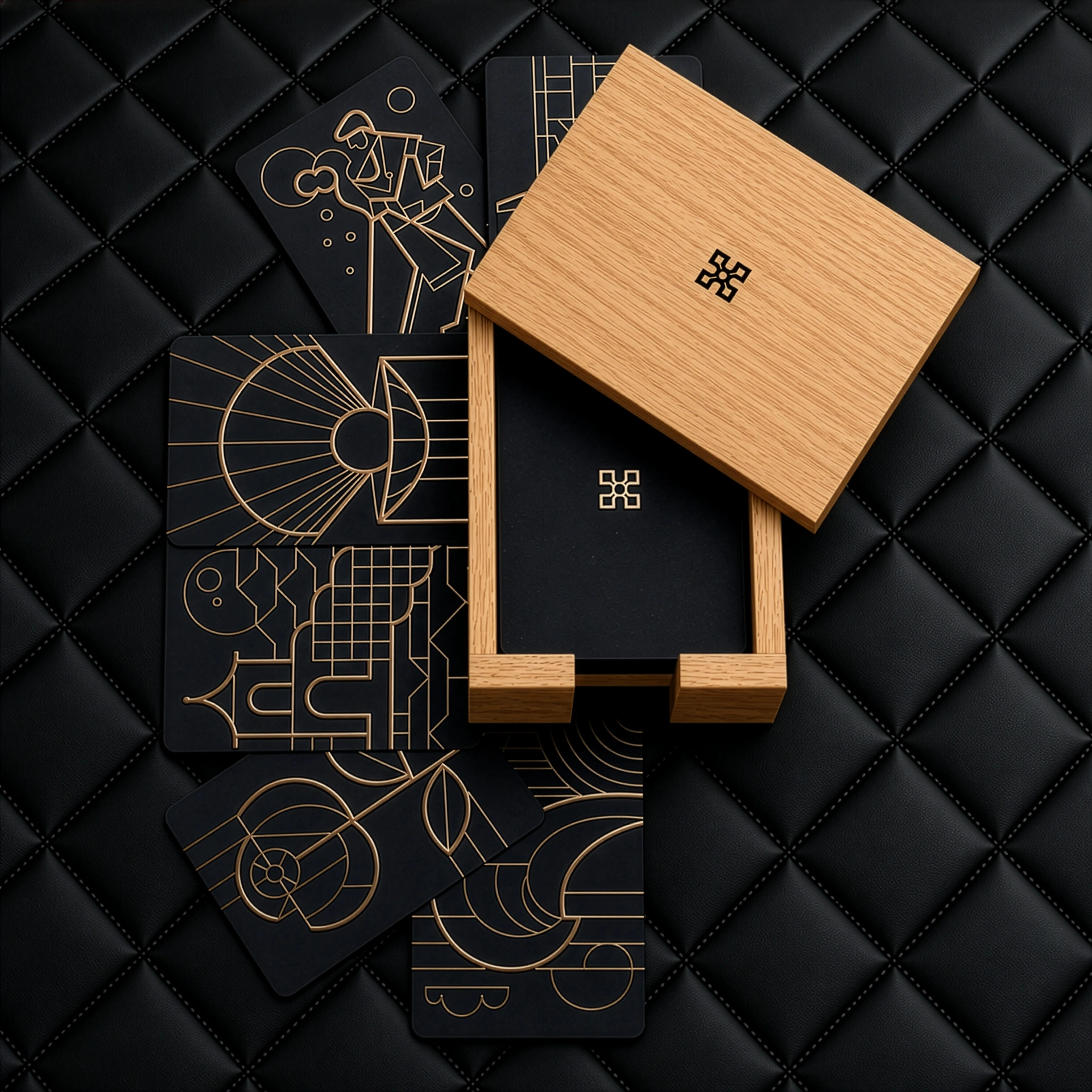
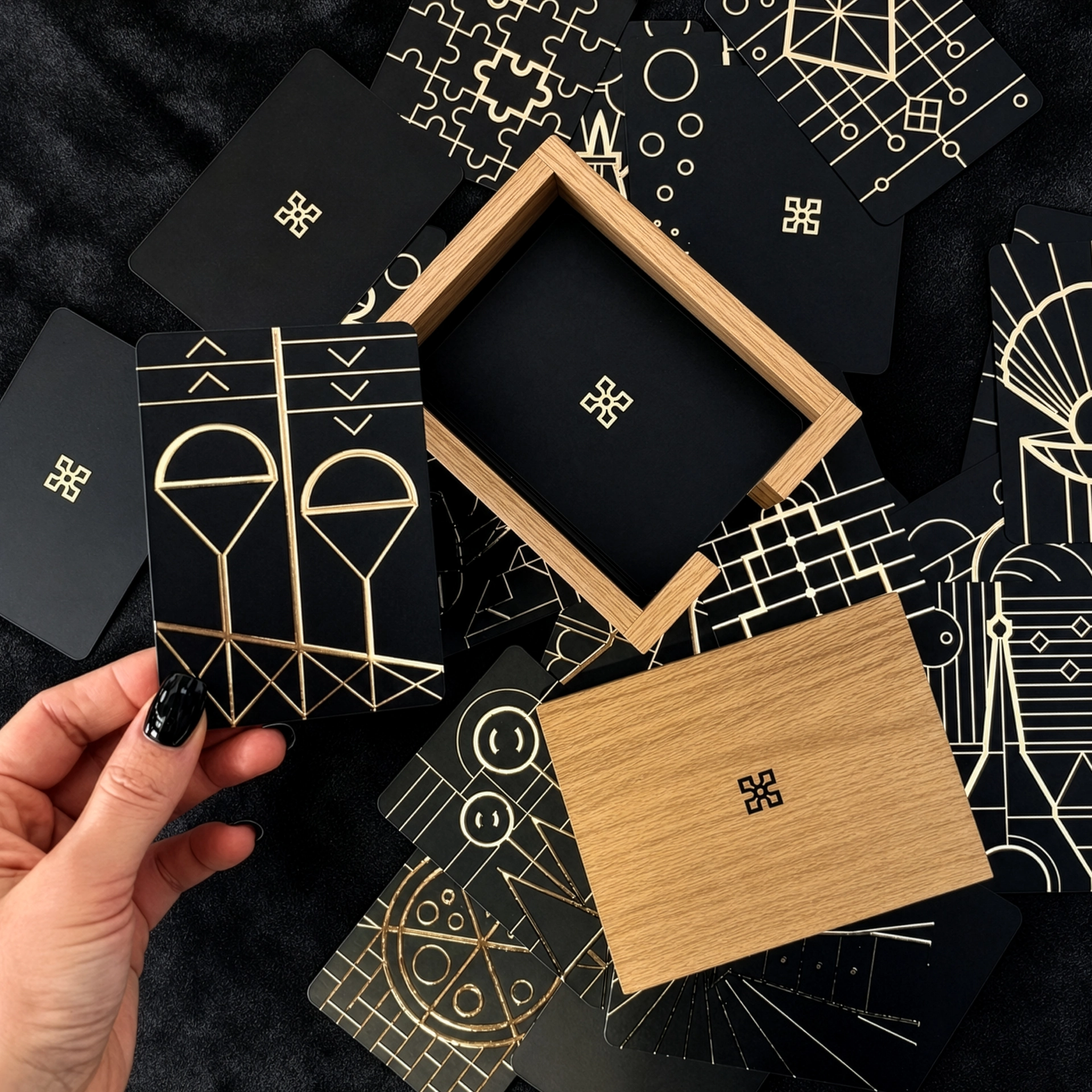
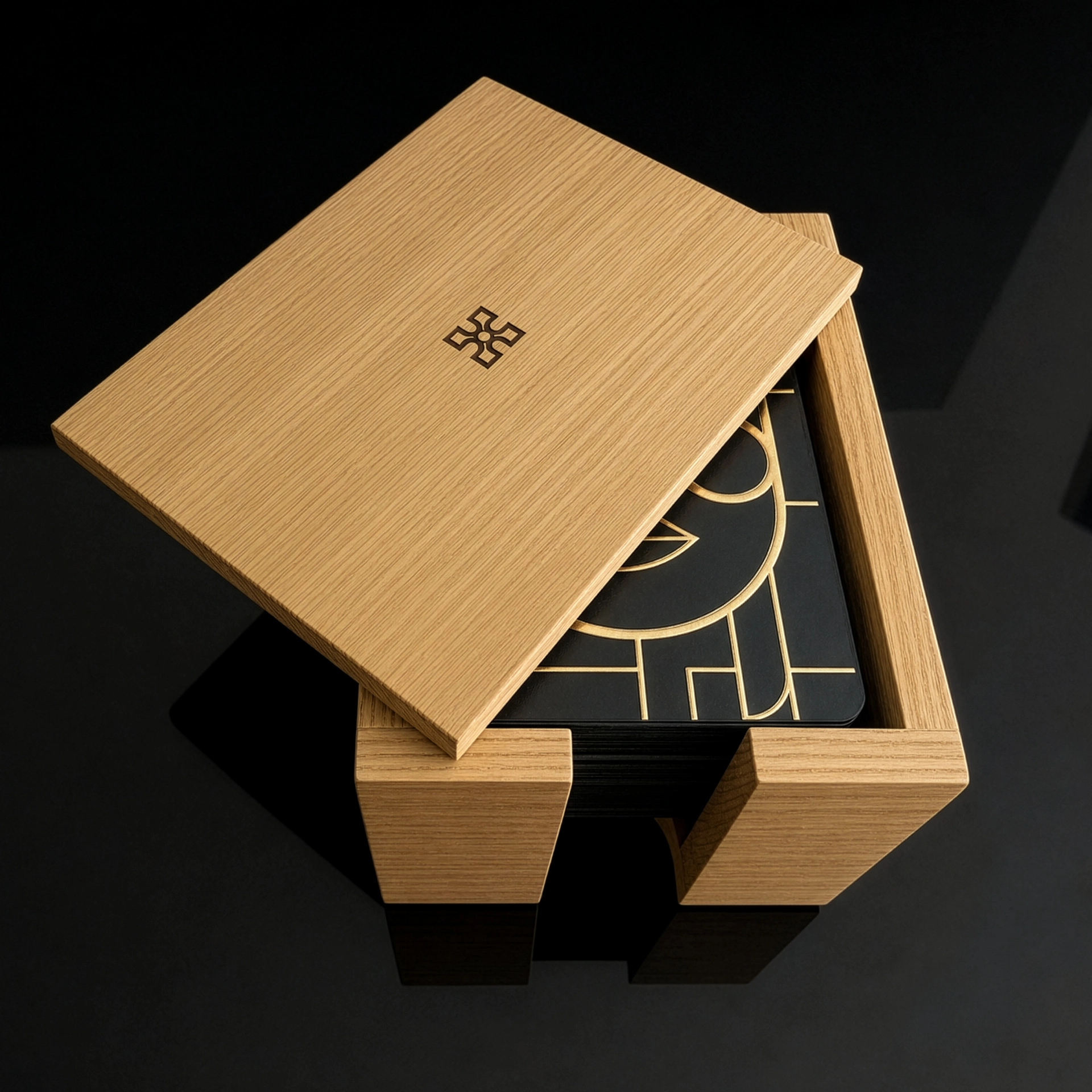
In a quietened, symmetrical living room, everyday objects gain the standing of artifacts. The central point can become the Odoardo Alibi™ set. A box of solid oak closed with invisible magnets is the quintessence of the aesthetics of silence.
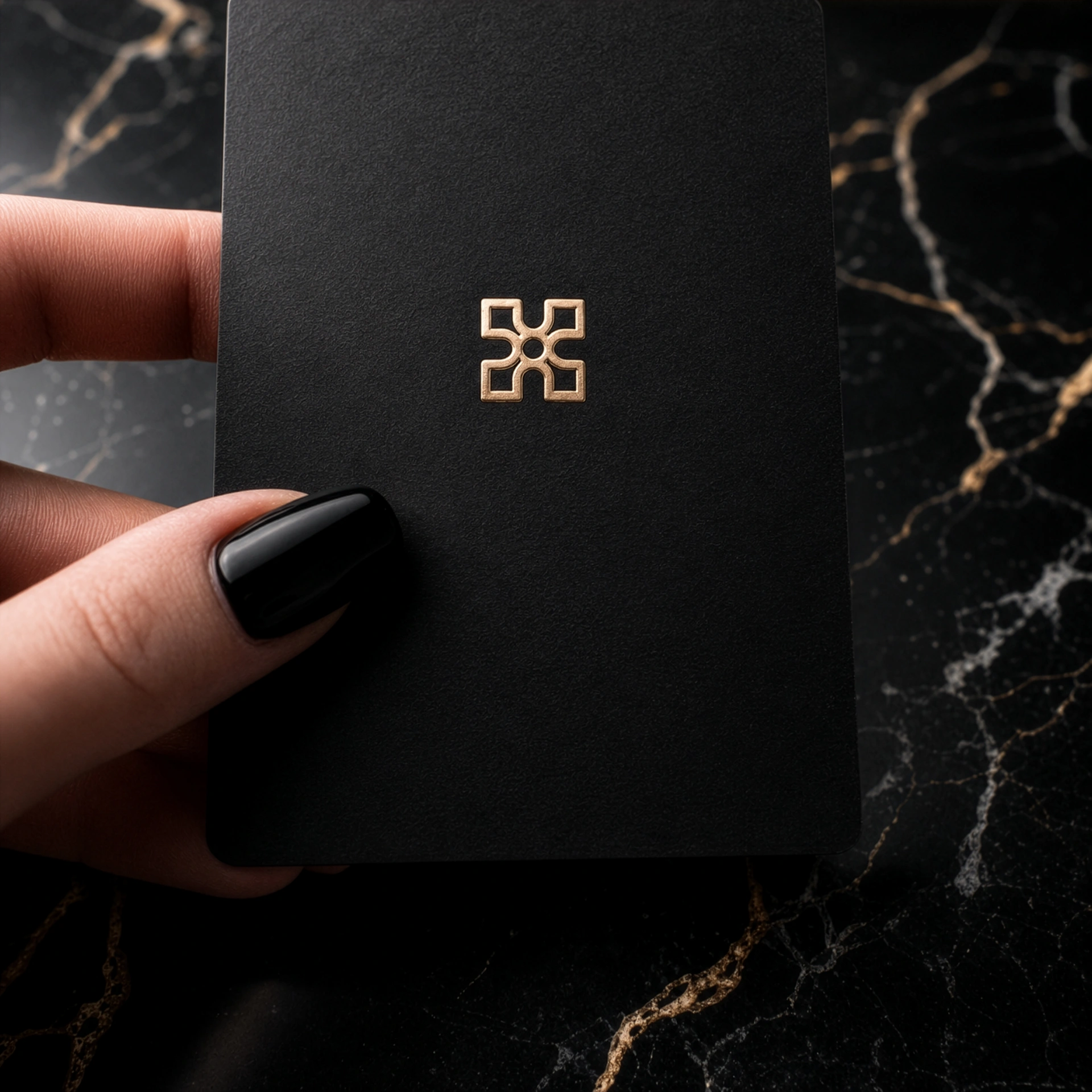
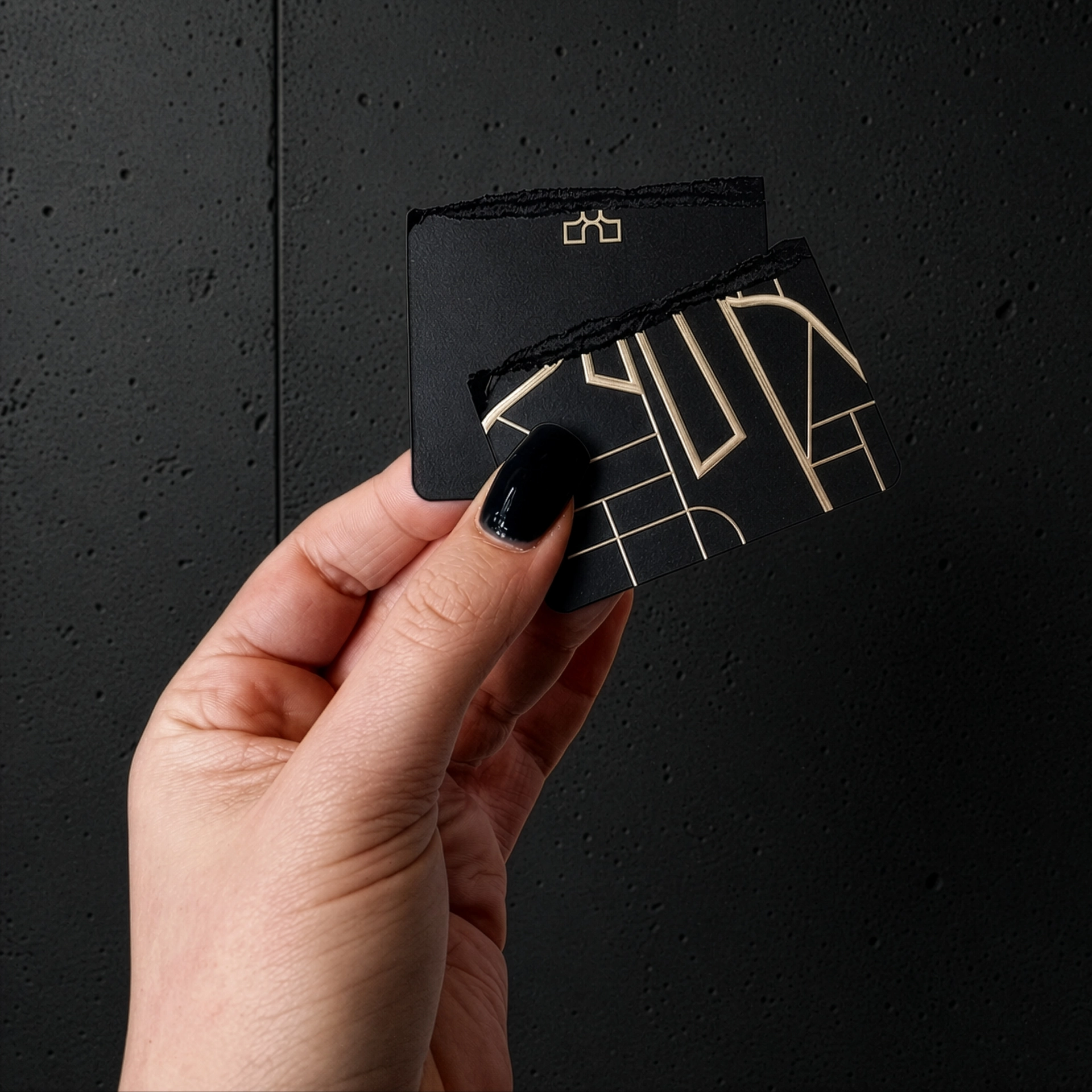
The interior of the box holds 50 deep questions for your partner. The set moves the weight of the question from the person to the object. The concept of the cards, based on Geometric Noir illustrations, makes partners aware of the meaning of silence and image in communication. The object on the table is a promise of time spent in active listening in a relationship.
Hidden engineering
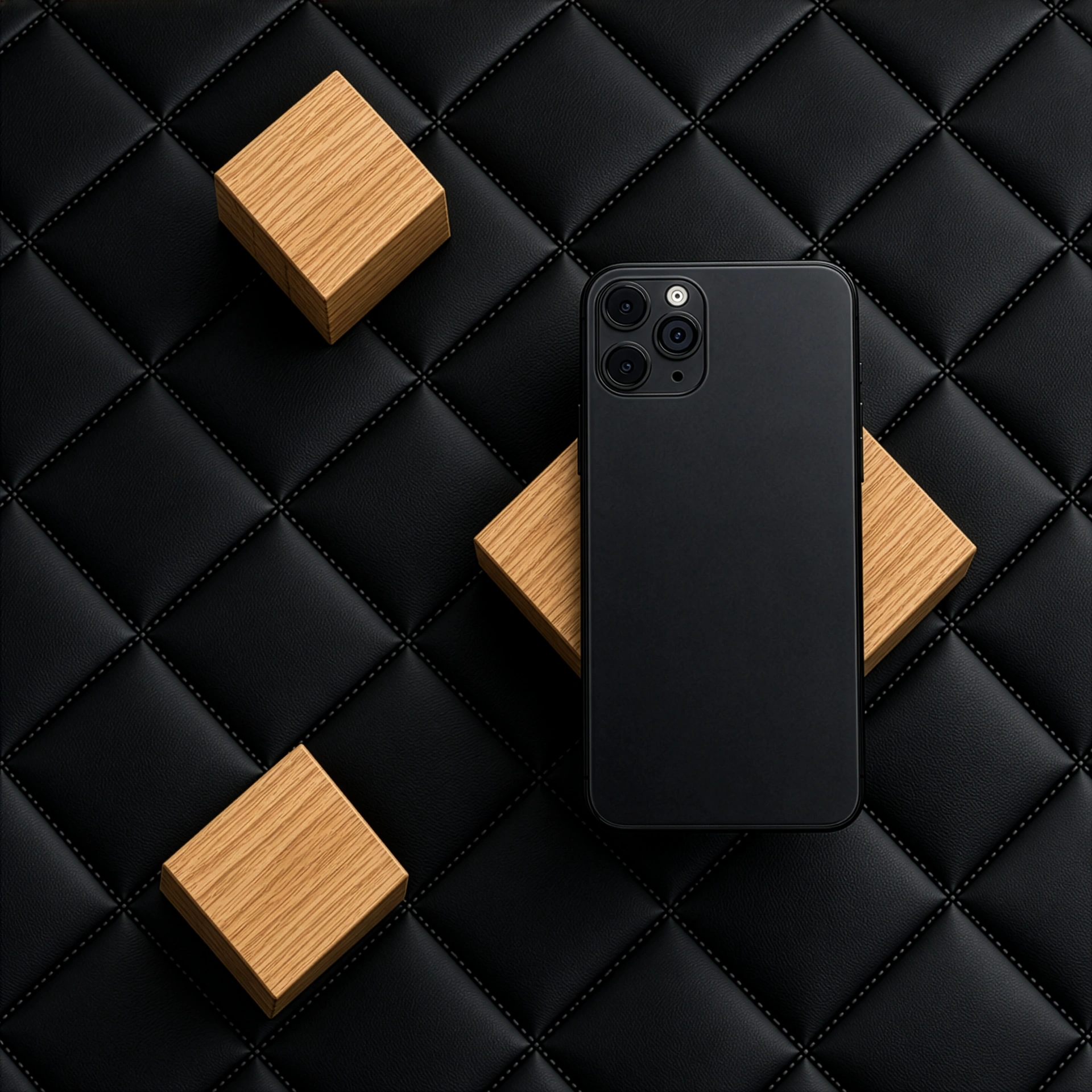
Building a domestic sanctuary requires an uncompromising approach to technology. If a smart home forces us to interact with glaring screens, it destroys the aesthetics of silence.
“The triumph of engineering and design in interiors is the invisibility of technology. Real innovation today lies in a home caring for our comfort in the background, without demanding our attention. When screens vanish from the field of view, we regain the ability to concentrate deeply and to build bonds on the basis of physical matter.”
Putting this philosophy into practice, it is worth joining evening rituals for couples with a consistent digital detox before sleep. Replacing electronics with physical contextual interfaces from the Odoardo Soul™ brand removes glaring screens from the field of view and makes rest more effective.
Why silence is for us a design decision and not a lack of ideas, we explain in the manifesto.
 Odoardo Soul™
 Odoardo Art™
 Odoardo Lens™
 Odoardo Space™