Imagine a perfectly designed lounge area in a luxury mountain chalet. The interior is filled with the smell of waxed wood, the soft light of a fireplace subtly emphasizes the texture of woolen throws, and every piece of furniture is the result of hundreds of hours of master craftsmanship. And then, in the very center of this carefully created oasis of calm, our eye falls on a garish plastic smart home control panel set into the oak paneling, and on a tangle of charging cables abandoned on the coffee table. In a fraction of a second the whole spell breaks, and a refined space starts to resemble an office meeting room.
Visible electronics are increasingly a challenge in high-end interior design. Screens, cables and control panels can disturb the visual coherence of a space, which is why designers strive to integrate them discreetly with the architecture and the furnishings. Today's audience expects technology to solve problems rather than create new ones – it is to remain intuitive, harmonious and almost invisible.
Aesthetic dissonance in the smart home era
The drive toward full building automation has in recent years led to a kind of invasion of plastic into classic design. To offer investors convenience, dozens of switches are mounted on walls, and further remote controls and tablets land on tables. For somebody who came to rest, every glowing screen looks exactly like the ones they wanted to rest from.
Introducing such elements into lounge areas, private libraries or closed cigar clubs stands in sharp contradiction to the philosophy of quiet luxury. Real luxury is a space that calms the senses rather than demanding constant attention. To save classic proportions and the nobility of materials, architecture must absorb technology and make it entirely transparent.
Sleeping matter instead of plastic panels
The solution that successfully eliminates disfiguring electronics is the contextual physical interfaces of Odoardo Soul™. The concept assumes that the heart of an intelligent lounge area should not be a garish display but pure, solidified matter.
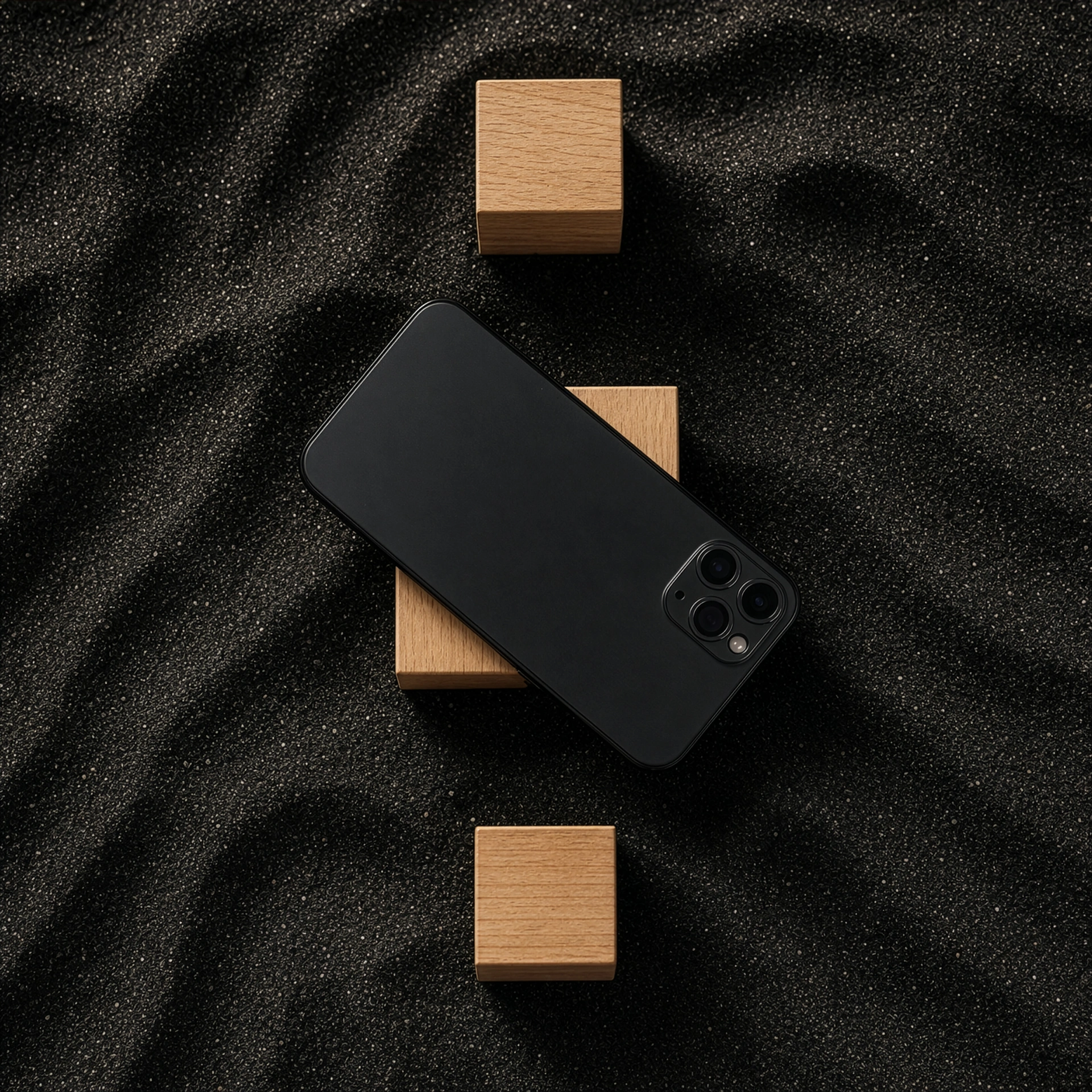
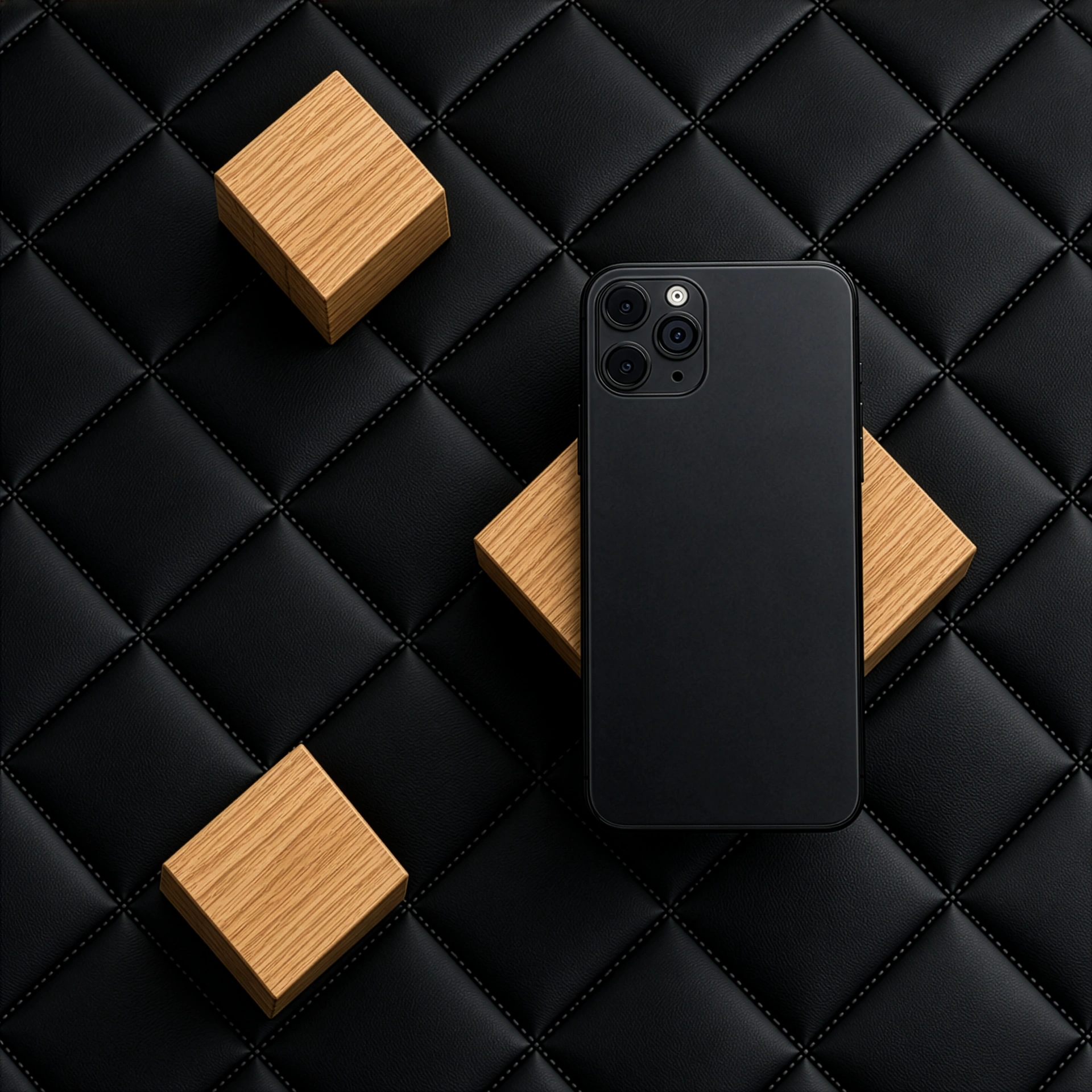
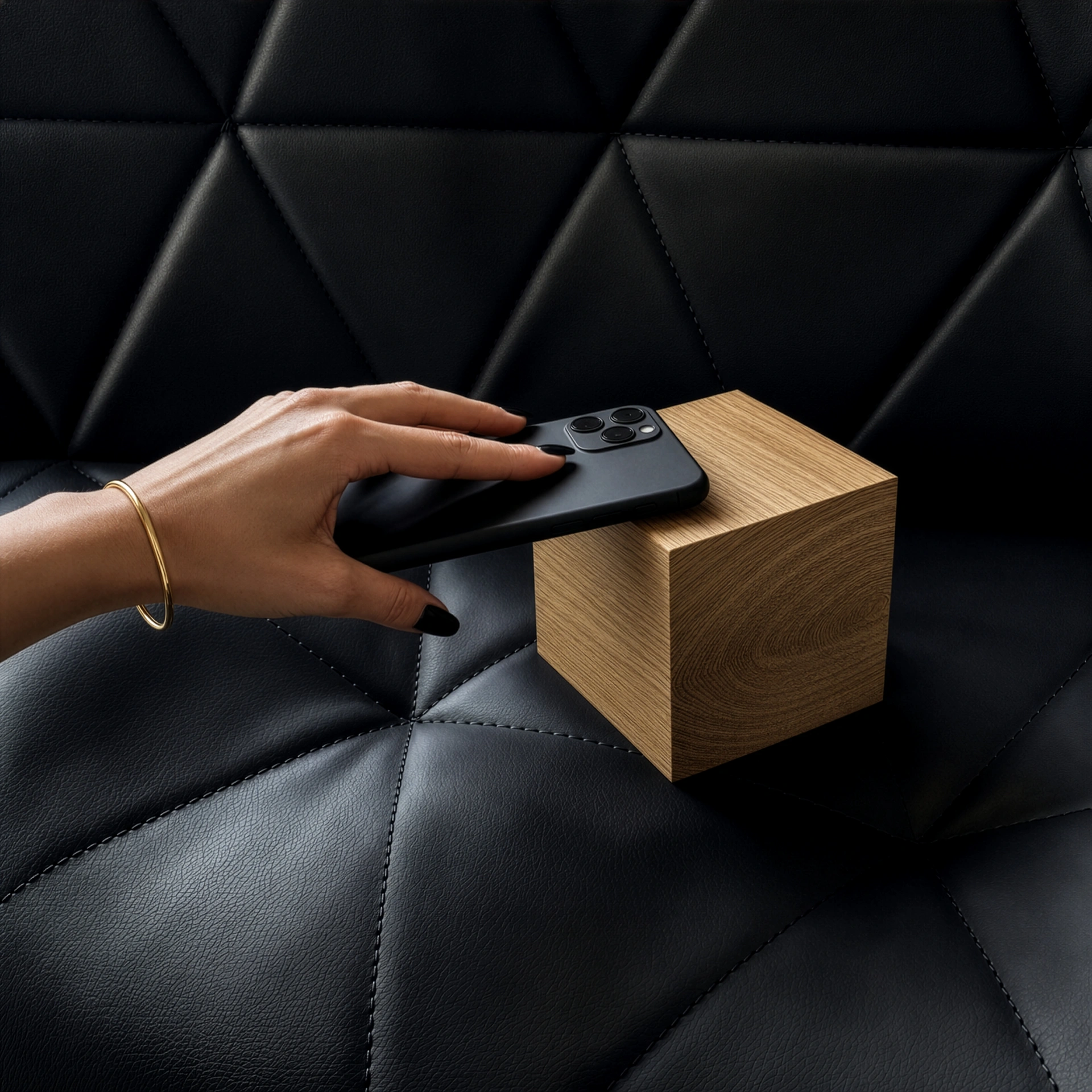
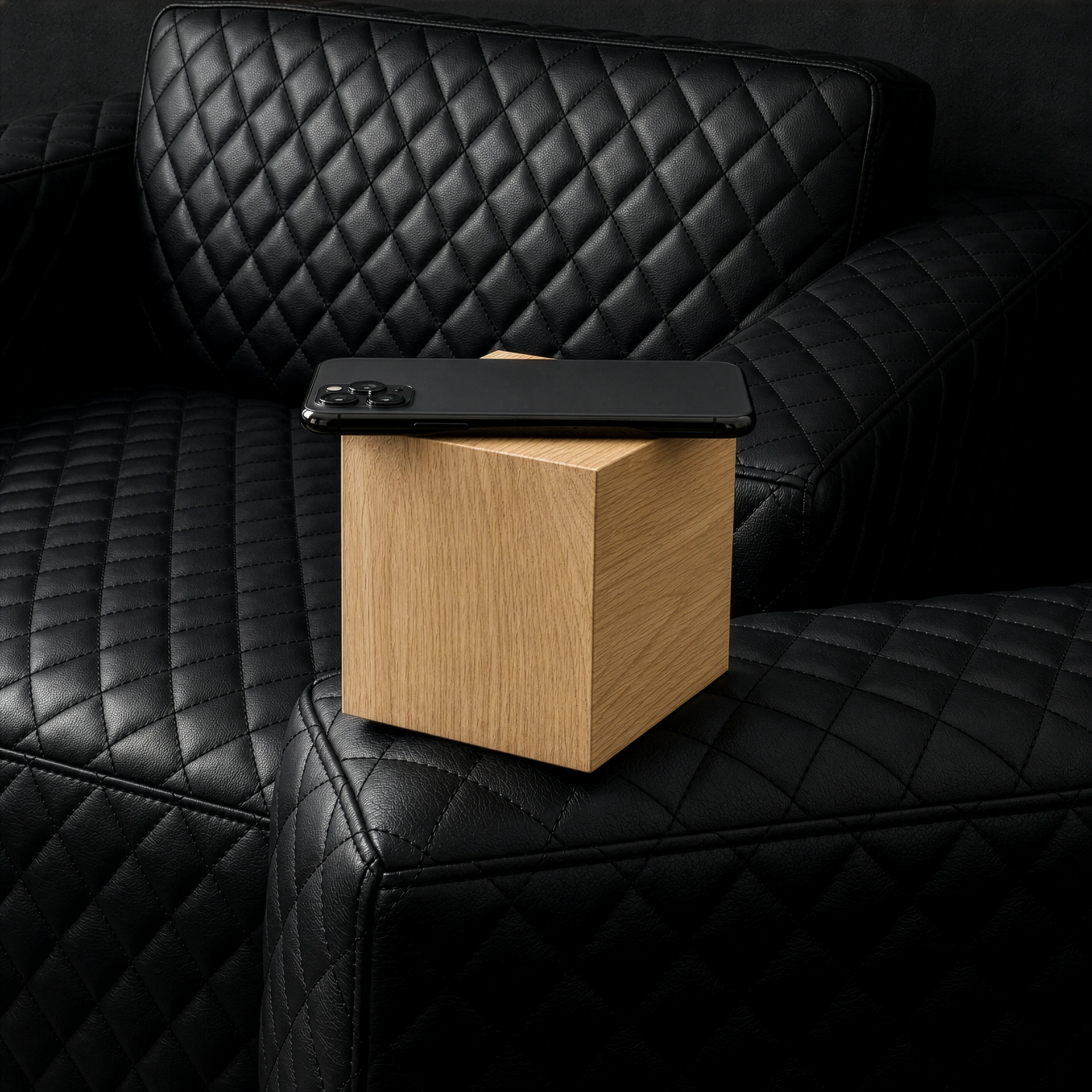
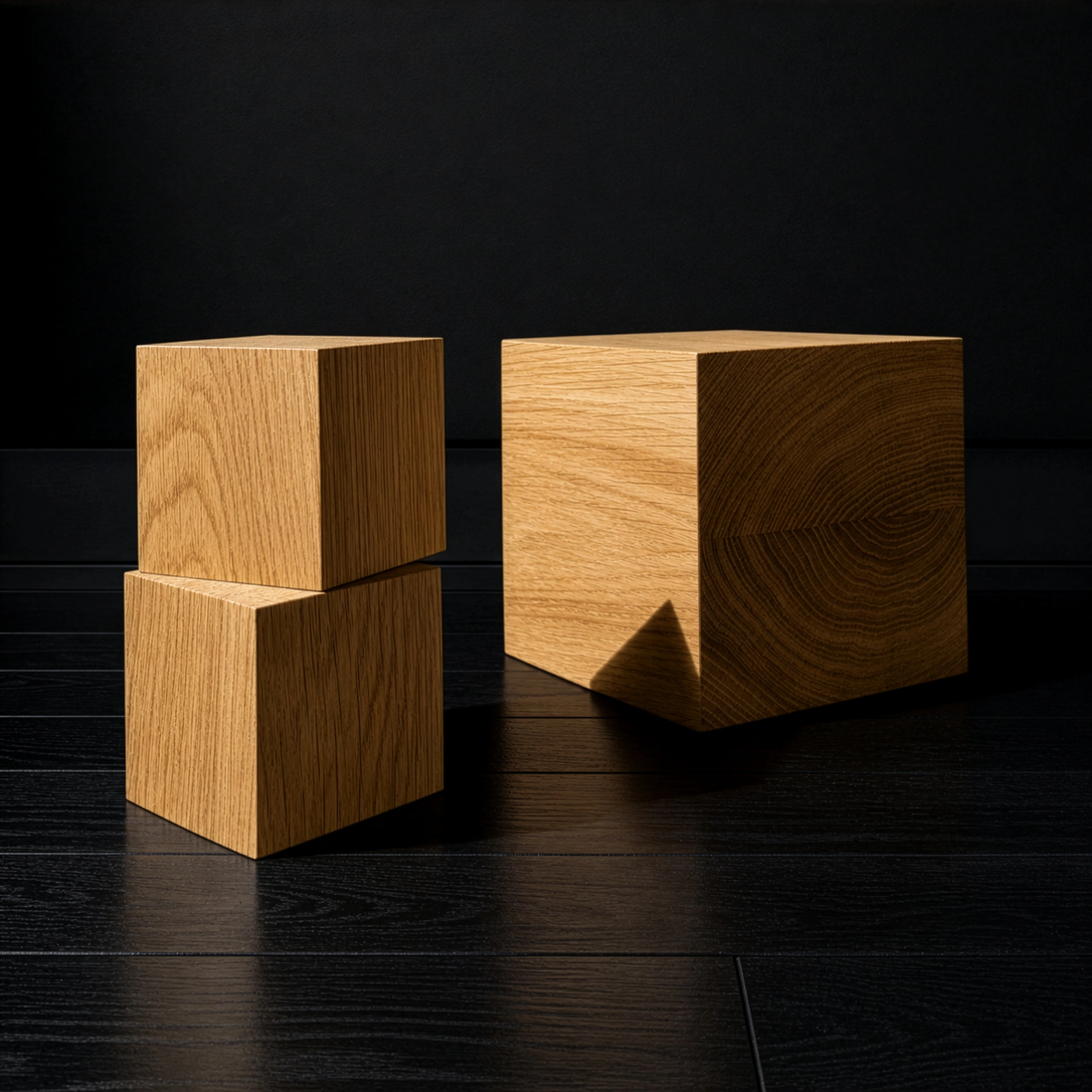
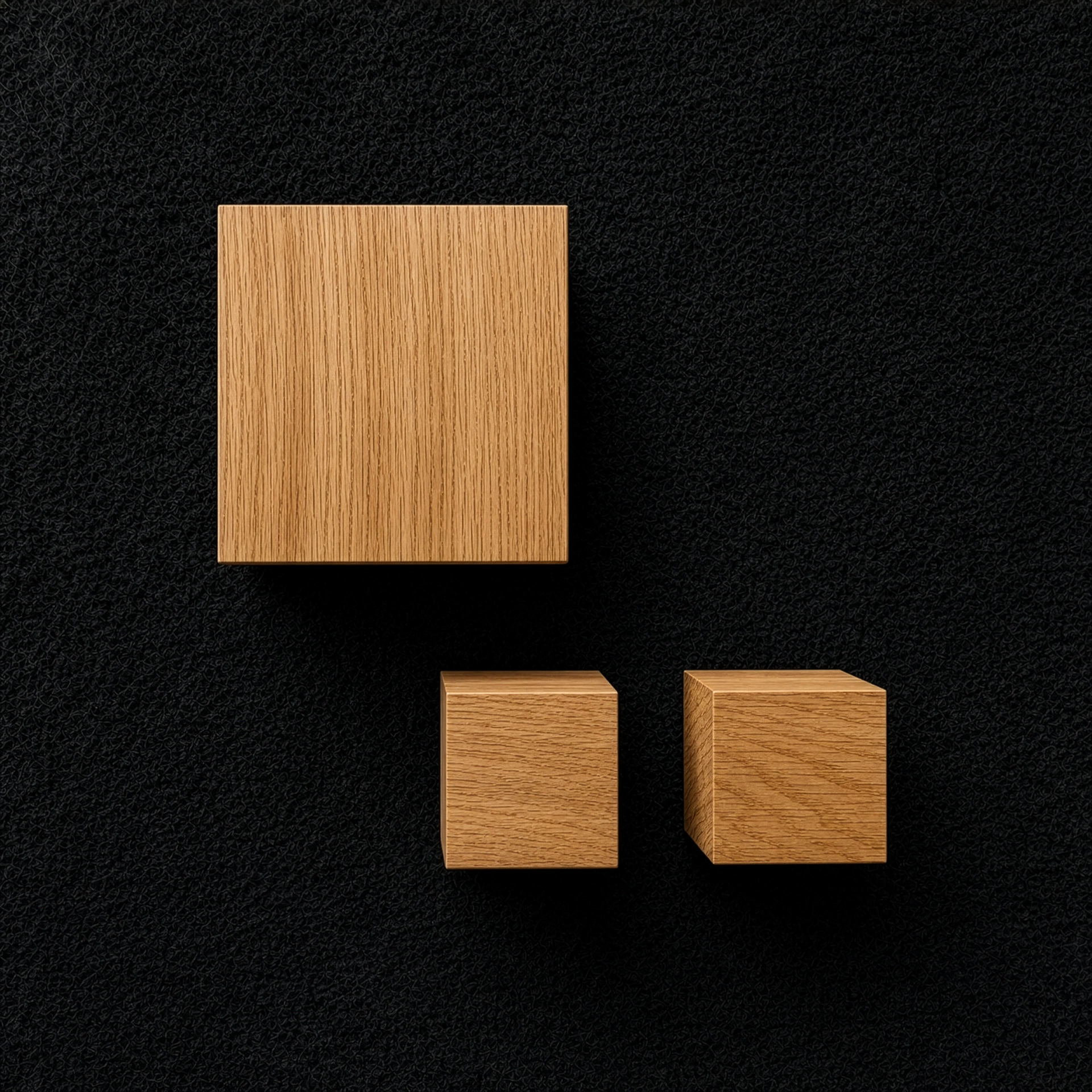
In practice the system takes the form of a minimalist cube milled from solid oak, with an edge of 5 or 10 centimeters. It can be set down freely on a console or coffee table, where it resembles an elegant paperweight or a sculpture. The device has no cables, no LEDs and no screens. When a resident wants to change the mood – dim the lights, close the blinds and start quiet music, say – they simply bring their phone close to the edge of the cube. That soundless touch wakes the microchip hidden in the wood, and the conversation runs on the assigned context of the place, without launching any application. Carrying out such a scene requires a connection to the venue's automation, which we prepare to order. We describe this more fully in The translator of walls in luxury residences.
Harmony of the senses and holistic design
When we free a space from technological clutter, the eye and the mind can finally focus on what is genuinely valuable. Clean walls recover their original purpose and become an ideal setting for a living gallery. Bringing rotating art from Odoardo Art™ into such an interior, delivered in noble oak frames, allows the character of a relaxation area to be refreshed periodically – why static decoration ceases over time to be noticed is explained in The psychology of changing space.
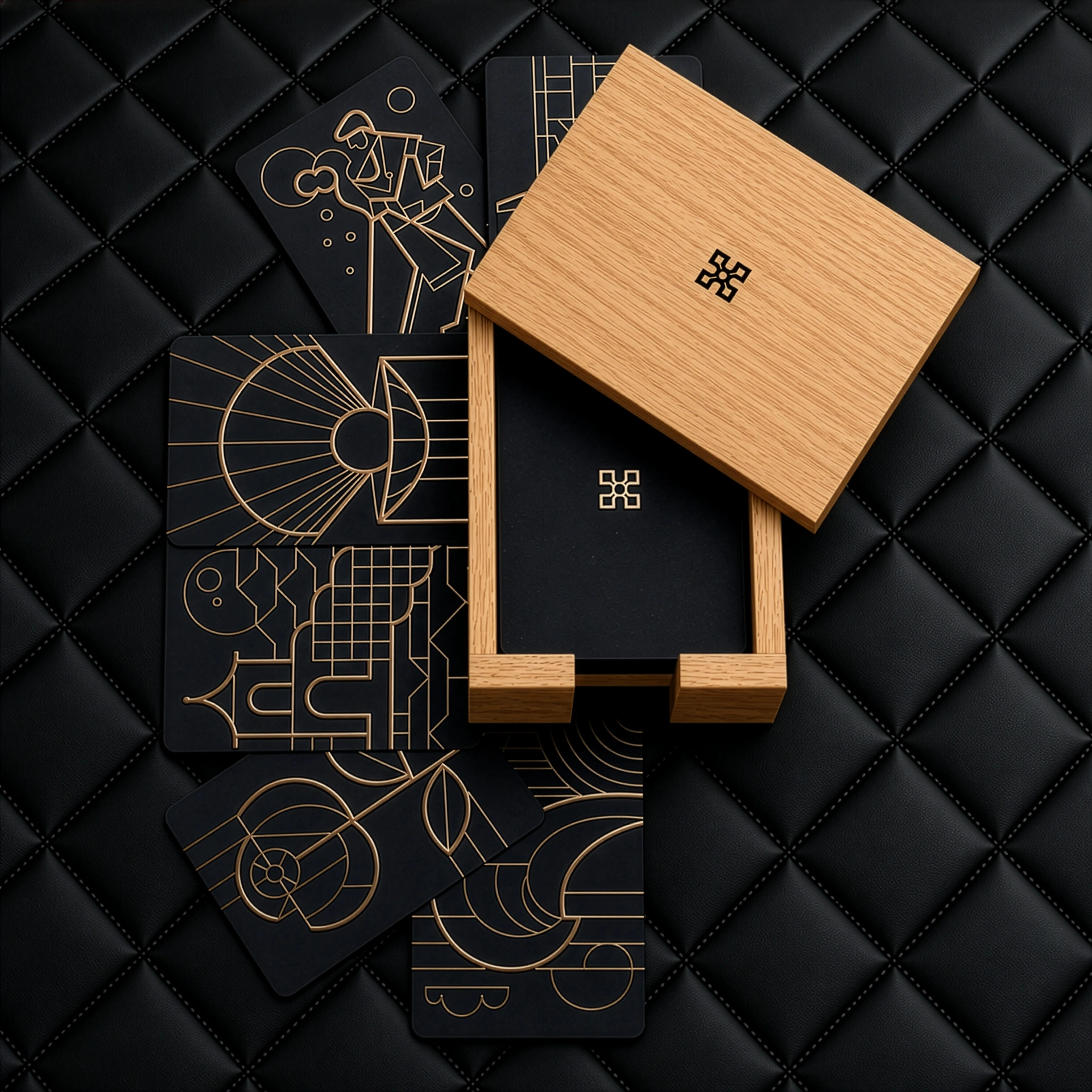
In a space designed this way, free of distractions, the need to nurture human relationships arises naturally. The elegant cards of Odoardo Alibi™ lying on a table can be a discreet invitation to honest, deep conversation, letting residents or hotel guests truly be “here and now” – we write about this in An alternative to the phone in the bedroom. And when the beauty of a classic interior prompts visitors to capture it on video, it is worth making sure the recordings convey its real charm. The cinematic standard, backed by the virtual direction of Odoardo Lens™, leads a guest through curated shots, turning accidental material into Curated Guest Content (CGC).
For this considered ecosystem to build a strong brand on the outside market, however – whether for an exclusive club or a luxury boutique – all communication must rest on solid digital foundations. An address from the Odoardo Space™ portfolio, which competitors will not use, increases the chance that a company's image online will be as clean and free of noise as its physical interiors. The consequences of the opposite choice are described in The cheap address trap.
“Screens in places of relaxation can steal our attention and destroy the harmony an architect worked out. The real technology of tomorrow is technology that has the courage to disappear. When we lock advanced engineering inside raw wood and wake it with a single touch, we give interiors back their soul, and people back their right to undisturbed rest.”
Saving lounge areas from the invasion of electronics is not merely a question of aesthetics; it is an investment in digital hygiene and in users' well-being. Entrusting the conversation about a space to sleeping, elegant matter significantly raises the standing of any project, proving that in the contemporary world the greatest luxury remains flawless calm.
The foundations of this approach are gathered in the Odoardo™ manifesto.
 Odoardo Alibi™
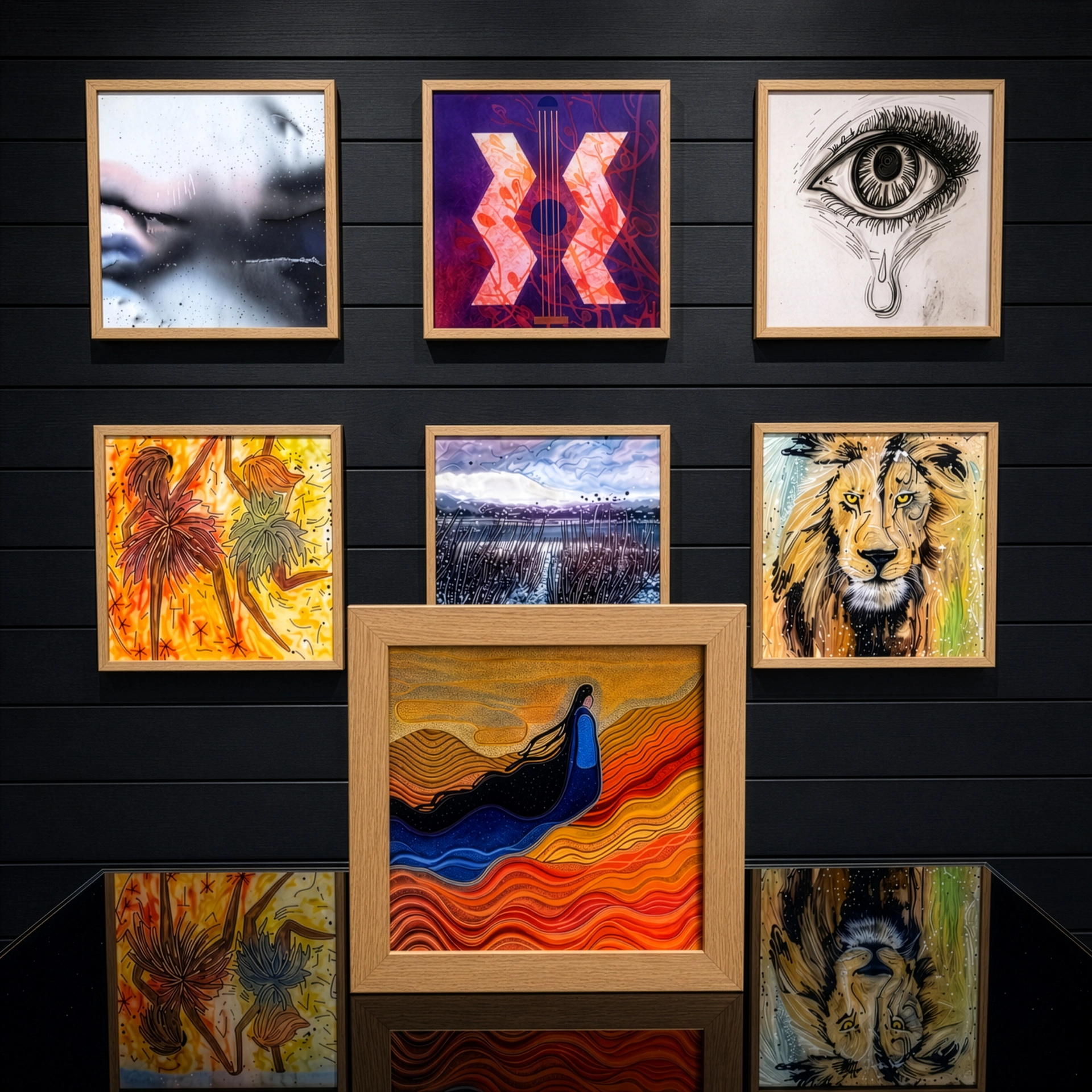 Odoardo Art™
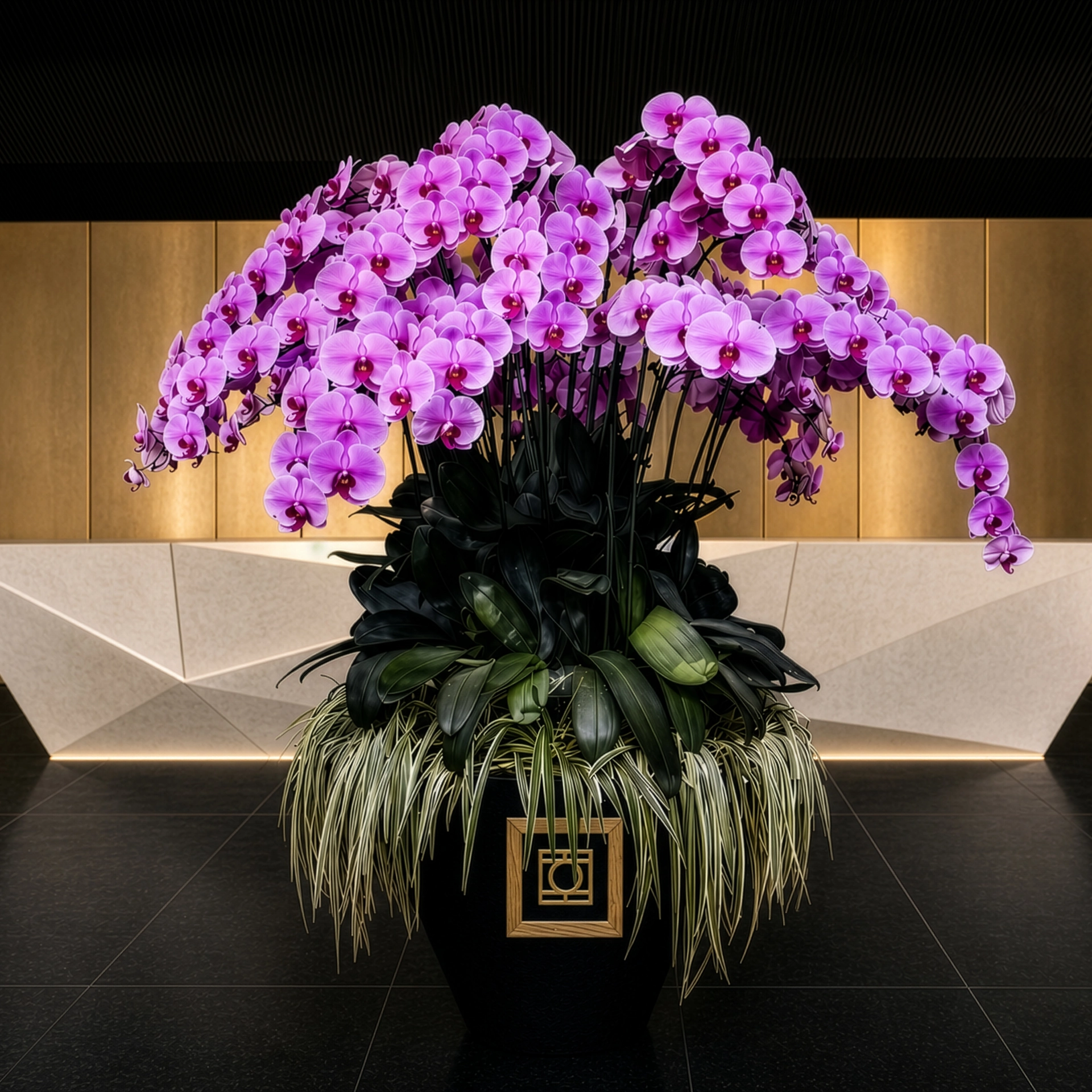 Odoardo Lens™
 Odoardo Space™