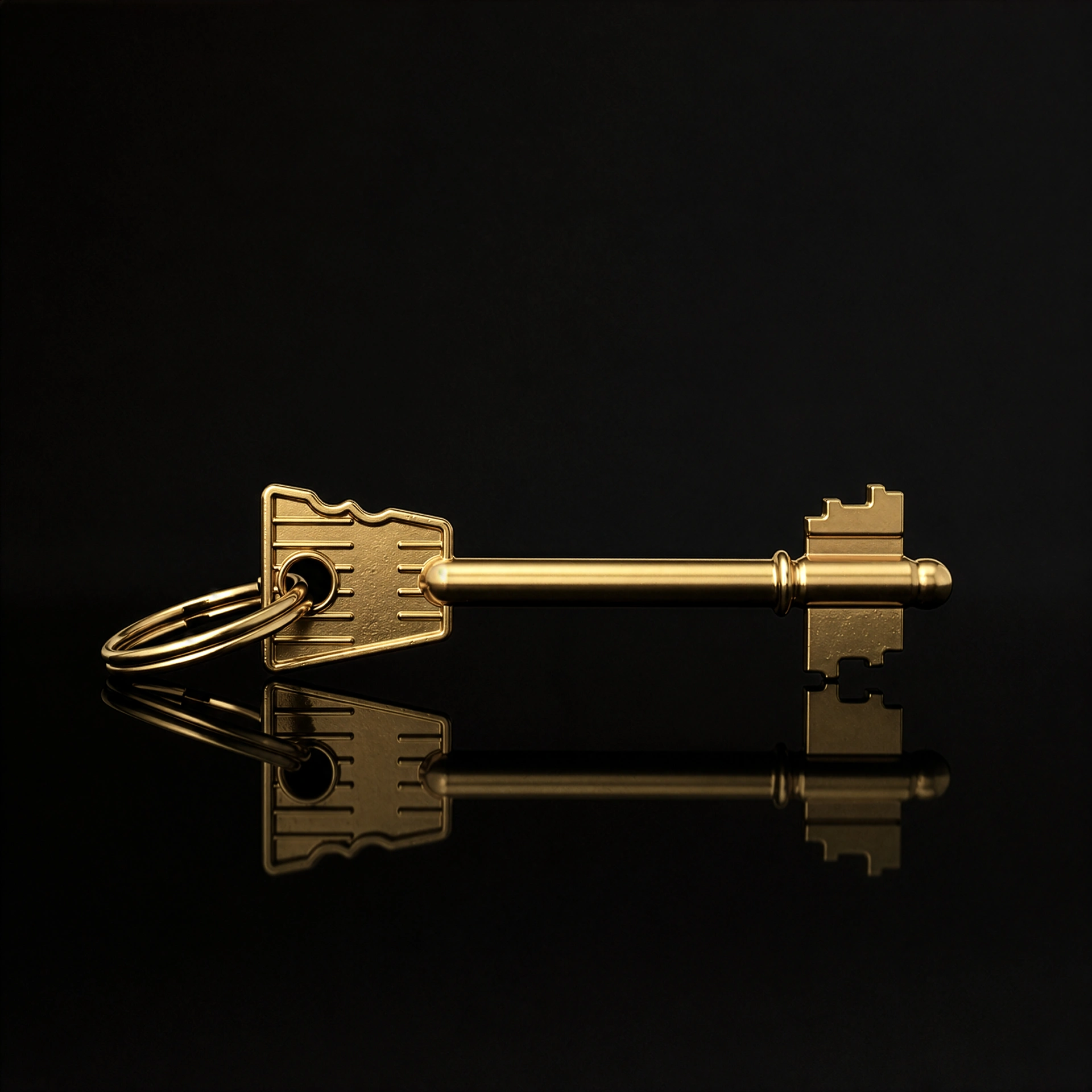
Investors and boards of luxury properties know perfectly well that perfection costs. Finishing a lobby in rare woods, the careful choice of lighting or a bespoke design for the wellness zone are multi-million investments. Yet on collision with digital reality, that meticulously built image is often reduced to the level of an amateur smartphone recording. When a delighted guest publishes a blurred video, enriched with distorting filters and irritating background noise, the property unwittingly loses the authority it worked so hard for. This phenomenon exposes the greatest weakness in the widespread enthusiasm for grassroots content creation.
The illusion of free promotion
For years the hospitality industry treated User-Generated Content (UGC) as a free and organic marketing tool. Today, for the high-end segment, that uncontrolled stream of content can be extraordinarily risky. Amateur shots cannot convey nuance, leaving the viewer solely with an imperfect, two-dimensional image. We describe an understanding of that problem at greater length in the publication The psychology of aesthetics in hospitality.
In consequence, instead of the desired effect of free advertising, a property not infrequently faces a market devaluation of perceived quality. Seeing visually weak stories, potential guests agree to the full price less readily, and the sales department begins to defend the Average Daily Rate (ADR) with a discount.
Taking over the direction of memories
The escape from UGC chaos appears to be establishing a new, uncompromising standard: Curated Guest Content (CGC). Instead of fighting guests' natural need to capture moments, hotels can subtly guide their attention by supplying the right tools for it.
That transformation is made possible by Odoardo Lens™. Relaxing in their suite, the client finds on the table an elegant card made of black paper, finished with three-dimensional gilding. Bringing their own phone close to it launches a cinematic interface in the browser. That system becomes an invisible assistant: it discreetly suggests shots, takes care of unobtrusive upselling of treatments and dining services, and then renders the film in the background, applying dedicated color grading among other things. The finished material stays under the guest's control – the brand may publish it solely with their consent. How the card itself works we describe in the text Technology without barriers.
Bypassing the commission cascade
A perfect image online is, however, only the beginning of the business advantage. Every video directed this way and shared by visitors contains an elegant link leading straight to the hotel's booking engine. The strategic benefits flowing from that process we analyze in detail in the article Direct bookings in premium hotels.
Thanks to that mechanism, hotels can more effectively initiate direct bookings, keeping the margin which usually disappears as commission for outside travel aggregators (OTAs). With the low marginal cost of serving one more guest, almost the entire saved commission goes straight to operating profit – that is, to the Gross Operating Profit Per Available Room (GOPPAR) measure.
A harmonious extension of digital prestige
Ensuring coherence of guest experience at the highest level requires a holistic view of a hotel's whole fabric. Digital perfection should be a reflection of physical craft, available directly in the space. On how to get rid of needless screens and cabling from premium-class rooms in favor of discreet artifacts animated by the hidden technology of Odoardo Soul™, you will read in the material Animated space in five-star hotels.
For travelers who value deep human relationships, in turn, luxury bars and lounge spaces can be enriched with physical carriers of conversation, offered by Odoardo Alibi™. The meaning of such discreet tools in building an intimate, memorable atmosphere has been explored in the text The lounge in a luxury hotel and spa.
Joining digital optimization with the world of noble materials is summed up by the creator of the Odoardo™ ecosystem:
“It is not about forbidding guests to record. It is about what they record being worth the place they are standing in. The difference between chance material and curated material is the difference between noise and a recommendation.”
Protecting a hotel's image in an age of instant content sharing on social media is becoming a fundamental strategic challenge today. Moving from passive observation of amateur stories (UGC) to directing the CGC format changes one thing: a guest's enthusiasm stops working for a comparison engine and starts working for the property that guest stayed in.
Recordings that have passed curatorial selection you will watch in the Odoardo™ research.
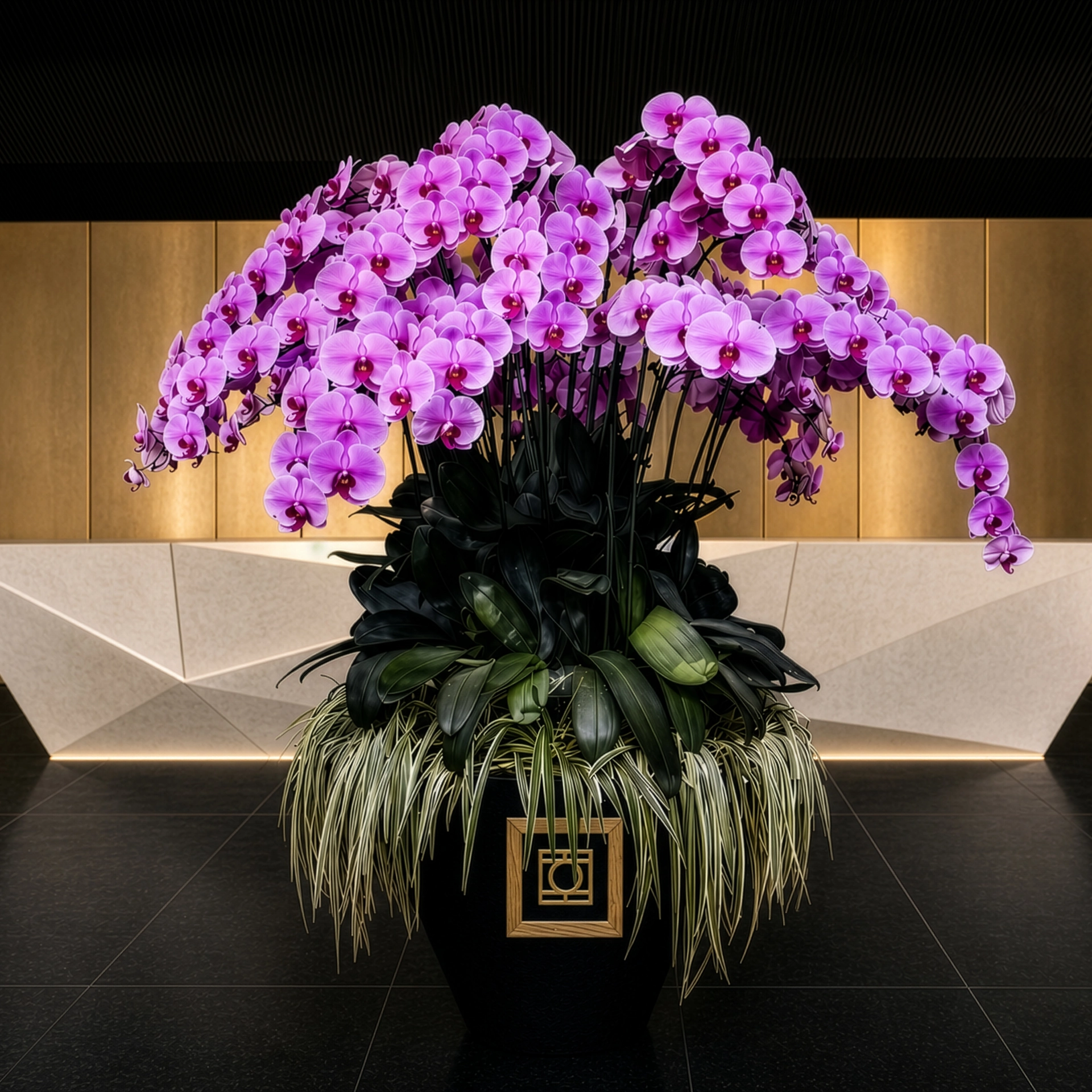
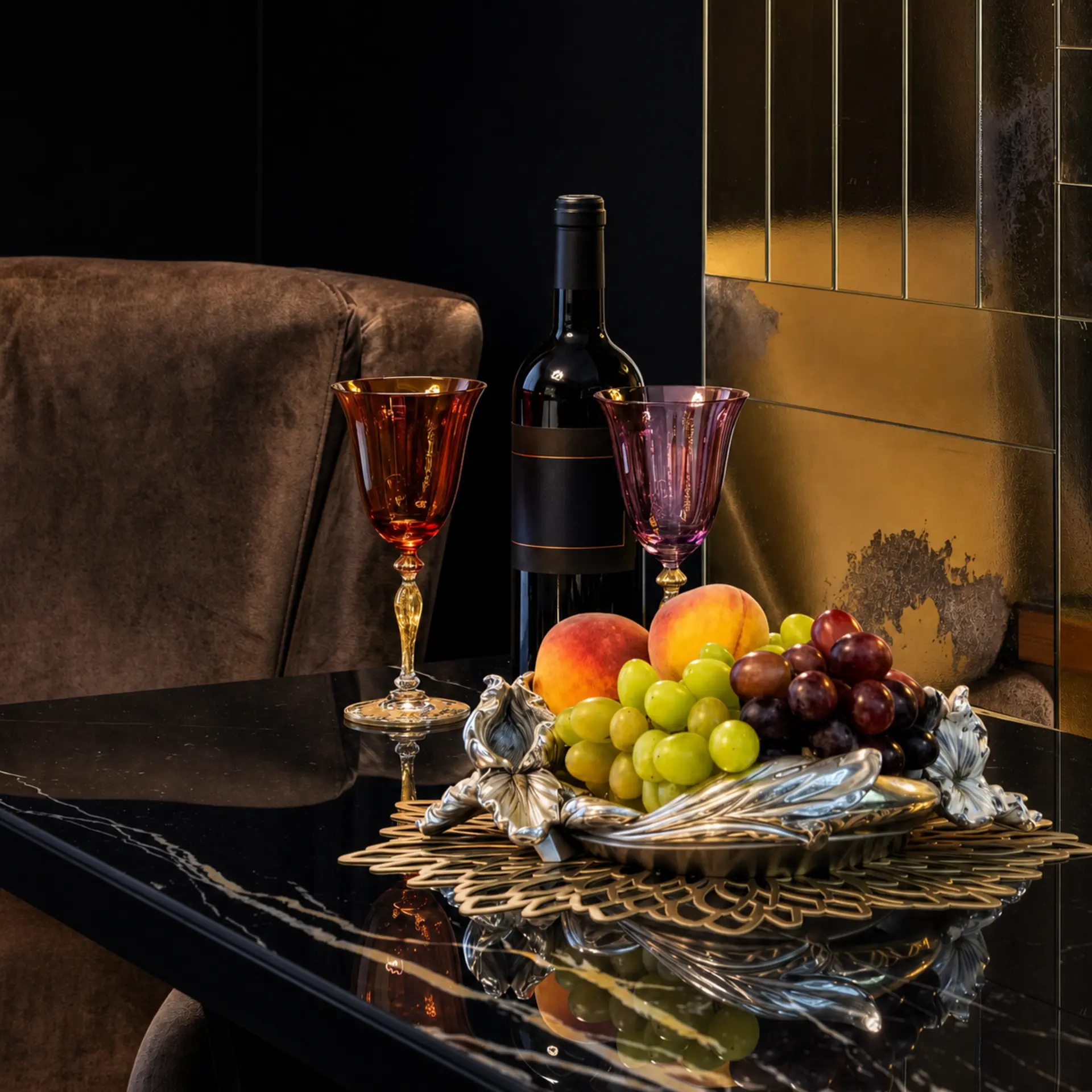

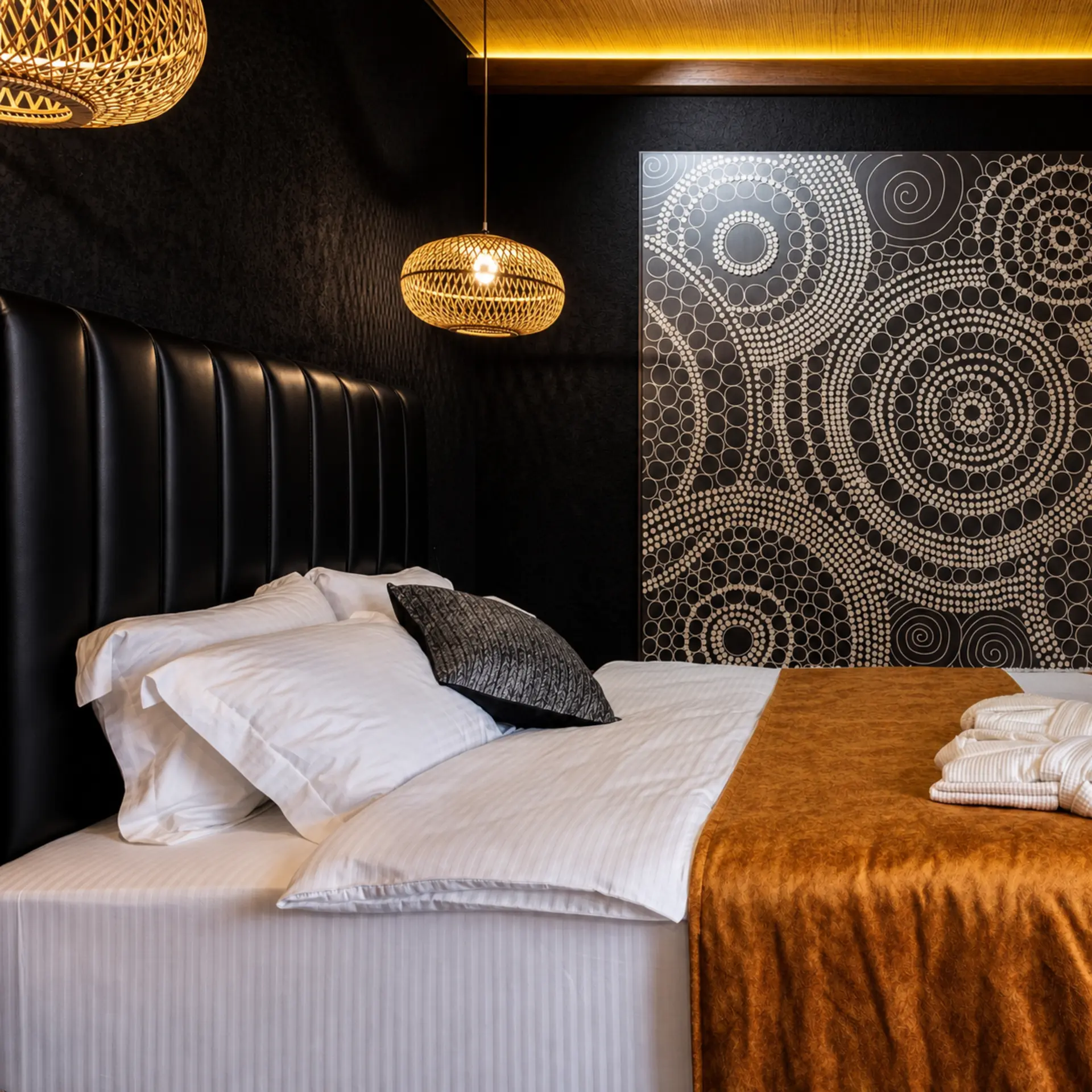

 Odoardo Soul™
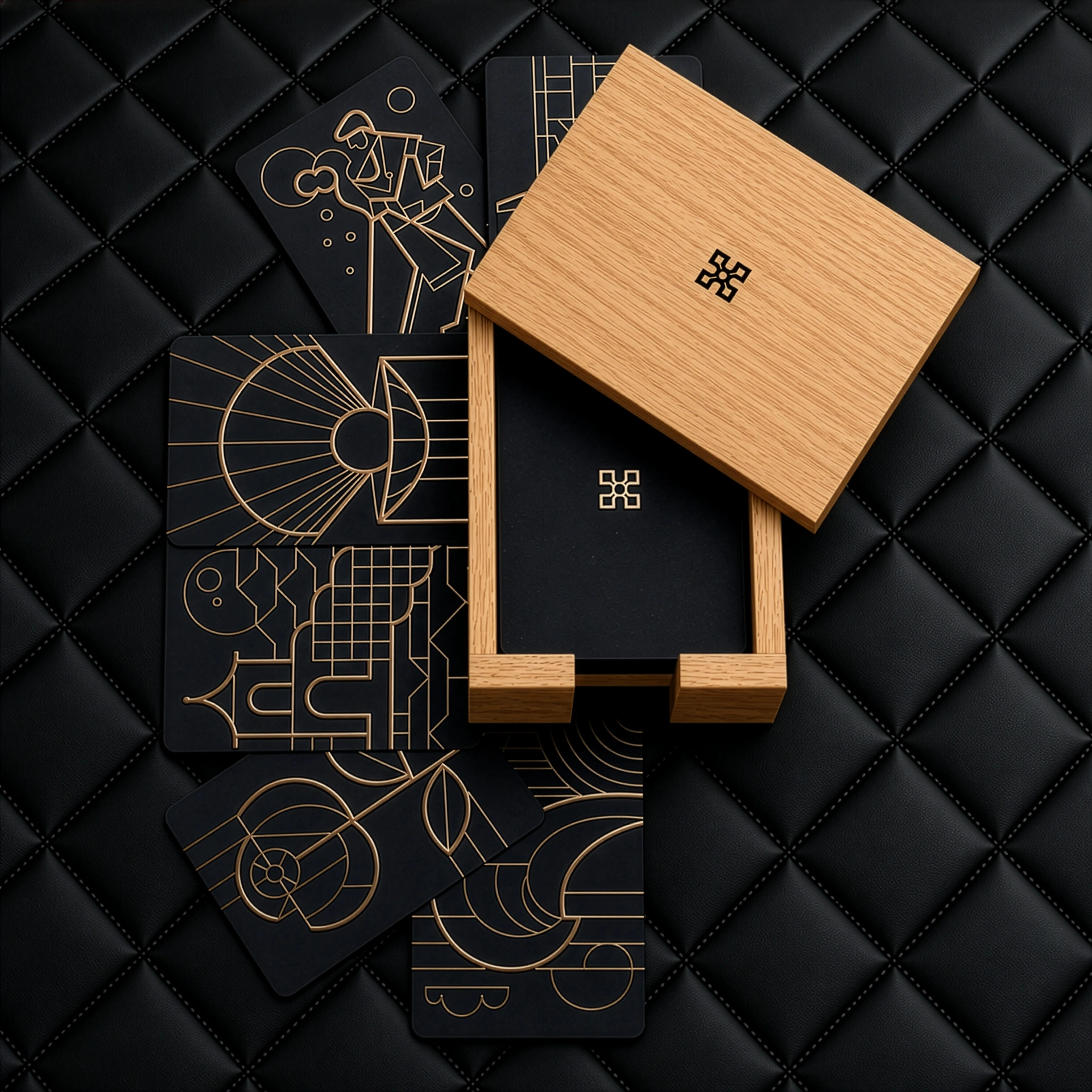 Odoardo Alibi™
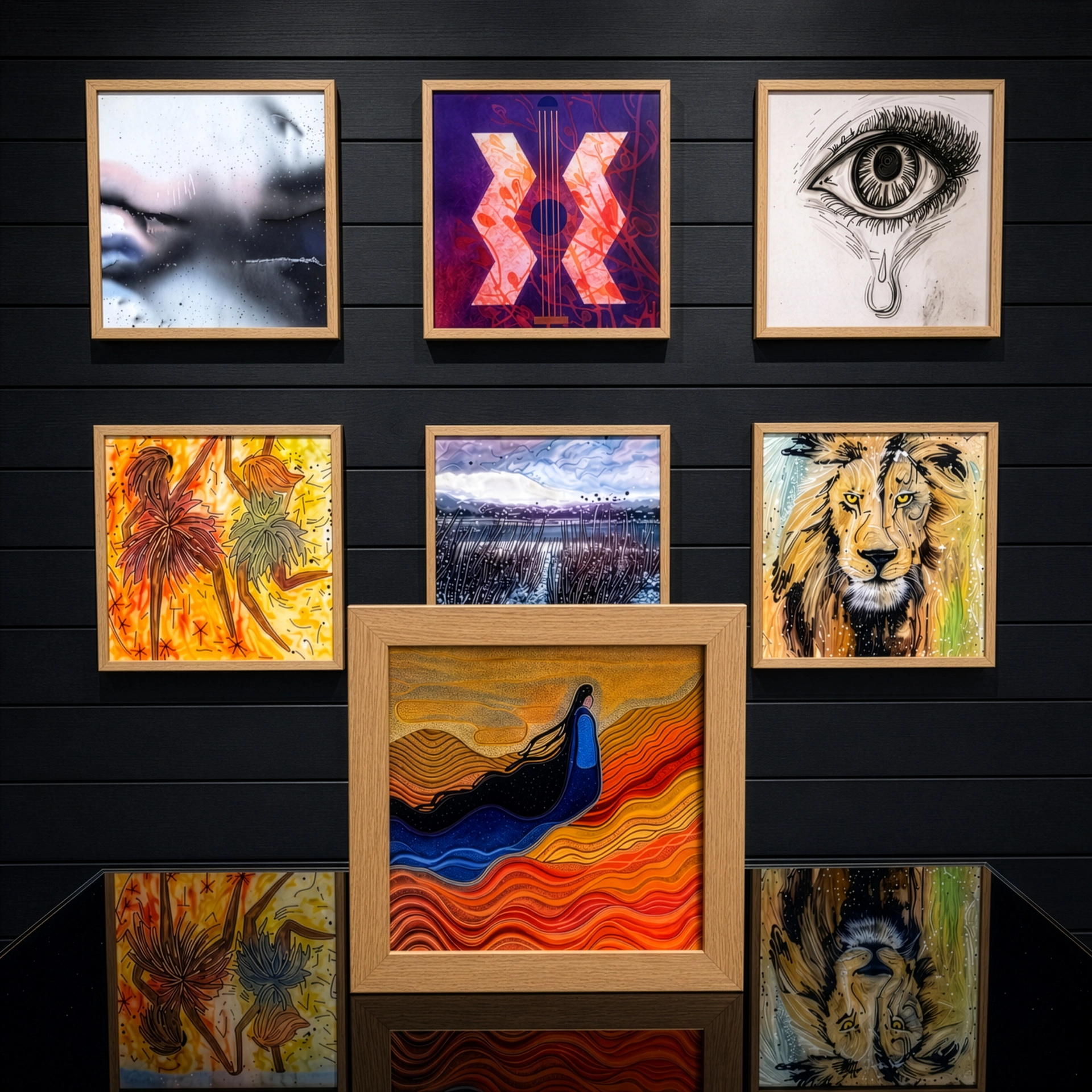 Odoardo Art™
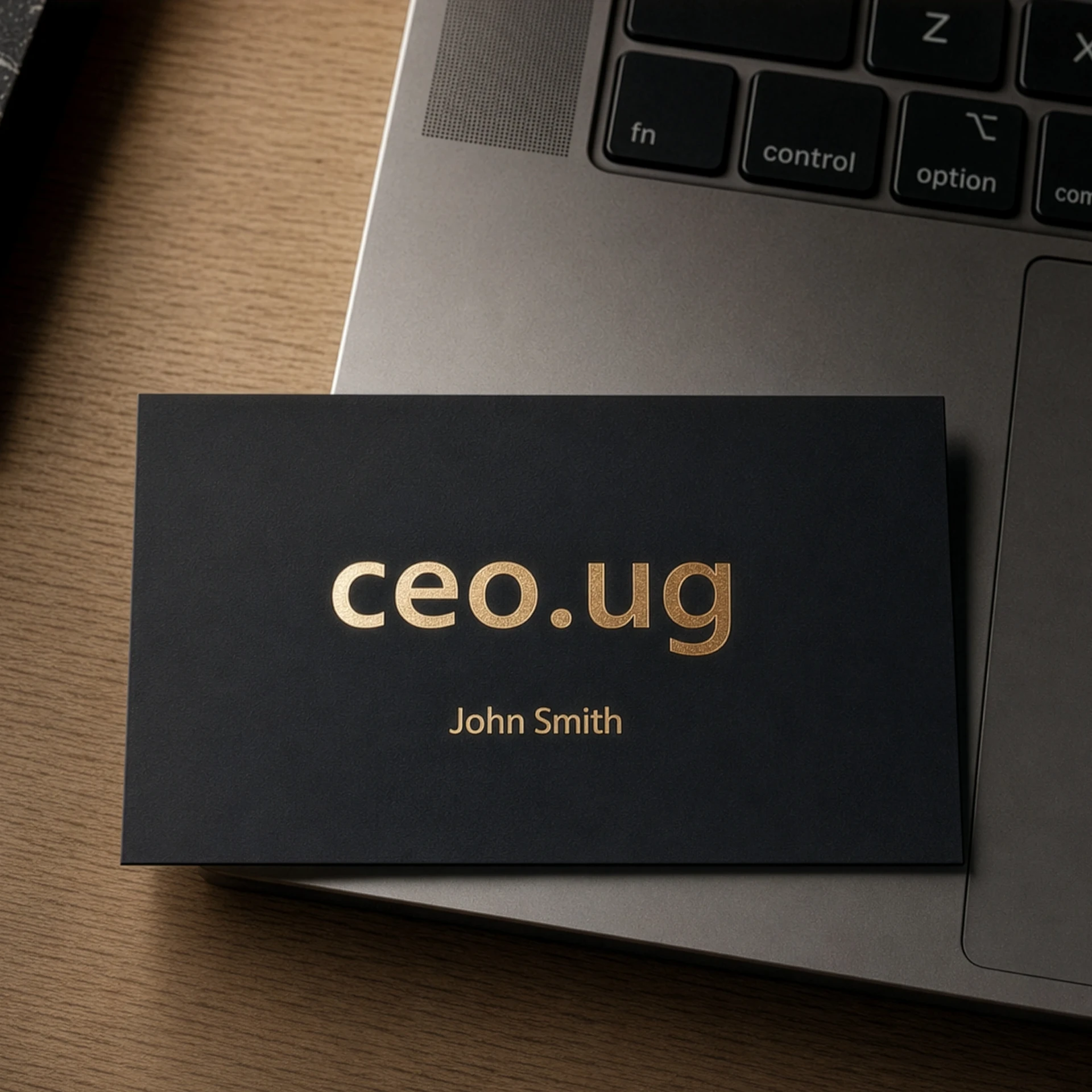 Odoardo Space™