Let us imagine an affluent client planning a booking at a new boutique resort. The architecture of the place delights in the official photographs, yet today's consumer always looks for proof of authenticity. They instinctively open social media and check the stories shared by other guests. Instead of the promised magic, before their eyes appears a shaky video. The light in the wellness zone seems flat and unnatural, and over an exquisite dish from the restaurant a cheap, oversaturated filter has been laid, which destroys the chef's effort entirely. The property's perceived value falls in a few seconds, and with it the readiness to pay the full rate for a night.
Cognitive dissonance and the pricing of luxury
In the hospitality industry aesthetics are not merely a visual addition; they are the hard foundation of the promise made to a client. The high-end segment rests on delivering a coherent, perfect experience. When a potential guest sees a discrepancy between official communication and amateur material online, they believe the latter – and price the offer by it.
Instead of a sense of exceptionality comes the question whether a lower rate can be negotiated. A poor-quality image can lead extraordinarily quickly to the erosion of a property's profitability, which we analyze in detail in the text Defending the ADR. Luxury is a category tightly bound to flawlessness – if a hotel's digital trace lacks it, clients as a rule refuse to accept premium prices.
The illusion of free reach
For years hoteliers believed that every mention online is free marketing. Enthusiasm around the phenomenon of User-Generated Content (UGC) meant that boards of properties watched passively as guests distorted the image of their interiors with their smartphones. Today we already know that this organic reach can in reality be extraordinarily costly.
An understanding of why chance recordings are a risk to a brand we describe in the material Curated Guest Content (CGC). What is more, even if an imperfect video inspires a friend to visit, that transaction is usually completed through intermediary platforms (OTAs). It means the hotel hands over a considerable part of its margin for a client it in theory acquired organically. That is why it is worth developing direct bookings.
Directing the image and a return to quiet luxury
An effective solution to that aesthetic and business impasse appears to be implementing the cinematic standard. Instead of forbidding guests to record, conscious properties can subtly take on the role of hidden director. Thanks to the architecture of Odoardo Lens™, a hotel supplies visitors with a tool that instantly raises the quality of the memories created to the rank of a cinematic work.
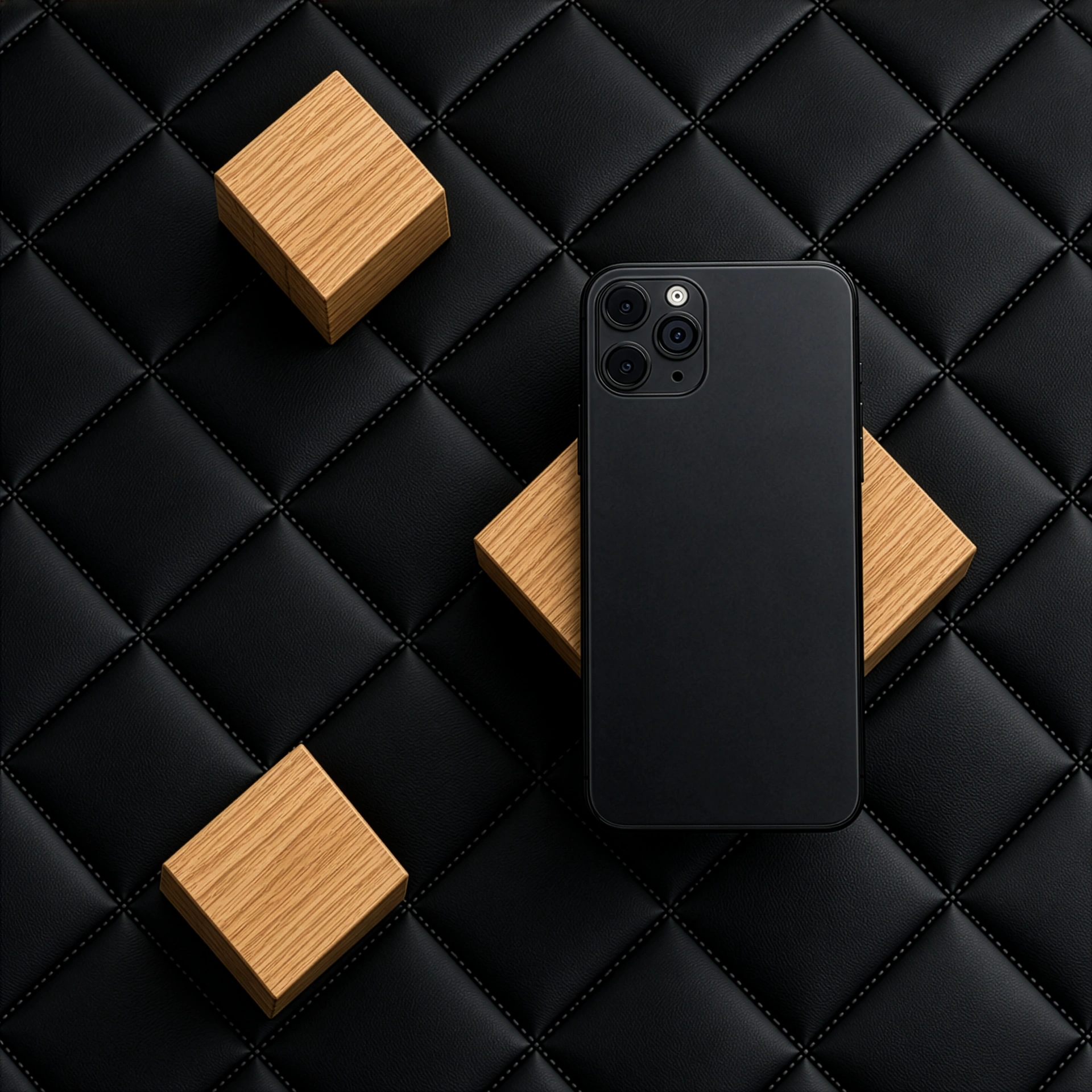
In the suite the guest finds a minimalist black card finished with haptic 3D gilding. Touching it with a smartphone launches a professional interface in the browser. That system discreetly hints at the most beautiful shots and carries out unobtrusive upselling of the most profitable services. The recorded material is automatically stabilized in the cloud, where advanced color grading is applied. The Curated Guest Content (CGC) generated this way delights viewers, and a button built into the player drives direct bookings; publication of the material by the brand requires the guest's consent. On how strategically important an own sales channel is, the article Direct bookings in premium hotels reminds us.
Digital and physical coherence
For the aesthetic online to stay in full harmony with the real world, a hotel space must offer experiences that genuinely deserve to be captured. Holistic experience design covers care for every, even the smallest detail. Enriching suites with rotating, authorized art through cooperation with Odoardo Art™ can noticeably raise the aesthetic value of the interiors. We analyze that phenomenon in the publication How do you raise hotel guests' NPS?.
The hotel's virtual identity, too, should reflect the spirit of exclusivity. A distinctive address from the portfolio of Odoardo Space™, reserved for one property (such as resort.sc), builds trust before a client's first click – the text Luxury resorts in the Seychelles develops this. Properties wishing to remove the noise of cabling from rooms can implement the interfaces of Odoardo Soul™ hidden in wood, which the article Animated space in five-star hotels describes. In shared zones, the tools of Odoardo Alibi™ favor in turn an atmosphere of conversation, about which we write in the material The lounge in a luxury hotel and spa.
What a single filter applied without thought costs is reckoned by the creator of the Odoardo™ ecosystem:
“A cheap filter is a costly decision. It sets a price expectation in someone who has not yet asked about the price, and it does so before we manage to say a single sentence about the property.”
Consciously managing aesthetics is today far more than care for the decor of a lobby. It is a multi-dimensional business strategy. Turning chance recordings into material that holds a property's level defends its image and takes away pressure for a discount, and every booking made through its own channel returns to the Gross Operating Profit Per Available Room (GOPPAR) measure – why that one specifically we explain in the article GOPPAR vs RevPAR. An image over which a property has control is a cheaper form of defending profitability than another campaign.
Why we defend the image against the filter is said outright by the manifesto.
 Odoardo Soul™
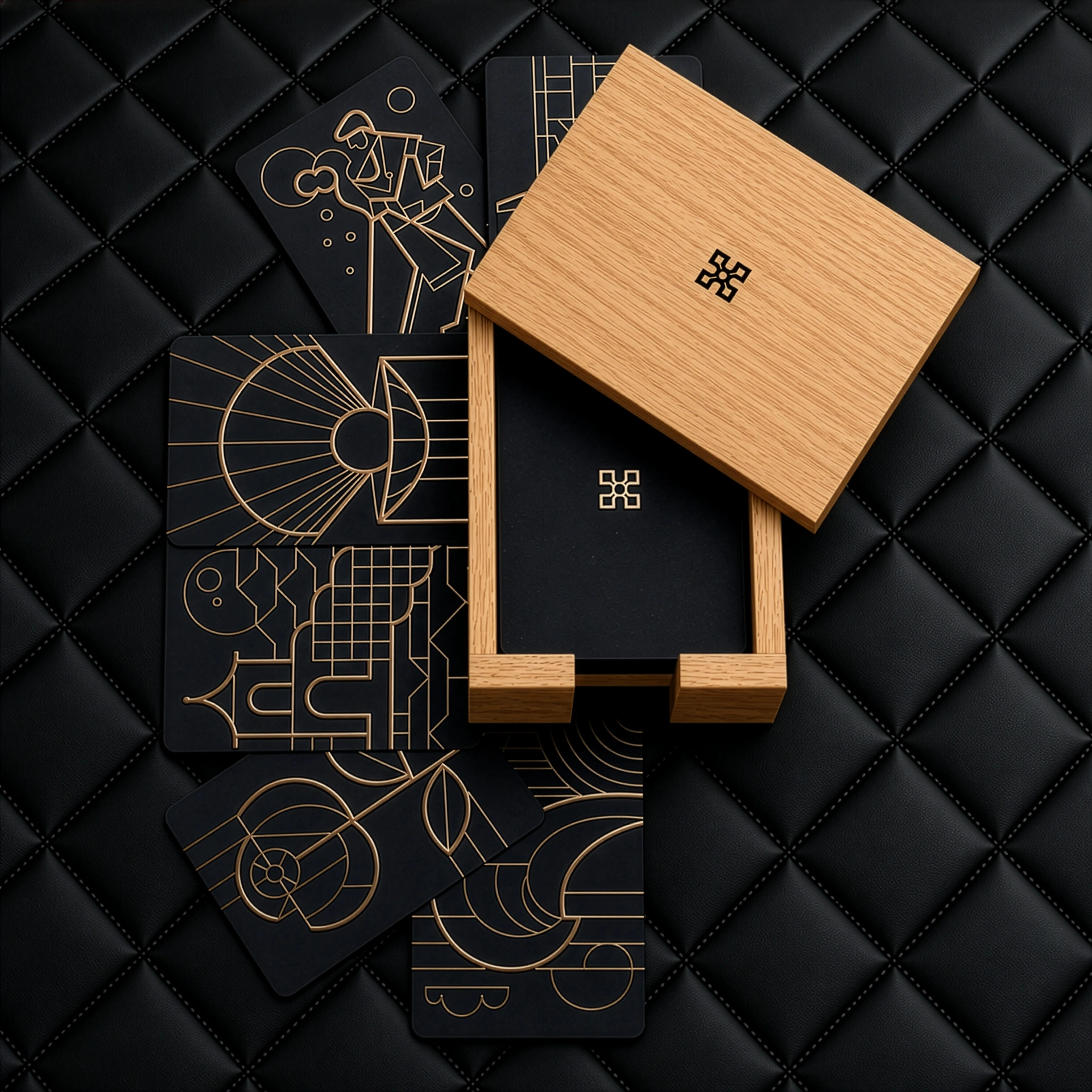 Odoardo Alibi™
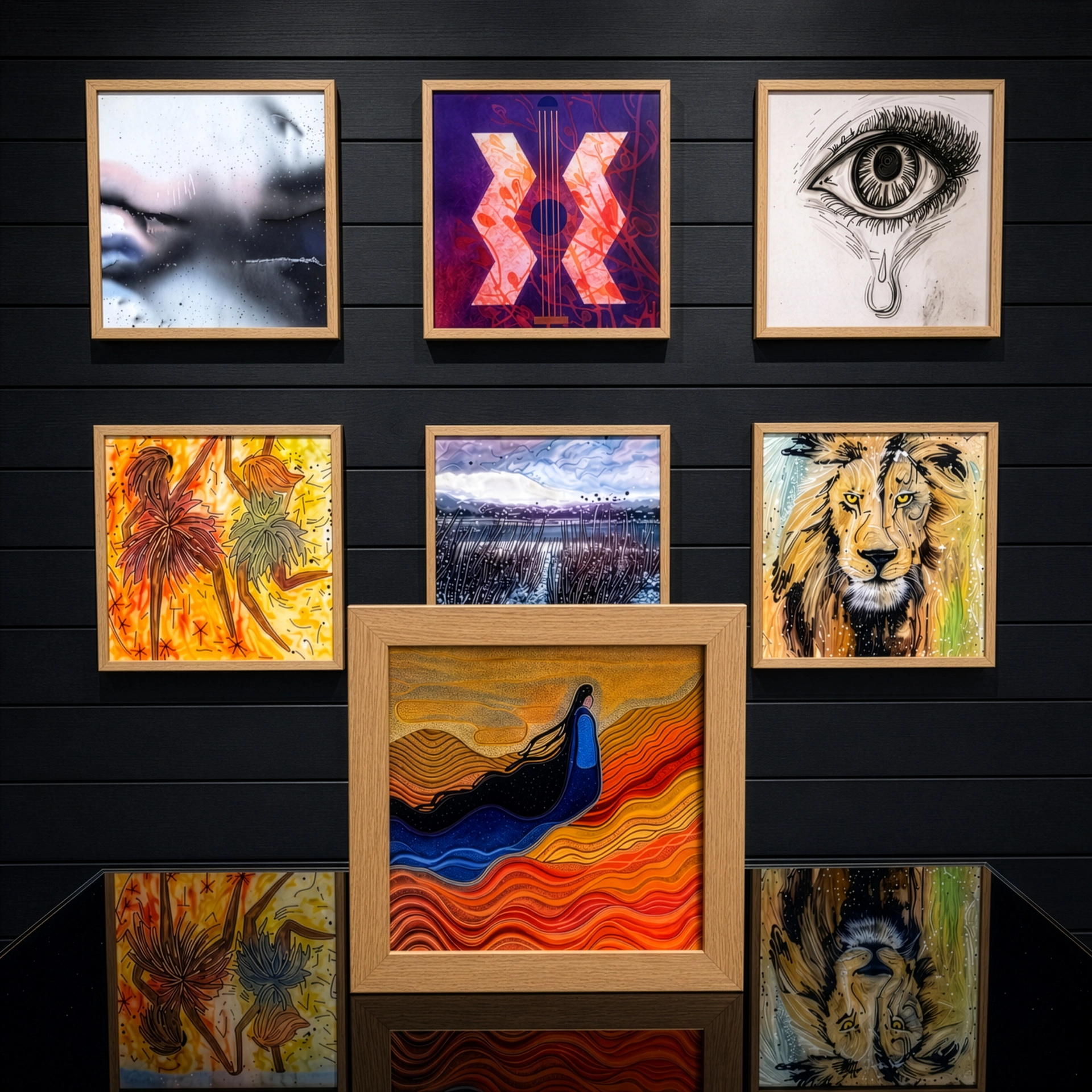 Odoardo Art™
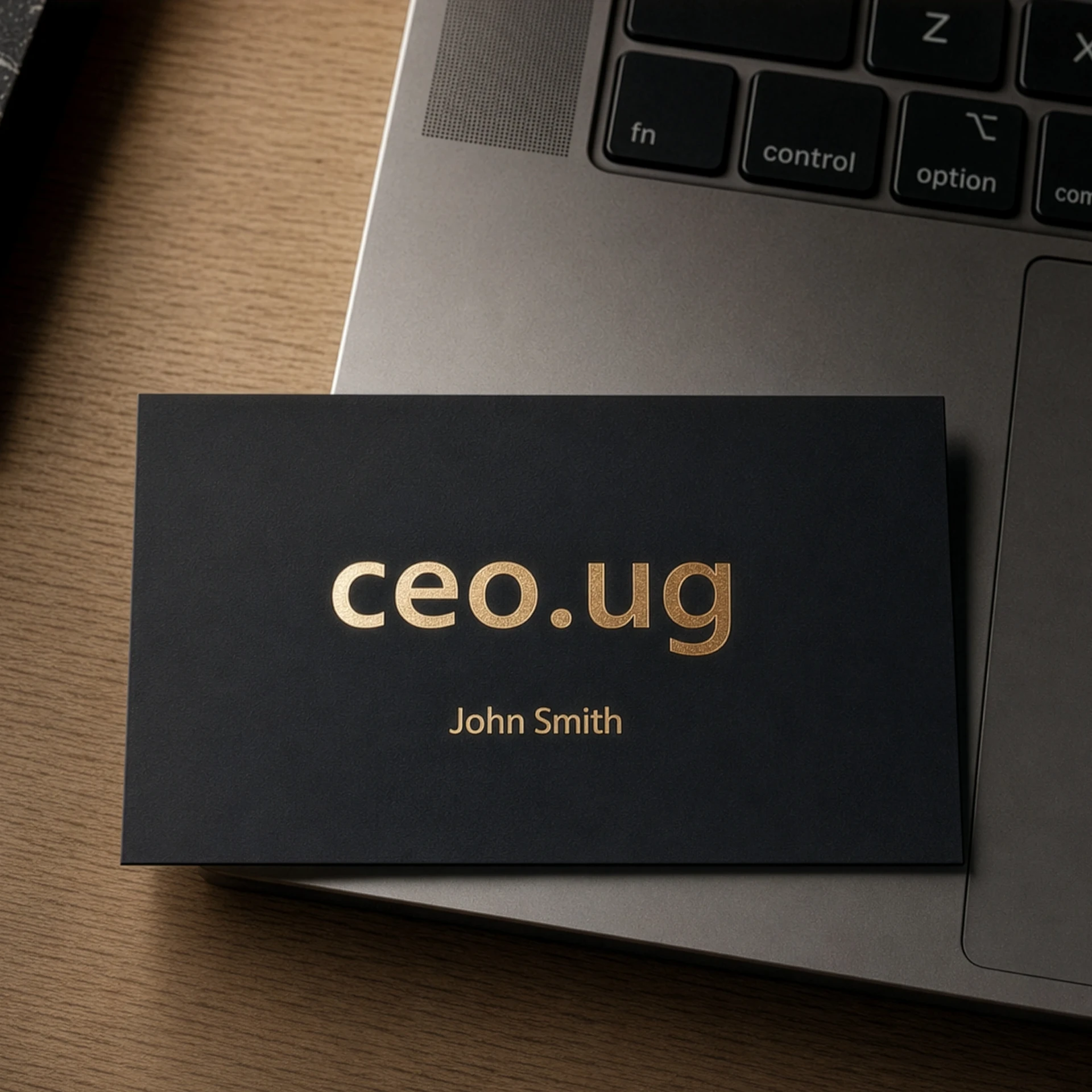 Odoardo Space™