
Let us imagine an affluent traveler who has just reached a five-star resort after an exhausting transatlantic flight. Their only desire is to sink into a stress-free, quietened space. At this crucial moment – the first point of contact with the service – they are asked to enter the App Store or Google Play, find the official hotel application weighing 200 megabytes, download it, accept the privacy policy and create an account using an e-mail address. From the point of view of luxury, this is a categorically inadmissible process. The digital friction that accompanies the installation of native software is a direct denial of the promise of quiet luxury. Forcing a client to work on the hotel's behalf is an error that drastically lowers the effectiveness of any upselling.
Digital fatigue and the illusion of loyalty
Over the past decade the hospitality industry has been intoxicated by the idea of possessing its own application in the guest's smartphone. It was believed that an icon with the hotel's logotype on a phone screen was the ultimate proof of loyalty. Reality, however, proved brutal. The phenomenon of so-called app fatigue means that today's consumers of the high-end segment rigorously protect their digital privacy and their devices' memory. The decisive majority of visitors either refuse to download the software or delete it just after checking out.
The cost of creating, maintaining and constantly updating native applications (for iOS and Android) is gigantic. If a guest makes no effort to install it, the hotel loses its only digital channel of communication inside the property. This means smaller sales in the restaurants, empty spa rooms and the loss of a chance to monetize the stay. The mechanism of resistance to invasive technology is analyzed in detail by the text Technology without barriers. This phenomenon concerns not only hotels – we describe it also in the article An end to the flood of mobile apps.
Zero App Download: instant availability
The solution to this costly impasse is the complete abandonment of the mobile stores in favor of advanced, instant web applications (PWA). Modern browsers in smartphones today possess computing power capable of handling extraordinarily complicated processes. They require only a suitable, physical igniter.
By deploying the cinematic standard, premium properties use the refined architecture of Odoardo Lens™. Instead of forcing the download of gigabytes of data, the hotel leaves in the suite a card of solid-dyed black paper with haptic gilding. One touch of a phone to this detail opens a cinematic interface in the browser. No logging in, no passwords, no waiting. What the card itself is made of we describe in the article Designing guest experience.
The virtual director, started from the web, becomes a discreet assistant. It suggests to guests how to capture luxurious interiors, and all the heaviest work – image stabilization and professional color grading – takes place in the computing cloud, entirely outside the memory of the client's phone.
Freeing the margin and the power of Direct Booking
Moving the environment to a web application is of colossal significance for distribution. When a guest records their memories, perfect Curated Guest Content (CGC) arises, displacing the amateur User-Generated Content (UGC) so harmful to a brand's image.
Publishing such a directed video postcard on social media becomes a fluent bridge to a sale. The viewers – the guest's friends – click the attached link. Because it is a web application, they too need download nothing: they move at once to the player, in which the booking button is embedded.
- Bypassing OTA commission: a path without a single intermediate step drives Direct Booking, allowing the hotel to keep the commission that would otherwise feed intermediaries' accounts.
- Rising profitability: eliminating barriers to entry raises the conversion rate, which translates into Gross Operating Profit Per Available Room (GOPPAR).
- Protecting valuation: a prestigious presentation of the property online supports the defense of the Average Daily Rate (ADR) indicator, repelling market pressure to lower rates.
This strategy in a broader, financial framing is explained by the publication Direct bookings in premium hotels, and the difference between the profitability indicators by the analysis GOPPAR versus RevPAR.
A holistic renunciation of digital noise
Eliminating native applications belongs to a broader, multi-dimensional trend of clearing luxury space of unnecessary interfaces. True innovation today consists in hiding electronics in solid wood thanks to the animated matter of the Odoardo Soul™ portfolio, which in a bespoke deployment allows screenless control of a room's functions – this is shown by the text Animated space in five-star hotels. In the relaxation zones, natural engagement is stimulated by the discreet tools of Odoardo Alibi™ and by rotating, authorized art from Odoardo Art™, which constitutes the scenography for web recordings. The coherence of the whole virtual ecosystem, in turn, is ordered by selected domains from Odoardo Space™.
The fundamental difference between the outdated model of applications and modern service is aptly defined by the creator of the Odoardo™ ecosystem:
“A request to install an application moves the cost from the hotel to the guest: it is they who are to sacrifice a quarter of an hour, space in their phone and their data. In this segment the order is reversed – it is technology that waits for one gesture from the guest, not the guest who waits for a hundred megabytes to download.”
The decision to abandon the mobile stores in favor of web applications, activated by a physical touch, is a turning point for a hotel. It is a promise of zero friction, which respects the time and status of an affluent guest and, along the way, generates commission-free bookings.
Why we regard downloading an application as a cost shifted onto the guest we explain in the manifesto. Check too what the internet says about your property, in the Research section.

 Odoardo Soul™
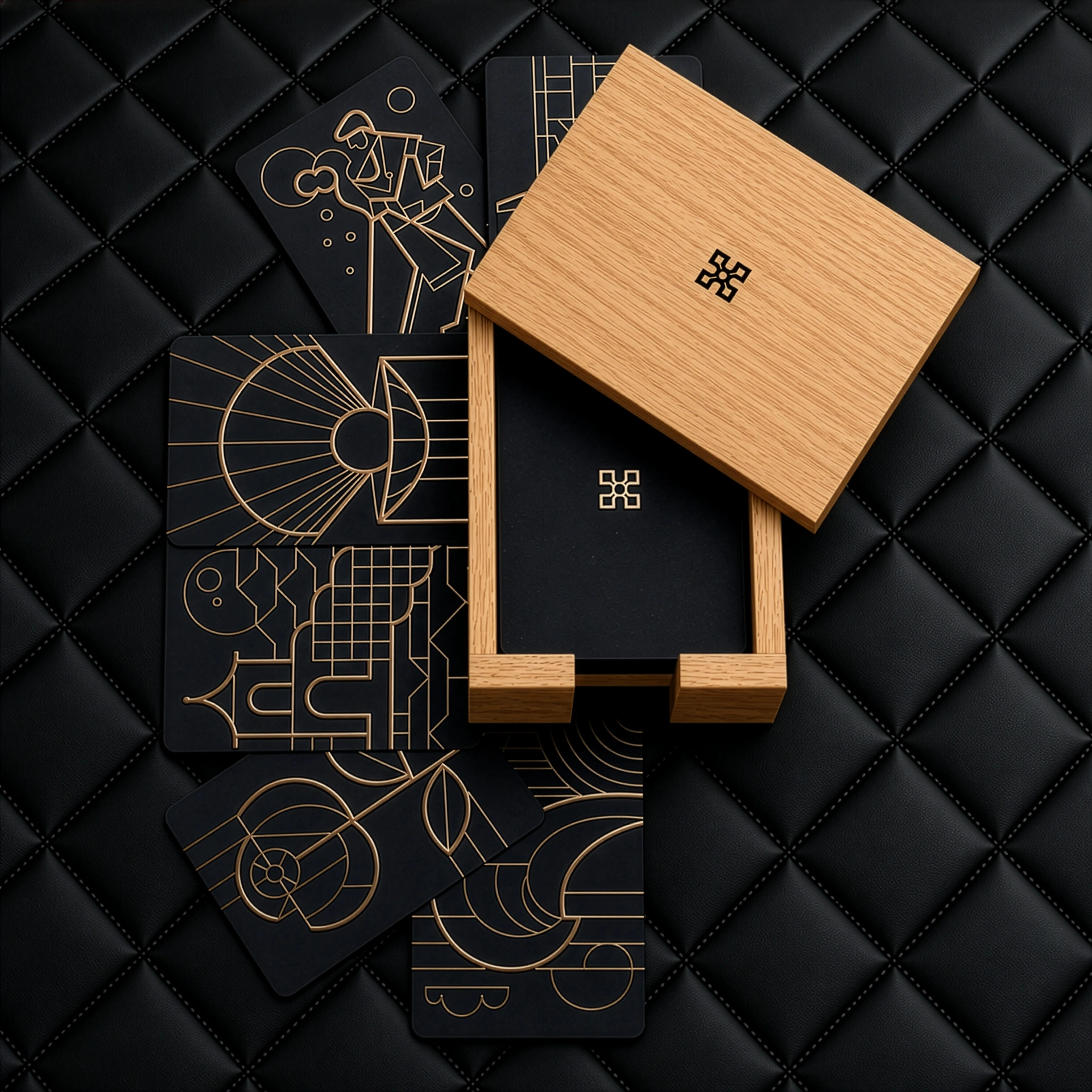 Odoardo Alibi™
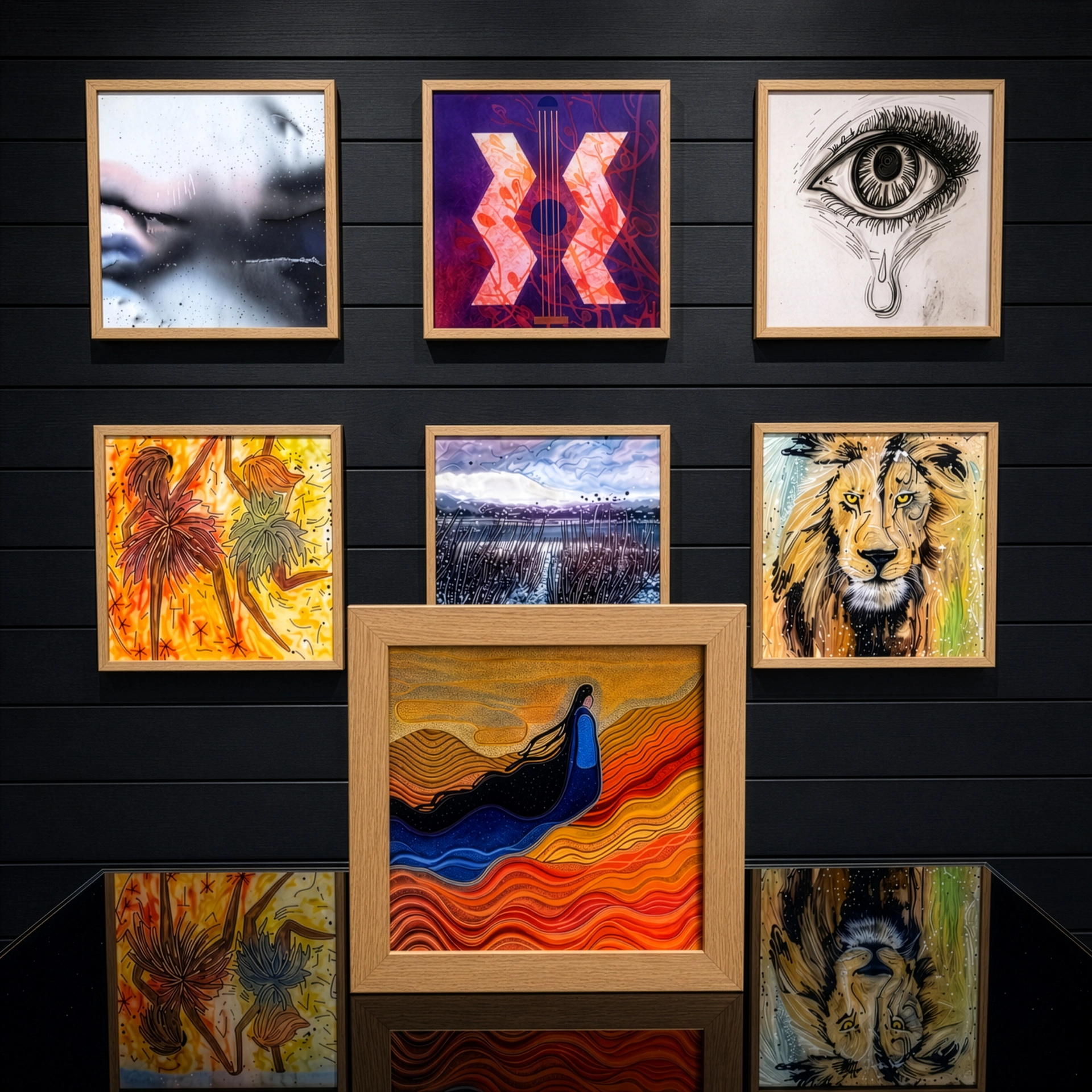 Odoardo Art™
 Odoardo Space™