Crossing the threshold of an aesthetic medicine clinic or an advanced dental practice is the start of the road to a longed-for change, but also a moment of tension in the nervous system. In the VIP segment the client pays for a complete, luxurious experience. Unfortunately, the traditional approach to arranging a waiting room cannot reduce paralyzing pre-procedure anxiety. Patients left to themselves most often reach reflexively for their smartphones, falling into the phenomenon of continuous partial attention. To create a genuine medical sanctuary, premium clinics should redefine the space of waiting.
Pre-procedure anxiety and the smartphone trap
Pre-procedure anxiety is a clinically documented state of tension bound up with waiting for a procedure. It may be accompanied by the body's stress response, showing itself among other things in a raised heart rate and increased secretion of stress hormones. According to research, preoperative anxiety may affect as many as 60–80% of surgical patients, and its high intensity may be linked to a greater need for anesthetic and painkilling agents and to a harder course of recovery.
Reaching for a smartphone rarely brings relief here. Random content adds further stimuli to a state in which the patient is already tense – they cut themselves off from their surroundings, but not from the waiting. A premium clinic should supply an elegant alternative that restores attention and strengthens active listening in a relationship.
Sensory grounding in the waiting room
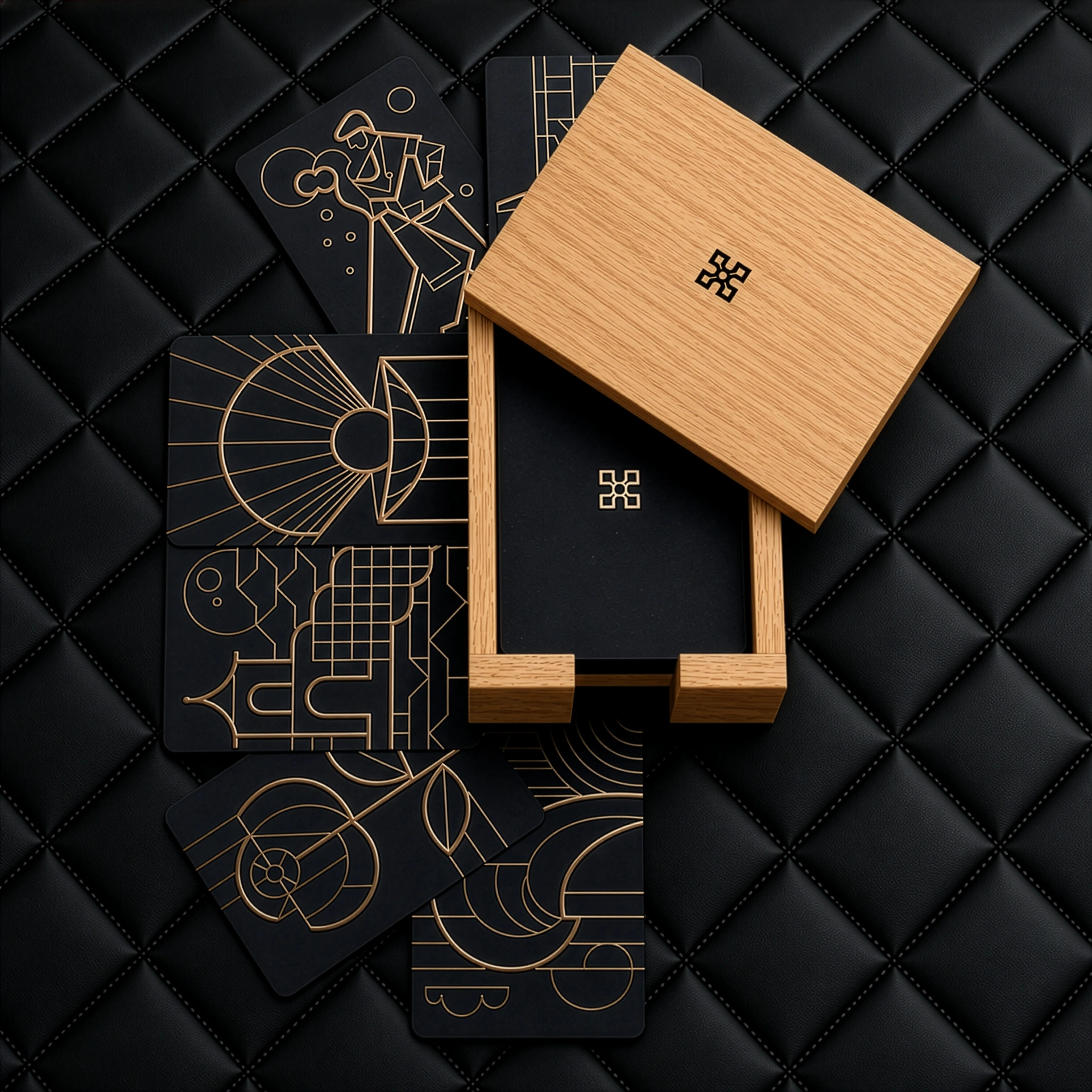
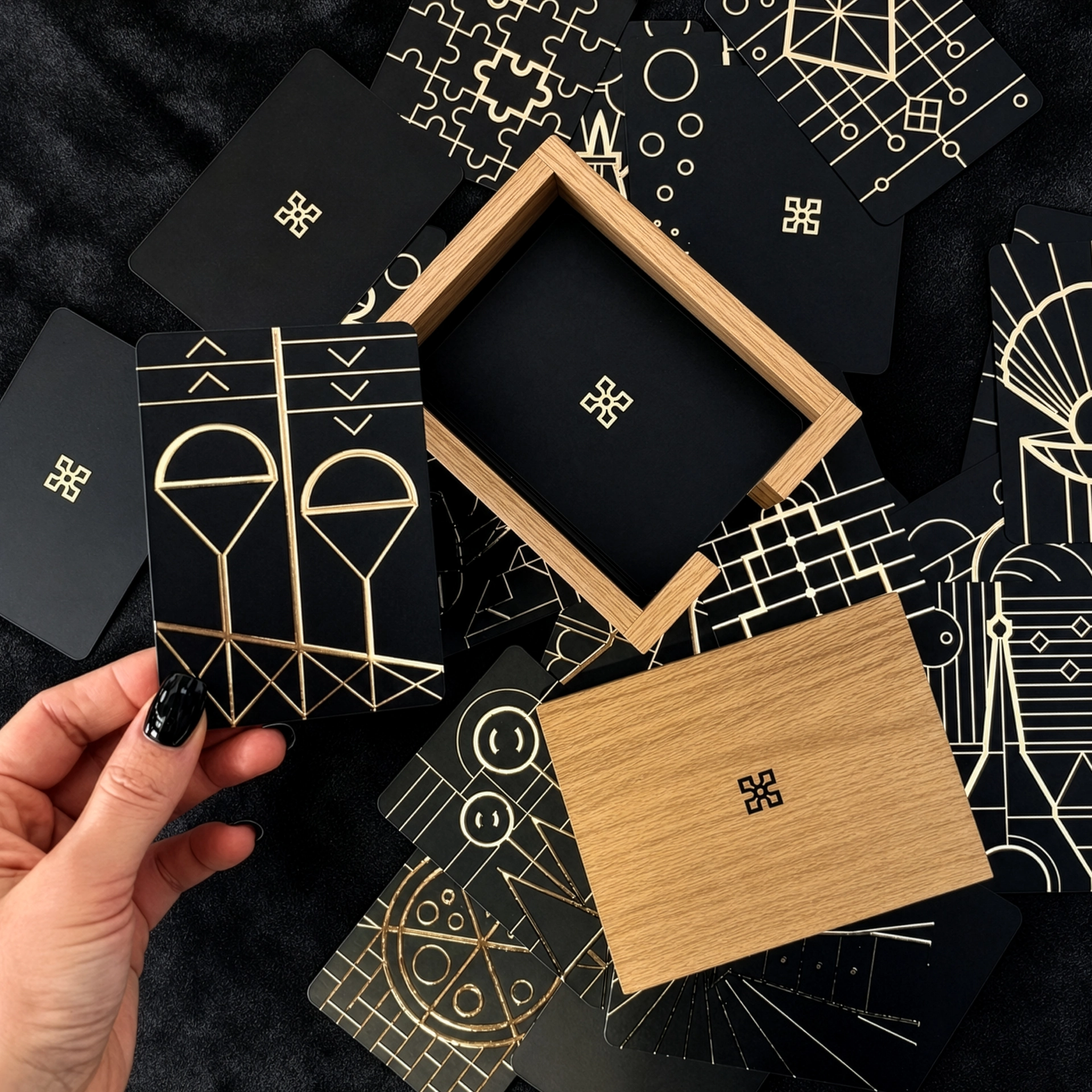
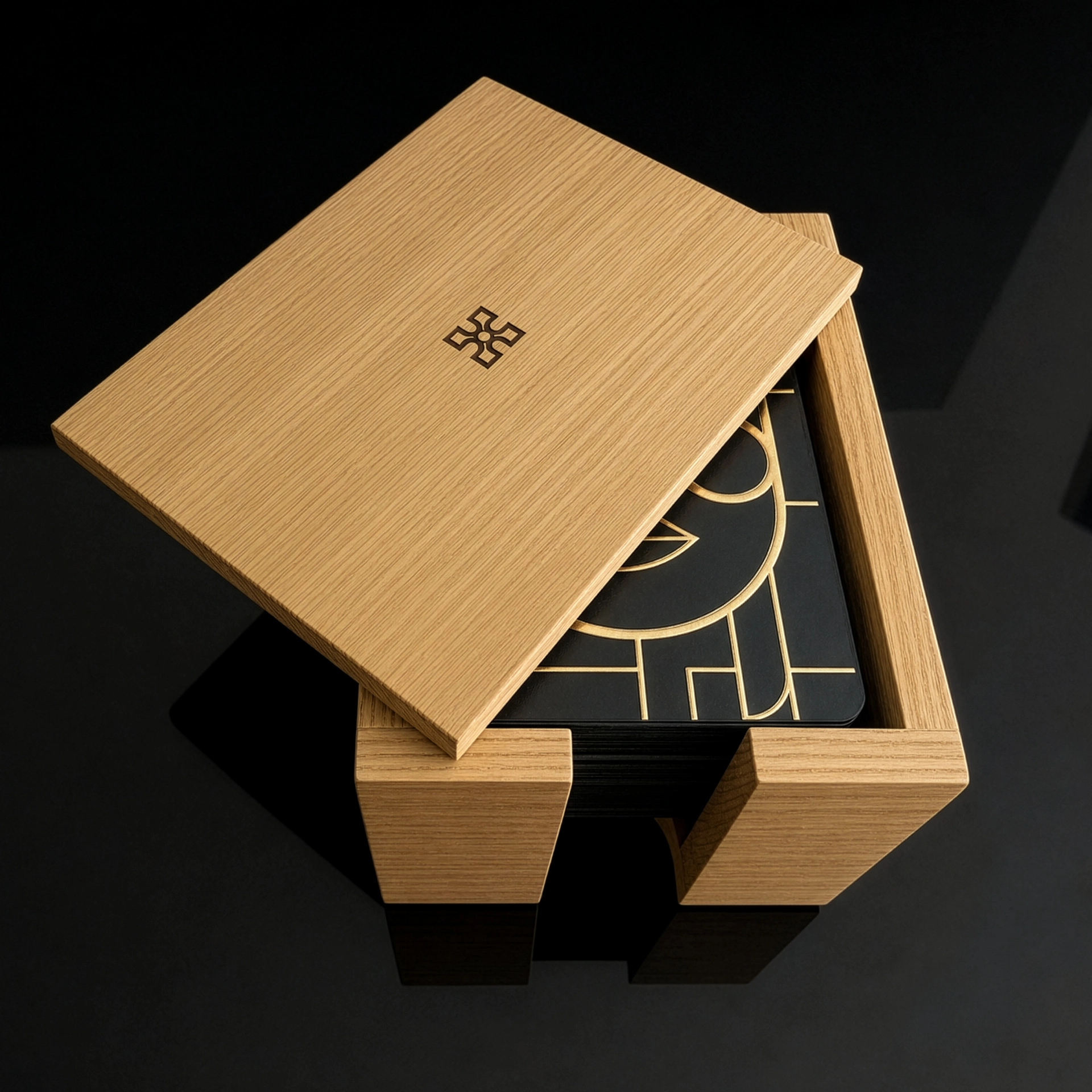
A helpful element of such a waiting room can be Odoardo Alibi™. Placing a massive oak box closed with hidden magnets on the coffee table in the VIP area intrigues the patient. Instead of banal magazines, the clinic offers a crafted object that invites interaction.
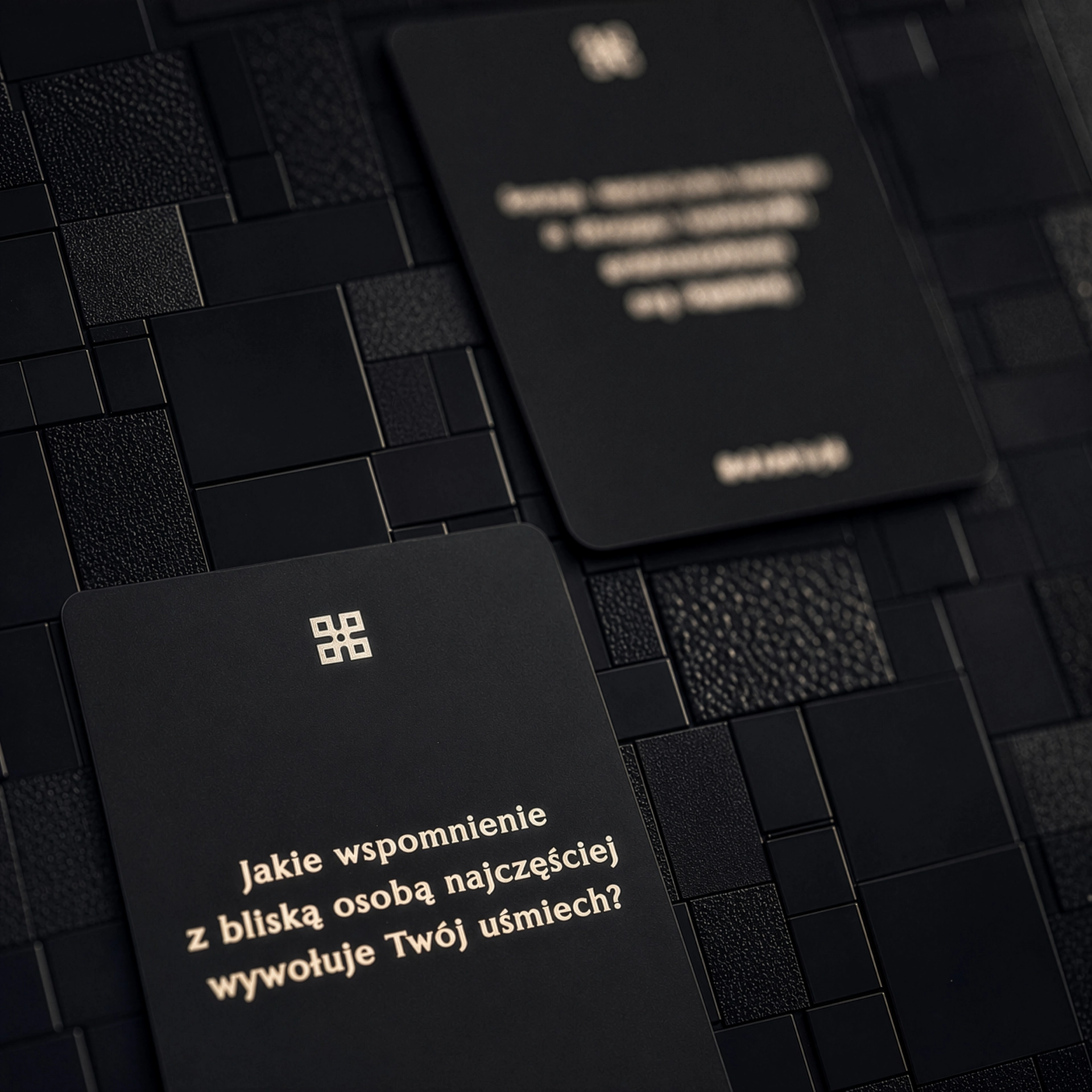
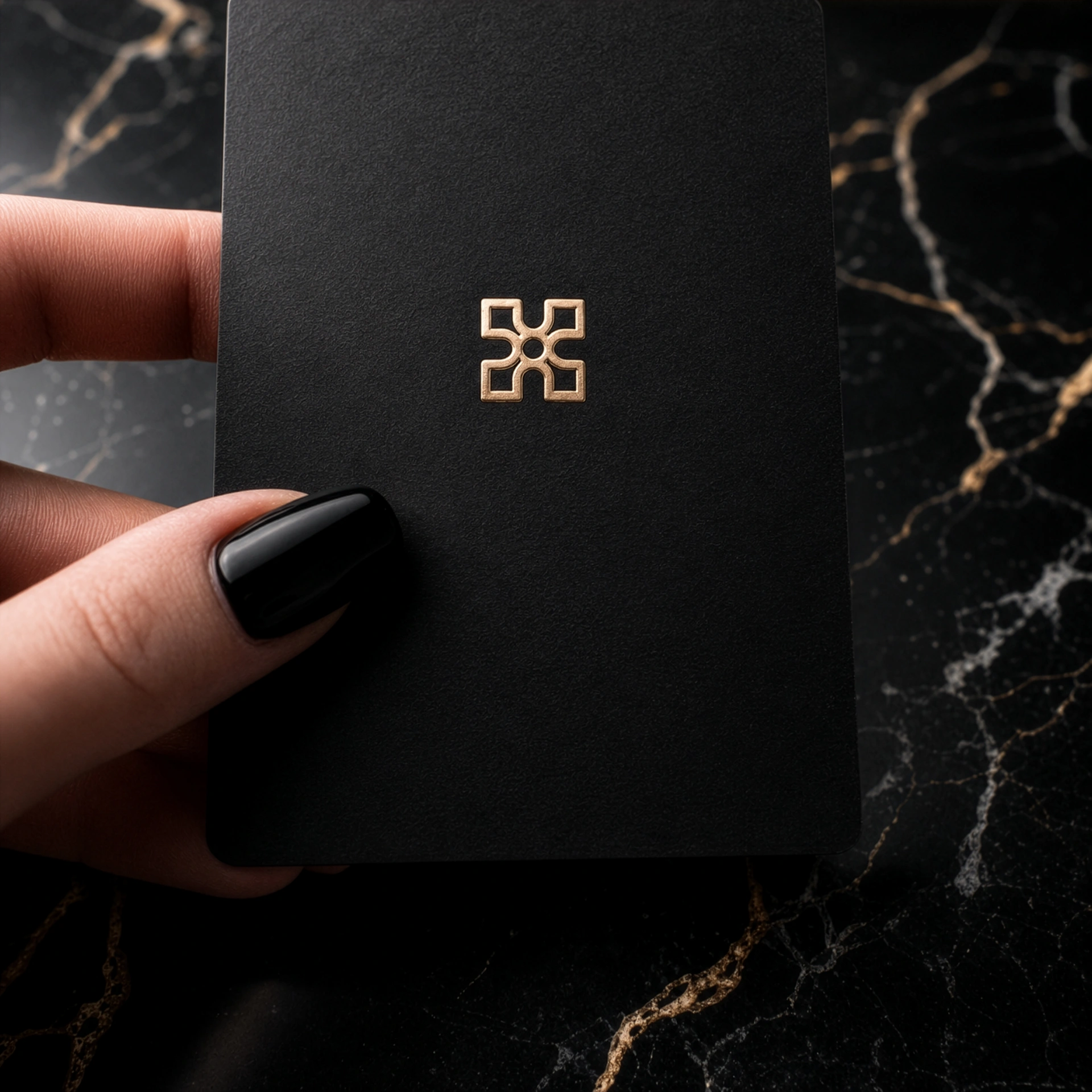
If someone close accompanies the patient, the oak box gives them an occupation other than watching the clock. Drawing the cards holding 50 deep questions for your partner allows thoughts to be moved onto engaging subjects. Our own mechanism, based on matching Geometric Noir illustrations, recalls the meaning of silence and image in communication, reducing tension before the meeting with the doctor. We describe the same mechanism in the context of beauty salons in the piece The psychology of space in beauty salons.
Technology that stays in the shadows
Introducing sensory craft requires the right background. The role of analog matter in such spaces is described by the creator of the Odoardo™ ecosystem:
“We reach the highest standard of luxury when highly advanced technology becomes entirely invisible to the user, yielding the foreground to noble matter. In places of heightened stress, such as medical clinics, it is not screens that calm the patient, but the weight of natural wood, quietened acoustics and a sense of being absolutely looked after.”
The space around the solid oak Odoardo Alibi™ box is worth completing with collectible prints in oak frames from the Odoardo Art™ brand. The clinic's technological layer is discreetly put in order by Odoardo Soul™, which we write about in the piece Lowering stress in aesthetic medicine clinics. Rotating art gives a clinic the atmosphere of a private gallery, making it easier for patients to introduce house rules for a digital detox before sleep and rituals for couples. A holistic approach to the VIP area raises the chance of a calm patient in the consulting room.
Why we believe care begins in the waiting room, we explain in the manifesto.
 Odoardo Soul™
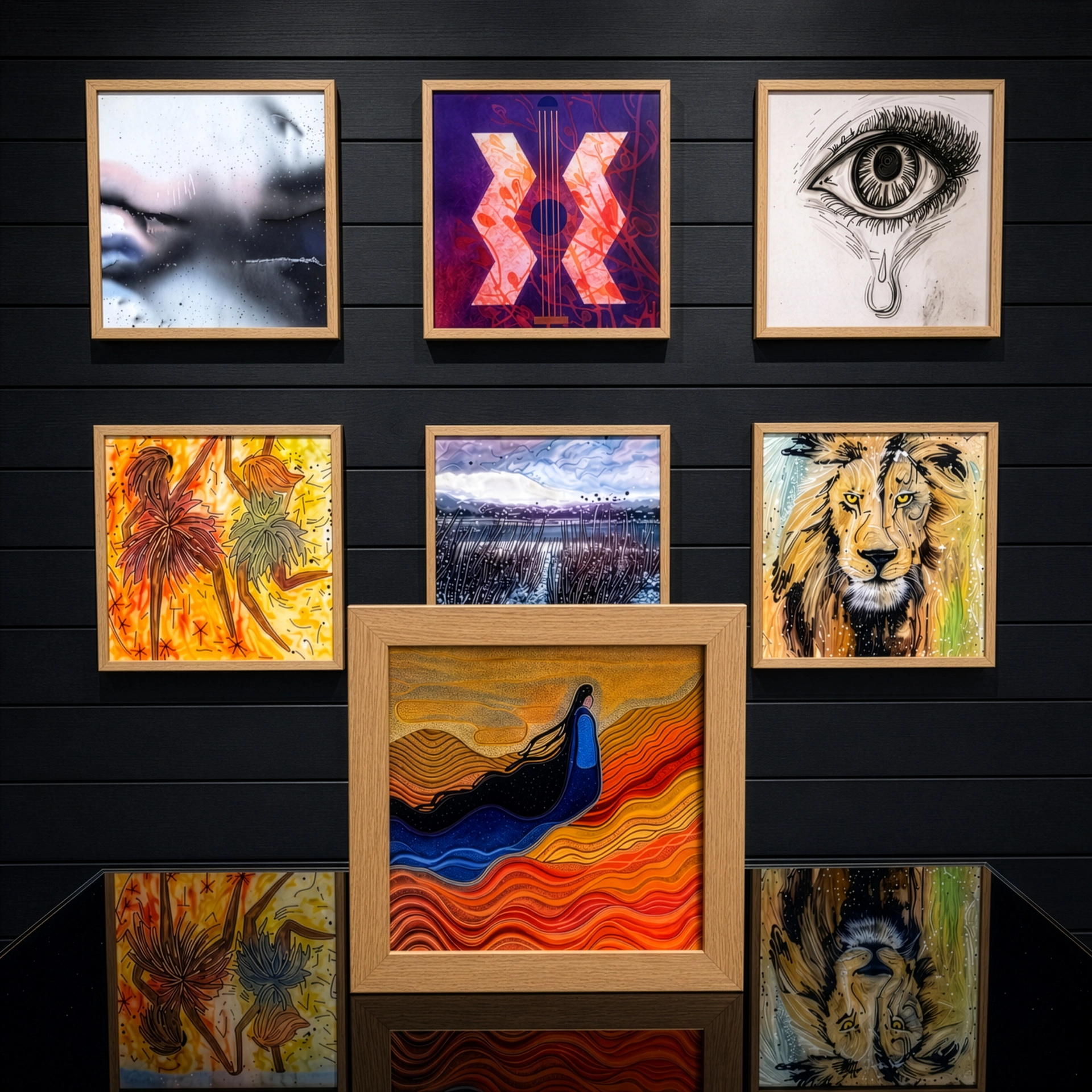 Odoardo Art™
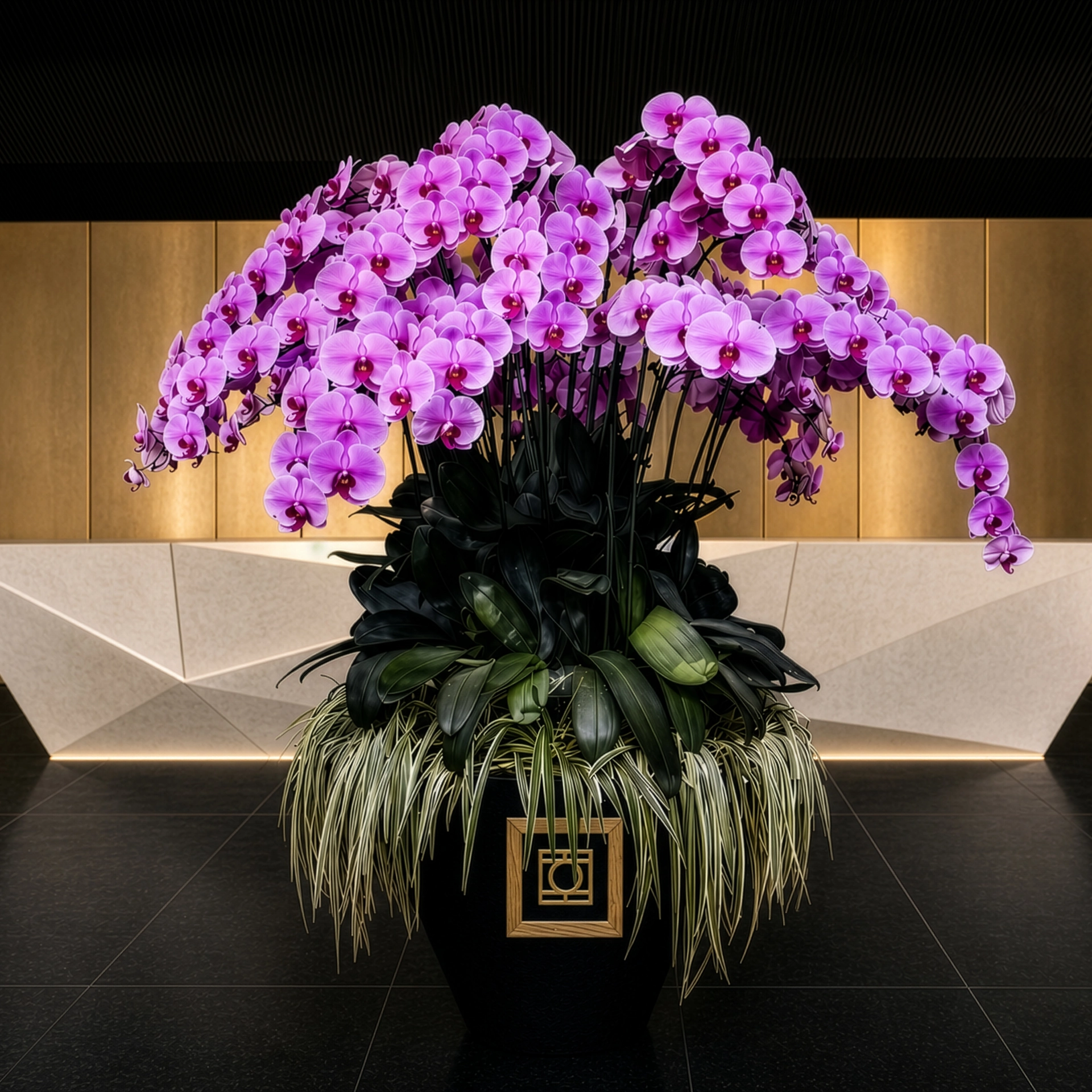 Odoardo Lens™
 Odoardo Space™