A visit to a clinic of aesthetic medicine, plastic surgery or advanced dentistry is for a patient a moment of enormous emotional tension. Whatever the professionalism of the medical staff, the prospect of an invasive and costly procedure provokes natural fear. Before the patient sits in the treatment chair, they spend a dozen or several dozen minutes in the waiting room. In the premium segment it is the only interior a patient looks at closely and without hurry. Furnishing a waiting room designed in the spirit of quiet luxury at least gives them somewhere to rest their eyes.
The surroundings in which one waits change the way waiting is borne. Clinics that stake on raw, hospital minimalism – ubiquitous white, chrome and sterile lighting – give the eye nothing to settle on. Research in environmental psychology links the presence of art and natural materials in medical facilities with lower stress levels and a milder experience of pain in patients. A patient waiting a quarter of an hour will have time to examine every detail: if the clinic compromised in the waiting room, the question arises where else it compromised.
The dangers of cheap decoration
A frequent mistake made by those responsible for arranging luxury facilities is treating the walls as an afterthought. Using repetitive, mass-market posters from popular chains is an investment in fast art which immediately devalues a clinic's image. Cheap prints devoid of depth and texture become invisible to the patient, and after a few months of display begin to fade, sending a signal about a lack of care for detail. We analyze this relationship at greater length, not only in medicine but also in business, in the article Fast art or real art.
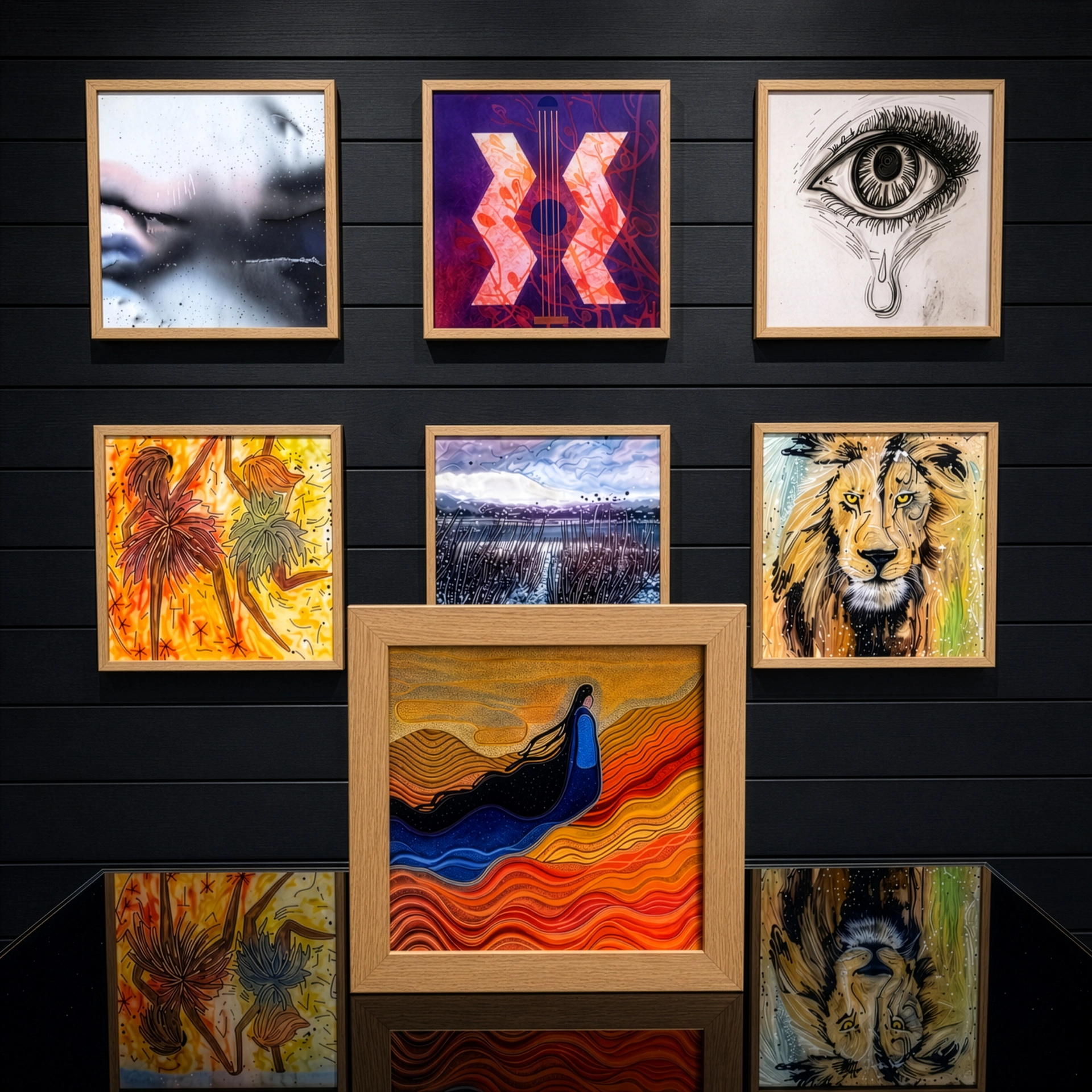
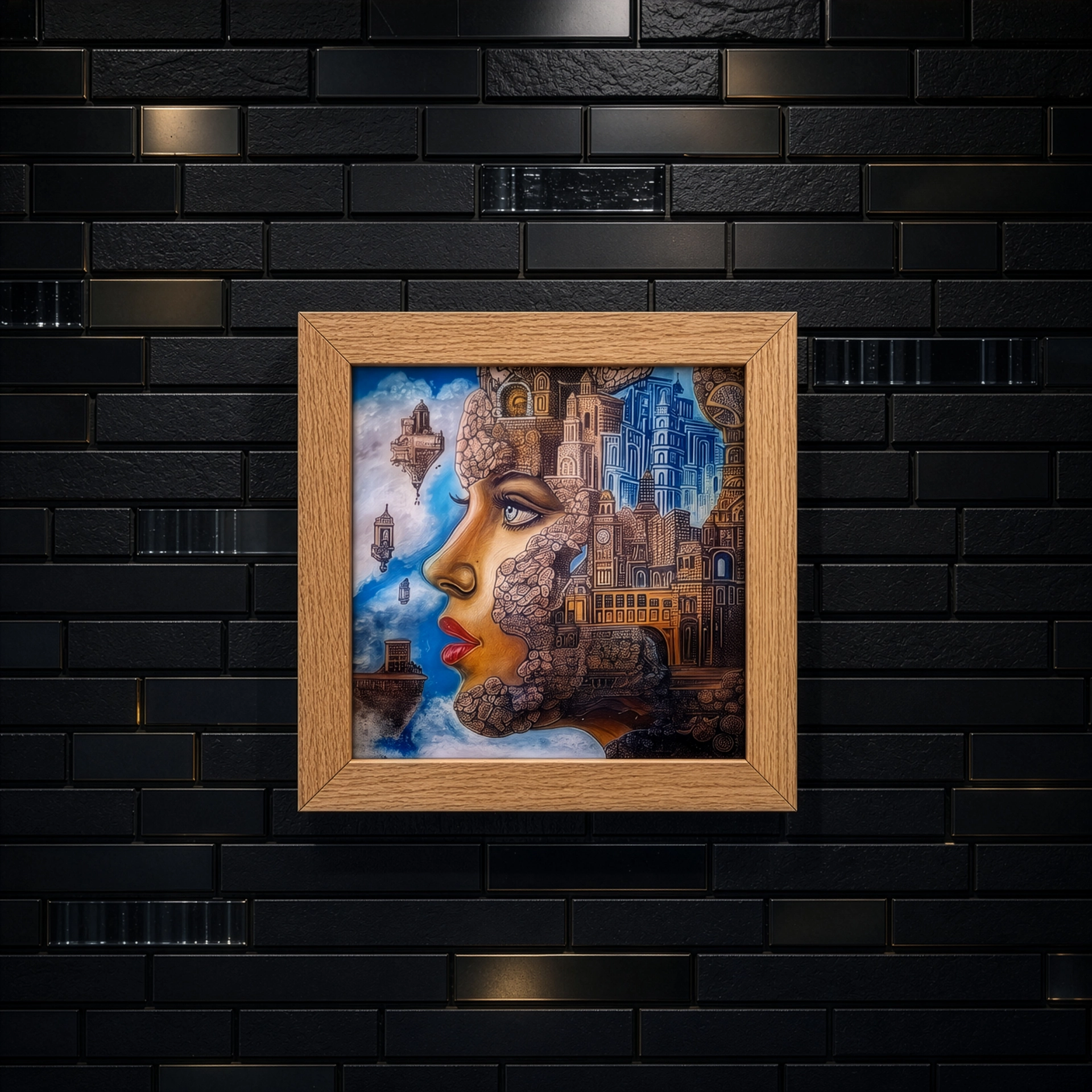
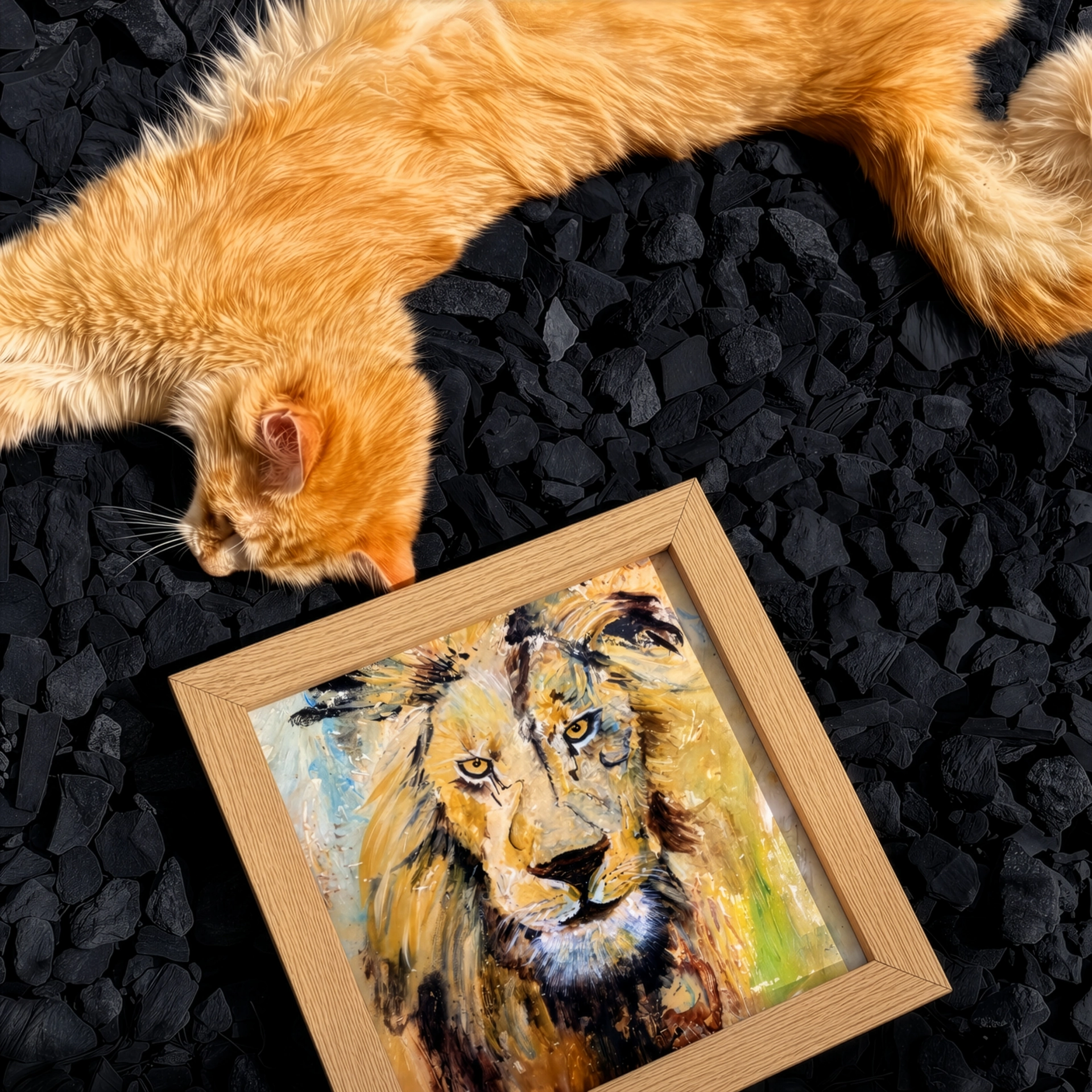
In a space where the highest rates for procedures are justified, the right choice is authorized art. Using the closed catalog of artists of Odoardo Art™, a clinic gains access to professional fine art prints. They carry an individual number and are signed by hand in pencil by makers from the most varied corners of the world. Such precisely selected works, possessing documented provenance, engage the patient's attention and move their thoughts away from internet forums or fears about medical procedures.
No glass and solid oak
Treatment rooms must by definition be sterile, filled with cool glass and steel. A waiting room should be their visual counterweight. Meanwhile most traditional picture frames intensify that chill, hiding a work behind a sheet of reflective glass or acrylic. In bright clinics that creates an irritating mirror effect, in which the patient sees a reflection of their own nervousness.
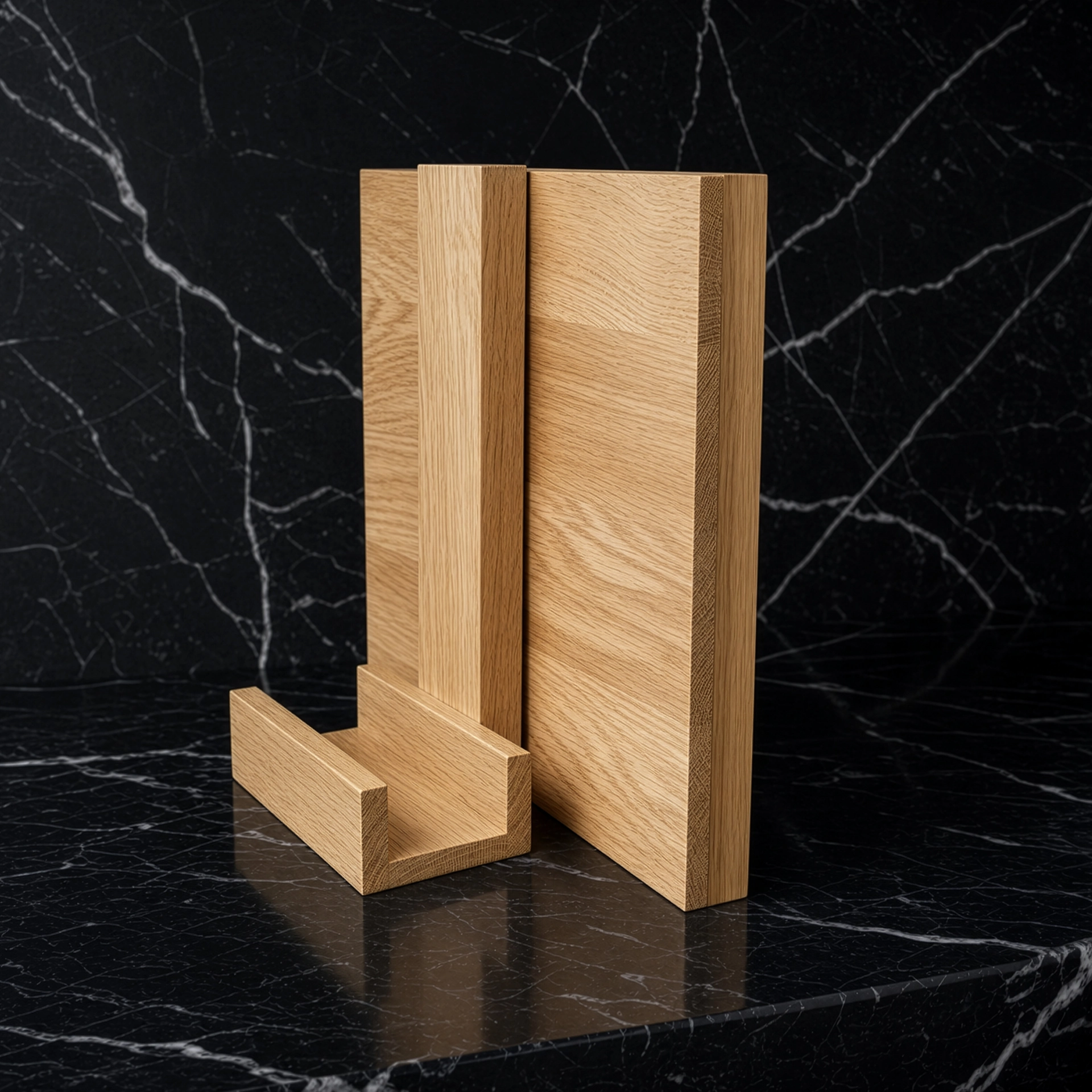
The oak frame of Odoardo Art™ was designed so as to eliminate the glass barrier. That lets light scatter softly across the matt texture of archival cotton paper. Between the eye and the work there is then no sheet reflecting the room and the viewer's own reflection. We describe the benefits of this solution in the material Picture frames without glass.
Rotating art during the course of treatment
Treatment in premium clinics rarely stops at one visit. It covers consultations, the procedure itself and a series of follow-up visits spread over time. If the patient returns each time to an identical, static interior, the waiting room becomes tiresome for them. The subscription model allows that experience to be managed in an agile and cost-effective way, as operating costs, without freezing capital in one go.
The quarterly change of work in the main frame, carried out by sliding in a new oak mini-frame, proves that the clinic keeps developing and cares for the well-being of its guests. That mechanism, entirely free of the need to carry out renovation work that is loud and burdensome for patients, is presented in more detail in the publication Interior metamorphosis without renovation.
What a patient looks for on their phone while waiting
Art on the walls solves one thing: it gives the eye an occupation. A second remains – a patient waiting for a procedure usually reaches for their phone and types questions into a search engine. The doctor will answer those about treatment, but the clinic could answer questions about the visit itself and the place straight away.
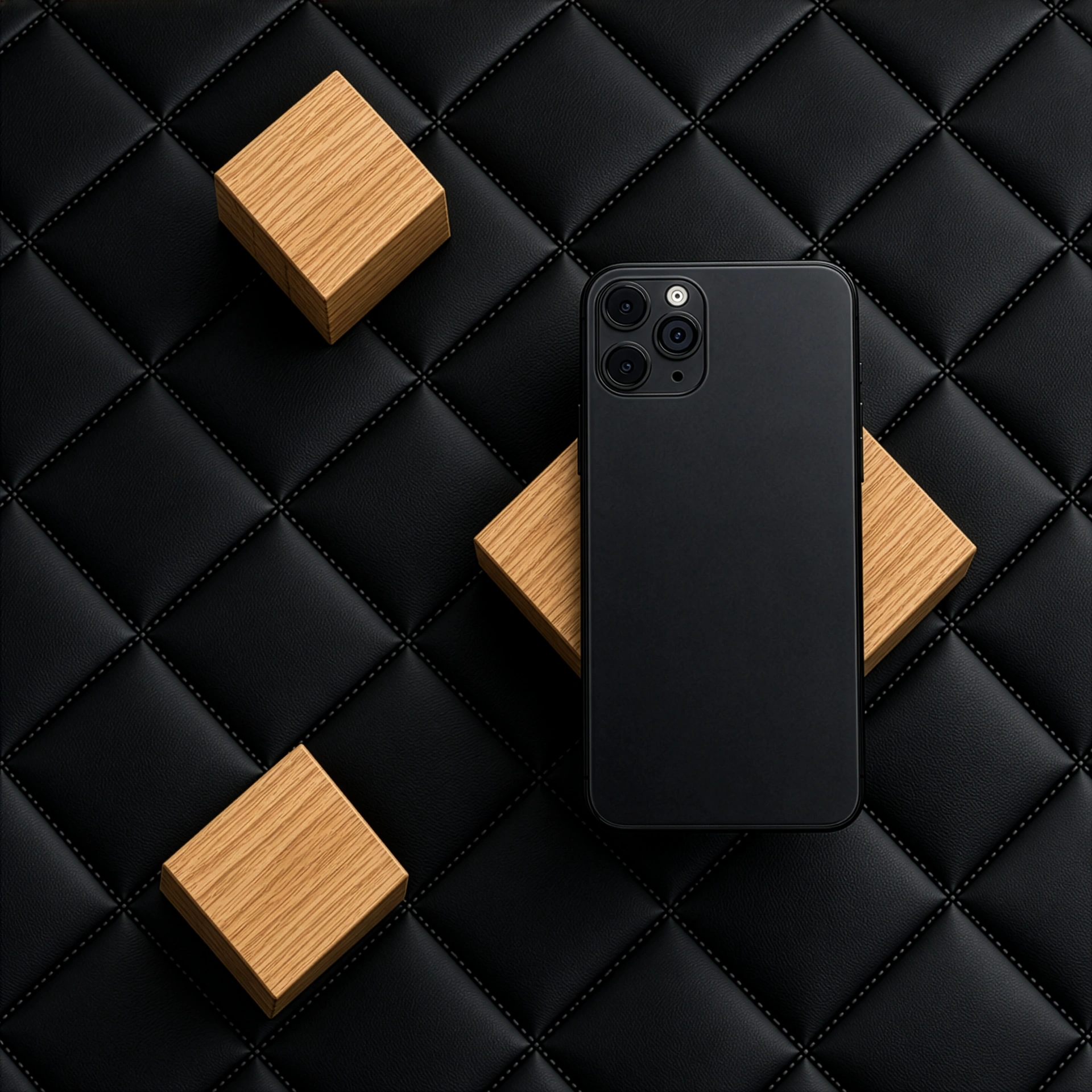
The solutions of the brand Odoardo Soul™ chime with this perfectly. An oak cube placed on a table in the waiting room wakes a hidden microchip when a smartphone comes near. Instead of nervously searching the internet, the patient gets answers about how the visit is organized, prepared by the clinic itself – the text Lowering stress in aesthetic medicine clinics describes it. On why discreet architecture builds trust more effectively than “before and after” photographs writes, in turn, the material The erosion of trust in plastic surgery.
Why quiet works better than a message in a waiting room is explained by the Odoardo™ manifesto.

 Odoardo Soul™
 Odoardo Alibi™
 Odoardo Lens™
 Odoardo Space™