Picture an affluent patient considering a highly specialized plastic surgery procedure. Searching for the right specialist, they arrive at the social profiles of popular clinics. What they see are stark shots from operating theaters, aggressive before-and-after comparisons and loud promotions on aesthetic medicine treatments. For a patient who values discretion above all, that sight does not build authority. It does the opposite: it suggests their own records could one day end up in somebody else's feed.
In premium medicine, traditional mass marketing is losing its effect. Affluent patients and top-tier properties look for distinguishing marks and proofs of quality (social proof) that are not simply a paid campaign. Clinical competence is settled by qualifications and outcomes, not by décor – but a patient still choosing a practice assesses it first by what they can see. Discreet, considered architecture is the first piece of information they receive.
Architecture as the foundation of medical discretion
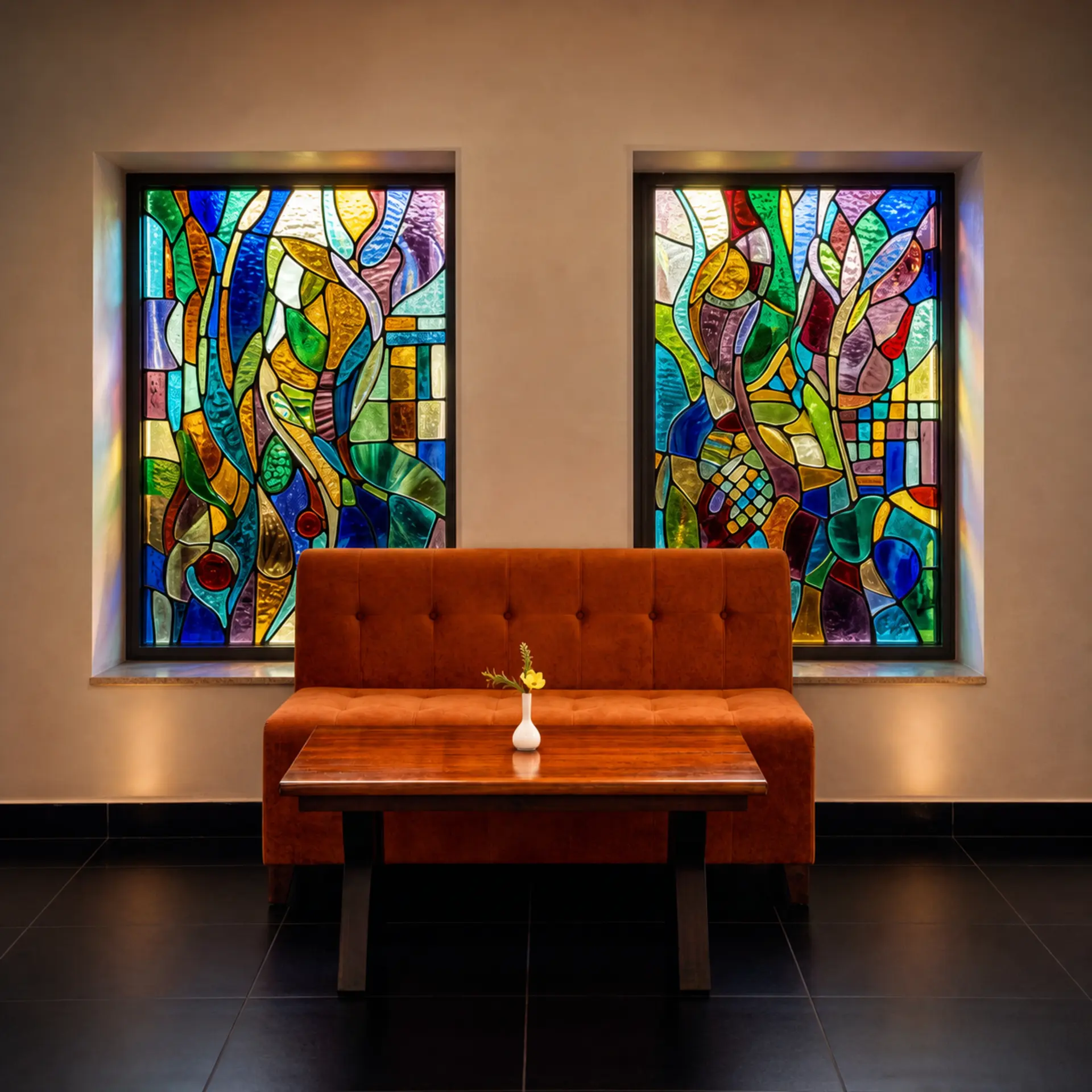
Decision-makers running prestigious clinics increasingly recognize that the waiting room and the consulting room are silent ambassadors of their brand. When an interior does not match the level the offering describes, the patient begins to question the price of the procedure.
The answer to the crisis of authenticity in the sector is objective visual verification. Plastic surgery clinics can confirm their standard by joining The Filmable Book by Odoardo™. This annual is a selection of the finest spaces, those that have abandoned cheap marketing in favor of refined cinematic potential. Presence in it subtly but firmly legitimizes a clinic's position, telling patients they are in a place where every detail – from lighting to architecture – is subject to uncompromising control.
A refined path to the elite
The process of applying for a place in the book has been designed with the convenience of directors and clinic owners in mind. Entry is entirely free and rests on organic verification that cannot be bought in any way.
To begin, a clinic simply uploads a single photograph of its space – a waiting room bathed in soft light, for instance, or a minimalist consulting room. The public profile, the spread stamped with its status and the materials for sharing are created only upon nomination.
The frame then passes to an independent curatorial team. Experts assess the composition by hand. Clinics that come through the process successfully receive a gold seal of nomination. It confirms the visual and spatial standard of the practice alone – it says nothing about clinical competence or treatment outcomes.
To confirm its status definitively and appear in the annual edition, a clinic must demonstrate the support of its community by generating 500 unique visits to its profile page. In the medical sector, a message of this kind concerns only the premises of the practice, never treatments or their results – the limits of communicating about medical services are set by law and by professional ethics, so the content of every mailing is worth reviewing with the practice's lawyer.
The path ends with the selection of Laureates by the jury. These few, carefully chosen clinics receive a certificate in a hand-made oak frame for the lobby, along with an exclusive two-page interview in the book – four pages of presentation in total, entirely free of charge.
An interior in which nothing draws attention to itself
The same emphasis on what cannot be seen in a space sits behind the Odoardo™ ecosystem, built by dr hab. inż. Marcin Jamro – a researcher, programmer and company president, author of four books on software engineering.
“A patient in a clinic waiting room has nothing to do but look. They see every cable, every screen and every badly aimed light. This is not only a question of aesthetics. It is a question of where someone rests their eyes while waiting and preferring to think about nothing.”
Certifying a space is a catalyst for deeper change. To maintain the impeccable aesthetic of a waiting room, modern clinics can place the animated matter of Odoardo Soul™ within it. Haptic wooden interfaces then replace electronics and, along the way, answer a patient's questions about how the visit is organized – described in The waiting room in an aesthetic medicine clinic. The walls are ordered by rotating works from Odoardo Art™ – giving those waiting something to look at that has nothing to do with the coming procedure, developed in Furnishing a medical clinic waiting room.
In areas set aside for companions, the luxury boxes of Odoardo Alibi™ encourage people to put down their phones – covered in Furnishing a VIP waiting room in a medical clinic. If a practice documents its architecture for image purposes, Odoardo Lens™ provides cinematic color grading, and any material involving a patient is published solely with their consent. This identity is crowned by a premium address from the Odoardo Space™ portfolio (such as plasticsurgeon.cv or chirurzkaplastyczna.pl), reserved for a single practice – the argument is developed in Escaping the dictatorship of reviews.
Submitting a clinic for assessment in The Filmable Book by Odoardo™ is a strategic step toward image sovereignty. A confirmed visual standard says nothing about treatment outcomes and has no such ambition. What it does give a practice is an argument that does not have to be built from before-and-after photographs.
Practices that passed selection are listed in Odoardo™ research. The same mechanism operates in spa properties and in offices prepared for interviews.

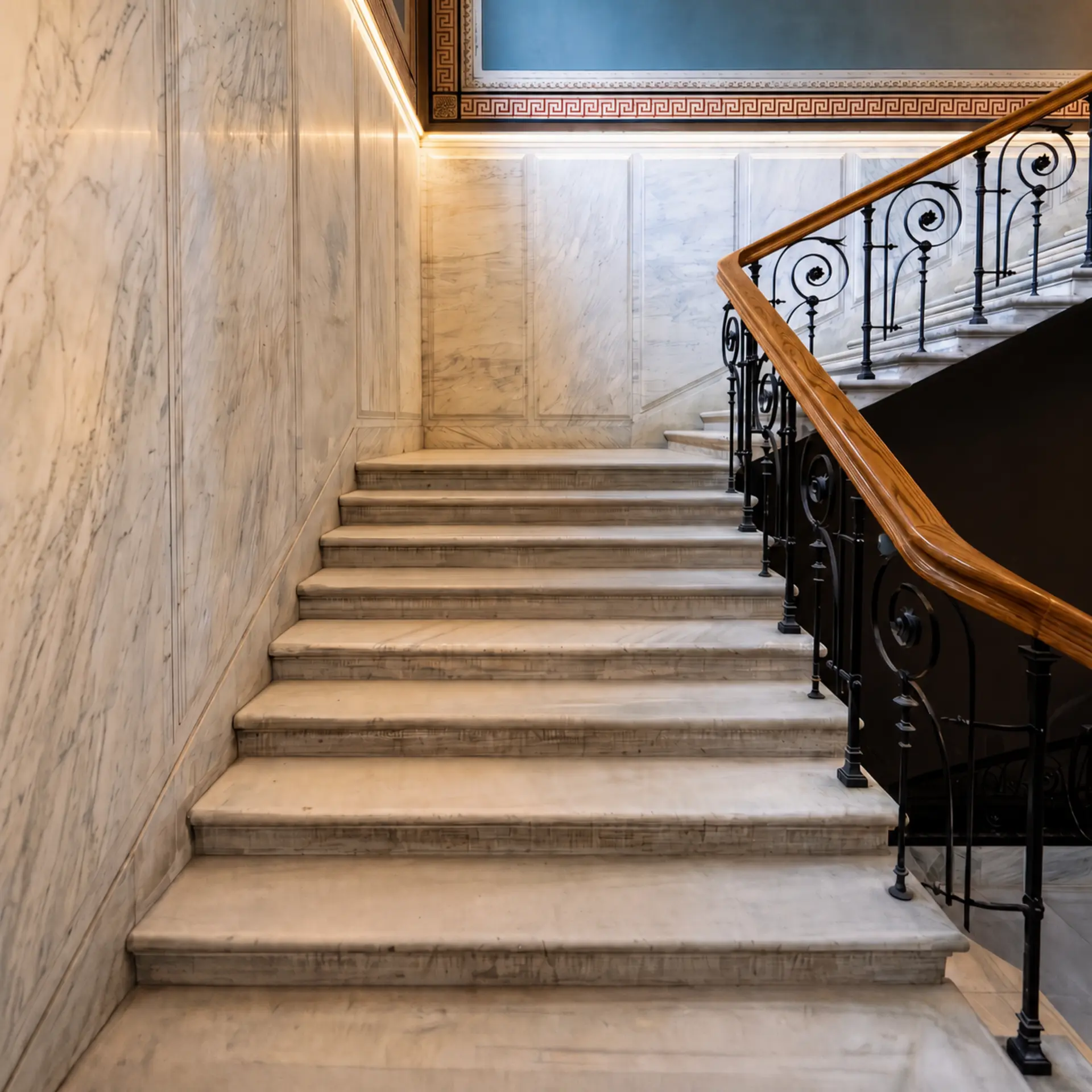

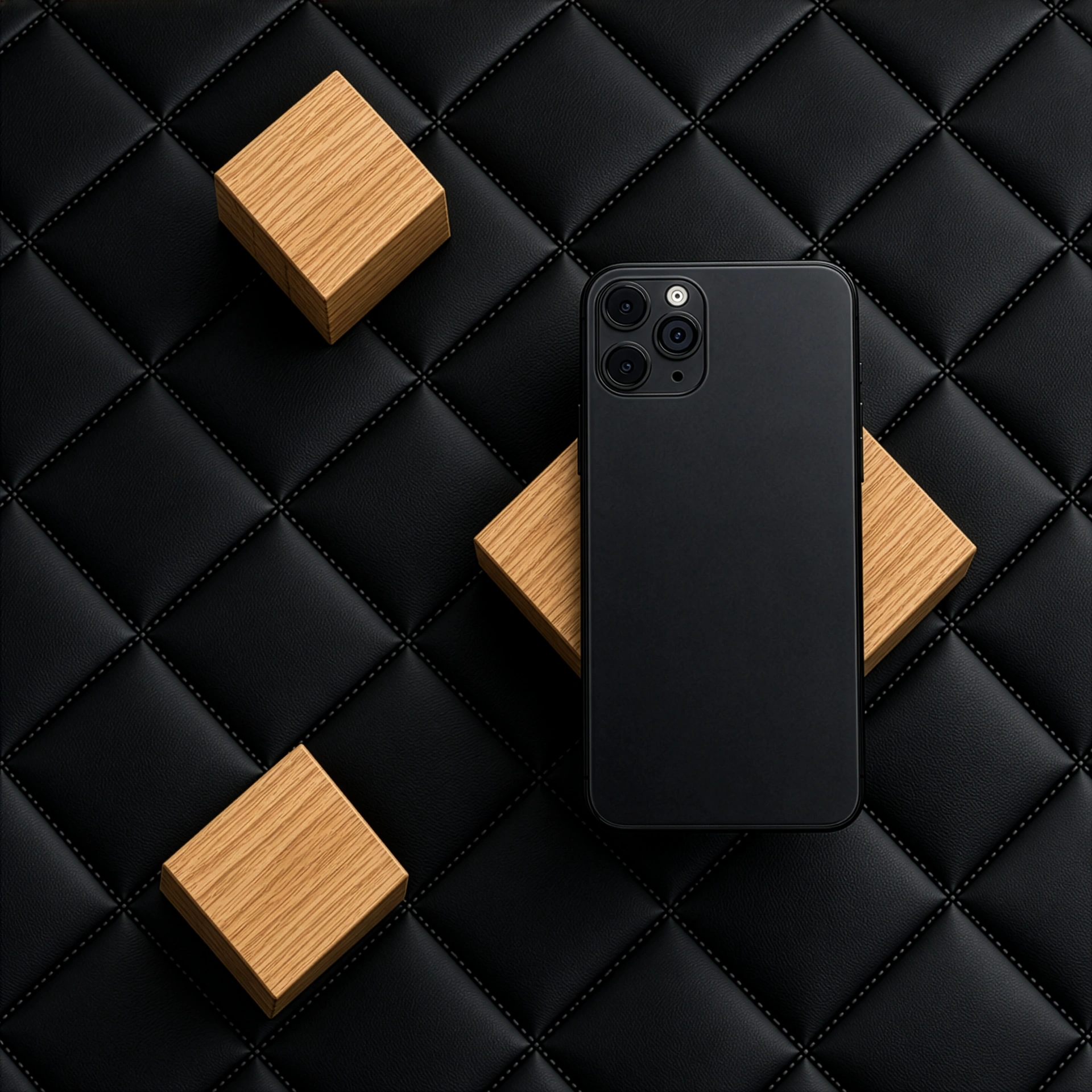 Odoardo Soul™
 Odoardo Alibi™
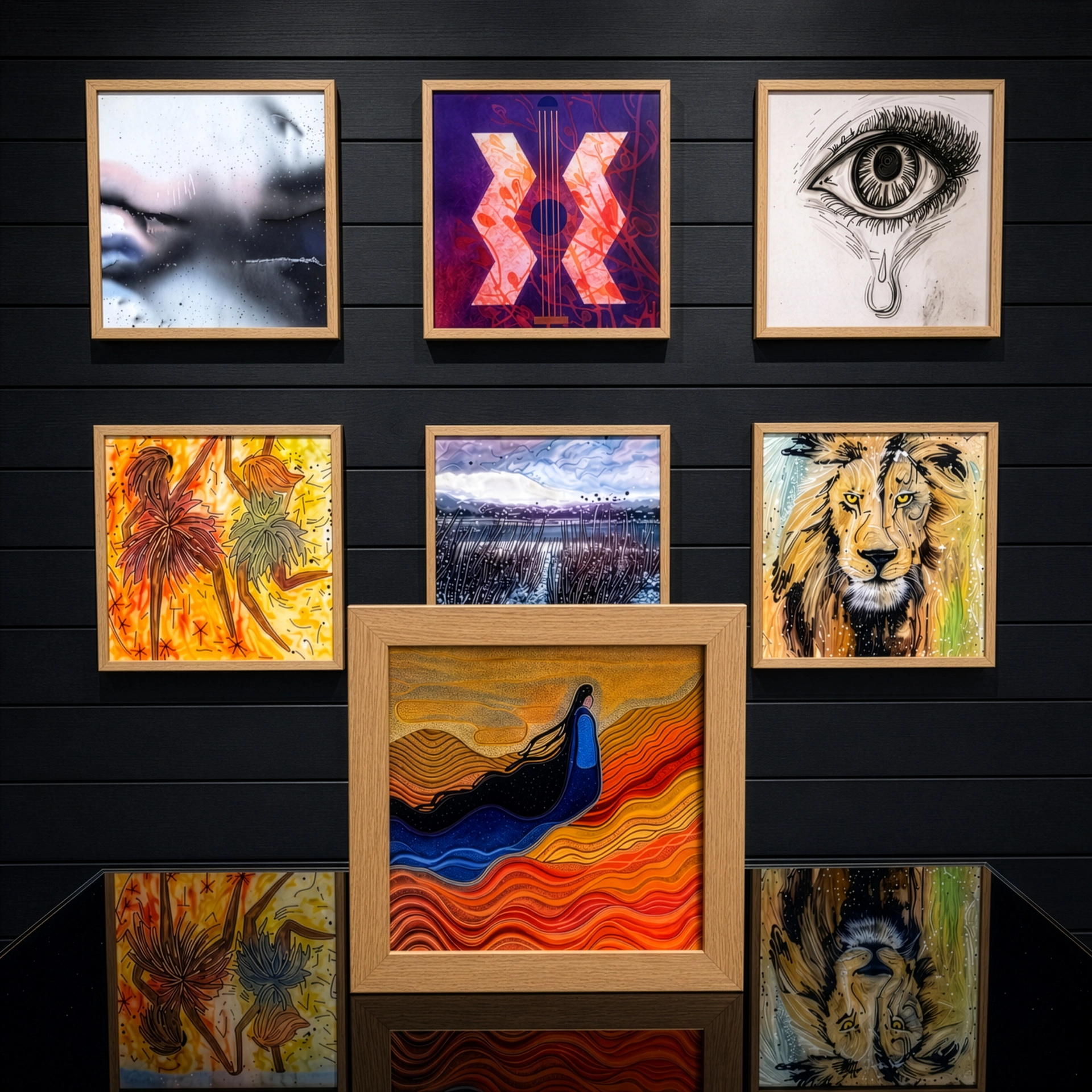 Odoardo Art™
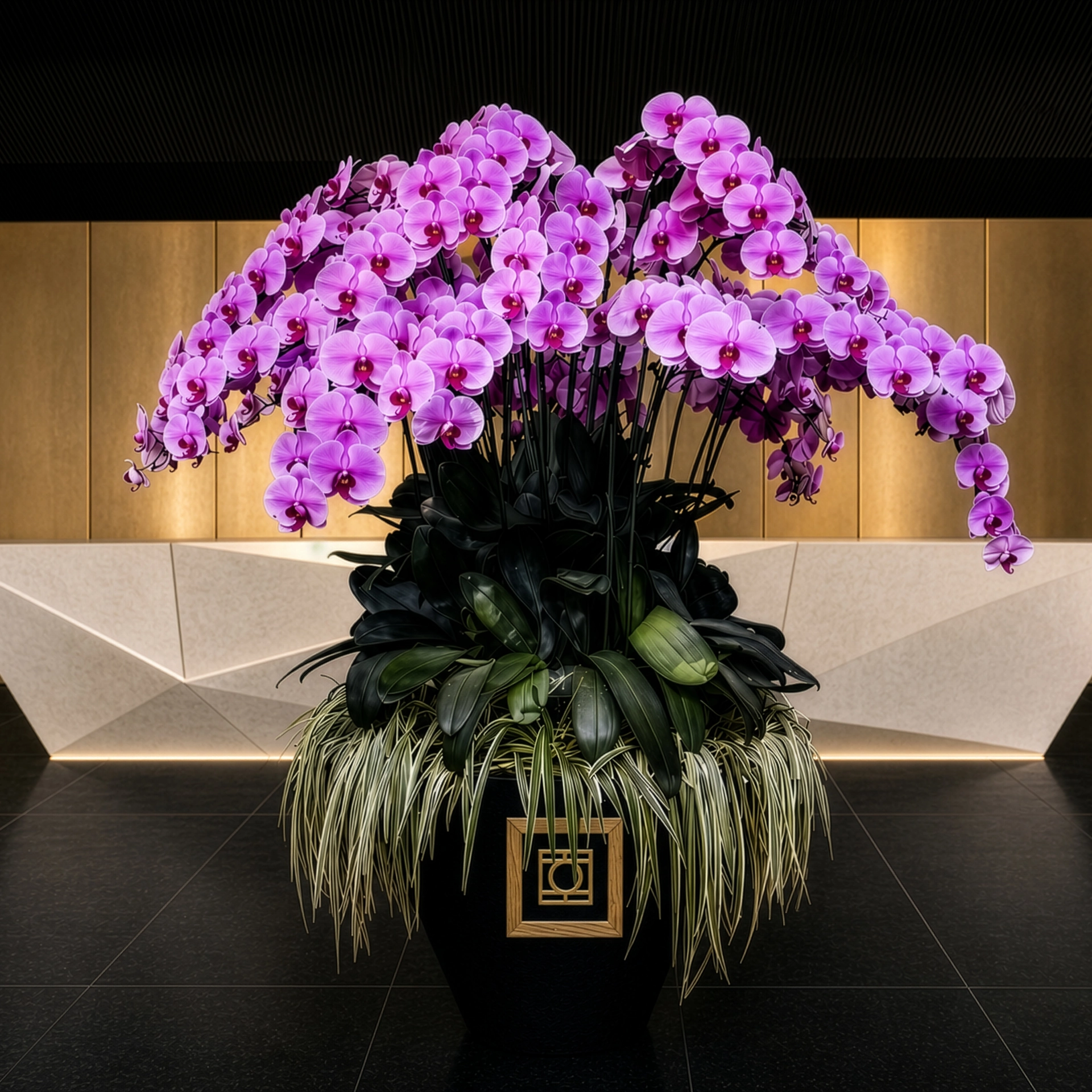 Odoardo Lens™
 Odoardo Space™