Picture a weekend in a meticulously restored eighteenth-century palace. Seeking to offset the high costs of maintaining the estate, the owner has opened it to mass tourism. The courtyard fills with coaches, a makeshift café operates in the historic orangery, and the corridors are packed with visitors firing camera flashes. Gilded plasterwork and oak parquet are surrounded by barrier tape, and garish plastic information signs are visible everywhere. The historic magic of the property, its genius loci, is trampled for good by visual noise and commercial disorder.
Opening historic estates to visitors can be an important source of funding for their upkeep, but it requires careful management of visitor numbers and the organization of movement through the property. An excessive concentration of visitors, makeshift infrastructure and solutions that disregard the aesthetic and historic character of a place can weaken its authenticity, integrity and the quality of the experience. The challenge is therefore not opening a property to the public as such, but reconciling economic accessibility with the protection of its singular character.
Rather than competing for ticket revenue, the most aware owners are now setting course for sustainable heritage marketing. The strategy consists in closing a property to crowds and making it available only as a highly selective, elite film location for fashion houses, the film industry and ultra-premium events.
A monument that does not have to shout
Managing a historic property in the spirit of quiet luxury is above all an art of reduction. The creator of the Odoardo™ ecosystem, dr hab. inż. Marcin Jamro, points out something owners find uncomfortable: what is available to everyone stops being a reason to travel.
“Every element added to a historic building – the tape, the sign, the makeshift counter – had its justification once. The problem is that none of them ever disappears, and together they turn a palace into a frame that requires costly post-production.”
To break away from the mass format and establish a palace as an exclusive location, investors submit their residences for authorization in The Filmable Book by Odoardo™. This independent curatorial annual is an elite index of spaces meeting a strict visual standard. Confirmed cinematic potential tells a director and an organizer of a closed event exactly what interests them: how much work this interior will require before the first shot.
Four acts of visual legitimacy
What separates the book from rankings that charge for entry is that the listing cannot be bought. The entire process is free at every stage. The path consists of four acts:
Act I: The promise of a space (Submitted status) The process begins with uploading only one shot. Owners often fear they must first finance a large photographic session. Nothing could be further from the truth – what counts is authenticity and composition. One frame will do, most likely resting in your phone's gallery: an afternoon shadow falling across the palace library, the detail of a historic tiled stove, or the play of light along an enfilade. The frame goes to curatorial review. The public profile, the spread stamped with its status and the materials for sharing are created only upon nomination.
Act II: Certifying beauty (Nominated status) The submitted photograph goes before curators for close assessment. A palace receiving the gold seal of nomination gives external production companies hard proof that its interiors have cinematic depth and require no aggressive post-production.
Act III: Discreet patronage (Distinguished status) To secure a place in the physical annual edition, the estate must gather 500 unique visits to its profile. It is an opportunity to write to the friends of the palace, local patrons and business partners instead of advertising. The message concerns the architecture of the property rather than ticket sales, so it reads differently.
Act IV: The elite of heritage (Laureate status) The jury awards the honorable title of Laureate only to the finest residences. Beyond a certificate in a hand-made oak frame to grace the palace study, winners receive two further pages in the book for an interview with the owner or the chief conservator. That amounts to four pages of elite presentation in total, entirely free of charge.
Technology in the service of historic buildings
Reaching a cinematic standard is the moment to consider a deeper harmony between technology and history. When a palace hosts VIPs at a closed ball, the virtual director Odoardo Lens™ guides behind-the-scenes video through curated frames with cinematic color grading, and publication takes place solely with the guests' consent – the context is developed in Technology in historic interiors.
An enormous challenge in heritage properties is concealing modern infrastructure. The animated matter of Odoardo Soul™ helps here. It allows information for guests to be hidden directly in historic joinery, paneling or stone, without signs, drilling or cable runs. This method of deployment is described in Discreet AI in historic hotels and palaces.
A space can be enlivened with rotating works from Odoardo Art™, which contrast with historic interiors – how to do that without drilling into historic walls is shown in An interior transformation without renovation. In former smoking rooms and libraries, the boxes of Odoardo Alibi™ come into their own, where the card asks, not the person. A palace's online image is worth anchoring to a premium address from the Odoardo Space™ portfolio, shared with nobody.
For the owner of a private residence this is above all a calculation: a single closed event can yield as much as many days of visiting, while wearing the fabric of the building far less.
Residences assessed by the curators are listed in Odoardo™ research. We gathered similar conclusions for luxury wedding venues and for industrial architecture. Why we choose a narrow audience over a mass one is explained in the manifesto.
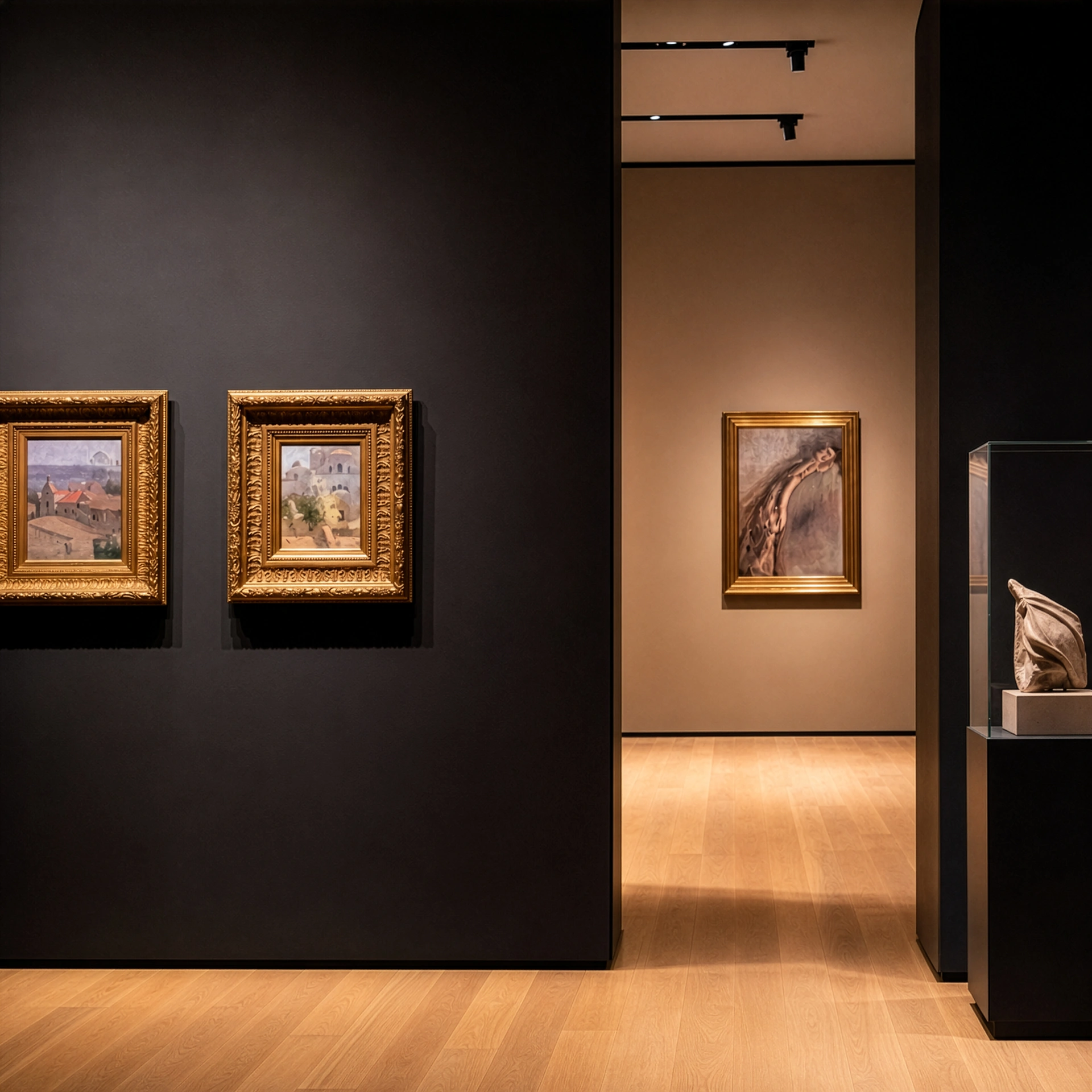
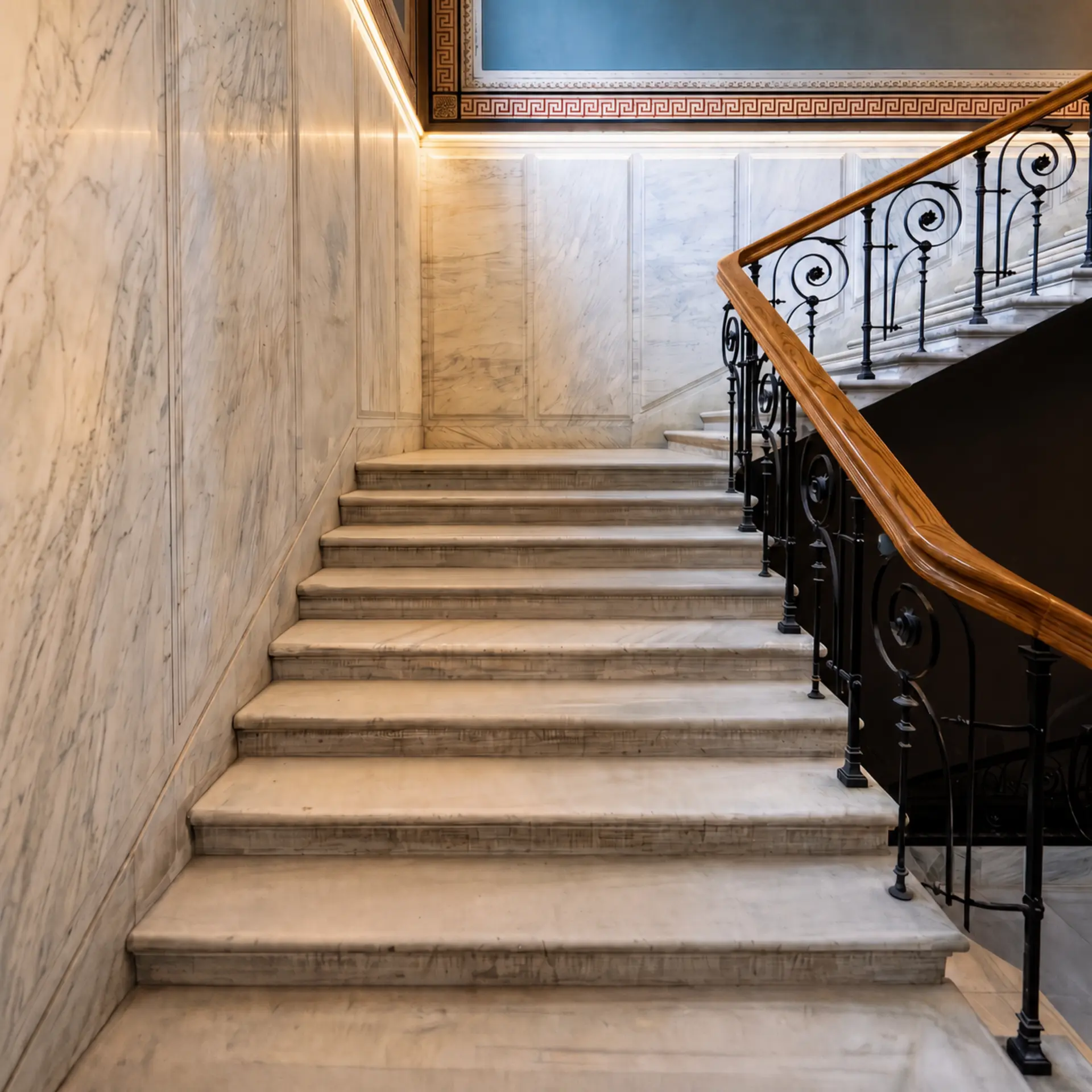
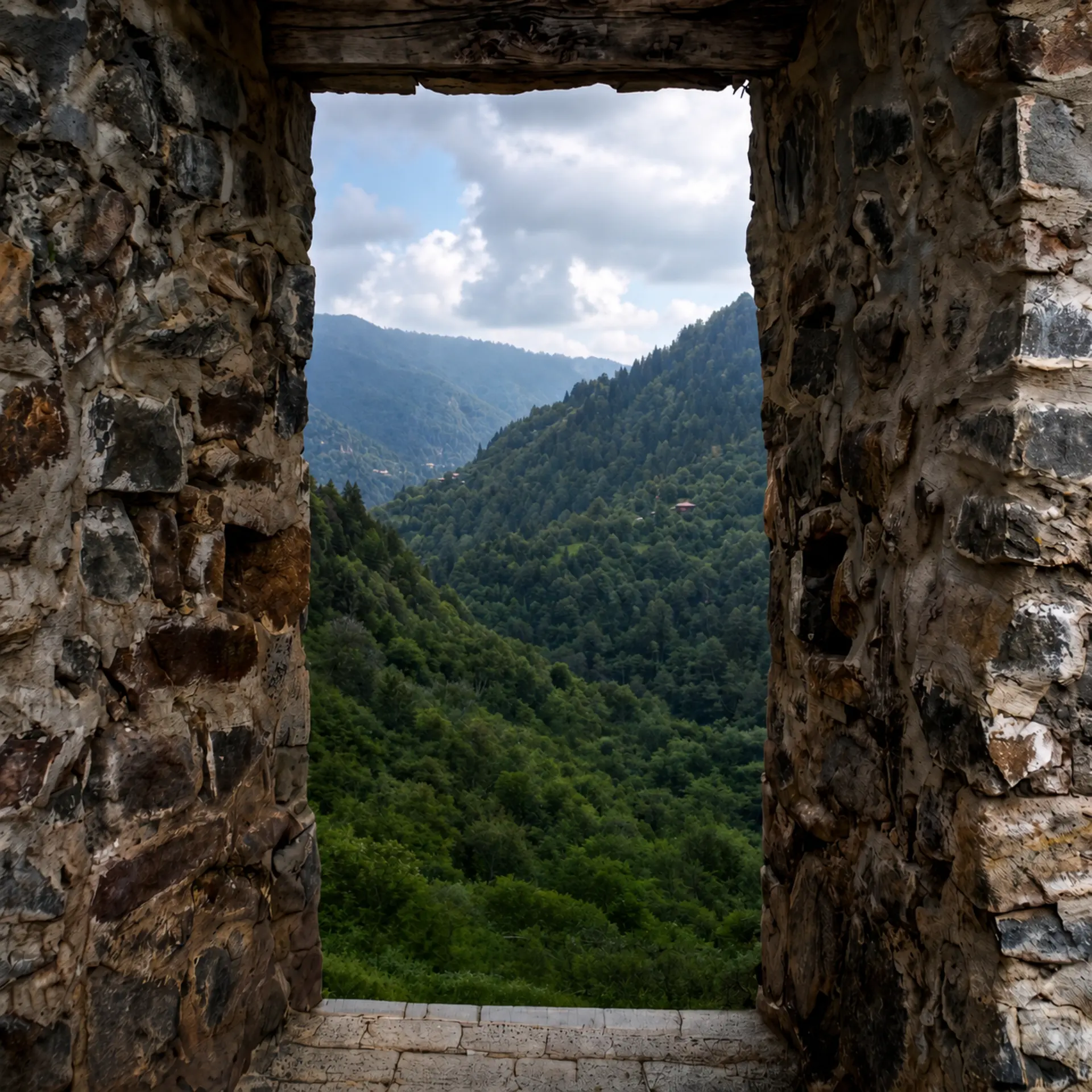
 Odoardo Soul™
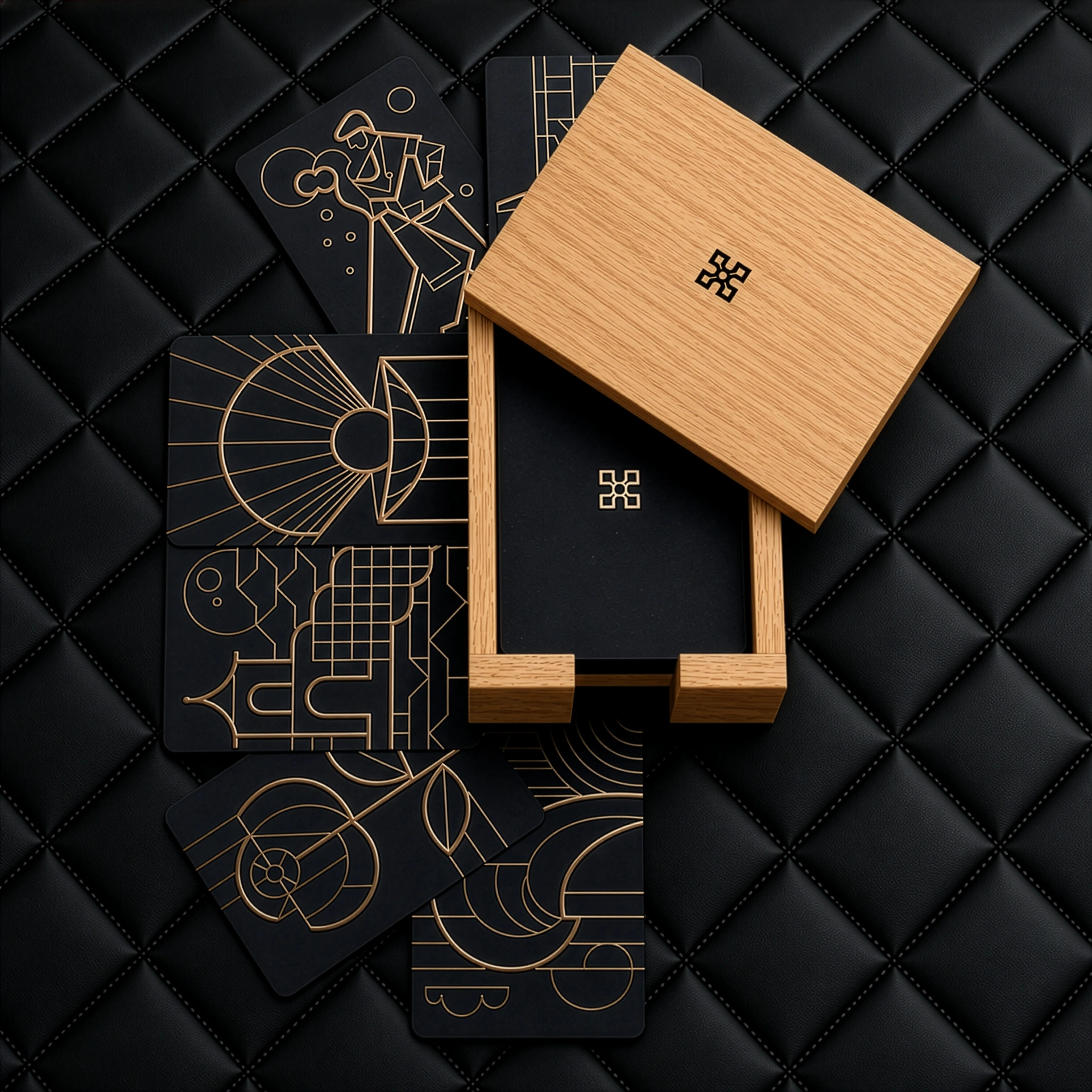 Odoardo Alibi™
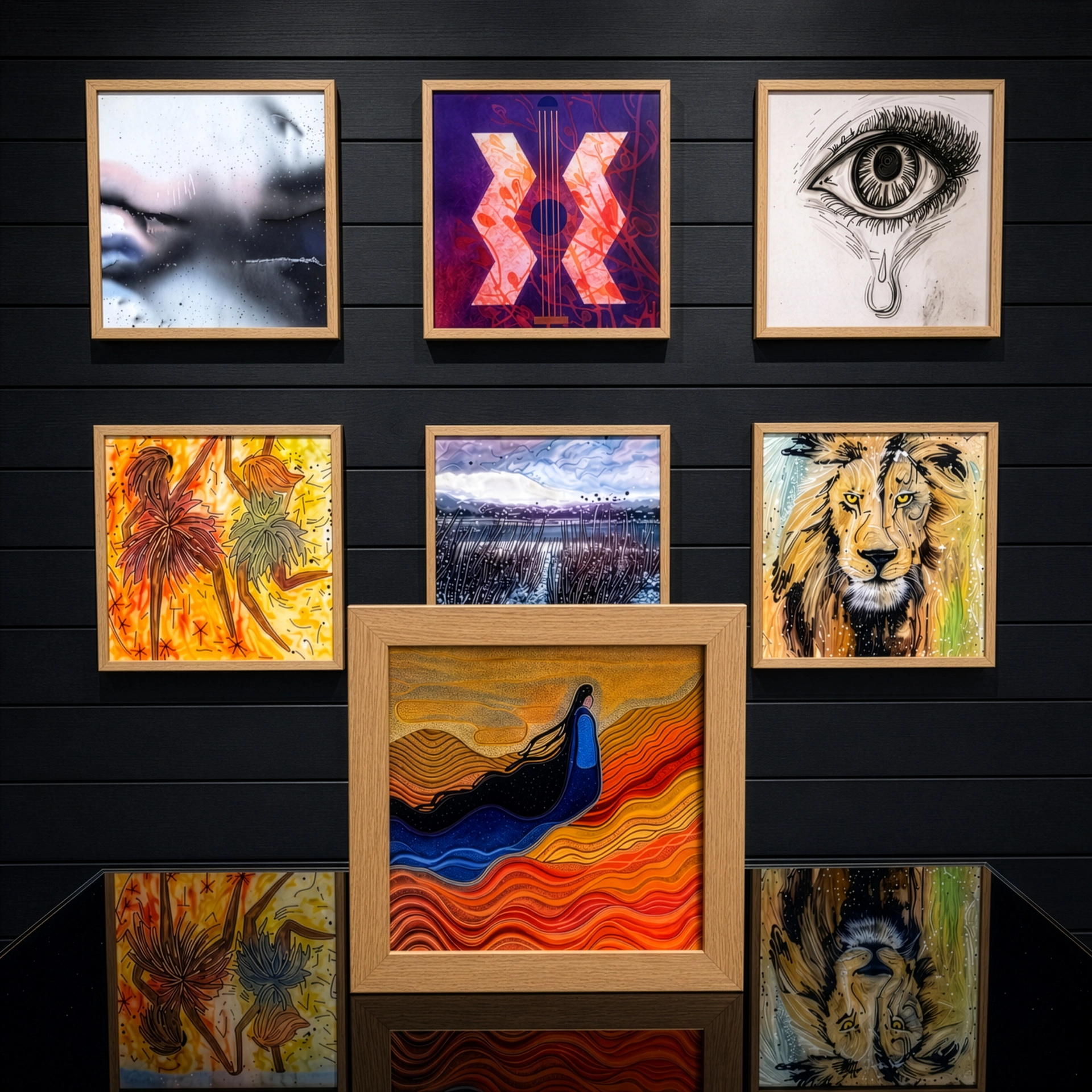 Odoardo Art™
 Odoardo Lens™
 Odoardo Space™