Picture the opening of an international academic symposium in the nineteenth-century hall of a respected university. The intellectual level of the speakers is world class, and the audience includes distinguished researchers and prospective patrons of science. Yet when foreign guests and the media try to document the event, aesthetic jarring comes to the fore: cold, office-grade fluorescent light, a tangle of cables hanging from the historic lectern and a generic plastic projector screen that entirely obscures intricately carved paneling. Within seconds, in the lenses of smartphones, the gravity and centuries-old authority of the alma mater are drastically flattened.
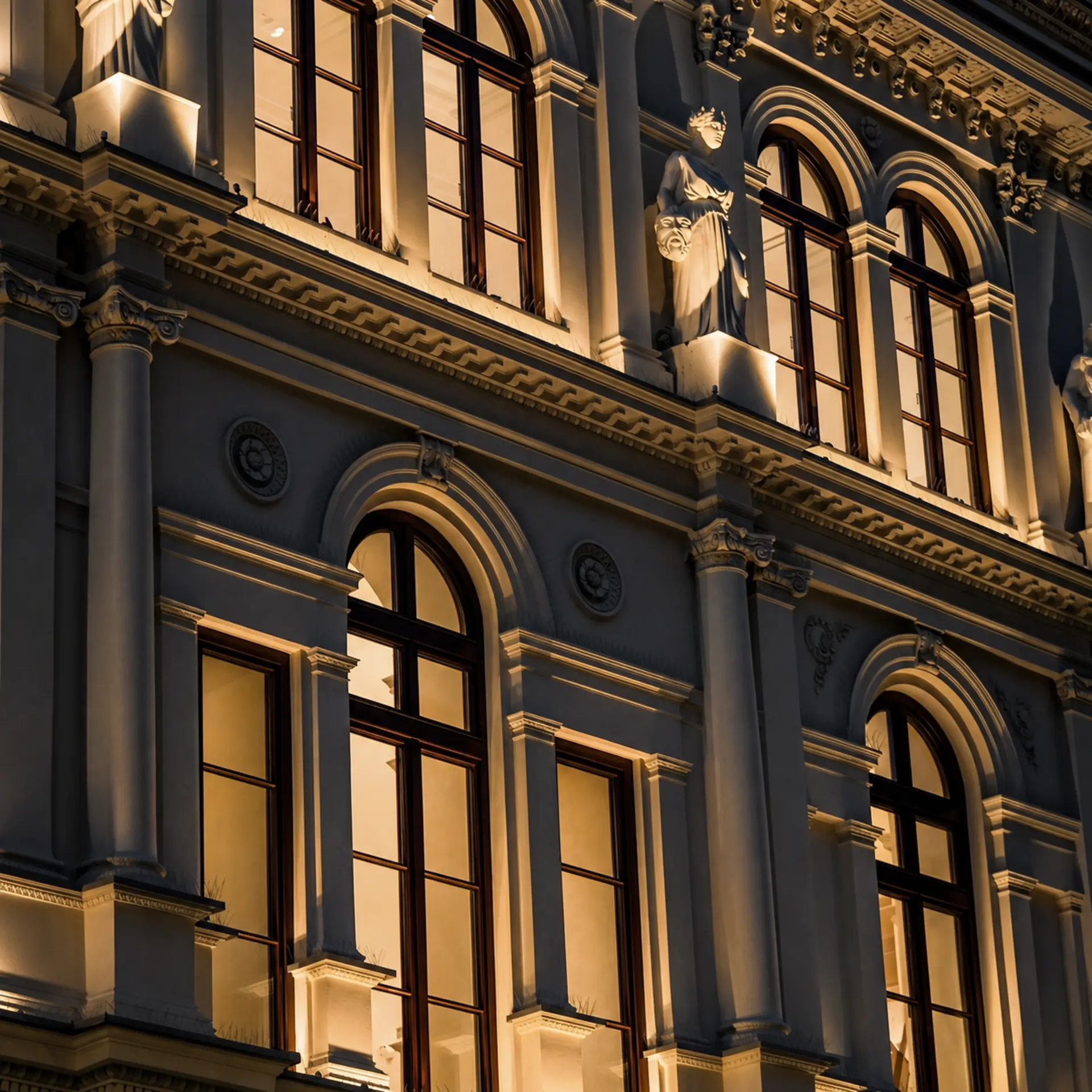
The architecture, heritage and aesthetics of a campus contribute to a university's image, particularly for people who come to know it through a brief visit, promotional materials or coverage published in the media. Historic space will not replace academic reputation or the quality of research, but it can strengthen their symbolic setting. The technical infrastructure of an event should therefore support the authority of the place rather than compete with it visually.
The choice of a university is settled by its faculty, its program and its research record. A candidate from abroad and a donor, however, first come to know an institution through photographs – and those decide whether they read anything else. A brochure full of text will not replace one well-made frame of a historic reading room.
Architecture supported by academic precision
The creator of the Odoardo™ ecosystem, dr hab. inż. Marcin Jamro – a researcher and entrepreneur, author of four books on software engineering – knows the same problem from lecture halls.
“In a historic hall, equipment tends to accumulate in layers: first the projector, then the extension lead, finally the screen. Together they can produce a room no longer worth photographing.”
To prove the quality of their campuses objectively, chancellors and rectors submit key spaces for authorization in The Filmable Book by Odoardo™. This elite, independent annual gathers only those locations that meet a rigorous visual standard. Confirmed cinematic potential concerns architecture alone and says nothing about the level of teaching or research – those a university documents separately.
An intellectual status ladder
The foundation of the book's prestige is the principle that presence in it cannot be bought with a university marketing budget, and that the whole process is entirely free. For university authorities it consists of four consecutive stages:
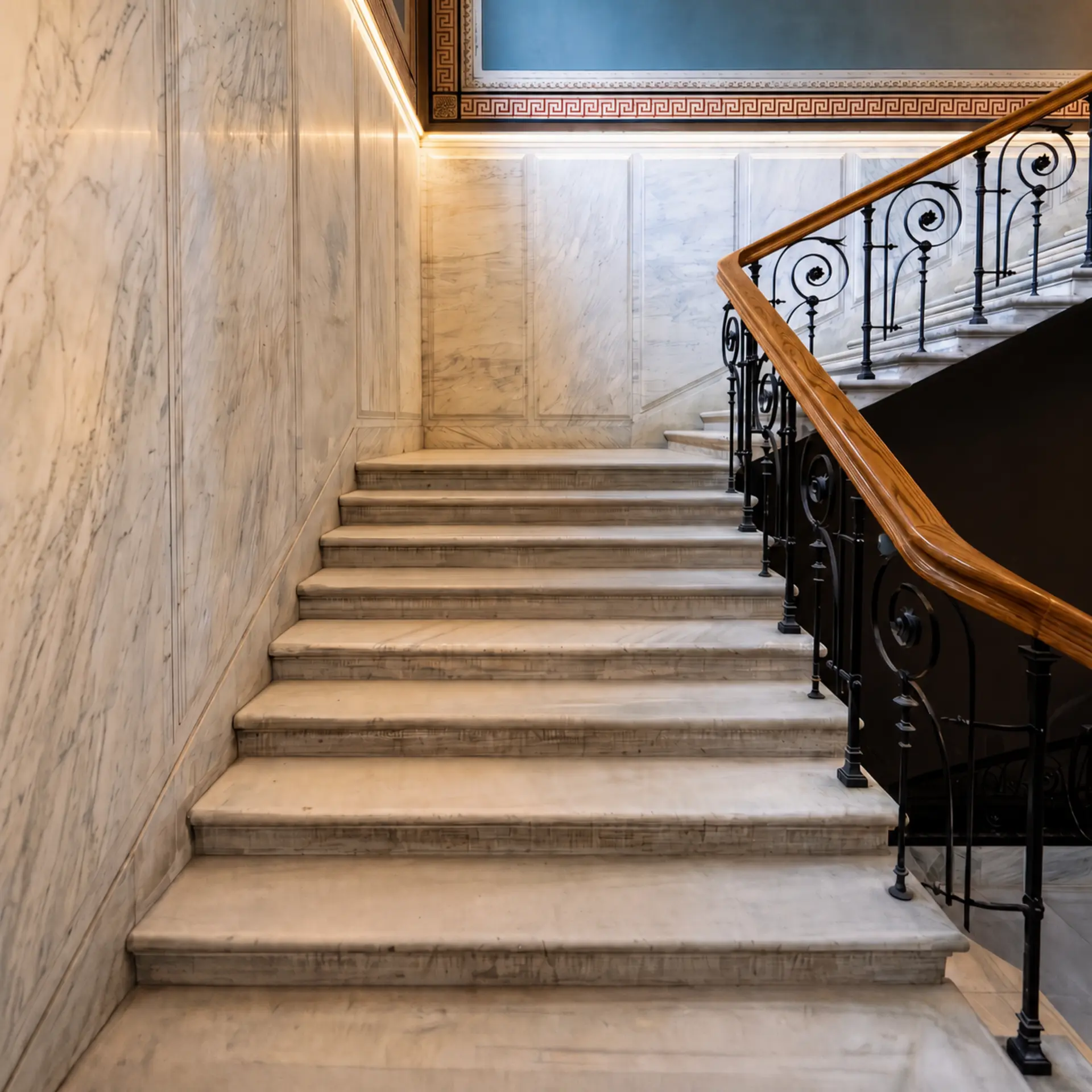
- Submission (initiation in the system): A university representative uploads a single frame of a representative space. It might be the symmetry of oak tables in a historic library, or an intricate stained-glass window in a faculty's main hall lit by afternoon sun. The frame goes to curatorial review. The public profile, the spread stamped with its status and the materials for sharing are created only upon nomination.
- Nomination (curatorial assessment): An independent team of experts verifies the submitted shot by hand. Receiving the gold seal is formal proof that the space possesses a singular, directed atmosphere.
- Distinction (community support): To secure a place in the physical annual edition, the space must gather 500 unique visits to its profile. This is an unusually elegant reason for university authorities to send a discreet newsletter to the alumni club and to patrons. The message concerns campus architecture rather than fundraising – and for that reason tends to be read more readily than an ordinary appeal.
- Laureate (the absolute elite): The finest academic interiors are chosen by the jury. The university receives a certificate in a hand-made oak frame to hang in the rector's office. Laureates additionally gain two further pages in the book for an exclusive interview, with the campus's lead architect or the chancellor for instance, giving four pages of elite presentation in total, entirely free of charge.
The ecosystem of quiet luxury on campus
Confirming the cinematic quality of a hall or senate room opens the way to measures that protect that heritage. When a university holds a prestigious graduation ceremony, the virtual director Odoardo Lens™ guides recordings made by students and their families through curated frames with cinematic color grading, and publication takes place with their consent.
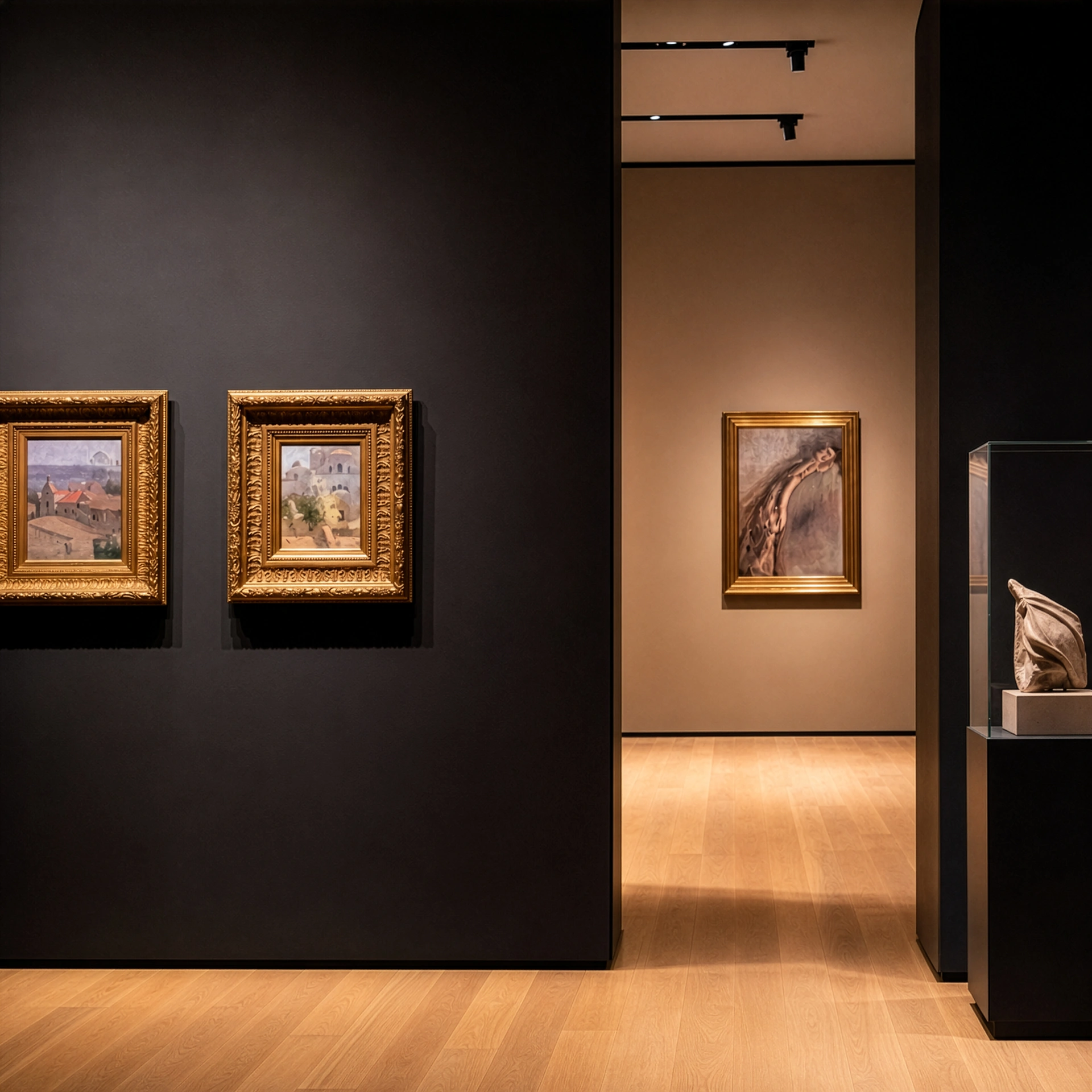
To avoid aesthetic compromise, historic spaces deploy the animated matter of Odoardo Soul™. In a bespoke deployment it allows sound control to be concealed directly within the historic solid wood of lecterns and desks, without drilling or cable runs – the same method of deployment is described in Discreet AI in historic hotels and palaces. In more modern faculty wings, standing is raised by rotating art from Odoardo Art™, which we cover in Furnishing a law firm for a new era. In donors' boxes, the oak cases of Odoardo Alibi™ offer a pretext for a deeper conversation. Digital sovereignty can be sealed with a premium address from the Odoardo Space™ portfolio, beyond the reach of competitors.
Submitting historic interiors to The Filmable Book by Odoardo™ is more than public relations for a university. It is above all a reason to put cabling and lighting in order in the places that end up in every report from an inauguration or symposium anyway.
Universities present in the book are listed in Odoardo™ research. The same argument over a place in the index is taking place around museums and galleries and representative halls of public offices.
 Odoardo Soul™
 Odoardo Alibi™
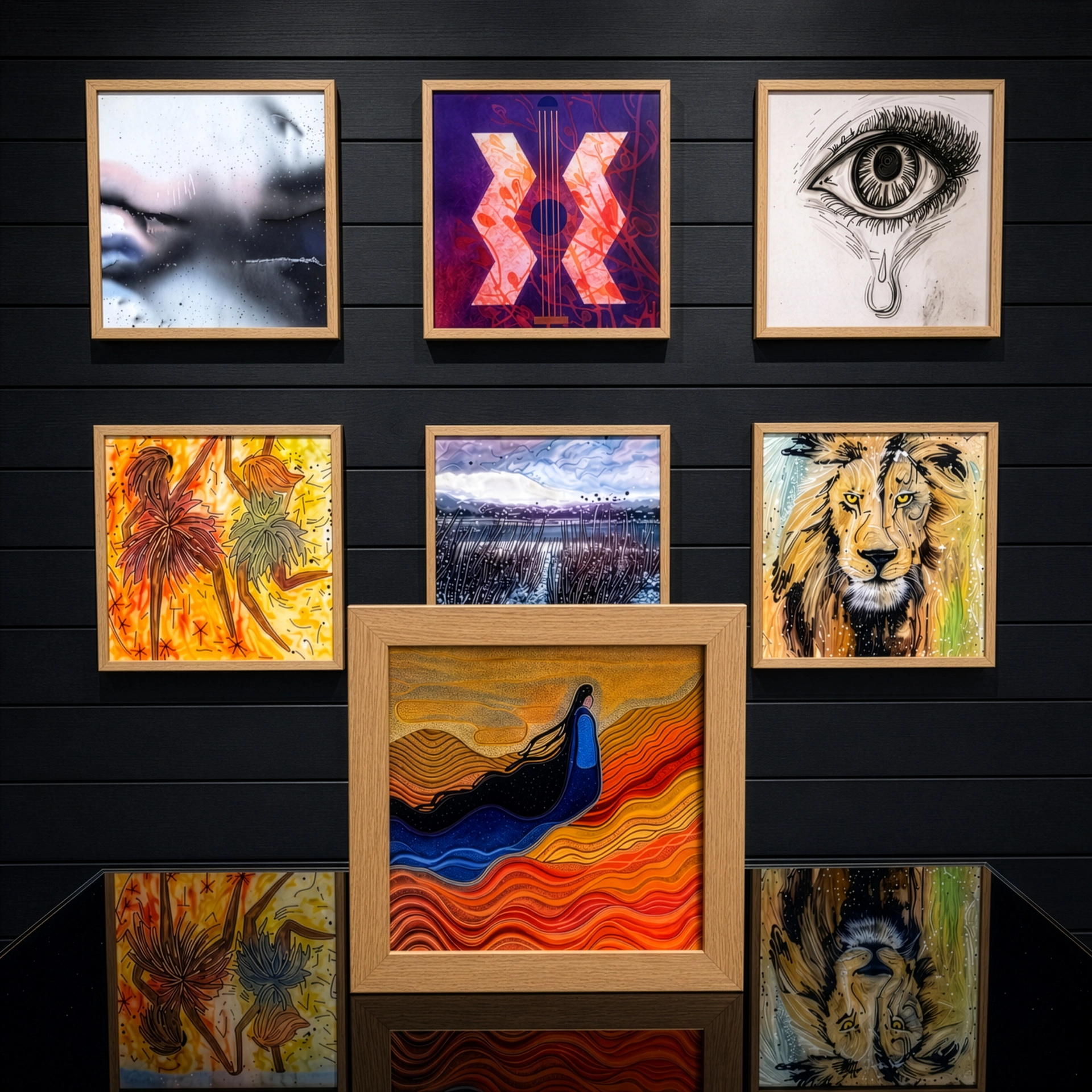 Odoardo Art™
 Odoardo Lens™
 Odoardo Space™