Picture a late afternoon at an independent, boutique vineyard. The sun sinks slowly, washing the rows of vines in warm, golden light. The air carries ripening fruit and oak barrels, and the tasting terrace holds an atmosphere of quiet luxury. That fragile harmony is broken by the arrival of a coach full of visitors drawn by a cheap offer on a local portal. The magic of the place vanishes, and the affluent guests on the terrace – for whom privacy and aesthetics matter as much as the vintage – discreetly ask for the bill.
Connoisseurs seeking high-end experiences increasingly weigh not only the quality of the wine but the authenticity of the place, the aesthetic of the estate and the intimacy of the visit. Instead of a standard offering built to process large numbers, they expect a carefully designed experience that lets them learn the vineyard's history, heritage and philosophy in calm, discreet surroundings.
Vineyard owners face a challenge: how to separate themselves from cheap mass tours while attracting connoisseurs ready to pay a premium rate for something exceptional. The answer is not aggressive marketing but objective authorization of the space.
The engineering of prestige in a natural setting
Managing perception in the premium segment is an art of omission. The creator of the Odoardo™ ecosystem, dr hab. inż. Marcin Jamro, a programmer and researcher, builds products around what has been removed from them rather than what has been added.
“True luxury in wine tourism lies in protecting the experience. A vineyard should not be a backdrop for mass tours but a directed stage for connoisseurs. When we combine the raw beauty of nature with discreet technology and an exceptional composition of light, we create a space that becomes a destination in itself.”
To prove their distinction, independent vineyards and wine estates are worth submitting for verification within The Filmable Book by Odoardo™. This is a singular annual gathering only those spaces that meet rigorous visual standards, offering guests a setting that reads like a frame from a high-budget film. An entry in the book states plainly what kind of visit a tasting here is – and that alone sets expectations before anyone calls to ask about group rates.
The ecosystem of discreet experience
Confirming a vineyard's cinematic standard is only the beginning. Real advantage comes from coherence. A tasting should be free of distracting technological stimuli. Deploying the animated matter of Odoardo Soul™ allows a microchip to be concealed directly in solid wood. An oak tasting table then serves as a private sommelier, responding to a guest's smartphone, without screens or cables.
Cellars and tasting rooms gain character through rotating works from Odoardo Art™ – why changing displays work better than fixed ones is explained in The psychology of changing space. Conversations over a glass of a rare vintage are worth deepening with the boxes of Odoardo Alibi™, which shift the weight of the first question onto an object. When guests want to record the golden hour above the vines, the virtual director Odoardo Lens™ attends to cinematic color grading, and the material is published only with their consent – described in The role of lighting and color grading. The vineyard can seal the whole narrative with a premium address from the Odoardo Space™ portfolio, under exclusive lease.
Four steps to authorizing a vineyard
The defining feature of The Filmable Book by Odoardo™ is that a place in it cannot be bought, and the submission process itself is entirely free. The path has four stages, each to be cleared separately:
- Initiation and Submitted status: The process begins with uploading a single frame. There is no need to hire a professional photographer – affluent travelers look for detail and atmosphere. One photograph will do, most likely already on your phone: symmetrical rows of oak barrels in the half-light of the cellar, a glass of red against the setting sun, or a vine dew-covered at dawn against a stone wall. The frame goes to curatorial review. The public profile, the spread stamped with its status and the materials for sharing are created only upon nomination.
- Verification and Nominated status: The curatorial team assesses the submitted frame. The gold seal is formal confirmation that your vineyard is a space of singular visual potential.
- Social proof and Distinguished status: To reach the annual edition, the estate must gather 500 unique visits to its profile. For a vineyard this is an excellent occasion to write to its wine club with news of the nomination. The move strengthens loyalty among regulars and reminds them to book their next visit.
- Elite and Laureate status: The most striking spaces are chosen by the jury, which awards them a certificate in a hand-made oak frame. Laureates additionally receive two further pages in the book for an exclusive interview with the winemaker – four pages of presentation in total, entirely free of charge.
Stepping back from the fight for the mass visitor in favor of authorization in The Filmable Book by Odoardo™ is a strategic decision that lets a vineyard take back control of its image. Confirmed visual potential tells a connoisseur what no price list can: that it is worth coming here for the place itself, not only for the vintage.
Vineyards admitted to the book are listed in Odoardo™ research. The mechanism works similarly in fine dining restaurants and at viewpoints.

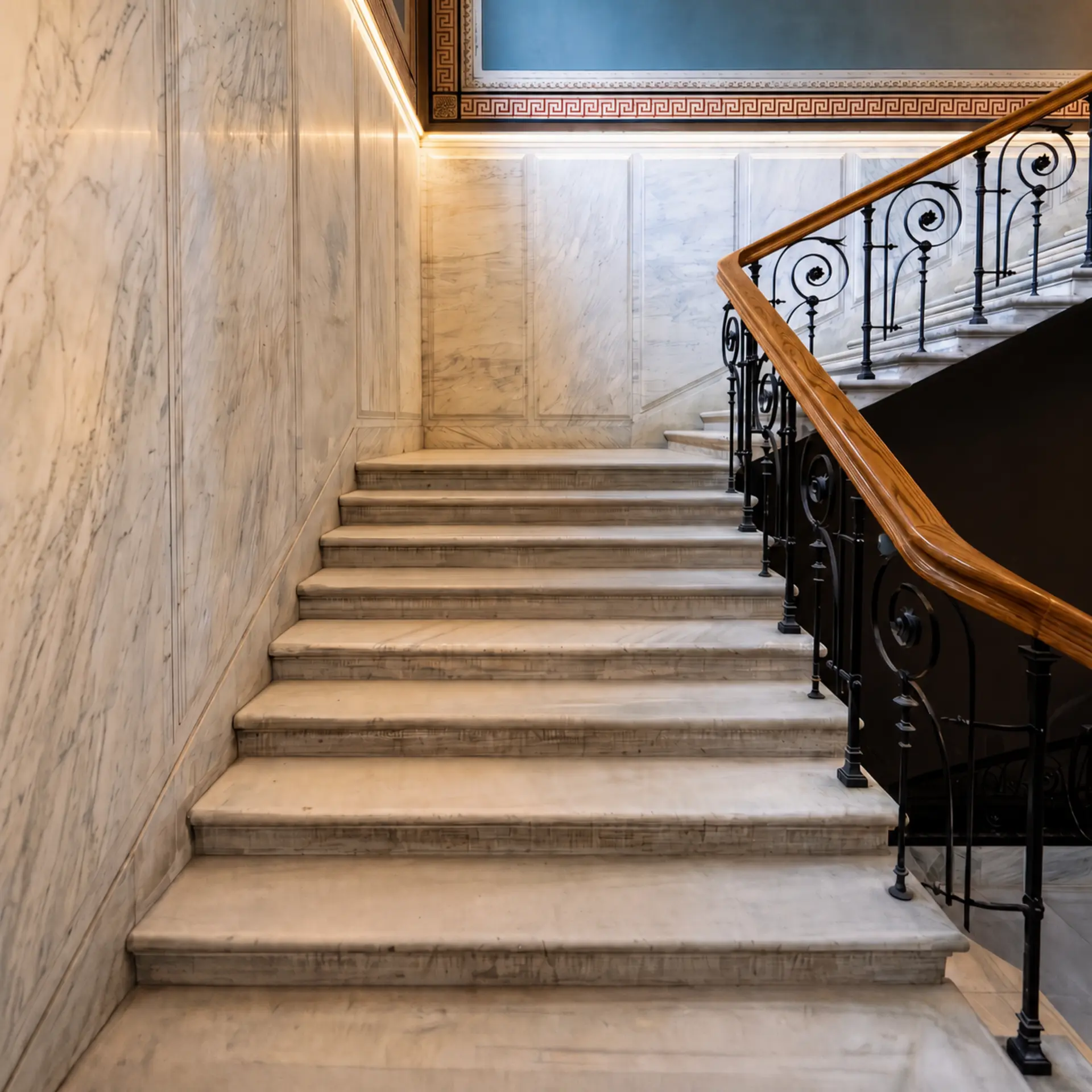
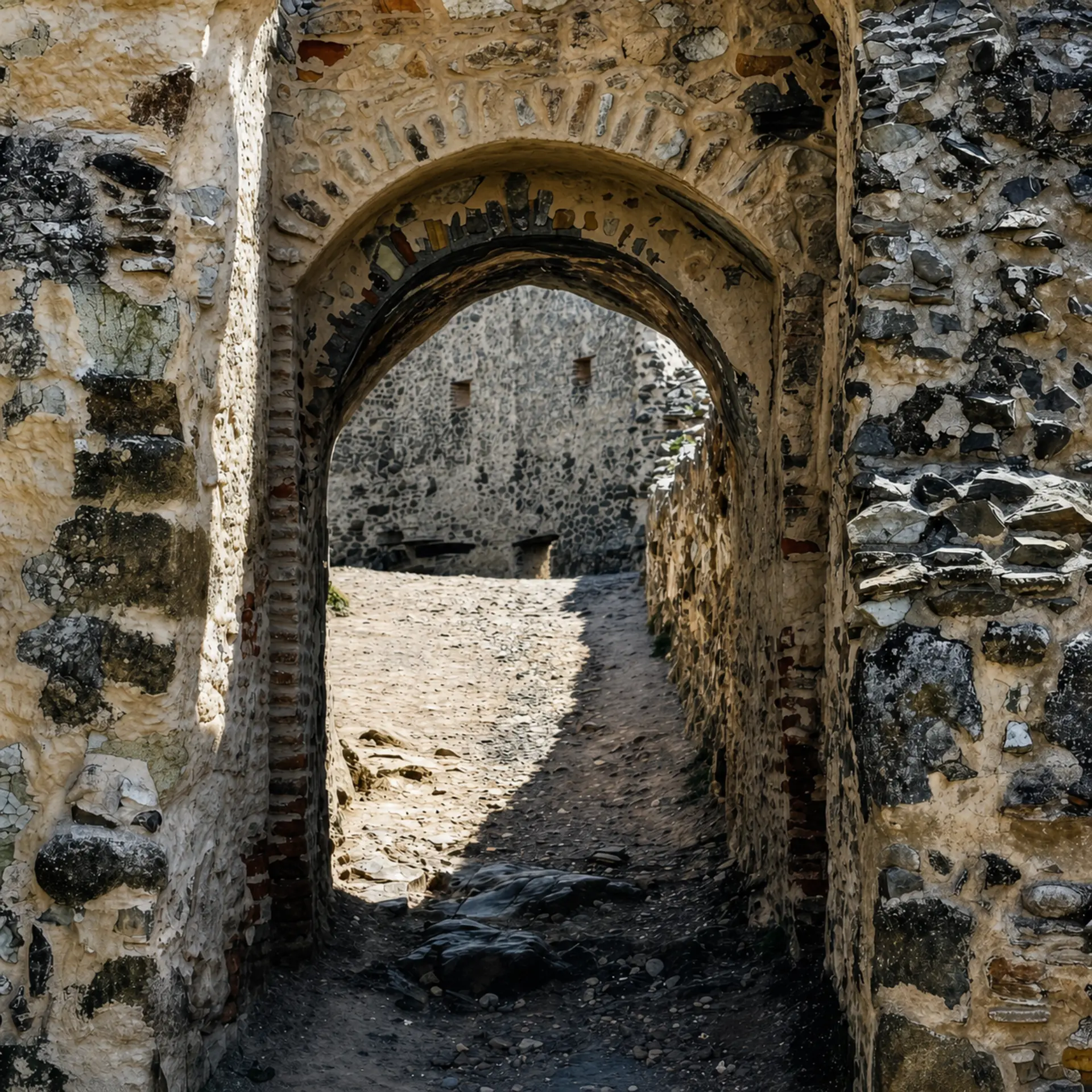
 Odoardo Soul™
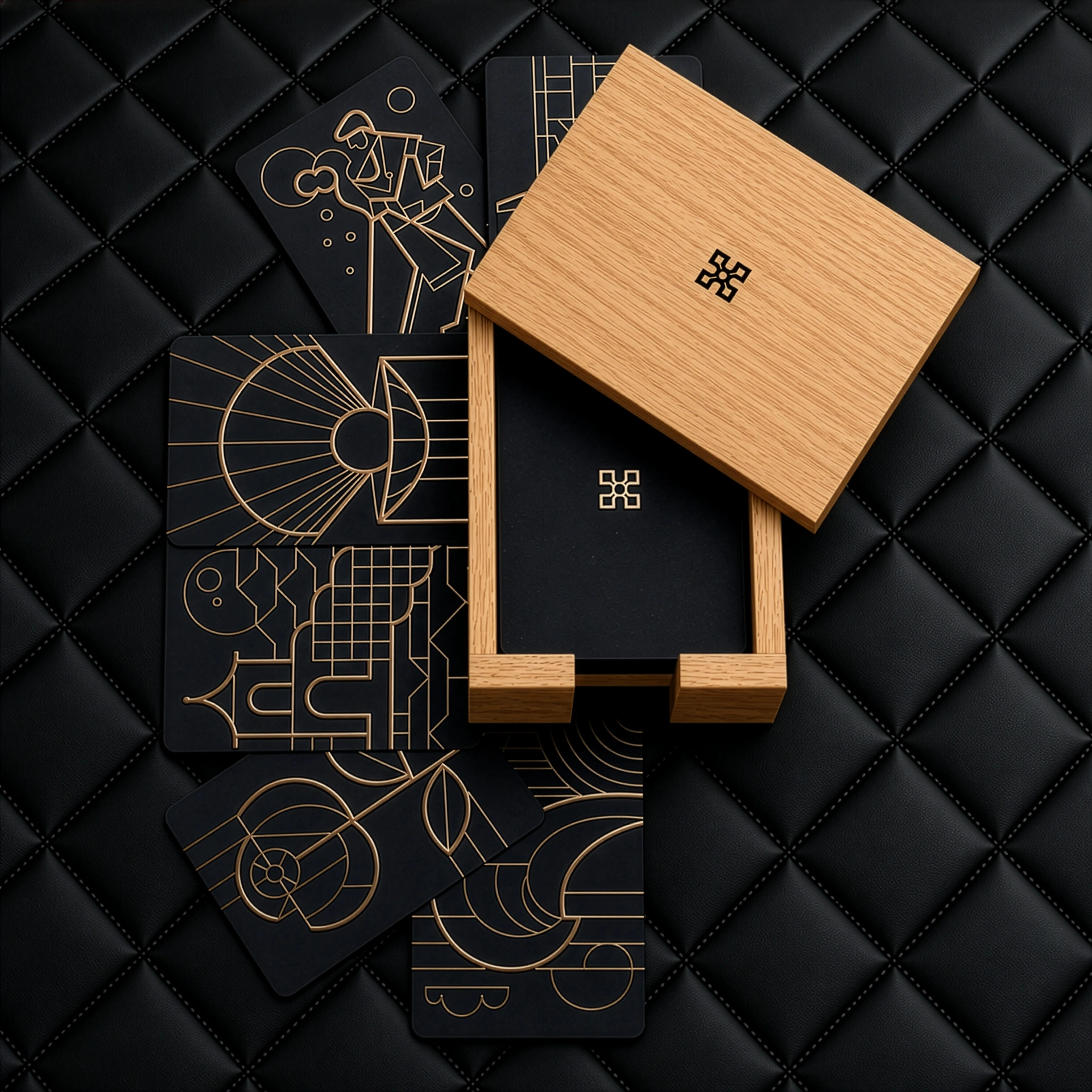 Odoardo Alibi™
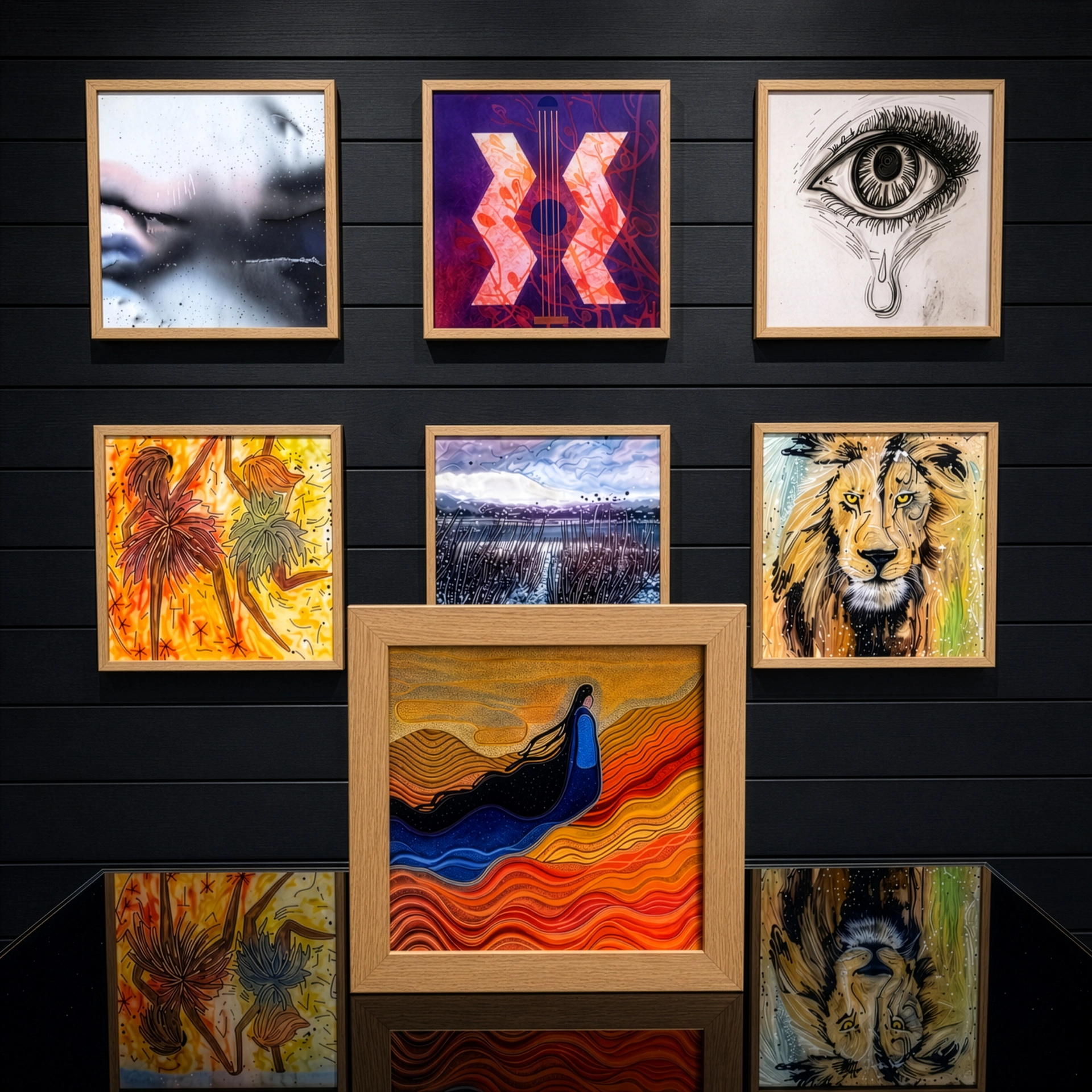 Odoardo Art™
 Odoardo Lens™
 Odoardo Space™