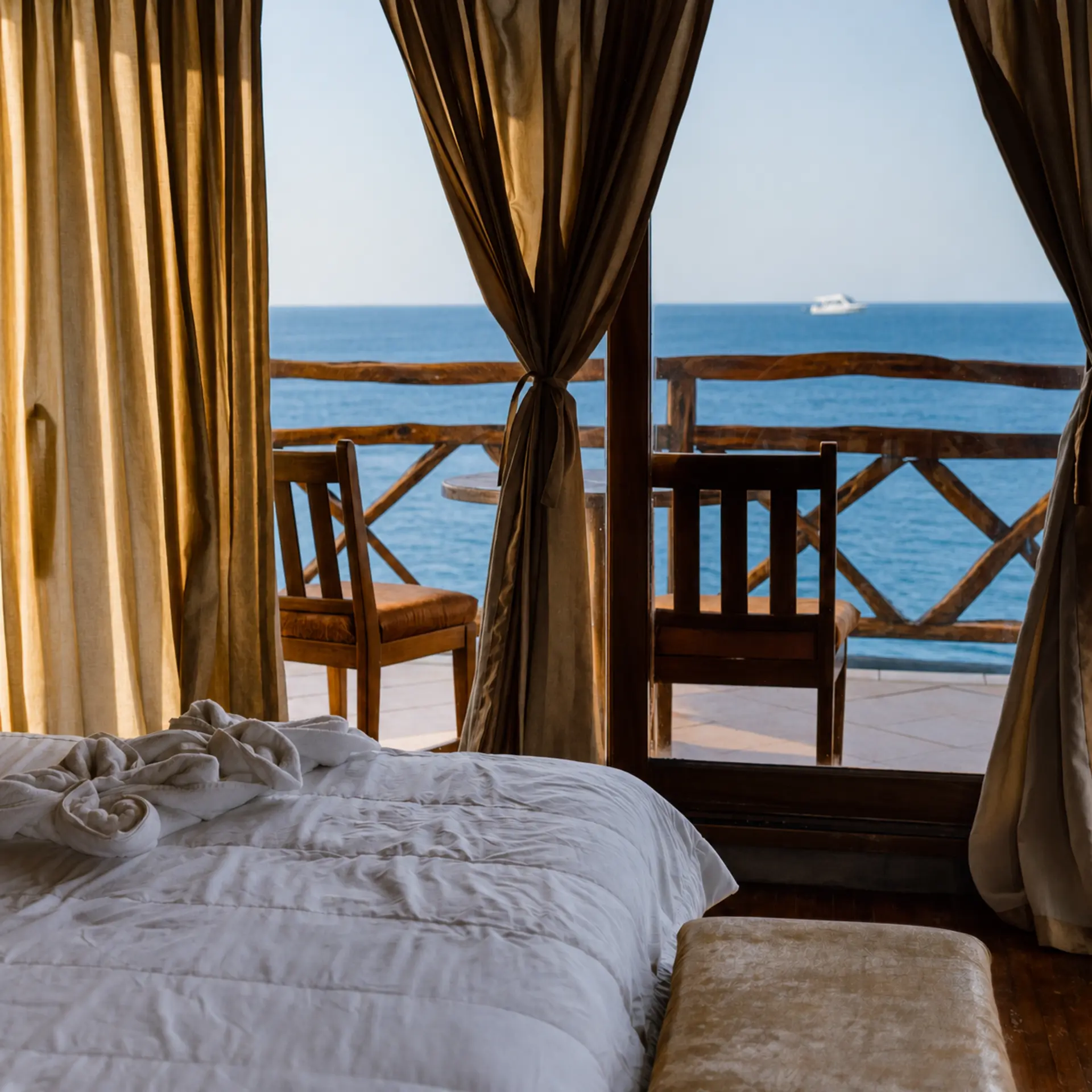
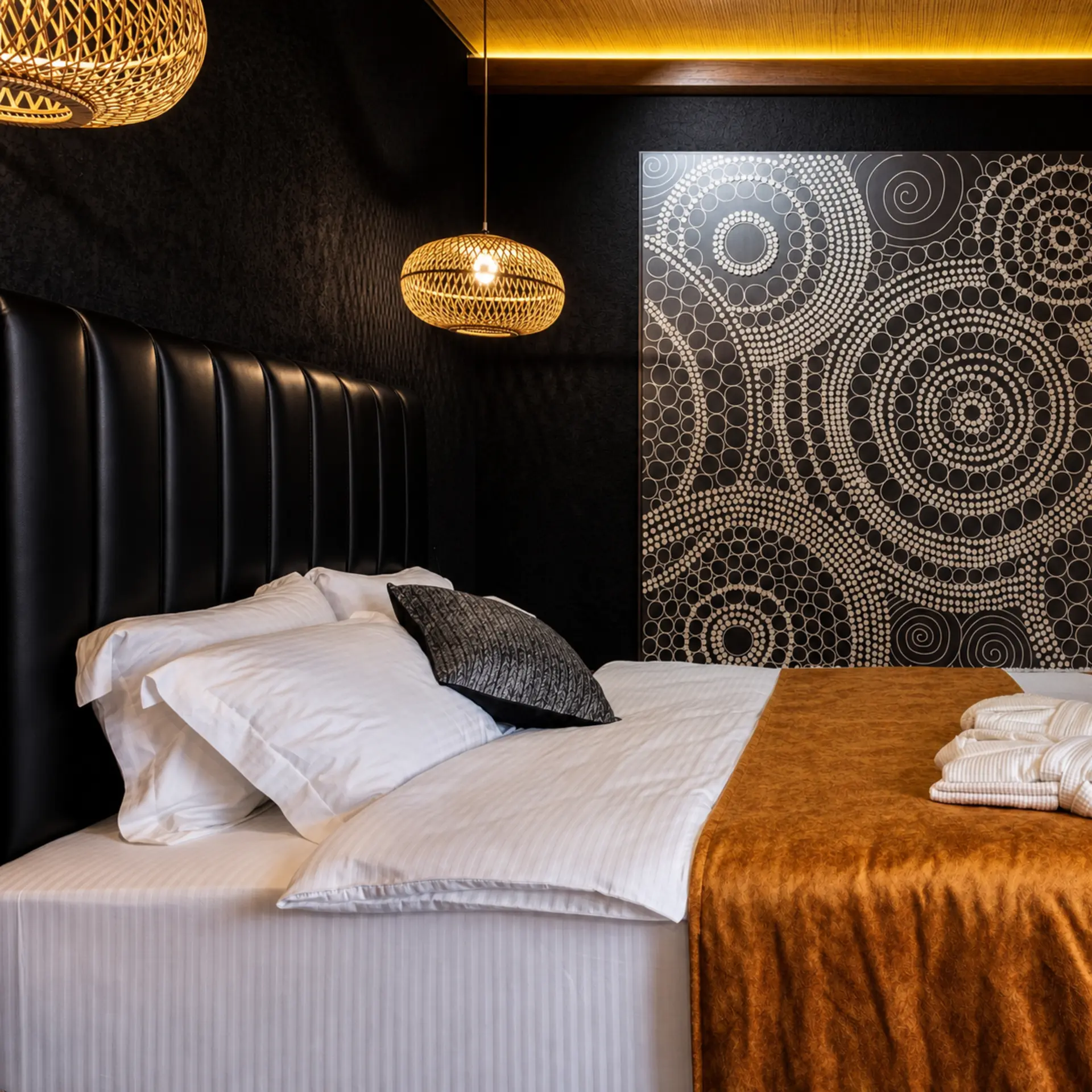
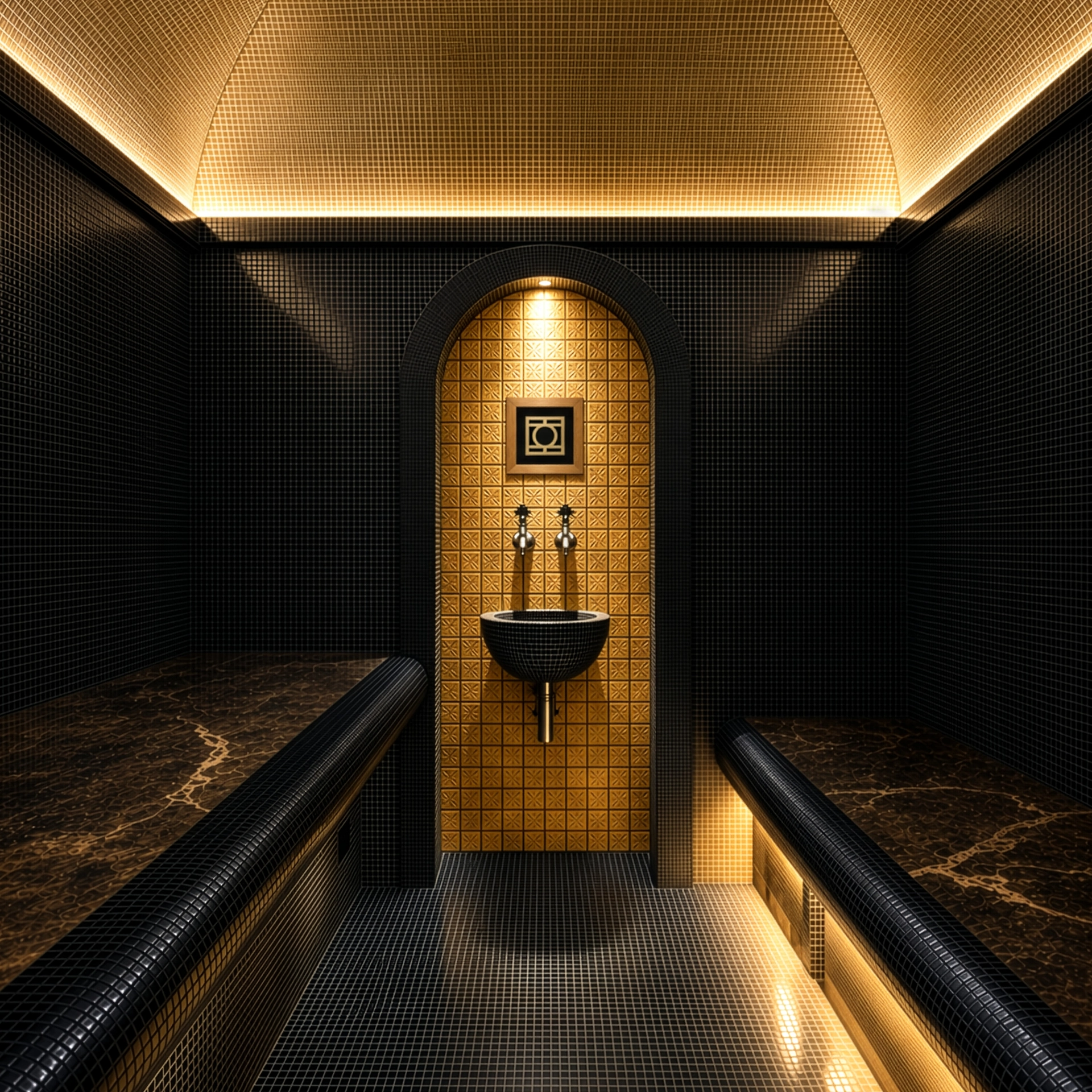
The managements of prestigious hotel properties know perfectly well that handling light properly is an art requiring enormous financial outlay. Interior designers spend months choosing the right color temperature of bulbs, the angle at which rays fall in the relaxation zones or the precise lighting of the texture of oak furniture. This whole intricate plan, aimed at creating an atmosphere of quiet luxury, not infrequently falls apart in a fraction of a second. It is enough for a guest to take out their smartphone. The algorithms built into phones, trying to brighten the gloom of an exclusive bar artificially, destroy the intended contrast entirely. They add grain, flatten the image and change deep, warm tones into cold, unattractive chaos. As a result, an investment of many millions in architecture presents itself on social media like an accidental recording from a cheap motel.
The trap of the digital eye and the loss of detail
From the point of view of the hospitality industry, every piece of visual material published by a client is a hard declaration of the property's market value. Mobile phones, though ever more advanced, cope wretchedly with the difficult lighting conditions that are an inseparable element of spaces such as intimate wellness zones or fine dining restaurants. This phenomenon makes organic, amateur User-Generated Content (UGC) an enormous risk for the high-end segment.
The consequences of this divergence for a property's valuation we take apart in the publication The psychology of aesthetics in hospitality. Seeing a flattened, badly exposed image, future guests value the hotel lower than its standard would warrant. The property loses the visual argument justifying high rates, which may lead to dangerous pressure for discounts and to a slow erosion of the brand's valuation in a competitive market. The question of weak video's influence on a brand is diagnosed more broadly by the text Curated Guest Content (CGC) versus UGC.
A virtual retoucher in the cinematic standard
The cinematic standard does not beautify an interior – it corrects what the automatic system in the phone spoiled. It is about restoring the frame to the state in which the guest saw the room with their own eyes, not about showing something that is not there.
The infrastructure of Odoardo Lens™, started merely by bringing a smartphone physically close to a luxurious welcome card, takes over the burden of virtual direction. The software suggests optimal shots, subtly supporting upselling of the highest-margin services. The heaviest part of the work, however, takes place in the cloud. The raw material reaches external servers, which eliminates the problem of overloading the client's device – this phenomenon we discuss in the article Technology without barriers.
Next, algorithms perform advanced stabilization and apply cinematic color grading. Color correction brings architectural detail out of shadow, restores the correct white balance and gives the image a depth recalling Hollywood productions. In a dozen or so seconds, refined Curated Guest Content (CGC) arises, which fully conveys the luxurious character of the interior.
Profitability hidden in a palette of colors
A beautiful image online is, however, something more than a reason for the PR department's pride. It is a precise tool driving conversion. When a guest's friends watch a perfectly framed and colored recording, a discreet button appears in the player encouraging them to check the property's availability.
A path led in this way initiates highly desirable Direct Booking. Bypassing the global OTA search engines in this way means the saved commission stays in the hotel's till. A strategic approach to this mechanism is explained in detail by the analysis Direct bookings in premium hotels. Thanks to the elimination of intermediaries' fees, Gross Operating Profit Per Available Room (GOPPAR) rises, because the same room price stays in the property in full. At the same time, an image matching the interior's real class takes part of the pressure for discounts off the sales department, which helps to hold the Average Daily Rate (ADR) indicator. The mechanism of this defense is described by the article Defending ADR.
The holistic direction of premium space
Digital image correction is a natural extension of efforts toward flawless aesthetics in the physical world. Interiors gain from what appears in the background of a frame – for instance from rotating, authorized art in cooperation with Odoardo Art™ – the role of such details in the assessment of a stay is described by the text How to raise hotel guests' NPS. The wish to eliminate disfiguring cabling, in turn, can be realized by hiding control interfaces in solid oak with the help of the animated matter of Odoardo Soul™, which we develop in the article Quiet luxury and contemporary technology. True hospitality in club zones can additionally be stimulated by discreet tools for conversation such as Odoardo Alibi™. The complement to prestige so protected in the virtual arena are the clean, exclusive domains from the Odoardo Space™ portfolio.
The question of the symbiosis between architecture, image and technology is summed up by the creator of the Odoardo™ ecosystem:
“Color and light are the silent narrators of an interior. The real art of technology consists in correcting that image digitally, restoring to a space its authority without interfering with the guest's privacy.”
Conscious management of digital lighting and color tone is one of the most underrated forms of defending margin in hospitality. By transforming imperfect smartphone shots into calibrated video postcards, a property rests its marketing message on what it actually built – securing both its own heritage and its investors' capital.
Where our aversion to visual noise comes from we explain in the manifesto. How your property looks today in the internet's eyes you will check in the Research section.
 Odoardo Soul™
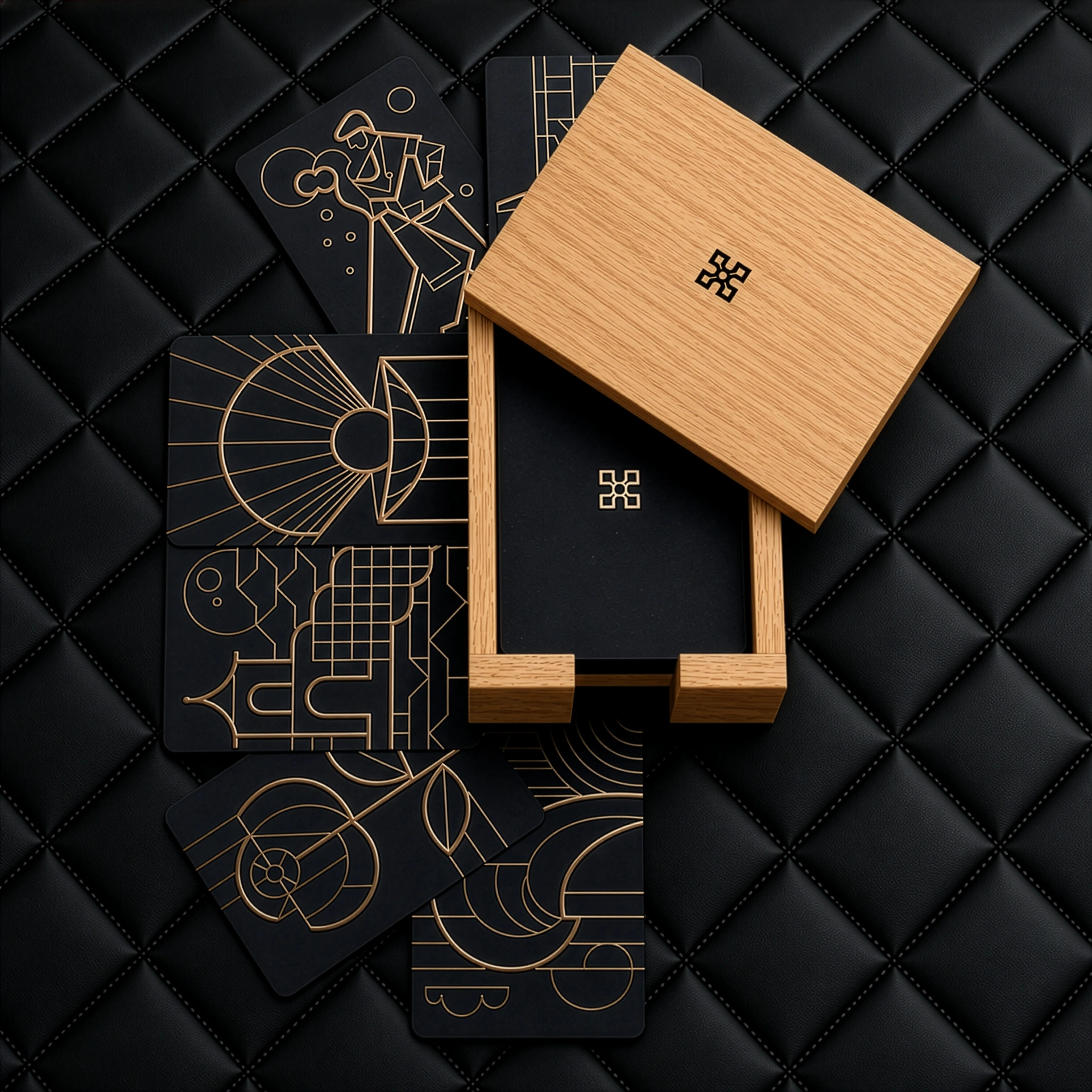 Odoardo Alibi™
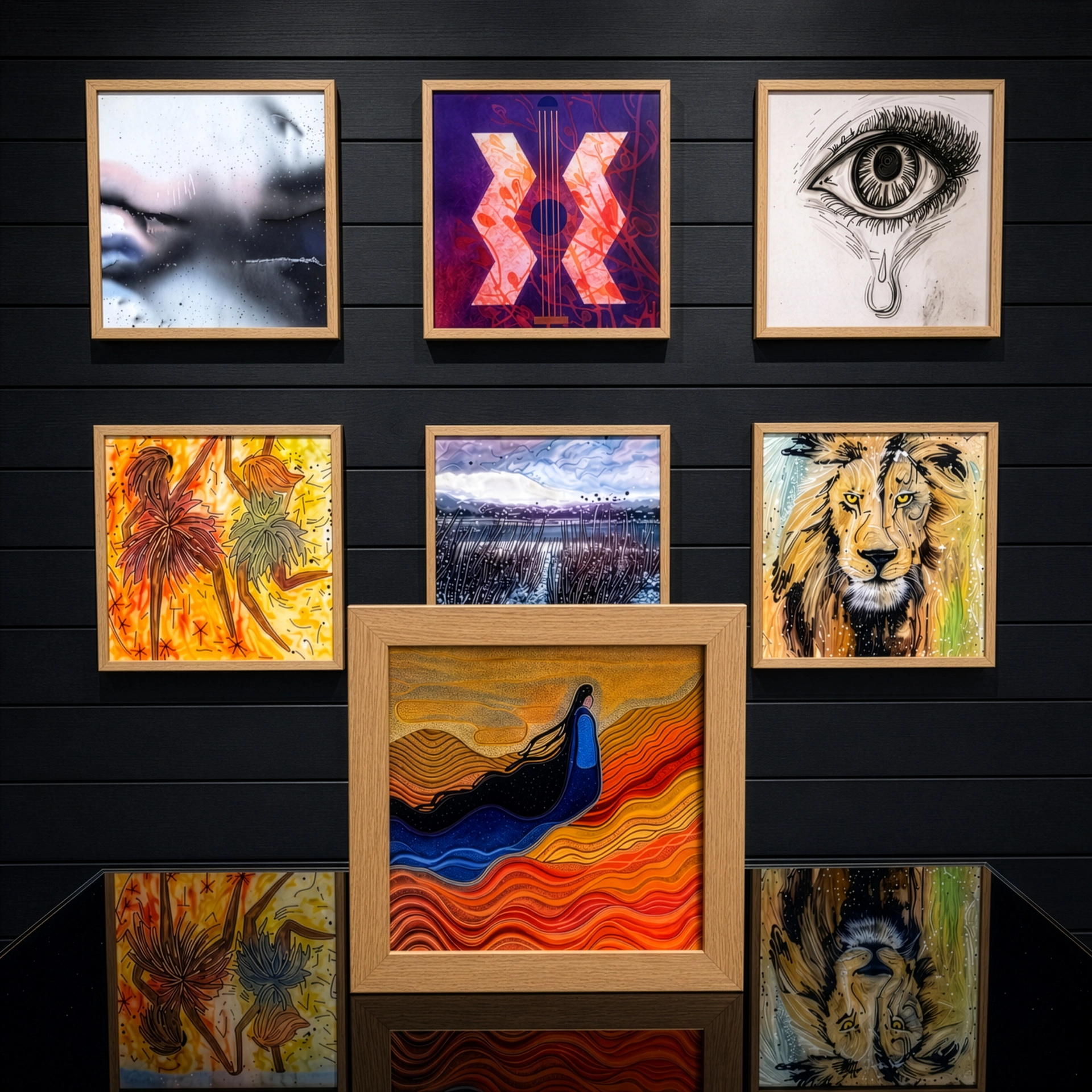 Odoardo Art™
 Odoardo Space™