When a luxury hotel's guest pulls out a smartphone in a designer lobby to capture the magic of the moment, the property's management often sees free promotion in it. On the face of it, this is a natural mechanism of contemporary marketing. It is, however, a business trap. The truth about consumer behavior is far more brutal for hotel finances. The guest records a chaotic video, applies random filters that distort carefully designed interiors, and tags the hotel's profile on Instagram. Their affluent friends, intrigued by the story, click the tag to learn more. Then they go to a search engine, type in the property's name and… land straight in the arms of global intermediaries (OTAs, Online Travel Agencies).
The hotel has just generated organic, extraordinarily valuable demand, for which it will shortly pay from 15% to as much as 25% commission the moment the guest's friends complete a booking through Booking.com, Expedia or Agoda. That phenomenon, called in industry corridors the commission cascade, means luxury properties hand millions over to outside technology corporations every year, gradually losing control of their own operating margin and brand image.
The illusion of free UGC marketing
User-Generated Content (UGC) is a double-edged sword for premium-class hotels. On one side it builds the reach everyone wants; on the other it often destroys a painstakingly built ethos of luxury. The high-end segment rests on control of details, perfection and coherence. Shaky shots, a badly lit wellness zone and unfortunate framings of dishes lower future clients' price expectations. Amateur material can lead to a slow erosion of the key ADR (Average Daily Rate) measure: whoever has seen an interior in such a shot pays a premium rate less willingly.
The answer to that growing problem appears to be implementing the Curated Guest Content (CGC) standard. Instead of watching passively as guests produce digital chaos, hotels can subtly take on the role of hidden director. The guest decides for themselves what they record and whether they publish it at all – the property does nothing for them. Such an approach fits the philosophy of quiet luxury perfectly – it is extraordinarily discreet, elegant and rests on delivering new value for the guest, not on pushy selling.
That role is played by Odoardo Lens™. The system builds in a hotel's space an infrastructure based on the cinematic standard: a guest who reaches for their phone anyway gets a hint on how to record a shot, and returns home with material that carries the property's address beneath it, not an intermediary's.
The architecture of direct conversion
What does the smooth passage from amateur video to a professional campaign generating direct bookings look like in practice? The key is a perfect joining of a refined physical object with advanced cloud technology, without forcing the guest to download any burdensome applications from mobile stores.
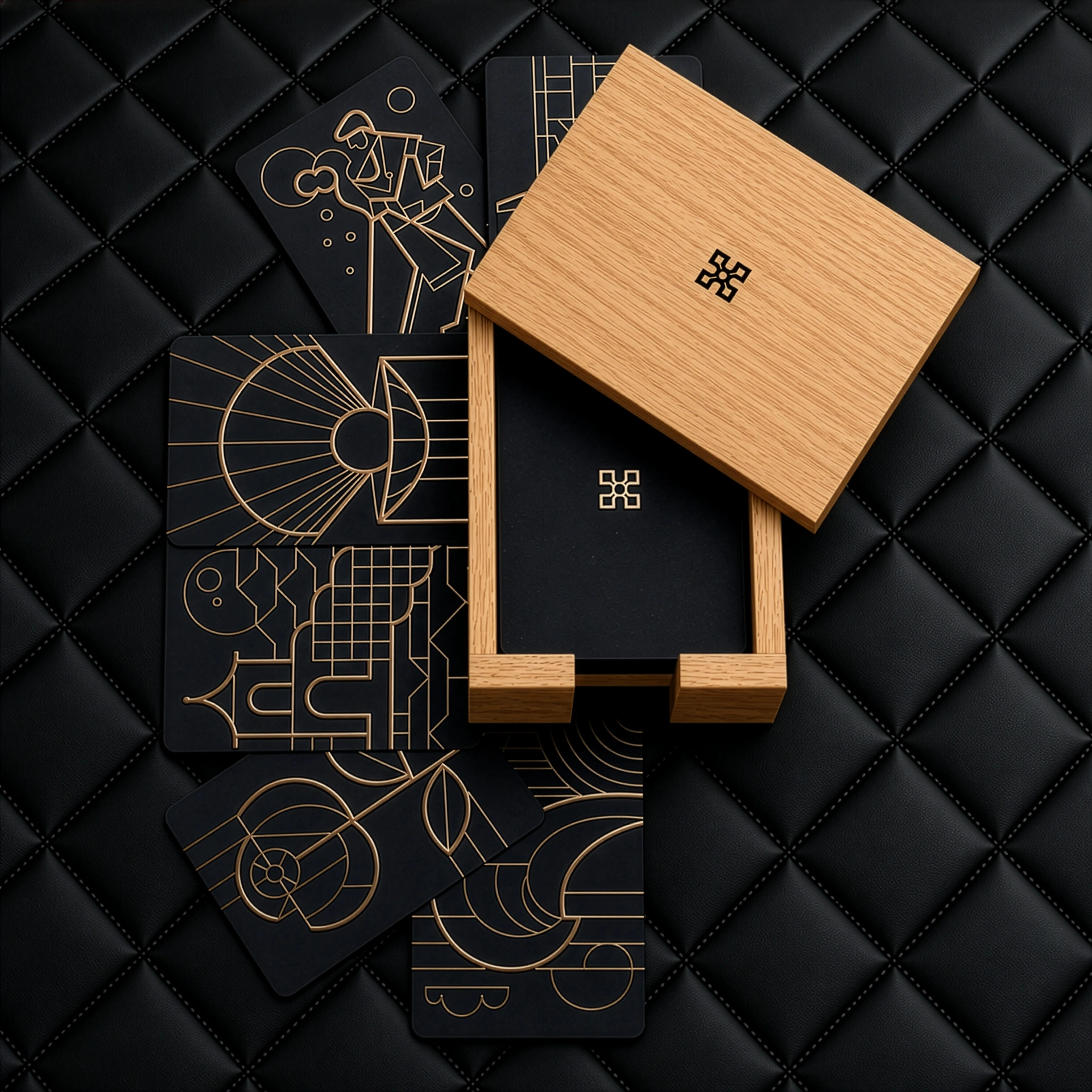
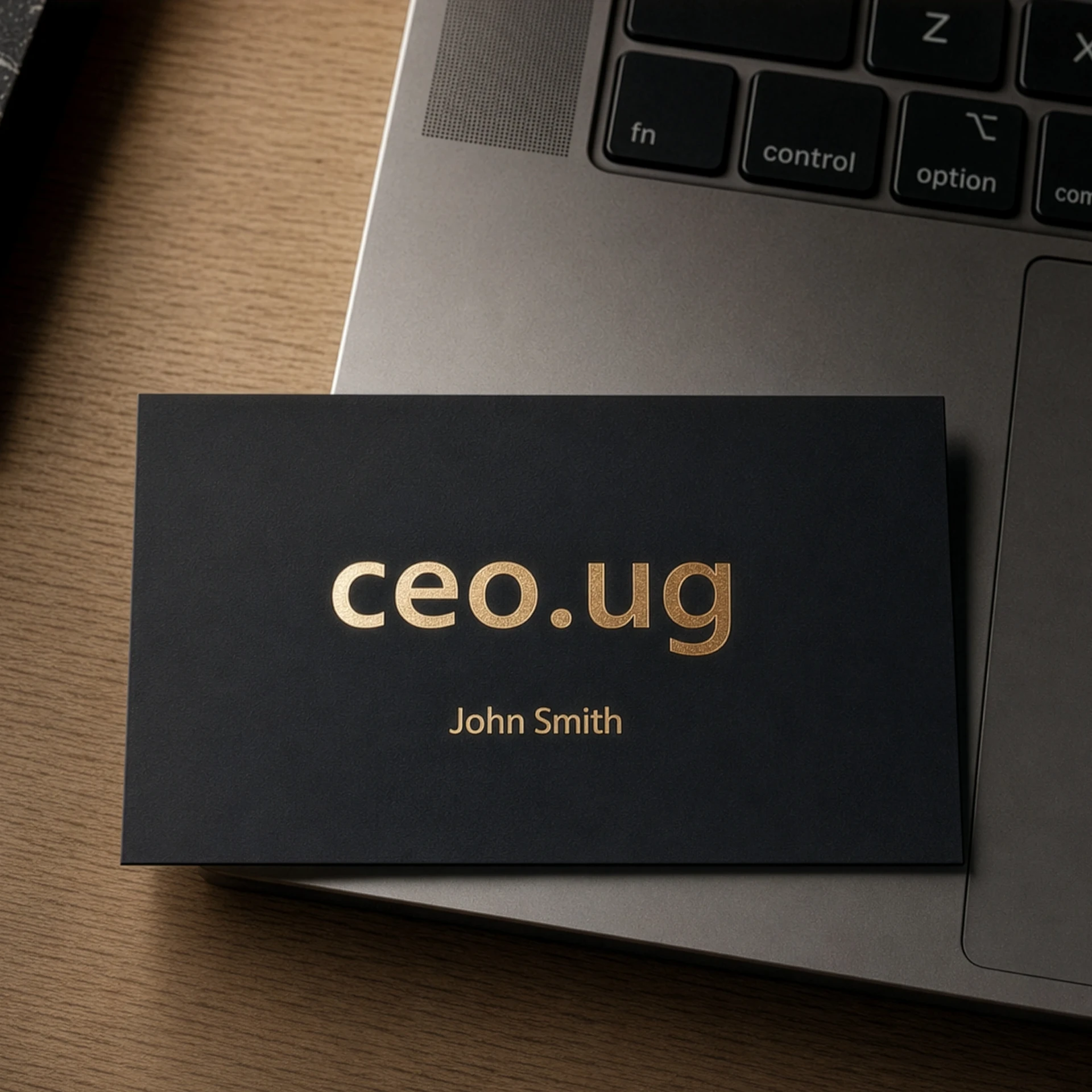
On entering the suite, the guest finds on the table a beautiful black welcome card made of solid-dyed paper. It is covered with haptic, three-dimensional gilding, which in itself is a promise of a luxurious experience. Bringing a phone close to the microchip hidden in the card instantly launches a cinematic interface in the browser. From that moment the system gently guides the guest like a seasoned director, hinting at what is worth recording and how. It suggests capturing the waiter pouring wine, the details of a relaxing treatment in the SPA or the architectural play of light in the patio. It is a precisely designed mechanism that takes care of intelligent upselling, directing the lens where the hotel offers the highest standard and earns the highest margins on additional services.
When the guest finishes recording, the system's cloud engine stabilizes the image in the background, corrects the colors (color grading) and synchronizes the shots with licensed music. The result is an edited video postcard, which stays under the guest's control – publication by the brand requires their consent. What matters from the property's business perspective, the shared material is available under the hotel's subdomain (for example ) and contains an embedded button redirecting viewers straight to the booking engine. Why a subdomain specifically we explain in the text A dedicated subdomain and IT authority. The system closes the loop: inspiration turns into a booking, and the hotel keeps the whole amount, because on that road there is no intermediary.
“An intermediary's commission is not always a marketing cost. It can be rent paid for a relationship with your own guest.”
Defending the ADR and maximizing GOPPAR
Understanding the true, financial dimension of direct bookings requires hotel boards to change perspective. The popular RevPAR (Revenue Per Available Room) measure not infrequently masks actual profitability. A far more accurate picture is given by analysis through the prism of GOPPAR (Gross Operating Profit Per Available Room).
With the high fixed costs of maintaining a luxury resort (air conditioning, staff, taxes, pool infrastructure), the marginal cost of serving one more guest in an already rented room – cleaning, utilities, breakfast – is relatively low. If a hotel obtains a booking through an OTA with a high commission, it hands an outside entity a considerable part of the actual profit on that transaction. Redirecting the same traffic to direct bookings means the saved amount goes entirely toward operating profit, which directly improves the real profitability per room.
That is why infrastructure supporting direct sales belongs rather among the items protecting margin than in the marketing budget – it settles itself from the commission the property did not pay.
To secure their presence online comprehensively, hotels increasingly reach for a distinctive digital address. A prestigious address from the portfolio of Odoardo Space™, covered by exclusivity, gives the property a recognizable entry point of its own – nobody else can present themselves under that name. The address alone does not replace protection against brand jacking, when outside entities buy advertisements on a hotel's name, but it helps guests recognize the page that truly belongs to the property. The text Building a digital monopoly online describes that mechanism.
The physical dimension of digital prestige
Real quiet luxury requires technology to have its physical, tangible and beautiful counterpart. Algorithms and payment systems alone are entirely transparent to a guest and devoid of emotion. What they remember and what shapes their experience is the thick texture of noble paper, the weight of details in a suite or the depth of colors.
By implementing the cinematic standard, a hotel receives not only cloud software but also a set of physical objects. Guests usually take the black welcome cards with them; they lie afterwards on desks in New York, London or Dubai and carry the property's address. In selected places in the space, discreet anchor plaques appear, showing where a shot comes out best.
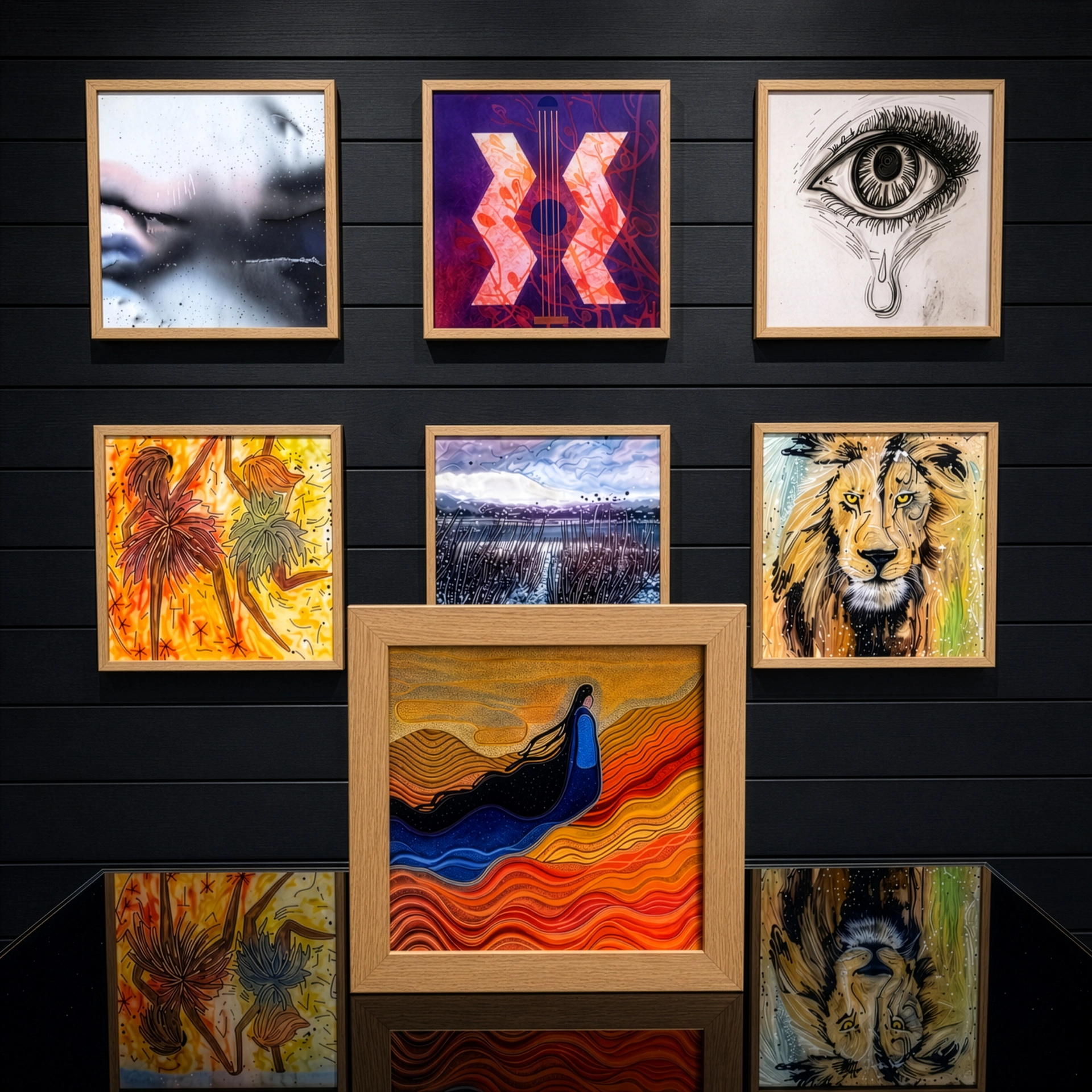
Creating an engaging premium environment is, however, a holistic process. Hotels seeking perfection in designing experiences can complete their spaces with selected works under Odoardo Art™ – their influence on the assessment of a stay is described by the text How do you raise hotel guests' NPS?. Equally important, particularly in club and cigar zones, is supporting the art of conversation with tools such as Odoardo Alibi™, which we write about in the material The lounge in a luxury hotel and spa. Physical objects with a hidden microchip from Odoardo Soul™, in turn, allow tablets and telephones to be removed from rooms, which the article Animated space in five-star hotels develops.
Toward strategic independence
Winning the margin back from the hands of global OTA platforms is a long-term process which demands consistency, and its effect builds slowly – every direct booking stays with the property in full. Basing a sales strategy on the wise management and monetization of content created by guests themselves appears to be one of the most rational directions for conscious managers.
In today's realities, the best properties in the world no longer compete solely on price or the spectacular size of a wellness zone. The hotels that win are those that control their own narrative online and know how to ensure a guest's delight leads to their own site and not to a comparison engine. The difference between chance material and a curated shot translates directly into how much of every booking stays with the property.
Which properties have genuinely rebuilt the direct channel you will check in the Odoardo™ research.

 Odoardo Soul™
 Odoardo Alibi™
 Odoardo Art™
 Odoardo Space™