Let us imagine the end of an exceptionally good season. The financial reports of a luxury boutique hotel point to a historically high RevPAR. The mood in the boardroom is euphoric, and the figures seem to confirm the rightness of the chosen strategy. Yet when the final net balance lands on the table, the enthusiasm noticeably drops. It turns out that the impressive revenue from renting rooms was largely swallowed by hidden guest acquisition costs and rising operating expenses. That is one of the most common traps in the world of high-end hospitality – the illusion of high turnover, which systematically masks the erosion of real margin.
The deceptive safety of the RevPAR measure
Many managers still base their judgment of a property's condition almost solely on RevPAR. From an accounting perspective it is a simple measure, easily compared with competitors. Unfortunately, in the luxury segment it can be extraordinarily deceptive. RevPAR measures only the revenue generated by available rooms, ignoring entirely the costs of distribution, marketing and the daily, high expenditure on maintaining infrastructure.
If a hotel relies largely on bookings coming from intermediaries (OTAs), it not infrequently hands them a significant part of the sum earned in the form of commission. In addition, if a guest arrives drawn by a broad promotion which lowers the Average Daily Rate (ADR) measure so crucial for positioning a brand, the property's long-term image may suffer for it. In sales documents RevPAR still looks solid, but in investors' bank accounts only a fraction of that value remains.
A shift of perspective in the GOPPAR era
To obtain a crystal-clear picture of profitability, mature hotel brands turn to the Gross Operating Profit Per Available Room (GOPPAR) measure. It takes in not only the revenue from the stay itself, covered earlier, but sums all receipts from additional services – such as dining, treatments in wellness zones or luxury transfers – and then subtracts from them all the operating costs generated.
GOPPAR is the ultimate test of the truth about a hotel's operational flexibility. It shows clearly whether a given channel of acquiring clients actually brings profit or merely empty occupancy. Focusing on that market metric encourages the implementation of new strategies: the priority becomes lowering hidden acquisition costs, as well as discreet and elegant upselling on site, a reflection of the philosophy of quiet luxury.
Reducing acquisition costs and the strength of independence
To raise GOPPAR measurably, prestigious hotels look for ways to minimize intermediation fees. The answer is maximizing the scale of direct bookings. That requires, however, the wise engagement of the visitors' own attention. Guests record their travels whether or not the property asks them to. The problem is that User-Generated Content (UGC) arises without lighting, without editing and without an idea for the shot – and what comes out of it is watched by the next potential guest.
By investing in the cinematic standard, delivered by Odoardo Lens™, a hotel subtly takes control of the story. Guests, guided by a hidden director's interface, create smooth, edited shots using color grading. The result is refined Curated Guest Content (CGC), which the hotel will not publish without the guest's consent. Every video postcard shared online is fitted with a discreet booking button, bypassing the OTAs. A booking made that way is not burdened with an intermediary's commission, so the whole margin stays with the property.
The digital and physical architecture of success
Defending profitability also means defending your own virtual territory. Aggregators willingly position themselves on the names of well-known hotels. An address from the portfolio of Odoardo Space™, assigned exclusively to a property, will not stop advertisements bought on the hotel's name, but it gives guests a recognizable entry point of its own, under which nobody else can present themselves – the text Building a digital monopoly online describes the mechanism.
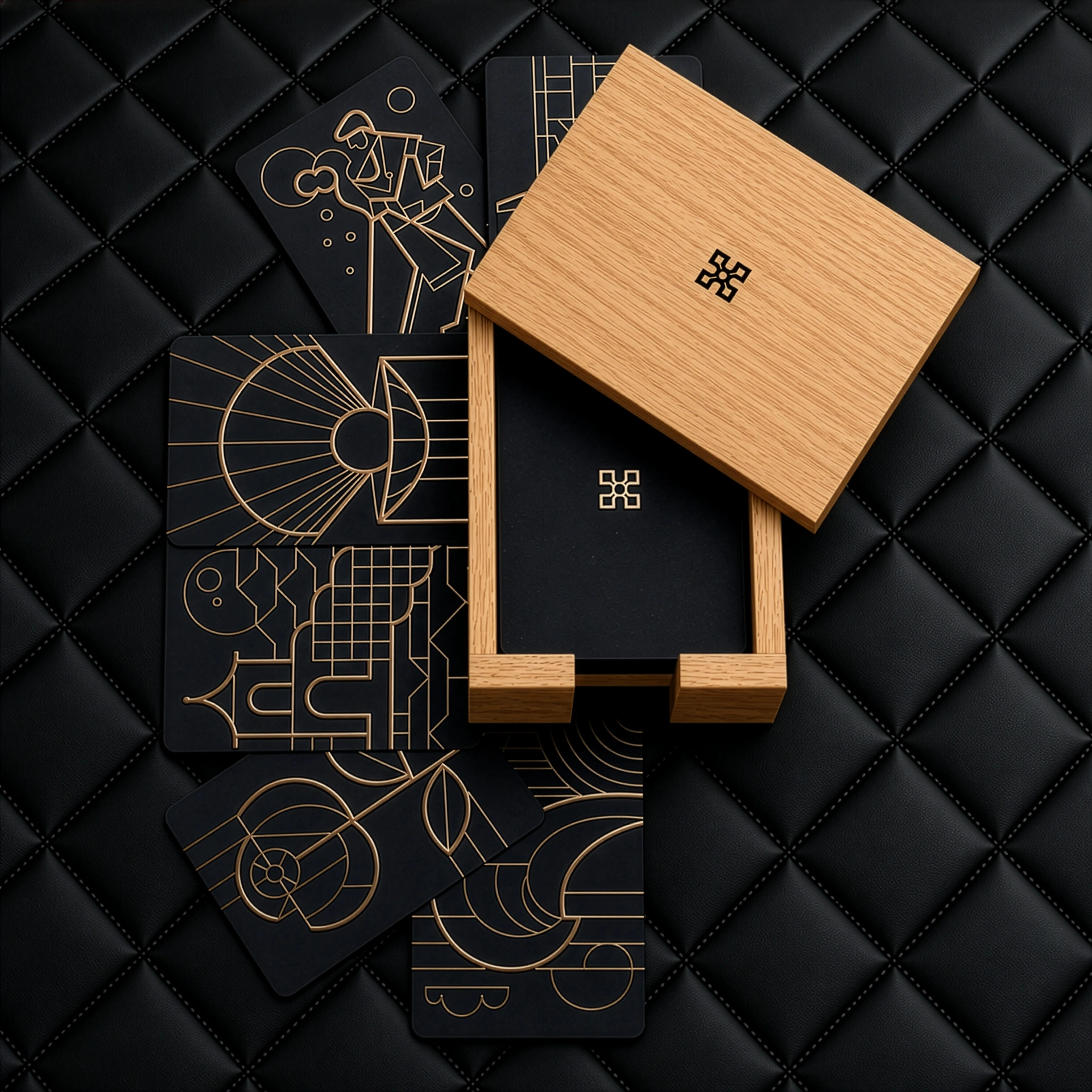
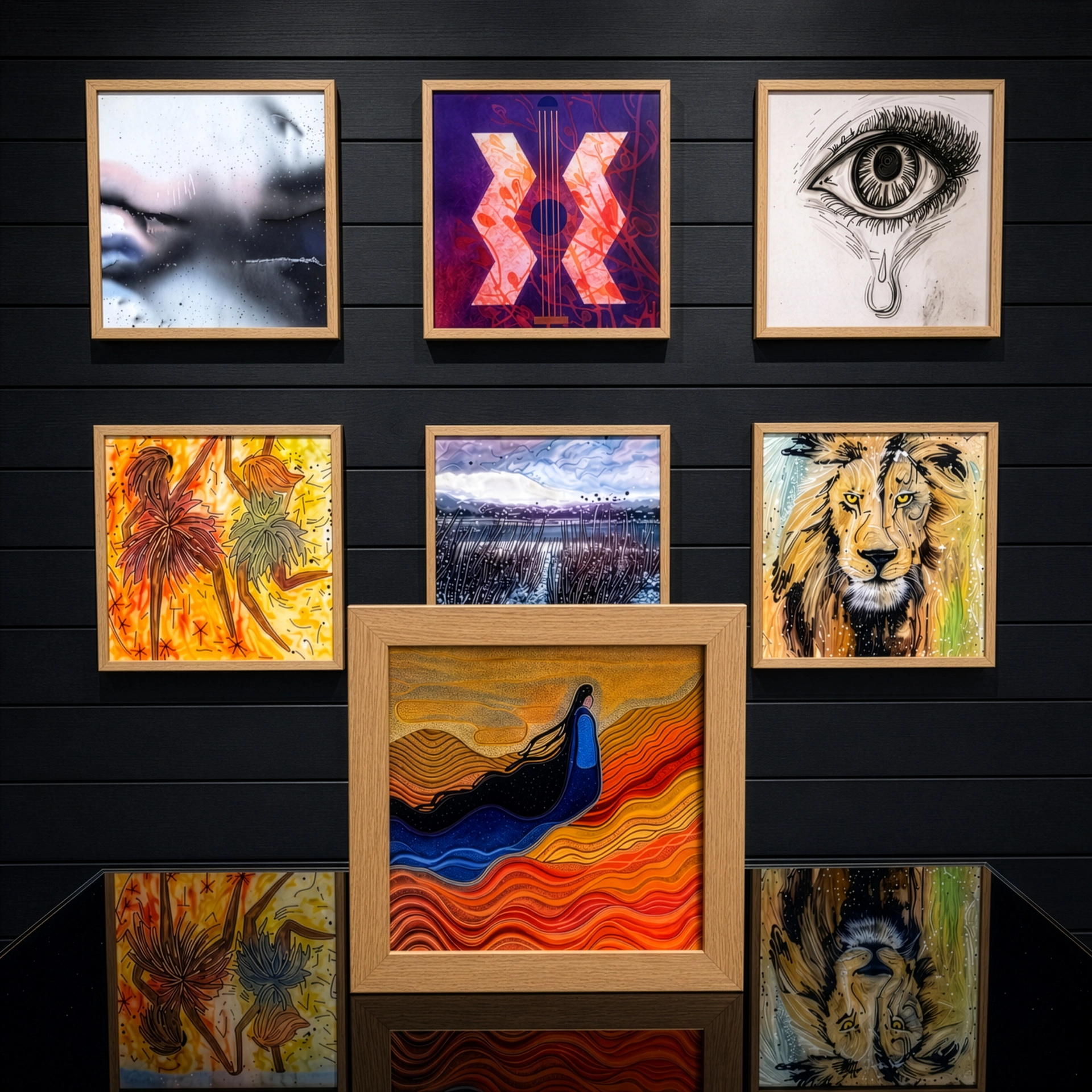
Inside the property, in turn, a higher GOPPAR is served by physical solutions in which aesthetics meet unobtrusive business stimulation. Luxury upselling does not rest on leaflets. A microchip hidden in wood by Odoardo Soul™ lets a guest learn the full offer with a single approach of a smartphone – the text An intelligent table in fine dining restaurants shows it. The constant delivery of aesthetic impressions through rotating art from Odoardo Art™ supports the argument for a high ADR, which the material How do you raise hotel guests' NPS? develops. In club zones, meanwhile, Odoardo Alibi™ makes building relationships easier, raising the chance of a guest's direct return in the next season.
The link between recovering margin and considered innovation is captured by the creator of the Odoardo™ ecosystem:
“RevPAR says how much was sold. GOPPAR says how much of it remained. In boutique hospitality the difference between those two figures is sometimes the subject of a conversation a board would rather not have.”
Ultimately the measure of a boutique hotel's success is not the amount a room was let for, but how much of that amount remains after paying for the channel the guest came through. The evolution of the view from RevPAR to GOPPAR is a natural, mature step for investors wishing to scale a business safely.
The manifesto explains why we count profit and not occupancy.
 Odoardo Soul™
 Odoardo Alibi™
 Odoardo Art™
 Odoardo Space™