When, at the end of an excellent season, the finance director of a luxury property analyzes the balance sheet, they often face an uncomfortable paradox. The reports point to splendid occupancy, and the booking calendar was bursting at the seams. Yet the final operating profit seems disproportionately low in relation to the work the whole team put in. Where does the capital leak away? The answer is usually hidden in a complex measure: CAC (Customer Acquisition Cost). In the hospitality industry the cost of acquiring a guest long ago stopped being merely a marketing charge – it became a systemic drain on margin, with which high-end properties must take up a strategic fight.
The commission cascade as a quiet erosion of profitability
Most luxury hotels fall into the trap of the so-called commission cascade. The process begins with paying for costly campaigns in search engines and social media, simply to exist in a potential client's awareness at all. When that client decides on a stay, they often take the shortcut – booking through global intermediaries (OTAs). At that moment the hotel hands an outside corporation a significant part of the booking's value. If we add to this the fees for maintaining booking engines (another 2–3%) and the costs of payment handling, it turns out that the real profit from renting a room shrinks drastically.
In consequence, keeping a stable Average Daily Rate (ADR) becomes insufficient, because the lion's share of that sum never reaches investors' accounts. That strikes directly at the most important measure of profitability – Gross Operating Profit Per Available Room (GOPPAR). Handing margin to outside platforms can gradually take a hotel's financial independence away, making further investment in raising quiet luxury standards impossible.
Digital sovereignty as the first line of defense
Regaining control over your own CAC begins with securing the digital foundations. OTA aggregators have mastered the art of so-called brand jacking – they buy paid advertisements on the name of a particular luxury hotel, taking over traffic which organically belonged to the property anyway. A distinctive address from the portfolio of Odoardo Space™, taken exclusively, gives the property a recognizable entry point of its own – nobody else can present themselves under that name. The address alone guarantees neither traffic nor a search position, but a guest who remembers it goes straight to the property, with no intermediary on the way – the text Customer acquisition cost (CAC) in the B2B model develops this.
The change of paradigm from UGC to CGC
Another powerful generator of costs is the fight for attention. Hotels count on guests promoting the property themselves in social media. Unfortunately, amateur User-Generated Content (UGC) is usually material shot in bad light, with a filter laid over the wellness zone and the architectural details. A property that looks worse online than it really looks then has to make up for it with a discount or a more expensive campaign.
The solution that can lower acquisition costs is implementing the cinematic standard. Odoardo Lens™ allows hotels to take on the role of subtle director. Thanks to physical cards with a hidden microchip, the guest opens a cinematic interface on their own phone. The system hints at where a shot comes out best, showing along the way services the guest might not know about. The software performs color grading and editing. The result is a video postcard as Curated Guest Content (CGC), which the guest may share and which contains a button leading straight to the hotel's booking engine. Publication of the material by the brand requires the guest's consent. The property gains organic reach without commission for the OTAs.
The physical dimension of the relationship and raising guest value
Effectively lowering CAC also means maximizing the profit from a guest already inside the hotel. In a luxury environment aggressive selling is out of the question. What counts here is an experience resting on refined details. Introducing intelligent objects from the portfolio of Odoardo Soul™ allows properties to animate matter – furniture or elements of a suite can, at the touch of a smartphone, tell their own story or discreetly propose a service from the SPA menu.
Building a unique aura of place, one that inclines guests to return, requires an integrated approach. Enriching a space with quarterly rotating works from Odoardo Art™ raises aesthetic prestige and justifies high room rates – the text How do you raise hotel guests' NPS? describes it. Tools such as Odoardo Alibi™, in turn, favor striking up deep conversations in club zones, which we write about in the material The lounge in a luxury hotel and spa. The stronger a guest's bond with a property, the lower the likelihood that on their next visit they will use an intermediary's search engine.
On why this cost is so hard to see in a budget, the creator of the Odoardo™ ecosystem says:
“The cost of acquiring a guest is rarely one line in a budget. It is a cascade: commission, discount, channel cost and the team's working time, spread so that none of them looks alarming. Only summed do they show what a single booking really costs.”
Understanding and deconstructing the hidden costs of acquiring a guest is today a fundamental duty of management. Freeing oneself from the grip of the commission cascade and shifting the emphasis to one's own discreet innovations may become the safest strategy for defending margin in the coming years.
We break the full cascade of costs down into its parts in the Odoardo™ research.
 Odoardo Soul™
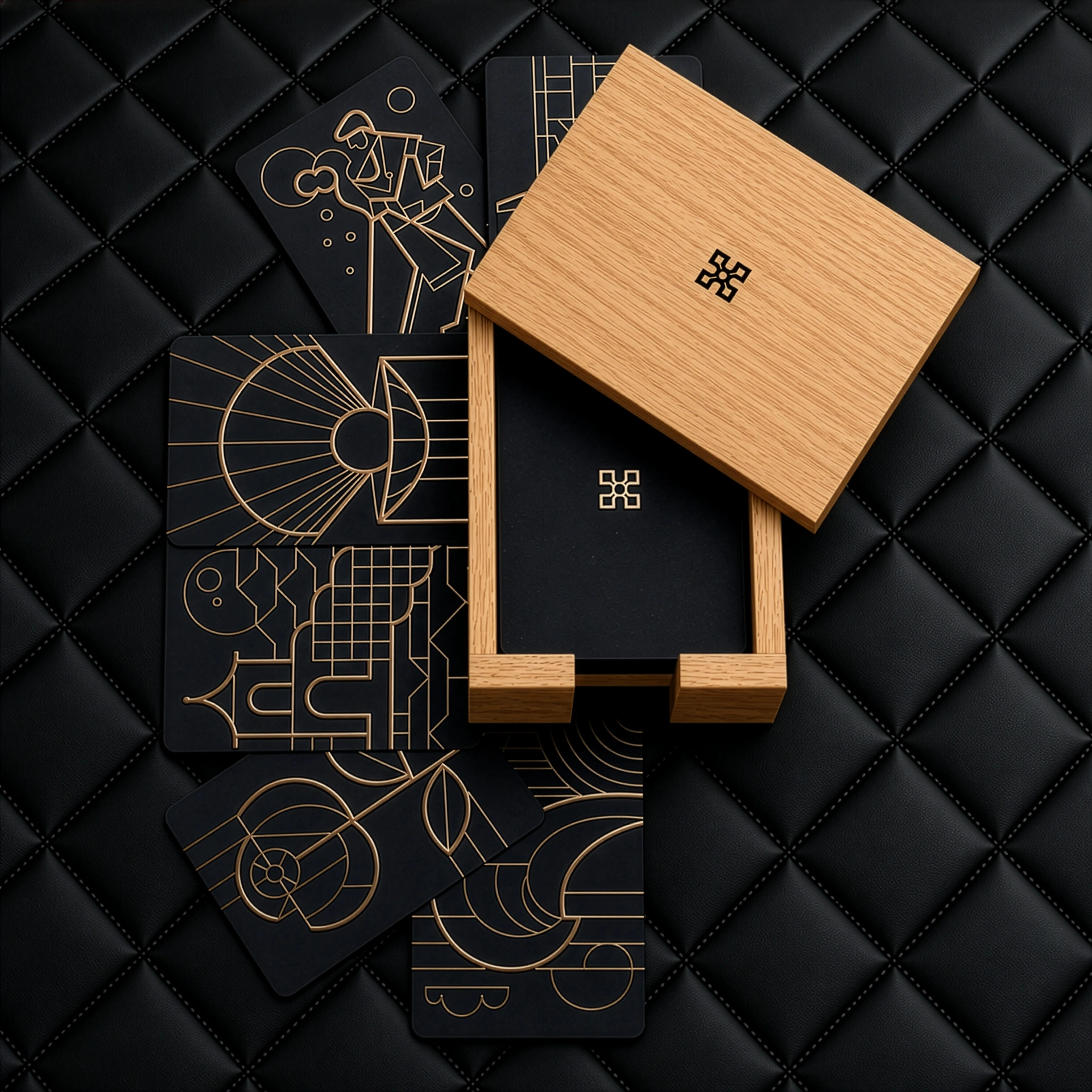 Odoardo Alibi™
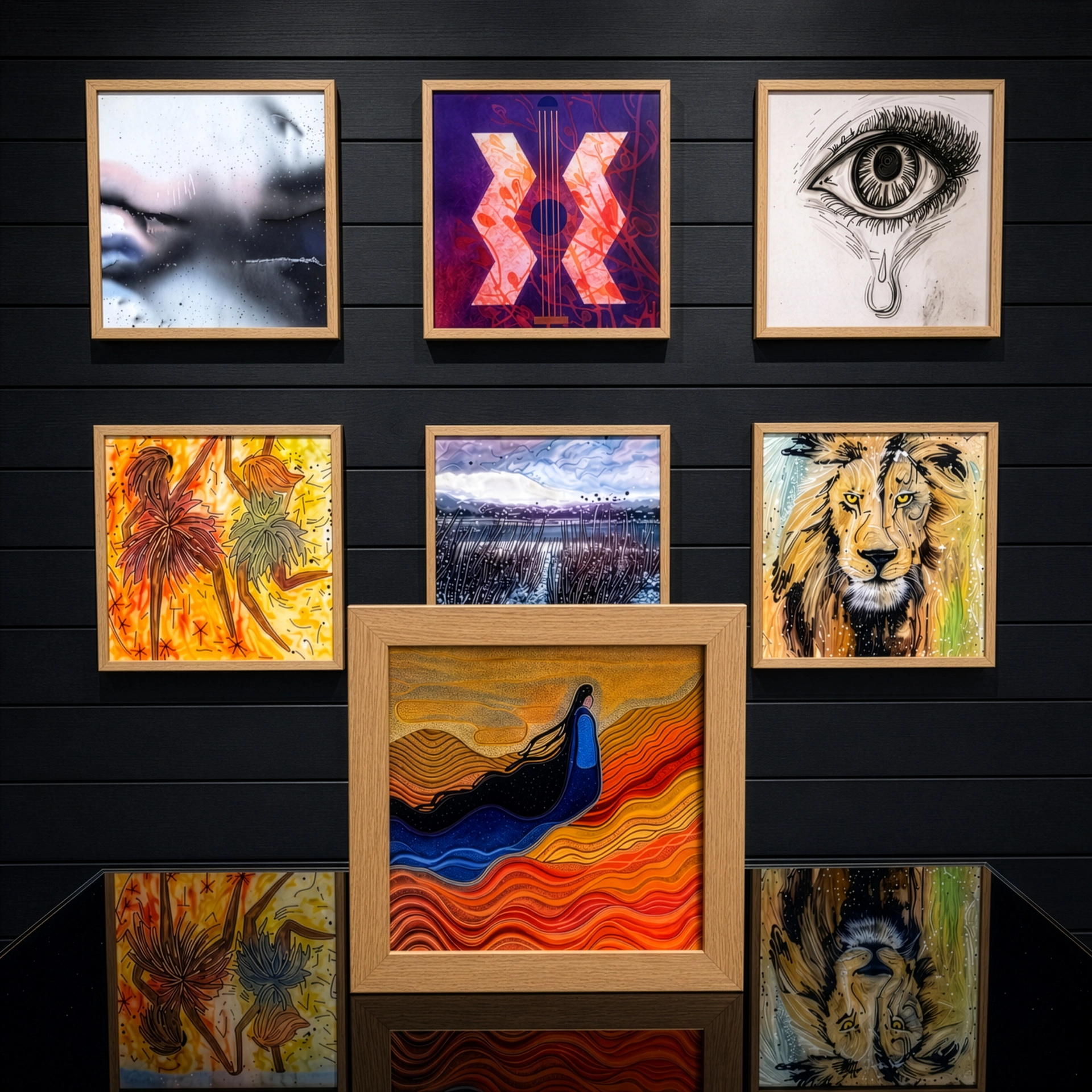 Odoardo Art™
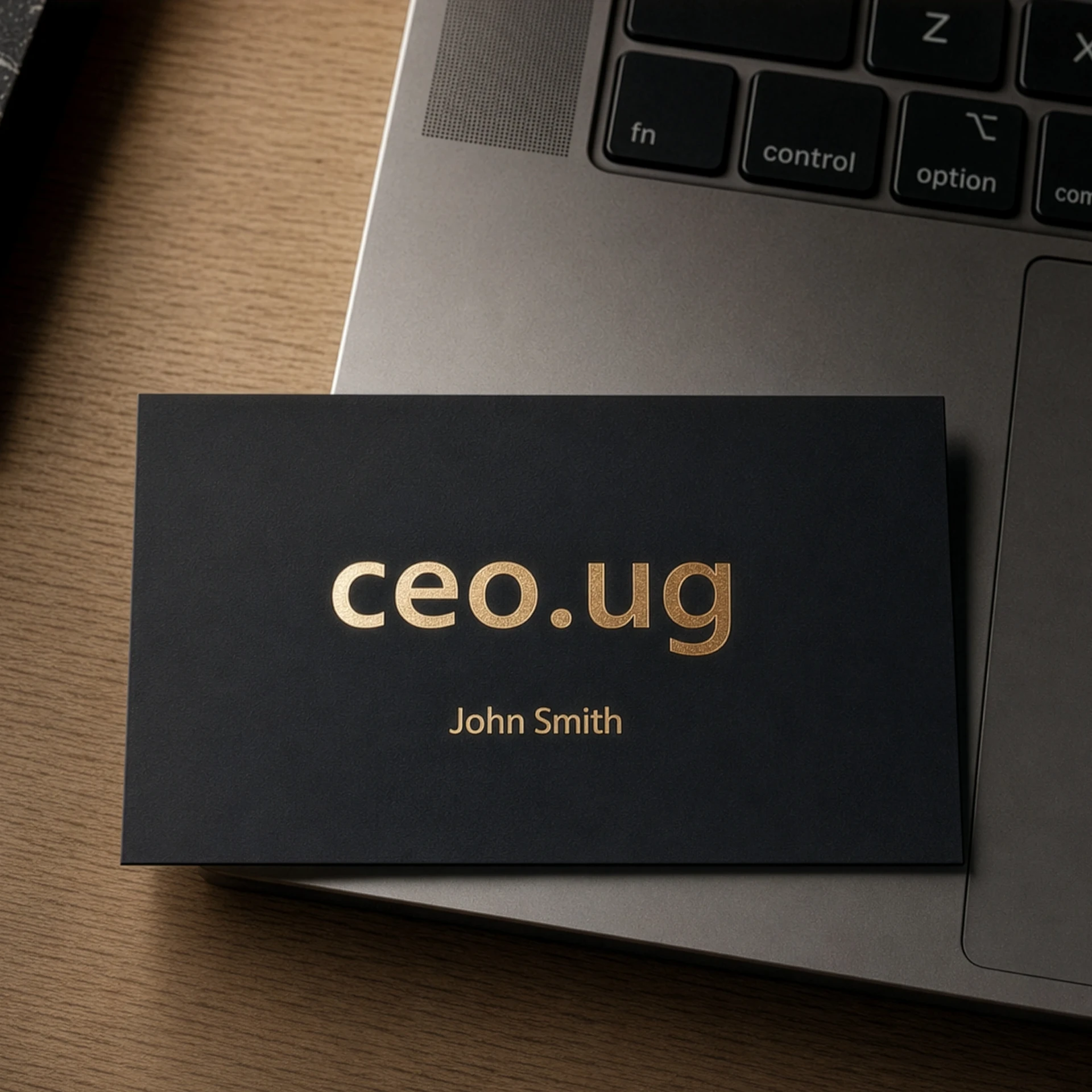 Odoardo Space™