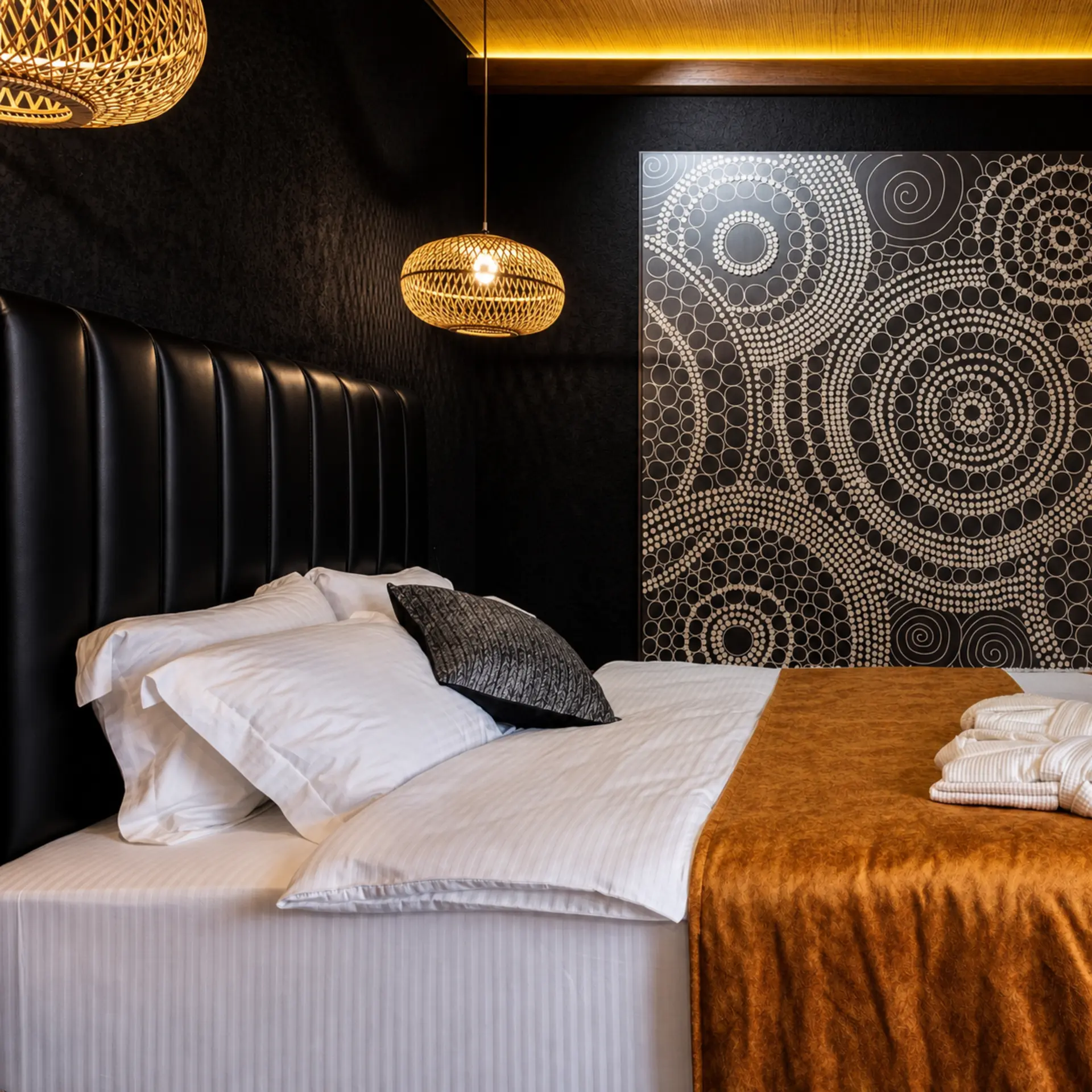
Let us imagine noiseless steps on a marble floor, the subtle murmur of water in the wellness zone and the delicate sounds of classical jazz flowing from hidden speakers in a hotel lobby. Investors in high-end properties spend a fortune on the perfect choice of acoustics, because sound decides the reception of an interior as strongly as light does. This carefully designed soundscape disappears, however, the moment a guest decides to capture their stay with a smartphone. It is enough that, when they share their account on social media, the application's algorithm automatically lays the most popular viral pop track under the recording. Palace architecture with an aggressive beat in the background gives a message at odds with itself – and it is that message which reaches future clients, not the lobby's original acoustics.
Sound as the invisible architecture of luxury
In the hospitality industry, aesthetics do not end with visual sensations. Audio branding, that is, the strategic management of sound, constitutes the invisible foundation of every prestigious experience. When a hotel's digital image online is given a soundtrack by chance, the promise of refined quiet luxury vanishes at once.
When an affluent client watches material in which a good image quarrels with an accidental soundtrack, they stop trusting the whole – and, along with it, the price. The market consequences of this phenomenon are analyzed by the article The psychology of aesthetics in hospitality. A lack of visual and sonic coherence creates dangerous pressure for discounts, forcing the property into a constant defense of its key indicator, the Average Daily Rate (ADR). The mechanisms of that protection are described precisely by the text Defending ADR.
Algorithmic chaos in the world of amateur recordings
The fascination with free reach has led many hotels to hand control over their image entirely to the phenomenon of User-Generated Content (UGC). Unfortunately, in the digital world it is not the guest but the algorithm that decides which track will be proposed as the background for their recording. The chase after trends imposes music meant to generate quick clicks, not to convey the majesty and exclusivity of a five-star suite.
The problem does not end with sound – the whole material arises without the property's participation, of which the publication Curated Guest Content (CGC) versus UGC writes. The soundtrack is merely the layer the hotel usually did not think about at all.
Directing the senses in the cinematic standard
To defend themselves against the destructive influence of random algorithms, conscious brands decide to deploy the cinematic standard. Instead of forbidding guests to record, the hotel discreetly hands them a tool that immediately raises the quality of their memories to the rank of true cinema, caring not only for the image but also for the sound.
Using the architecture of Odoardo Lens™, a hotel initiates a process of virtual direction. The guest brings a smartphone close to a black welcome card covered with haptic gilding. The interface started in the browser discreetly suggests shots while supporting sensible upselling of spa treatments. Then the material reaches the cloud, where it gains ideal color grading. The key stage, however, is what happens to the audio track – the cloud edits the shots together with music chosen to match the material's character, instead of leaving that choice to a social application's algorithm. Instead of chance, Curated Guest Content (CGC) arises, coherent with the brand's identity. The carrier itself, with which the whole process begins, we describe in the text Designing guest experience.
Conversion driven by a coherent experience
An audiovisually coherent video postcard is watched to the end rather than scrolled past after two seconds. The button built into it encourages viewers to make a booking. This fluent process drives Direct Booking, allowing the property to bypass the global intermediaries.
Recovering in this way the commission from every transaction that would otherwise go to an OTA improves the Gross Operating Profit Per Available Room (GOPPAR) indicator. This mechanism is explained by the analysis Direct bookings in premium hotels.
An ecosystem in which technology keeps silent
Harmony of sound online should form an extension of ideal silence in the physical world. In the spirit of uncompromising care for the senses, hotels strive to hide every distractor. Giving up loud, sound-emitting screens in favor of animated wood, supplied by the solutions of Odoardo Soul™, is discussed by the article Quiet luxury and contemporary technology. The space is completed by authorized art from Odoardo Art™, of which the text The quiet luxury style in interiors writes, and the brand's prestige online is completed by exclusive addresses from the Odoardo Space™ portfolio.
Why sound decides as much here as image, the creator of the Odoardo™ ecosystem states:
“A hotel chooses the music in its lobby over half a year, and then accepts that under its photographs a track picked by an application's algorithm will play. Image and sound are watched together. One false bar can cost as much as badly set lighting.”
Conscious management of audio branding in material shared by guests is today more than care for detail. It is the protection of a brand's value. Equipping visitors with a tool that matches the soundtrack to a property's character helps defend hard-won margins and market independence.
Why silence is a material for us rather than an absence we write in the manifesto. The current picture of your brand online you will find in the Research section.


 Odoardo Soul™
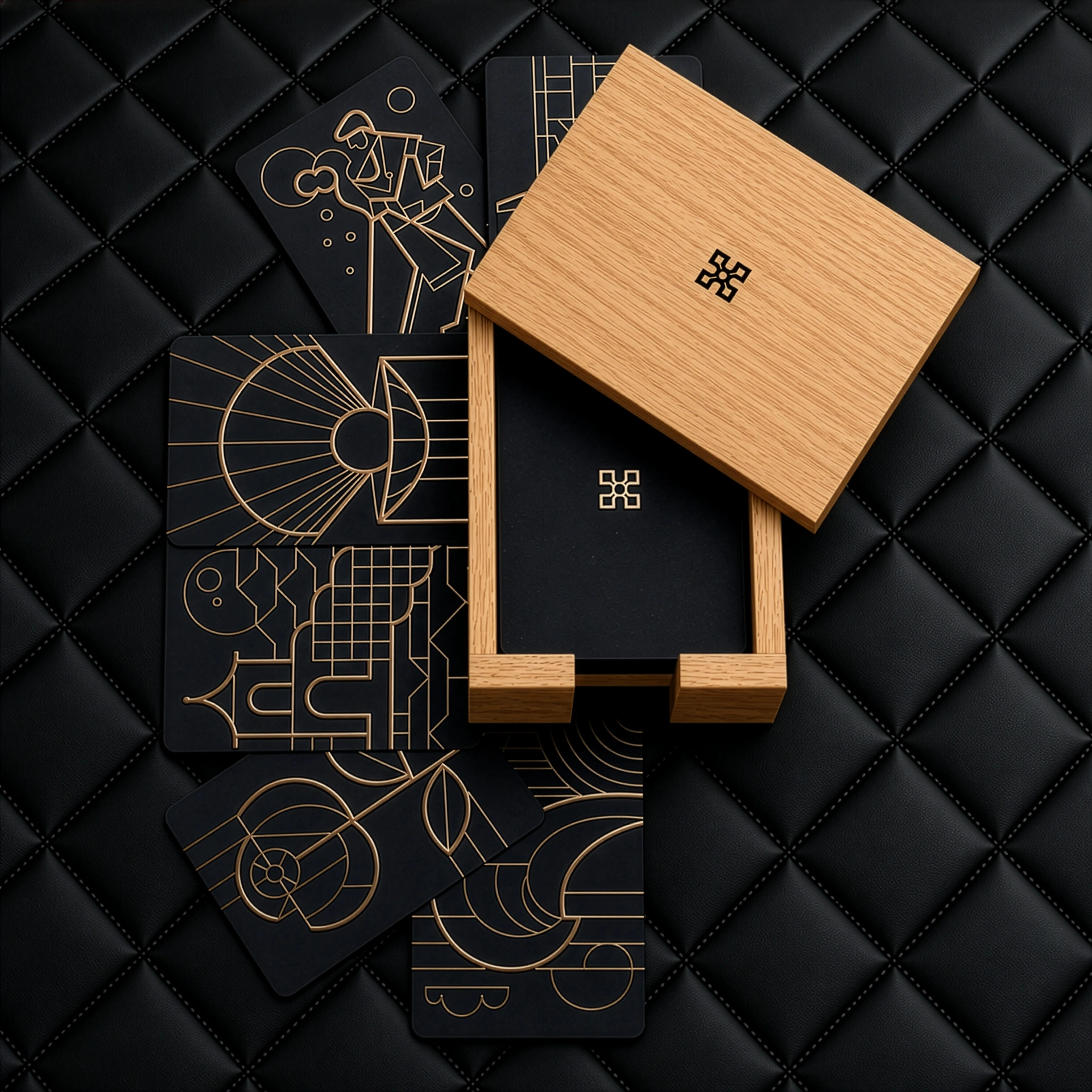 Odoardo Alibi™
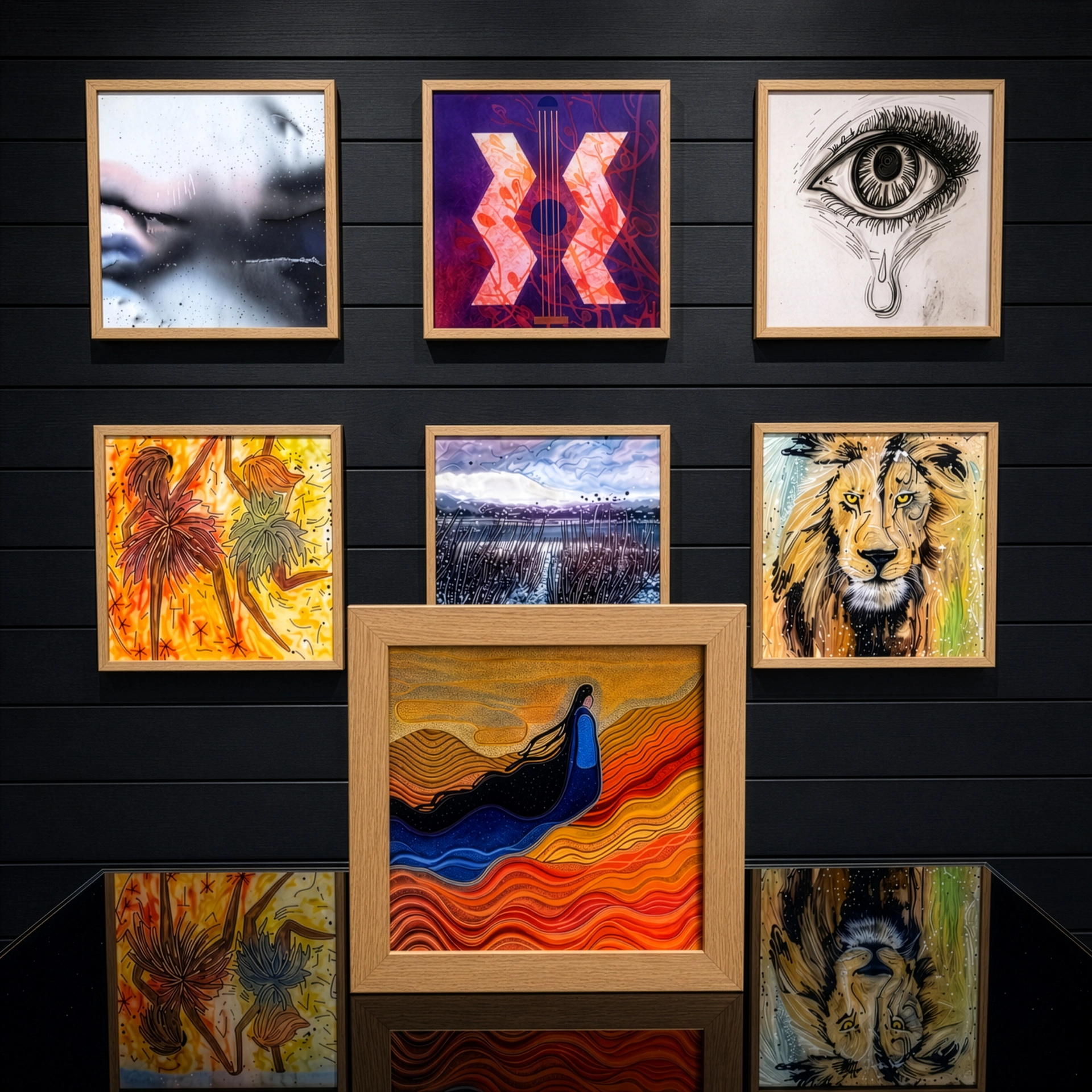 Odoardo Art™
 Odoardo Space™