Let us imagine a potential client weighing a booking of a suite for a short, luxurious holiday. They look through the hotel's carefully designed website and then – led by a natural reflex – move on to verifying reviews and stories shared by other guests on social media. Instead of the promised oasis of calm, they see a badly framed, dark shot with distorted colors and chaotic sound in the background. In a fraction of a second the perceived value of the property falls drastically. The readiness to pay the full rate vanishes, and in its place comes a question about a promotion. In the hospitality industry, the loss of visual prestige is not infrequently a straight road to the erosion of the key Average Daily Rate (ADR) measure.
The trap of the amateur image
For many years the hotel industry approached the phenomenon of free promotion with great enthusiasm. Organic reach seemed a natural, costless tool for building brand awareness. Today, however, the high-end segment is beginning to see the hidden risk of that strategy. Uncontrolled, amateur User-Generated Content (UGC) is often visual chaos. Shaky shots depicting the wellness zone or unappetizing photographs of exquisite dishes in poor light can mercilessly lower an aura of exclusivity.
On how destructive an influence such publications have on a brand, we write at greater length in the text Curated Guest Content (CGC). When the virtual story about a hotel loses quality, the property is deprived of its strongest argument justifying a high room price. Falling into a spiral of reductions and competing on price with cheaper alternatives usually leads to the loss of long-term profitability. We analyze that relationship in detail in the article The psychology of aesthetics in hospitality. Premium clients do not buy merely a bed in a room – they buy the promise of status and a perfect experience in the spirit of quiet luxury. If the image online does not confirm it, price pressure grows with every further unsuccessful post.
Directing prestige instead of a discount
The answer to the risk of a brand's market depreciation appears to be implementing the cinematic standard. Instead of fighting the fact that guests unceasingly use smartphones, conscious boards can subtly take control of their creative process. Transforming unpredictable material into refined Curated Guest Content (CGC) creates an enormous chance of keeping a perfect image.
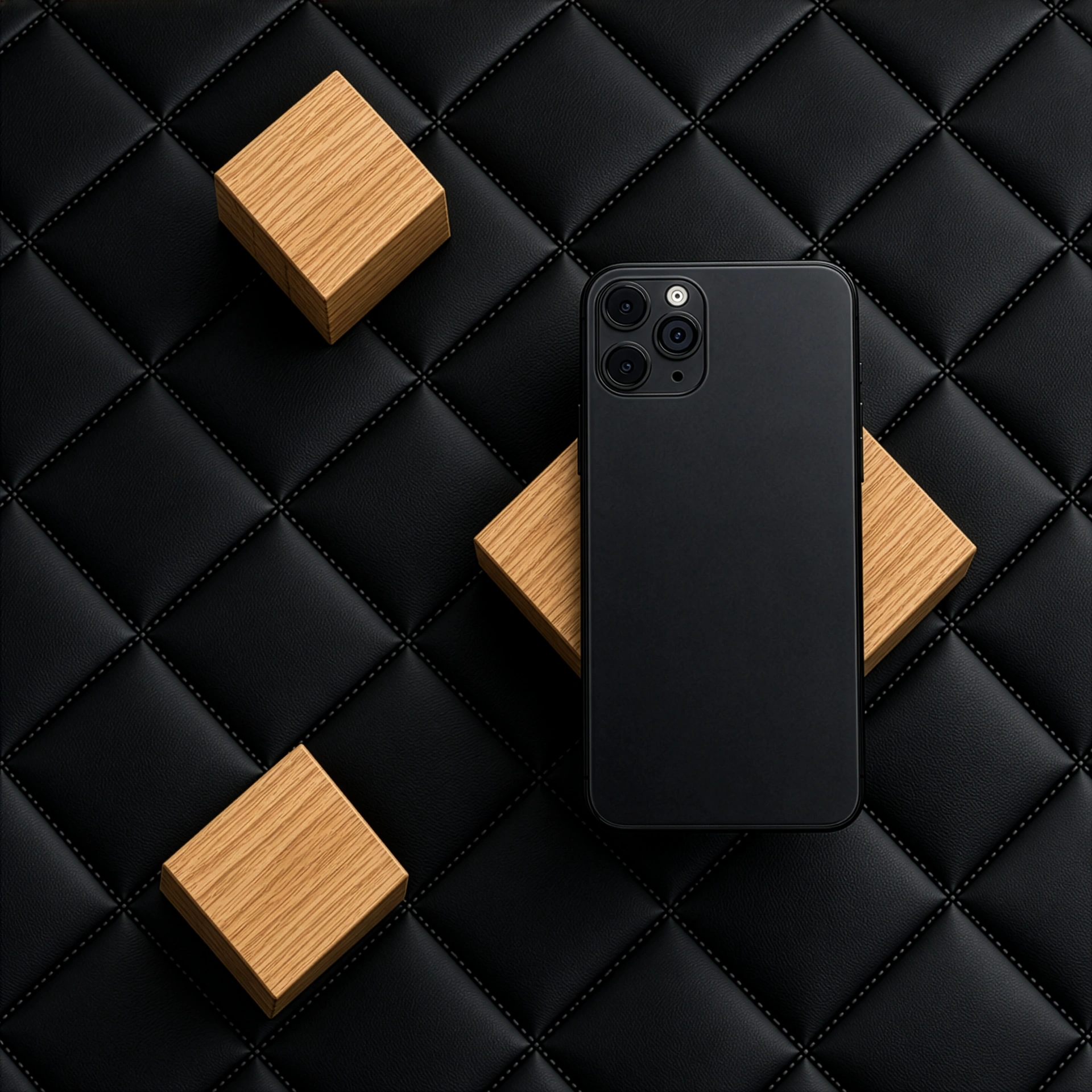
The foundation of that strategy is the digital-physical infrastructure of Odoardo Lens™. In their suite, the guest finds an elegant black welcome card with a hidden microchip. Touching it launches in the browser an interface that plays the role of a discreet director. Ruling out technological barriers is the key to success in this segment, which we explain in the publication Technology without barriers.
The software hints at how to capture the best shots, carrying out unobtrusive upselling along the way – pointing the lens at SPA treatments or the services with the highest margin. The cloud engine automatically stabilizes the image and applies carefully chosen color grading. The video postcard that arises this way builds the desired status online, actively defending the Average Daily Rate (ADR) against future clients' doubts. The material stays under the guest's control – the brand publishes it solely with their consent. Every such film encourages a direct booking, preventing the escape of margin to OTA intermediaries, which improves real profitability as measured by GOPPAR.
A holistic approach to margin
Effectively defending the average room price requires, however, coherence on many planes where the physical and digital worlds meet. Securing prestige is worth beginning with solid foundations in the form of an internet address. A distinctive address from the portfolio of Odoardo Space™, which nobody else will use, gives the property an entry point of its own, where the image and the price belong to it alone, which we explain in the text The cheap address trap.
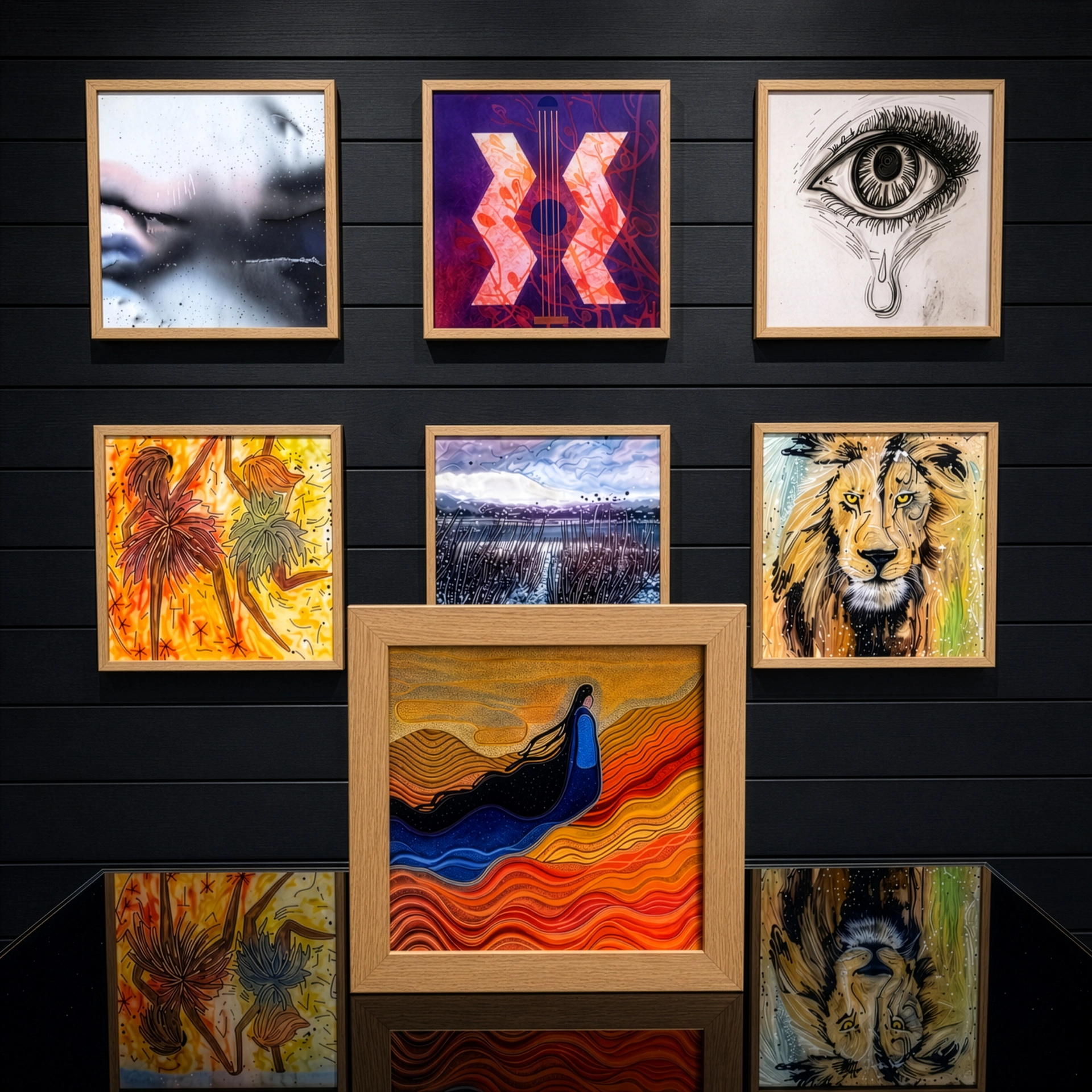
Inside the property, the justification for a premium rate lies in carefully selected aesthetic experiences. Introducing into the shared spaces a rotating collection of authorized art from Odoardo Art™ raises the value of the experience. The influence of such solutions on loyalty we discuss in the article How do you raise hotel guests' NPS?. Discreet, animated objects from the Odoardo Soul™ line support guest service without violating their comfort zone, which the text Animated space in five-star hotels describes. Club spaces fitted with Odoardo Alibi™ tools, in turn, favor the striking up of deep relationships, which we write about in the material The lounge in a luxury hotel and spa.
On what actually defends a rate, the creator of the Odoardo™ ecosystem says:
“A rate is not defended by a price list but by the image that precedes the price list. If a guest sees a property in a shaky shot, every amount may seem to them decidedly too high.”
Ultimately it is the Average Daily Rate (ADR) that truly reflects how the market prices the quality and the story a given property spins. Leaving that narrative in the hands of amateur chance is a business risk which top-class hotels can rarely afford. Consciously directing your own image online is a hard defensive strategy.
Price is defended by image – that premise we develop in the manifesto.
 Odoardo Soul™
 Odoardo Alibi™
 Odoardo Art™
 Odoardo Space™