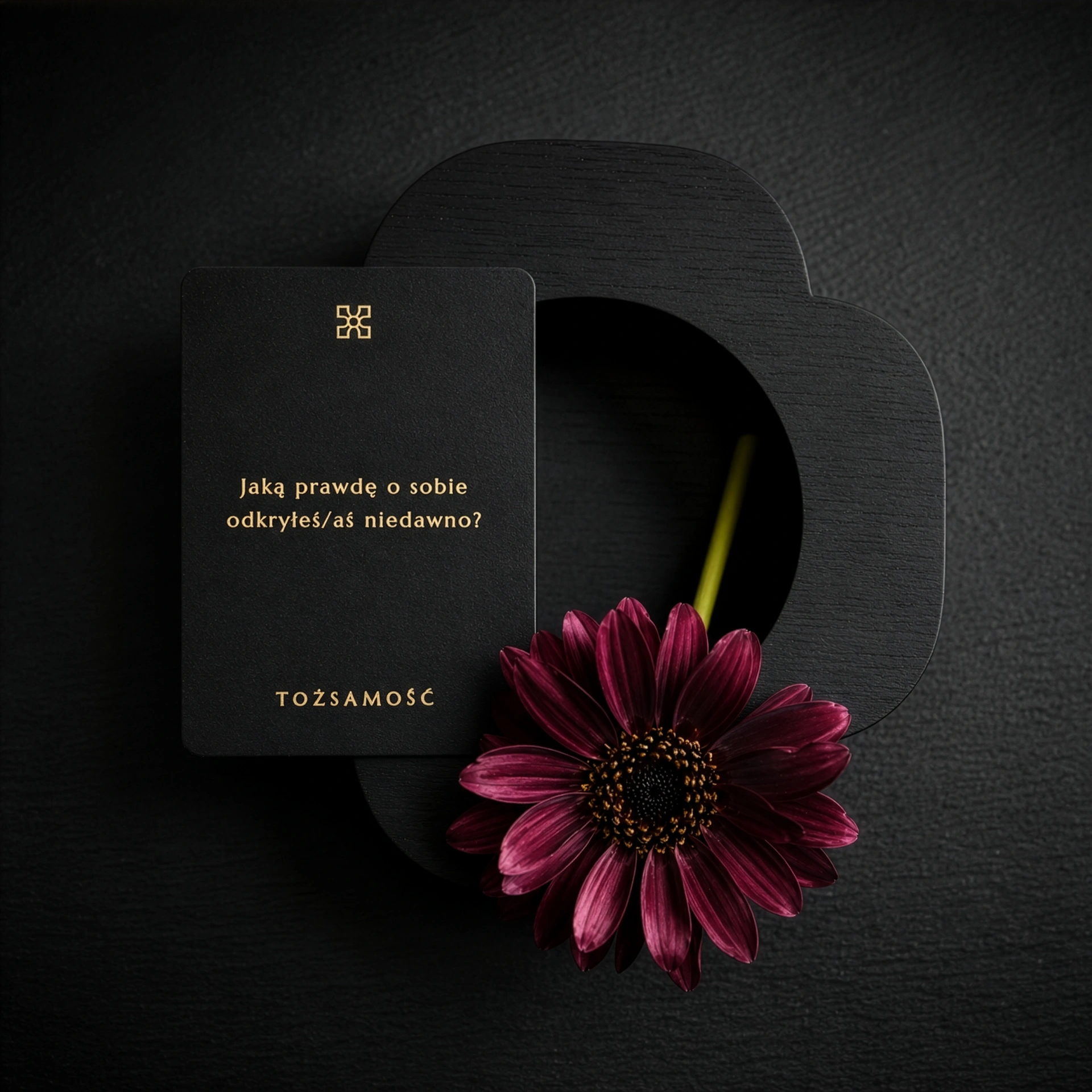
Dating today not infrequently resembles an exhausting recruitment process. Quick judgment on the basis of a few photographs, superficial conversations and endless scrolling through profiles make meeting new people rather a burdensome duty. Questions about a favorite film or weekend plans are safe enough, but they tell us absolutely nothing about the sort of person our companion will be in moments of crisis. To build a lasting, conscious relationship, we must dare to ask questions that reach discreetly far deeper.
The phenomenon of dating app fatigue
We live in the illusion of infinite choice. Psychology describes this effect as choice overload: the longer the list of options, the harder it is to decide and the easier it is to regret the decision made. Frustration and burnout have become a mass phenomenon in this area, especially among younger users. This growing distance leads to what psychologists have described as dating app fatigue. To avoid further painful disappointments, we must change the dynamics of meetings in person radically. Instead of wasting weeks on barren small talk, it is worth checking the other person's fundamental values, expectations and level of emotional sensitivity at an early stage.
How to filter out the banalities and learn the truth?
Verifying values does not consist in conducting a stern interrogation. It is about intentionally initiating a discussion that will naturally lay bare the other person's authentic priorities. When we ask what a partner is proudest of and what they rarely speak about, we learn their hidden ambitions at once. A question about what advice they would give themselves ten years ago shows, in turn, whether they return in thought to their own decisions at all. It is precisely bold questions for a partner that force one to pause and allow relationships resting solely on physical attraction to be rejected quickly. Ignoring these subjects is a direct road to falling into the “it will work out” trap, which in the future often ends in a break-up.
The reaction to uncomfortable questions
The way our companion reacts to ambitious subjects is the best test of their emotional maturity. If they react with irritation, turn everything into a joke or look away, we receive a clear signal that deep conversation causes them discomfort. Openness and engagement, on the other hand, are a solid foundation for active listening in a relationship. If a partner can listen attentively to your answers without interrupting or judging, the chance grows that you have found a common denominator for building a lasting bond.
A date at home in the spirit of quiet luxury
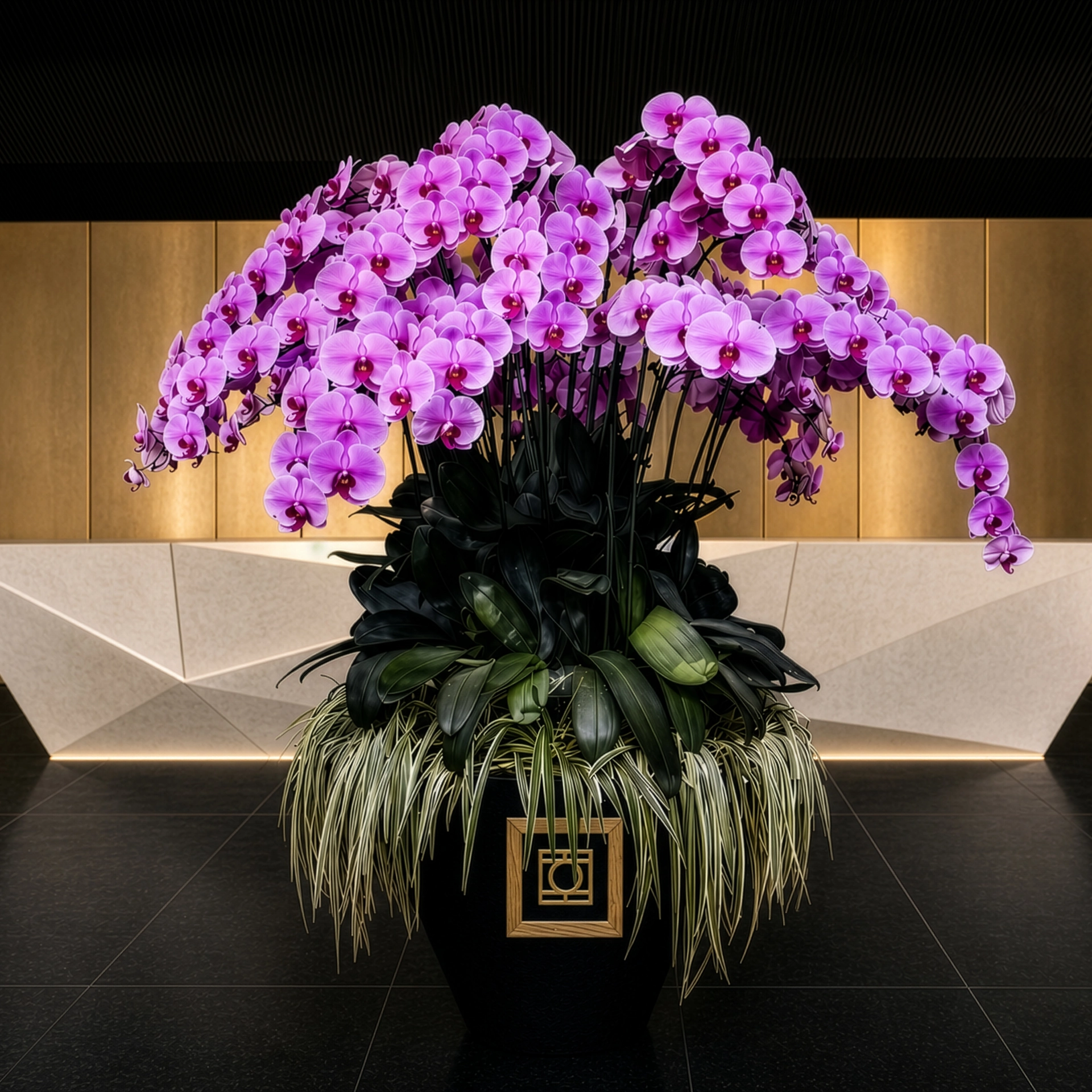
When we care about moving an acquaintance to a higher level, loud bars stop working. Moving a date to one's own home is a great proof of trust. For the meeting to go flawlessly, the space must be free of garish distractions – it is worth initiating a digital detox before sleep, at least for the duration of the meeting. Instead of bearing one-off costs for furnishing an interior, the wise decision is to use the model of a decoration subscription. A quarterly interior metamorphosis without renovation with a work displayed in an oak frame from Odoardo Art™ gives the conversation a foothold at the very beginning of the evening, when both sides are still looking for a subject.
A dignified alibi for a successful evening
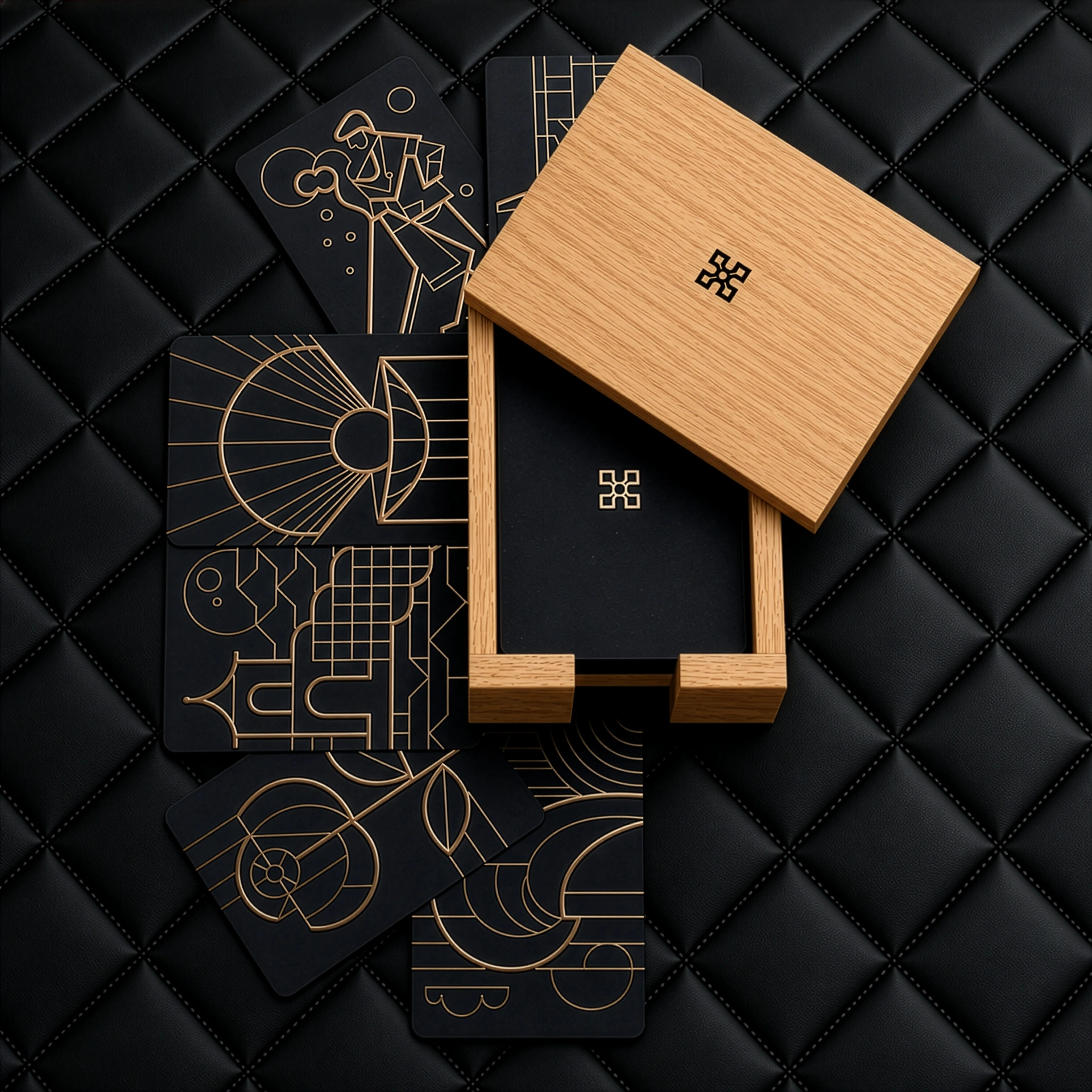
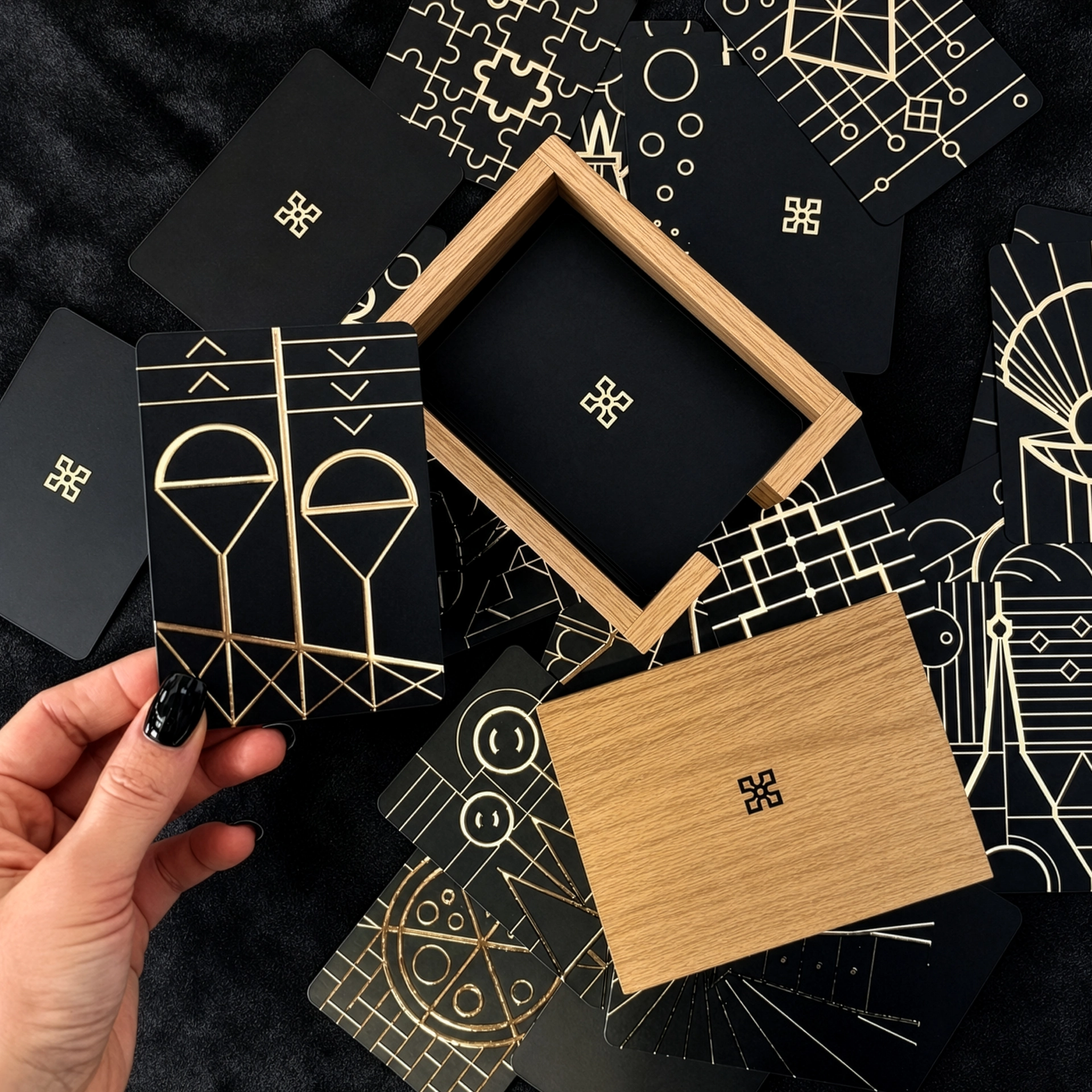
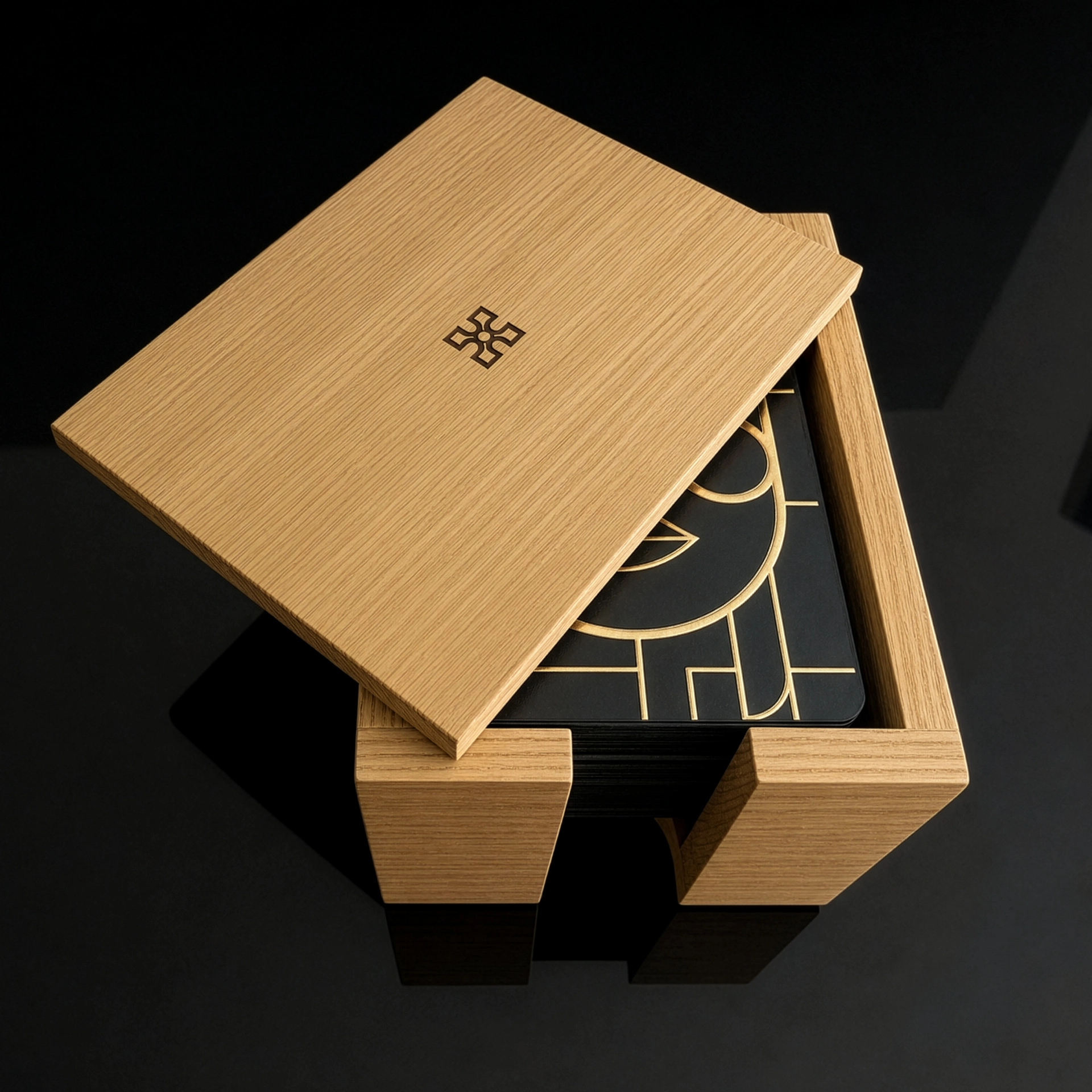
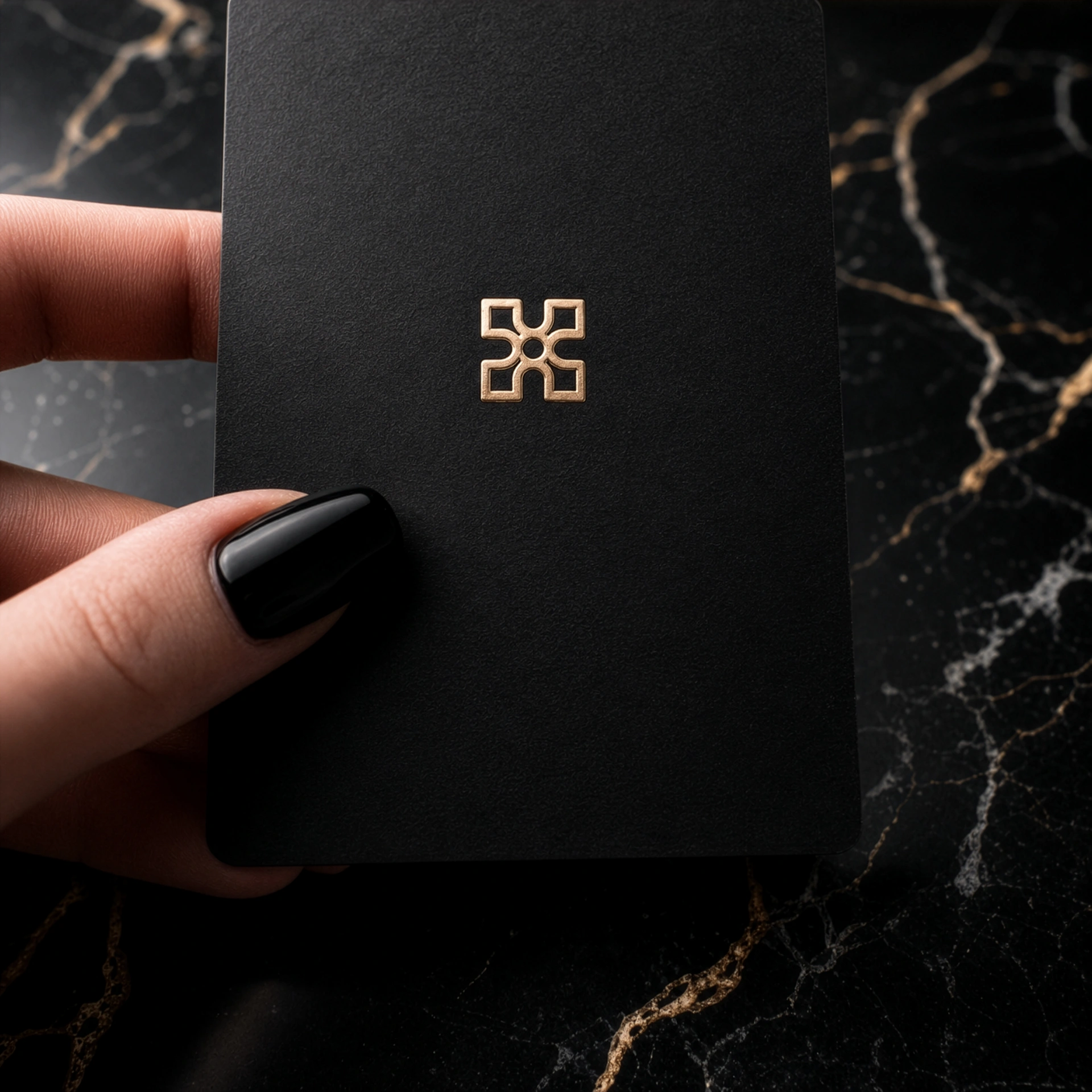
The crowning of a successful meeting and the tool for a stress-free passage into deep subjects is the Odoardo Alibi™ set. A box of solid oak, designed with craftsman's care, holds within it thick black cards. Such a format gives you an impeccable excuse for the hardest question. It is far easier to answer a question that reaches the heart of things when one realizes that it is the card asking, which removes the risk of being accused of excessive inquisitiveness. The ritual of matching illustrations in silence to the questions heard highlights the meaning of silence and image in communication – a moment without words gives time to think that a conversation at a bar table never gives. Using Odoardo Alibi™ is an elegant way to filter out chance acquaintances and to lay the foundation for a conscious relationship.
Why we place one good object above another application we explain in the manifesto.
 Odoardo Soul™
 Odoardo Art™
 Odoardo Lens™
 Odoardo Space™