The chief executive's office is the heart of an organization. For decades the space served to demonstrate power – heavy furniture and ostentatious logotypes were meant to intimidate. Today's leaders are moving away from that anachronistic model, wanting to create a space that stimulates trust and an exchange of thoughts. The answer is to apply the philosophy of quiet luxury, where authority is built through the austere quality of natural materials and an impeccable visual order.
Why does minimalism inspire trust?
From the point of view of psychology, surroundings can help form a first impression and affect the way we perceive the person we are talking to. An ordered, visually coherent space limits the number of distracting stimuli and can strengthen a leader's professional image. This is especially visible in remote conversations, where a person's background is looked at throughout the meeting and begins to speak for itself. Aesthetics do not, however, replace real achievements, the quality of communication or substantive preparation.
Trying to impress with an office resembling a showroom is a mistake. Genuine respect is inspired by an environment in which the chief executive's attention is focused on the person before them, preventing the phenomenon of continuous partial attention. The same rule works at home, where distraction builds invisible walls in marriage, and in the office, where it creates a barrier of mistrust in business partners.
An intellectual center of gravity
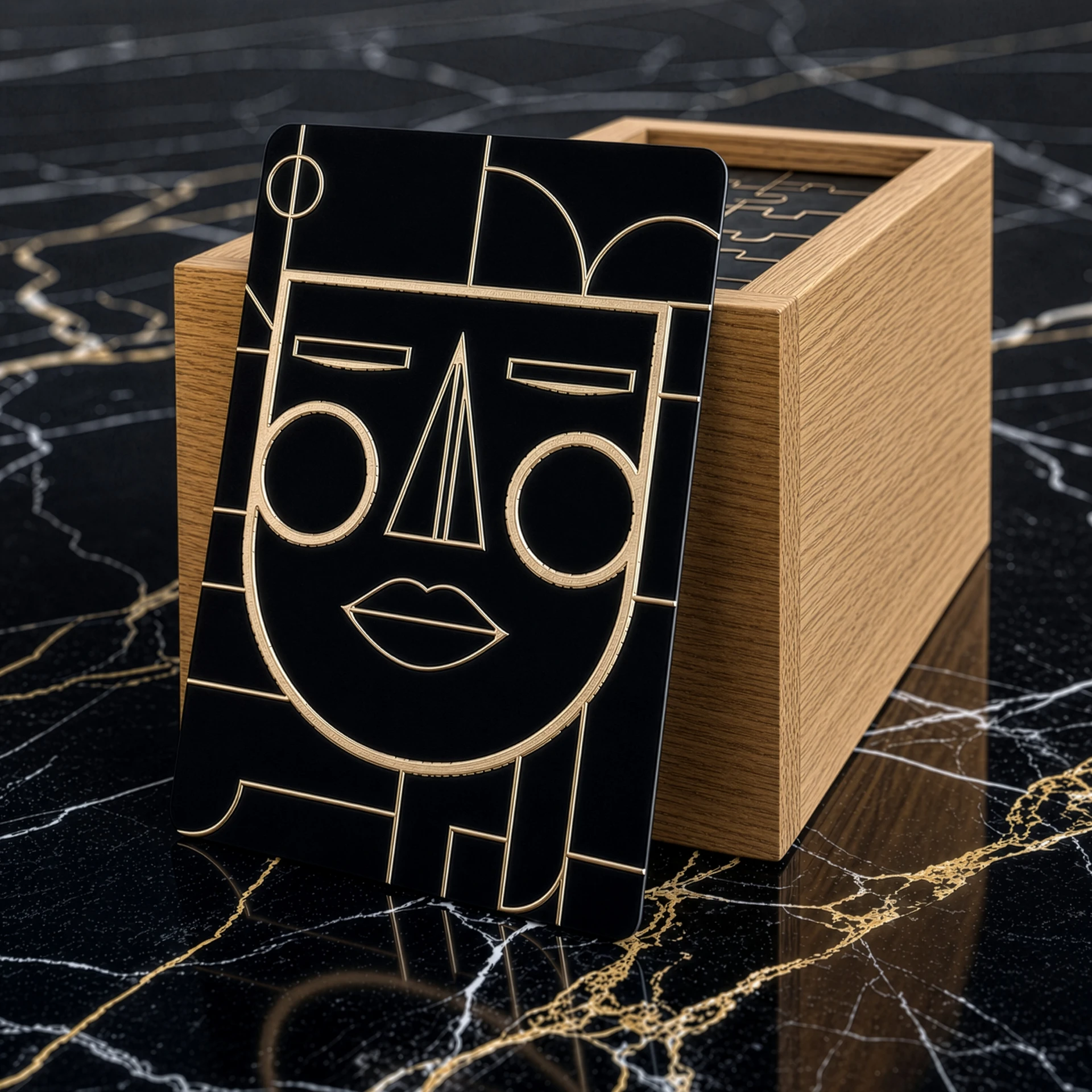
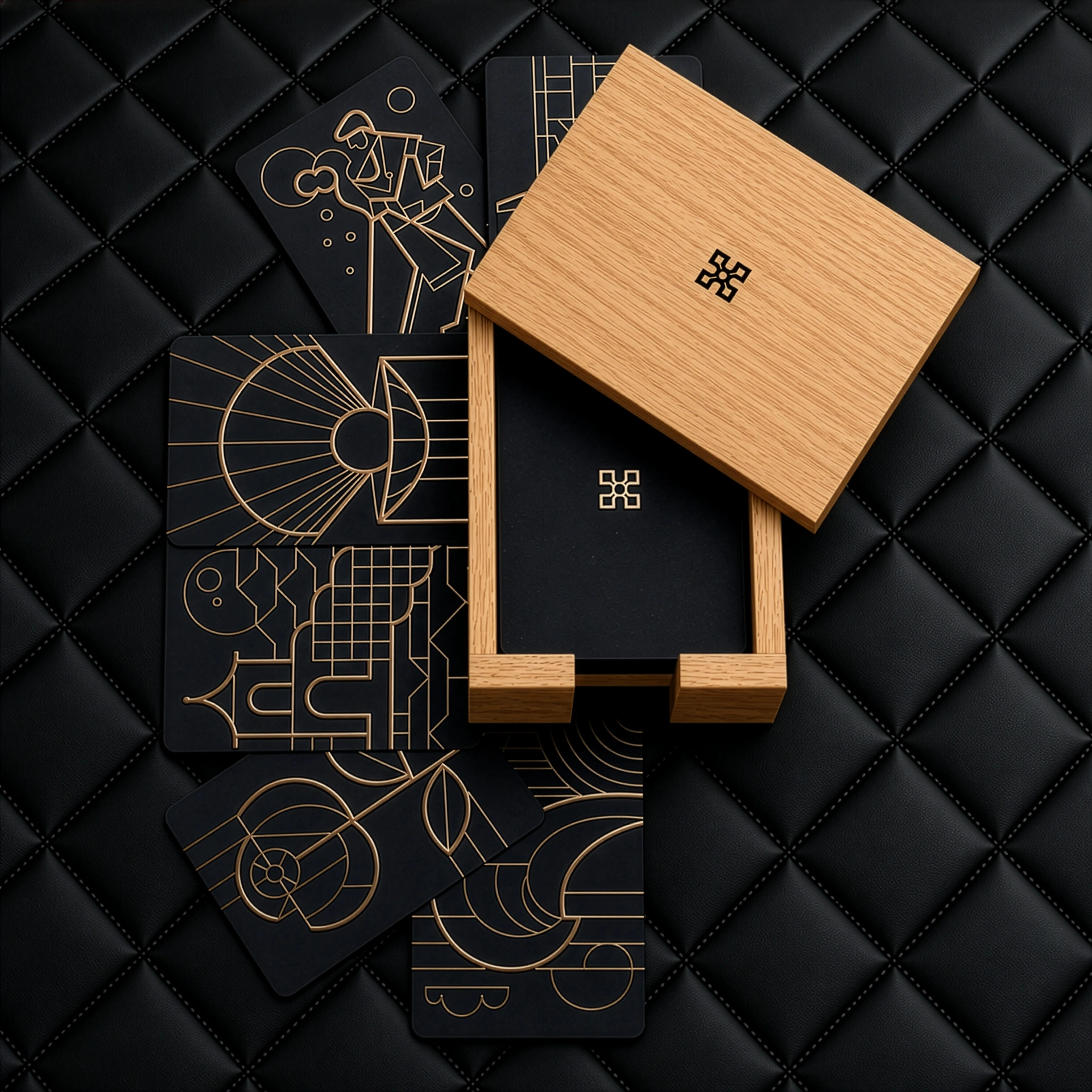
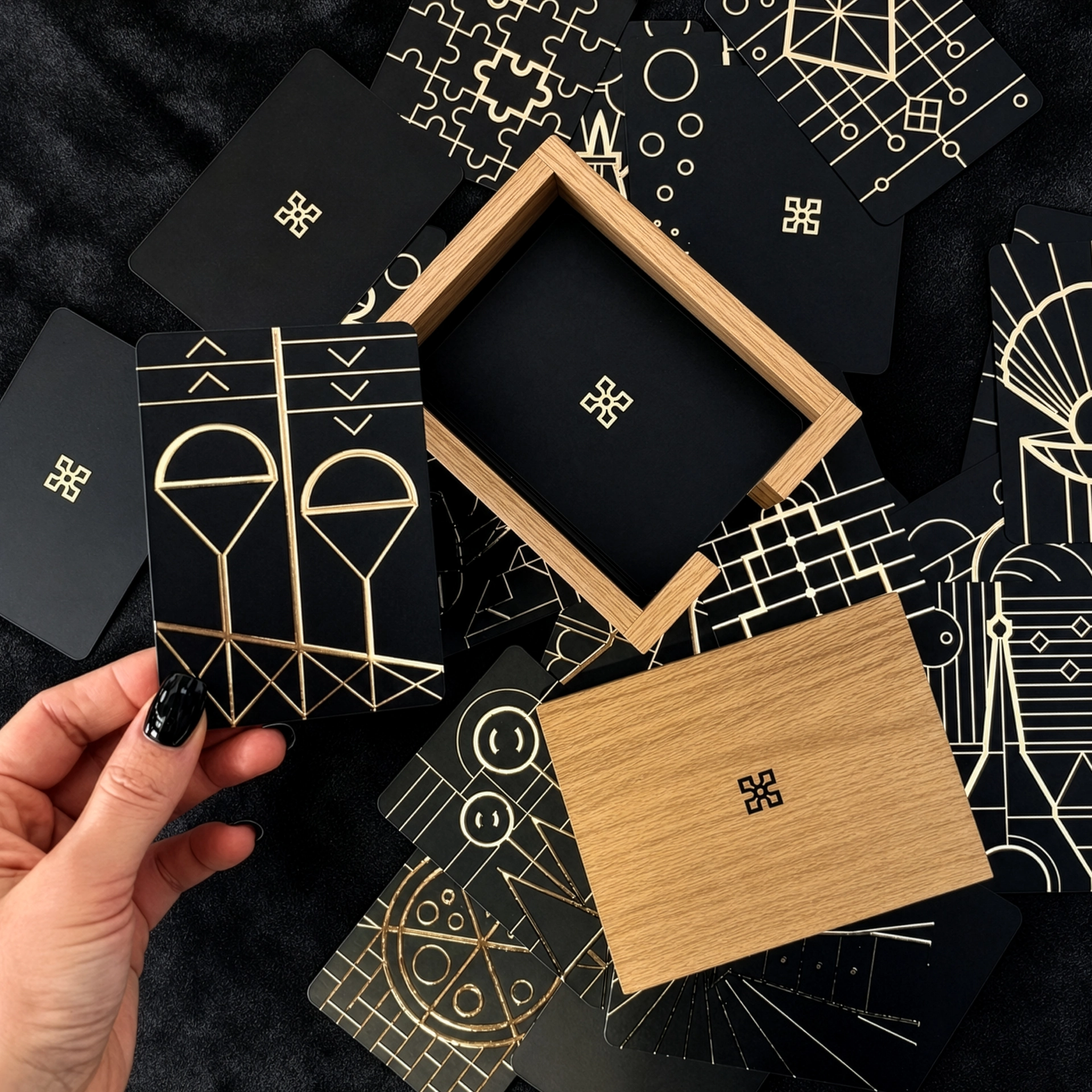
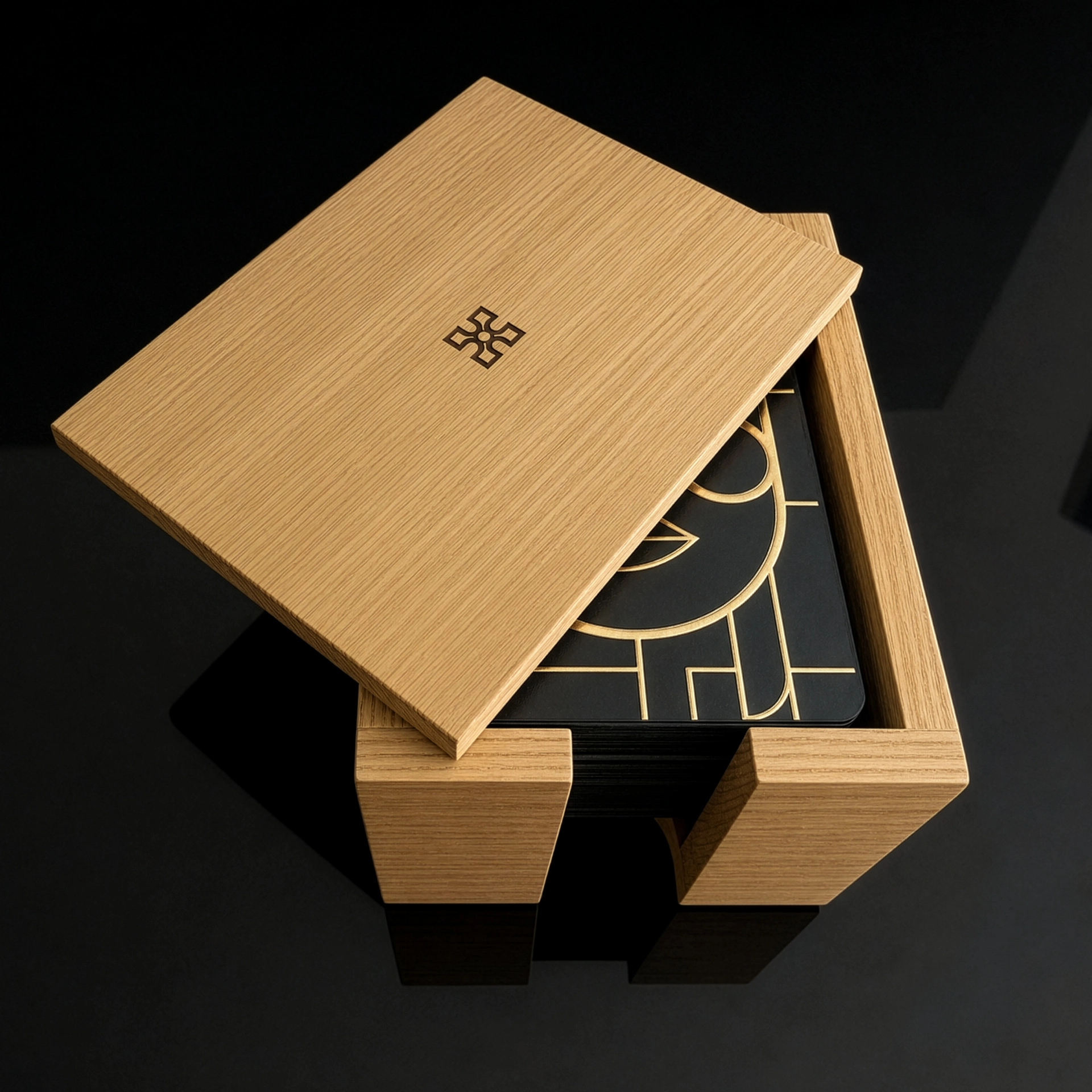
What must not be missing in a C-level office? The key is objects that act as refined ice-breakers. A spectacular choice is to display the crafted Odoardo Alibi™ box on the desk. Its austere body intrigues guests and guards against the “it will work out” trap.
The set of 50 deep questions for your partner lifts from the other person the weight of the first step. The mechanism built on Geometric Noir illustrations reminds analytical minds of the meaning of silence and image in communication. The same box is also an apt business present.
Technology in the shadow of masterly craft
Integrating technology with raw materials is a test for designers. On how to reclaim a space, the creator of the Odoardo™ ecosystem says:
“In an age when almost every business process is being digitized, it is worth building authority through an intentional return to tangible matter. When intelligent systems work in the background, a chief executive can give their attention to the person sitting opposite.”
The crowning of a refined space should be intentional art. Enriching the walls with collectible prints from Odoardo Art™ gives an office the standing of a quietening gallery, while Odoardo Soul™ hides the electronics inside the furniture, which we describe in the piece Contextual physical interfaces. Such details favor active listening in a relationship and help introduce a digital detox before sleep and rituals for couples.
Why we build authority with quiet rather than with scale, we explain in the manifesto. What besides the decor can be seen in the background of a remote meeting, and why that is sometimes a question of security, is described by the book “Luxury of Ignorance”, on protecting boards against social engineering.
 Odoardo Soul™
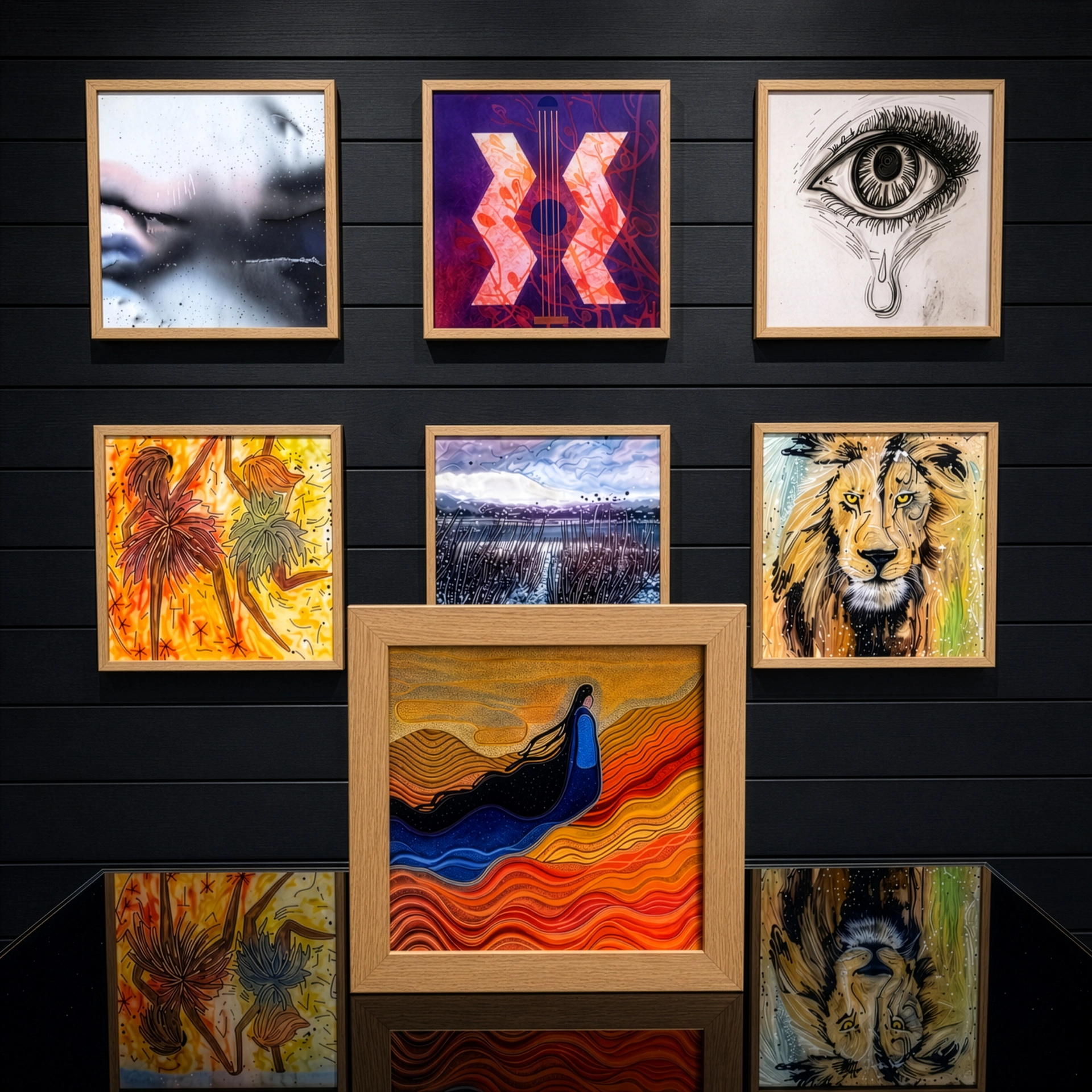 Odoardo Art™
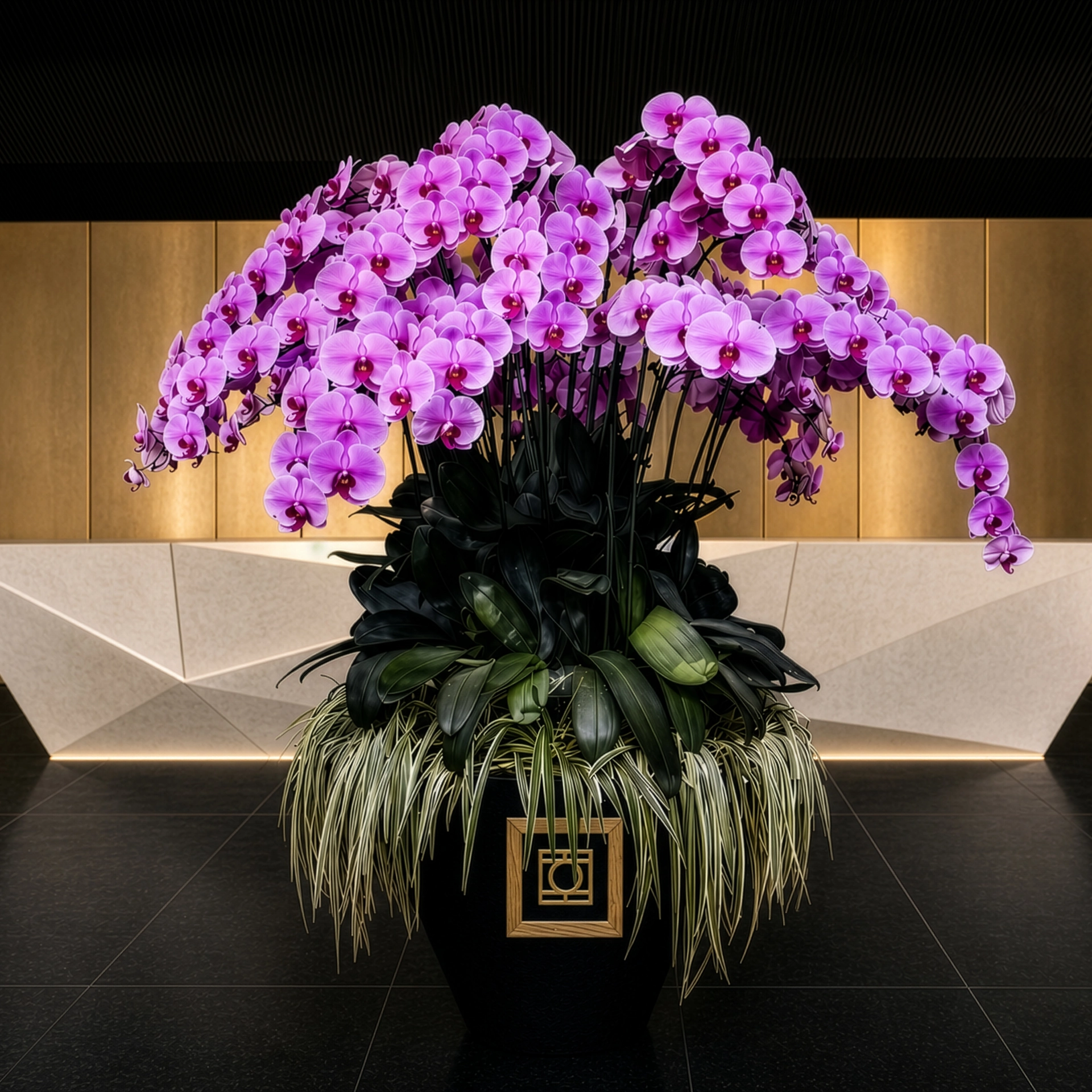 Odoardo Lens™
 Odoardo Space™