A quarrel in a relationship rarely ends at the moment the last words fall. Far more often its real harvest begins just afterwards, when a heavy, punishing silence descends on the home. With each further day of avoided contact, invisible walls grow between the partners. Instead of feeling closeness and trust, we begin to treat each other like strangers passing in a corridor. Understanding why this happens and how to break through that barrier consciously can help save a relationship before it turns into a deep relationship crisis after years together.
The anatomy of a quarrel
A sharp quarrel with a close person is, for the body, a state of alarm. The pulse quickens, breathing shortens and the field of vision narrows to a single goal – winning this exchange. The ability to weigh one's words falls precisely when it is most needed. That is why sentences we later regret fall in the middle of a row. Continuing the discussion at such a moment only deepens the hurts, building a dangerous foundation for the destructive “it will work out” trap, which will ultimately block sincere communication.
Stonewalling as a defense mechanism
When emotions reach their peak, one of the most frequent ways of coping with being overwhelmed is the phenomenon called stonewalling. It occurs when a partner remains physically in the room but cuts themselves off emotionally and entirely. Contrary to common opinion, this is not a sign of calculated coldness but a fully physiological attempt to protect the body from an excess of stimuli. The key signals that a partner is beginning to build a wall include above all a physical closing to messages through the avoidance of eye contact. This is often accompanied by flight into technology and aimless scrolling of a phone screen, which is sometimes mistaken for making light of the problem. Monosyllabic answers also become noticeable, aimed at cutting an uncomfortable conversation short at once. The problem is that the other side receives this silence as a painful rejection, which leads to a further build-up of tension.
The golden rule of twenty minutes and the art of returning
Tearing down walls for good requires above all time for the body's physiology to calm. Experts recommend applying a simple but powerful time-out technique – breaking off the discussion for a minimum of twenty minutes so that the pulse returns to an optimal level. Nevertheless, the return to conversation after a row has ended can be the most awkward moment of all. It requires the attitude defined as active listening in a relationship. One cannot begin with accusations. The ideal pretext for extending a hand in reconciliation is the use of an external solution that will act as a psychological bridge. It is a perfect moment to reach for a refined tool for apology in a relationship, discreetly taking from both sides the burden of initiating the subject from nothing.
A physical alibi: how to ask a question without guilt?
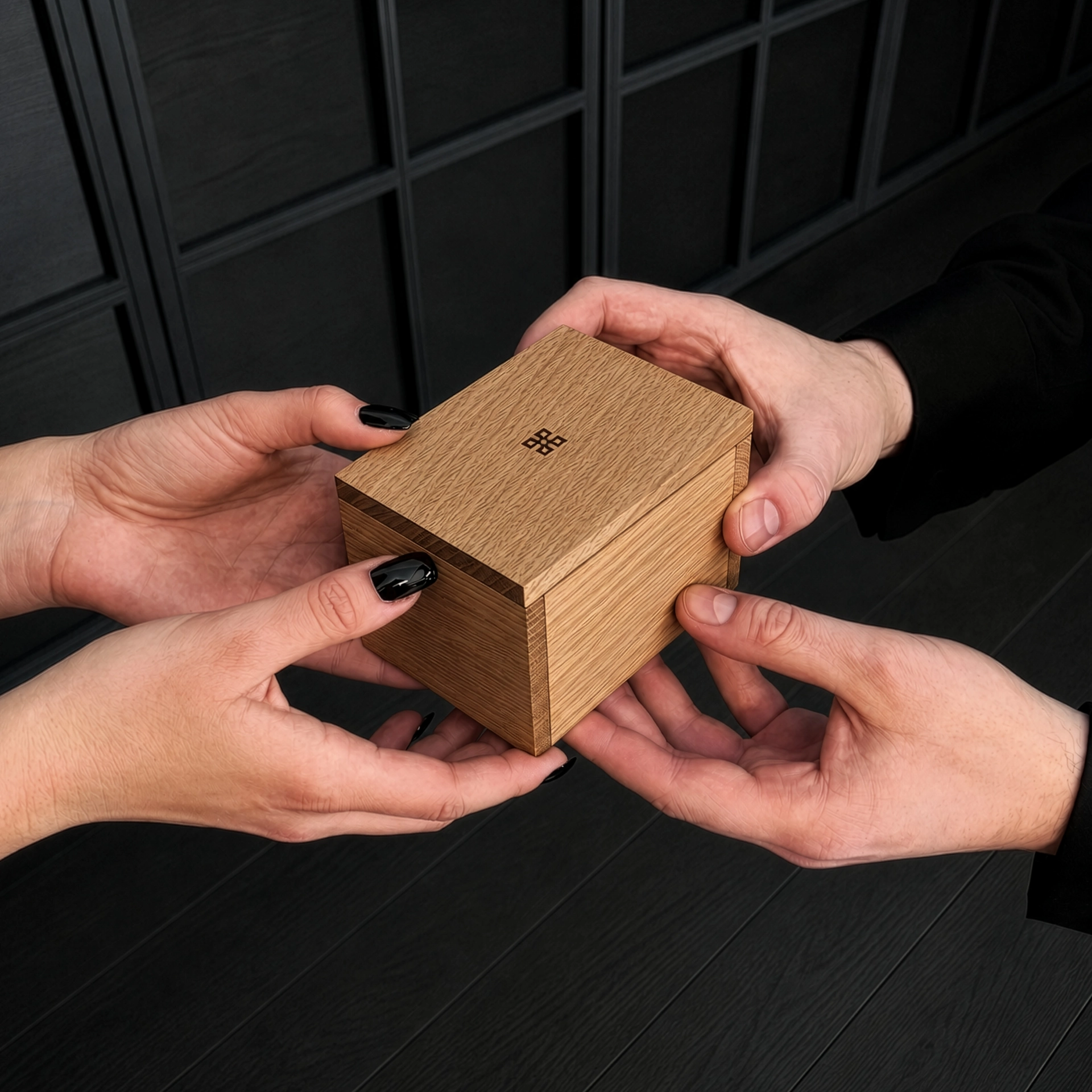
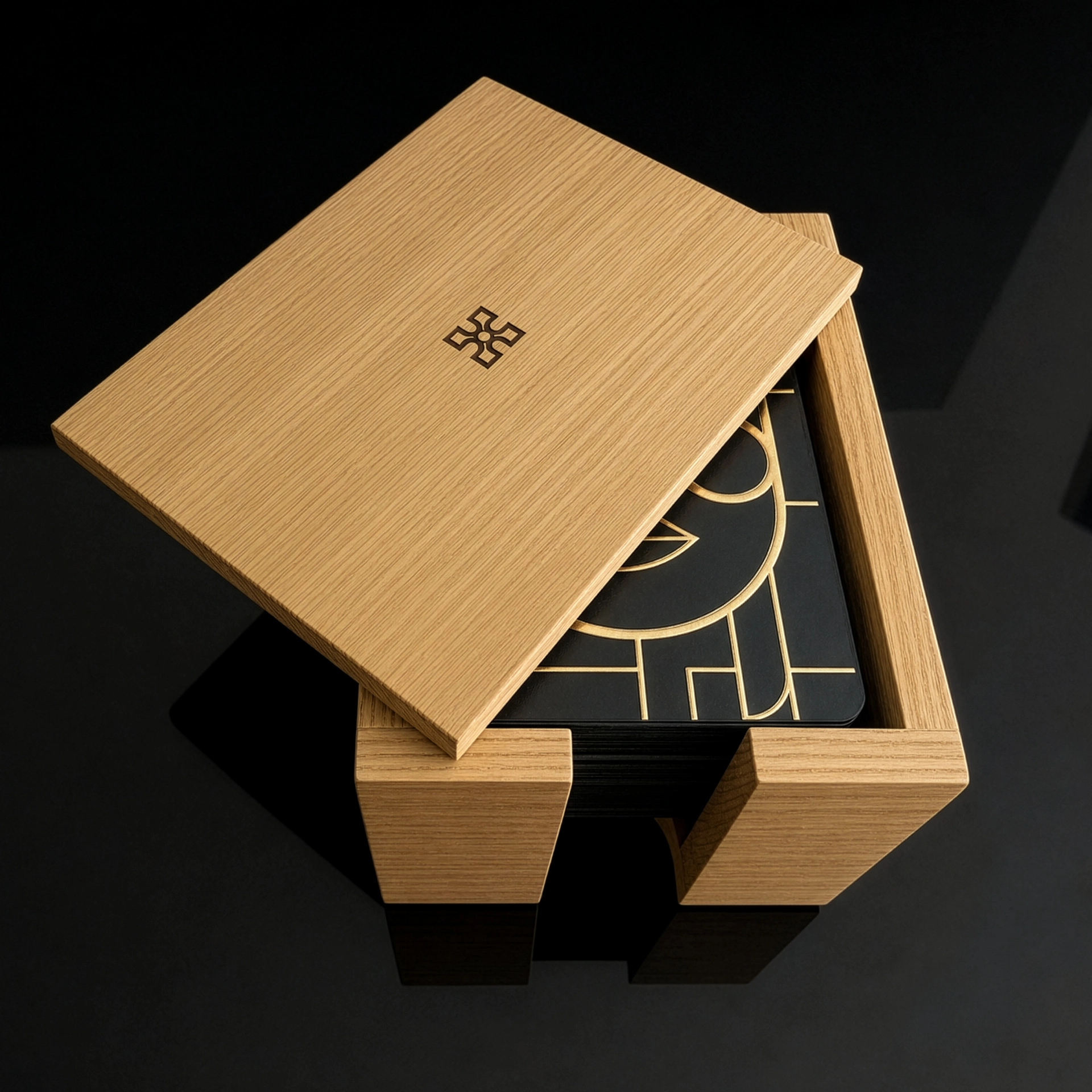
A true return to closeness requires asking questions that will remind you why you are together at all. Unfortunately, the fear of rejection often paralyzes. It was with this in mind that we created the brand Odoardo Alibi™. It is a crafted, luxurious set that supplies a dignified reason to ask outright. This tool naturally soothes tension, introducing a rule sewn into the design: It is not I who am asking, it is the card that asks.
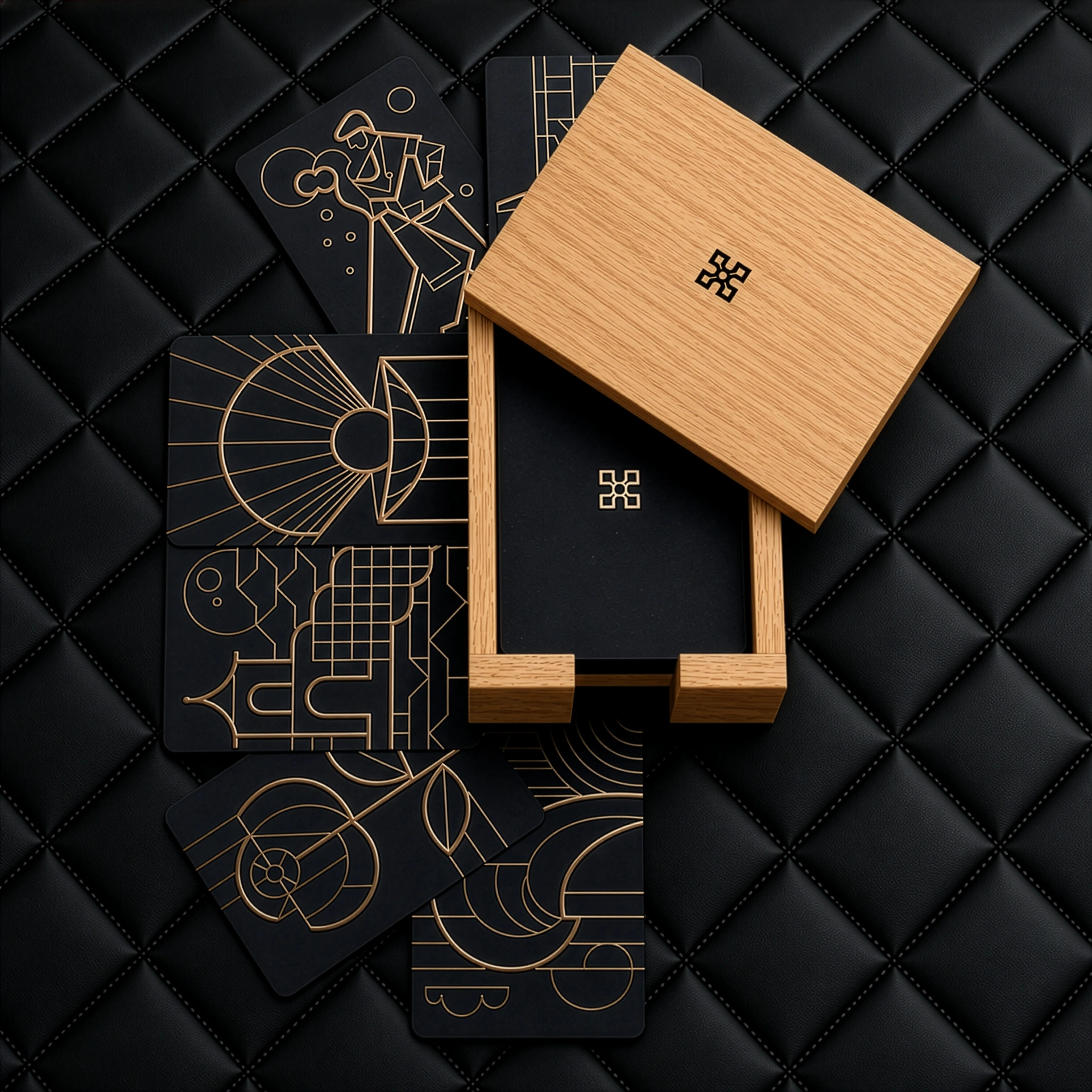
The collection, made up of 50 deep questions for your partner printed on solid-dyed paper, soothes over-stimulated senses. Supported by illustrations in the Geometric Noir style, these questions allow one to move beyond the immediate cause of yesterday's conflict and to turn the conversation toward what really matters. Together you uncover your deepest fears, unfulfilled dreams and hidden needs, and this elegant ritual gradually restores a sense of safety and opens space for authentic understanding.
The scenography of reconciliation in the spirit of quiet luxury
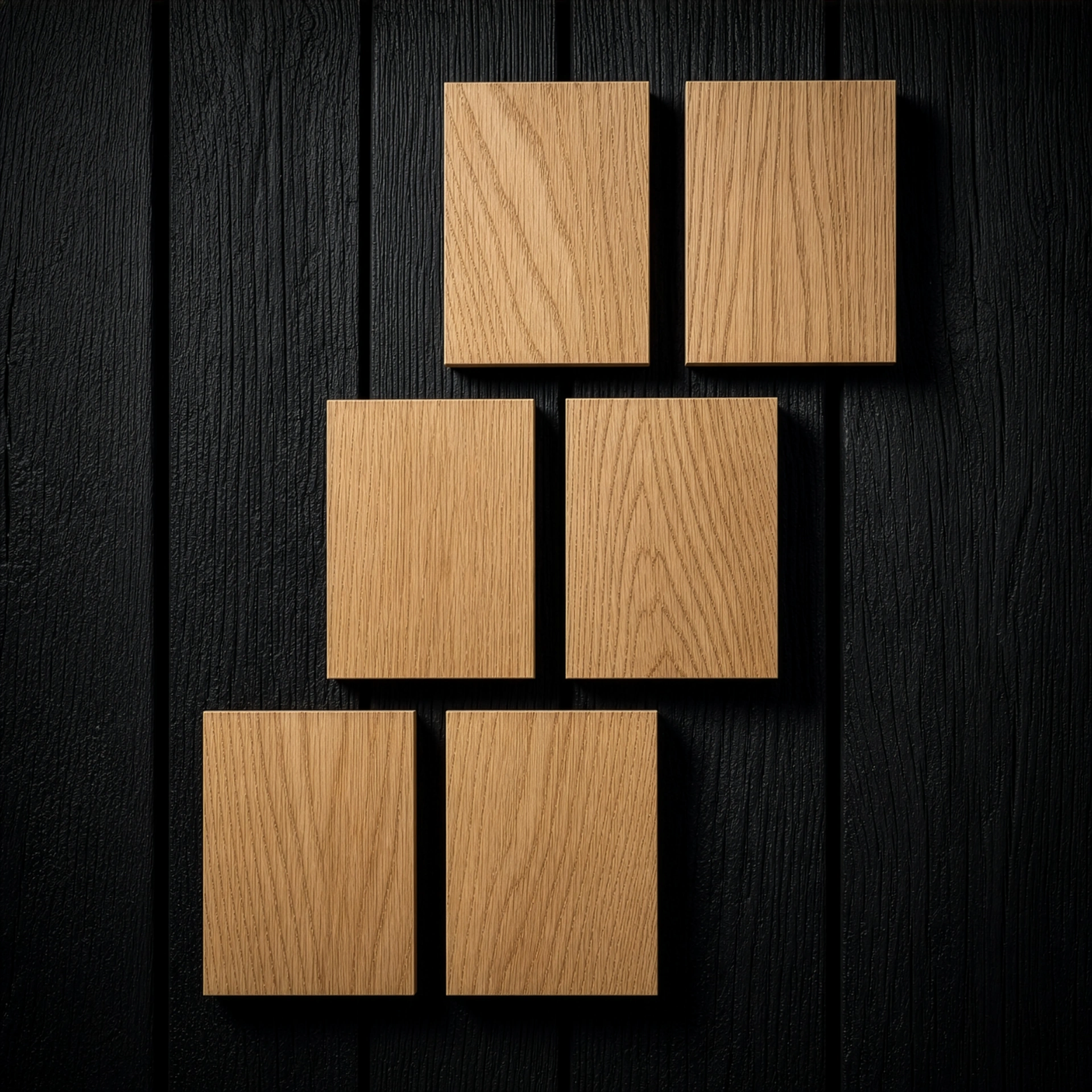
The surroundings in which you make peace after a conflict matter enormously for the success of the whole undertaking. The concept of quiet luxury in interior architecture assumes the decisive hiding of electronics and the giving over of space to materials of high grade. The physical contextual interfaces from Odoardo Soul™ belong to this philosophy. These cubes of solid oak wake the intelligence woven into the home's architecture without the use of screens. They are complemented by a rotating collection from Odoardo Art™, allowing an interior metamorphosis without renovation. In an environment so created, the solid oak box of Odoardo Alibi™ becomes the natural center of a domestic oasis of calm, in which invisible walls cease to exist.
Why we regard regained attention as real luxury we describe in the manifesto.

 Odoardo Soul™
 Odoardo Art™
 Odoardo Lens™
 Odoardo Space™