A relationship that only a few years ago seemed full of passion and unbreakable can, with the passing of time, imperceptibly turn into a cold flatmate arrangement. You wake beside each other but live in two entirely different worlds. Daily communication comes down to dry logistics, silence grows disquietingly heavy, and an attempt to enter deeper subjects not infrequently ends in irritation or indifference. Many couples facing such an impasse consider separation or a visit to a specialist. It is worth understanding, at the same time, where the distance comes from, and restoring regular rituals for couples – because a conversation between the two of you helps regardless of whether you decide on therapy.
Why do we lose closeness over time?
A sense of distance or a fall in satisfaction with a relationship is not unambiguous proof that your bond has irreversibly died out. Contentment in a long marriage rarely declines in a straight line – more often it resembles the letter U. After an intense phase of fascination comes a fall, usually coinciding with the arrival of children, a press of professional duties and an age at which earlier choices are revised. It is a bend in the road, not its end.
What is more, Dr John Gottman – one of the most frequently cited researchers into the stability of marriages – showed, after years of clinical observation, that a considerable part of conflicts in relationships are so-called perpetual problems, which can never be entirely eliminated. They stem from fundamental differences in the partners' personalities. Blind faith that all differences must be leveled out is the destructive “it will work out” trap. Instead of losing energy on attempts to change another person's character, healthy couples learn how to manage those differences discreetly through acceptance and humor.
Emotional disconnection as the quiet killer of a relationship
A real crisis after many years rarely manifests itself in loud rows. A far more dangerous phenomenon, regarded as a key predictor of divorce, is emotional disconnection. It is characterized by a complete absence of positive interactions, of empathy and of any wish to sustain emotional exchange during conflicts. In healthy, stable relationships partners respond to small bids for contact almost reflexively. In relationships struggling with burnout such signals are left unanswered far more often. The continual ignoring of a partner's micro-signals – often stemming from permanent tiredness or from unreflective staring at a phone screen – steadily builds invisible walls in marriage. If we care about saving the bond, a conscious digital detox before sleep and a return to genuine interest in the other person become indispensable.
How to break a communication crisis on your own?
Difficulties in the area of communication are the most frequently named cause of crises in long-standing relationships. Couples therapists stress that emerging from a deep impasse most often does not require abandoning one's existing life at all. It does require updating the relationship itself – we must begin anew to establish the rules that govern it, realizing that we too are different people today from who we were on the day we met. The key to this metamorphosis is deep active listening in a relationship. Instead of entering the role of judge, using hurtful generalizations and interrupting each other at once, it is worth working out a neutral space for dialogue. Closeness between adults is born where neither of them feels judged at every step.
The psychological support of matter, or a tool of the premium class
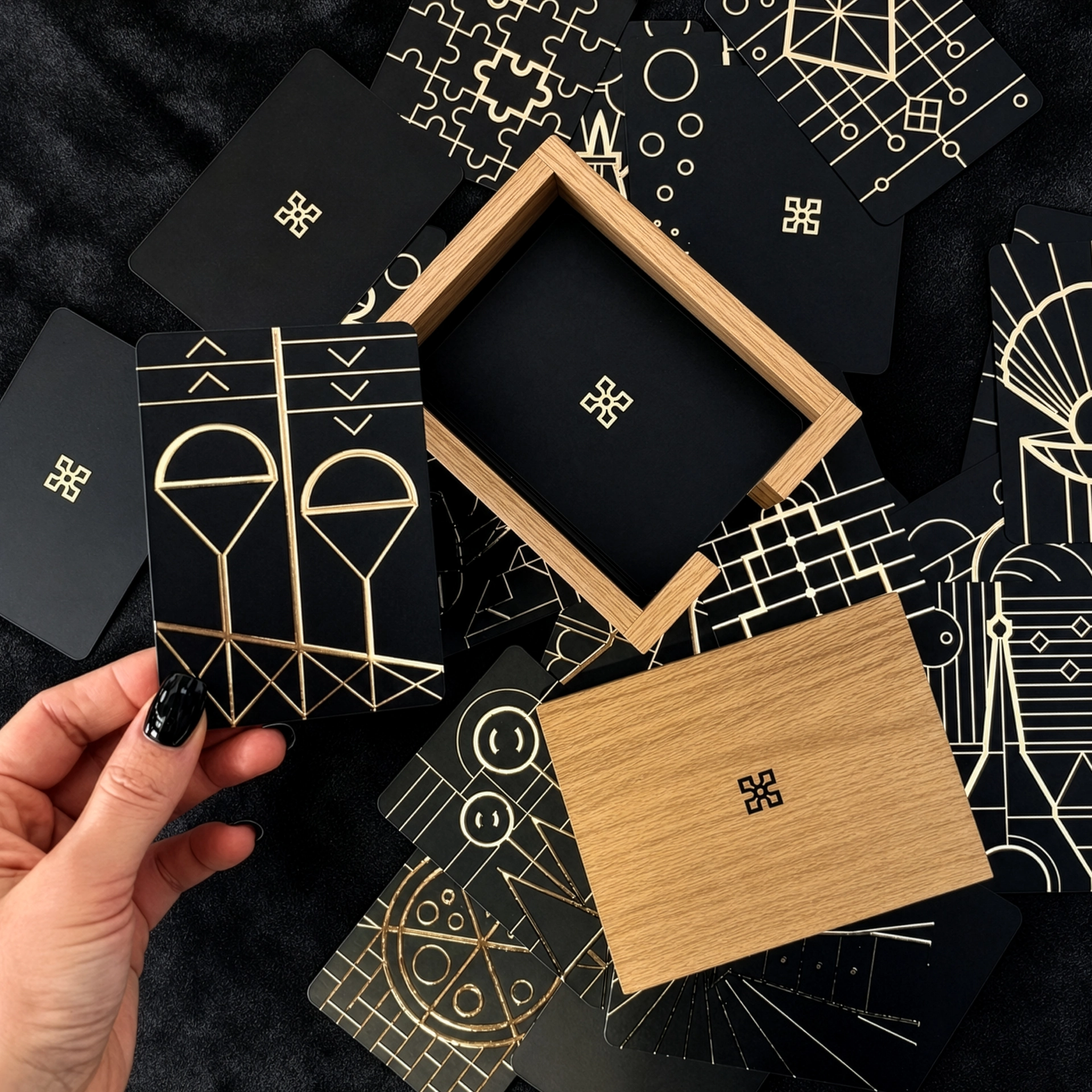
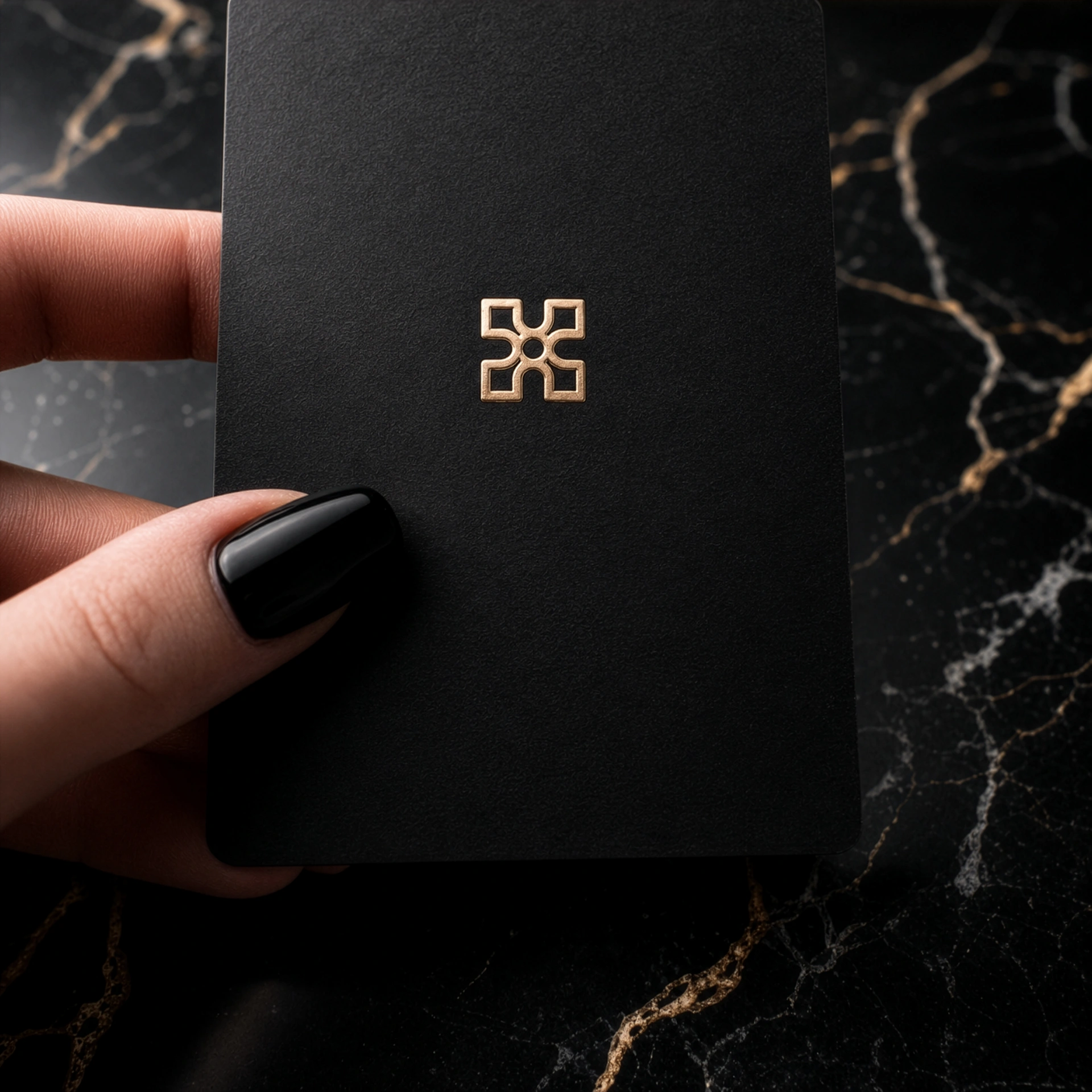
Initiating a deep and often very uncomfortable conversation about the future, about self-worth or about fading feelings requires no small courage. Out of fear of being misunderstood, we most often give these subjects a wide berth. It was with a dignified breaking of this block in mind that the brand Odoardo Alibi™ was created – a unique, physical tool helping one to ask 50 deep questions for your partner. The novelty of this format rests on a simple yet powerful psychological device: shifting the weight of responsibility. Drawing a luxurious card is the perfect alibi for a difficult question. Instead of sounding like a heavy reproach, the message becomes a gentle opening to discussion:
It is not I who am asking – it is the card that asks
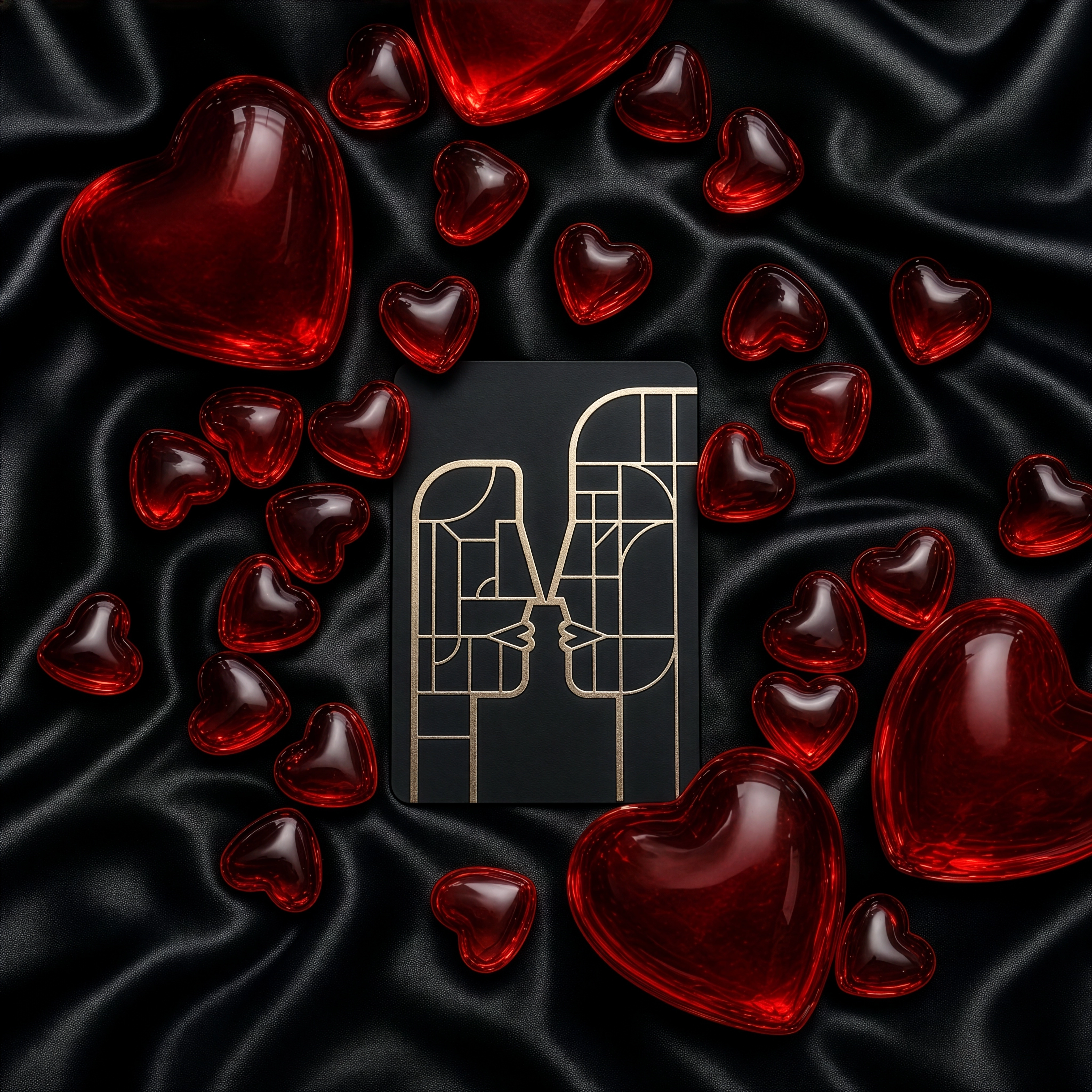
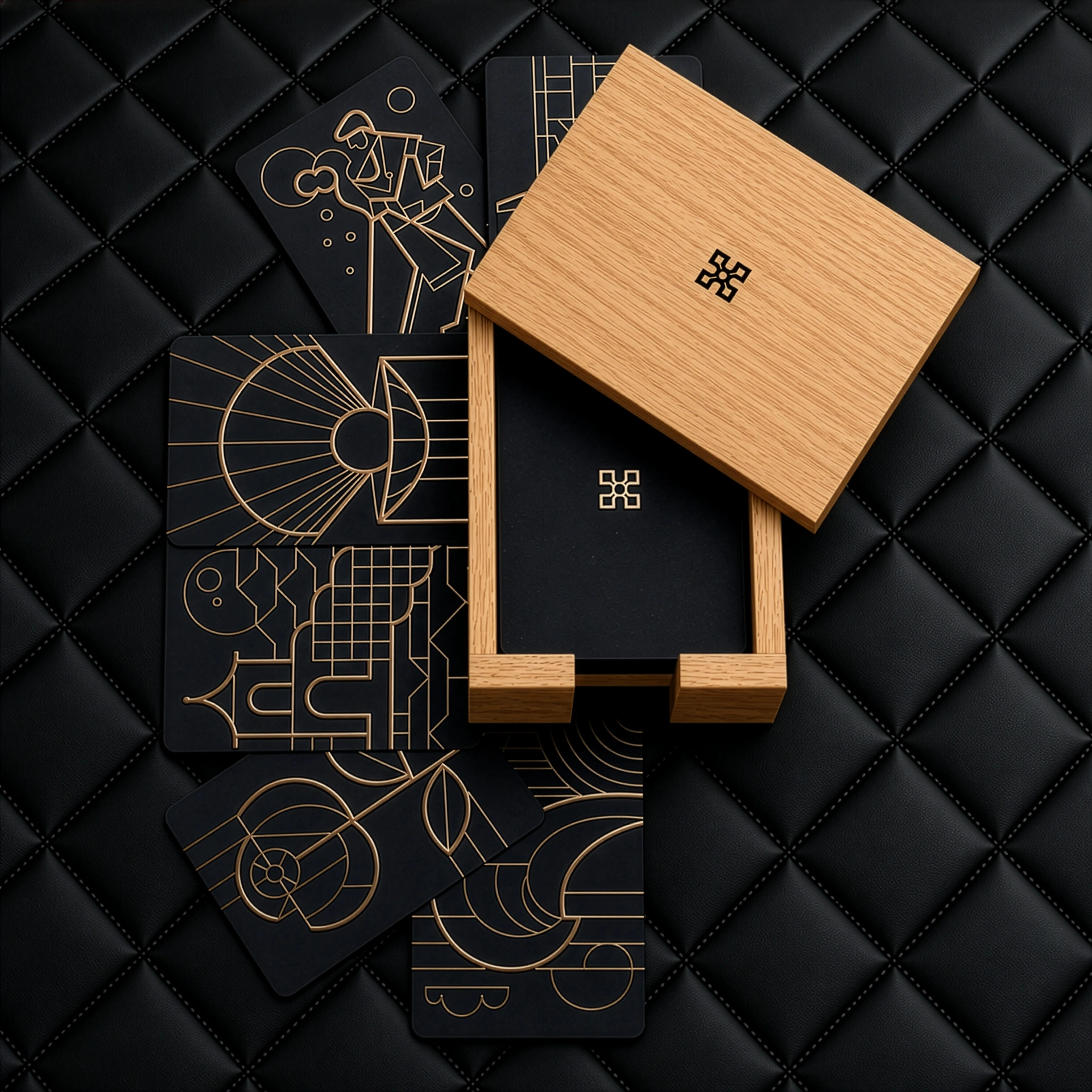
The card's very look matters too: abstract graphics in the Geometric Noir style illustrate nothing directly, so they neither suggest the “right” answer nor set the conversation in any particular key.
Quiet luxury that clears the way for closeness
Opening up before another person comes more easily in surroundings that demand nothing in the background. The architecture of a room and the materials we touch set the tone of a conversation before the first sentence falls. Though technology and advanced algorithms ceaselessly optimize our everyday life, it is analog craft that gives the hands an occupation which needs no operating. It is precisely care for visual and physical minimalism that makes entering a state of full concentration easier. A quarterly interior metamorphosis without renovation, using collectible art from Odoardo Art™, restores calm and class to a living room. Odoardo Soul™ works in the same way, hiding electronics in solid wood – this is described by the text Designing lounge areas without visual noise.
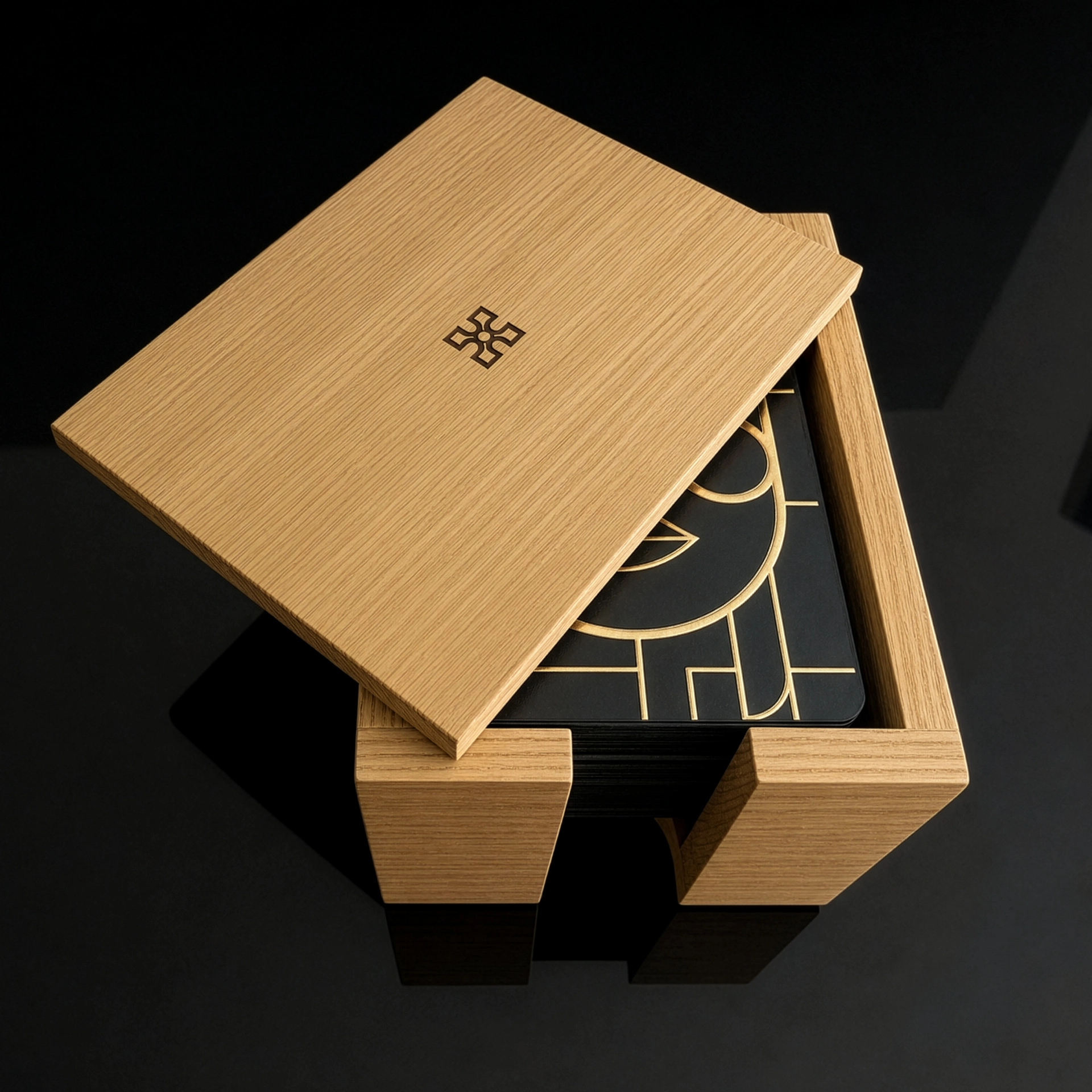
In a space so prepared and aesthetic, the thick, solid-dyed black cards of Odoardo Alibi™, closed in a box of solid oak on hidden neodymium magnets, raise the rank of your meeting to an exclusive experience. Investing in this tool is something more than an anniversary gift for a wife or husband. It is a dignified key to regaining closeness and tangible proof that you both still wish to develop this relationship.
Why we restore to objects the role that screens have taken over we describe in the manifesto.
 Odoardo Soul™
 Odoardo Art™
 Odoardo Lens™
 Odoardo Space™