Imagine the moment the keys to a multi-million penthouse change hands. The investor walks into a perfectly designed interior in which every detail was considered by respected architects. The impression of absolute prestige lasts only until they are handed, by way of welcome, a thick paper binder with instructions for the air conditioning, or until they notice on the oak wall a garish plastic control panel straight off a mass production line. A similar aesthetic jar appears when the buyer of a watch costing tens of thousands of euros has to authenticate it using an ordinary card with a printed QR code.
Today's high-end consumer is tired of digital clutter. In this segment, visible technology stopped being a marker of status long ago – today the marker is rather its absence from the field of view. A screen placed in a carefully designed interior lowers its standing, because it looks exactly the same as it does everywhere else. The answer to this growing problem is the contextual physical interface, which radically changes the paradigm of interaction where a person meets luxury.
Screen fatigue in the premium world
Those who manage luxury brands face an unusually difficult challenge: how do you offer a client modern personalization, authorization or control over building systems without at the same time forcing them to install yet another mobile application? The requirement to log into systems and navigate complicated graphical interfaces provokes irritation and recalls the obligations of the working day.
Cheap technological noise touches almost every premium sector. In art galleries, conventional labels and audio guides disturb the cleanliness of a display. On the decks of superyachts, the crew's omnipresent radios destroy the atmosphere of quiet luxury. In haute couture boutiques, meanwhile, brands look for discreet and elegant after-sales service that relieves the team and at the same time gives the client a reason to come back. The answer turns out to be animated matter, in which craft conceals advanced engineering.
Animated matter, or technology that keeps quiet
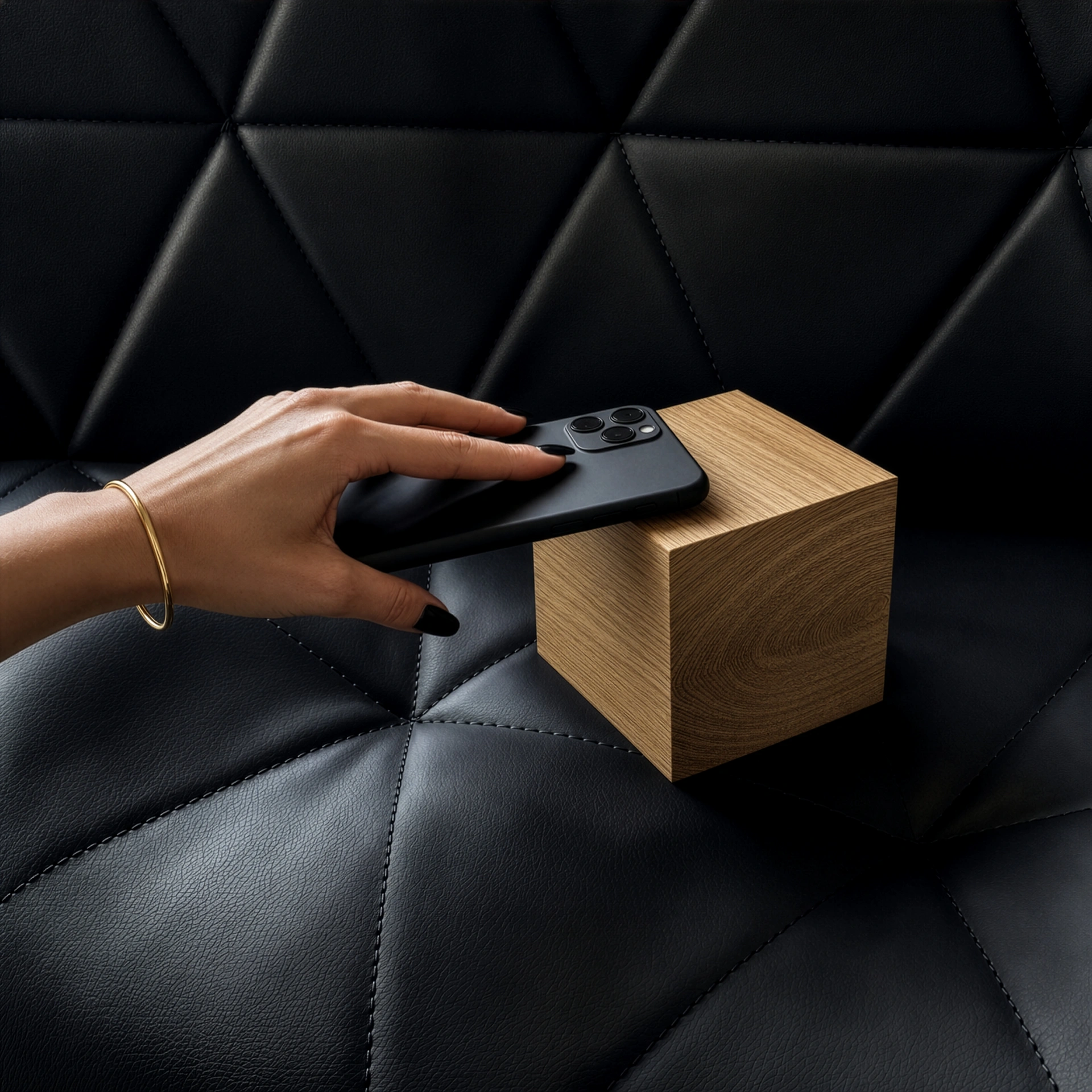
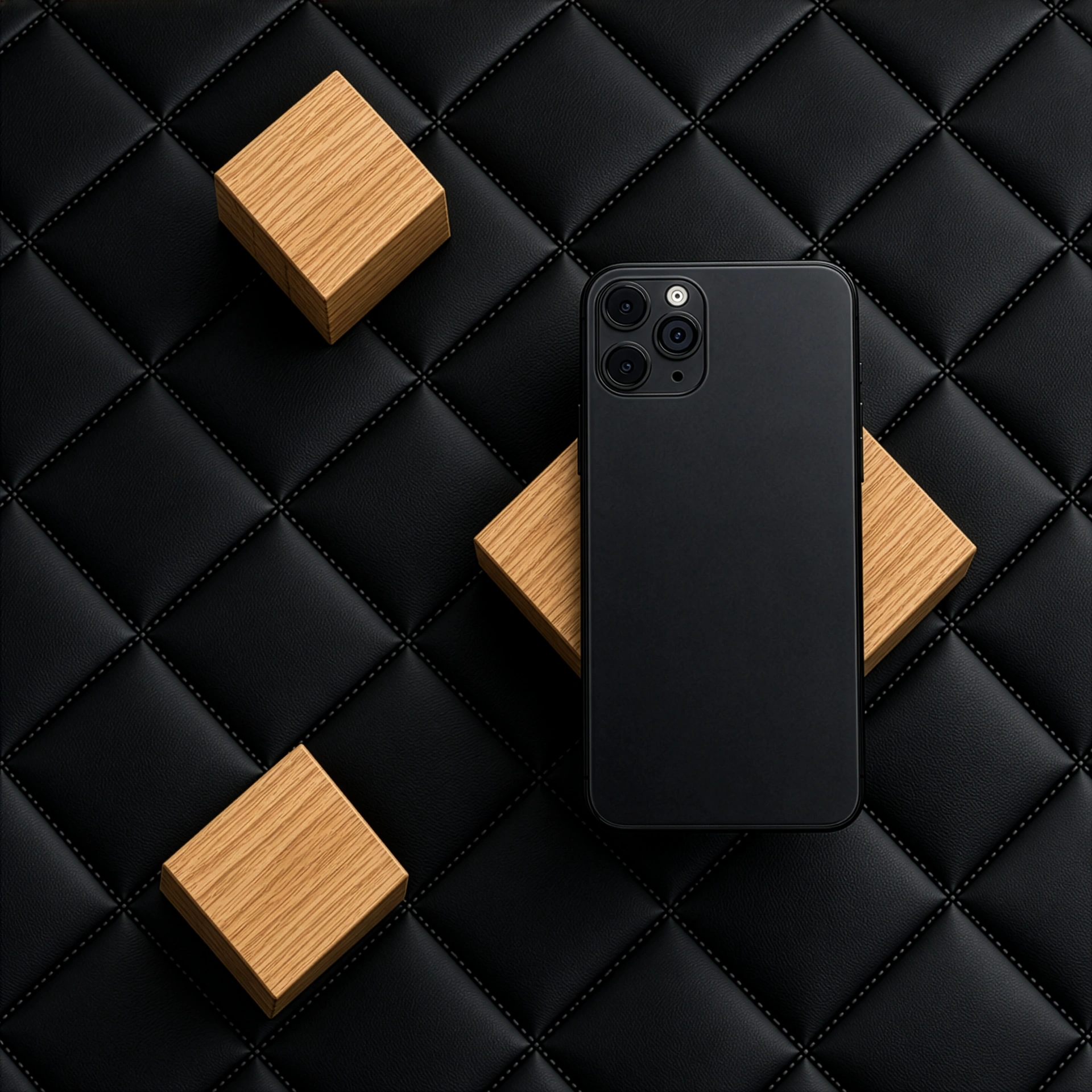
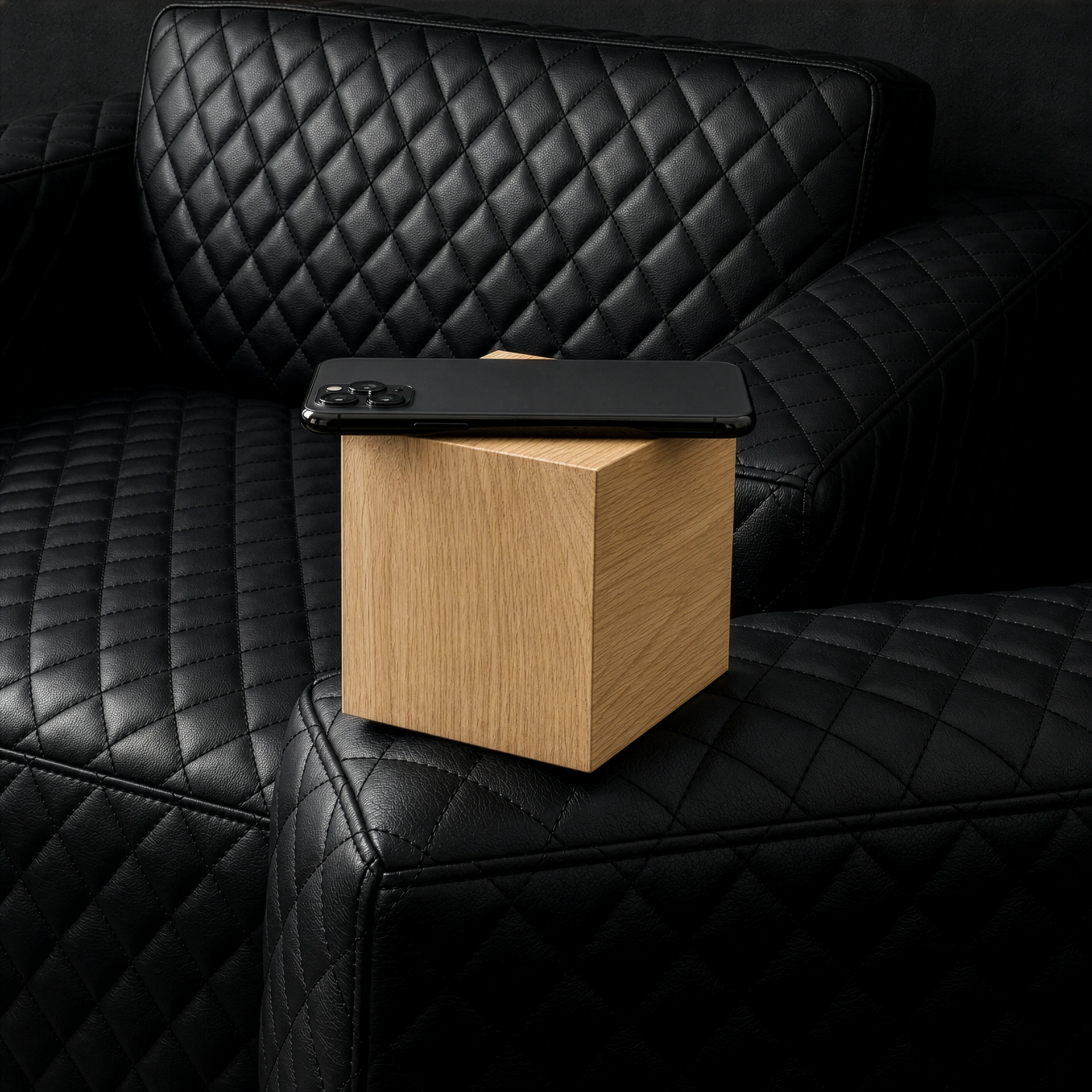
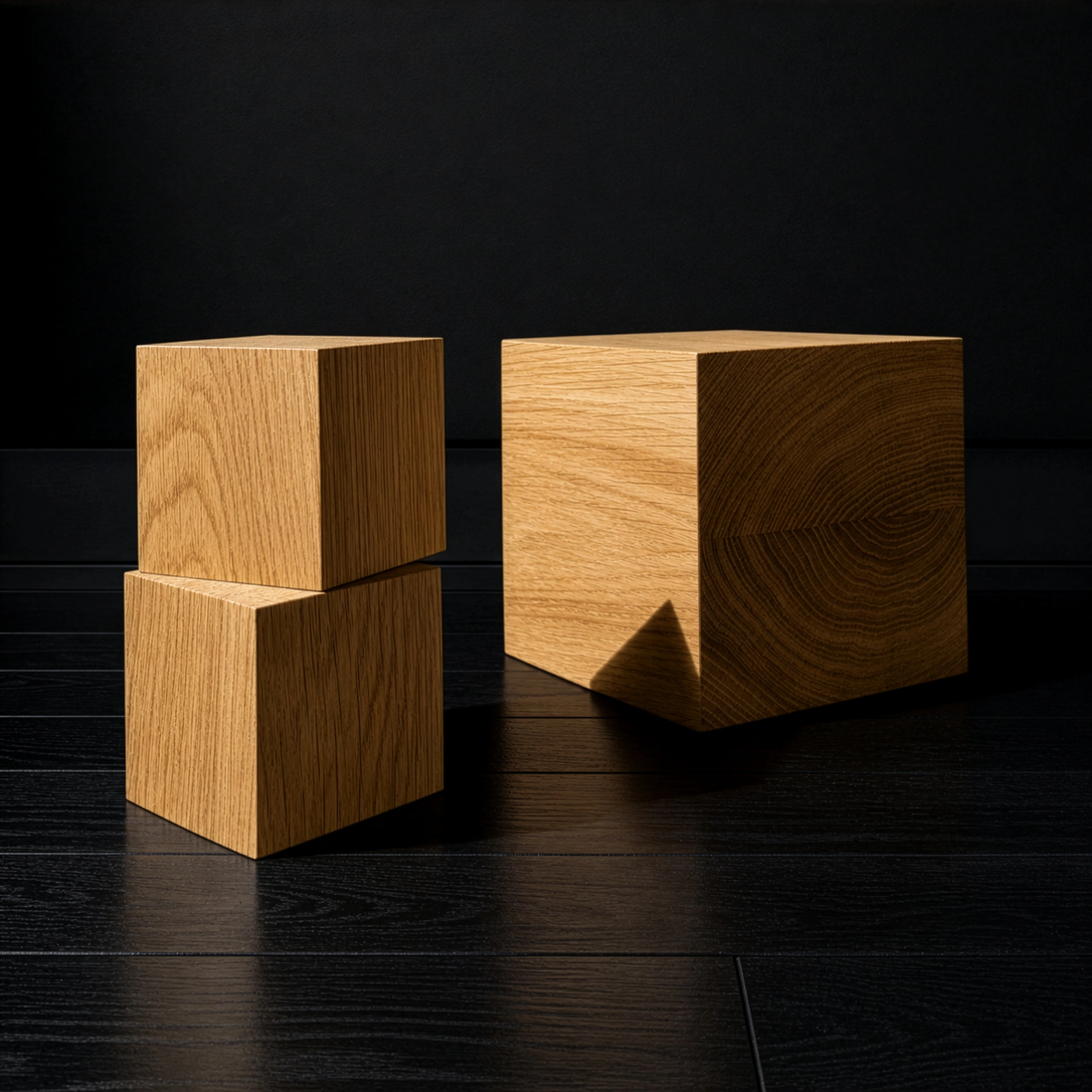
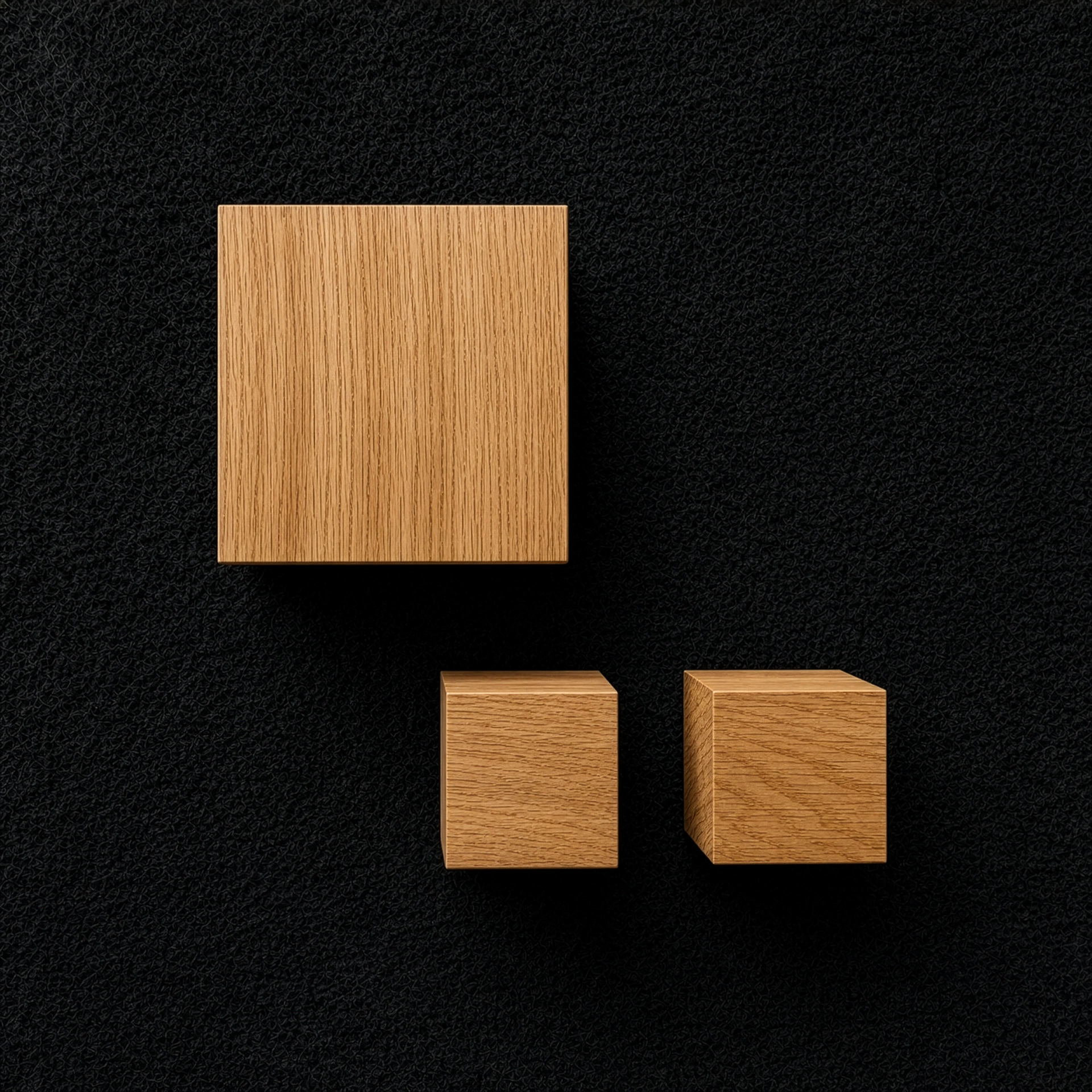
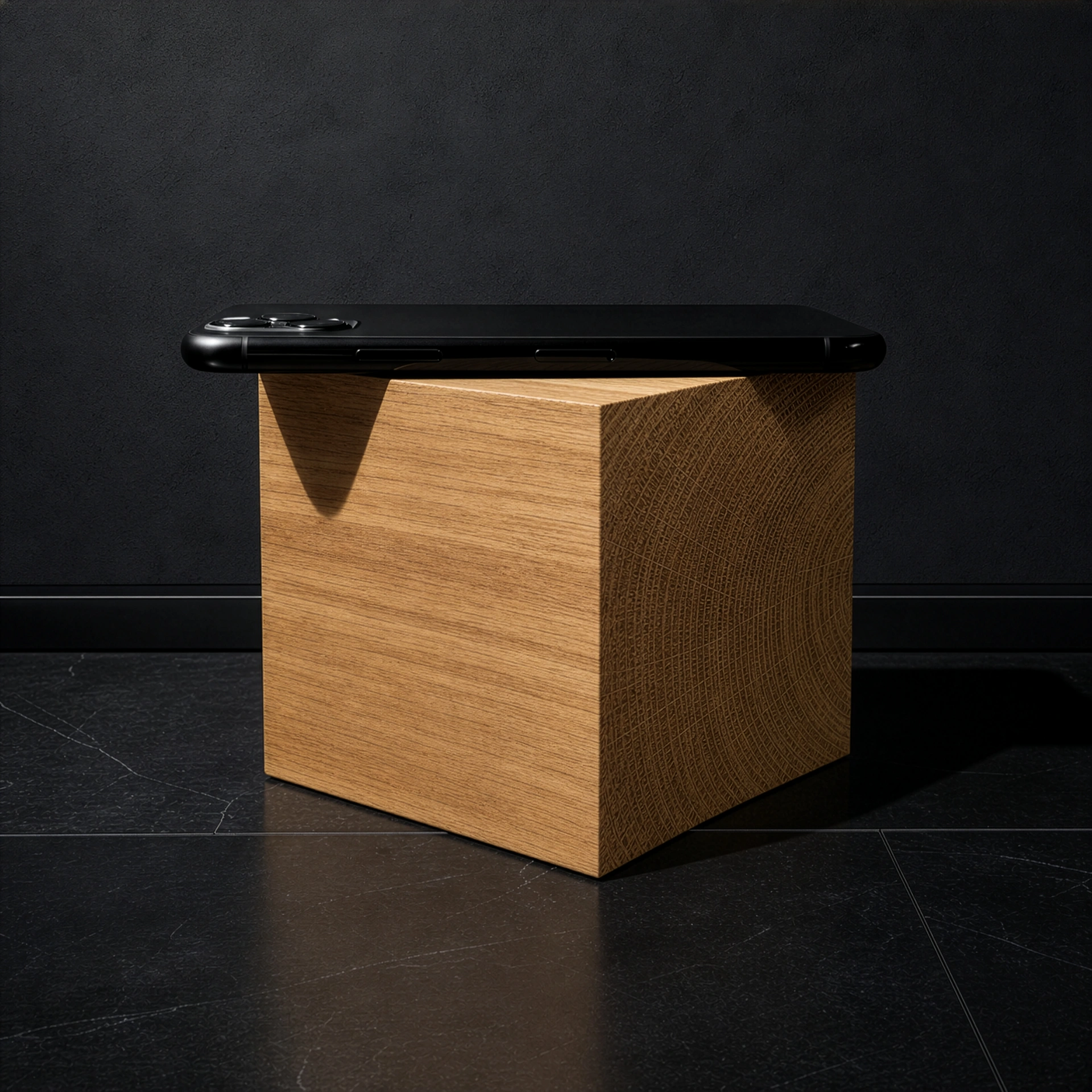
The concept of contextual physical interfaces rests on the assumption that an object should not reveal its digital capabilities until it is expressly asked to. An example of this approach is Odoardo Soul™. In the catalog version, the device takes the form of a minimalist cube in solid oak, available in two sizes: 5×5×5 cm and 10×10×10 cm. The third catalog form is the bare microchip, intended for your own installation – it is embedded into existing objects, furniture or products. Bespoke commissions allow a different shape and material, including carbon-fiber composite. The system requires no screens, no power supplies and no tangle of cables – it waits patiently, asleep.
Waking is instantaneous. It is enough to bring a private phone close to the microchip hidden in the wood. The content opens in a browser – with no application to install and no account to create. The artificial intelligence shows contextual awareness as it does so: it recognizes the season, the current weather and the place where it finds itself. Instead of navigating a menu, the client holds a natural dialogue with the space or with the object itself. We describe this mechanism more closely in Context awareness (context-aware AI).
The versatility of matter, from yachting to haute couture
The value of animated matter lies in its universality. The technology can relieve the logistics of many sectors while preserving uncompromising elegance:
- Property and smart home: Building interfaces into the walls of exclusive residences makes paper manuals unnecessary. The wall itself plays the role of a “translator of walls” – it explains to a new owner how to set lighting scenes or the ventilation recovery, and in a bespoke deployment it connects to the building automation systems.
- Fashion and luxury goods: Faced with new market regulation, an interface hidden for instance in the clasp of a luxury handbag tells the story of the Florentine craftsman and the object's provenance. We prepare its role as a digital product passport (DPP) and the confirmation of authenticity as a dedicated implementation.
- Yachts and private aviation: Teak on a sun deck can smoothly take instructions for the crew, and can also explain safety procedures without going through the standard radio channel.
- Art galleries and auctions: A gilded picture frame with the system built into it becomes a polyglot curator. It speaks about painting techniques in dozens of languages and makes discreet, direct contact with the auction house director easier.
The architecture of a luxury ecosystem
To protect a brand's prestige on every axis, physical innovation should be part of a wider strategy that also covers digital identity. Bringing interiors and objects to life works best when the brand itself operates on sovereign territory. Odoardo Space™ provides addresses from a managed portfolio of more than 600 premium domains on a basis of temporary exclusivity – a brand uses an address that would not normally reach the market, without buying the domain itself. Why an address deserves as much attention as a campaign we explain in The cheap address trap. In physical interiors, meanwhile, the prestige of an investment is worth completing with rotating art from Odoardo Art™: numbered and signed works that change every quarter inside an oak frame. What that rotation is for is explained in The psychology of changing space.
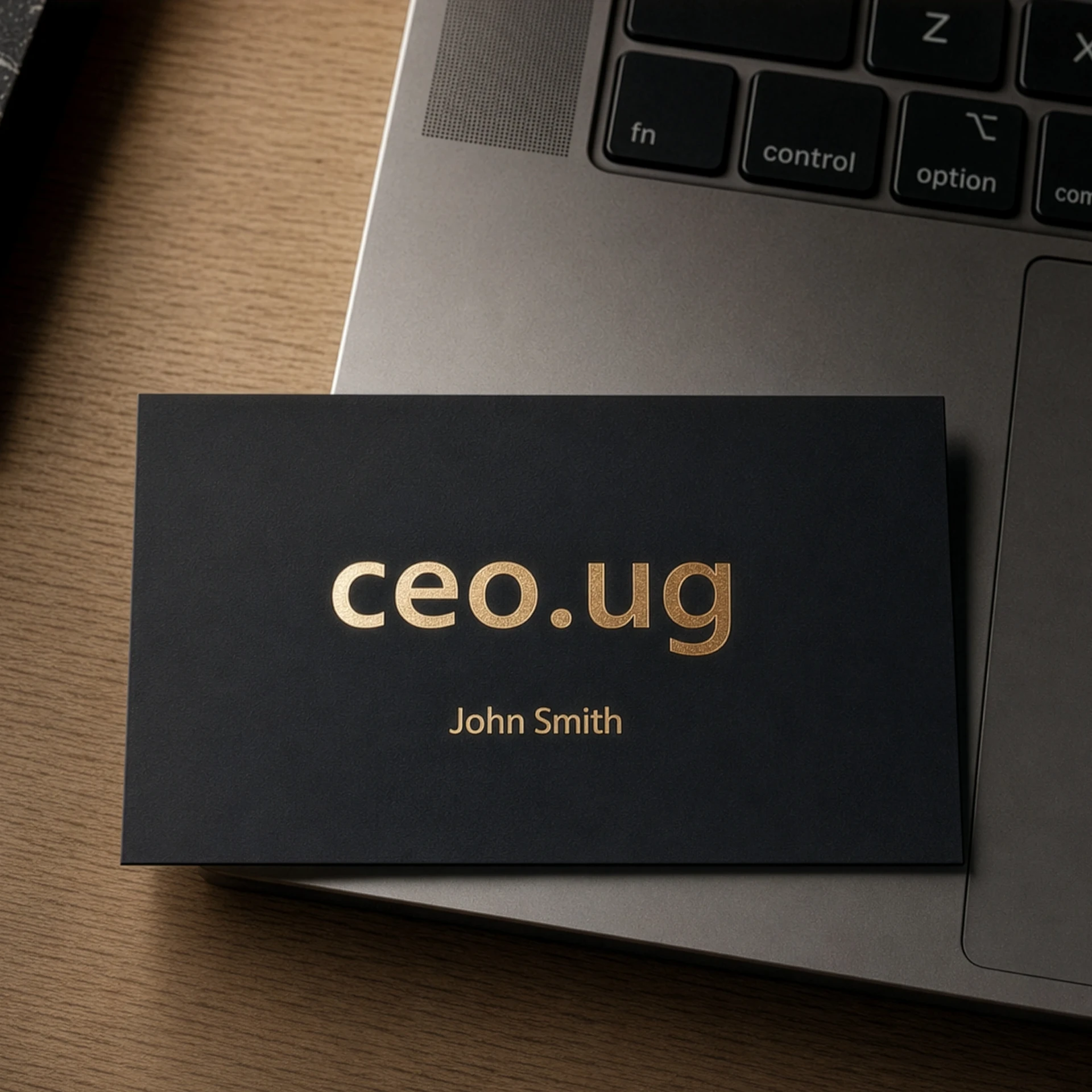
When guests spend time in a space designed with such care, they naturally want to share it. Rather than risk amateur, shaky User-Generated Content (UGC) reaching the internet, brands can reach for a cinematic standard supported by the virtual director Odoardo Lens™. It leads the guest through curated shots and assembles them into a filmed keepsake, and publication of that material by the brand requires the guest's consent. We describe the difference between the two orders in Curated Guest Content (CGC) vs UGC. Such a personalized experience is completed, especially in exclusive lounge areas, by Odoardo Alibi™ – an oak box holding one hundred cards of black paper with gilding, which gives guests a physical alibi for deep conversation.
“Technology must not absorb attention or demand to be learned. It is to work in the background and speak only when someone asks something – the rest of the time belongs to the place, not to the device.”
Ultimately, the measure of a luxury product or space is not how many complicated functions it can perform, but how much calm and time it can give back to its owner. The evolution toward animated, context-aware matter is a natural and sensible step for investors who want to scale a business safely on genuine quiet luxury.
The assumptions on which we base this philosophy are gathered in the Odoardo™ manifesto – on why knowledge delivered unasked takes a space's charm away.
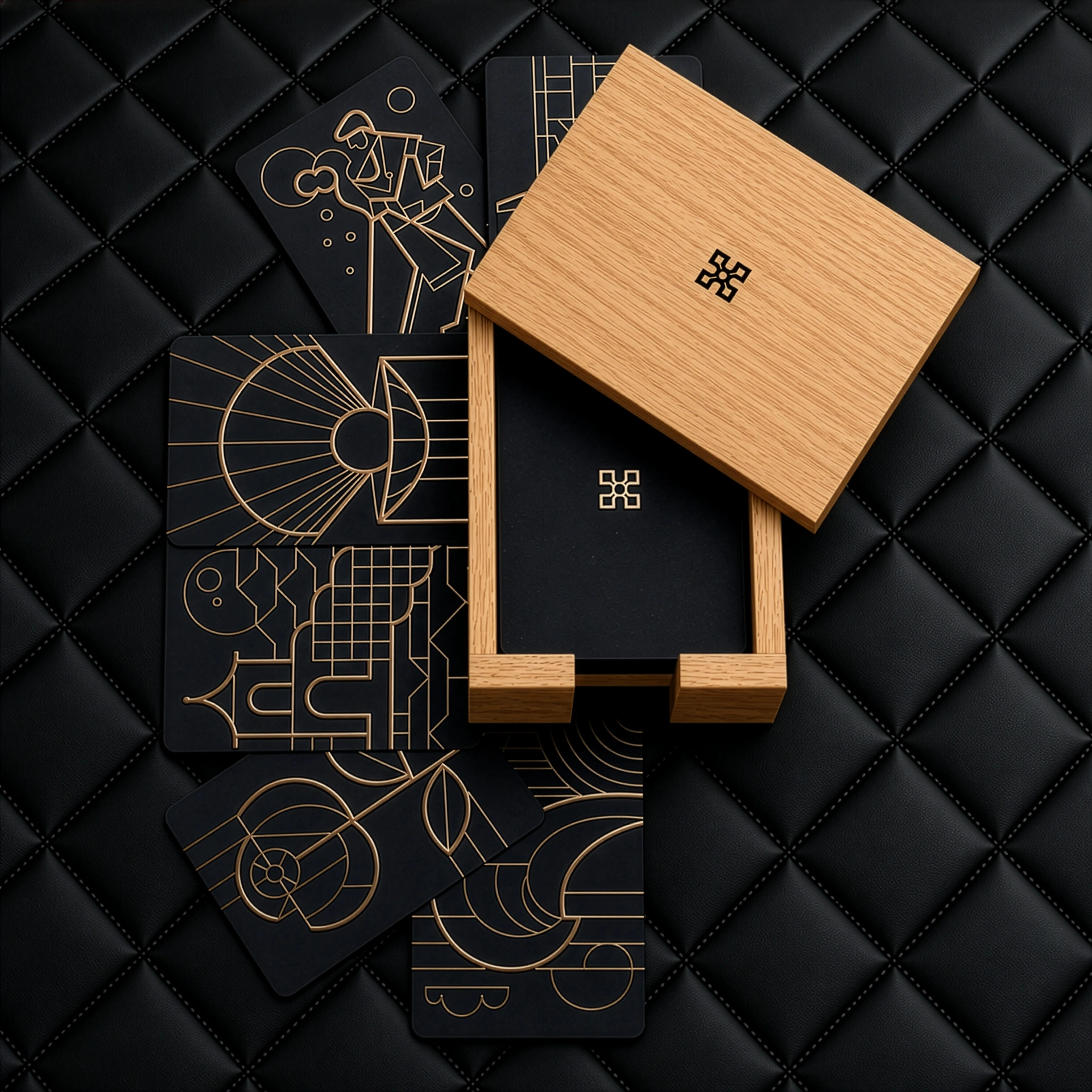 Odoardo Alibi™
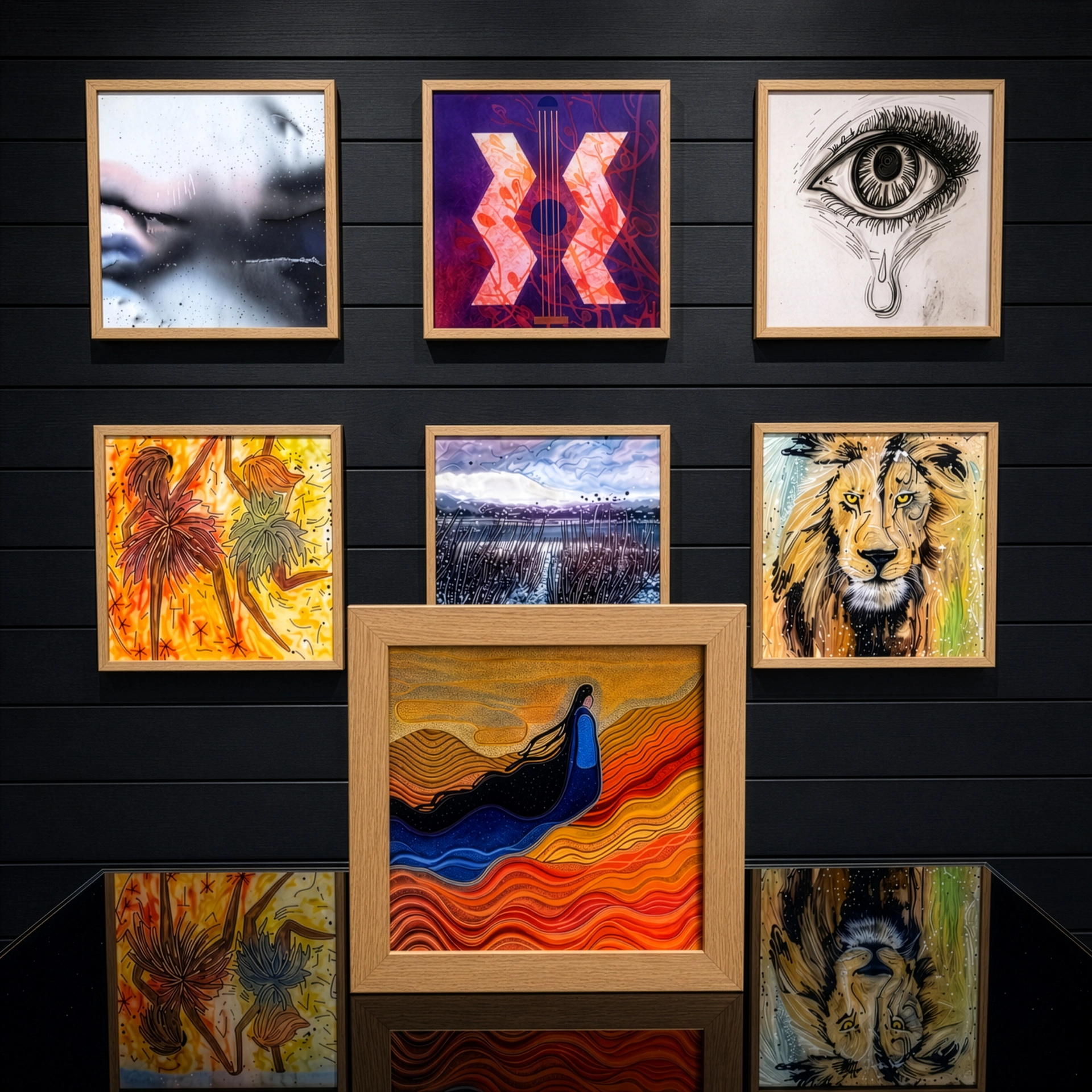 Odoardo Art™
 Odoardo Lens™
 Odoardo Space™