Let us imagine an affluent entrepreneur who, after a flight of many hours, steps into the lobby of a prestigious resort. They want only quiet, discretion and immediate rest. Instead, by way of welcome, they are urged to download the official hotel application. They must find it in a mobile store, accept extensive terms, go through a laborious registration process, give an e-mail address and confirm their identity. This is a brutal collision of digital bureaucracy with the promise of relaxation. From the point of view of the consumer psychology of the high-end segment, every second devoted to configuring software during a holiday is an irrecoverable loss of time. Requiring a guest to carry in their phone an application weighing several hundred megabytes for a stay of a mere few days is one of the most frequently committed errors in the hospitality industry.
Digital fatigue and the illusion of hotel apps
Investing huge budgets in native mobile applications often turns out to be a blind alley. Market practice shows that a considerable part of affluent guests consistently refuse to install them or delete them immediately after checking out. The reason is the phenomenon of app fatigue. Premium clients value privacy and simplicity, and every additional login form arouses their justified reluctance. The rejection of traditional software is diagnosed more broadly by the article An end to the flood of mobile apps.
When a guest meets a technological barrier, they most often give up on it entirely. This means that the information campaigns precisely planned by the hotel, the invitations to the spa or the restaurant menus simply do not reach them. As a result the property loses the chance of natural upselling, which directly holds back the growth of the financial indicators crucial to profitability.
A haptic point of contact instead of a form
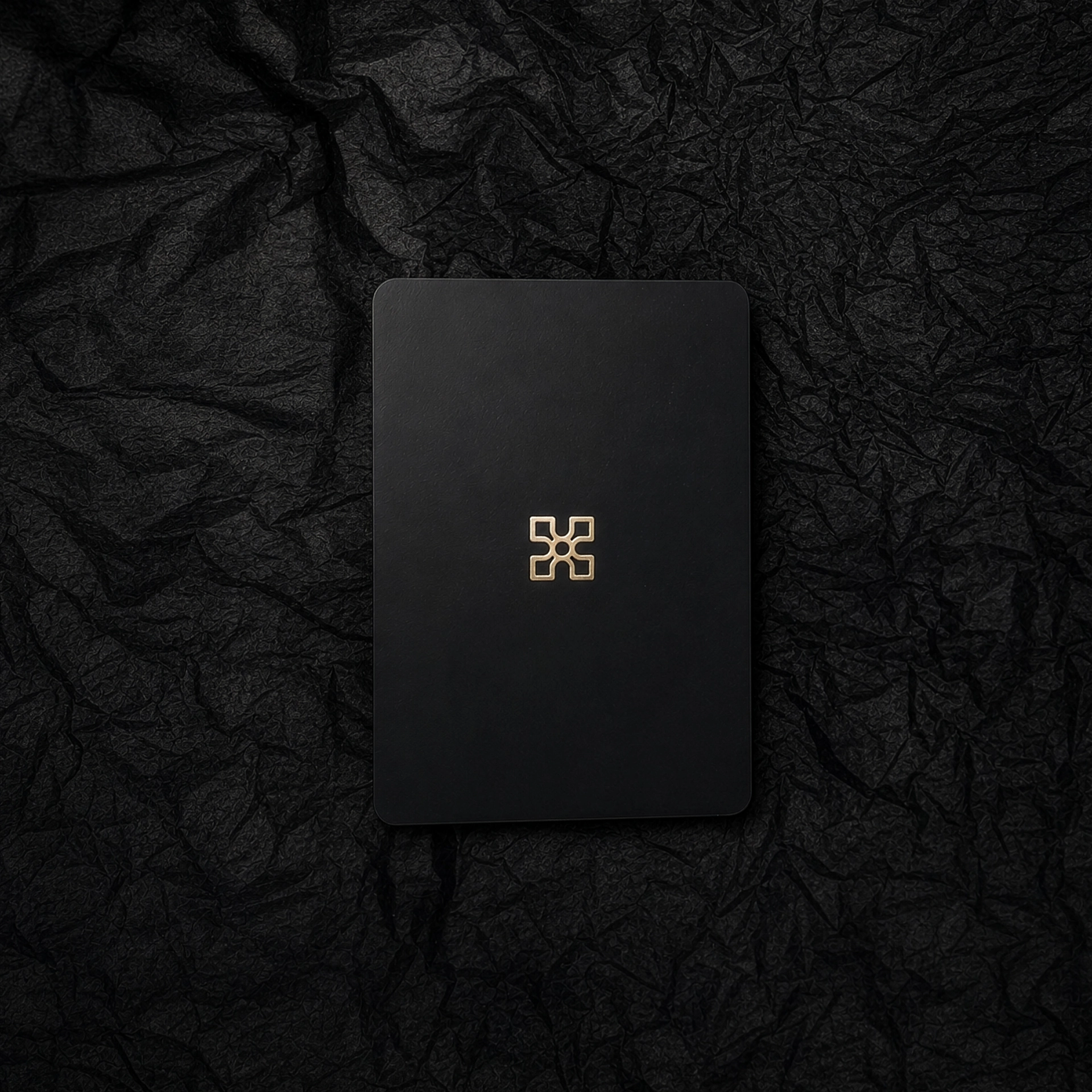
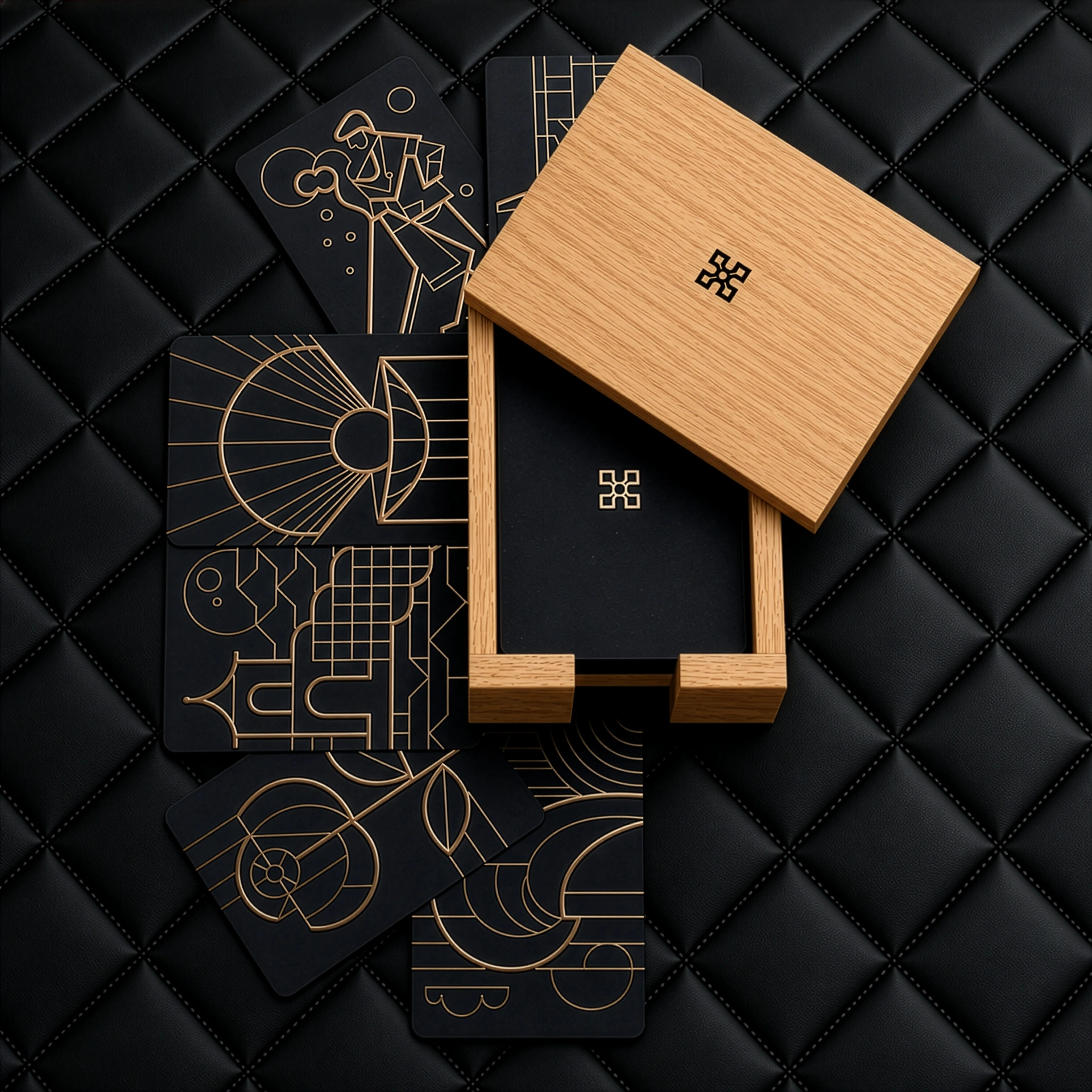
The answer to the resistance to installing applications is the concept of Zero App Download, which assumes the complete elimination of barriers to access. The tool that realizes this assumption ideally, joining digital innovation with classical elegance, is the infrastructure of Odoardo Lens™. Instead of virtual messages, in their suite the guest finds an extraordinarily intriguing physical object.
Inside this minimalist form a microchip is hidden. It is enough to bring one's own phone close to it for a ready interface to open in the browser. There is no downloading from a store, no setting up an account and no accepting terms – the guest passes from a touch to the content in a single gesture. The carrier itself, made of solid-dyed black paper with three-dimensional gilding, we describe in the text Designing guest experience.
Directing memories in the cinematic standard
A fluent entry into the hotel's digital world opens entirely new possibilities for its image. The interface mentioned plays the role of a discreet director. The system prompts the guest on how to capture the stay in the most beautiful way, initiating the cinematic standard. Automatic editing in the cloud and precise color grading mean that unpredictable User-Generated Content (UGC) becomes polished Curated Guest Content (CGC). This matters, because an accidental frame remains online longer than the guest remains in the hotel, of which we remind in the analysis Curated Guest Content (CGC).
The finished video postcard, shared by the guest on social media, contains an unobtrusive button encouraging a check of the property's availability; publication by the brand requires their consent. This mechanism drives Direct Booking among the visitor's friends. Thanks to it the hotel bypasses the global aggregators, with whom it leaves part of the booking's value, which directly raises Gross Operating Profit Per Available Room (GOPPAR). The financial consequences of this independence we discuss in the publication Direct bookings in premium hotels. Moreover, the high prestige of the shots online allows Average Daily Rate (ADR) to be effectively protected from pressure for price discounts.
A holistic space stripped of screens
The philosophy of quiet luxury demands the quietening of visual noise at every level of a property's operation. The elimination of burdensome mobile applications should go hand in hand with hiding invasive electronics inside the rooms themselves. Hotel boards wishing to deliver flawless experiences may integrate into the space the animated matter of the Odoardo Soul™ line. It displaces unaesthetic plastic tablets in favor of discreet solutions in solid wood, which the text Animated space in five-star hotels describes precisely.
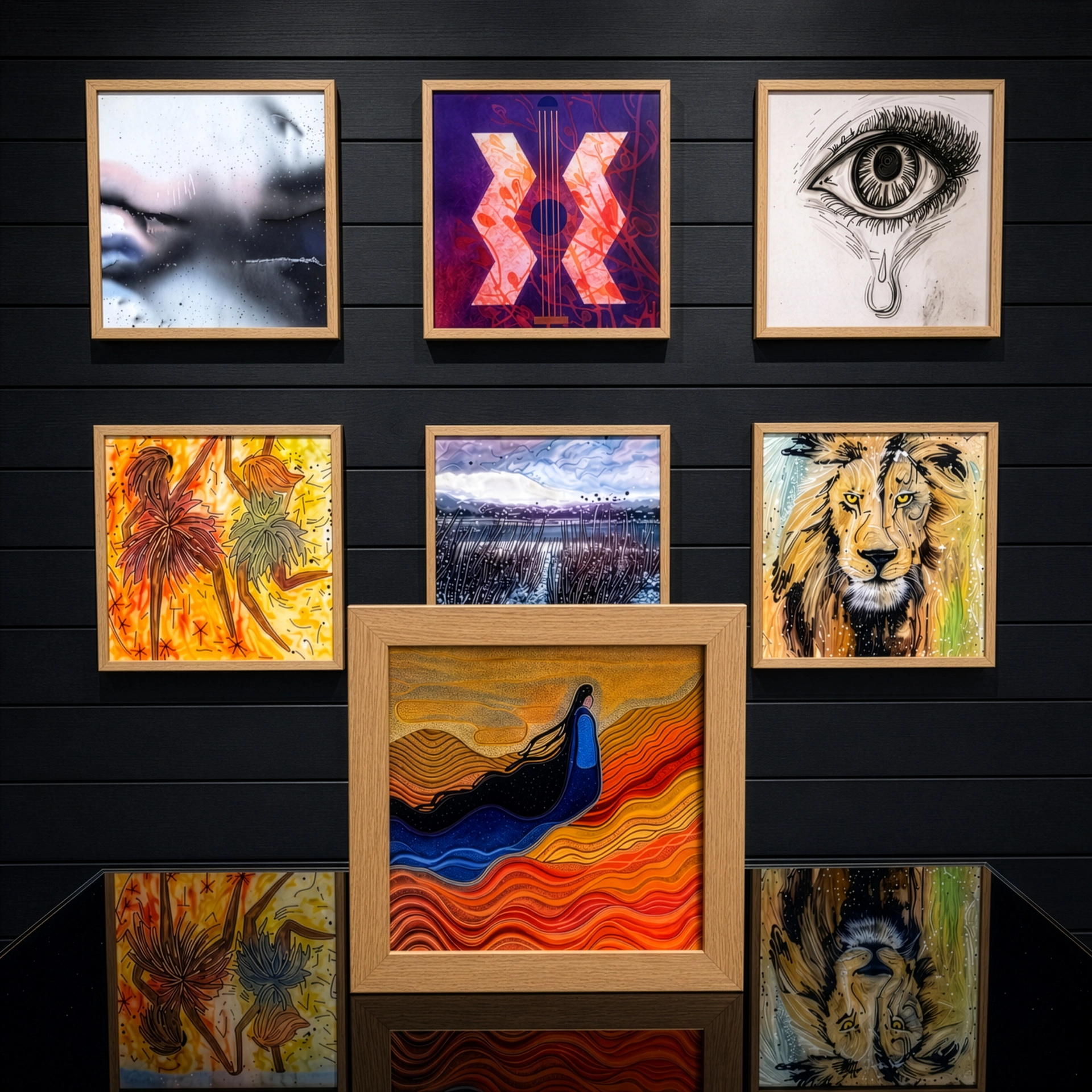
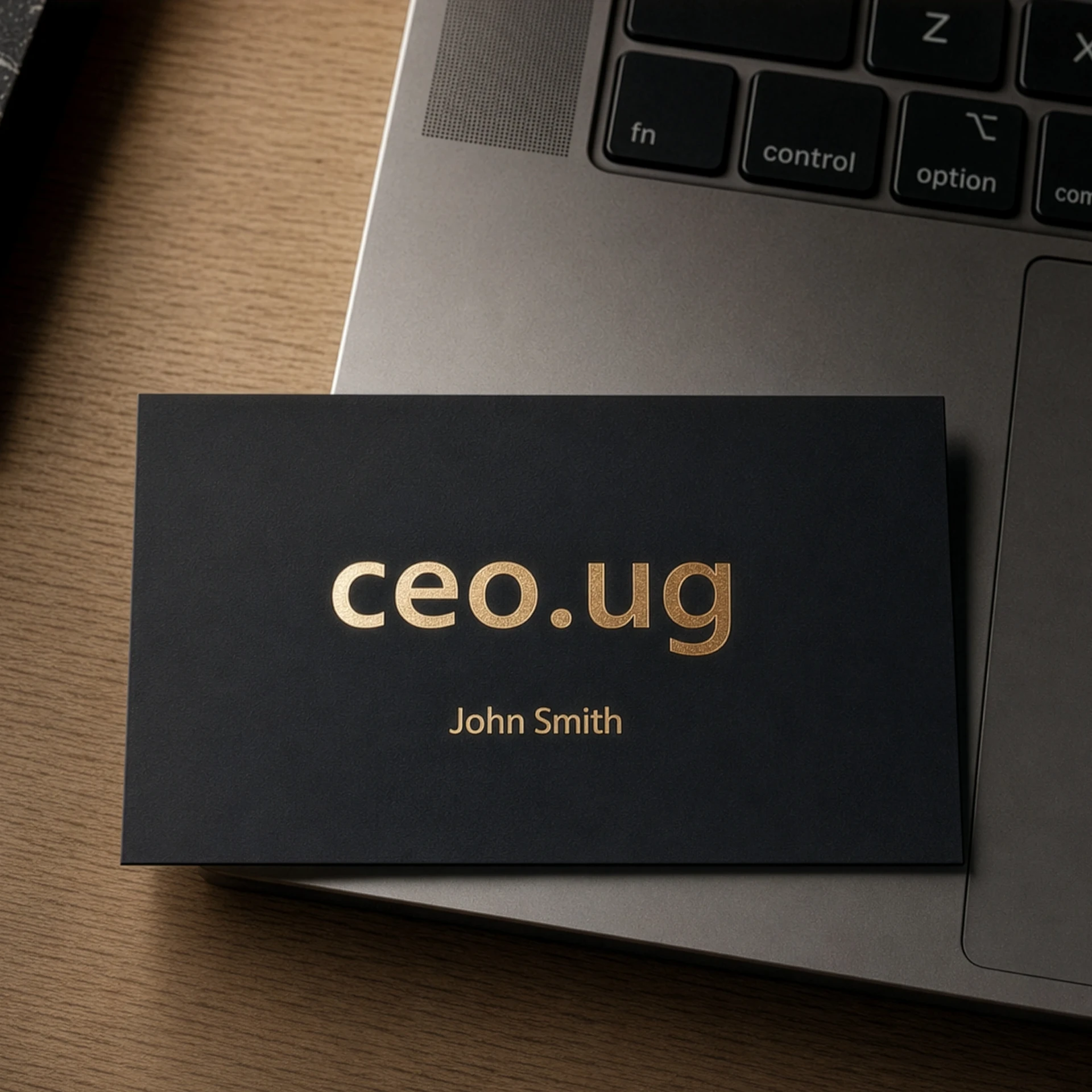
The complement to so refined a vision is care for every other point of contact. Online, that role is played by a distinctive address from the Odoardo Space™ portfolio, used by one property only – this is described by the text The cheap address trap. The aesthetics of physical interiors are in turn carried to the highest level by the rotating galleries of Odoardo Art™, of which we write in the material An interior metamorphosis without renovation.
Why precisely the absence of friction, the creator of the Odoardo™ ecosystem explains:
“Luxury in the digital era is the absence of friction. Asking someone to install an application for a four-day stay takes a quarter of an hour of the guest's time and makes them give data they did not wish to leave. Technology should keep silent in a beautiful form and wait for a single gesture, demanding nothing in return.”
In an age of weariness with applications, luxury ceases to mean elaborate IT solutions. The properties that win are those in which everything the guest needs opens with a single touch of an object lying on the table – without an account, without downloading and without asking them for data.
We do not ask a guest to install anything; the reason is described by the manifesto.
 Odoardo Soul™
 Odoardo Alibi™
 Odoardo Art™
 Odoardo Space™