The height of the season in a luxury resort is a time when every detail matters. While reception strives to give arriving guests a welcome in the spirit of quiet luxury, behind the scenes the marketing and sales department often drowns in operational chaos. Constant pressure to supply new content to social media, monitoring guests' amateur publications, negotiating rates with intermediaries and a desperate struggle to meet sales targets swallow hundreds of hours a month. This operational bottleneck lays bare one of the greatest paradoxes of the hospitality industry: the more time the staff devote to managing image and distribution online by hand, the less attention they can give to building authentic, deep relations with the guest themselves.
The exhausting model of traditional marketing
Managing a prestigious hotel's presence on the internet requires a constant influx of visual material of the highest quality. The practice so far has consisted in engaging external, costly agencies that produced one excellent film per season, which not infrequently lulled the vigilance of decision-makers. On the other hand, properties counted on organic traffic being generated by the visitors themselves. Unfortunately, uncontrolled User-Generated Content (UGC) usually means productions of doubtful aesthetics that require constant monitoring by the PR department so as not to harm a hard-won image. This burdensome process is diagnosed more broadly by the article Curated Guest Content (CGC).
When employees are forced daily to “track” tags and rescue the image of a wellness zone distorted in amateur frames, they lack the time for proactive selling. This situation creates unnecessary pressure, which ultimately forces properties to rely on aggressive campaigns and intermediary platforms (OTA). Handing over commission to external systems is the most frequent consequence of the lack of an automated channel of one's own, which the text The hidden costs of guest acquisition (CAC) discusses in detail.
An autonomous agency in the hands of guests
To relieve the team without giving up scale, conscious brands decide on strategic automation. The key is not yet another piece of software for reception, but noticing that the material arises anyway – only that today nobody cares about its quality. The guest records because they want to; the hotel answers solely for how that material looks after editing. By implementing the cinematic standard, a hotel brings an autonomous advertising agency into being.
The heart of this solution, the architecture of Odoardo Lens™, is a virtual director working entirely in the background. In the suites, guests find elegant cards made of black paper with 3D gilding. Touching them with a smartphone immediately opens a cinematic interface, with no need for the irritating downloading of applications from stores. The meaning of this invisible barrier is described by the material Technology without barriers. The system prompts guests with frames on its own and conducts unobtrusive upselling of spa treatments or dinners. Cloud algorithms take over the role of an entire editing department – they stabilize the image and add signature color grading. Imperfect material turns into refined Curated Guest Content (CGC), and the brand publishes it solely with the guest's consent.
Reclaimed time and protected profitability
Genuine marketing automation translates directly into the sales department's results. Every video postcard shared by a guest has a built-in button leading to booking. The client's friends land from there straight in the hotel's engine, driving Direct Booking. How this phenomenon lifts from the team the need to hunt for leads manually you will read in the text Freeing the sales department.
The effects of this change are visible in the accounts. A direct booking is not burdened with an intermediary's commission, so the whole margin stays in the property. This translates into Gross Operating Profit Per Available Room (GOPPAR), whose role is analyzed by the article GOPPAR vs RevPAR. At the same time, defending the visual image helps the team protect the ADR from pressure for discounts.
Relieving the staff across the whole property
Relieving the staff is a multi-dimensional process that requires a holistic approach to the whole space of the high-end segment. Discretion in service is raised by hiding interfaces in solid furniture thanks to the technology of Odoardo Soul™, which eliminates reception's constant answering of calls with orders – this is described by the text Animated space in five-star hotels. Independence of image online is supported by a distinctive address from the Odoardo Space™ portfolio, taken exclusively. Rotating art from Odoardo Art™ and the conversation tools of Odoardo Alibi™ in turn stimulate guests' engagement with no effort on the part of the staff, of which we write in the material The lounge in a luxury hotel and spa.
The sense of such intelligent management of resources is conveyed by the words of the creator of the Odoardo™ ecosystem:
“Automation should consist in freeing people from repetitive processes. The concierge and the receptionist should build relations and anticipate guests' wishes, while technology hidden in the background silently occupies itself with conversion, protecting the market margin.”
Implementing a virtual director and refined automation is the end of the exhausting chase after reach. It is a maneuver in which software becomes an invisible member of the team, and the staff's freed time returns where it is needed most – to the guest.
How much reception time properties working in this model reclaim is shown by Odoardo™ research.
 Odoardo Soul™
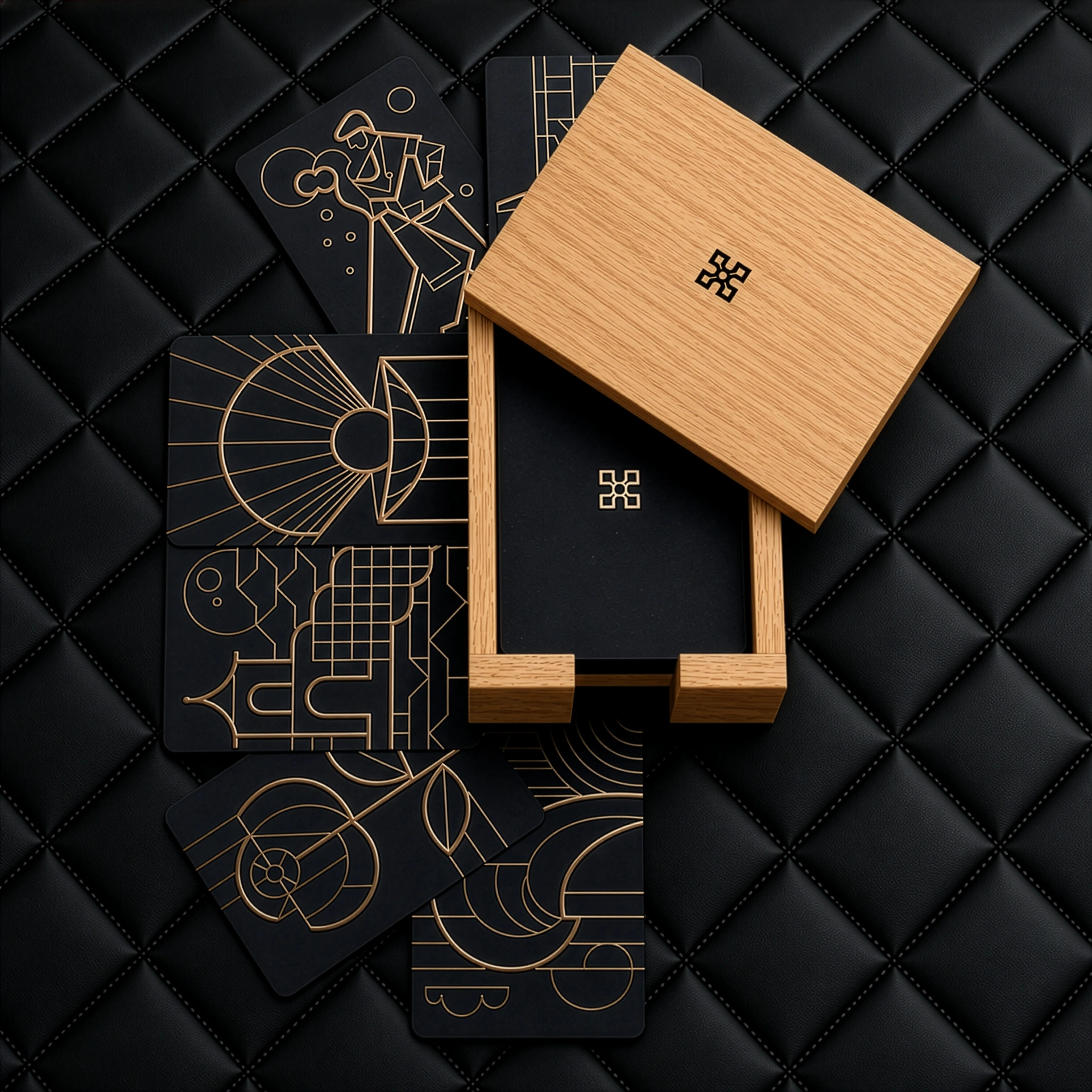 Odoardo Alibi™
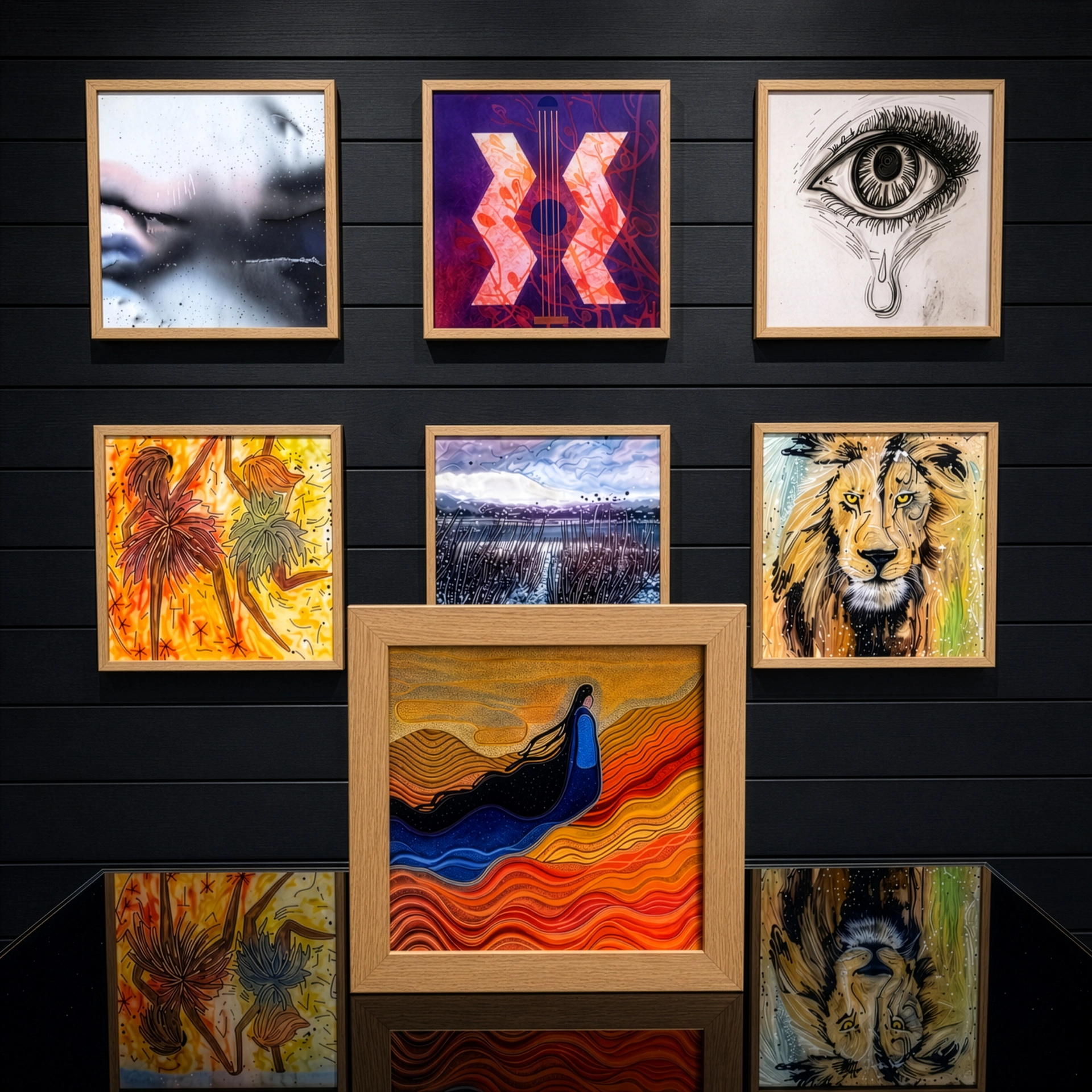 Odoardo Art™
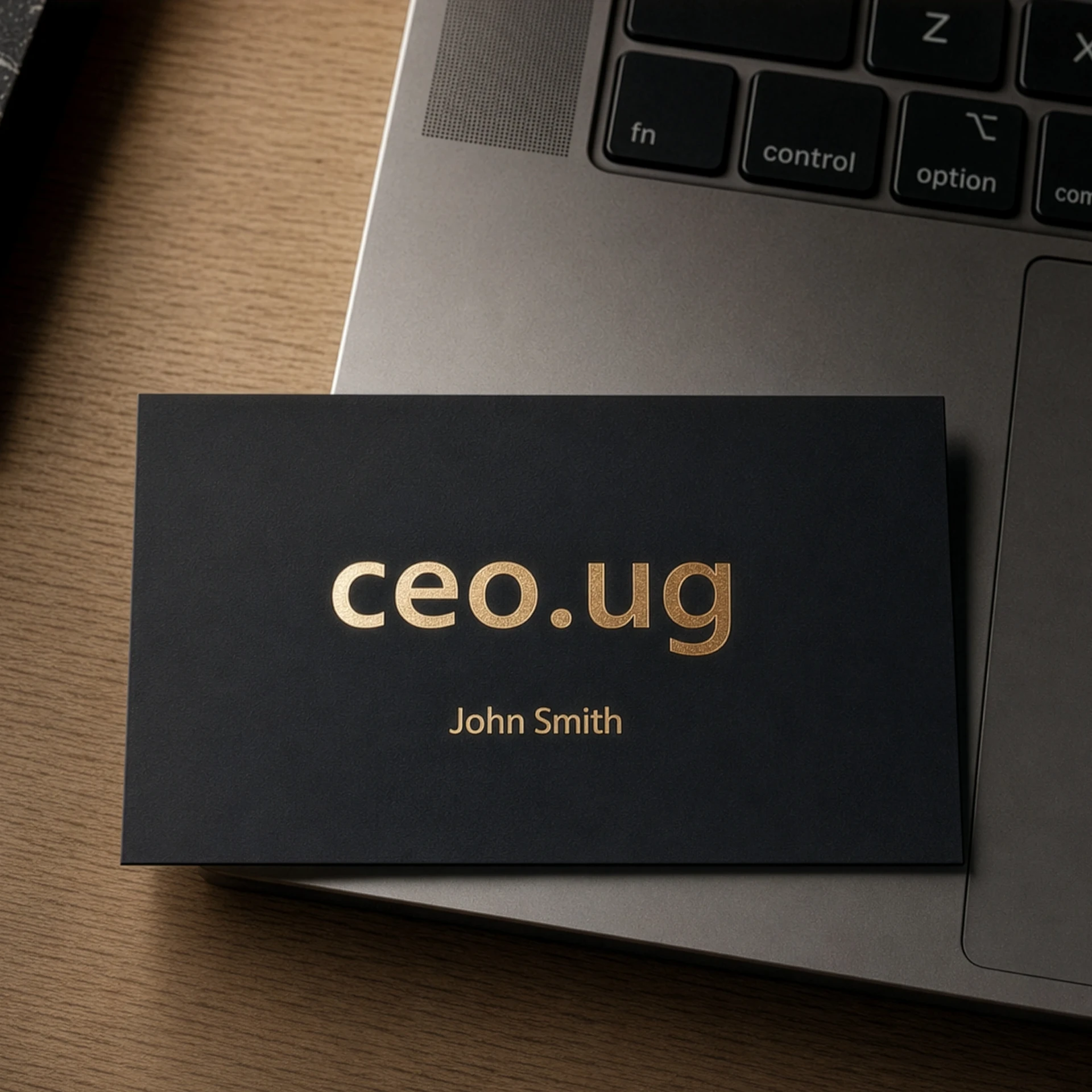 Odoardo Space™