Contemporary word-of-mouth marketing rarely happens at a café table. The most valuable recommendations, those that genuinely influence affluent consumers' buying decisions, have moved to stories on social platforms. When a satisfied guest shares with their friends a recording of morning coffee on the terrace of a luxury hotel, we theoretically have the perfect promotional scenario. The practice of the hospitality industry shows, however, that this natural digital word-of-mouth not infrequently conceals a costly trap. If the material is weak in quality, and the friends interested in it ultimately head for the popular search engines anyway, the property at best loses a commission and at worst slowly erodes its market prestige.
The illusion of reach and the commission cascade
Boards of high-end hotels increasingly notice that not every reach online brings the desired financial effect. Amateur User-Generated Content (UGC) created hastily by guests rarely conveys a place's real quality. Blurred shots, unsuitable light in the wellness zone and distorting smartphone filters make future guests price a stay lower than the price list warrants. We describe that relationship in detail in the material Curated Guest Content (CGC). Losing its aura of exclusivity online, a hotel is forced into constant defense of the Average Daily Rate (ADR) measure.
Worse still, even if an amateur story inspires a guest's network of contacts to book, it usually happens by the path of least resistance – through global aggregators (OTAs). The hotel then pays a commission for a client it in fact acquired itself. This results in a painful lowering of real profitability, measured by the Gross Operating Profit Per Available Room (GOPPAR) measure.
Quiet direction and the cinematic standard
To regain control of the digital message and monetize the natural wish to share memories, properties reach for the cinematic standard. Instead of leaving things to chance, a hotel gives guests a tool that raises the quality of a recording to the level of the interior itself. That refined format, described as Curated Guest Content (CGC), keeps the recommendation fully authentic while significantly limiting the risk to image.
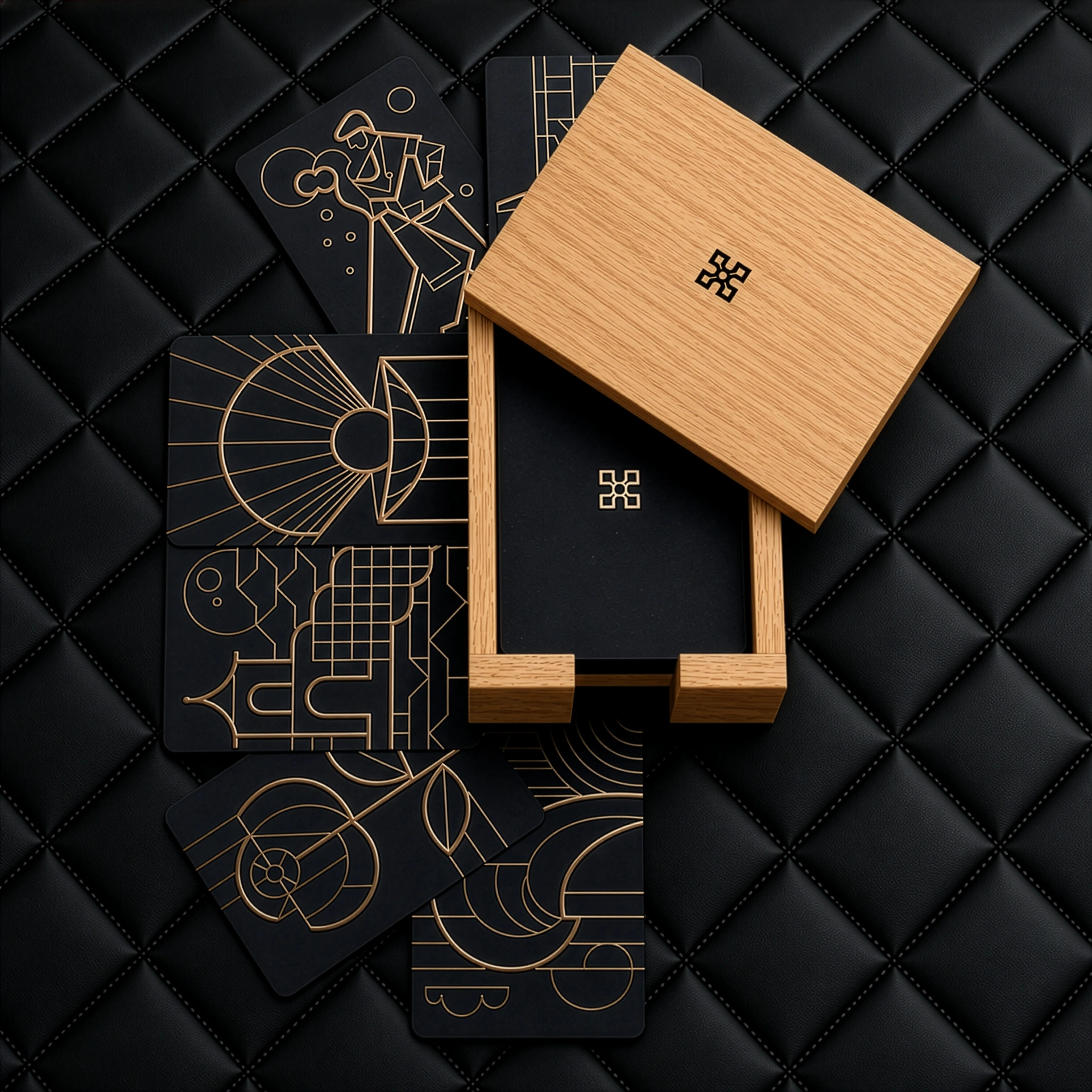
At the heart of that change is the digital-physical infrastructure of Odoardo Lens™. A guest staying in the room finds an elegant black card with 3D gilding. Touching it wakes an intuitive, cinematic interface in the smartphone's browser. Without any need to download extra applications, the system discreetly hints at how to frame shots, carrying out subtle upselling of SPA treatments or dishes from the fine dining restaurant. Cloud editing and bespoke color grading mean a polished video postcard arises, which stays under the guest's control – publication by the brand requires their consent. The text The cinematic standard describes it more broadly.
The mechanics of authentic conversion
The greatest strength of directed digital word-of-mouth reveals itself, however, at the moment the material is published online. The video postcard, placed on the hotel's dedicated subdomain, has a discreet button embedded in the player. When the guest's friends watch the story of their stay, one click takes them to the property's sales engine.
That process initiates the highly desirable direct booking. The hotel does not then hand an intermediary a fraction of the sum, so the whole value of the booking stays on its side. Independence in acquiring clients can today be the most important form of protecting capital, as the text The Direct-to-Consumer (D2C) model for services reminds us. The role of a distinctive address from the portfolio of Odoardo Space™, used by one property only, is developed in turn by the material Building a digital monopoly online.
An interior without visual noise
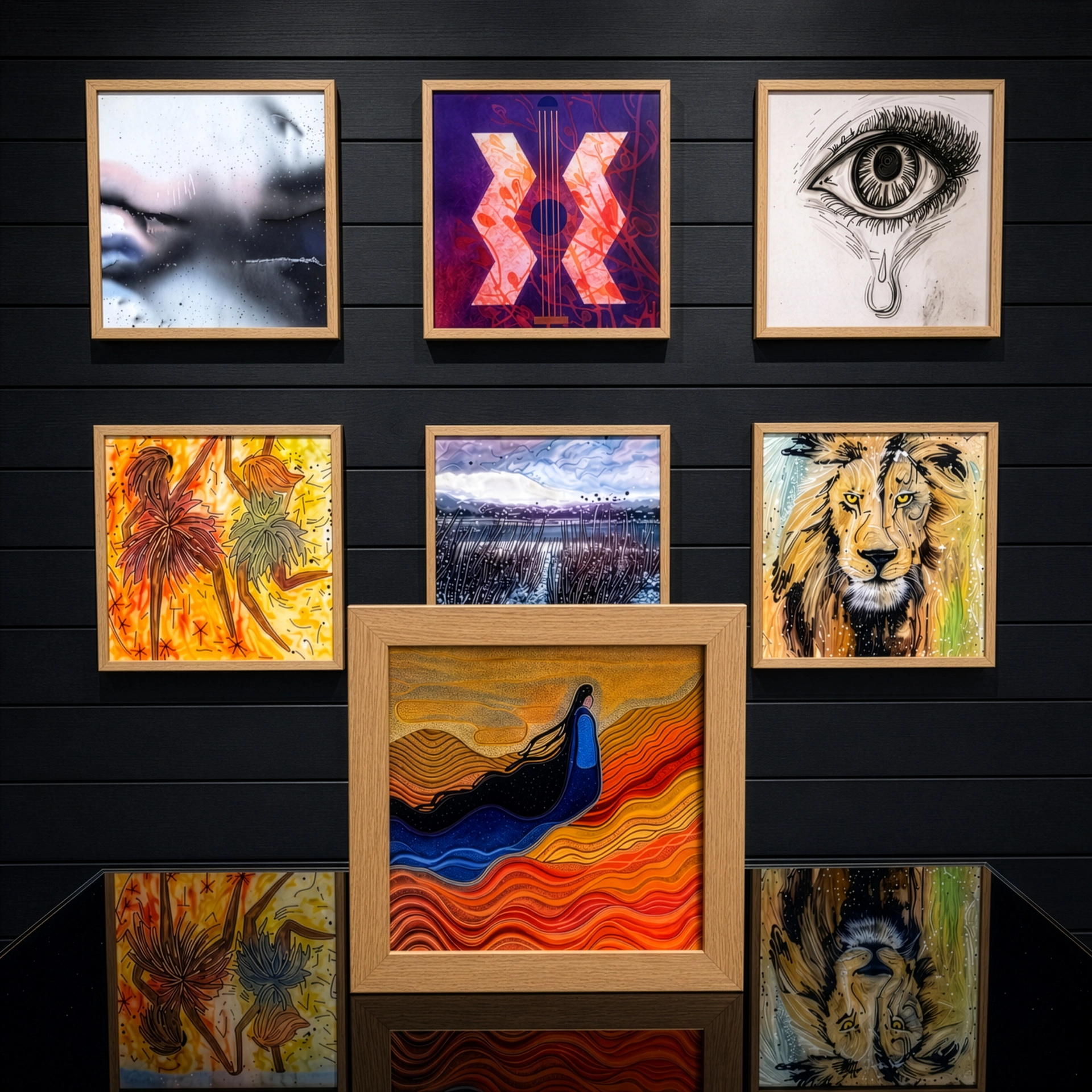
For a guest to want to act as an ambassador of the brand and capture its interiors, the space must remain immaculate. The philosophy of quiet luxury demands the elimination of visual noise. Hotels can animate their architecture by introducing the invisible physical interfaces offered by Odoardo Soul™, which allow communication without visible screens and cabling. Such an approach works even in properties with strict listed status, which we discuss in the article Discreet AI in historic hotels and palaces. Additionally, including rotating art from Odoardo Art™ in the representative rooms raises the aesthetic value of the shots that will end up in guests' stories – the text The psychology of changing space describes it.
Who actually promotes a hotel today is summed up by the creator of the Odoardo™ ecosystem:
“A hotel's most effective advertising agency already lives in it and pays for its own stay. It deserves a tool whose result will meet its expectations.”
Guests promote a hotel whether or not anyone makes it easier for them. The whole difference lies in whether they get a tool that renders the place fairly, and whether one can move from the material straight to a booking. Without that, the recommendation goes to a comparison engine, and the property pays a commission for it.
The road from a guest's recommendation to a booking you will trace in the Odoardo™ research.
 Odoardo Soul™
 Odoardo Alibi™
 Odoardo Art™
 Odoardo Space™