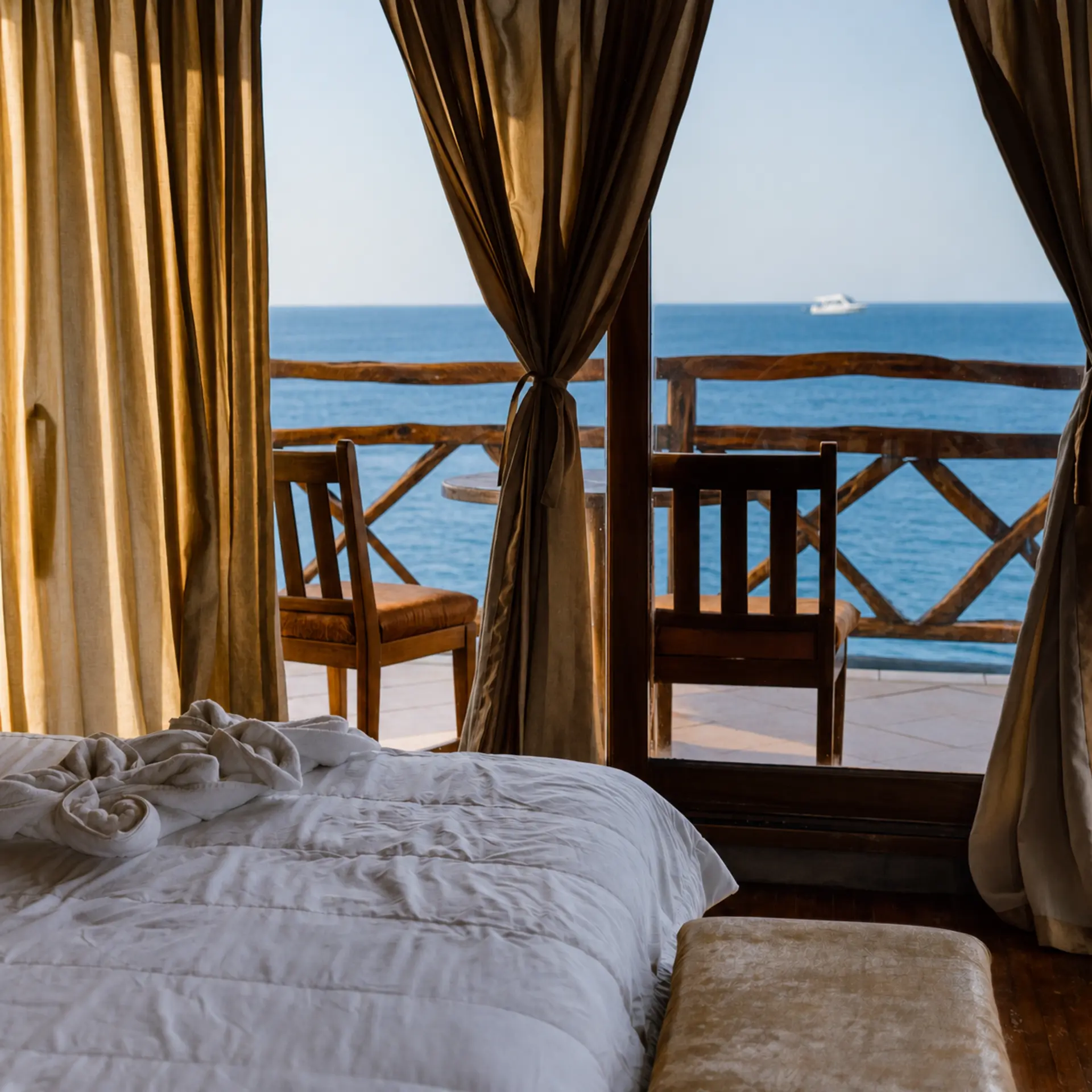
Let us imagine the perfect start of a holiday in a luxury resort. The guest crosses the threshold of a hundred-square-meter, perfectly designed suite with a view of the ocean. The interior is so comfortable, the room service so impeccable and the privacy so captivating that the client spends the first two days of their stay in seclusion. From the guest's perspective this is the definition of perfect rest. From the perspective of the finance director of a high-end property, it is lost potential. Although the room has been paid for and defends the Average Daily Rate (ADR) indicator, the client shut inside it generates no additional margin at all. When the restaurant infrastructure and the relaxation zones stand empty, the key Total Revenue Per Available Room (TRevPAR) indicator stagnates inexorably.
The trap of aggressive selling in a resort
Increasing profitability in extensive resort properties rests on skillfully stimulating the consumption of additional services. Bars with signature cocktails, exquisite fine dining restaurants and exclusive wellness rooms are the spaces in which the greatest operating margin is hidden. The problem is that traditional methods of encouraging guests to leave the suite often stand in glaring contradiction to the philosophy of quiet luxury.
Leaving glossy leaflets with discounts on the bed, sending push notifications from the hotel application or pressing invitations from the concierge can irritate a demanding recipient. Such actions destroy the aura of discretion, which the article Upselling in a five-star hotel diagnoses precisely. The question remains, then, how to show a guest what else the property holds without approaching them with an offer.
The discreet power of a virtual director
The answer to this business need is the deployment of the cinematic standard. Instead of encouraging the guest with words, conscious hotel brands inspire them with an image. Using the infrastructure of Odoardo Lens™, a hotel places in visitors' hands a powerful and at the same time extraordinarily elegant tool.
The starting point is a physical object. In their suite the guest finds a black card with three-dimensional, haptic gilding. About the role of this sensory detail we write more broadly in the text Designing guest experience. Bringing a smartphone close to the card starts a cinematic interface in a flash, with no need to download an application. The virtual director offers the guest ready scenarios: it encourages them to capture the play of lights in the thermal pool (pools) or to film the spectacular process of serving the flagship dessert (F&B dining). The desire to create a perfect visual account becomes for the guest a pretext to leave the room and go exactly where the hotel offers the highest standard. More on identifying these key zones you will read in the publication Architecture for the lens.
From consumption to a commission-free booking
When a guest reaches the wellness zone or the restaurant, they very probably purchase additional services. TRevPAR rises. The optimization of profits, however, does not end there. The material recorded in the premium zone reaches the computing cloud, where automatic stabilization and cinematic color grading turn accidental User-Generated Content (UGC) into polished Curated Guest Content (CGC). The material remains under the guest's control, and the brand publishes it solely with their consent. The influence of this mechanism on the decisions of future clients is analyzed by the article The psychology of aesthetics in hospitality.
The video postcard shared by the guest possesses an integrated button that directs their friends straight to the hotel's booking engine. This refined mechanism initiates Direct Booking. Bypassing intermediaries means the hotel avoids paying commission to external platforms (OTA). With the low marginal cost of serving an additional booking, this translates straight into operating profit, which the text GOPPAR vs RevPAR explains thoroughly. The combined growth of TRevPAR and Gross Operating Profit Per Available Room (GOPPAR) builds a property's real profitability.
A holistic ecosystem in the service of profitability
Effective upselling in the hospitality industry is a process that demands coherence on many planes. So that the guest is not thrown out of their state of relaxation, their journey through the resort's zones should not be disturbed by garish electronics. Replacing the screens in the lobby or by the pools with animated matter from the Odoardo Soul™ portfolio takes the glowing rectangles off the walls – this is described by the text Designing lounge areas without visual noise. The complement is art from Odoardo Art™, which is itself sometimes a pretext for a walk along the resort's corridors, of which we write in the material Art teaches attention.
Why an invitation works better than an offer, the creator of the Odoardo™ ecosystem explains:
“A resort should not court the attention of a guest who came to rest. It can, however, see to it that this guest knows what else lies beyond the suite door. The difference between the one and the other is the difference between a leaflet on the bed and a sentence: the best shot is taken from here.”
Encouraging a guest to leave the suite requires caution in this segment, because every invitation labeled as an offer spoils the peace they paid for. A shot prompt works differently: it requires no answer and obliges to nothing.
Why a guest should leave the room of their own accord, and not at a salesperson's invitation, is explained by the manifesto.
 Odoardo Soul™
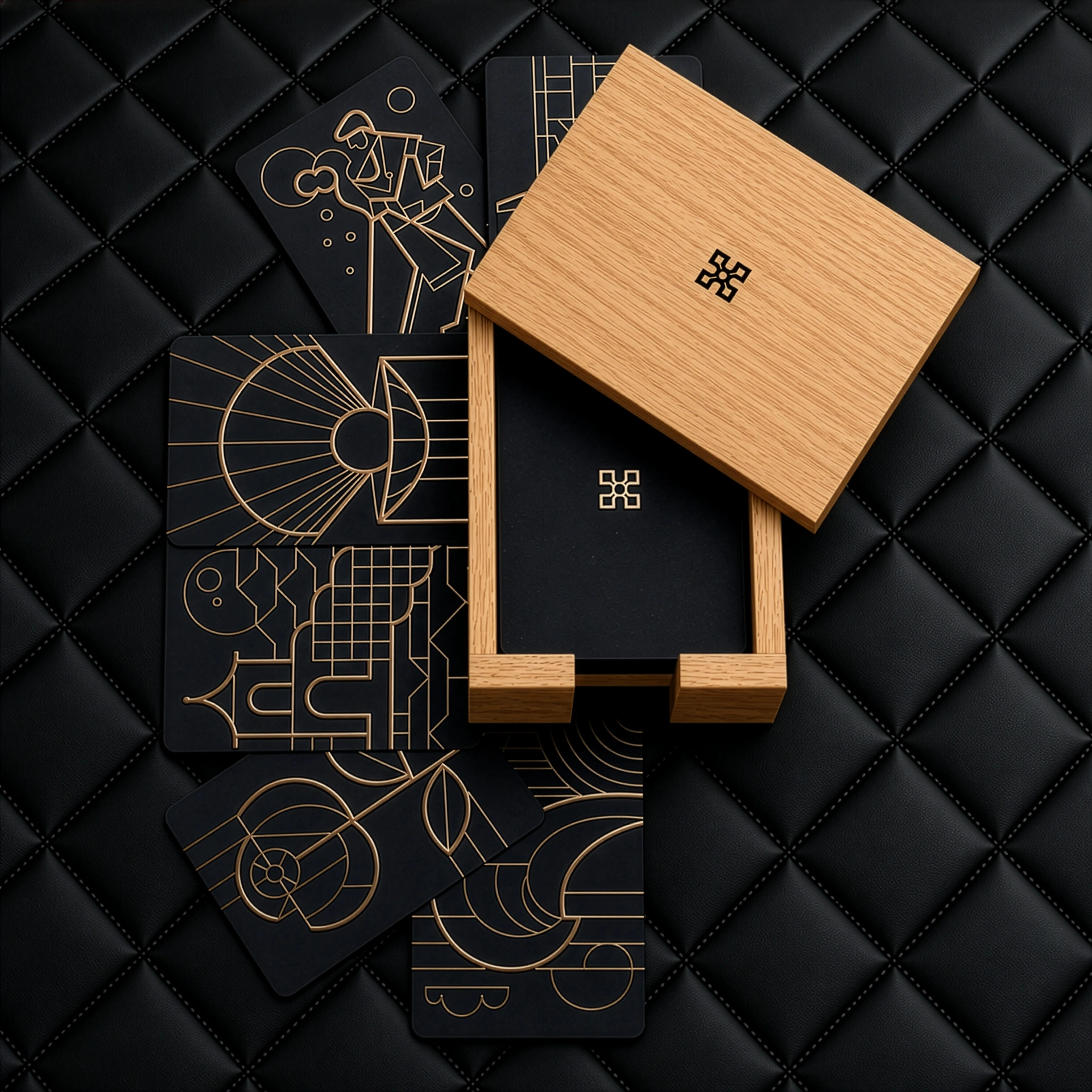 Odoardo Alibi™
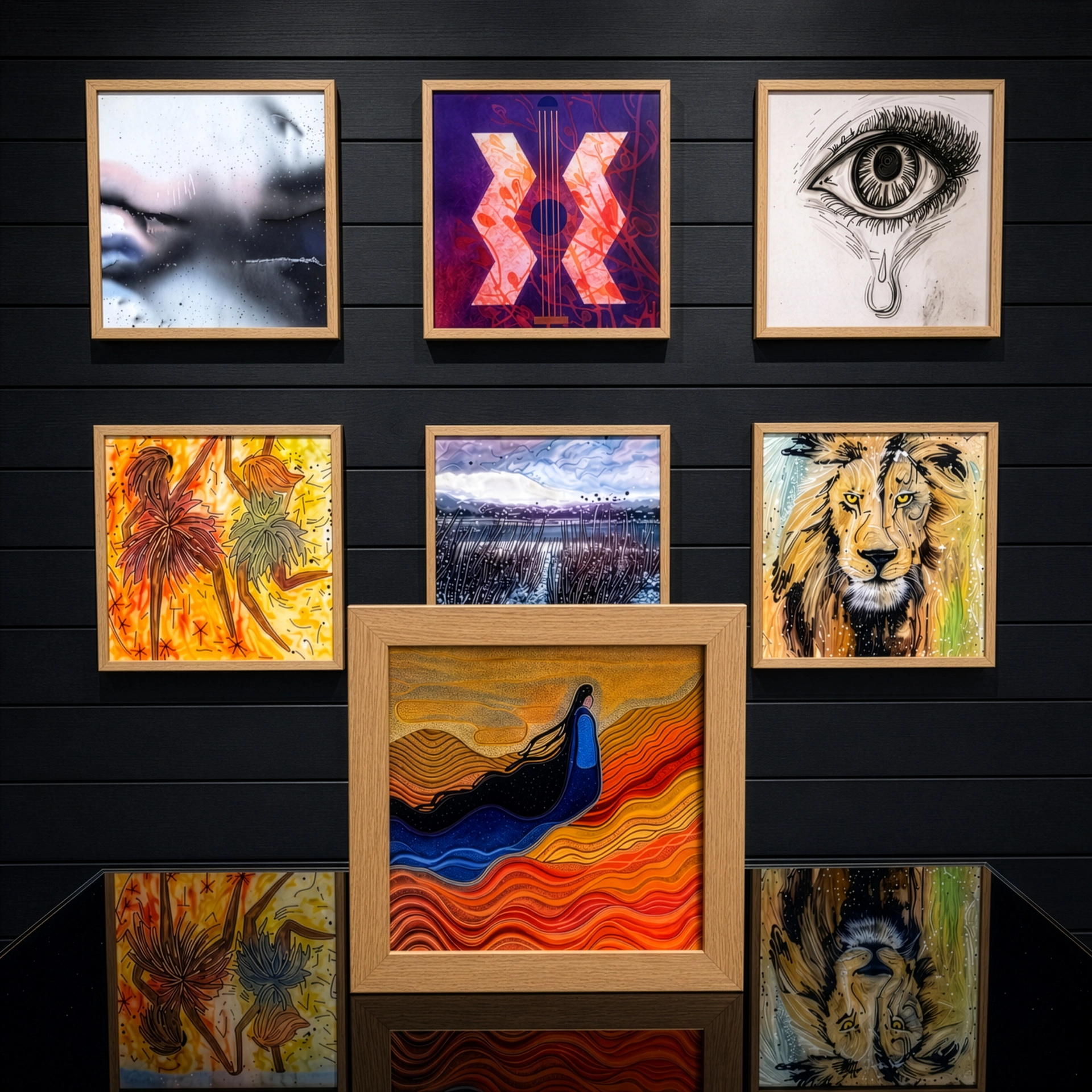 Odoardo Art™
 Odoardo Space™