When the leaves begin to change color and the days grow noticeably shorter, the managements of luxury resorts face one of the hardest challenges in the hospitality industry. The fall in natural demand outside the main season often tempts them into nervous business decisions. An empty suite is, from the accounting point of view, revenue irrevocably lost, yet a panicked cut in prices not infrequently does the brand irreversible harm. In the high-end segment, reducing standard rates in order to stimulate demand artificially is a straight road to the erosion of prestige. How, then, to optimize a property's occupancy while protecting the Average Daily Rate (ADR) indicator so crucial to its profitability?
The discounting trap and long-term prestige
An attempt to compete on price most often attracts guests who are not loyal to the brand but merely looking for a financial bargain. Regular clients, on the other hand, who paid the full rate at the height of the summer season, may feel disappointed when they observe aggressive autumn promotions. This relationship and its ruinous consequences for image are described precisely by the article Defending ADR.
Instead of fighting for a client with discounts, premium hotels can concentrate on creating new added value and on monetizing the positive experiences of guests who have already trusted the brand. Sending newsletters far and wide tends to be ignored by over-stimulated decision-makers. Conscious management of demand therefore requires reaching for far more discreet tools – ones resting on authentic memories and precisely directed Curated Guest Content (CGC).
Monetizing summer memories
A resort's most valuable, often dormant capital is the organic reach of its guests. When visitors stay at the property in perfect holiday weather, they naturally wish to capture those moments. By deploying the cinematic standard, supported by the non-invasive infrastructure of Odoardo Lens™, a hotel subtly hands them a tool for creating cinematic stories.
The black card in the suite opens an interface that suggests frames to guests, and automatic color grading finishes the material without their participation. Poor-quality User-Generated Content (UGC) then gives way to better shots, which we analyze in the text Curated Guest Content (CGC). Shared on social networks, visually polished video postcards live a life of their own long after the guest's departure. It is precisely they that can become a powerful generator of later demand – friends who watch them on a cold autumn day begin to plan a trip of their own.
Reach that drives Direct Booking
Visual prestige online is, however, only the beginning of an off-season sales strategy. When a video postcard reminds viewers of an exceptional resort, the elegant button embedded in it allows the winter or autumn offer to be checked in a flash. This mechanism initiates highly desirable Direct Booking.
By bypassing the global aggregators, the hotel keeps the value of the booking that OTA commission would have consumed. This helps to hold Gross Operating Profit Per Available Room (GOPPAR) at a satisfying level even with lower, post-season occupancy. How strategic this saving is, the analysis GOPPAR vs RevPAR treats. At the same time, stable price positioning allows pressure for discounts to be repelled, of which the material The psychology of aesthetics in hospitality reminds us.
New reasons to return in the spirit of quiet luxury
To attract guests effectively outside the main season, a stay must offer them a different palette of sensations, resting on deep quiet and on the celebration of free time. In the colder months the wellness zone and the intimacy of the common spaces become the priority. Hotels may enrich their club rooms and suites with discreet, artisanal carriers of conversation such as Odoardo Alibi™. Such a subtle encouragement to deepen relations over a glass of cognac becomes for couples a pretext to come, which we describe in the article Rituals for couples.
Equally essential for isolating oneself from everyday stress is the complete elimination of technological noise. Animating solid furniture with a microchip from Odoardo Soul™ lets guests, in a bespoke deployment, control their comfort without staring at glaring screens – this is described by the text The translator of walls in luxury residences. What the real challenge of seasonality consists in, the creator of the Odoardo™ ecosystem states:
“Filling the rooms in peak season is no great challenge – the challenge is November. And November is decided by whether the guest's August memory survived in recognizable form, or dissolved among several hundred other videos in their phone.”
A recommendation base of one's own does not abolish seasonality, but it changes what a resort fights November with: a reminder instead of a reduction. The Average Daily Rate (ADR) indicator then stays untouched until the next season.
An off-season date fills up when somebody reminds people of a place – not when its price falls.
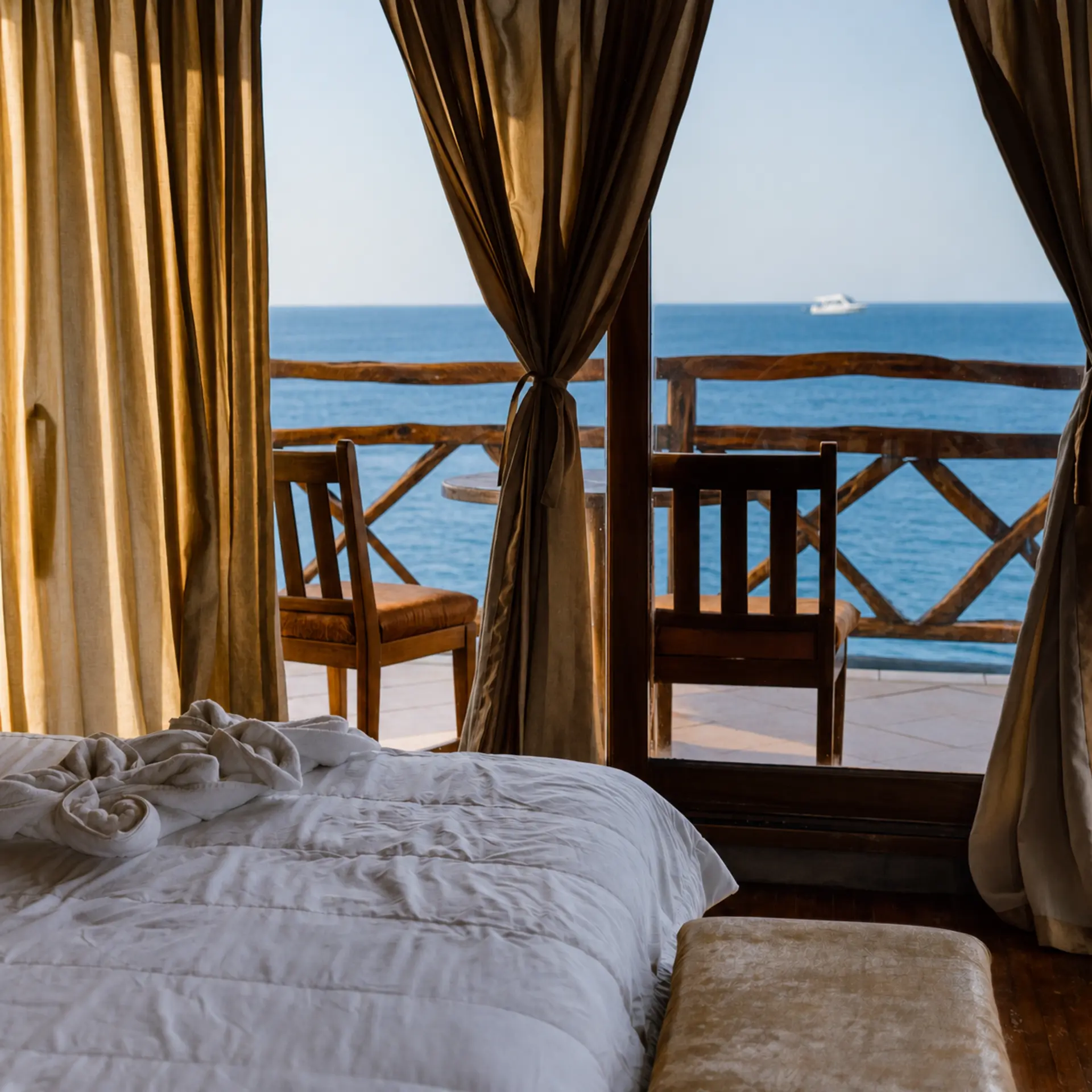
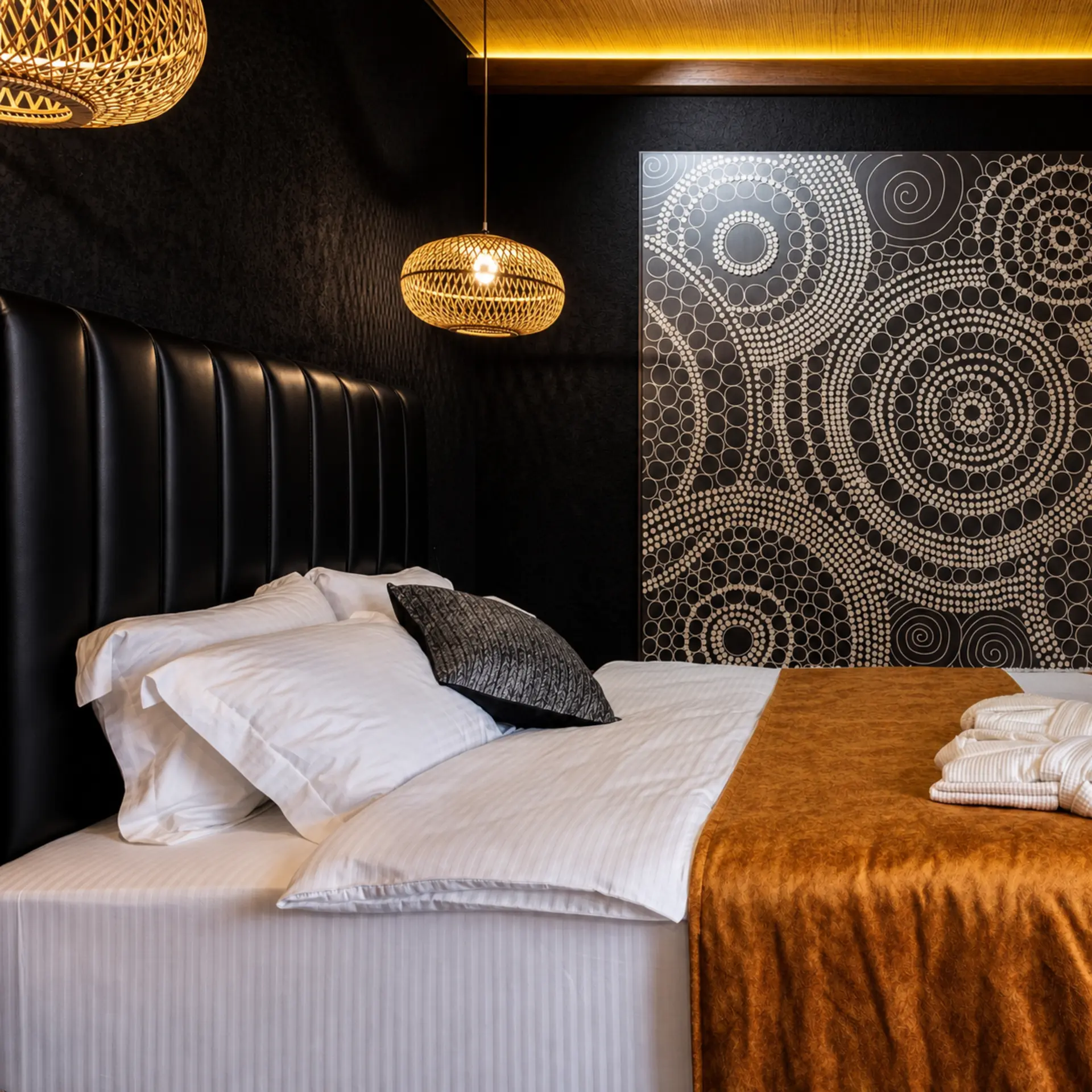
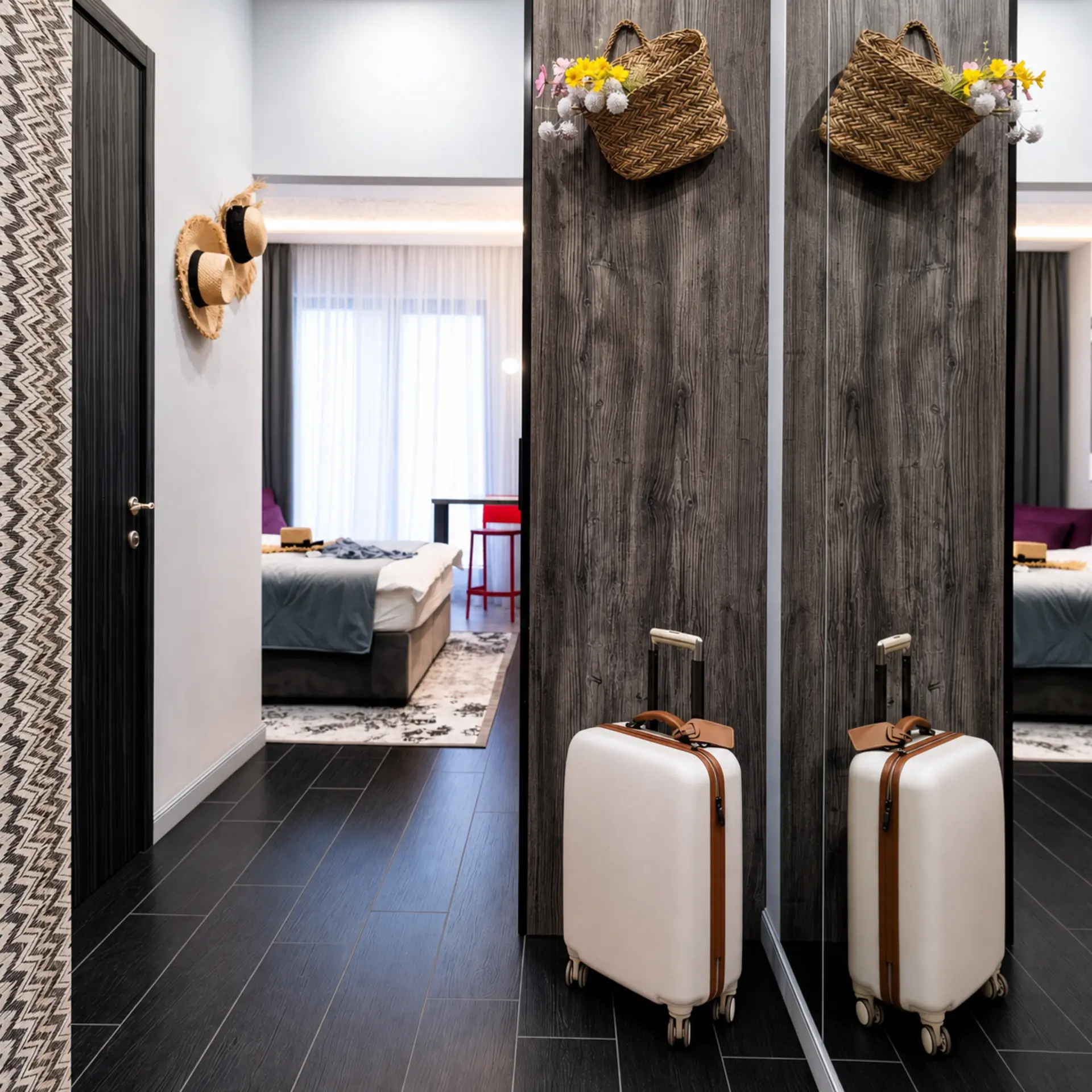
 Odoardo Soul™
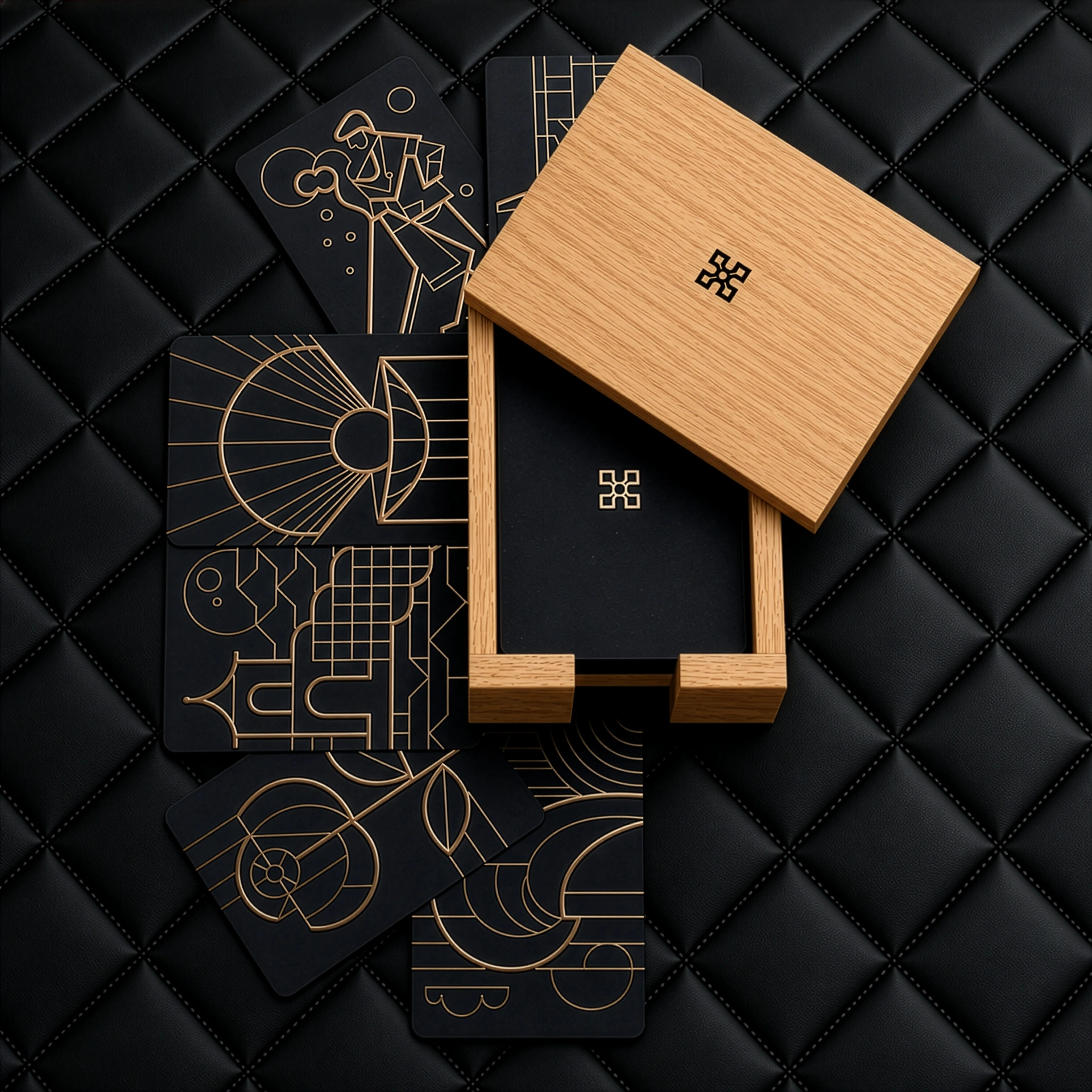 Odoardo Alibi™
 Odoardo Art™
 Odoardo Space™