In the corridors of the most prestigious hospitality properties an operational paradox not infrequently hides. While a soothing atmosphere of quiet luxury reigns in the lobby and the staff greet every guest with a smile, in the quiet of the offices the sales department wages an exhausting struggle with time and spreadsheets. Chasing stretched targets, drawing up offers by hand, analyzing endless e-mail inquiries and attempts to redirect bookings from intermediary platforms to one's own channels can swallow hundreds of hours a month. The team whose greatest strength ought to be building deep, direct relations with a demanding high-end client is reduced to the role of booking administrators, desperately fighting for profitability.
The human cost of the fight for independence
Dependence on the global aggregators (OTA) generates not only financial losses but also an enormous burden for the staff. When the calendar stands empty, sales departments often yield to the temptation to lower prices or to launch costly advertising campaigns. These processes lead to the inevitable erosion of the Average Daily Rate (ADR) indicator. The relation between a desperate search for occupancy and the destruction of long-term positioning is explained precisely by the article The hidden costs of guest acquisition (CAC).
Every booking acquired by an external route means handing intermediaries a commission reaching as much as a quarter of the stay's value. As a result, employees must sell considerably more room nights to work out the same operating profit they would achieve through Direct Booking. This systemic pressure exhausts teams and tells on the quality of service. Effectively freeing the time of sales directors therefore requires a change of paradigm – technology must take over the burden of acquiring leads, letting people concentrate on hospitality.
An automated assistant in the cinematic standard
The most refined form of automation does not consist in deploying yet more complicated CRM systems in which employees must click through dozens of statuses by hand. The true revolution consists in affluent guests driving the property's sales themselves. The tool that makes reaching this goal easier is the cinematic standard, supported by the discreet architecture of Odoardo Lens™.
This infrastructure works entirely in the background. In the suite the guest finds a minimalist welcome card made of black paper. Its haptic gilding invites a touch of the smartphone. A virtual interface starts, which lifts from the marketing department's shoulders the need to produce daily accounts on social media, which we discuss thoroughly in the text Hotel marketing automation. The system suggests the best frames to the guest, carrying out discreet upselling of wellness services. Then in the cloud it performs color grading, turning average User-Generated Content (UGC) into finished Curated Guest Content (CGC). Such a format limits the image risk against which the publication Curated Guest Content (CGC) versus UGC warns. The decision to publish, however, always remains with the guest – they record and they share.
A maintenance-free inflow of conversions
Most of the value for the sales department is created at the moment the client shares the video postcard with their friends. A discreet button inviting a booking is composed into the material, so the recipients pass straight to the hotel's sales system. This happens entirely organically and without the participation of even one employee. The significance of this phenomenon is analyzed by the article Digital Word-of-Mouth 2.0.
Thanks to such an automatic conversion funnel, ready, high-margin bookings appear in the sales director's inbox in the morning. On such a booking the hotel pays no commission to intermediaries, so distinctly more stays in the property than with a sale through an OTA. This mechanism translates directly into Gross Operating Profit Per Available Room (GOPPAR). The broader context of this profitability we present in the text Direct bookings in premium hotels, and the difference between GOPPAR and RevPAR itself we take apart in the analysis GOPPAR versus RevPAR.
Holistic support without the staff's involvement
A team freed from operational chaos can finally occupy itself with raising standards precisely. The property itself, in turn, can automate the sale of other services even more strongly. To stimulate guests' bills discreetly in the wellness zone and in dining, it is worth animating the furniture with the touch interfaces of Odoardo Soul™ – the mechanism is described by the text Animated space in five-star hotels. Empty spaces in the hotel that are hard to arrange will be completed by a rotating collection of authorized works in cooperation with Odoardo Art™, and the club zones will be enlivened by tools for deep conversation such as Odoardo Alibi™. The regained control over identity on the internet is worth completing with exclusive addresses from the Odoardo Space™ portfolio.
The idea that guides the design of such refined systems, which take the burden off people, is conveyed by the creator of the Odoardo™ ecosystem:
“The luxury in hospitality is the undivided attention we can bestow on another human being. Effective technology is that which gives us back our time.”
The automation of marketing and sales does not mean dehumanizing the process of service. On the contrary – in the luxury segment it is a way to free dozens of working hours a month and to give that time back to the most important person in the whole ecosystem: the guest.
Why we choose technology that disappears from view we explain in the manifesto. The picture of your property online you can check in the Research section.
 Odoardo Soul™
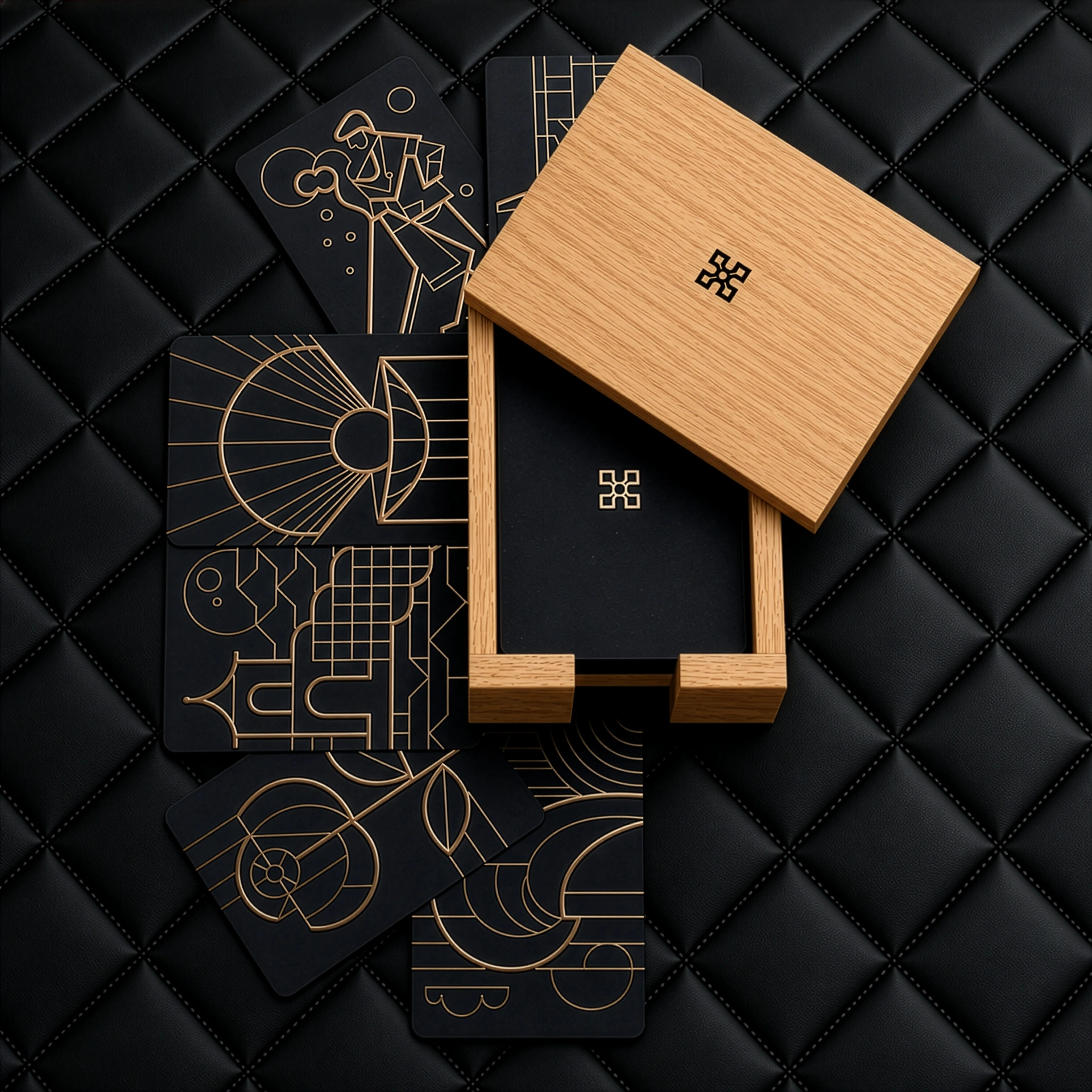 Odoardo Alibi™
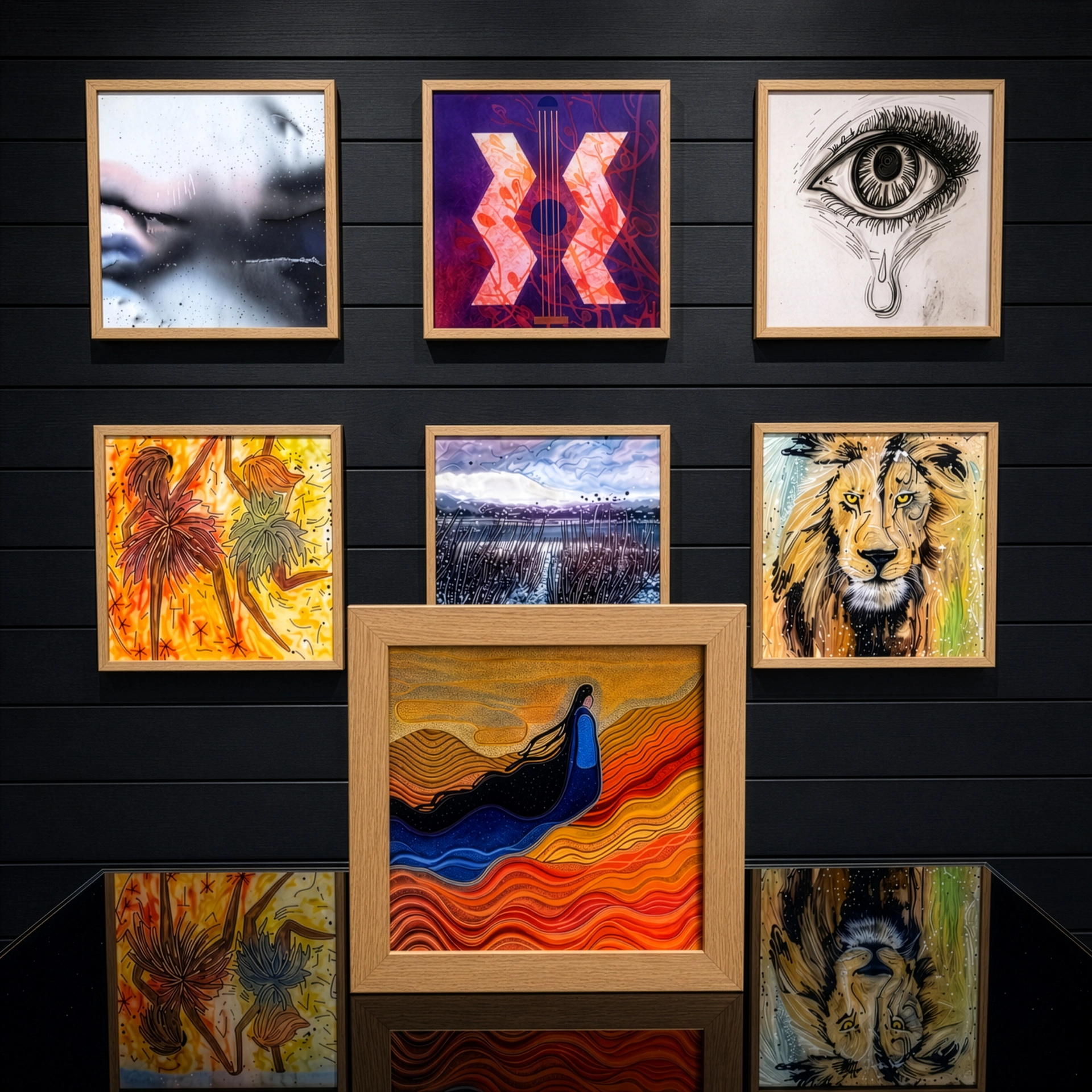 Odoardo Art™
 Odoardo Space™