Crossing the threshold of a luxury hotel is, for a guest, the moment when they expect absolute calm and perfect service. In the high-end segment, traditional aggressive sales methods are not only ineffective but downright dangerous for a brand's image. Leaflets urging a visit to the restaurant or insistent calls from reception drastically disturb the aura of quiet luxury. On the other hand, boards of properties know perfectly well that revenue from the stay alone is often too little to keep profitability high. The real fight for margin moves from the rooms to the dining (F&B) and wellness zones. To measure that holistic success precisely, the hospitality industry increasingly looks to the Total Revenue Per Available Room (TRevPAR) measure. How, though, does one stimulate that growth without irritating the most demanding clients?
A change of paradigm – from selling to directing
Traditional upselling rests on proposing to a guest more expensive alternatives or additional services at the moment of decision. In a five-star hotel that decision should, however, flow from inner inspiration and not from outside pressure. The space must tempt with its own possibilities. Using guests' innate need to share beautiful moments online is one of the most effective ways of raising the bill non-invasively.
Unfortunately, leaving visitors with their own smartphones often ends in the mass production of amateur User-Generated Content (UGC). Badly lit photographs of signature dishes or chaotic shots from the pool can distort a property's market image, which in the longer run may lower the pricing of a stay and the key Average Daily Rate (ADR) measure. We describe that relationship in detail in the article The psychology of aesthetics in hospitality. The solution that harmoniously joins the guest's need with the hotel's financial interest is creating an environment that naturally hints at which luxury services are worth using.
The virtual director and the optimization of TRevPAR
By implementing the cinematic standard, a hotel puts into guests' hands a refined tool which subtly directs their attention and creates visual prestige. The dedicated infrastructure of Odoardo Lens™ comes to the rescue here. Instead of a paper, garish invitation to the relaxation zone, the guest finds in their suite a beautiful black card finished with 3D gilding. On the power of haptics and the role of details in that first point of contact you will read in the text Designing guest experience.
Touching it discreetly with a smartphone wakes in the browser the cinematic interface of a virtual director. The system sells nothing – it proposes shots. The software suggests ready scenarios of frames worth capturing: “Catch the steam rising over the chef's signature dish” or “Record the calm during a Balinese massage”. The guest, wishing to create a perfect story, naturally decides on a visit to the zones with the highest margin. Color grading applied on the fly polishes the material without the guest's involvement. Such quiet upselling works on TRevPAR while at the same time letting the hotel care for the quality of its own message, which the publication Curated Guest Content (CGC) explains.
Conversion without an intermediary along the way
Raising a guest's spending inside the hotel is only the first stage of optimization. Every Curated Guest Content (CGC) material directed this way and shared by a visitor on social media reaches a circle of people with similar means and similar taste. The button set in the elegant player invites viewers to make a booking without intermediaries, directly from the video postcard.
That mechanism, known as Direct Booking, means the commission an OTA would swallow stays in the hotel's pocket. The change of profitability on a single client has a direct influence on the Gross Operating Profit Per Available Room (GOPPAR) measure. We discuss the strategic framing of that process in the article Direct bookings in premium hotels.
Upselling that uses no words
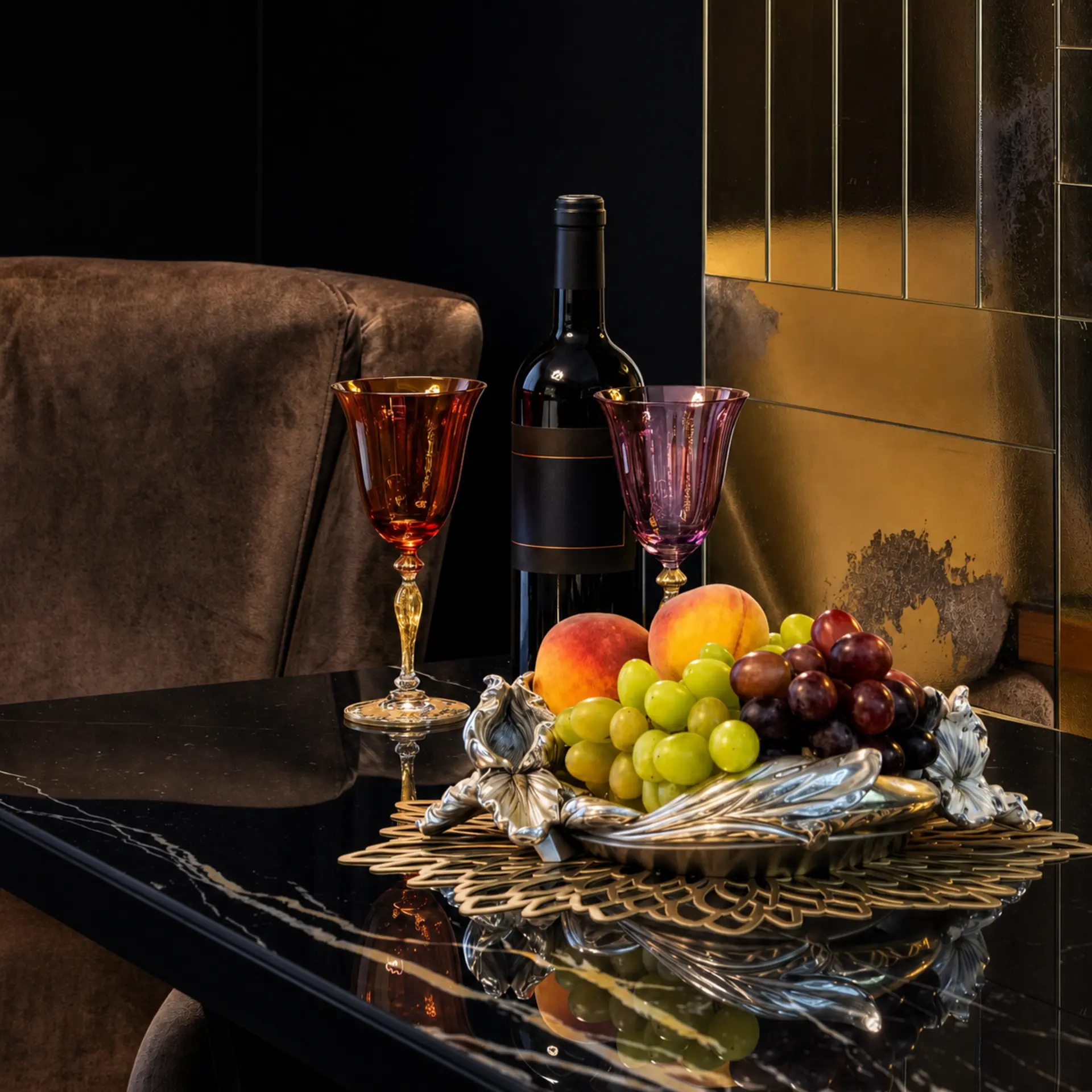
Intelligent upselling is a multi-dimensional process which should draw a guest in without using words. In zones such as cigar bars or lounge spaces, a subtle stimulus prolonging a stay can be crafted carriers of conversation. Making the luxury question sets of Odoardo Alibi™ available to guests favors long, sincere conversations. Intrigued visitors spend more time in the venue, which naturally translates into higher bills for premium-class cocktails. We write more about that phenomenon in the text The lounge in a luxury hotel and spa.
Similar, discreet assistance can be implemented on the basis of animated matter. A microchip hidden in the interiors thanks to Odoardo Soul™ lets a guest learn the story of a chosen wine at a single touch of an oak table – we describe it in the material An intelligent table in fine dining restaurants. The same mechanism replaces wine lists that go out of date, about which we write in the text The end of paper wine lists.
All these actions come down to one overriding thought, which the creator of the Odoardo™ ecosystem defines precisely:
“Upselling stops being selling the moment it becomes a hint at the right time. The guest does not want anything offered to them – they want to know what else is worth experiencing here.”
Raising the TRevPAR measure in top-class hotels no longer requires difficult compromises between maximizing profits and keeping classic elegance. A virtual director and discreet artifacts raise the bill differently from a leaflet: the guest goes to the restaurant because they wanted to be there, not because they were asked.
Selling that does not pester is one of the premises of the manifesto.
 Odoardo Soul™
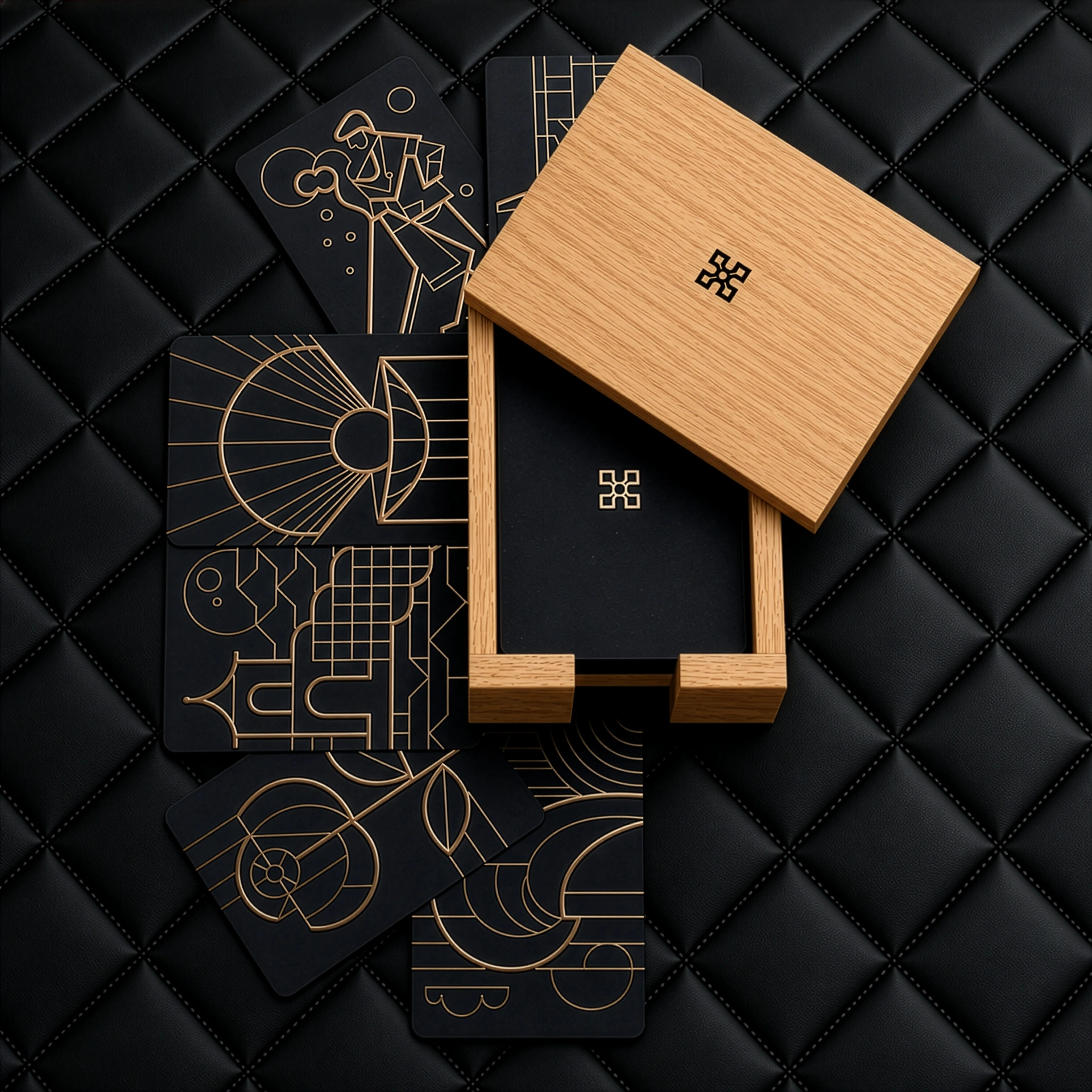 Odoardo Alibi™
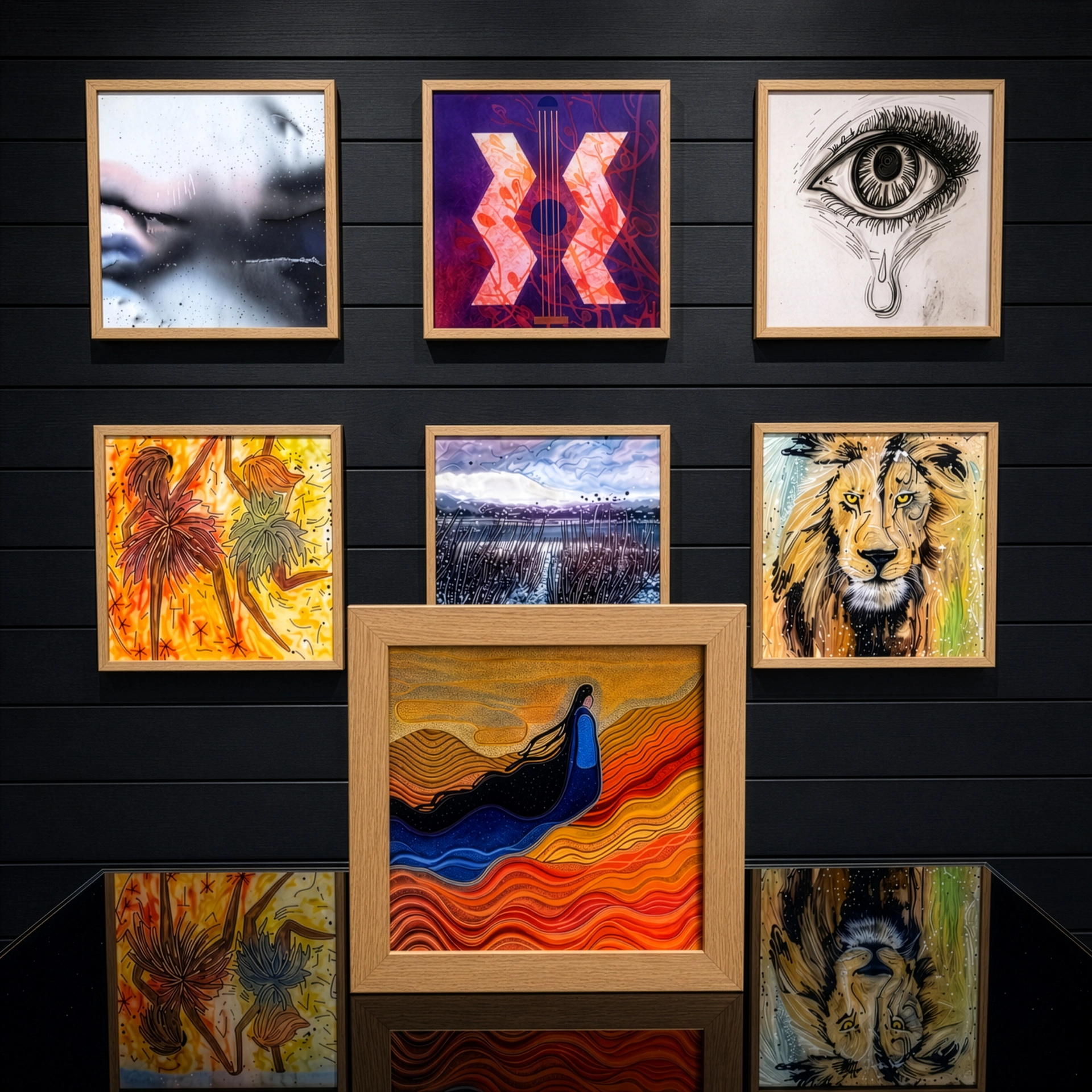 Odoardo Art™
 Odoardo Space™