Let us imagine a palace hotel with centuries of history, whose walls have hosted diplomats and aristocracy. Over decades that brand built an impeccable reputation, resting on uncompromising discretion and the highest level of service. Yet one small incident in the lobby is enough – a momentary confusion at reception or an unfortunate exchange between staff and a demanding guest – captured by a smartphone lens, to spark a fire of image. In an age of instant communication, heritage built over generations can be dented in a dozen or so seconds. In the hospitality industry, crisis management has stopped being a task solely for PR agencies acting after the fact; it has become a challenge of preventive control over digital narrative.
The risk of the amateur message
For years, properties of the high-end segment believed that a presence on social media is purely a benefit. The phenomenon of User-Generated Content (UGC) was treated as authentic proof of guests' satisfaction. Unfortunately, the lack of direction over that message can today be one of the greatest threats to reputation. Amateur recordings can be merciless: bad light deforming an elegant wellness zone, shaky shots or a chance sound background show a property as worse than it is – and that image stays online for years.
That dissonance between real luxury and its digital representation is explained by the article Curated Guest Content (CGC). The loss of visual prestige is not merely an aesthetic problem. Premium clients, meeting weak material, begin to question the pricing of a stay. In defense against that phenomenon, properties are often forced into concessions, which the text Defending the ADR describes precisely. Effective reputation management therefore requires implementing tools that secure a place's digital image in advance.
Prevention instead of putting out fires
Preventing crises of image online consists today in skillfully redirecting a guest's attention. By implementing the cinematic standard, a hotel does not forbid the use of smartphones but subtly takes on the role of hidden director. Such infrastructure – represented for instance by the architecture of Odoardo Lens™ – allows the smooth transformation of uncontrolled UGC into refined Curated Guest Content (CGC).
The visitor, after bringing their phone close to a discreet welcome card covered with haptic gilding, gains access to a cinematic interface in their browser. The software hints at how best to capture the charm of the place, unobtrusively stimulating upselling of services such as an exquisite dinner or a bespoke massage. The cloud engine stabilizes the material in real time and applies professional color grading. A process designed this way does not take from the guest control over their own phone – the hotel blocks nothing and deletes nothing. It works differently, and more effectively: since material clearly better than a chance shot comes into being, it is that material which goes online. Publication by the brand requires the guest's consent. We describe the mechanism in the text The cinematic standard.
Monetizing a safe image
Protecting heritage through controlled aesthetics translates directly into financial independence. When a perfect, cinematic video postcard reaches the guest's network of friends, it becomes an impeccable ambassador of the brand. The discreet button embedded in it leads straight to the hotel's own booking engine.
Such a process drives the desired Direct Booking, allowing the property to keep the commission which would otherwise feed the accounts of global OTA intermediaries. A booking without commission directly improves real profitability as measured by GOPPAR. It is a model in which aesthetic crisis prevention becomes at the same time a sales strategy.
Holistic protection of brand and space
Crisis management at the highest level also requires coherence in the other elements of the surroundings. A hotel's reputation begins already at the stage of a search online. A distinctive address from the portfolio of Odoardo Space™, covered by an exclusivity agreement, helps guests recognize the page that truly belongs to the hotel. Those relationships in a broader business framing are described by the article Crisis management in a corporation.
Equally important is securing the physical fabric of historic properties. Hotels with centuries of heritage can modernize their services without violating architectural integrity. Using the animated matter of Odoardo Soul™ or the subtle installations of Odoardo Art™ allows disfiguring cabling or screens to be avoided – how to do it without drilling into historic walls is shown by the text Interior metamorphosis without renovation. The broader context of introducing innovation into places of historic significance we present in the analysis Discreet AI in historic hotels and palaces.
What the difference between prevention and censorship consists in is explained by the creator of the Odoardo™ ecosystem:
“It is worth taking care of how a property looks in other people's material. Controlled distribution of the image is a form of foresight, not censorship.”
In the digital age a luxury brand's heritage is exactly as strong as the material circulating about it online. Modern crisis management does not consist in putting out fires but in designing a space so that the material arising naturally renders its actual level. Taking the initiative in the visual narrative is today the foundation of a quiet luxury strategy.
Properties that came through a crisis of image without cutting their rate we describe in the Odoardo™ research.

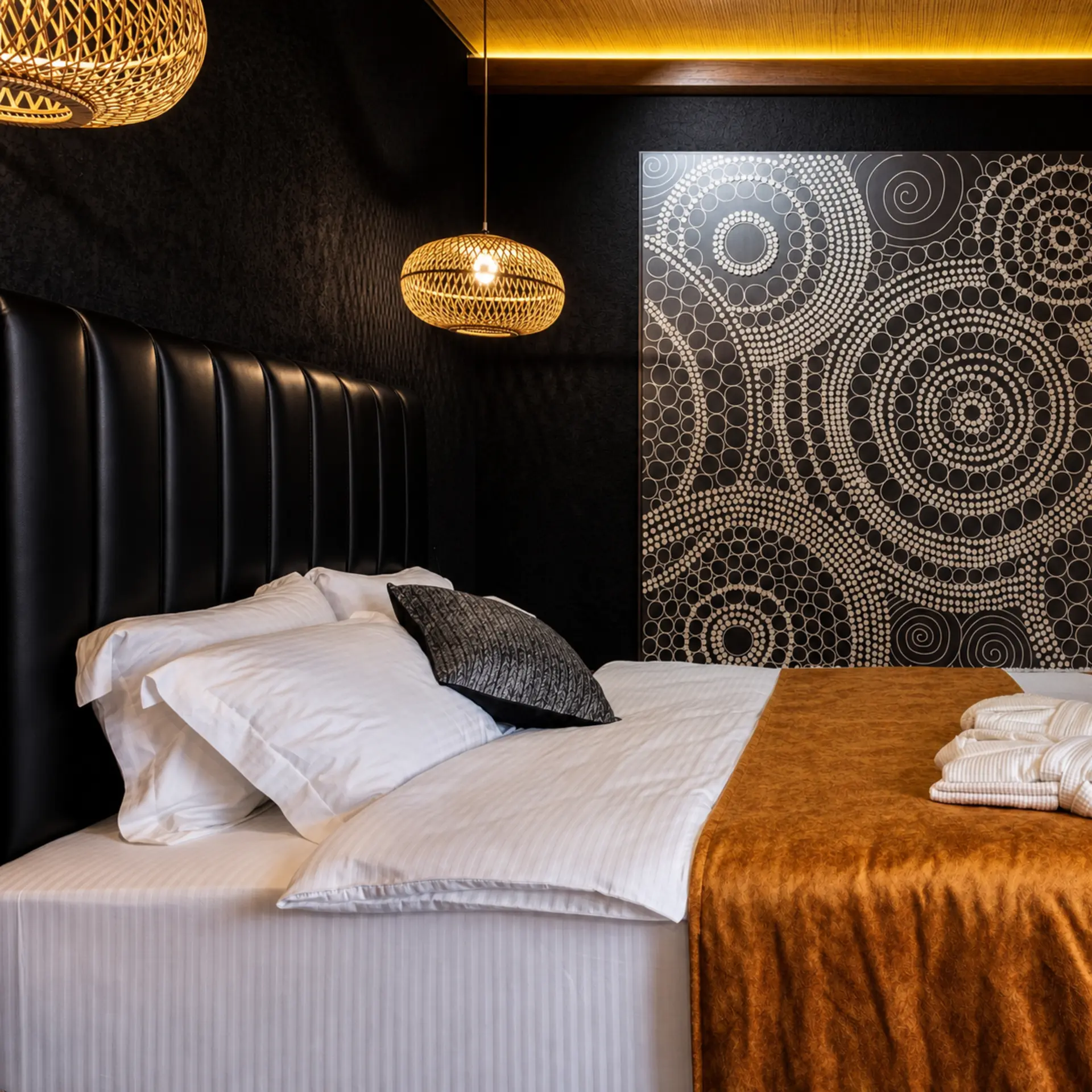

 Odoardo Soul™
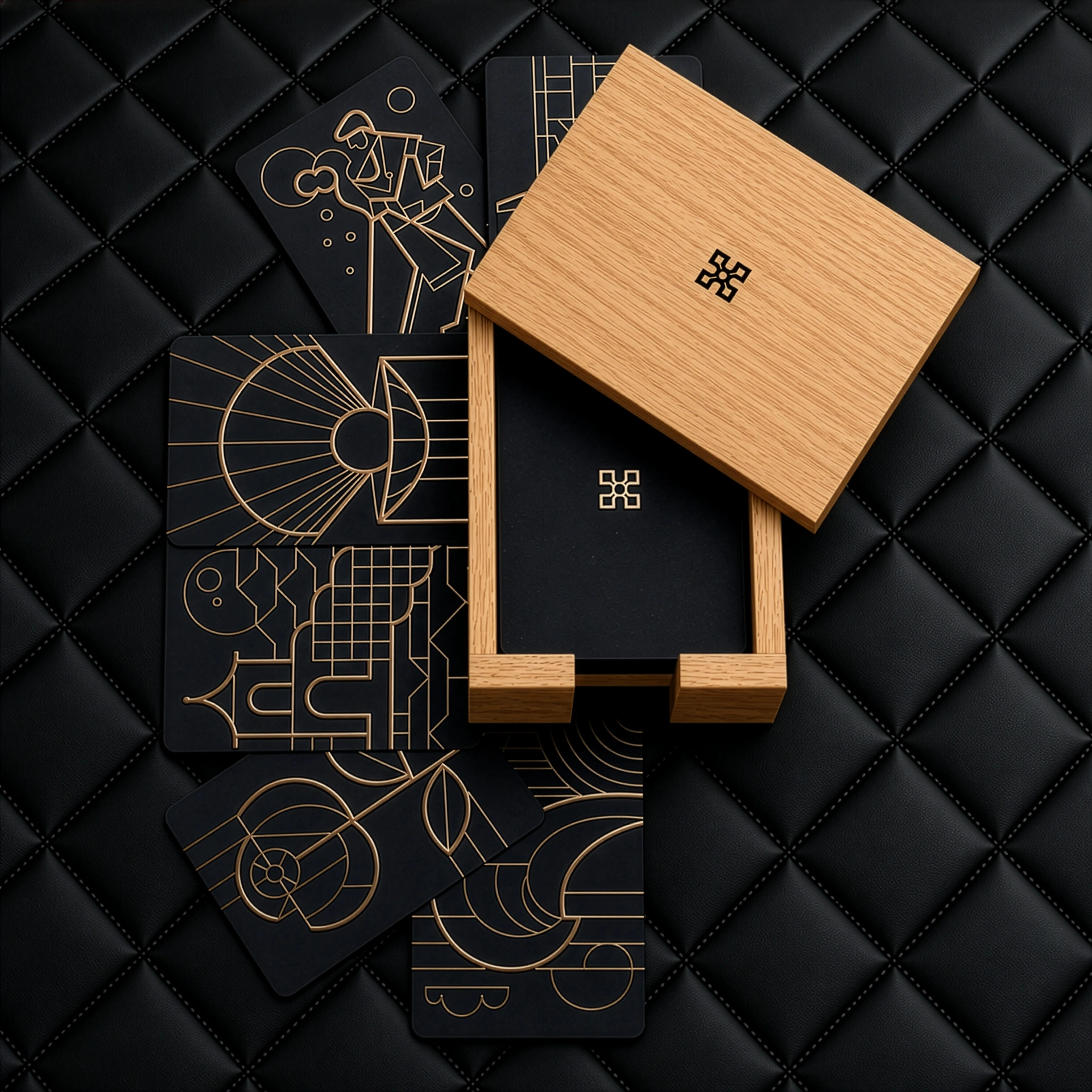 Odoardo Alibi™
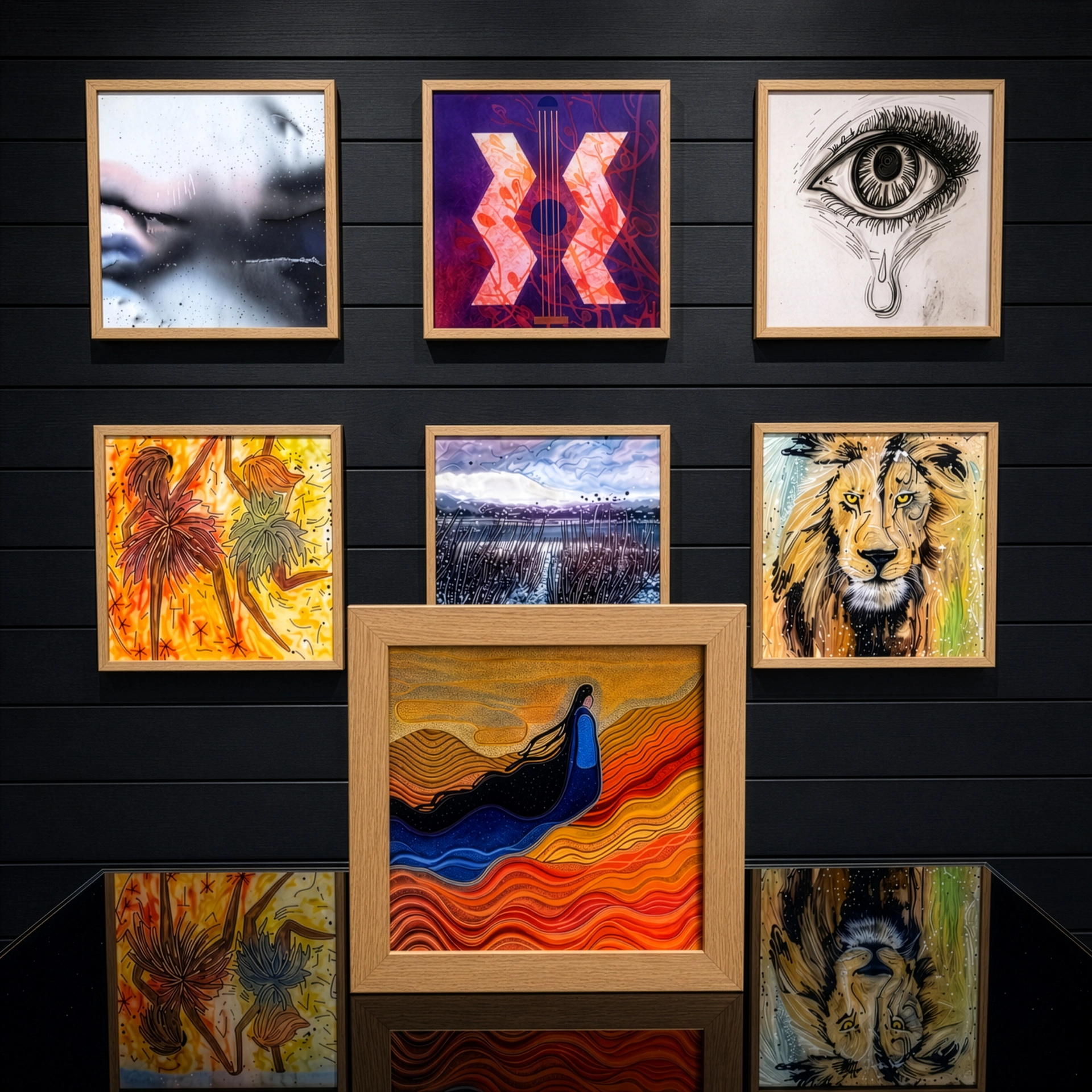 Odoardo Art™
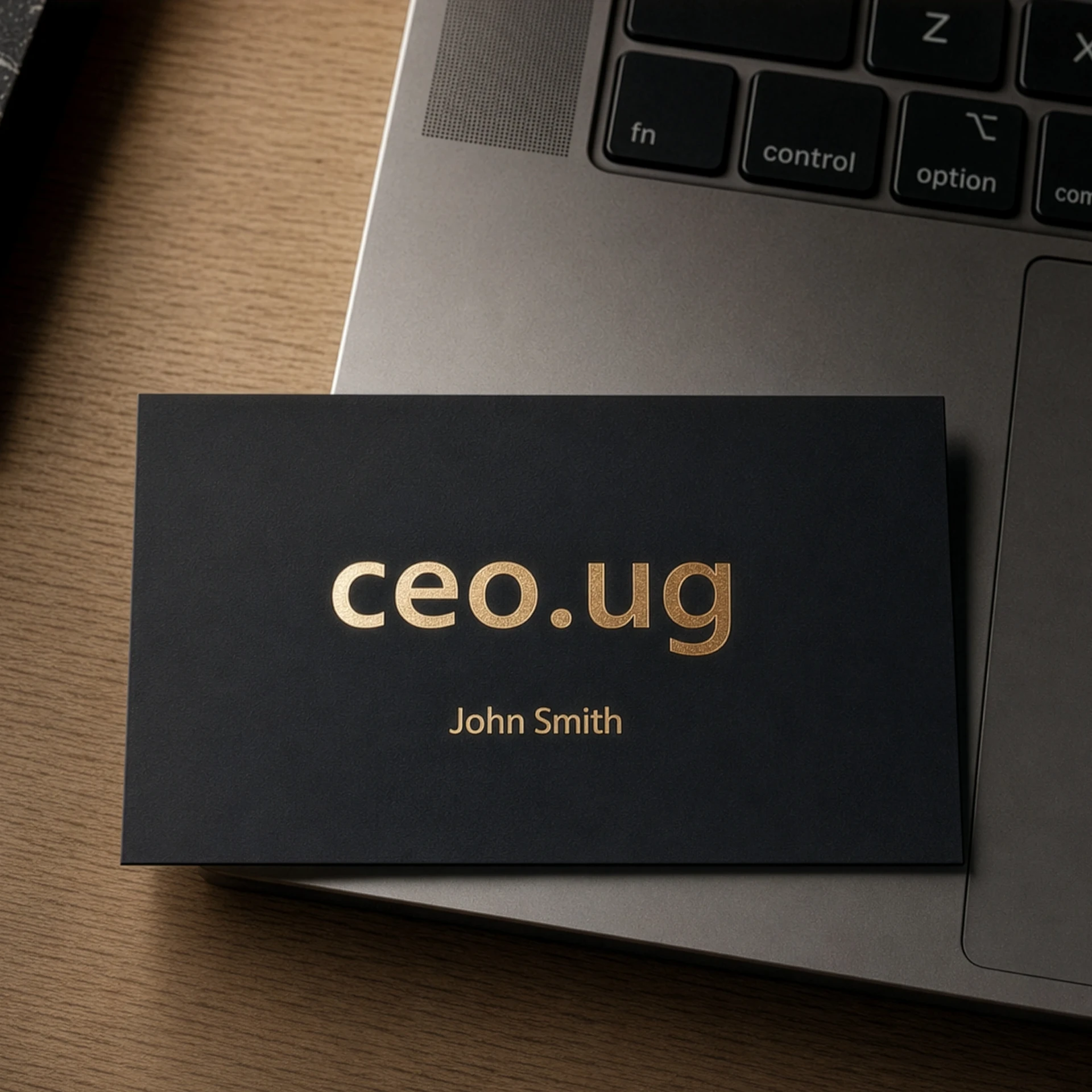 Odoardo Space™