Imagine a meticulously restored nineteenth-century palace converted into a boutique hotel. Original stucco adorns the walls, and unique hand-painted frescoes survive on the ceilings. High-end guests who choose to stay in such a remarkable place expect a perfect balance: they want to experience the authentic spirit of past ages, but at the same time have no intention of giving up modern comforts such as instant room service, climate control or contactless communication with the concierge.
This is where a clear conflict of interests arises. Directors of historic properties come up against a wall – sometimes almost literally. Introducing modern networks, control systems and infrastructure intended for guests must respect the heritage fabric of the building and limit permanent interference. At the same time, poorly matched or over-exposed technology can weaken the authenticity of the experience that makes a historic hotel exceptional. The challenge therefore becomes marrying antiquity with technology in such a way that the installations remain almost invisible and do not violate the aesthetic coherence of an interior.
The conservator's dilemma: cables, drilling and aesthetic dissonance
To offer guests access to digital services straight from their apartment, the market usually imposes the installation of wall-mounted touch panels or hotel telephones with screens. Within heritage walls such a solution normally requires conservation approval, and often turns out to be simply inadmissible.
The classic digitization of a hotel room means having to cut into historic plaster, drill mounting holes, run dozens of meters of power cable and carry out noisy, dirty building work that takes part of a palace out of use for weeks. What is more, fixing a garish plastic screen to a wall covered in silk paper is a painful visual dissonance that destroys the magic of a place and contradicts the philosophy of quiet luxury. Real luxury demands non-invasive solutions.
Zero interference. Technology hidden in a free-standing object
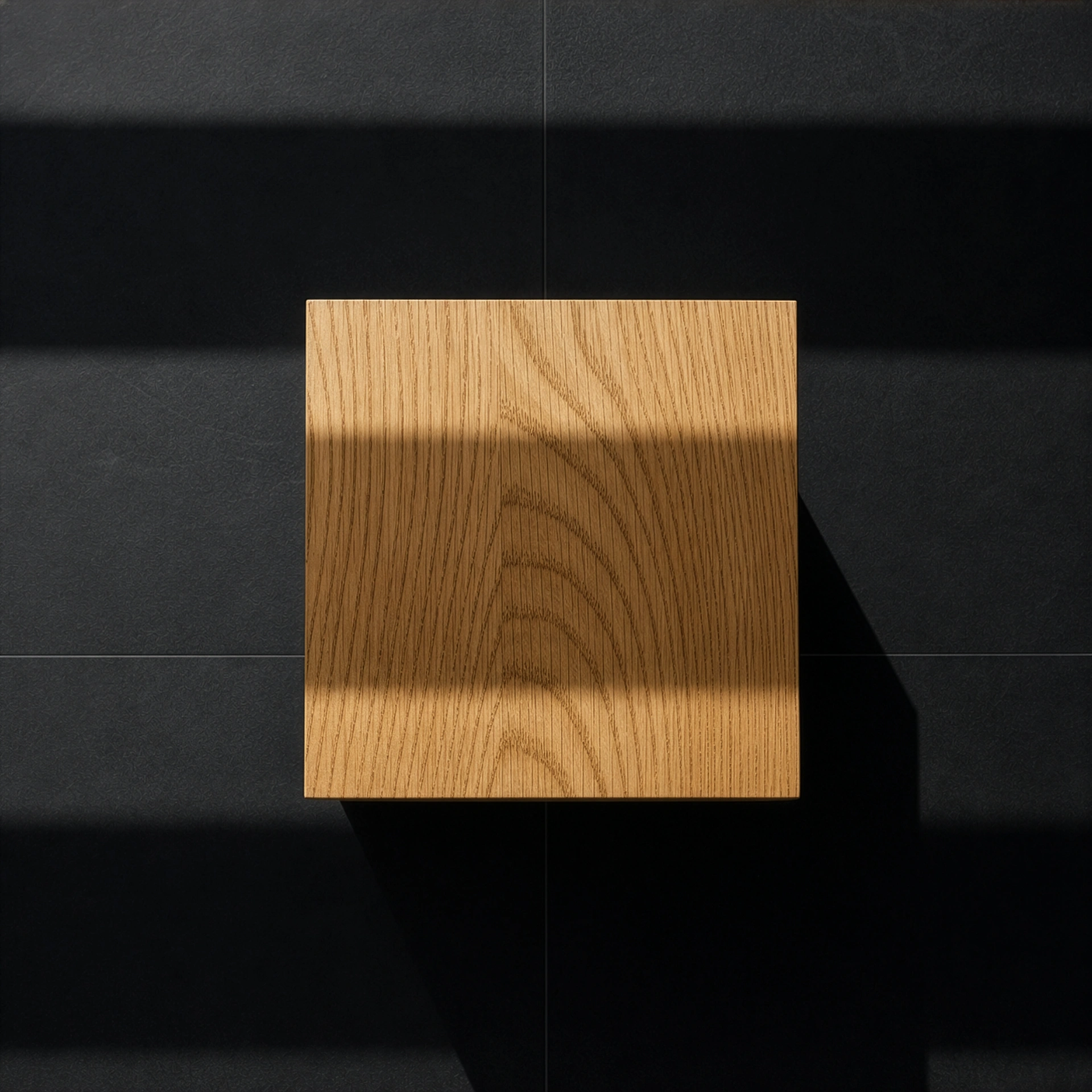
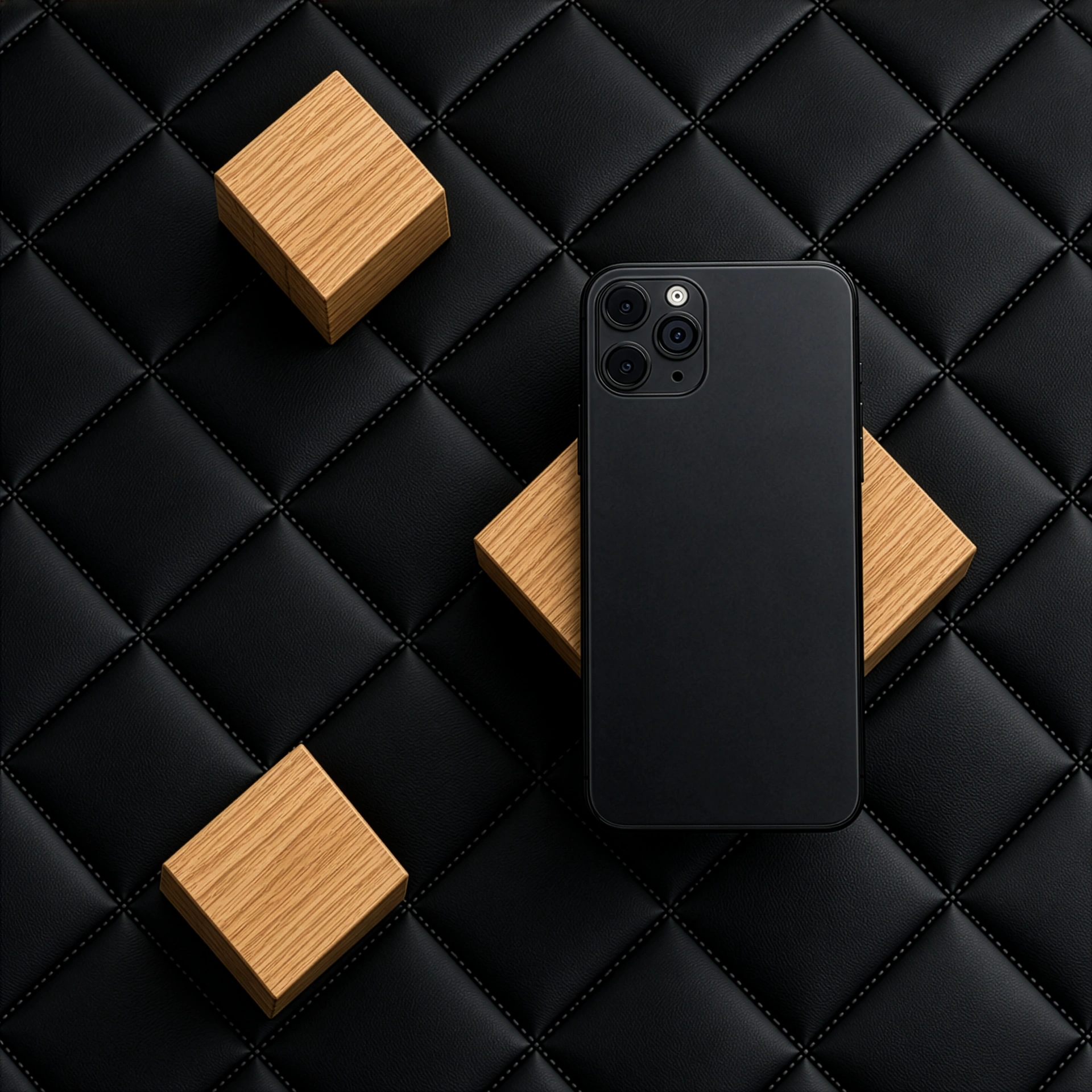
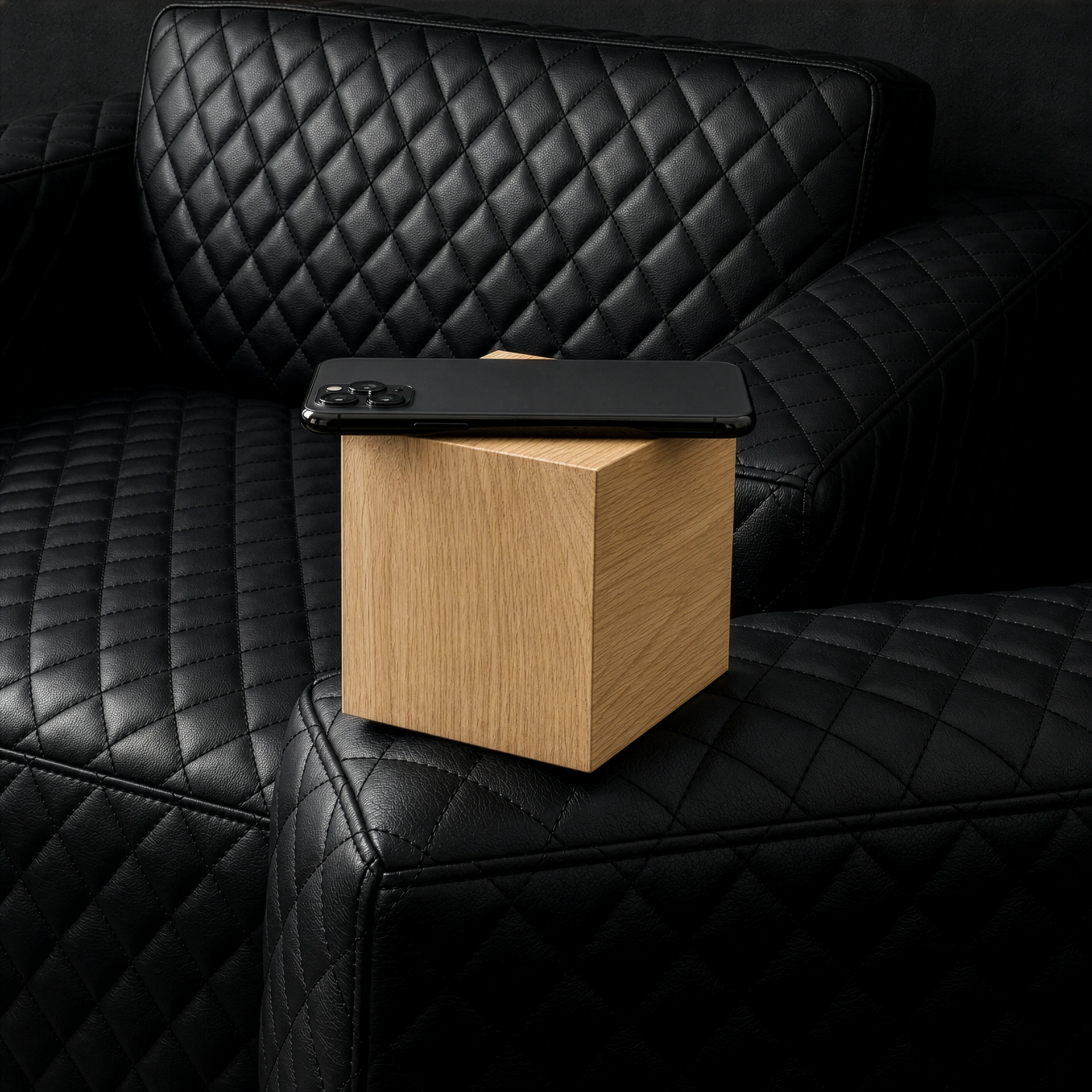
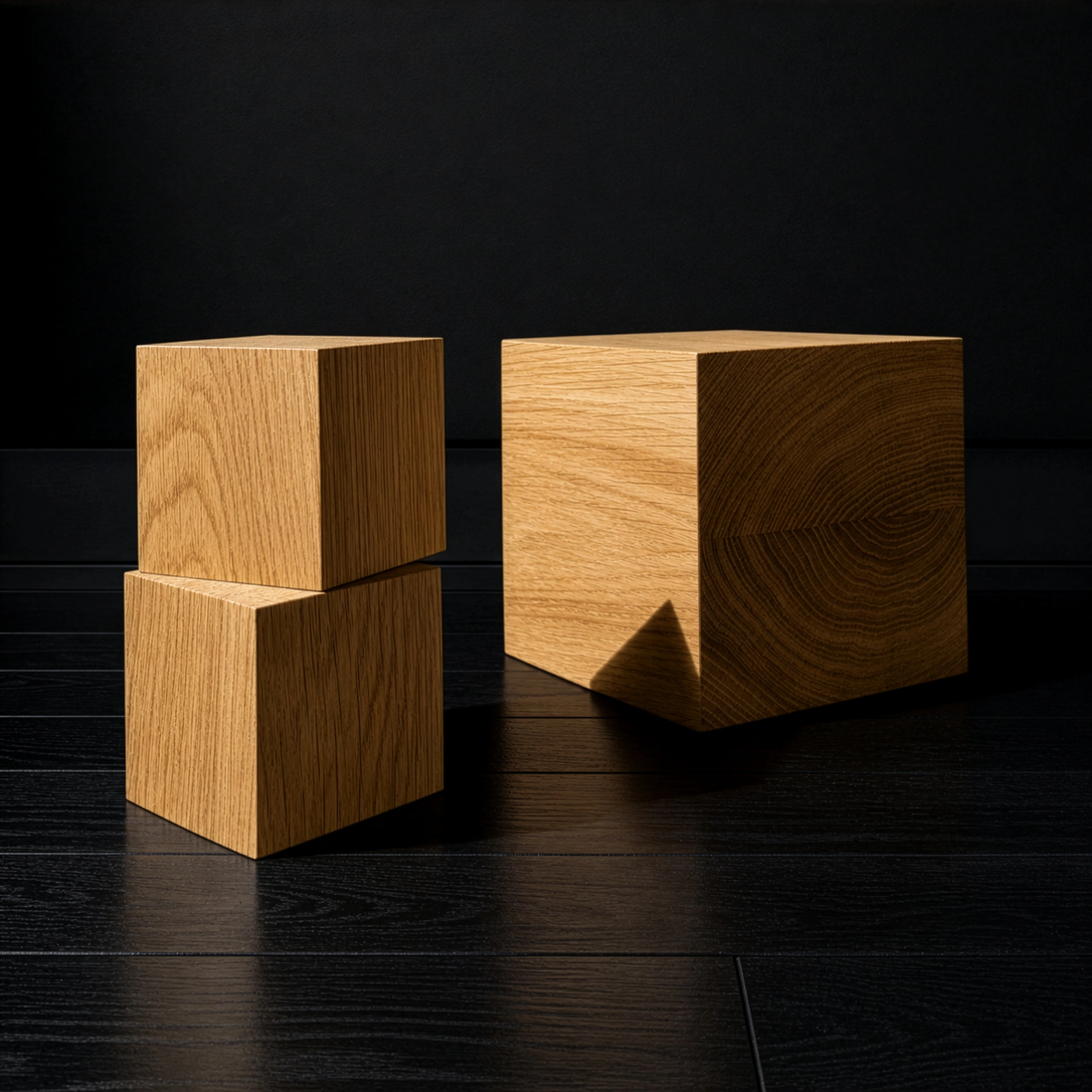
The answer to these architectural constraints is to introduce the contextual physical interfaces of Odoardo Soul™. This is a technology that takes the entire burden of renovation off an investor's shoulders. In the catalog version, the device takes the form of a beautiful, crafted cube of solid oak finished with natural oil, with an edge of 5 or 10 centimeters.
This system is entirely free-standing. We drill not a single hole in the wall, cut into no plaster and run no cables. The cube needs no connection to a socket and no permanent mounting. It is simply set down on an antique desk or a heritage dressing table, becoming a natural, harmonious part of the furnishings, a sculpture of solidified matter. Placing the cube in a room takes literally a few seconds and generates not a speck of dust.
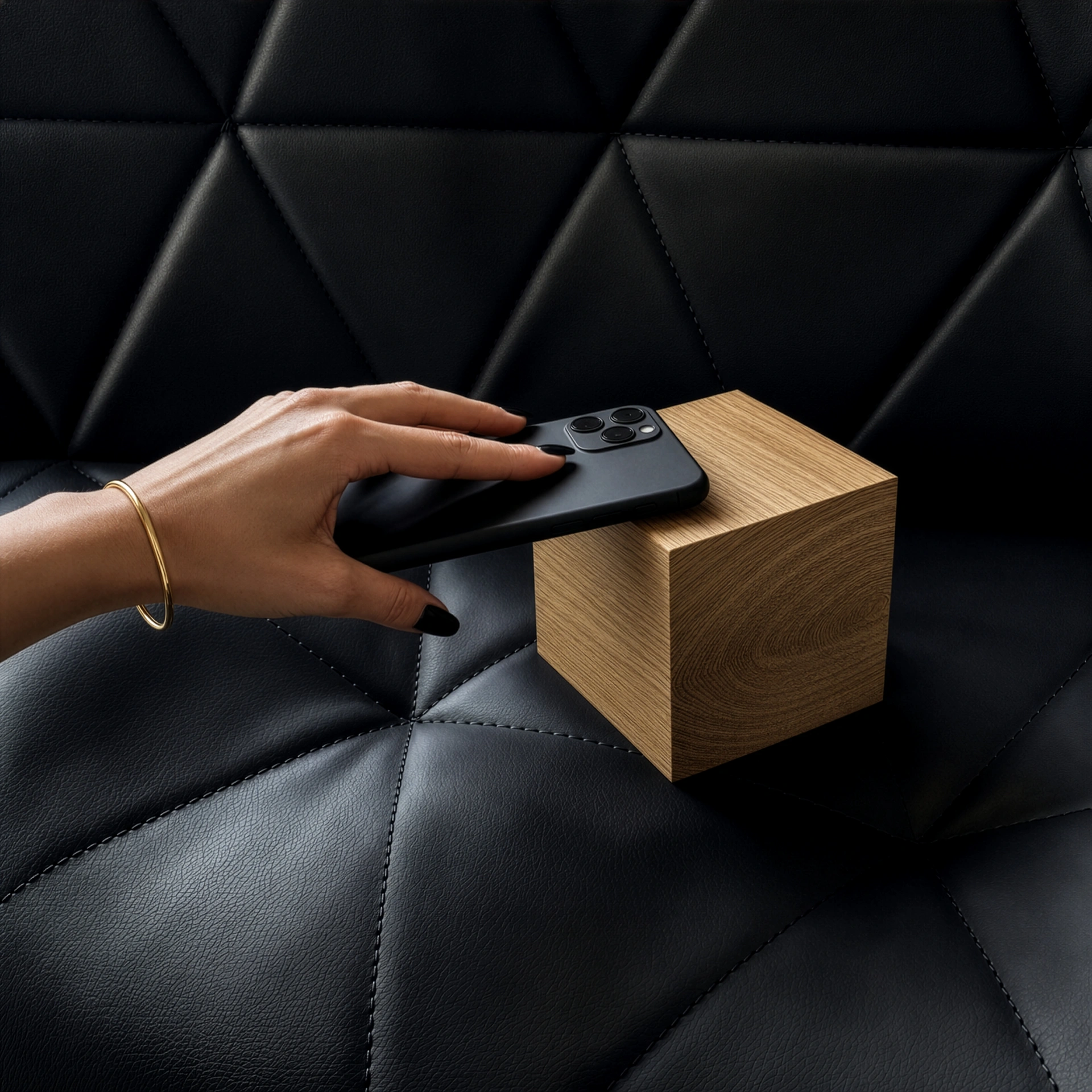
Despite this physical passivity, advanced artificial intelligence sleeps within the oak form. A guest who wants to contact staff simply brings their phone close to the object. That invisible, soundless gesture wakes the digital identity of the room. In this way a palace can offer guests a system of orders and discreet communication without undertaking any work that would be subject to conservation approval at all.
Respect for the past in a holistic ecosystem
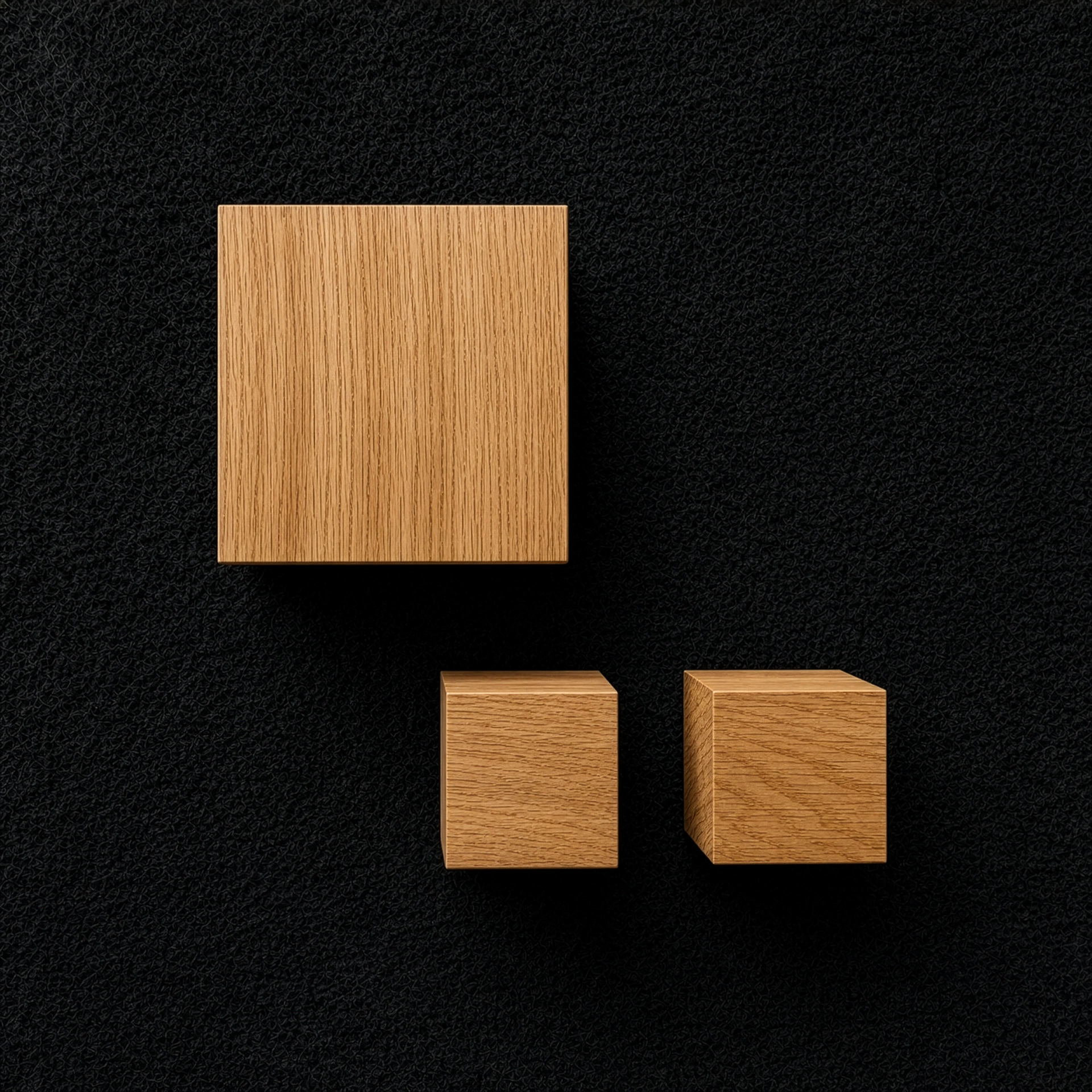
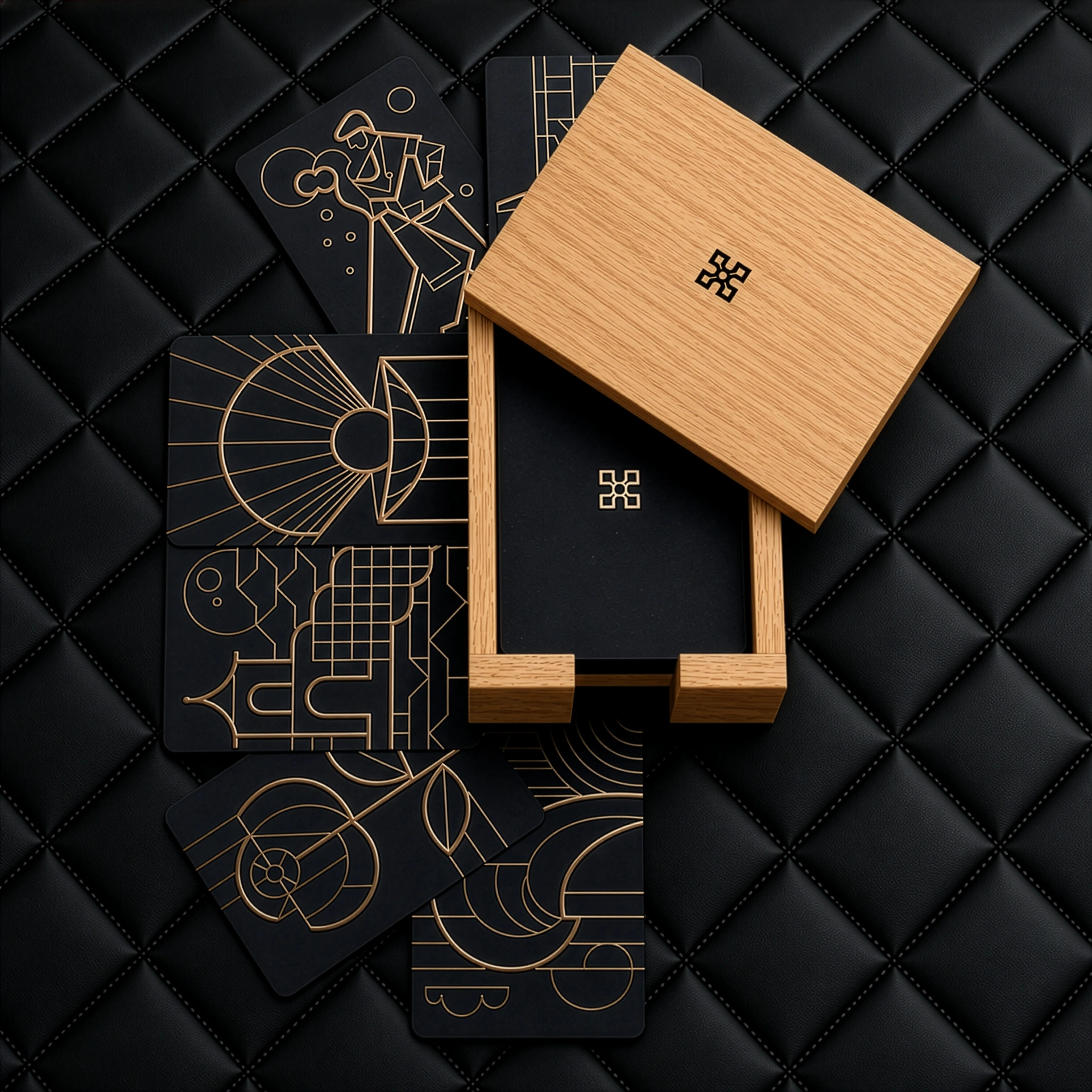
An architecture of non-invasiveness should permeate every layer of the luxury experience in a property. When an apartment is not disfigured by electronics, attention can turn to creating mood through art. Using rotating collections from Odoardo Art™ allows authorized works of art in oak frames to be exchanged periodically without driving new hooks into heritage walls – this way of refreshing an interior is described in Interior metamorphosis without renovation. In a palace library or cigar room, meanwhile, where time slows its pace, the physical cards of Odoardo Alibi™ encourage deep conversation without involving electronics, fitting perfectly into a restrained heritage atmosphere.
Historic hotels are architectural pearls that naturally prompt guests to record video. Unfortunately, amateur, poorly lit User-Generated Content (UGC) rarely does justice to historic interiors. The solution here can be a cinematic standard, delivered by the hidden director Odoardo Lens™. It supports the creation of refined Curated Guest Content (CGC), applying a cinematic color grading that brings out the depth of historic detail; the article Technology in historic interiors covers this more fully. Such a video postcard, shared online with the consent of delighted guests, becomes a powerful engine for direct booking. For those bookings to arrive at a recognizable address, a brand's heritage is worth basing on a selected address from the Odoardo Space™ portfolio, taken exclusively and without buying the domain.
Understanding that historic fabric demands particular delicacy is the key to a successful modernization. The creator of the Odoardo™ ecosystem puts it thus:
“In a heritage building, the cheapest technology is the one that requires no administrative decision at all. An object placed on a desk is not an installation – it needs no approval, leaves no trace and can be taken away at any moment. That sounds banal until somebody works out what cutting into plaster in a palace costs.”
Animating matter in properties with strict heritage status proves that advanced technology need not destroy history in order to offer a future. Giving up renovation, cables and violations of architectural integrity increases the chance of preserving the authenticity that today's over-stimulated consumer craves most.
Properties that maintain this level of coherence are gathered in the Odoardo™ research. The philosophy behind it is described in the manifesto.
 Odoardo Alibi™
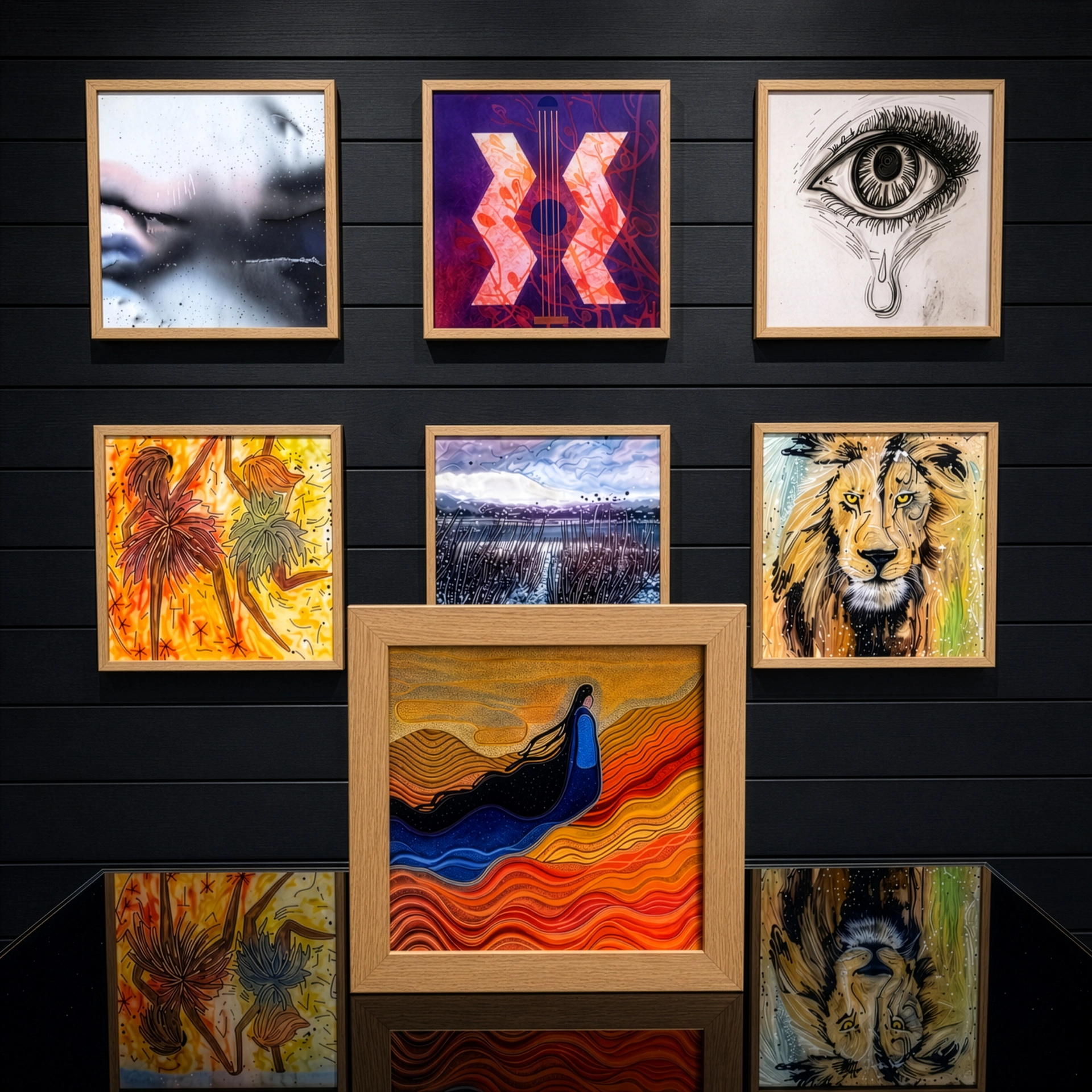 Odoardo Art™
 Odoardo Lens™
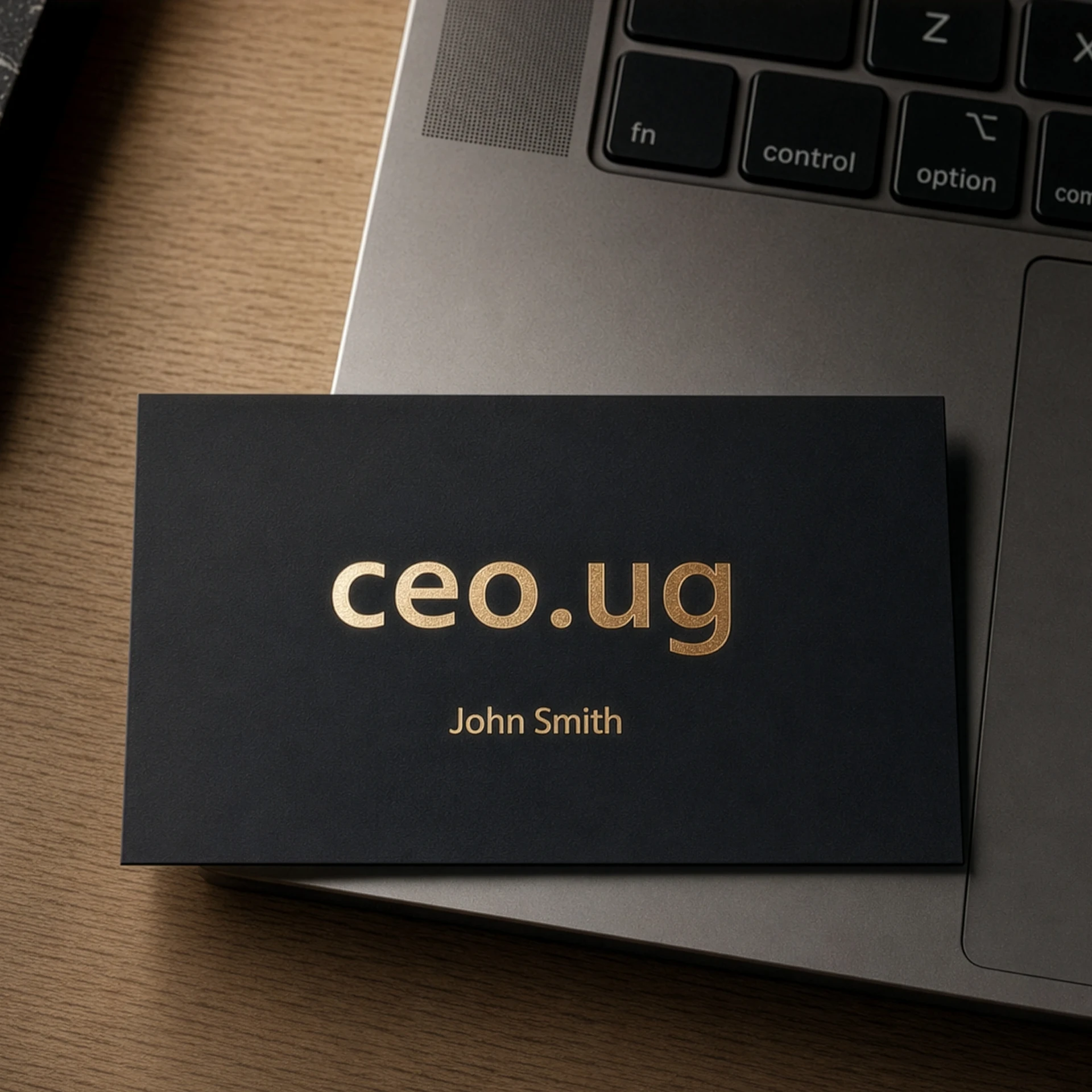 Odoardo Space™