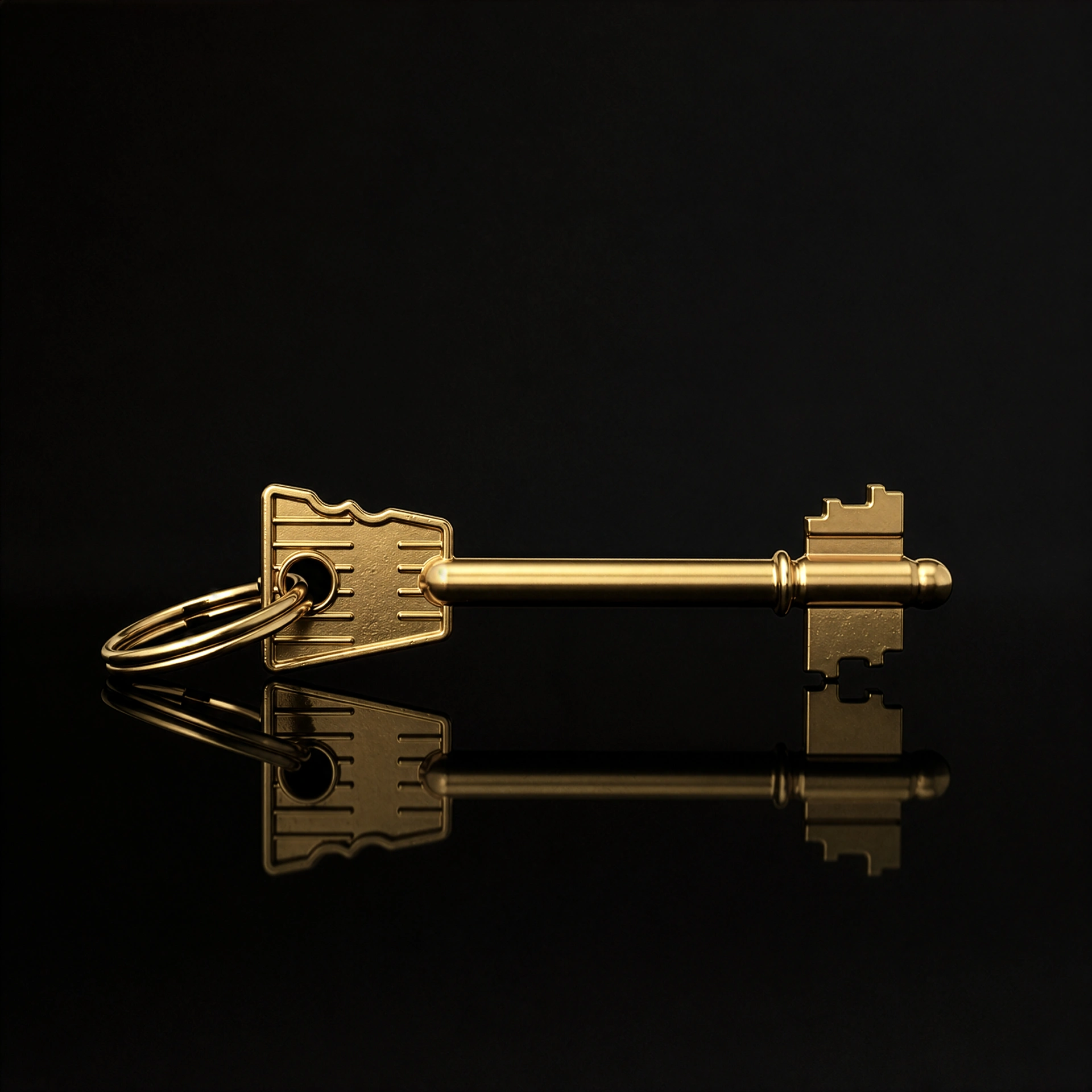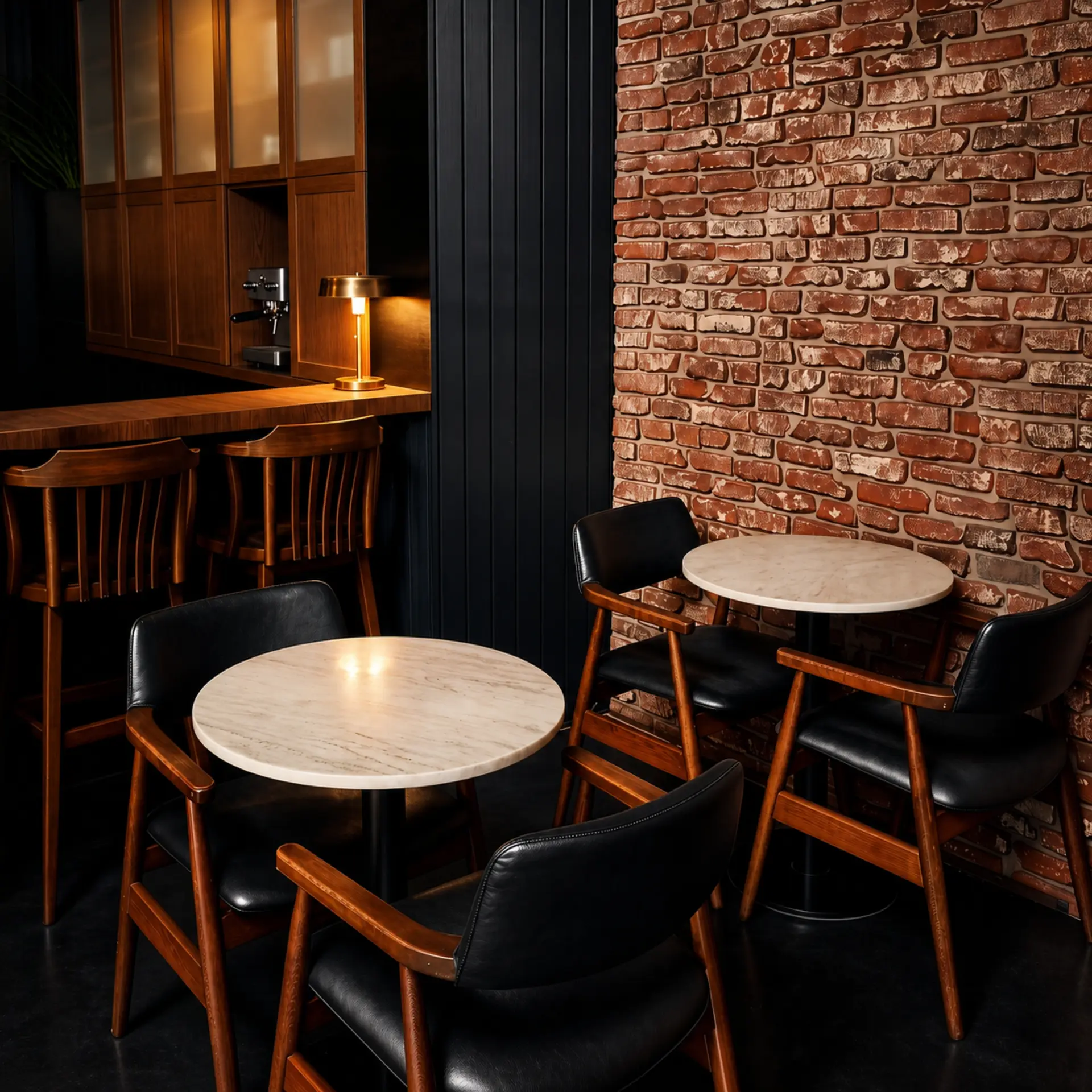
Adapting a palace, a castle or a historic town house to the needs of a luxury hotel is an architectural and business challenge of the highest order. Investors recreate stucco with extraordinary care, conserve oak parquet and bring in antiques in order to render the spirit of former ages. Yet the moment contemporary guest service enters this perfectly revitalized space, a brutal jarring not infrequently occurs. Placing a plastic tablet, a tangle of power cables or garish stickers with QR codes on a nineteenth-century mahogany desk instantly destroys the illusion of a journey through time. The collision of heritage with visible electronics is one of the greatest problems of the hospitality industry in the segment of historic properties.
Visual dissonance and the loss of prestige
A demanding high-end client expects invisible, noiseless service. When the surroundings force them into contact with unaesthetic screens, the magic of the place is irreversibly dispersed. This problem transfers at once to the digital world. Visitors fascinated by the architecture willingly reach for their smartphones, yet the presence of modern “distractors” in frame often spoils the composition. The effect is amateur User-Generated Content (UGC), which does not convey the true prestige of restored interiors. This phenomenon and its consequences for a brand are analyzed in detail by the publication Curated Guest Content (CGC).
When prospective clients see online a historic palace whose charm is spoiled by ubiquitous digital gadgets and shaky shots, their readiness to pay a high price for a night falls. How crucial it is to maintain a flawless image online in order to protect profitability we recall in the article Defending ADR. Historic properties need technology that is able to disappear completely.
Quiet assistance and a return to noble matter
The solution to this aesthetic impasse is to define luxury anew, on the basis of noble craft. Instead of bringing plastic and screens into the suites, hotels can offer guests objects that naturally blend into historic architecture. The foundation of such an approach is the deployment of the cinematic standard, supported by the invisible architecture of Odoardo Lens™.
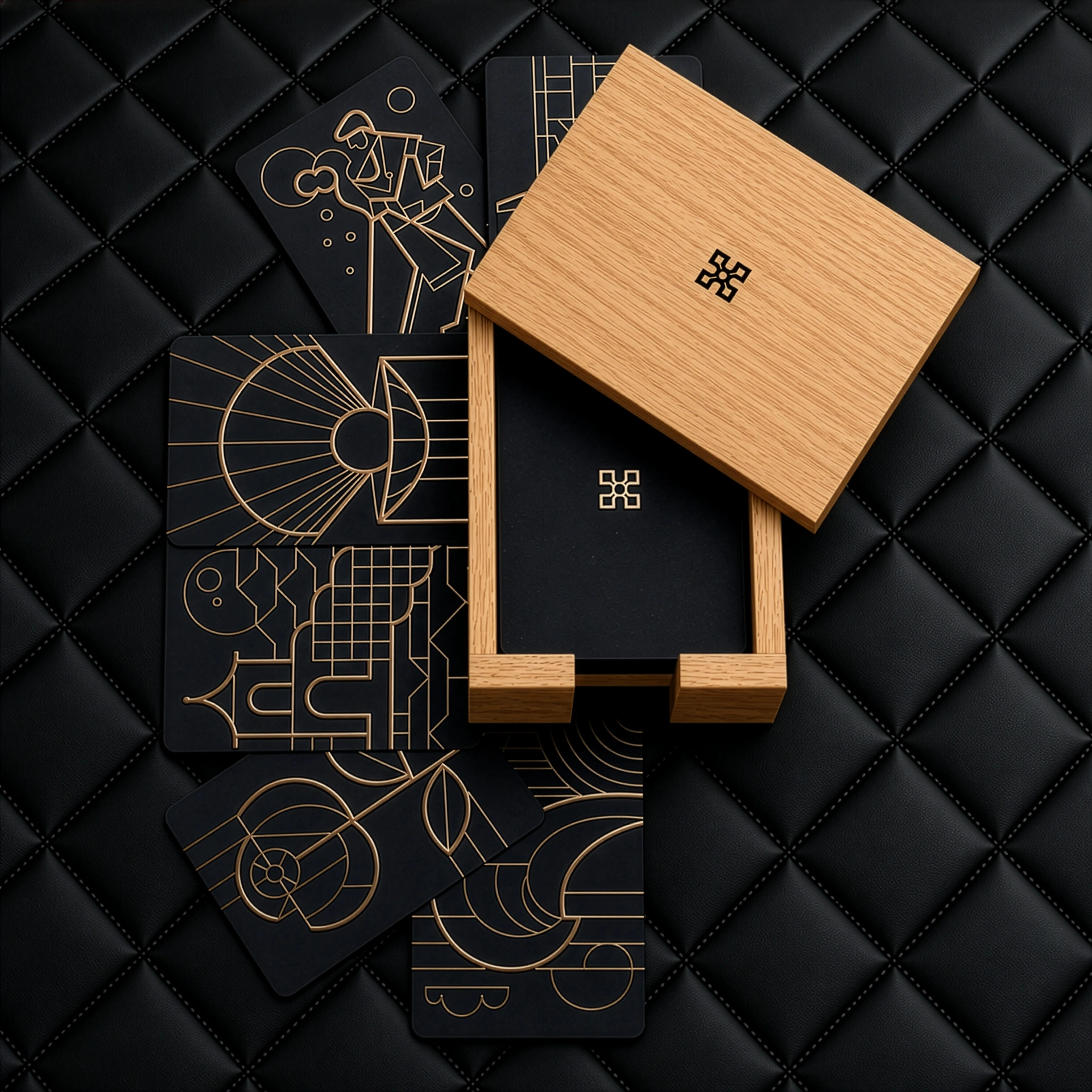
The guest finds in the room not an electronic device but a beautiful welcome card made of solid-dyed black paper. Its surface is adorned with intriguing three-dimensional gilding that resonates perfectly with palatial detail. What the card itself is made of is described by the text Designing guest experience. The true innovation, however, is hidden inside – a microchip integrated into the paper constitutes a discreet portal to the digital world. Bringing a phone close to the card wakes a virtual director, eliminating the need to install any software, which we explore in the article Technology without barriers.
Directed memories and the operating margin
The virtual director's interface does not disturb the guest's peace. It suggests instead where the stucco, the fresco or the palace garden is best captured from – that is, what one cannot see in frame straight away on one's own. This tool simultaneously carries out unobtrusive upselling, encouraging visits to historic wine cellars or the wellness zone. Cloud software stabilizes the recording and applies cinematic color grading, generating Curated Guest Content (CGC) that worthily represents centuries-old heritage. The material remains under the guest's control, and the brand publishes it solely with their consent.
When a guest shares such material with friends, it carries one more thing: a button built into the player that allows a stay to be booked without leaving the video postcard. This discreet path generates Direct Booking, allowing the property to keep the booking's value, which OTA commission usually consumes. This translates into the Gross Operating Profit Per Available Room (GOPPAR) indicator and, in historic properties, into a faster return on a costly renovation. A precise account of these benefits can be found in the material Direct bookings in premium hotels.
A holistic ecosystem in the service of heritage
Integration with the world of quiet luxury is not limited to cards alone. To cleanse a historic space entirely of ill-fitting electronics, managements may reach for the animated matter offered by Odoardo Soul™. The use of discreet solutions built into solid oak allows communication with the staff and the ordering of services without a single button, which the text Discreet AI in historic hotels and palaces describes precisely.
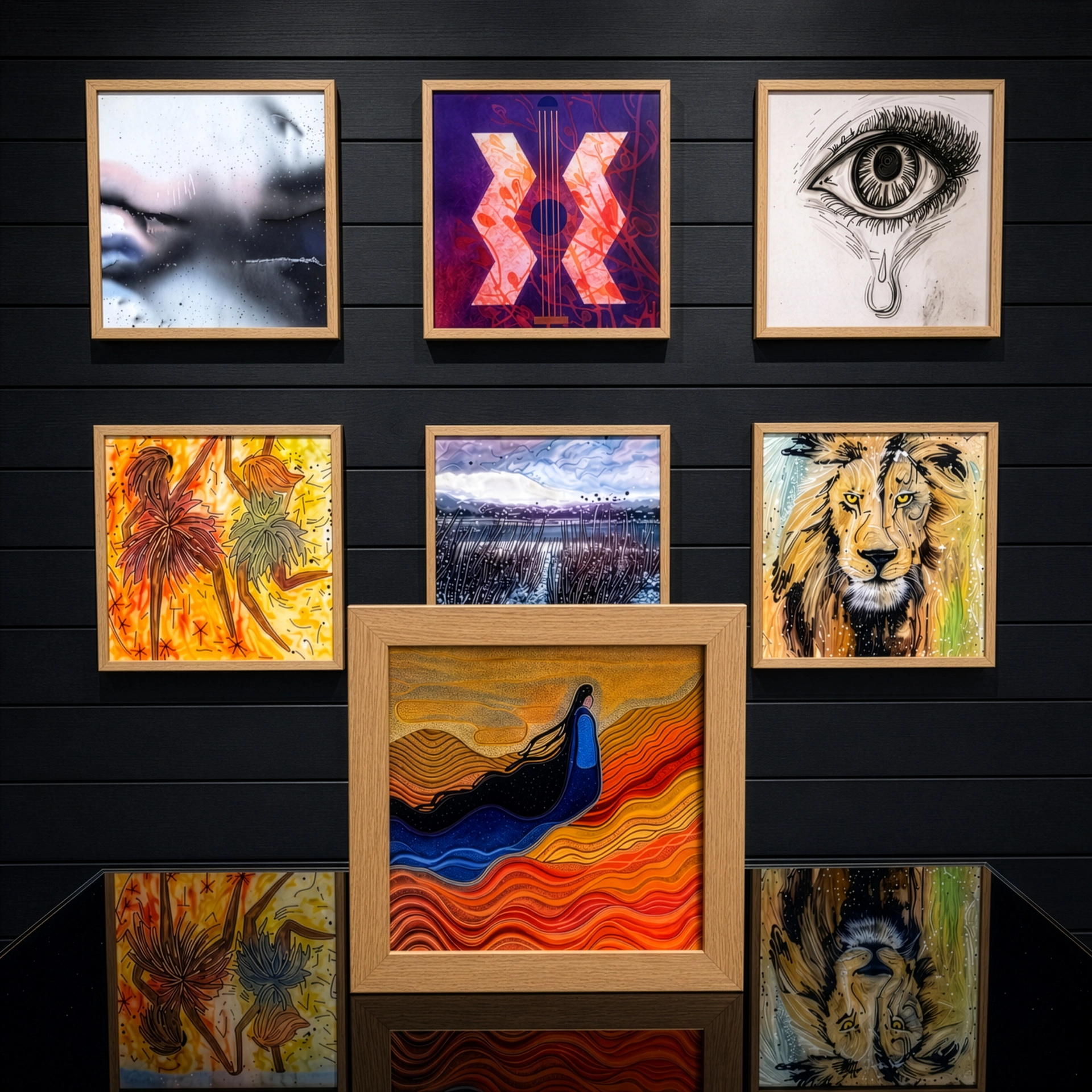
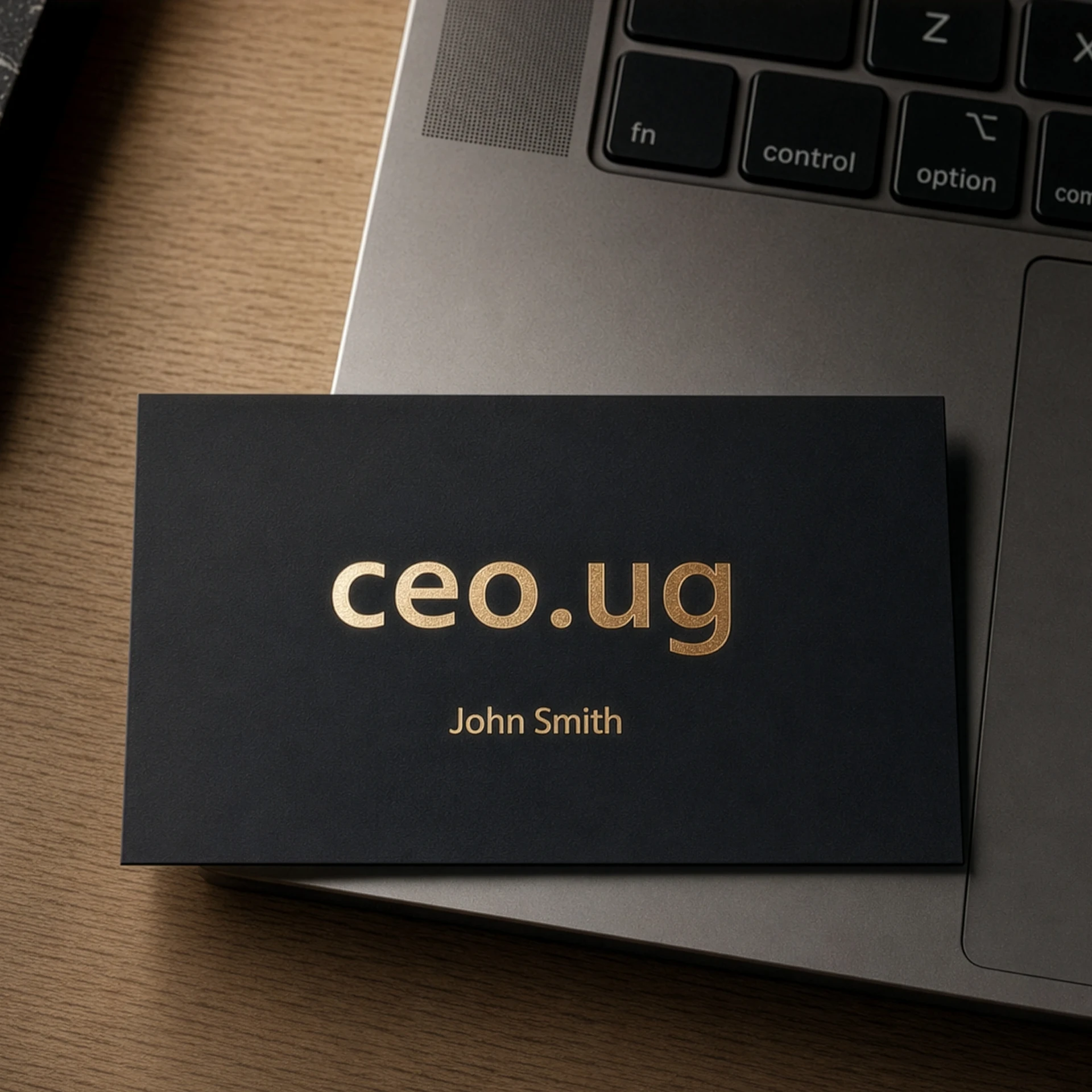
The right mood for conversation in palace libraries is cared for by the tools of Odoardo Alibi™, which give a reason to begin a harder subject, while corridors difficult to arrange can gain new life thanks to rotating works from Odoardo Art™ – how to do this without drilling into historic walls is shown by the text An interior metamorphosis without renovation. The crowning of a coherent brand is its address online: a distinctive address from the Odoardo Space™ portfolio, reserved for one property, completes its prestige online too.
The crux of deploying modern systems within historic walls is captured by the creator of the Odoardo™ ecosystem:
“Homage to historic architecture is the creation of technology that is able to disappear completely. True innovation in palatial interiors emits no artificial light and requires no cables – it hides in noble matter, waking to life only at the guest's express wish, so as to protect the profitability and the majesty of the place discreetly.”
The joining of black paper with haptic gilding becomes, in a historic property, something more than an information card. It is proof that guest service in the twenty-first century need not leave a single cable in a historic room.
In such interiors technology has one task: to leave no trace behind.
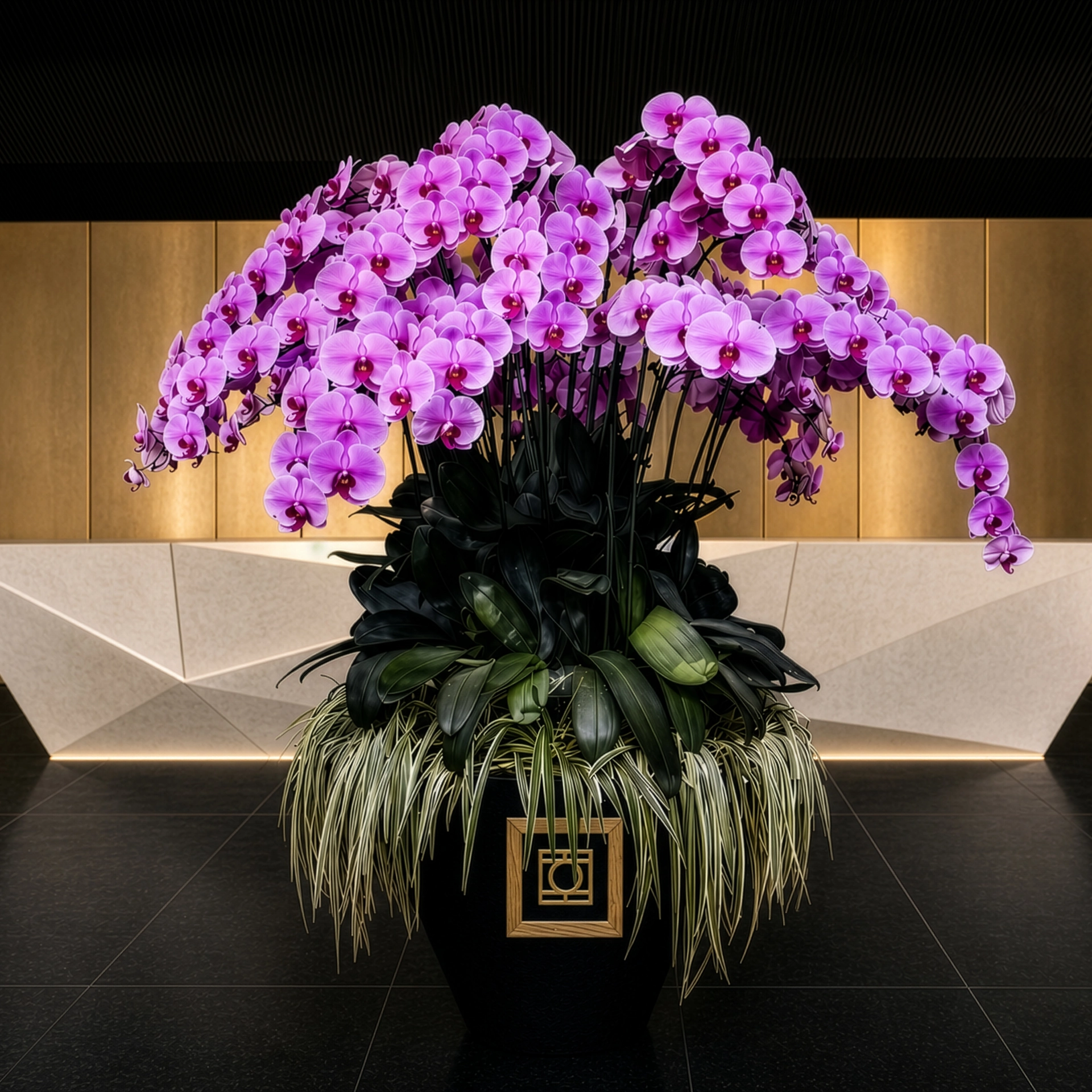
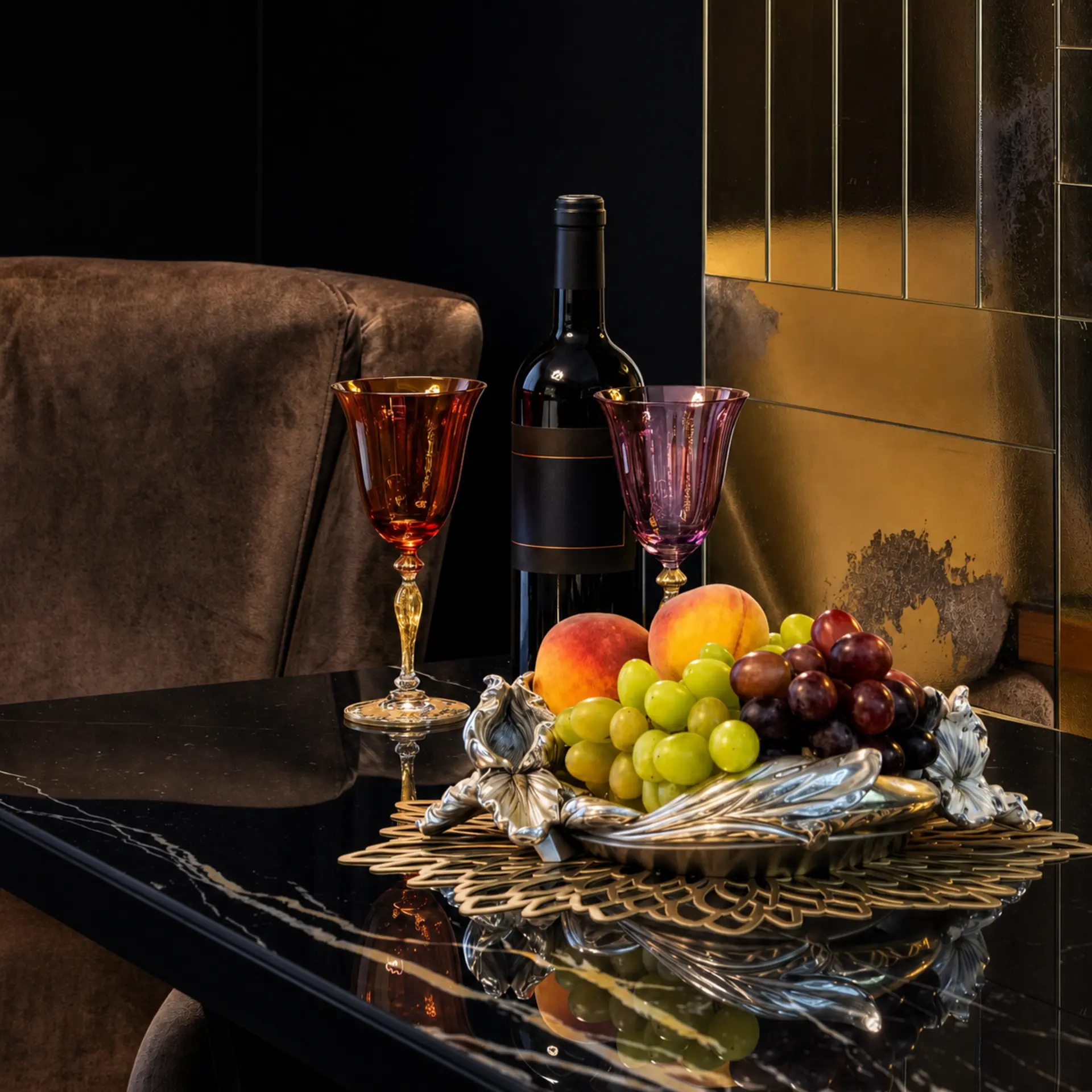
 Odoardo Soul™
 Odoardo Alibi™
 Odoardo Art™
 Odoardo Space™