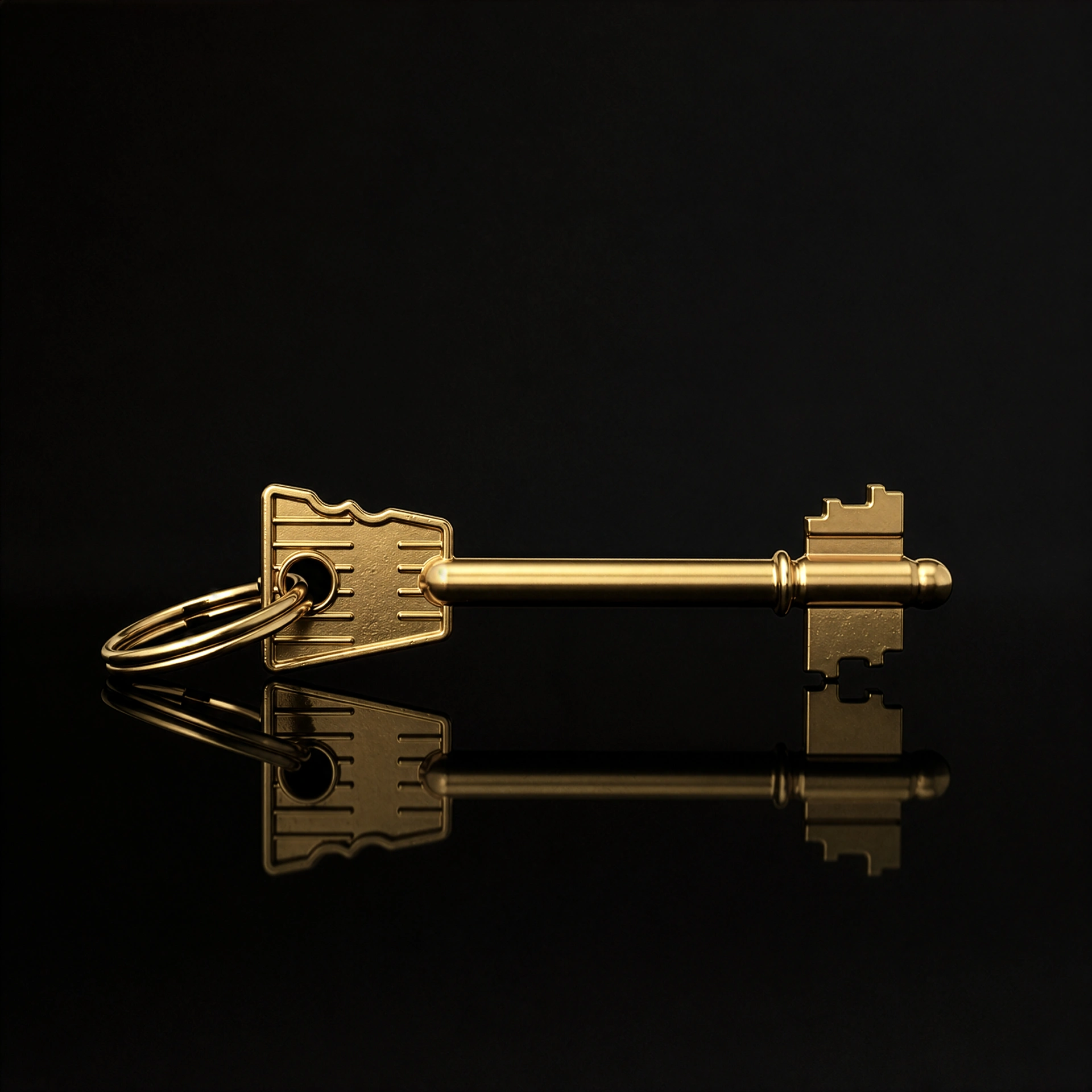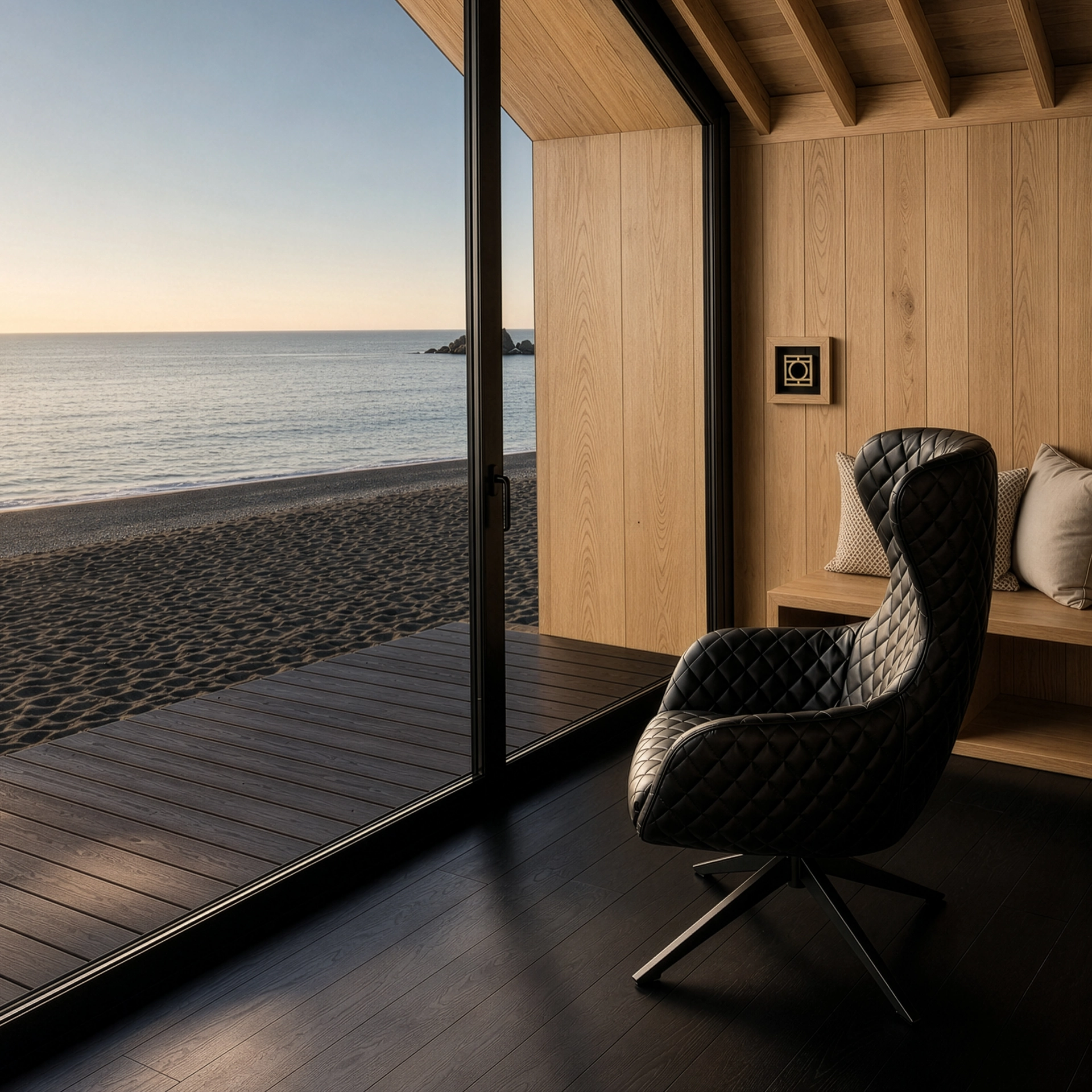
In a luxury suite at sunset, light flows perfectly around textures selected by architects. The guest, enchanted by the view, reaches for a smartphone to keep the moment. On the face of it this is an innocent, natural reflex. Yet from the perspective of a high-end brand, in that fraction of a second an enormous collision occurs between effort and digital reality. A stunning space is reduced to a shaky, badly exposed vertical video with a random, color-deforming filter laid over it. A memory which was meant to convey the artistry of a five-star hotel turns online, not infrequently, into anti-advertising, irrevocably losing its select character.
The chasm between experience and the amateur lens
For top-class properties, relying on visitors' spontaneous enthusiasm can be an extraordinarily risky strategy. Technically weak, uncontrolled User-Generated Content (UGC) rarely conveys the scent of expensive oils in the wellness zone or the perfect texture of crafted furniture. Worse still, publishing such material sets future clients' expectations lower than the property's standard would warrant, which we write about at greater length in the article Curated Guest Content (CGC).
A weak visual image quickly translates into real financial challenges. Clients, seeing an imperfect picture online, may question the value of a future stay, which creates dangerous pressure to lower nightly rates. That mechanism and the ways of avoiding it we describe in the publication Defending the ADR. Real luxury demands care for every detail – including the digital one. The answer to that need therefore becomes an evolution toward the refined Curated Guest Content (CGC) format.
Invisible direction and the cinematic standard
Instead of discouraging guests from reaching for their phone, a property can discreetly take on the role of virtual director. Implementing the cinematic standard lets hotels offer a tool that raises the quality of the memories created to the rank of an elegant piece of film, giving guests room to build their own image at the highest level.
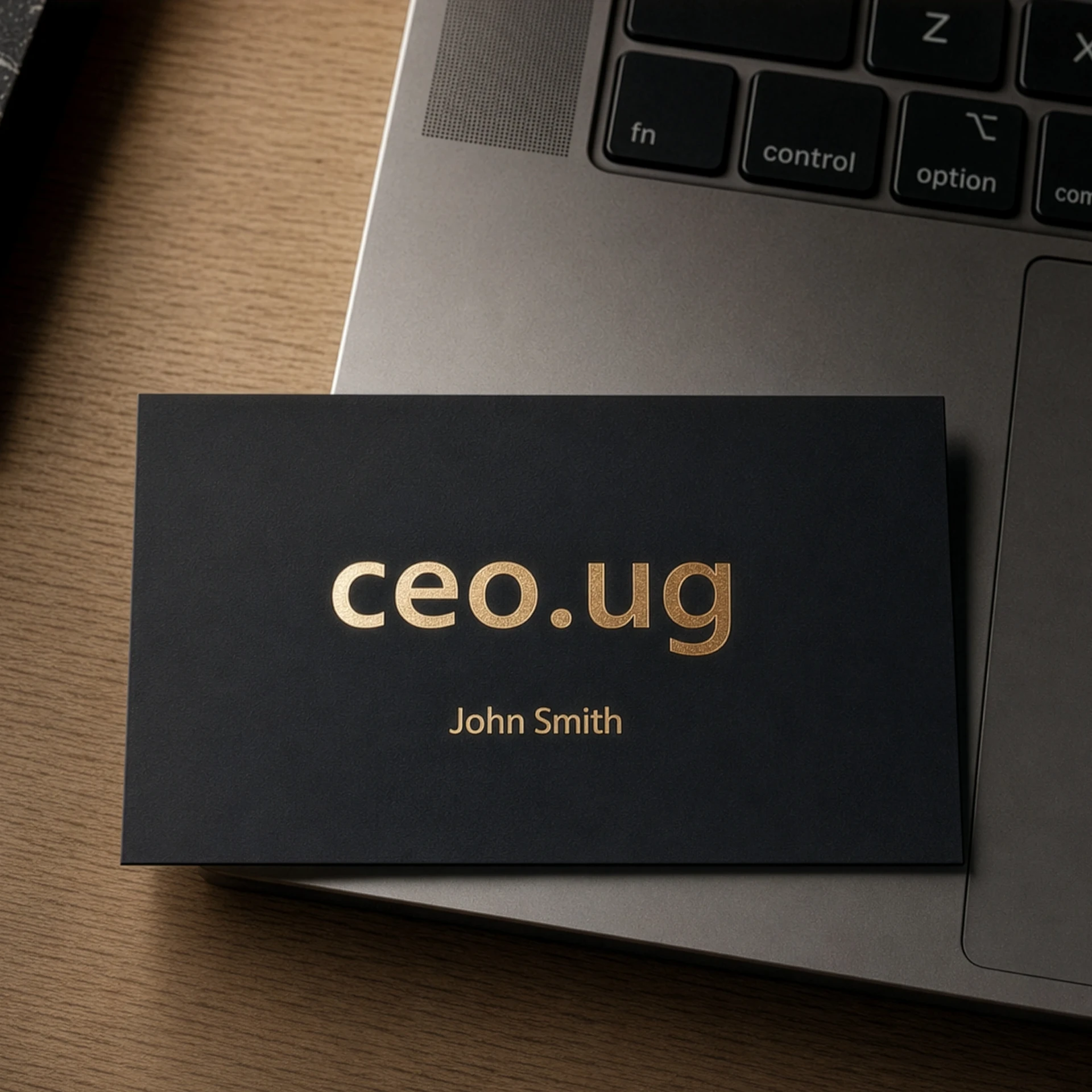
The infrastructure of Odoardo Lens™ begins with a single object. In selected places in the property and in the suite itself, the guest finds a welcome card of black, solid-dyed paper, with haptic, three-dimensional gilding. On the power and psychology of that first impression one can read in the text Designing guest experience.
Bringing a phone close to the microchip hidden in the card allows the burdensome process of downloading mobile applications to be skipped entirely. Before the guest's eyes a cinematic interface appears at once in the browser, guiding them like a discreet script. That tool hints at how to frame a shot perfectly, but it also carries out intelligent, unobtrusive upselling – directing visitors' attention to the zones with the highest margin, such as a boutique SPA or an exquisite restaurant. Material recorded this way goes to the computing cloud, where algorithms stabilize the image's shake, and advanced color grading gives it a depth referring to cinematic aesthetics. Synchronized with licensed music, the video postcard is then ready to be shared.
The return on investment in digital emotion
A well-edited visual story has a very concrete financial effect for a hotel. Every piece of material shared by a guest is embedded in the property's subdomain and enriched with a discreet button inviting viewers to check room availability. The guest's friends, enchanted by a cinematic story from a prestigious place, land straight in the sales engine.
That directly stimulates the Direct Booking channel, which allows global intermediaries to be bypassed – those with whom hotels leave, under the commission system, a dozen and sometimes more than twenty percent of the amount earned. A broad analysis of that process we present in the publication Direct bookings in premium hotels. Reducing the hidden costs of acquiring a client means a significant part of the net profit returns to investors. Concentrating on real profitability requires a strategic approach, which we describe in the analysis GOPPAR vs RevPAR.
A holistic environment of quiet luxury
Visual perfection online can, however, be barely an extension of physical craft. For a guest's experience in the quiet luxury segment to be fully coherent, implementing the cinematic standard should chime with the remaining elements of the space.
Besides directing the image itself, it is worth hotels caring for their market authority by reserving for themselves a distinctive address from the portfolio of Odoardo Space™ – the role of such an address is described by the text The cheap address trap. A space gains in singularity by animating objects and furniture with the microchip of Odoardo Soul™, which eliminates plastic screens and visible cabling, about which we write in the material Animated space in five-star hotels. Including rotating art from Odoardo Art™ in the hotel's fabric, in turn, justifies the pricing of a stay, which the article How do you raise hotel guests' NPS? develops.
As the creator of the Odoardo™ ecosystem stresses when building premium products:
“Directing a memory does not consist in telling a guest what to feel. It consists in handing them a frame, light and rhythm, and leaving the rest to them. The guest is to leave convinced they did it themselves – because they really did do it themselves.”
Effectively directing memories is today one of the most refined forms of modern marketing. It is an art in which a luxury hotel hands the guest the tools needed to build their own status on the internet, gaining in exchange an authentic ambassador of the brand.
Cinematic quality here is not a filter applied at the end, but a condition set at the start.

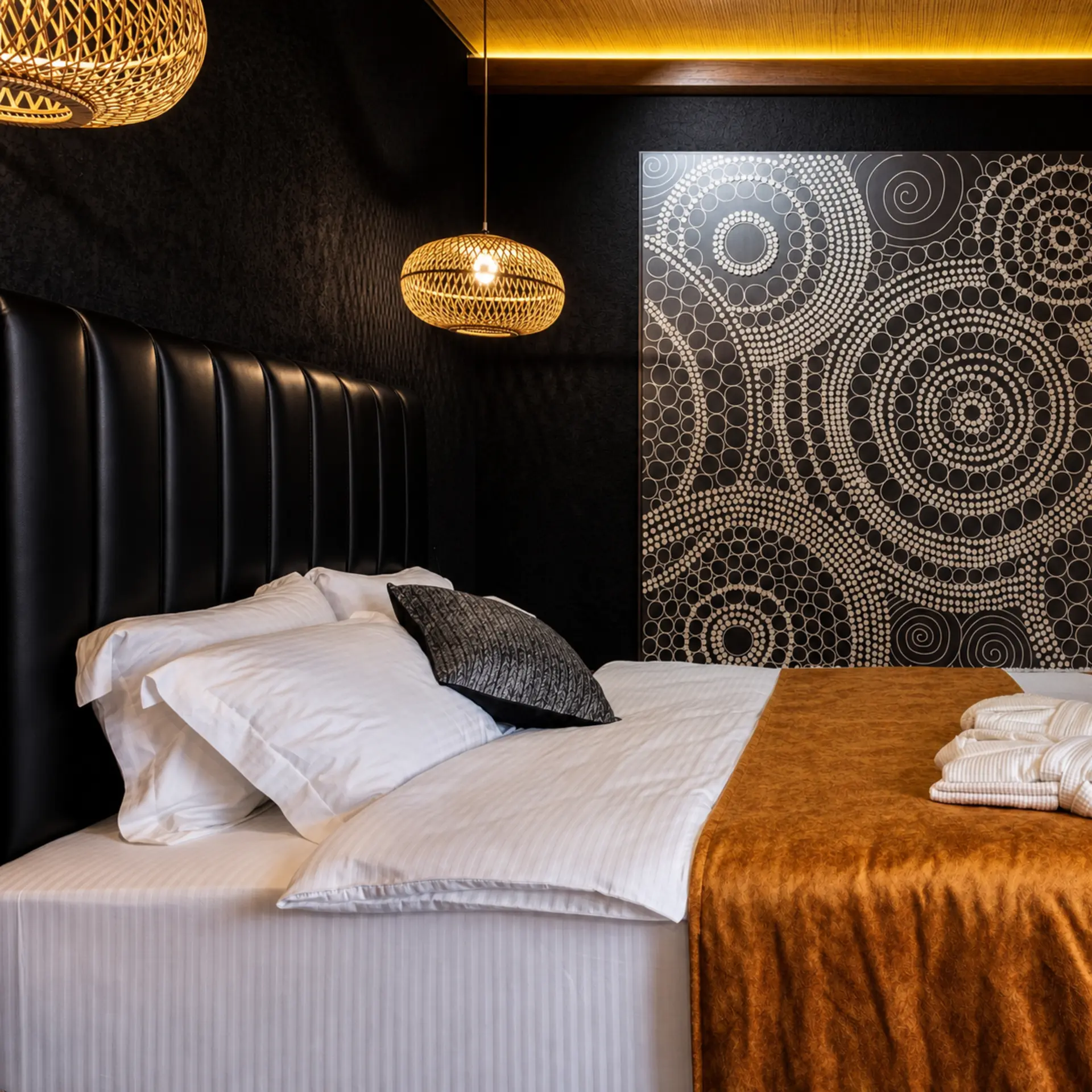

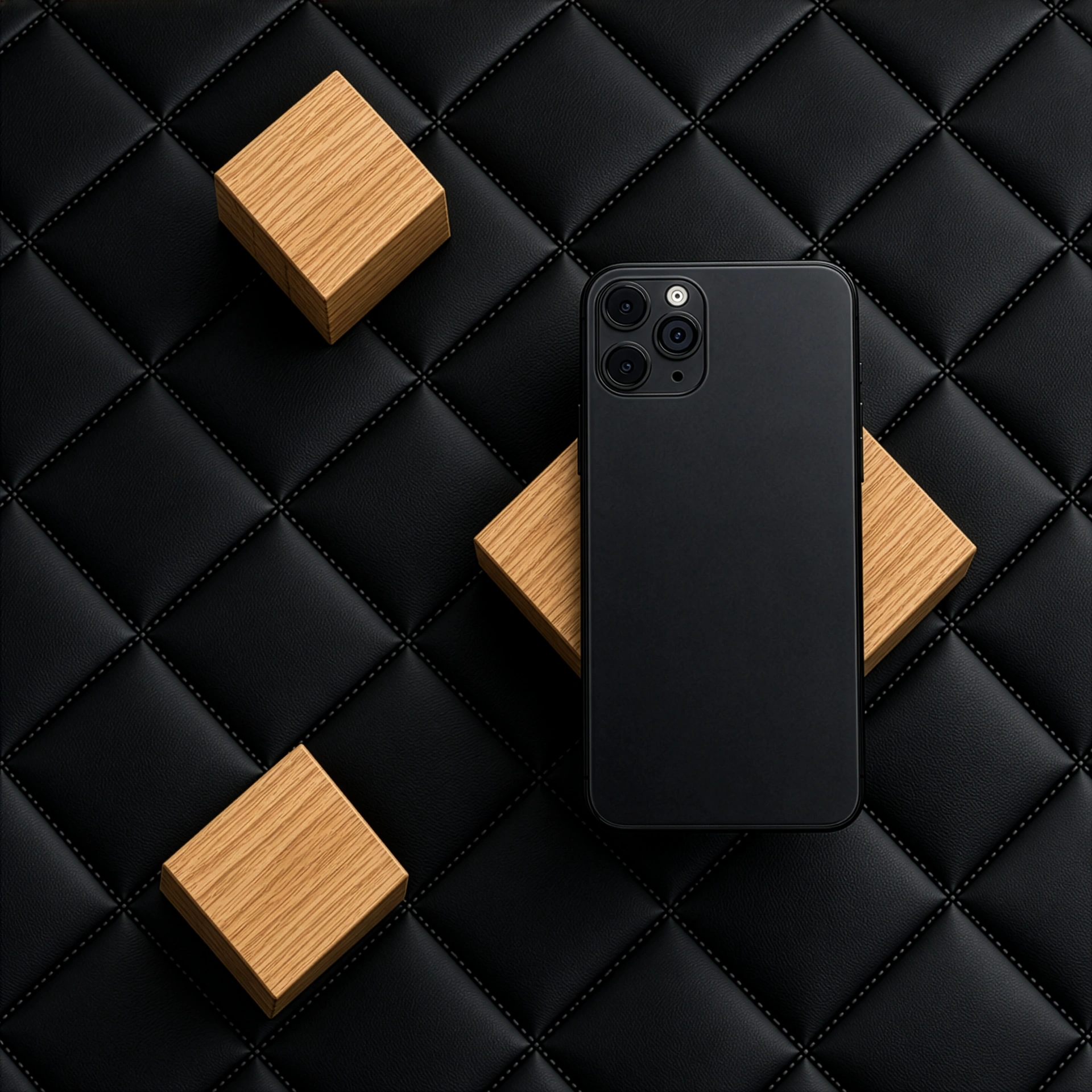 Odoardo Soul™
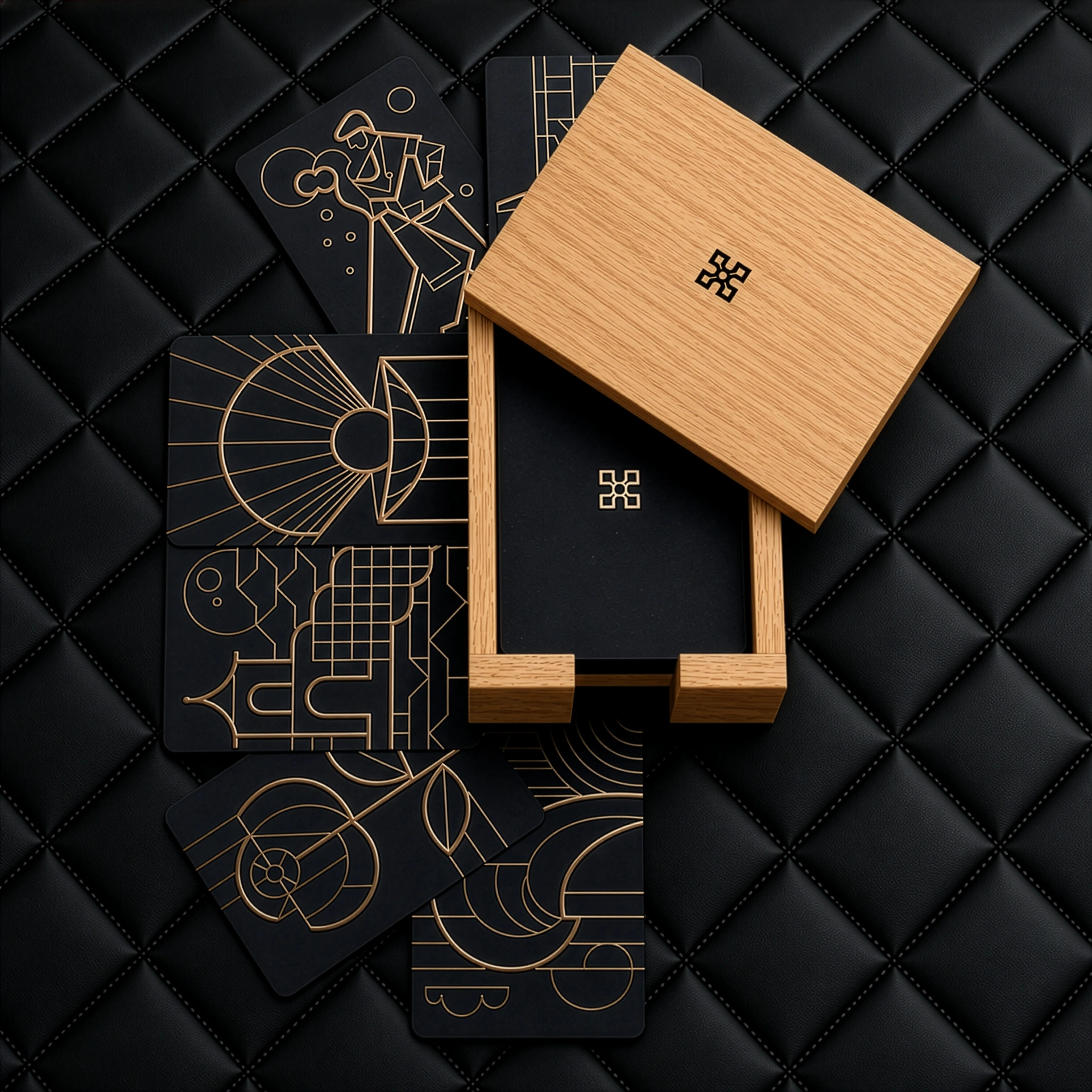 Odoardo Alibi™
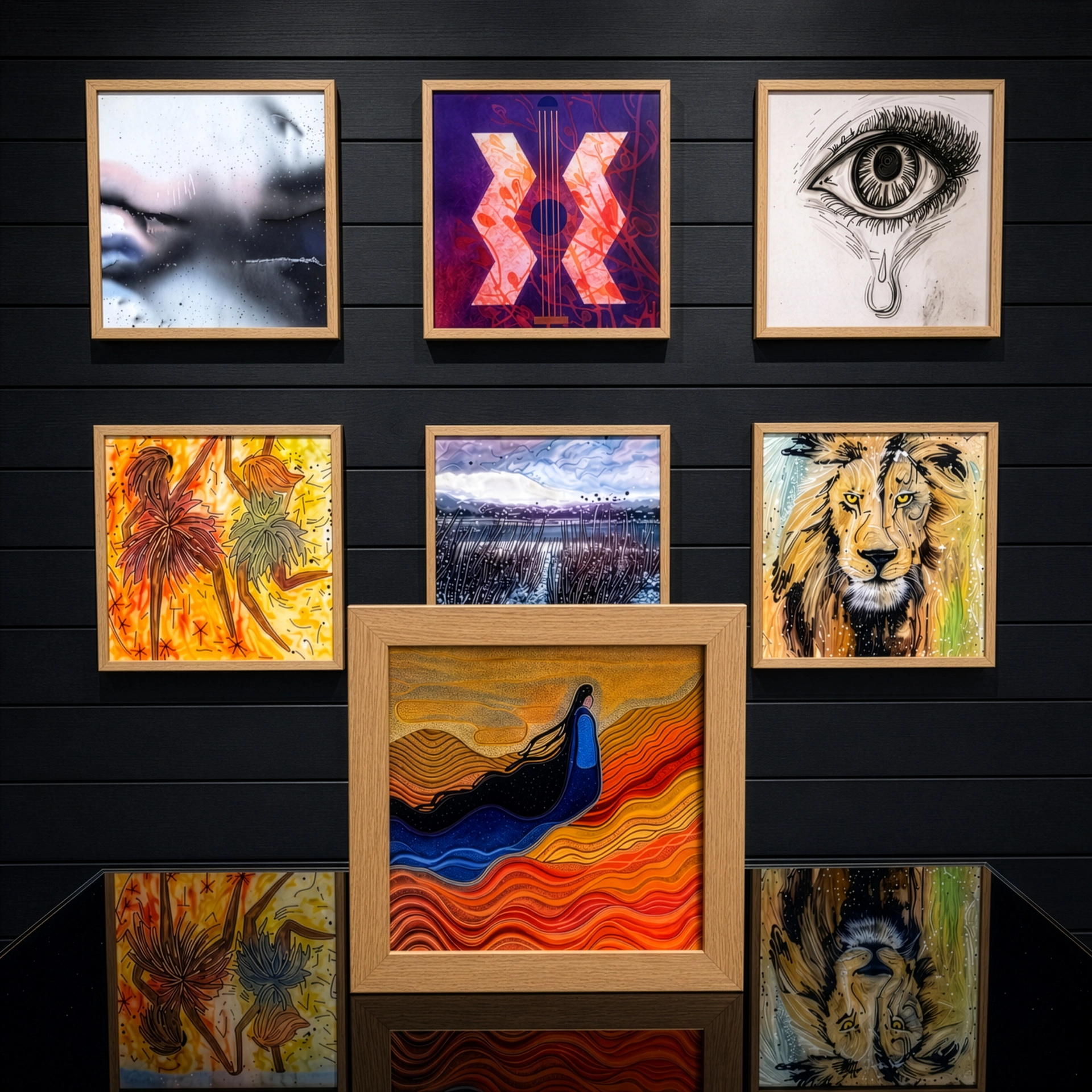 Odoardo Art™
 Odoardo Space™