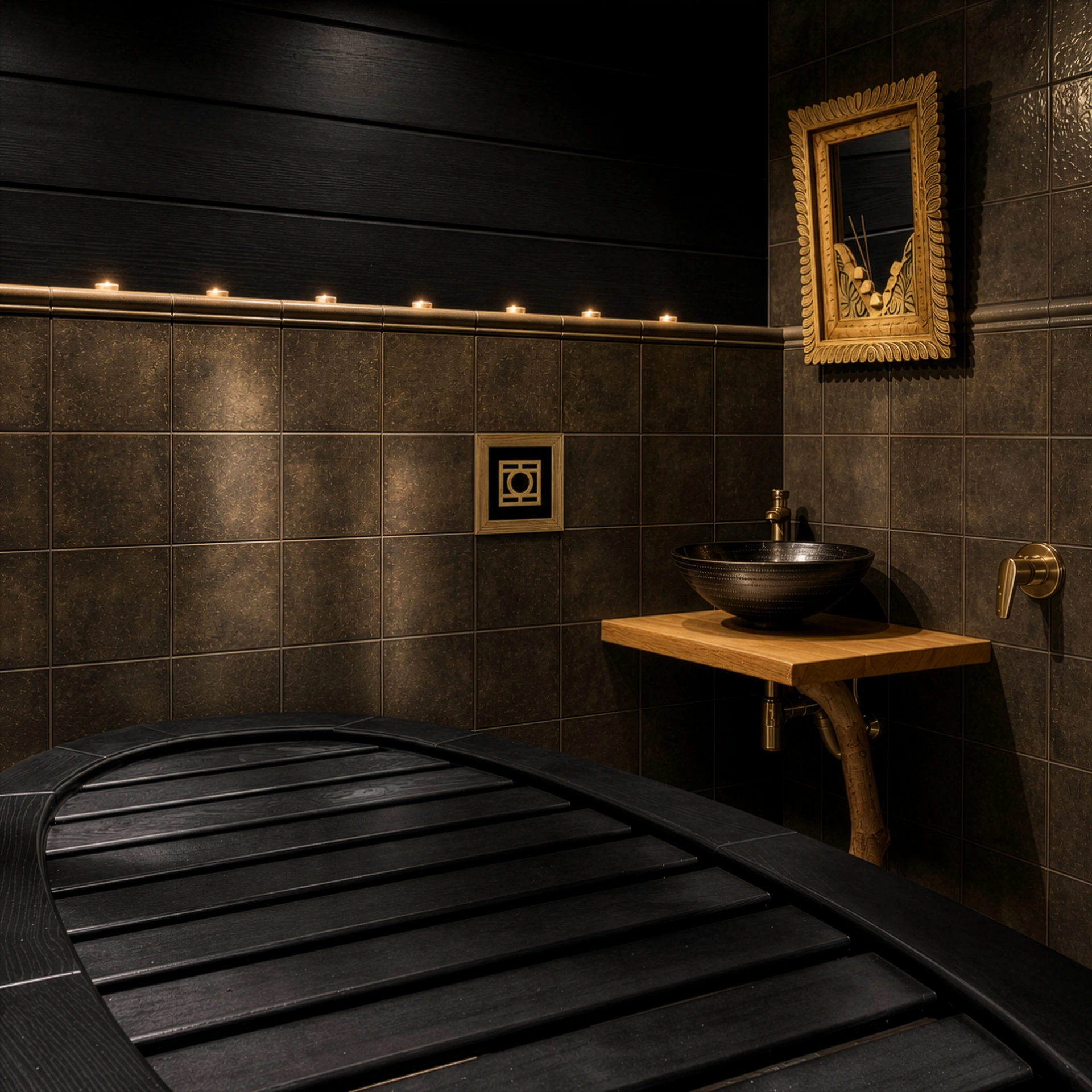
Let us imagine impressive, multi-million investments in boutique wellness zones and signature dining concepts. Despite the use of craft of the highest order and noble materials, the board notices a certain market paradox. Visiting guests most often photograph and film themselves in… the hotel lift or by the large mirror in the main lobby. From the point of view of hard business, these most frequently captured places generate exactly zero margin. Meanwhile the spaces that genuinely drive the hotel's profits – fine dining restaurants or elite spa treatment rooms – often remain in the digital shade. Why does this happen? Most often the reason is the lack of strategic planning of those zones for the aesthetics of a smartphone lens.
Mapping and identifying hidden profits
Understanding where a guest will reach for their phone unprompted is the first step to putting that place to work. In the hospitality industry the highest margins lie in additional services, not in the room night itself. The problem is that amateur User-Generated Content (UGC) in a poorly lit massage room or in a restaurant with an inappropriately arranged background usually looks unattractive. An affluent client will give up sharing such material for fear of their own image online. How destructively imperfect shots affect a brand's prestige we recall in the article Curated Guest Content (CGC).
To stimulate unobtrusive upselling, one must first identify the hotel's so-called “golden zones” – places where aesthetics naturally meet a high-margin service. Proper direction of light, the choice of textures and the exposure of the space's key points stand a chance of encouraging guests to capture exactly those areas. The effect is simple: frames arise where the hotel actually earns, not by the lift.
The scenography of profitability in dining and wellness
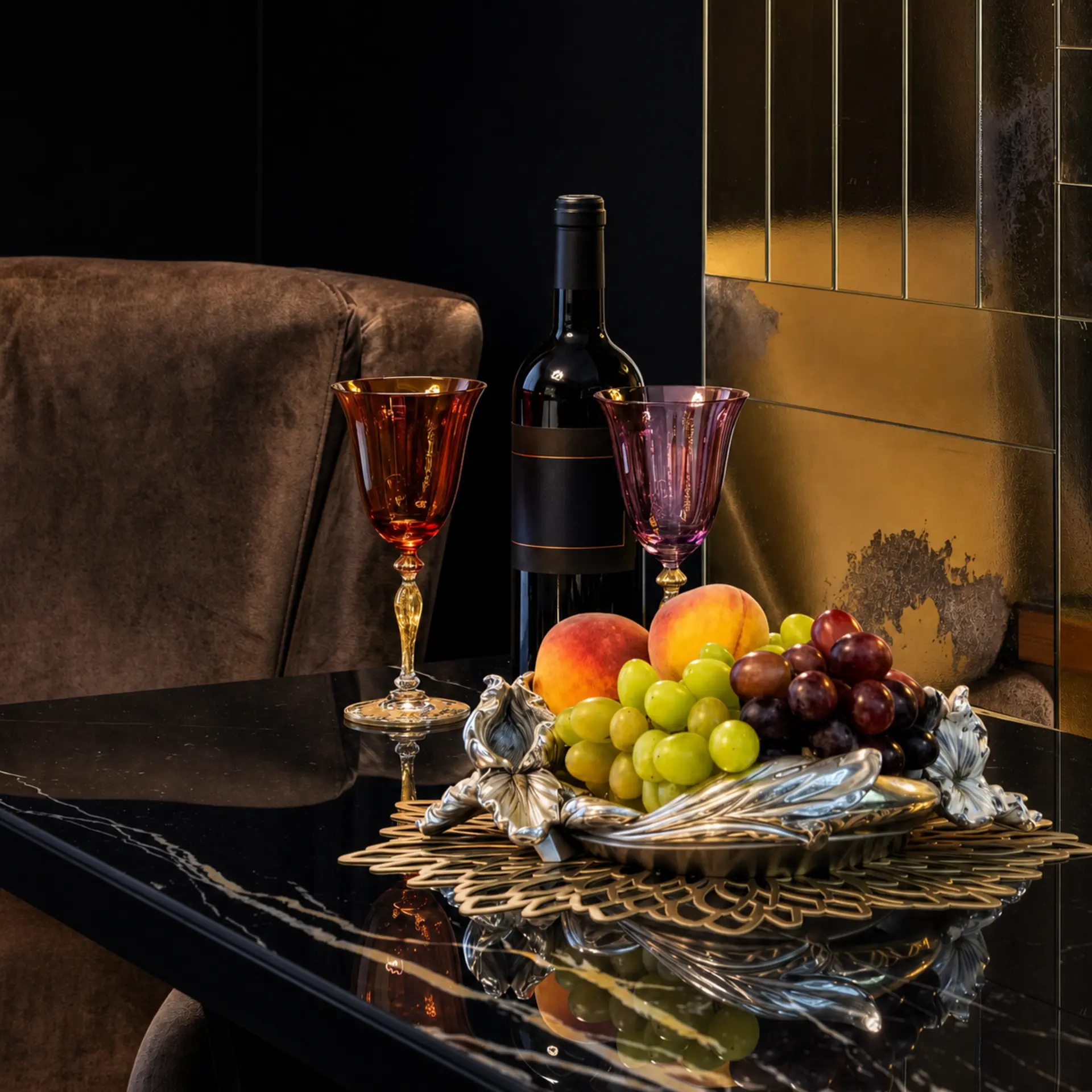
Arranging for the lens does not mean turning a hotel into a garish photographic studio. In the philosophy of quiet luxury it is discretion that constitutes the highest value. In F&B (Food & Beverage) zones it is worth taking care of precise, point lighting of the tables, which will bring out the texture of the dishes served, leaving the background in an elegant, cinematic half-light. An empty wall behind a table is wasted potential – integrating it with a rotating, authorized collection in cooperation with Odoardo Art™ builds a deep and intriguing backdrop for recordings. The full correlation between décor and client engagement is discussed in the text Art in fine dining restaurants.
Aesthetics alone, however, are not everything. For a guest actually to film the process of serving wine or the details of a spa treatment, they must be given a script. By implementing the cinematic standard, managers introduce into the space discreet, haptic anchors – for instance on oak side tables or at the wellness reception. These elements are fully integrated with the infrastructure of Odoardo Lens™.
Bringing a phone close to such an anchor wakes a virtual director. The guest does not have to invent frames; the system prompts them to capture the stream of poured wine or the steam rising above the thermal zone. Cloud algorithms take over the role of the editor, stabilizing the material and applying cinematic color grading to it. The Curated Guest Content (CGC) that arises this way conveys the full prestige of the service and remains under the guest's control – the brand publishes it solely with their consent.
From sharing to a commission-free booking
Directing the visual side of a stay translates very concretely into the accounts. The finished video postcard, embedded in a dedicated player, reaches social media before the guest has even left. There is an aesthetic, embedded button there. The friends of an affluent guest, inspired by their account of a perfect spa, can check the property's availability and complete the transaction in one click.
This precisely arranged chain of events initiates Direct Booking. The hotel thereby bypasses the global OTA intermediaries, keeping the whole value of the booking. Every such direct conversion raises Gross Operating Profit Per Available Room (GOPPAR). Why this matters so much for a luxury brand's long-term position is explained in the article Direct bookings in premium hotels. The influence of bypassing intermediaries on the profit from each additional room night is also explored in the material GOPPAR vs RevPAR.
The intelligent architecture of experiences
Designing profitable spaces forces holistic thinking about the environment. So that a guest is not thrown out of the high-end aura, they must be protected from the visual noise of electronics. By introducing into suites and relaxation zones the animated oak interfaces from the Odoardo Soul™ range, a hotel eliminates the need for plastic screens – this is described in the text Designing lounge areas without visual noise. Club rooms can be equipped with tools that stimulate longer conversations using Odoardo Alibi™, of which we write in the material The lounge in a luxury hotel and spa. At the digital level, a distinctive address from the Odoardo Space™ portfolio, shared with nobody, gives the work put into image an address of its own, under which no aggregator can present itself.
How fluidly matter and technology ought to interpenetrate is stated plainly by the creator of the Odoardo™ ecosystem:
“The architecture of luxury is where a space stops needing a plaque with instructions, because it prompts by itself where to look at it from.”
Arranging the most profitable zones is not a matter of aesthetics but of arithmetic. If the restaurant and the wellness zone look as good in frame as they do in reality, the guest has a reason to show them – and the hotel has a booking out of it.
The zones that most often end up in frame we set out in Odoardo™ research.
 Odoardo Soul™
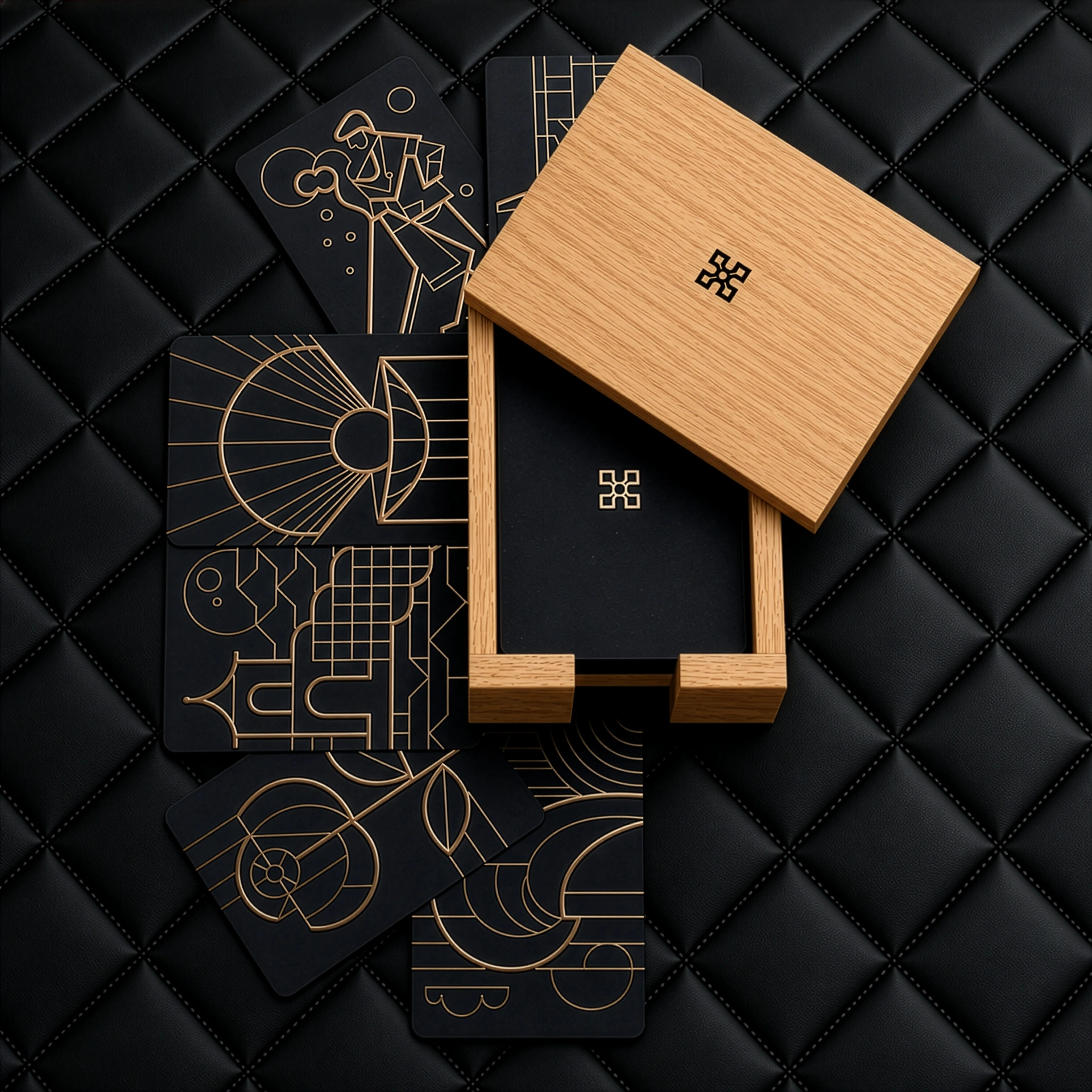 Odoardo Alibi™
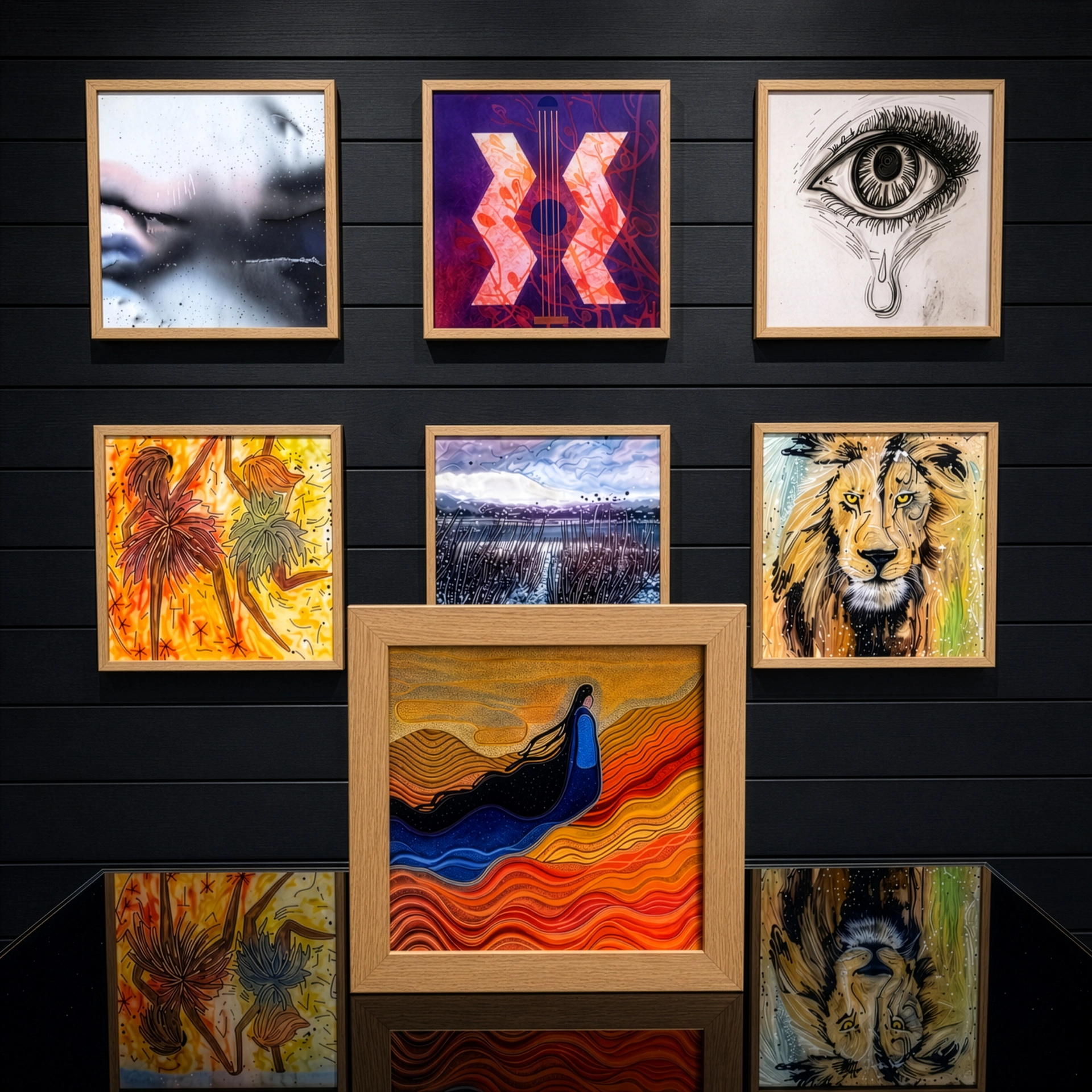 Odoardo Art™
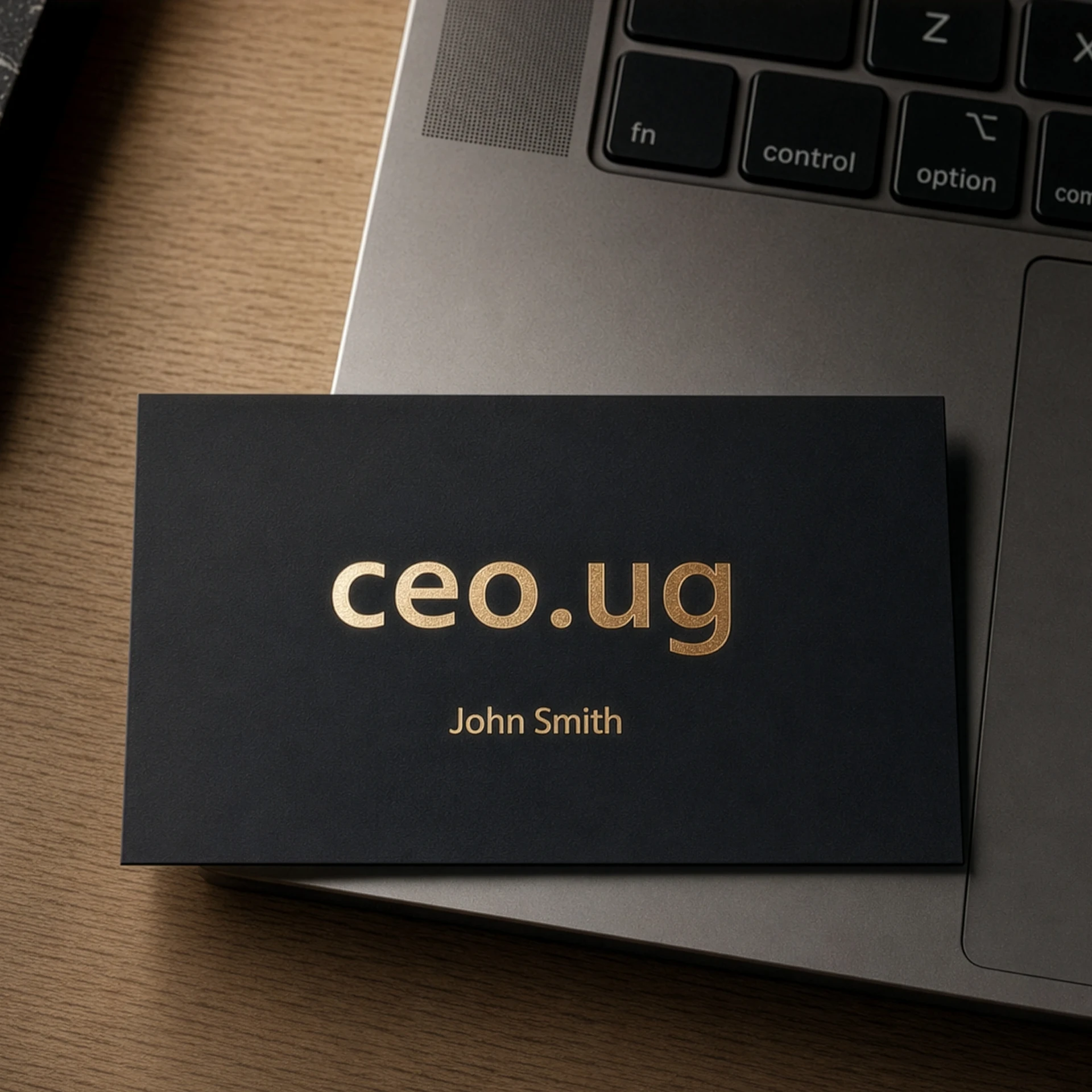 Odoardo Space™