Picture an established director searching for a raw, authentic location for his latest high-budget thriller. His location scout leads him into a nineteenth-century abandoned spinning mill. The director expects the majesty of rust, the patina of time and the play of light on cast-iron columns. Crossing the threshold, however, he feels deep disappointment. The property has undergone commercial “revitalization”: plastic cable trunking hangs on the old brick, the floor has been covered in generic resin, and the historic gloom has been destroyed by aggressive, even light from LED strips. A space that had a soul has become another characterless event hall.
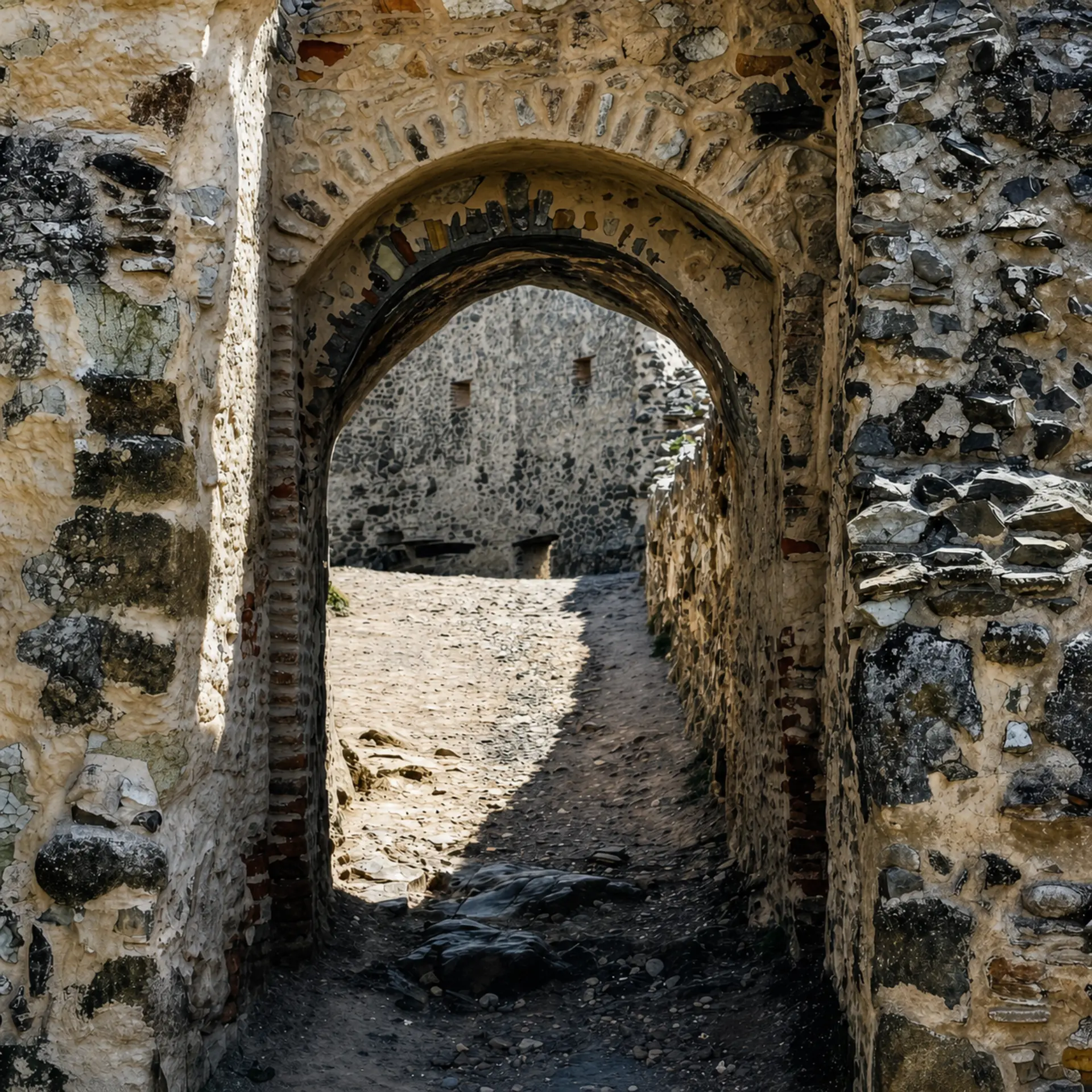
With post-industrial film locations, the value of a space often arises from the preserved traces of its original function: authentic materials, natural patina, monumental scale and the imperfections that give a frame its character. An adaptation that erases those elements or replaces them with generic solutions can weaken a property's genius loci and limit its appeal to productions looking for a credible, distinctive setting.
Owners of old factories, breweries and power stations face a fundamental choice. They can submit to market pressure and create cheap spaces for mass events, or take the direction of visual sovereignty – protecting rawness and offering it as an elite, directed setting.
Rawness as a design decision
Understanding that an absence of finish can be the highest form of luxury is the foundation of the philosophy advanced by the creator of the Odoardo™ ecosystem, dr hab. inż. Marcin Jamro. Weaving innovation into historic fabric is, in his view, an exercise in restraint: the winning solution is the one nobody notices once the work is done.
“Industrial architecture does not need beautifying. It demands respect. When we hang modern displays and cables on hundred-year-old brick, we commit an aesthetic error. The real art lies in concealing powerful technology within raw matter, so that the space remains authentic and ready to receive cameras.”
The answer to the commercialization of industrial heritage is The Filmable Book by Odoardo™. This elite curatorial annual gathers only those properties whose raw aesthetic has not been disturbed. Entering a factory into this independent index gives film producers and fashion houses objective proof that the location holds the highest cinematic standard.
A visual passport: four stages of assessment. What separates the book from paid location catalogs is that a place in it cannot be bought, and the assessment process itself is entirely free. The owner of a property passes through four consecutive statuses, building market standing along the way:
Initiation and architectural detail (status: Submitted). The owner or manager shares just one photograph of the interior. We move away from any requirement for costly panoramic sessions, which often misrepresent reality. What we expect is a shot conveying the raw truth: a shaft of afternoon sun breaking through a dusty factory window, a close-up of a patinated copper pipe, or the deep shadow cast by a steel truss. The frame goes to curatorial review. The public profile, the spread stamped with its status and the materials for sharing are created only upon nomination.
Raw curatorial assessment (status: Nominated). The submitted detail goes for manual analysis by a team of experts. Curators verify whether the space has genuinely resisted visual pollution. Awarding the gold seal tells the creative industry one thing: a frame from this place holds up without aggressive post-production.
The voice of urban explorers (status: Distinguished). To consolidate its position in the annual edition, the location must gather 500 unique visits to its official profile. It is a reason to turn to enthusiasts of the city's history, photographers, investors and architects. The matter concerns a building most of them know – and whose fate they asked about before we did.
The elite of industrial heritage (status: Laureate). From among distinguished spaces the jury selects the outright winners. They receive a certificate in a hand-made oak frame, ideal for display in the manager's office, and gain two additional pages in the book for an exclusive interview. That allows a free, four-page presentation of the vision behind the protection of the place.
The ecosystem that protects authenticity
Confirming the cinematic potential of a post-industrial location is an excellent reason to introduce technology from the quiet luxury current. When film crews or VIP guests document activity behind the scenes at a factory, the virtual director Odoardo Lens™ guides their footage through curated frames with raw color grading – the principle is described in The role of lighting and color grading. Publication takes place solely with the consent of whoever is recording.
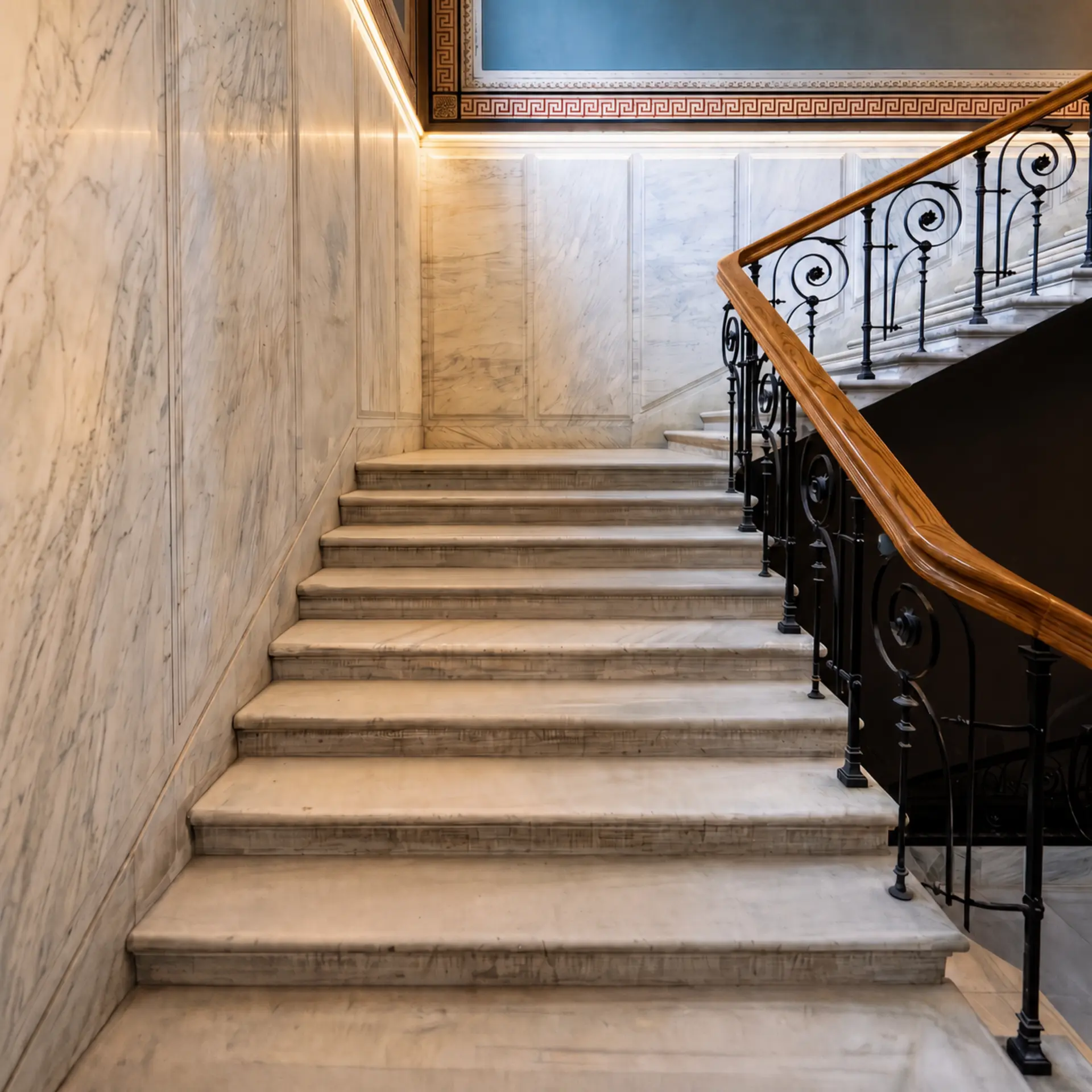
To conceal the power, remotely controlled lighting and security systems that any set requires, the animated matter of Odoardo Soul™ is deployed. In a bespoke deployment it integrates control directly into raw wood, corten or architectural concrete, freeing historic brick from plastic – the same way of working with historic fabric is described in Discreet AI in historic hotels and palaces.
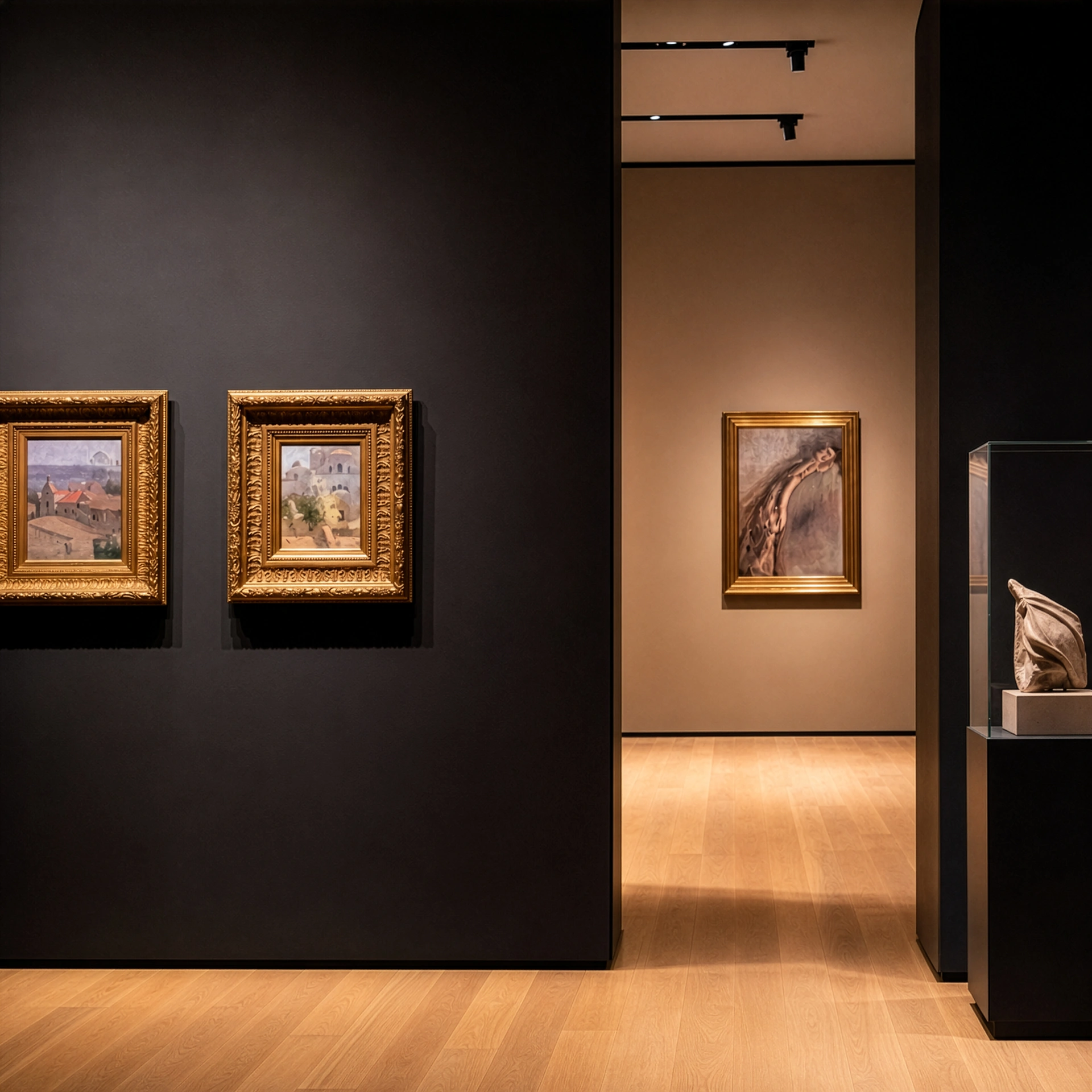
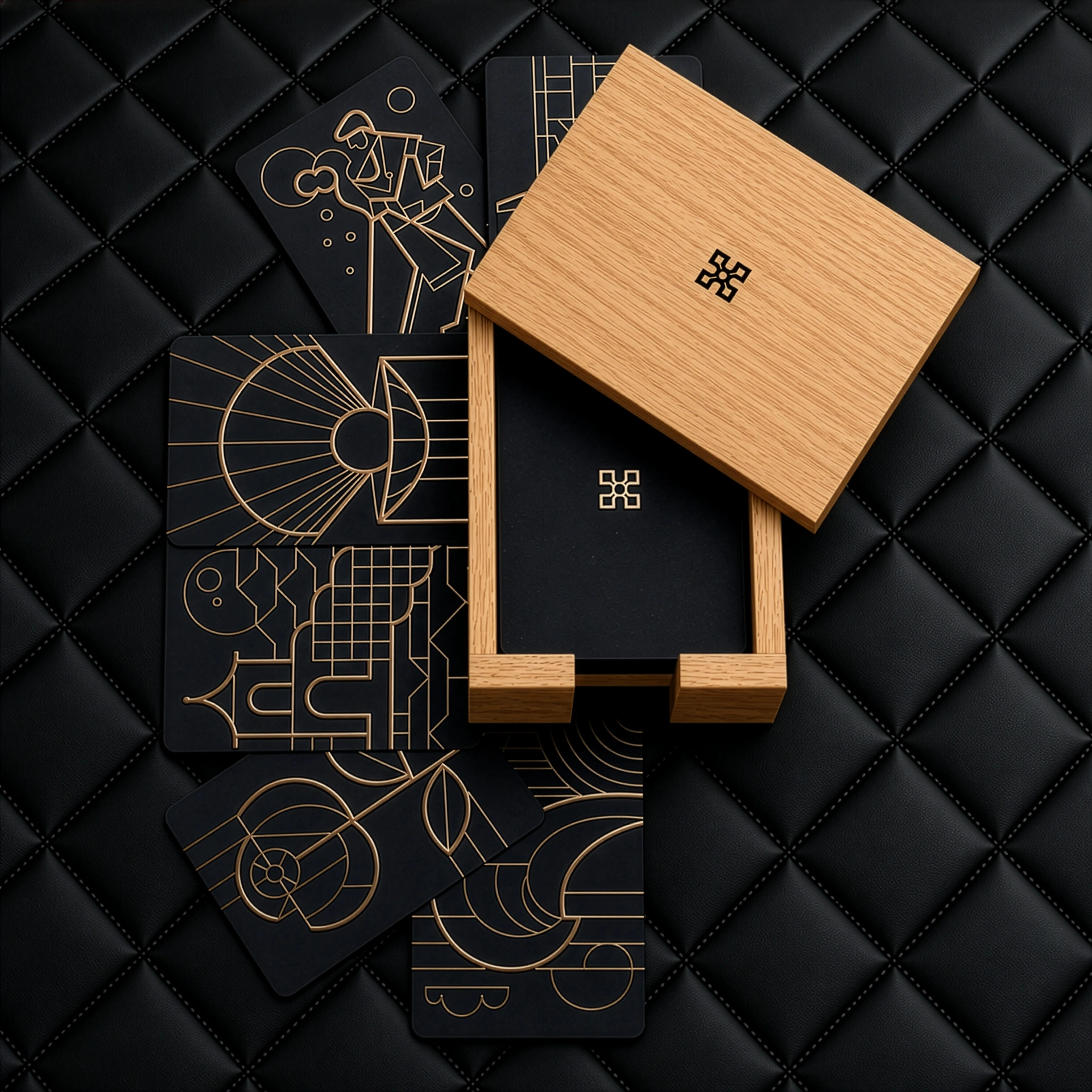
Great post-industrial halls are natural galleries – enriching them with large-scale works from Odoardo Art™ raises their value in guests' eyes, which we cover in How to start collecting contemporary art. In intimate director's lounge areas, the oak conversation tools of Odoardo Alibi™ prompt producers to put down their phones – developed in The phenomenon of continuous partial attention. This identity is crowned by a premium address from the Odoardo Space™ portfolio, taken exclusively.
For the manager of a factory or a former power station, an entry in the book changes one thing in conversation with a production: the property stops being “an old building to look at” and becomes a location with a documented condition.
Factories present in the book are listed in Odoardo™ research. Private palaces and the property market are moving in the same direction.
 Odoardo Soul™
 Odoardo Alibi™
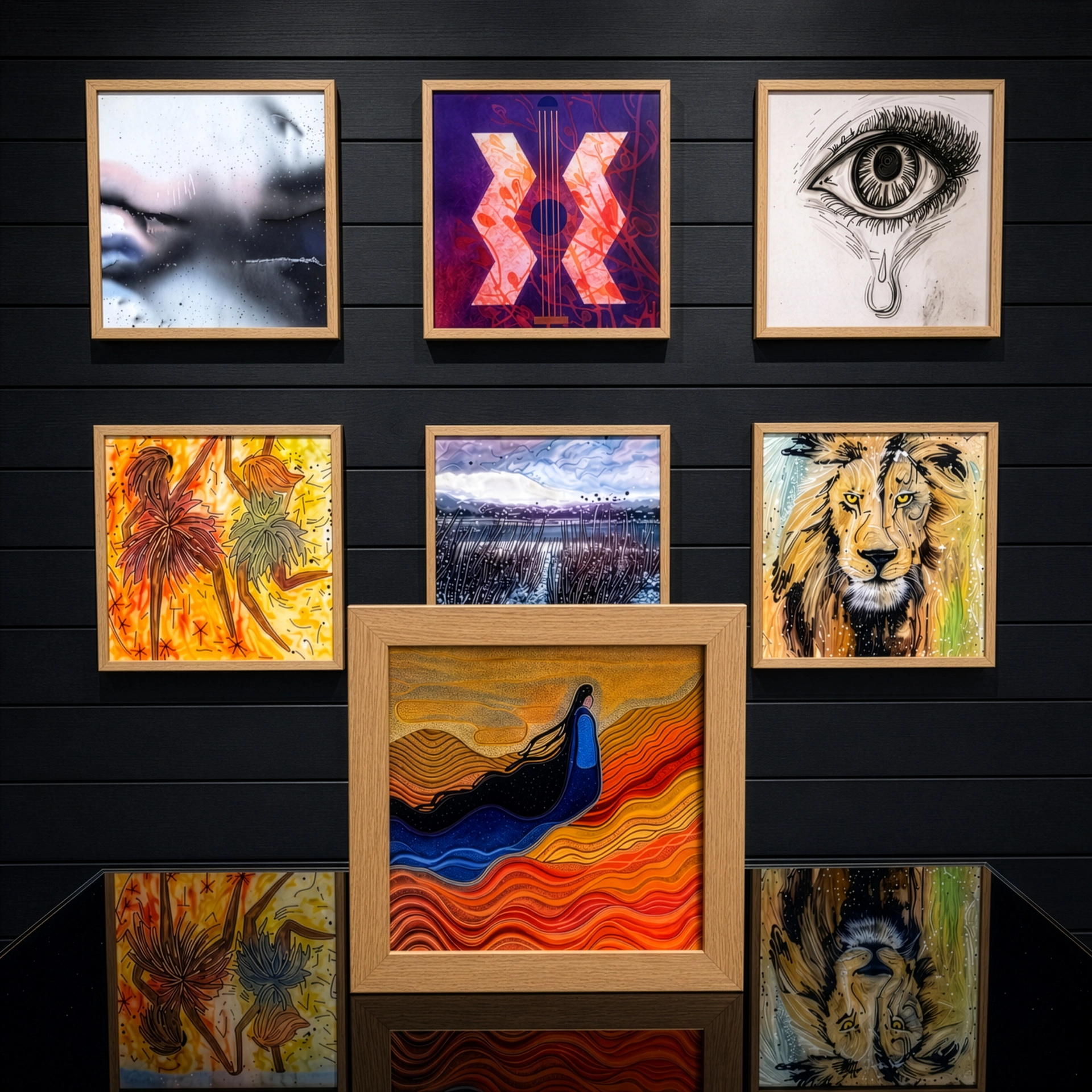 Odoardo Art™
 Odoardo Lens™
 Odoardo Space™