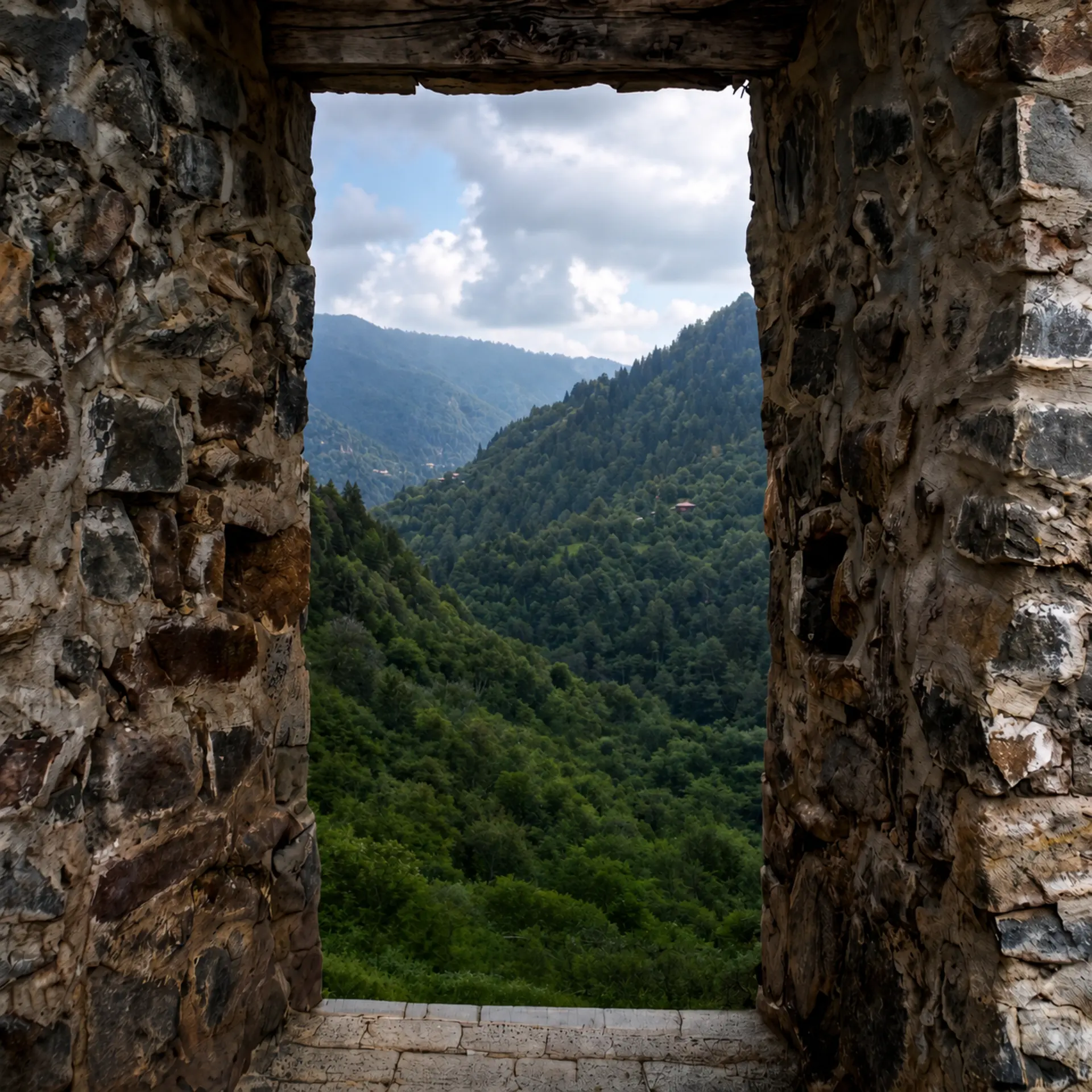
Picture a breathtaking viewpoint suspended above a picturesque valley. It is a place of exceptional potential, opening onto a panorama that recalls Alpine scenery. A location scout arrives – the envoy of a global fashion house looking for a backdrop for a new, high-budget campaign. Reaching the summit, however, he is met with loud disorder. Instead of raw nature he sees aggressive galvanized railings, garish information boards and a tangle of cables from makeshift lighting. The magic of a space that could have generated substantial commercial letting income for the municipality disappears for good beneath visual pollution.
With exceptional landscapes, the value of a place arises not only from the panorama itself but from the way it has been framed and made accessible. An excess of generic infrastructure can disturb the visual coherence of the surroundings and limit its potential as a backdrop for film, photography and premium brand communication. The challenge for local government is therefore to create a safe and functional space that does not compete with the landscape but quietly underlines its natural character.
The leaders of municipalities and national parks face a strategic choice today. They can continue along the path of cheap mass tourism, which degrades the landscape, or take the direction of quiet luxury – protecting nature and monetizing its clean, undisturbed beauty by opening it to discerning aesthetes and the film industry.
The engineering of respect for nature
For a viewpoint to become a place somebody will go out of their way to reach, it is necessary to return to the fundamentals of composition. The creator of the Odoardo™ ecosystem, dr hab. inż. Marcin Jamro, applies a rule here that inverts the tourist instinct: the less we add to a view, the longer somebody will stay with it.
“Nature is the most accomplished architect, and it needs no corrections from us – only protection. When we surround a viewpoint with cheap plastic and aggressive light, we destroy its value.”
Local authorities wishing to prove their respect for space to production companies and investors submit their finest locations for verification within The Filmable Book by Odoardo™. This elite curatorial annual is a collection of places of confirmed cinematic standard. An entry in this index tells a production company one thing: this location requires nothing to be removed from the frame before the first shot.
Four stages to the status of a film location
Taking part in this project frees a municipality from competing on advertising budget, because presence in the book cannot be bought and the authorization process itself is entirely free. The route leads through four consecutive stages:
- Initiation in the system (status: Submitted) The municipality uploads a single authentic frame of the viewpoint. Drone footage and a film crew are unnecessary. A smartphone photograph taken by a local official during the golden hour will do: mist rising above the valley, or an austere wooden bench against majestic rock. The frame goes to curatorial review. The public profile, the spread stamped with its status and the materials for sharing are created only upon nomination.
- Expert selection (status: Nominated) The submitted frame is verified by independent curators. Awarding the gold seal gives the municipal authorities hard, objective proof that their strategy of caring for the space produces real aesthetic results that impress professionals.
- The voice of the local community (status: Distinguished) To consolidate its position and reach the physical annual edition, the location must record 500 unique visits to its profile. It is a natural reason for the promotion department to turn to residents, local photographers and enthusiasts of the region – the matter concerns a landscape that is theirs anyway.
- The jury's award (status: Laureate) From among distinguished locations the jury selects viewpoints to receive the title of Laureate and a certificate in a hand-made oak frame, ideal for display in the town hall. Two further pages in the book are additionally reserved for the winners for an exclusive interview, with the head of the municipality or the lead landscape architect for instance, guaranteeing four pages of elite presentation in total, entirely free of charge.
The ecosystem that protects a landscape
Certifying a location is an impulse to introduce measures that protect it from degradation over the long term. Where a municipality maintains a perfectly preserved landscape, it can deploy Odoardo Lens™. This virtual director guides visitors' recordings through curated frames with cinematic color grading, creating Curated Guest Content (CGC) published with their consent.
The animated matter of Odoardo Soul™ protects infrastructure from visual pollution. It allows information for visitors to be hidden directly within solid stone or raw wood. Signs, screens and visible cabling disappear from the space – the same principle of non-invasiveness is described in Discreet AI in historic hotels and palaces.
The paths leading to a viewpoint can be enriched with forms integrated into nature from the Odoardo Art™ portfolio, which we cover in Art teaches attention, while rest areas can be fitted with oak structures from Odoardo Alibi™, which help people put down their phones – developed in The phenomenon of continuous partial attention. The digital identity of such a place is worth anchoring to a premium address from the Odoardo Space™ portfolio, used by a single entity only.
Submitting a local viewpoint to The Filmable Book by Odoardo™ is an act of architectural diplomacy. It is intelligent monetization, proving that a municipality is not yielding to the dictates of mass tourism but creating a directed oasis – ready to be let to leading creators and opened to aesthetes who value genuine, quiet luxury.
Landscapes admitted to the book are set out in Odoardo™ research. Related decisions have been taken by independent vineyards and by the municipalities behind the night-time illumination of town squares.
 Odoardo Soul™
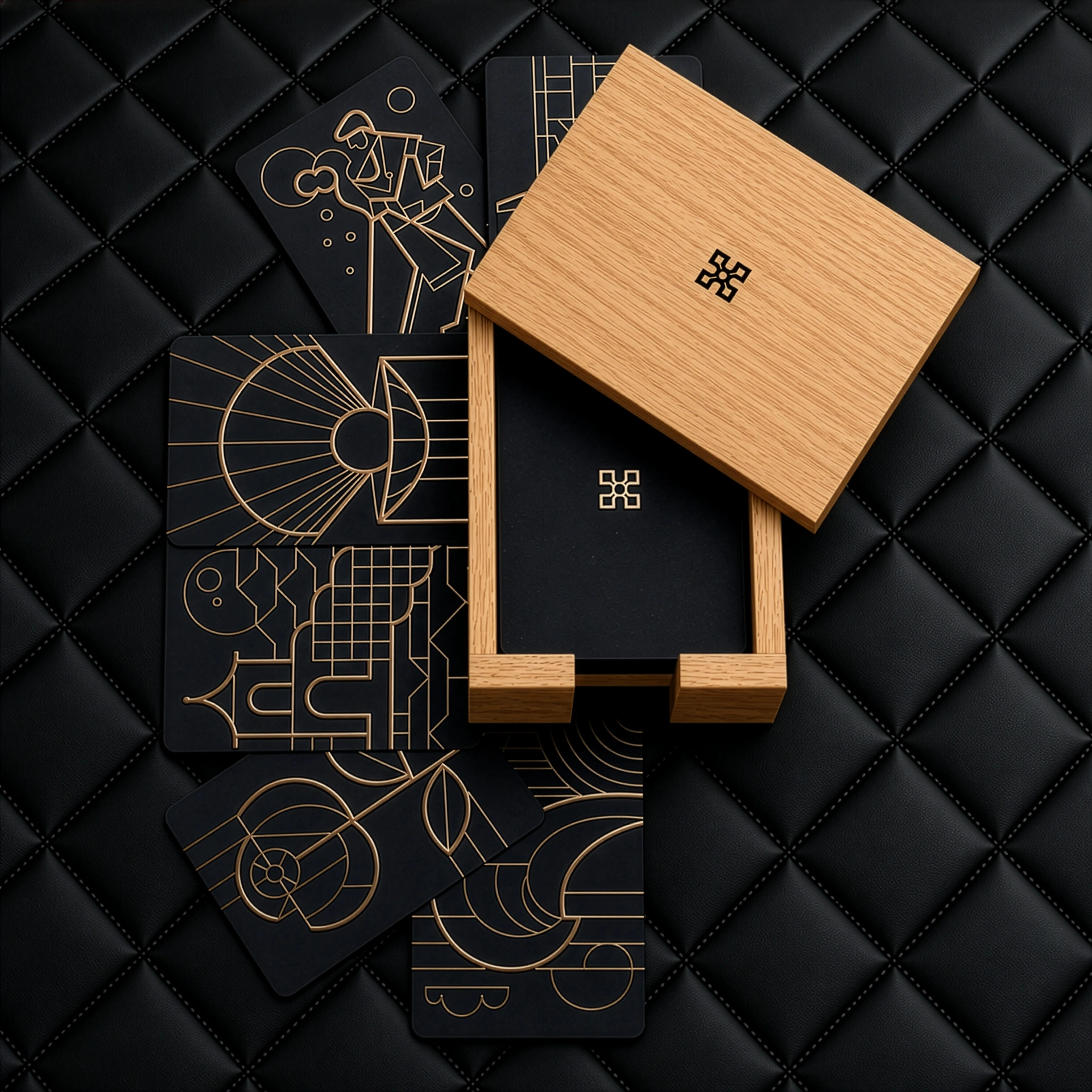 Odoardo Alibi™
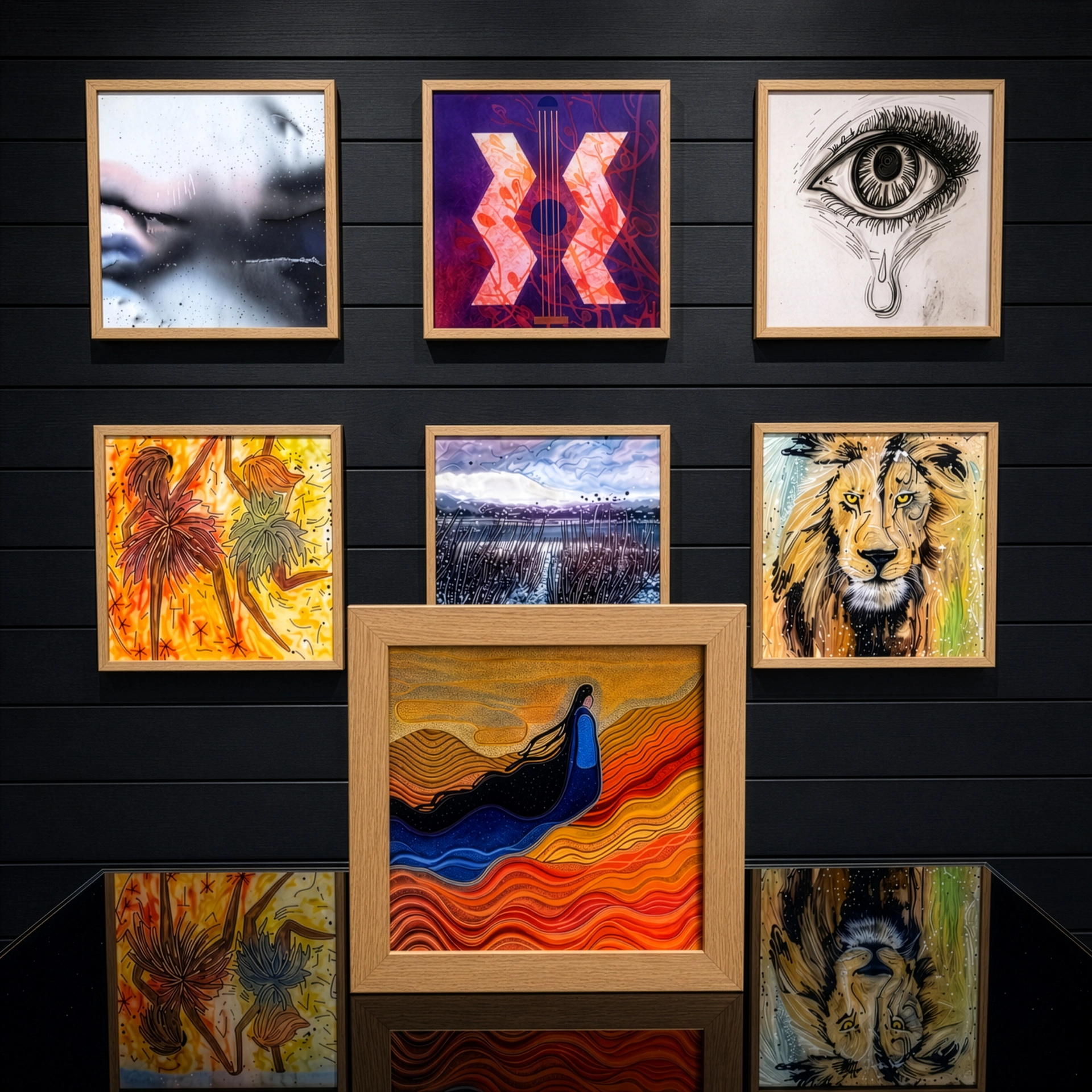 Odoardo Art™
 Odoardo Lens™
 Odoardo Space™